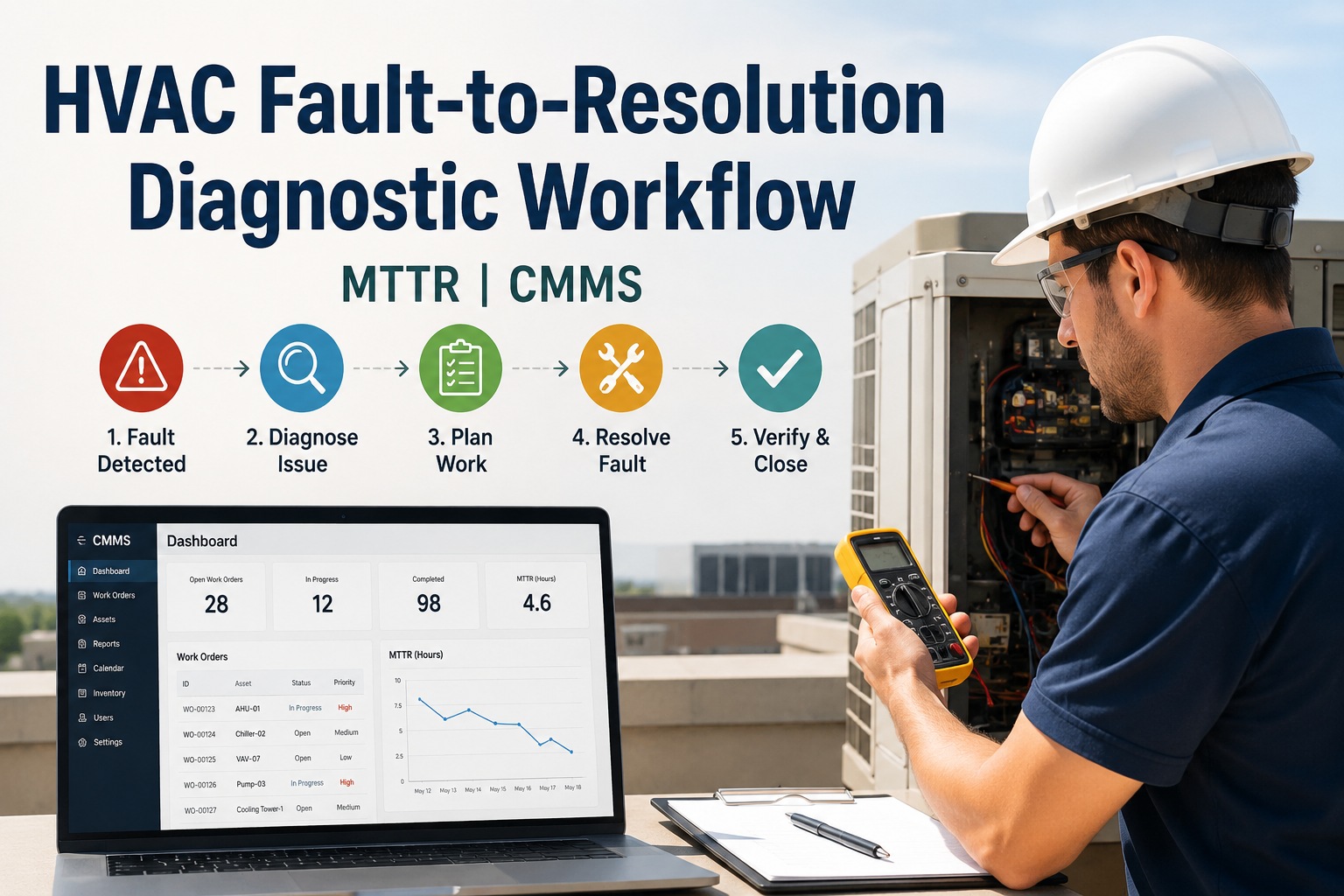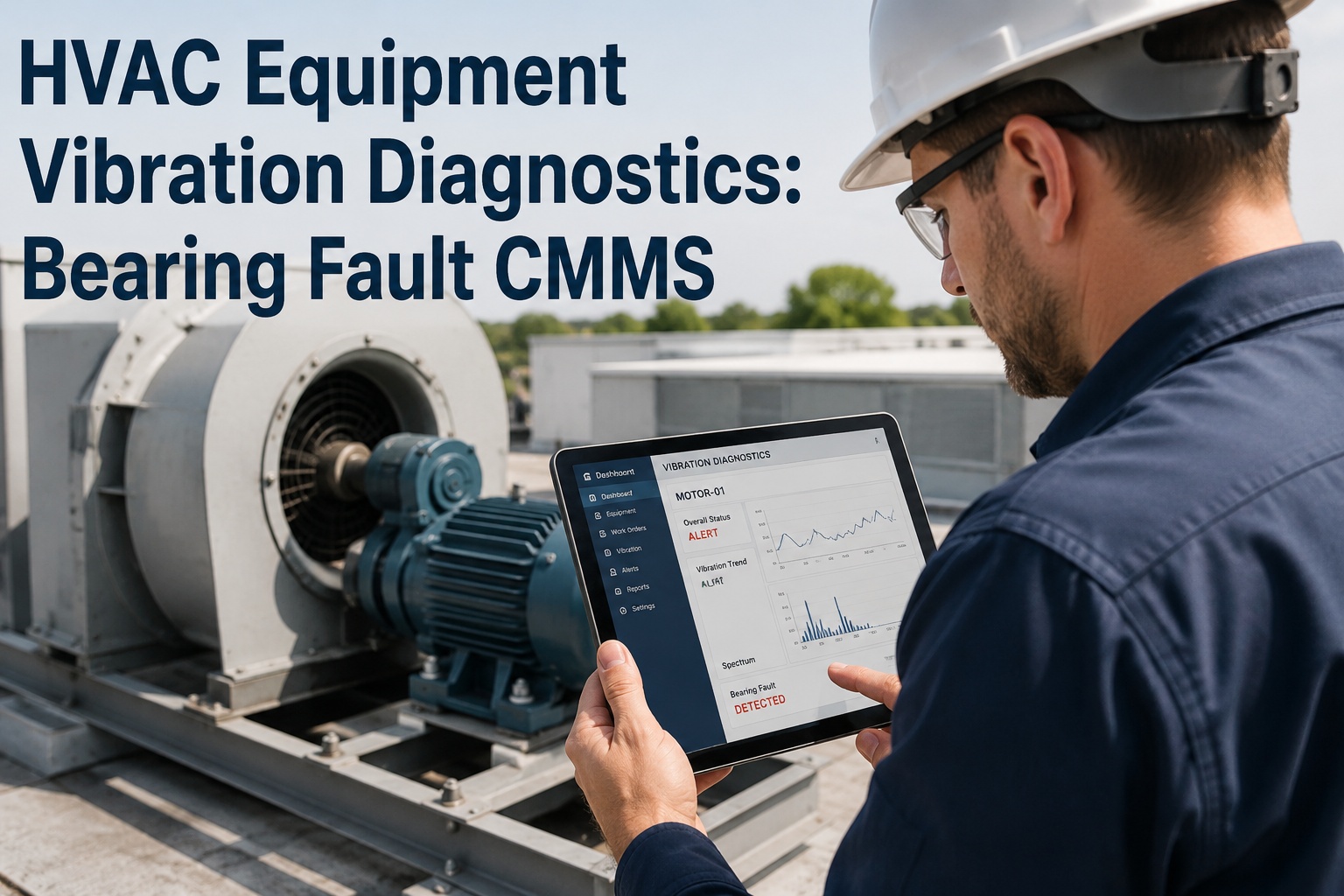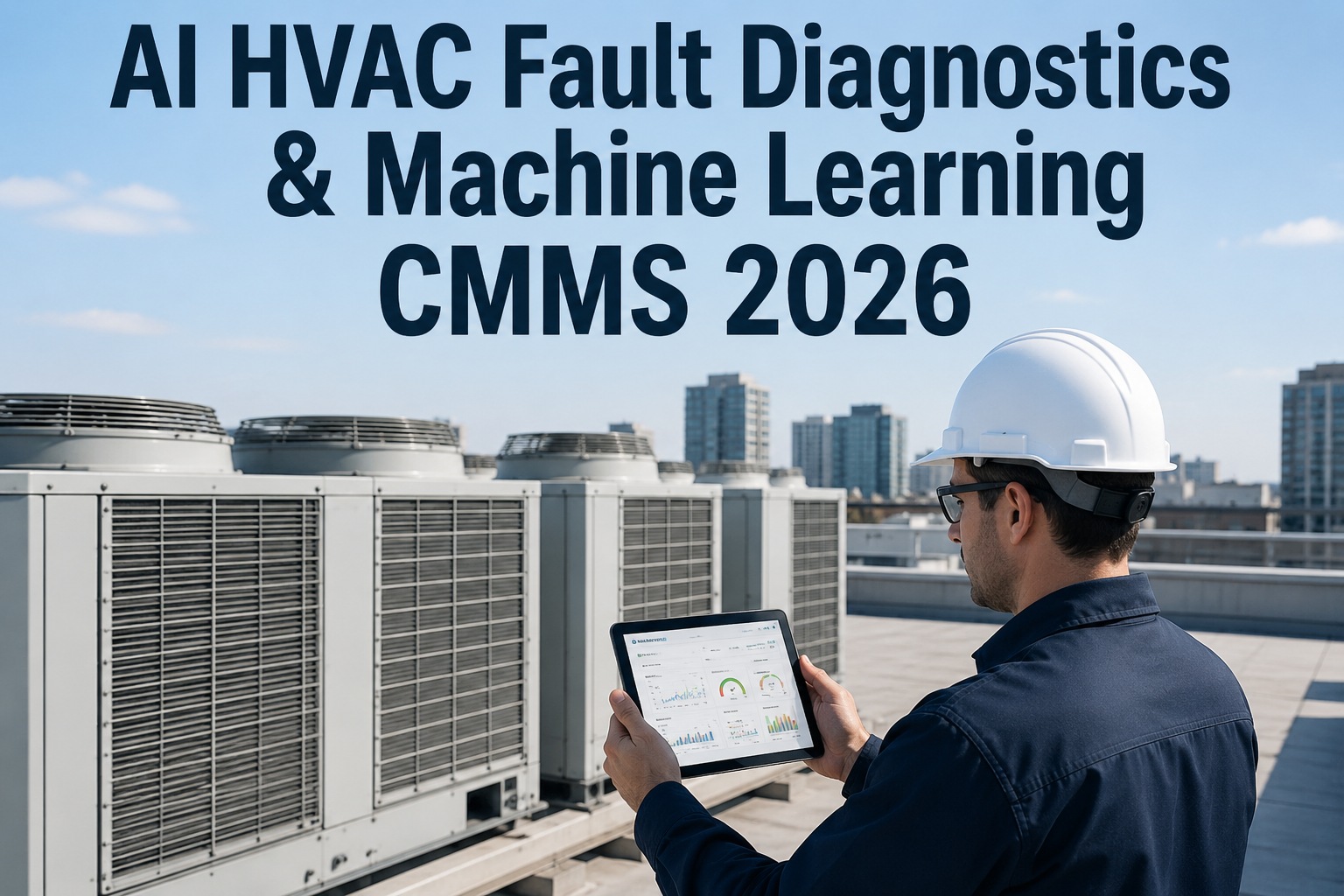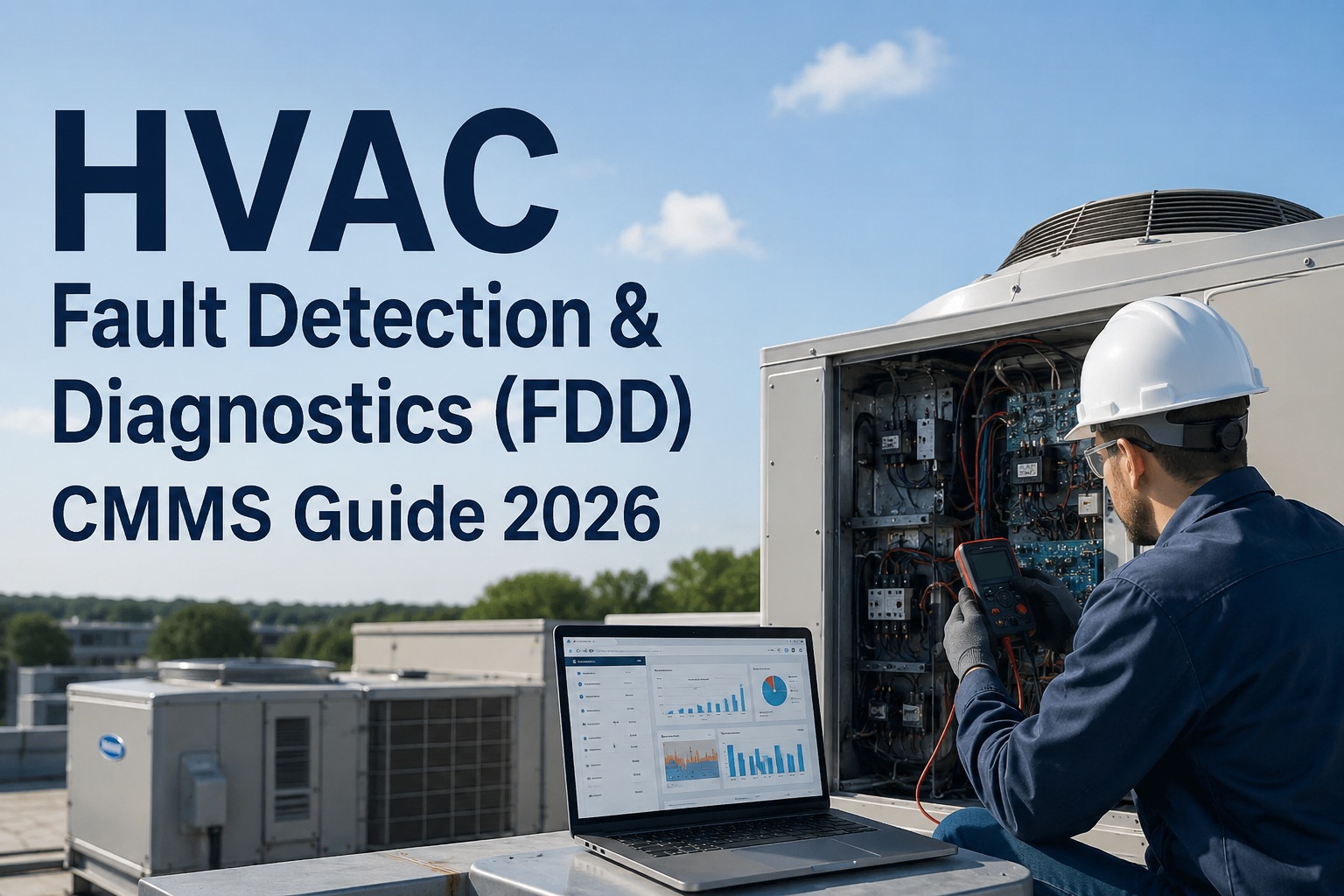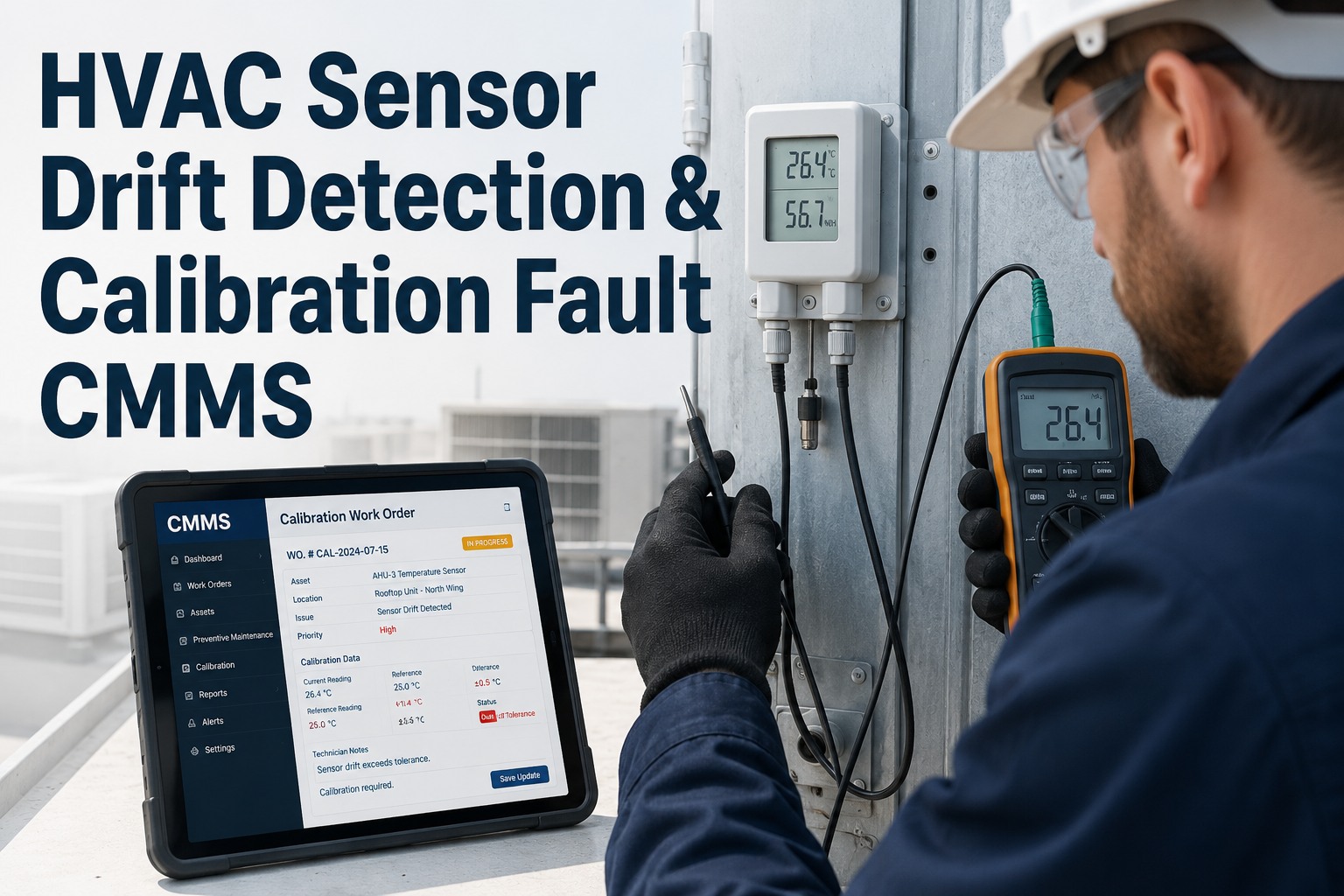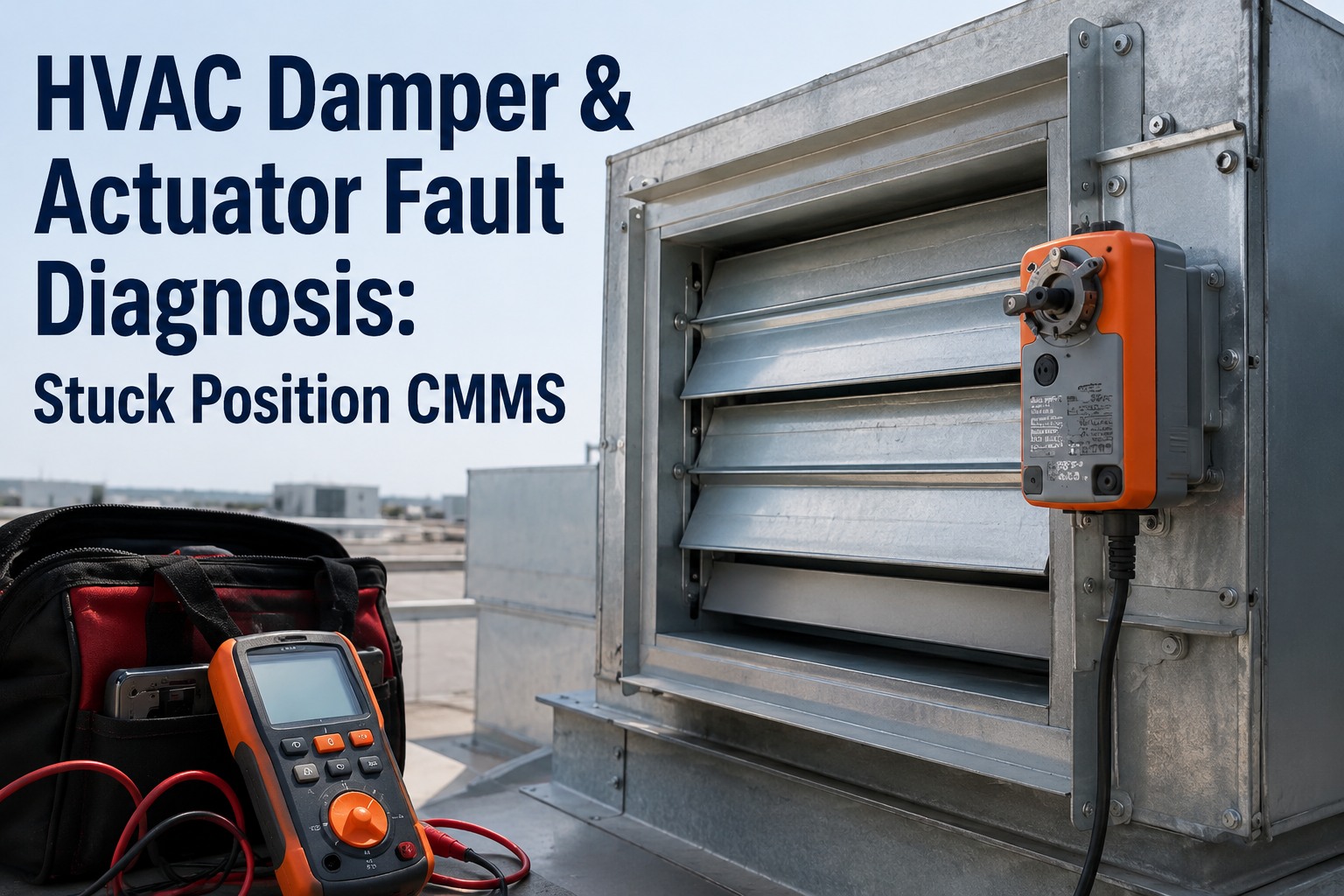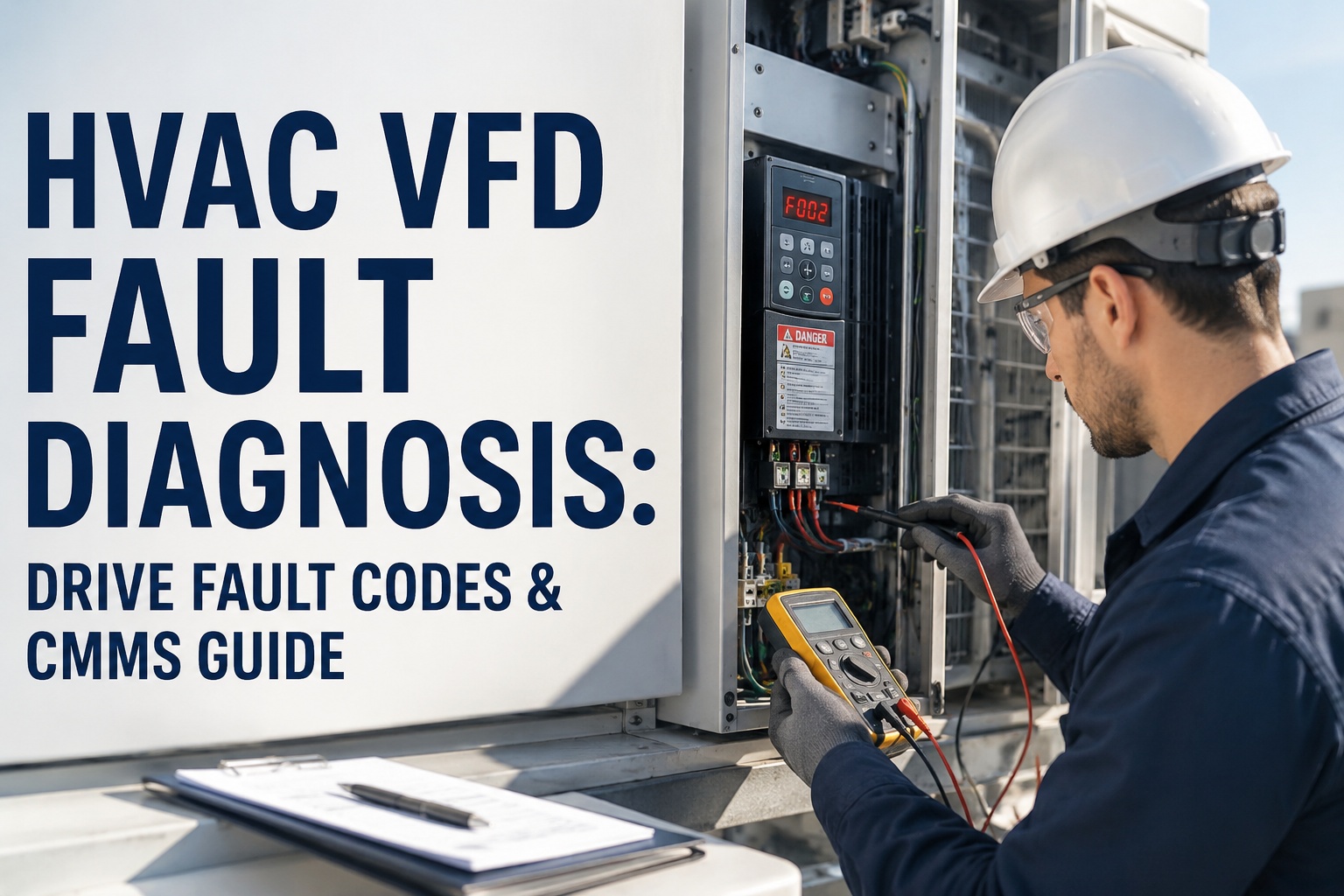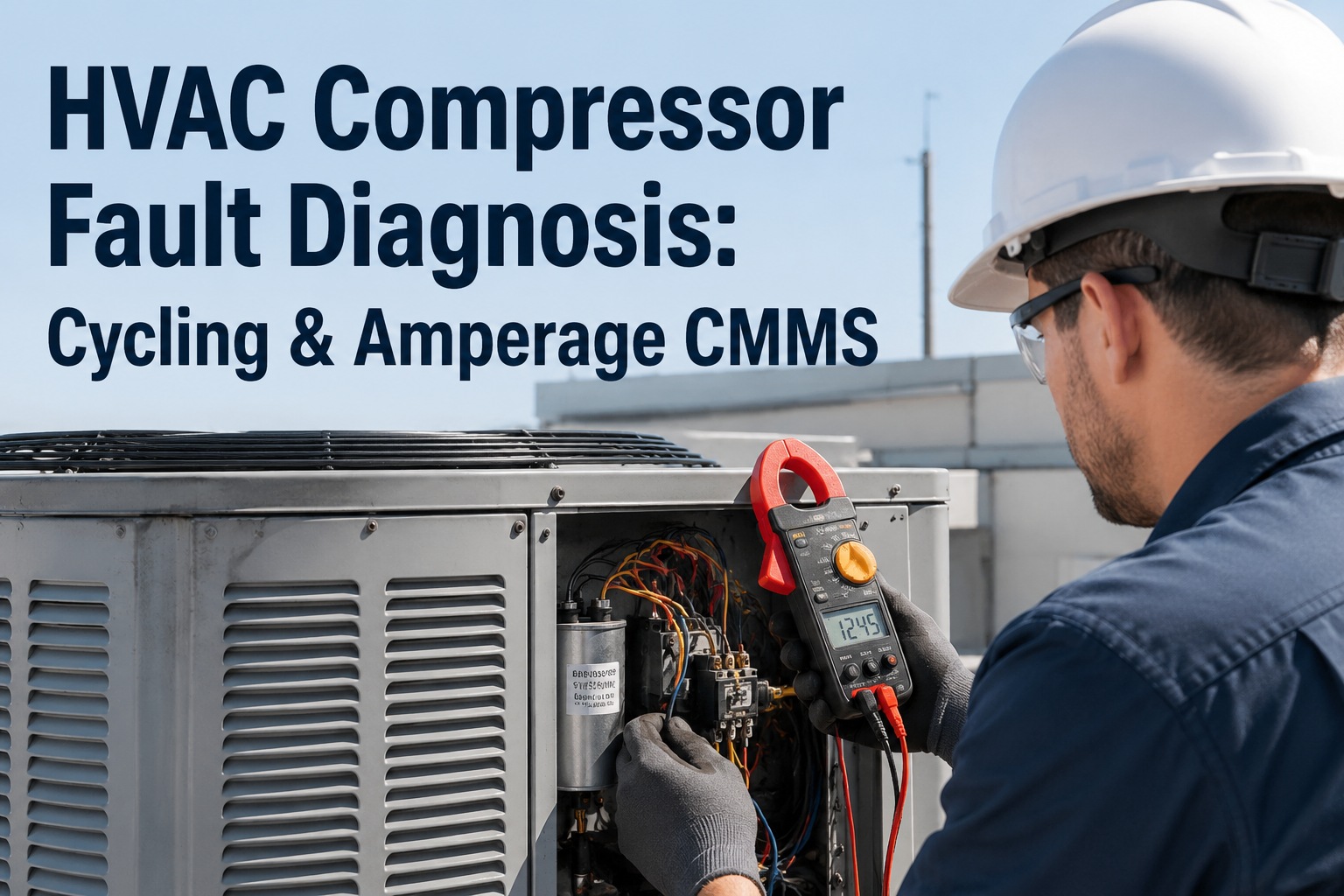
HVAC compressor fault diagnosis is the systematic process of identifying, analyzing, and resolving mechanical and electrical failures in air conditioning and refrigeration compressors before they cause catastrophic system downtime.Technicians rely on key indicators like short cycling patterns, abnormal compressor amperage draw, and locked rotor conditions to pinpoint root causes—from low refrigerant charge and faulty capacitors to severe mechanical wear. By integrating compressor health monitoring into a modern CMMS, maintenance teams can automatically track amperage trends, trigger preventive work orders, and prevent costly emergency replacements. See how OxMaint streamlines this workflow when you Start Free Trial today.
Are Short Cycling and High Amperage Quietly Destroying Your HVAC Compressors?
A single compressor failure can cost $4,000–$12,000 in emergency replacement, refrigerant recovery, and lost production. Diagnosing faults early through amperage analysis and cycle tracking cuts unplanned downtime by up to 45%.
HVAC Compressor Diagnostics: A 4-Stage Fault Isolation Timeline
Effective compressor fault diagnosis follows a strict progression from behavioral observation to electrical measurement and mechanical verification. Here is the standard timeline for isolating failures in commercial HVAC systems.
Short Cycling HVAC Detection
Monitor the compressor's run-time log. If the unit starts and stops more than 6–10 times per hour, it is short cycling. This prevents the compressor from reaching steady-state operation, causing oil pump starvation and accelerating bearing wear by up to 300%.
Compressor Amperage HVAC Analysis
Use a clamp meter to measure Locked Rotor Amperage (LRA) and Run Load Amperage (RLA). Compare readings against the manufacturer's data plate. A run amperage exceeding the RLA rating by 10–15% indicates high head pressure, low refrigerant charge, or failing internal bearings.
Locked Rotor Diagnosis
If the compressor hums but fails to start, measure LRA. A locked rotor condition draws massive starting current. Test the run/start capacitor with a multimeter; if the microfarad rating is below 80% of the labeled value, the capacitor is the culprit. If capacitors are good, suspect a mechanically seized compressor.
Compressor Fault CMMS Logging
Document the fault, parts replaced, and operating readings in your CMMS. Schedule a 30-day follow-up to verify amperage normalization. Without centralized logging, 60% of compressor failures become repeat issues within 12 months due to unresolved root causes.
Compressor Diagnosis Guide: Common Faults, Causes, and Amperage Signatures
Understanding the electrical signature of a failing compressor allows maintenance teams to predict breakdowns before they happen. Use this diagnostic guide to map symptoms to root causes.
| Symptom / Fault | Amperage Signature | Primary Root Cause | Risk Level |
|---|---|---|---|
| Short Cycling | Fluctuating / Rapid spikes | Faulty thermostat, low refrigerant, oversized unit | High (Bearing damage) |
| Locked Rotor | LRA sustained > 5 seconds | Bad run capacitor, seized scroll, liquid slugging | Critical (Burnout) |
| High Head Pressure | RLA exceeded by 15–25% | Dirty condenser coils, bad fan motor, non-condensables | Medium (Overheating) |
| Low Charge / Leak | RLA dropped 20%+ below rated | Refrigerant leak, restricted metering device | Medium (Motor cooling loss) |
| Internal Overload Open | Zero amps (Open circuit) | Excessive heat, low refrigerant, high ambient | High (Thermal damage) |
Compressor Amperage Guide: Formulas for Predictive Maintenance
Rather than waiting for a locked rotor failure, reliability teams use basic electrical formulas to trend compressor health over time. Tracking these metrics in a CMMS automates the alerting process.
Run Load Amperage (RLA) Deviation
Benchmark: A deviation greater than +10% indicates the compressor is working too hard (likely high head pressure or bad valves). A deviation of -15% suggests low refrigerant charge, which starves the motor of cooling.
Cost of Short Cycling (CSC)
Example: A 20-ton RTU short cycling 8 extra times per hour can add $1,200+ in unnecessary energy draw and accelerated wear annually per unit. Multiply across a 50-unit portfolio to justify immediate CMMS intervention.
"In a 180-asset manufacturing plant spending $42K annually on reactive HVAC repairs, implementing CMMS-driven amperage tracking reduced emergency compressor replacements by 60% within the first cooling season."
— OxMaint Reliability Case Study, Industrial HVAC SectorHow OxMaint CMMS Solves HVAC Compressor Fault Diagnosis
Manually tracking compressor cycling and amperage across multiple rooftops is a reactive, spreadsheet-heavy process. OxMaint's AI-powered CMMS automates data collection, predicts failures, and streamlines work order execution.
Automated Amperage Monitoring
Integrate IoT clamp sensors to feed real-time RLA and LRA data directly into OxMaint. The AI engine flags amperage deviations automatically, triggering work orders before a locked rotor event occurs.
Outcome: Cut unplanned downtime 30–50%Short Cycling Alerts & PM Triggers
Configure cycle-count thresholds based on OEM specs. When a unit short cycles, OxMaint instantly generates a diagnostic work order with the electrical checklist attached, eliminating manual logging delays.
Outcome: Reduce diagnostic response time by 80%Spare Parts & Compressor Tracking
Map specific compressor models to their required capacitors, contactors, and refrigerants. When a fault is diagnosed, OxMaint checks inventory levels and reserves parts automatically.
Outcome: Eliminate 100% of parts-related downtimeCompliance & Audit Readiness
Every amperage reading, cycle log, and replaced part is time-stamped and attached to the asset history. Pass ISO 55000 audits and FMCSA inspections with verifiable, maintenance records.
Outcome: 100% audit-ready maintenance logsStop Reacting to Compressor Failures. Start Predicting Them.
See how OxMaint's AI-powered CMMS transforms your HVAC compressor diagnostics, reduces emergency callouts, and extends equipment life. Book a 30-minute demo with our reliability engineers today.
HVAC Compressor Fault Diagnosis & CMMS FAQs
What causes an HVAC compressor to short cycle?
Short cycling in HVAC systems is primarily caused by an oversized air conditioning unit, a faulty thermostat, low refrigerant charge, or a dirty air filter causing the unit to freeze and thaw rapidly. It forces the compressor to start and stop rapidly, preventing proper lubrication and leading to premature mechanical failure. Using a CMMS to monitor cycle counts helps catch this before permanent damage occurs. You can Book a Demo to see how automated cycle alerts work.
How do you diagnose a locked rotor in an HVAC compressor?
To diagnose a locked rotor, measure the compressor's starting amperage with a clamp meter. If the unit draws Locked Rotor Amperage (LRA) for more than 2-3 seconds without starting, the rotor is mechanically or electrically seized. Test the run and start capacitors first, as a weak capacitor is the most common cause. If capacitors test within microfarad tolerances, the compressor itself has likely seized internally.
What should the amperage draw be on a functioning HVAC compressor?
A functioning compressor should draw amperage at or below its Rated Load Amperage (RLA) listed on the data plate during steady-state operation. If the measured amperage exceeds the RLA by 10% or more, it indicates high head pressure, low refrigerant, or failing bearings. Tracking these amperage readings over time in a CMMS establishes a baseline for predictive maintenance.
How does a CMMS improve compressor health monitoring?
A CMMS improves compressor health monitoring by centralizing asset data, automating preventive maintenance schedules, and integrating with IoT sensors to track real-time amperage and temperature. Instead of relying on manual clipboard readings, the software flags anomalies like short cycling and automatically generates work orders, reducing unplanned downtime by up to 45% and extending asset lifecycle.
Can predictive maintenance prevent HVAC compressor failure in 2026?
Yes, predictive maintenance is the leading strategy for preventing HVAC compressor failure in 2026. By continuously analyzing amperage draw, vibration, and temperature data, AI-powered platforms like OxMaint can detect bearing wear and electrical anomalies weeks before a catastrophic failure, allowing teams to schedule repairs during off-hours. To future-proof your maintenance strategy, Start Free Trial and deploy predictive analytics on your assets.
Ready to Modernize Your HVAC Compressor Diagnostics?
Join the maintenance teams using OxMaint to eliminate reactive repairs, track compressor health, and drive down energy costs. Start your free trial or book a personalized demo today.
Free 14-day trial · No credit card required