An HVAC diagnostic workflow is the closed-loop process that carries a maintenance team from the first fault alert through to verified resolution, and a well-designed CMMS can cut Mean Time to Repair (MTTR) by 40–60% by eliminating communication delays and guesswork. When a chiller trips or an RTU short-cycles, the speed and accuracy of your fault-to-resolution process directly dictates downtime costs, occupant comfort, and energy waste. By integrating HVAC technician training diagnostics with a structured diagnostic-to-work-order pipeline, facilities can transform reactive chaos into a predictable, audit-ready maintenance operation. See how OxMaint streamlines this entire workflow when you Start Free Trial or read on to map out your own closed-loop diagnostic process.
Is your HVAC fault-to-resolution process bleeding downtime hours?
Most maintenance teams lose 2–4 hours per HVAC failure to misdiagnosis, missing manuals, and paper work-order handoffs. A closed-loop diagnostic workflow in a CMMS compresses that to minutes. OxMaint routes the alert, attaches the asset history, and triggers the correct work order automatically — so technicians arrive prepared and resolve faults faster.
Why most HVAC fault resolution workflows fail in the first 15 minutes
Industry studies show that 70% of total MTTR is spent not on turning wrenches, but on detecting the fault, diagnosing the root cause, and locating the right parts and documentation. For a 180-asset commercial facility spending $42,000 annually on emergency HVAC call-outs, poor diagnostic workflows silently drain $15K–$20K in unnecessary labor and premium parts.
The 5-stage HVAC closed-loop process for maximum MTTR reduction
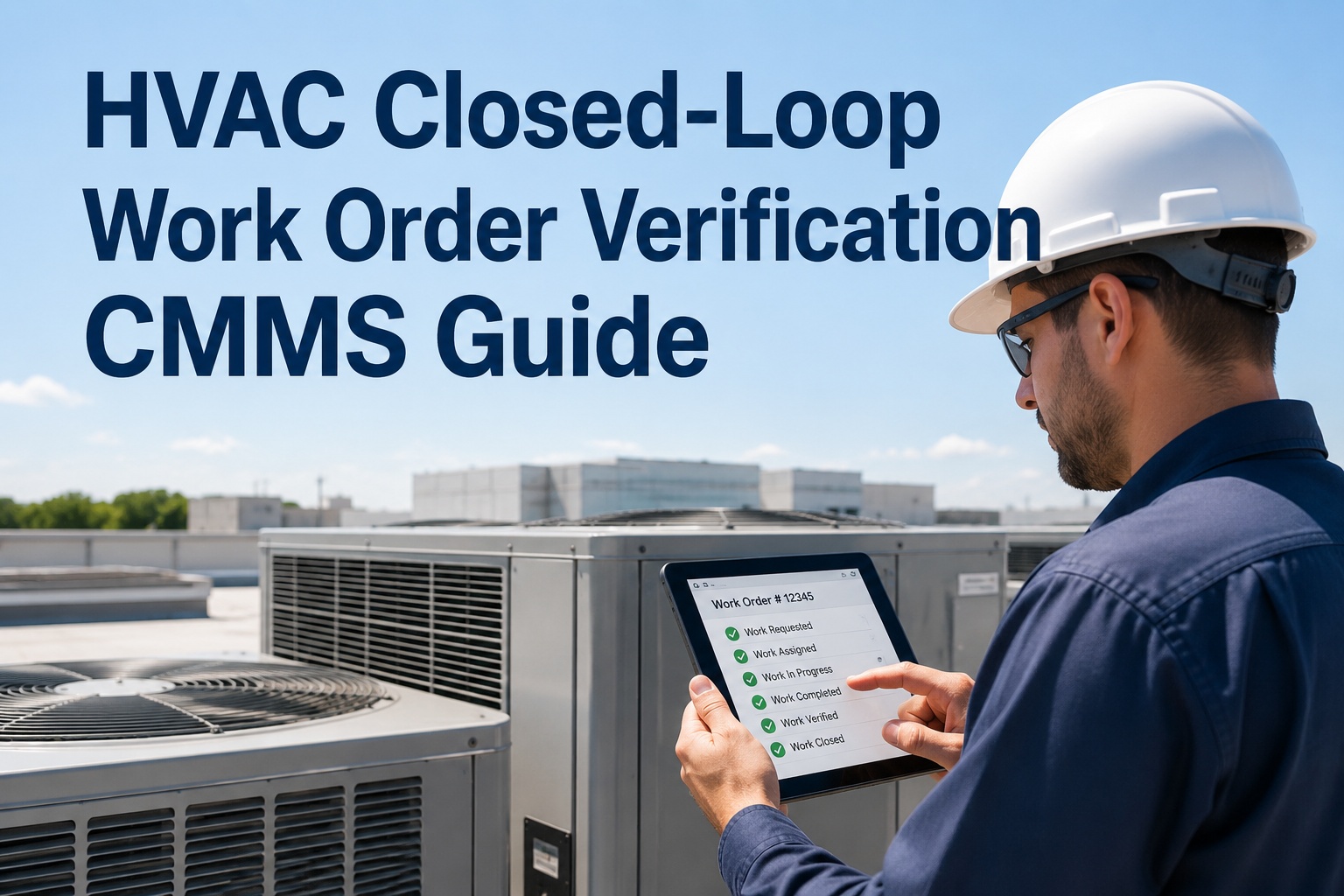
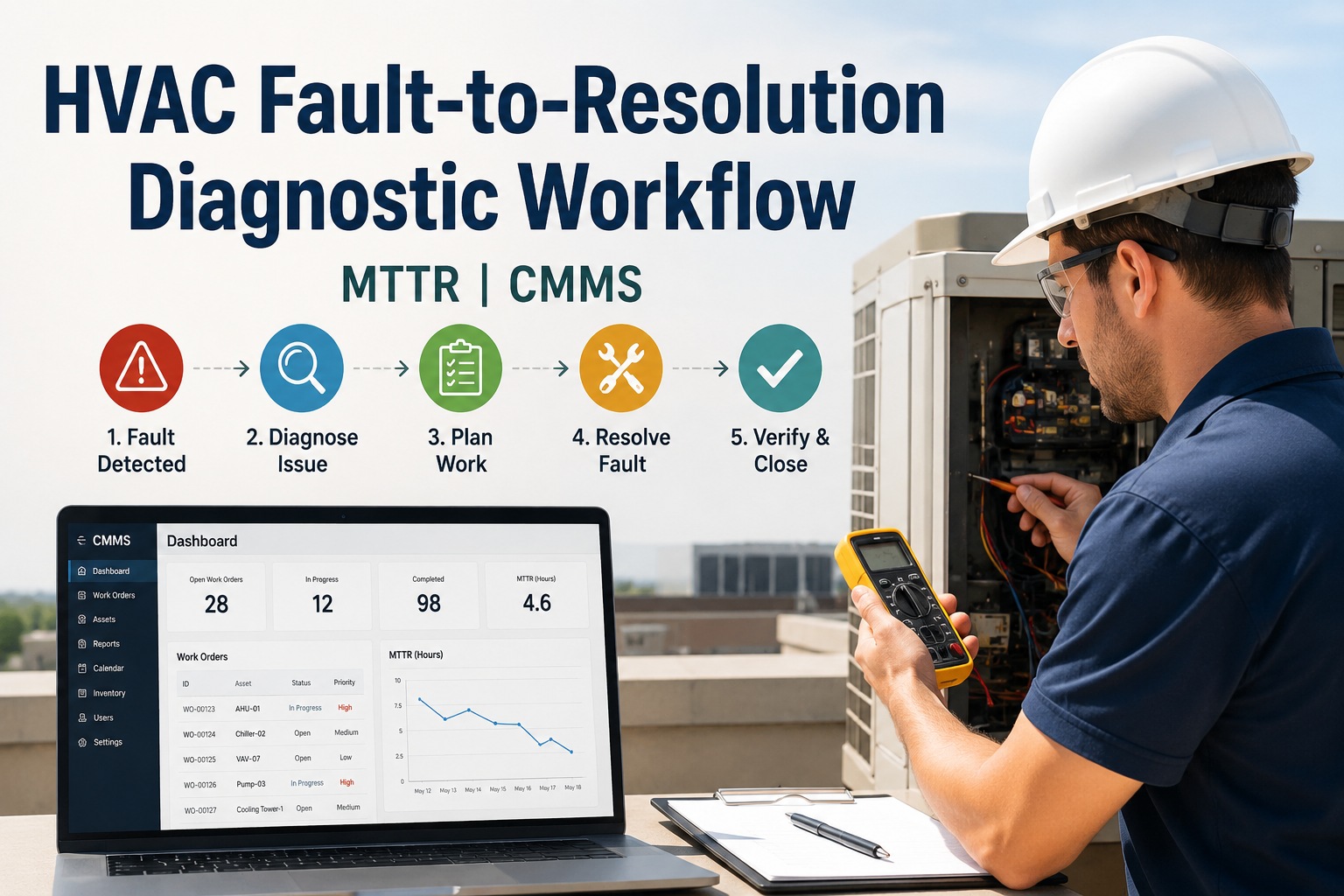
A true fault resolution CMMS doesn't just log tickets; it orchestrates a closed-loop process from alert to verified repair. Here is the 5-stage diagnostic workflow that cuts HVAC MTTR by up to 60%.
Automated Fault Detection & Alert Routing
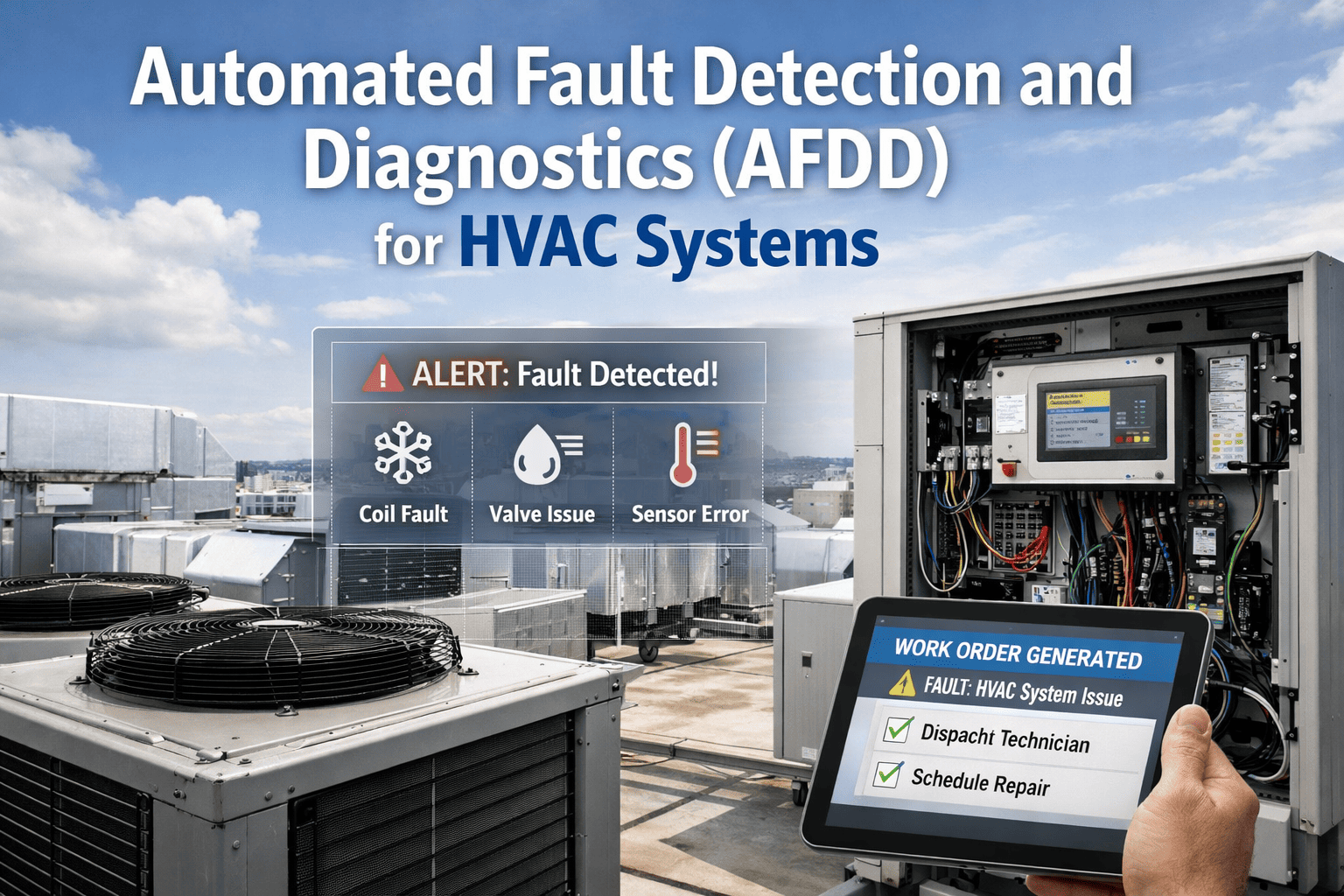
IoT sensors, BMS alarms, or occupant complaints trigger an automated alert in the CMMS. OxMaint instantly evaluates the fault severity, flags the affected asset, and creates a diagnostic record — eliminating manual data entry and missed alarms.
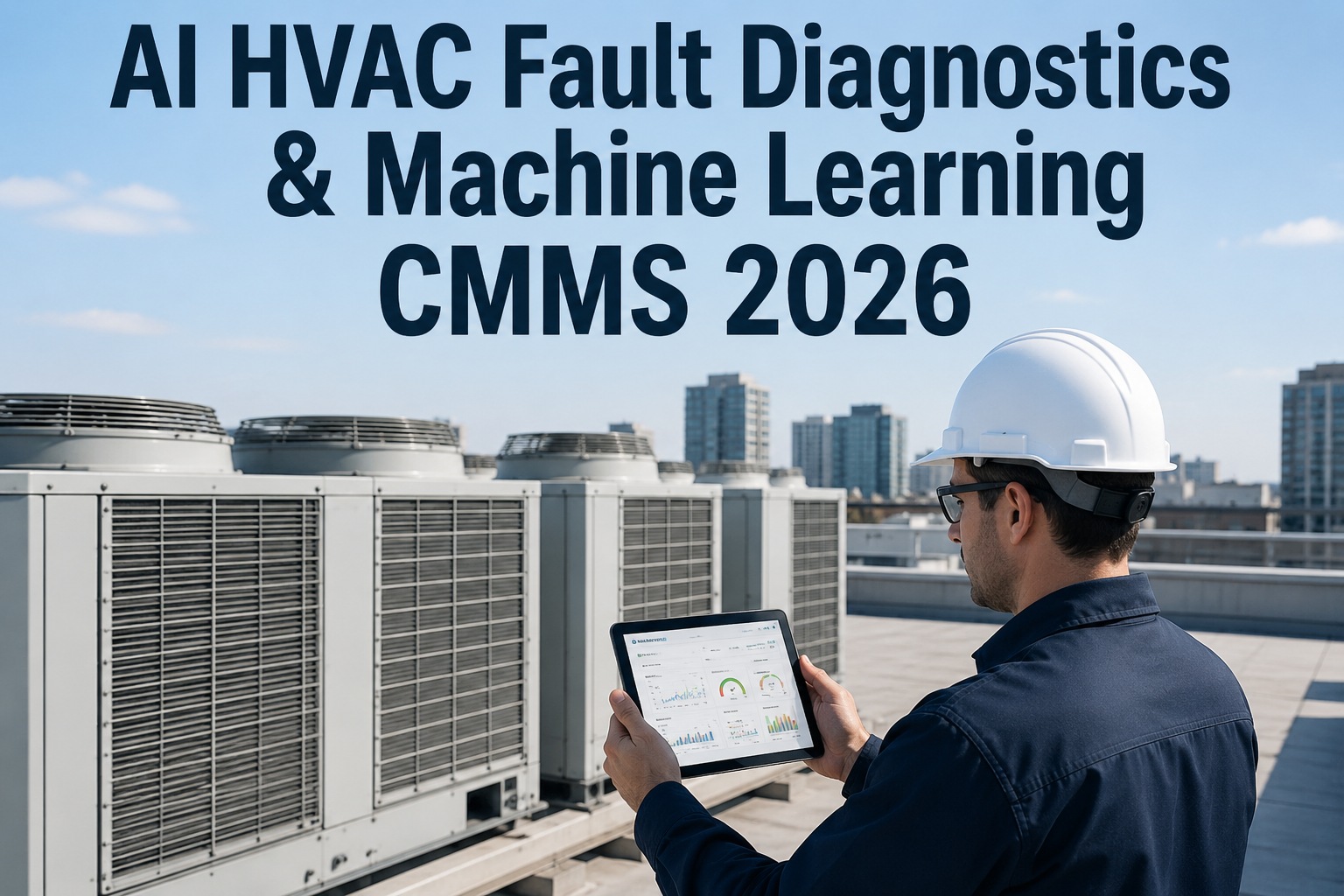
AI-Assisted Triage & Root Cause Diagnosis
The system pulls historical asset data, OEM manuals, and recent PM logs. OxMaint's AI suggests probable failure modes (e.g., refrigerant leak vs. faulty pressure switch) so dispatchers can assign the right technician with the right skills on the first attempt.
Diagnostic-to-Work-Order Generation
A prioritized work order is automatically generated, pre-loaded with diagnostic checklists, required safety permits, and identified spare parts from inventory. The technician receives a mobile push notification with everything needed to start resolving the fault immediately.
Field Execution & Real-Time Documentation
Technicians follow guided diagnostic steps on their mobile device, capturing photos, sensor readings, and parts used. This structured HVAC technician training diagnostics approach ensures even junior techs follow standard operating procedures, reducing callbacks.
Verification, Closure & Predictive Feedback
Before closure, the system verifies the repair via sensor data normalization. The closed-loop process feeds this resolution data back into OxMaint's predictive maintenance engine, refining future fault detection and preventing recurrence.
How to calculate HVAC MTTR and benchmark your diagnostic workflow
You cannot improve what you do not measure. Tracking MTTR HVAC diagnostics requires a simple but rigid formula. Use this benchmark to justify the ROI of implementing a CMMS diagnostic workflow.
| Metric | Reactive / Spreadsheet | OxMaint CMMS Workflow |
|---|---|---|
| Average HVAC MTTR | 4.5 – 6.0 hours | 1.5 – 2.5 hours |
| First-Time Fix Rate (FTFR) | 55% – 65% | 85% – 95% |
| Diagnostic Time per Fault | 60 – 90 minutes | 10 – 15 minutes |
| Audit & Compliance Readiness | Manual, error-prone | Automated, ISO 55000 aligned |
How OxMaint powers your HVAC fault resolution CMMS
OxMaint is an AI-powered CMMS and EAM platform built to eliminate the friction in your maintenance operations. Here is how specific OxMaint capabilities map directly to HVAC MTTR reduction and faster fault resolution.
AI-Driven Alert Routing
OxMaint ingests BMS and IoT alerts, instantly creating a prioritized diagnostic-to-work-order ticket with asset history attached. Outcome: Cuts initial response time by up to 50% and eliminates missed alarms.
Mobile Diagnostic Work Orders
Technicians receive fault details, OEM manuals, and guided checklists on their mobile devices. Outcome: Increases first-time fix rates to 90%+ by ensuring techs have the right parts and data on arrival.
Predictive Maintenance Analytics
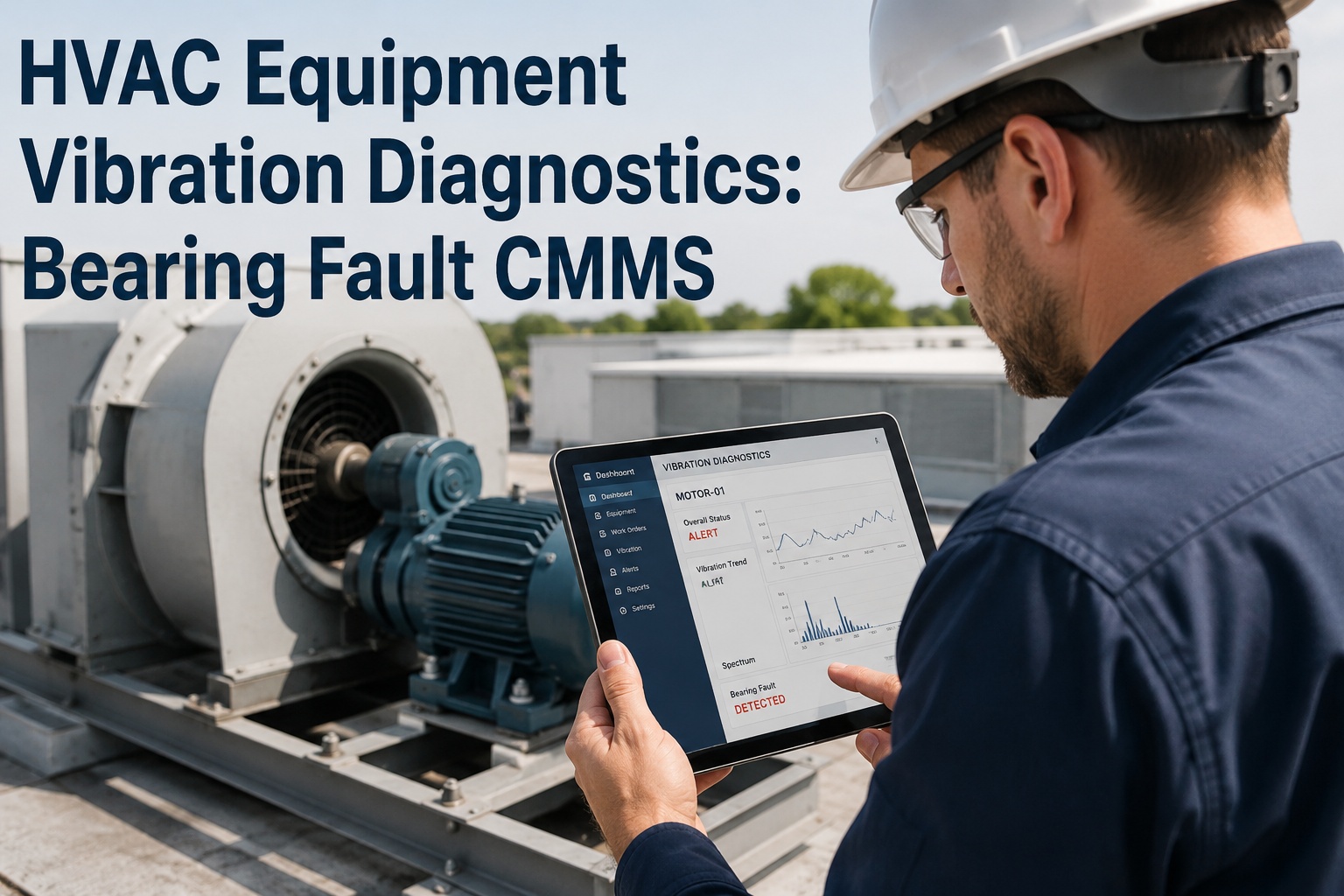
Machine learning analyzes vibration, temperature, and pressure trends to predict HVAC failures before they trip alarms. Outcome: Reduces unplanned downtime by 30–50% by shifting from reactive to predictive workflows.
Integrated Spare-Parts Inventory
Work orders automatically reserve and deduct required spare parts, flagging low stock before a technician arrives. Outcome: Eliminates parts-hunting delays, saving 30–45 minutes per repair.
From 6-hour MTTR to 2 hours: A diagnostic workflow case study
"Before OxMaint, our HVAC technicians were spending the first hour of every call just finding the asset manual and figuring out why the BMS alarm triggered. By implementing OxMaint's closed-loop diagnostic workflow, our average MTTR dropped from 5.8 hours to 2.1 hours. The AI triage routes the exact failure data to the tech's phone before they even leave the shop."
Stop losing hours to manual HVAC diagnostics
See how OxMaint's CMMS diagnostic workflow automates fault-to-resolution on your assets. Book a 30-minute demo today and calculate your specific MTTR reduction.
HVAC diagnostic workflow & MTTR questions answered
What is an HVAC diagnostic workflow?
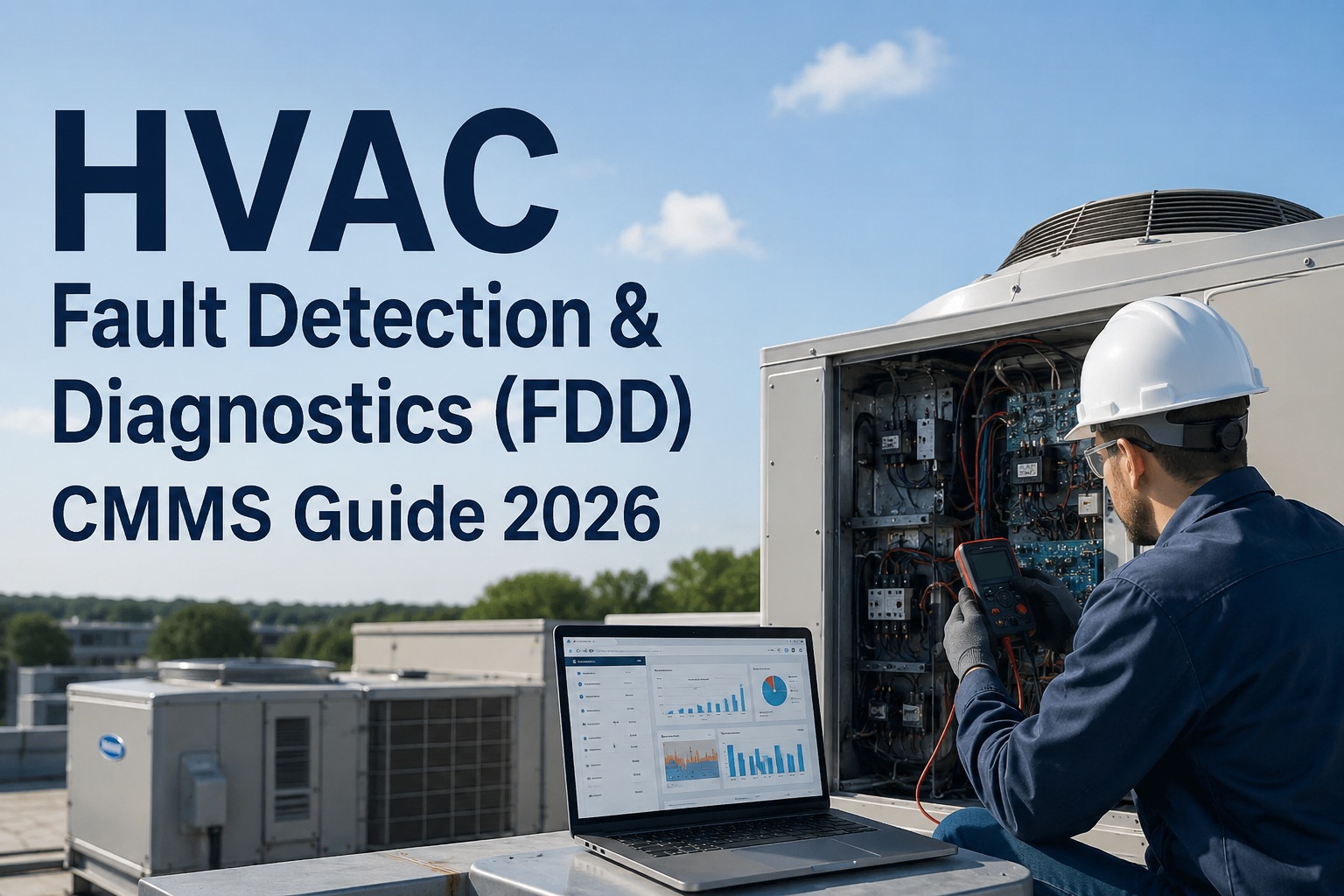
An HVAC diagnostic workflow is a standardized, closed-loop process that guides maintenance teams from the initial fault detection (via sensor or complaint) through triage, root cause analysis, work order execution, and final repair verification. When built inside a CMMS like OxMaint, this workflow automates data capture and parts routing to drastically reduce MTTR.
How does a CMMS reduce HVAC MTTR?
A CMMS reduces HVAC MTTR by eliminating the manual bottlenecks in the fault resolution process. It automatically routes alerts to the right technician, attaches historical asset data and OEM manuals, pre-reserves spare parts, and provides guided mobile checklists. This structured diagnostic-to-work-order pipeline can cut MTTR by 40–60%.
How long does it take to implement a closed-loop diagnostic process?
With a modern AI-powered CMMS, basic fault-to-resolution workflows can be configured in a few days. OxMaint allows rapid asset import and BMS integration. You can Start Free Trial to map your assets immediately, or book a demo to see a custom 30-day implementation plan for enterprise HVAC fleets.
What is the difference between preventive maintenance and a diagnostic workflow?
Preventive maintenance (PM) is scheduled proactively to prevent failures, while a diagnostic workflow is triggered reactively (or predictively) when a fault occurs. A strong CMMS handles both: OxMaint uses PM data and predictive analytics to feed the diagnostic workflow, making root cause analysis faster and more accurate.
Why is HVAC technician training important for diagnostics?
Even the best CMMS cannot fix equipment if technicians lack diagnostic skills. However, OxMaint bridges skill gaps by embedding HVAC technician training diagnostics directly into mobile work orders, providing step-by-step troubleshooting trees and OEM specs so less experienced techs can resolve complex faults correctly the first time.
Ready to cut your HVAC MTTR by up to 60%?
Join the maintenance teams using OxMaint to automate fault-to-resolution, track assets, and eliminate unplanned downtime. Start your free trial or book a personalized demo today.
Free 14-day trial · No credit card required