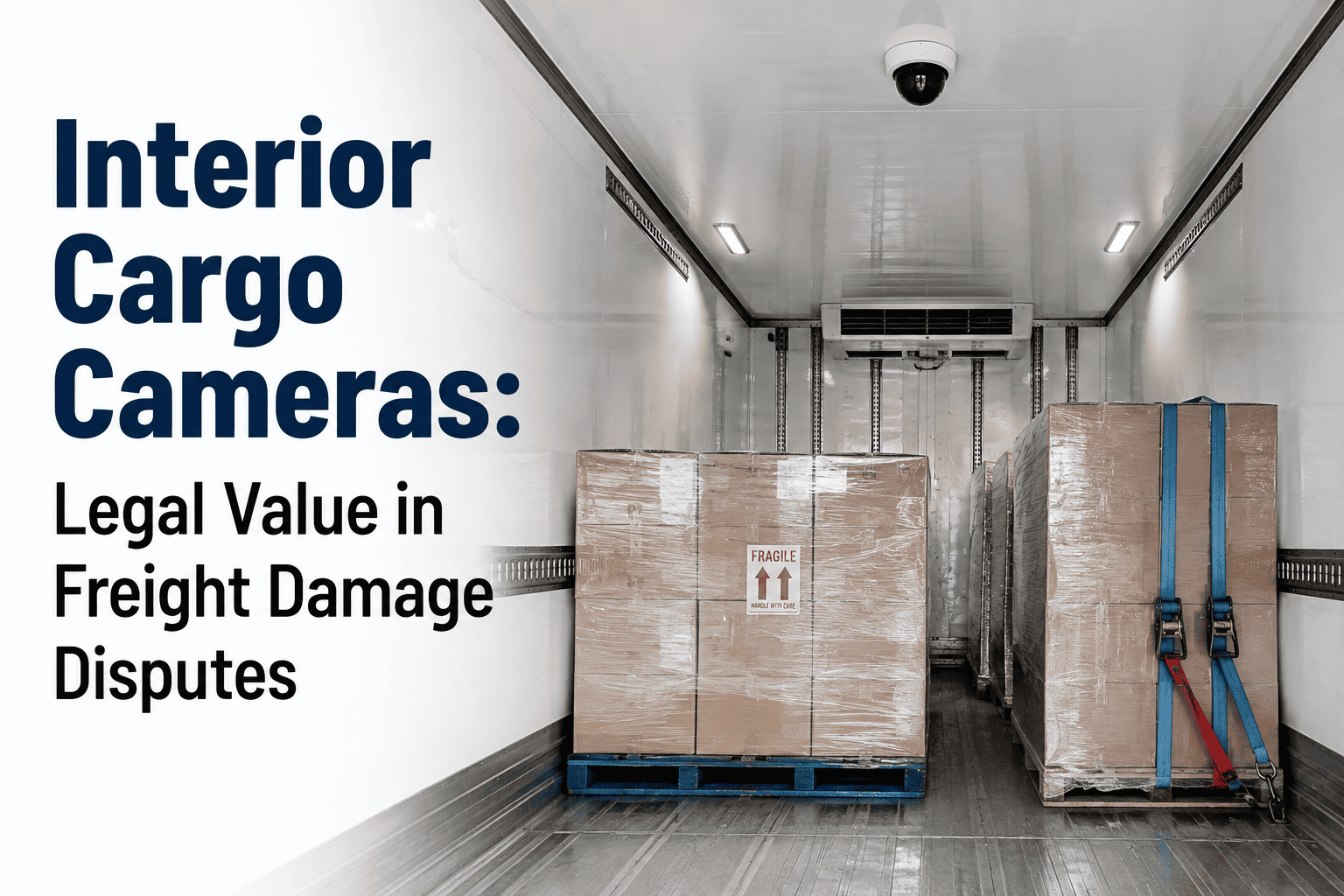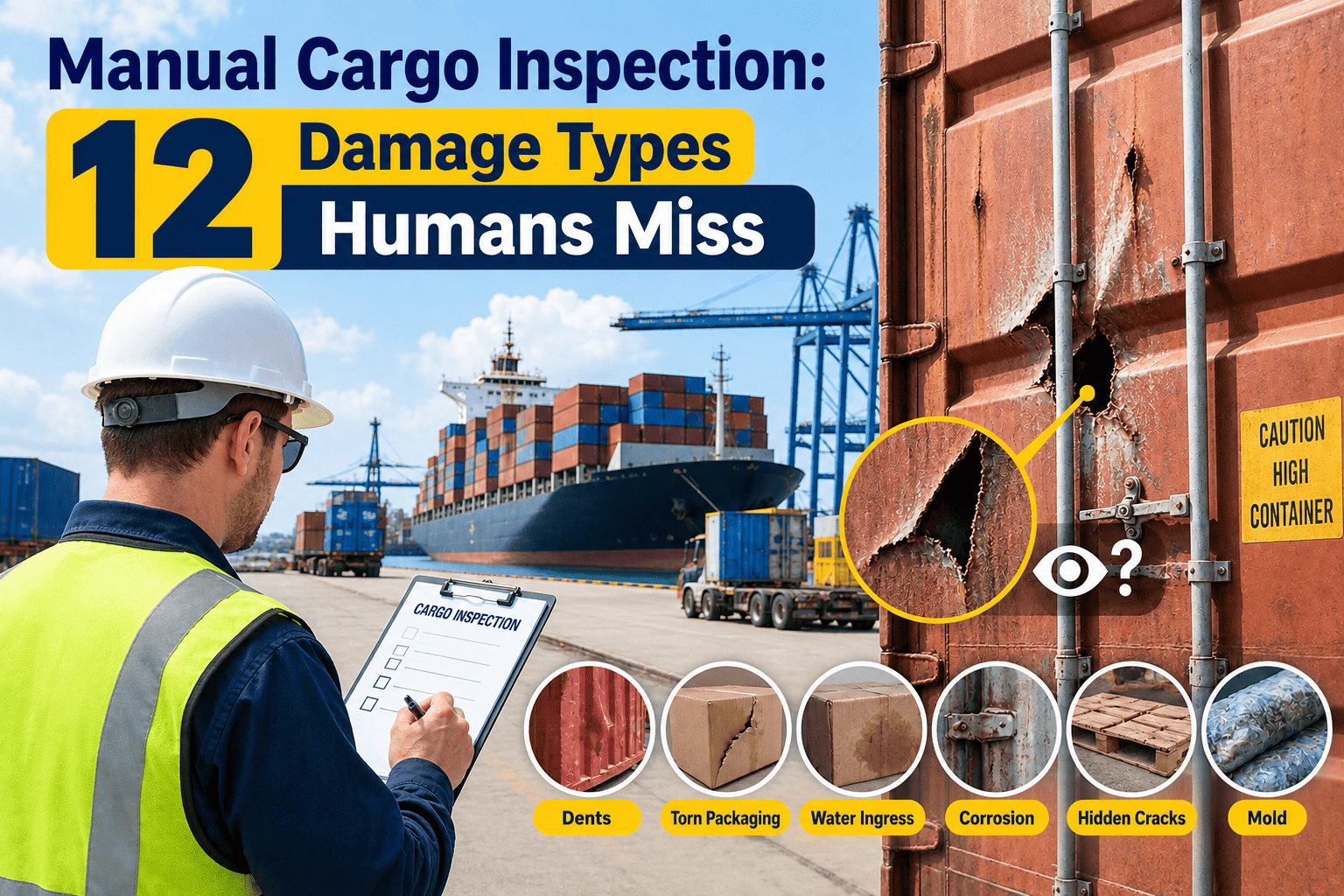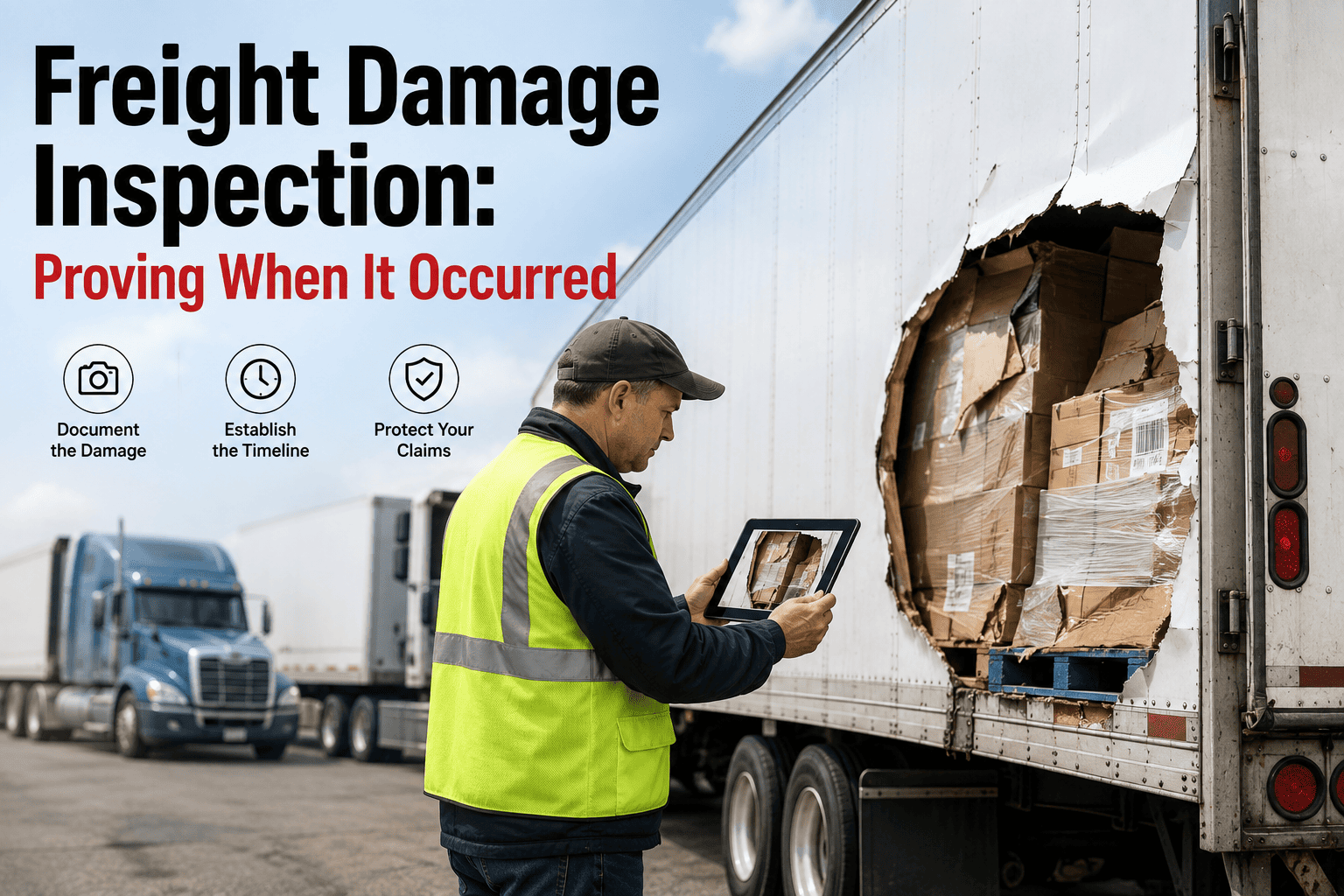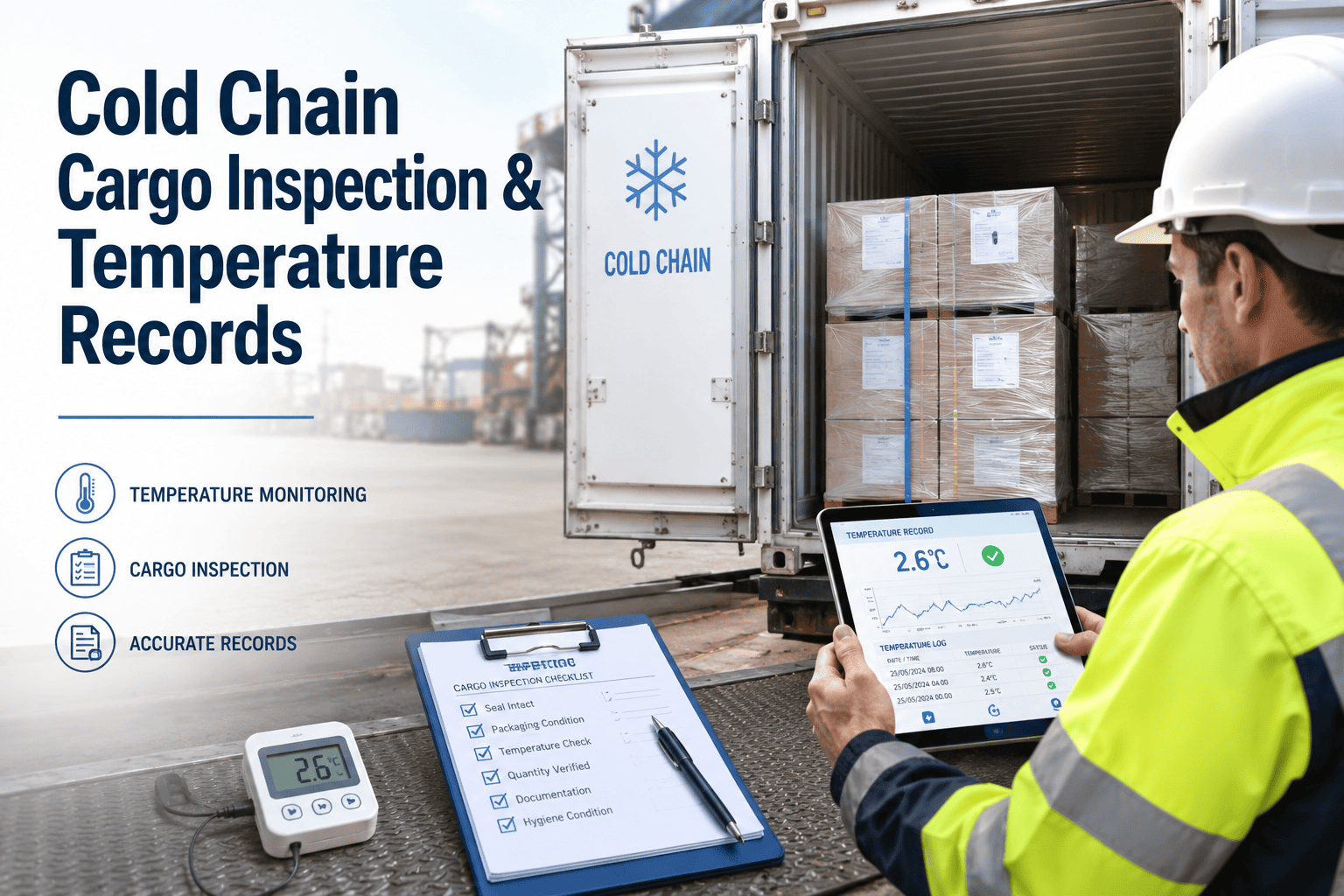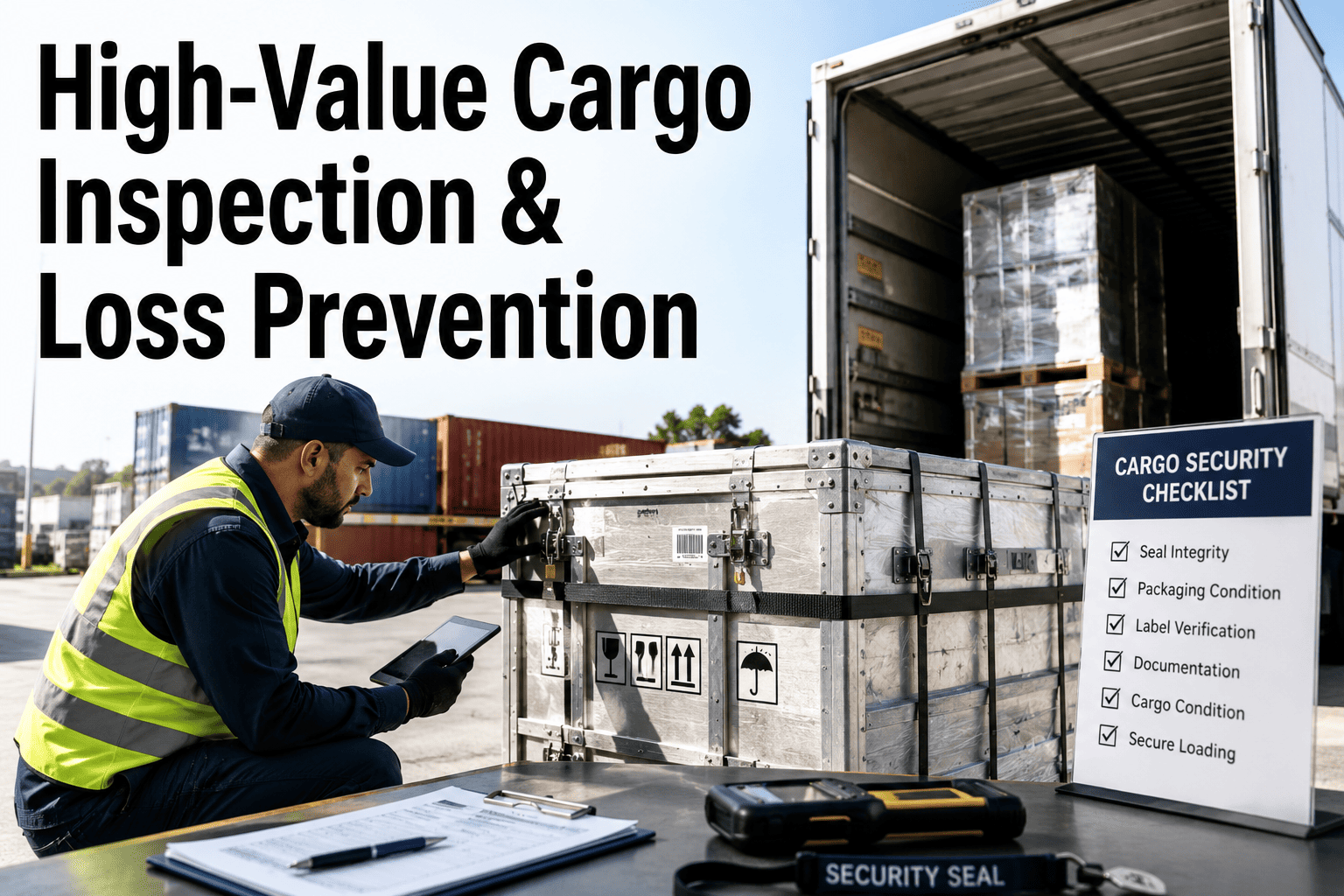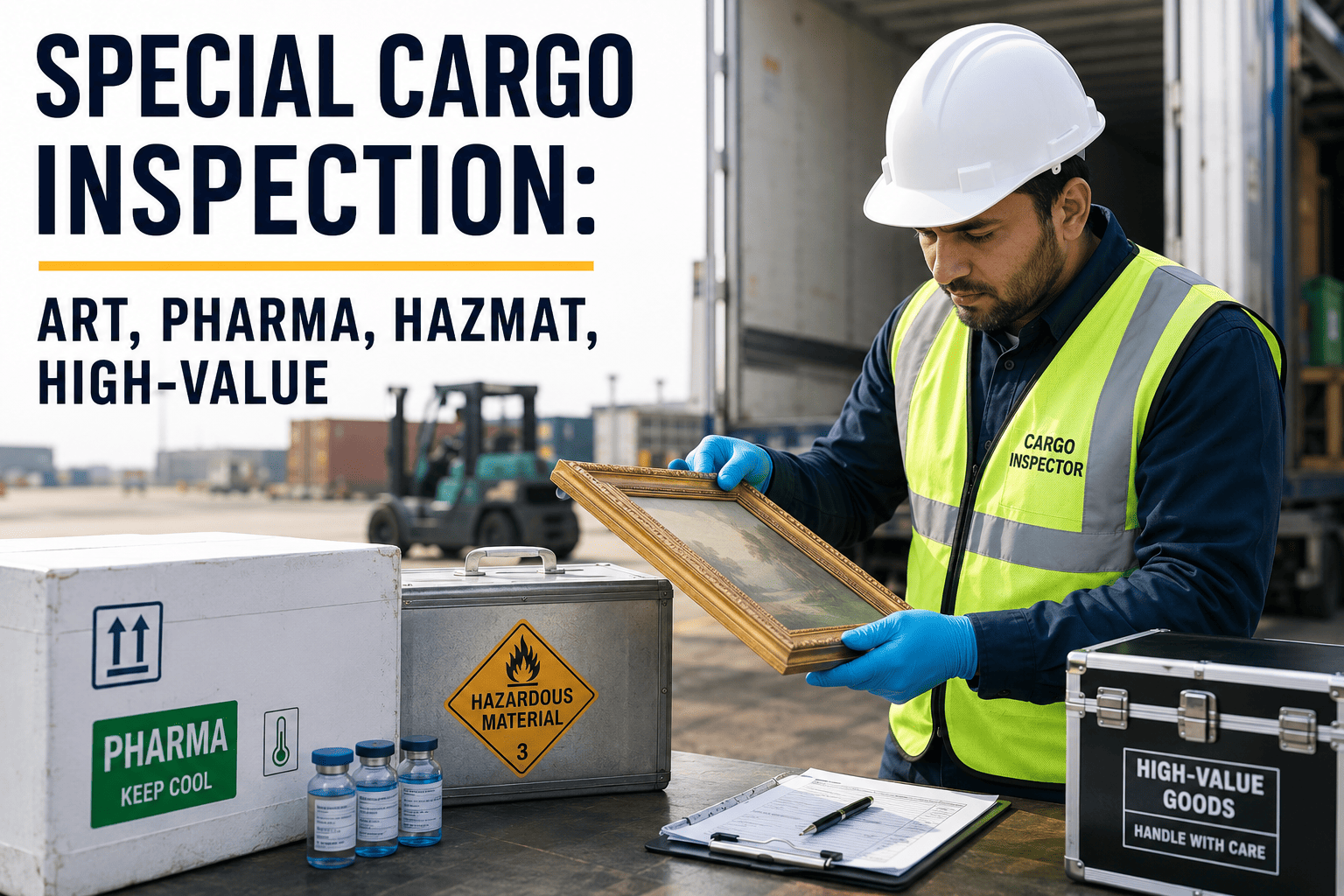
When a fine art shipment worth $2 million rolls off a truck with a hairline crack along the crate seal, or a pallet of biologics arrives four degrees outside its validated range, the damage is usually invisible until a claims adjuster or an auditor asks for the inspection record. Special cargo, fine art, pharmaceuticals and biologics, hazardous materials, and high-value freight, does not fail the way ordinary freight fails. It fails quietly, through a missed temperature log, an unchecked placard, or a seal nobody photographed at pickup. Cargo theft losses across the US and Canada climbed to nearly $725 million in 2025, a 60% jump from the year before, with organized groups now hunting specifically for the highest-value loads on the road. Standard pre-trip checklists were built for tires and brake lights, not for climate-controlled reefers, museum-grade crating, or UN-classified hazmat placarding, which is why fleets moving special cargo are rebuilding their inspection programs from the ground up, and teams that want to see what a rebuilt inspection workflow looks like can start with a free trial of Oxmaint before their next high-value load leaves the yard.
Special Cargo Inspection: Art, Pharma, Hazmat, High-Value Freight
One missed check on a sensitive load can mean a spoiled biologic, a damaged canvas, a hazmat violation, or a $274,000 theft claim. Here is what elevated inspection actually looks like for the four cargo types that cannot afford a shortcut.
Special Cargo Plays By a Different Rulebook
A routine pre-trip walk-around checks lights, tires, brakes, and fluid levels, and for a load of packaged goods that is enough. Art, pharmaceuticals, hazmat, and high-value freight carry a second, invisible layer of risk that a visual walk-around cannot catch: internal trailer temperature drift, a compromised humidity seal inside a crate, a placard that does not match the manifest, or a GPS gap during the exact window a load went missing. Average cargo theft value rose 36% year over year to $273,990 per incident in 2025, and criminal groups are now selecting loads by resale value rather than opportunity, which means the freight most worth stealing is precisely the freight least forgiving of a weak inspection process.
Inspection Standards By Cargo Category
Art & High-Value Collectibles
Fine art moves in custom crates built around a single object, and inspection has to verify the crate before it verifies the truck. Handlers check humidity control packs, shock and tilt indicators, climate-controlled trailer readings, and photographic condition reports at every handoff point, because a single undocumented jolt can void an insurance claim on a piece worth seven figures.
Pharmaceutical & Biologic Freight
Pharma inspection is built around Mean Kinetic Temperature and defined excursion windows rather than a single reading. Reefer setpoints, data logger calibration, door seal integrity, and 15-minute interval temperature exports are checked before departure, because industry estimates put cold chain failure losses at roughly $35 billion a year, with close to a third of shipments recording some form of excursion in transit.
Hazmat & Dangerous Goods
Hazmat inspection layers regulatory compliance on top of mechanical safety. Placards must match the manifest UN number exactly, shipping papers and emergency response information must be within reach of the driver, segregation rules between incompatible classes must be verified before loading, and container integrity has to be confirmed with zero tolerance for a compromised seal or a corroded valve.
High-Value & Theft-Prone Freight
Electronics, pharmaceuticals, and specialty equipment remain the most frequently targeted commodities on the road, and deceptive pickup fraud grew faster than any other theft method in 2025. Inspection for this category focuses on identity verification of drivers and carriers, tamper-evident seal logging, GPS continuity checks, and covert tracking confirmation before a high-value trailer ever leaves a secured yard.
Where Elevated Inspection Happens Across the Journey
Special cargo is not inspected once. It is checked at four distinct points, and skipping any one of them is where claims, spoilage, and violations originate. The sequence below is what a documented, audit-ready special cargo inspection program looks like from yard to delivery.
Pre-Load Verification
Trailer pre-cooling or pre-heating is confirmed against the product's validated range, crate and packaging integrity is photographed, hazmat placards are cross-checked against the manifest, and seal numbers are logged before a single pallet is loaded.
Loading & Securement Check
Load bars, straps, and dunnage are inspected for art and fragile freight, segregation distance is confirmed for incompatible hazmat classes, and the tamper-evident seal is applied and photographed as the final act before the doors close.
In-Transit Monitoring
Temperature, humidity, shock, and GPS data stream continuously rather than being checked at a single stop, so a reefer drift or an unplanned route deviation triggers an alert within minutes instead of being discovered at the delivery dock.
Delivery & Documentation Close-Out
Seal integrity is verified against the pre-load log, condition photos are compared side by side, temperature exports are archived for regulatory review, and any deviation is documented as a formal nonconformity rather than left unrecorded.
Turn Special Cargo Checklists Into Automated, Audit-Ready Records
Oxmaint connects pre-load checks, temperature and shock sensor data, seal logs, and delivery sign-off into a single CMMS record, so nothing about a high-value or regulated load is left to memory or a paper clipboard.
Special Cargo Inspection Requirements At a Glance
| Cargo Type | Primary Risk | Core Inspection Focus | Check Frequency | Cost of a Missed Check |
|---|---|---|---|---|
| Fine art & collectibles | Shock, humidity, tampering | Crate condition, tilt indicators | Every handoff point | Total loss of insured value |
| Pharma & biologics | Temperature excursion | MKT logging, seal integrity | 15-minute intervals | Full batch disposal |
| Hazmat & dangerous goods | Regulatory violation, leak | Placard match, segregation | Pre-load and pre-trip | Fines and shutdown risk |
| High-value general freight | Theft, deceptive pickup | Identity check, seal log | Pickup and every stop | $273,990 average theft |
Why Elevated Inspection Pays For Itself
None of the four cargo categories above are being cautious for the sake of paperwork. Every inspection point traces back to a documented, measurable loss pattern, and the trend in every category is moving in the wrong direction for fleets that have not upgraded their process.
Special Cargo Inspection Questions Fleets Ask Most
How is special cargo inspection different from a standard DOT pre-trip check?
What temperature range do pharmaceutical shipments actually need to stay within?
Why is fine art inspected with condition photos instead of just a visual check?
What happens if a hazmat placard does not match the shipping manifest?
How quickly can a fleet set up elevated inspection checklists for high-value freight?
Give Art, Pharma, Hazmat, and High-Value Freight the Inspection Standard They Require
Pre-load checks, sensor monitoring, seal logging, and delivery documentation, all captured in one system that builds an audit-ready record automatically, without an extra clipboard or a missed step.