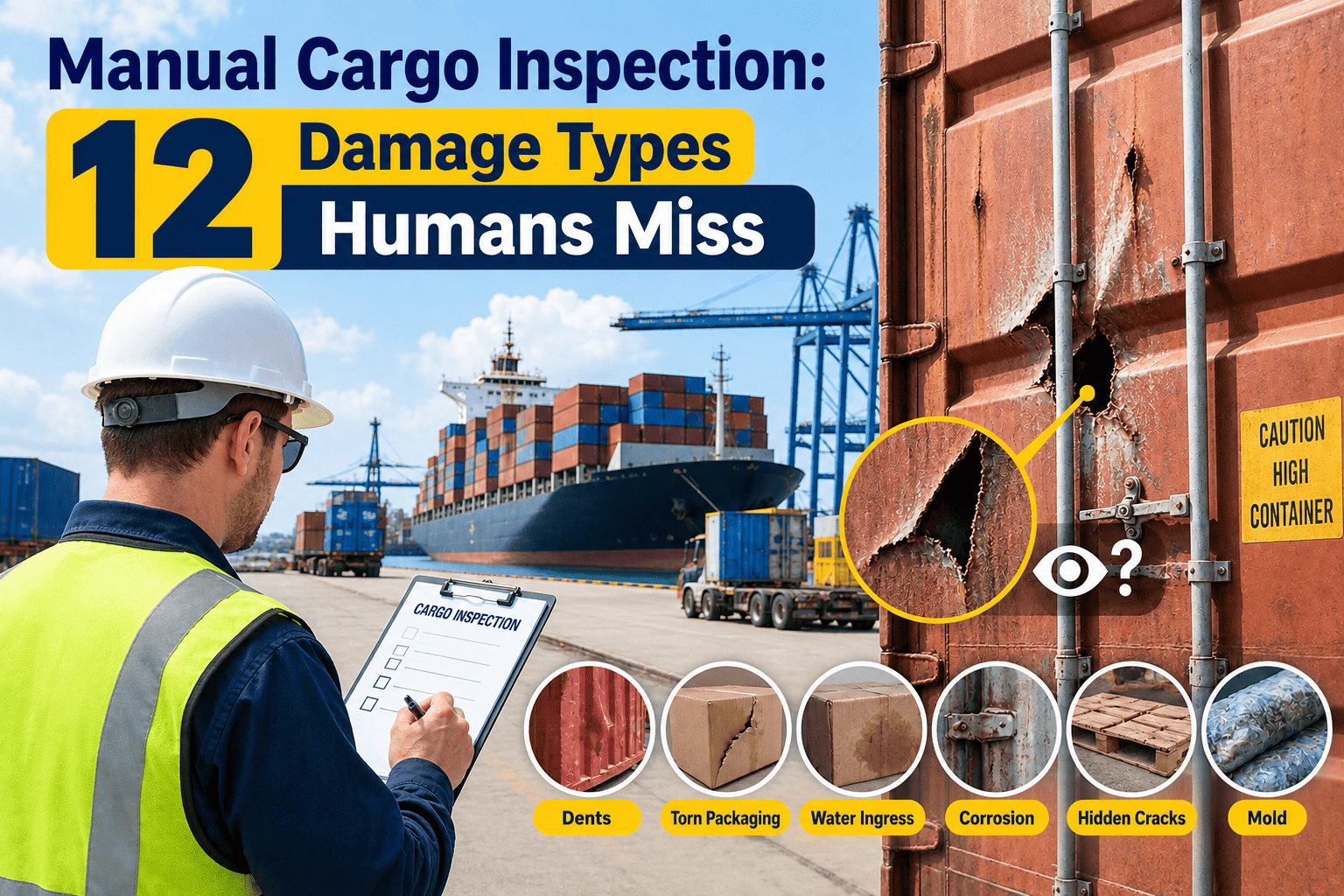
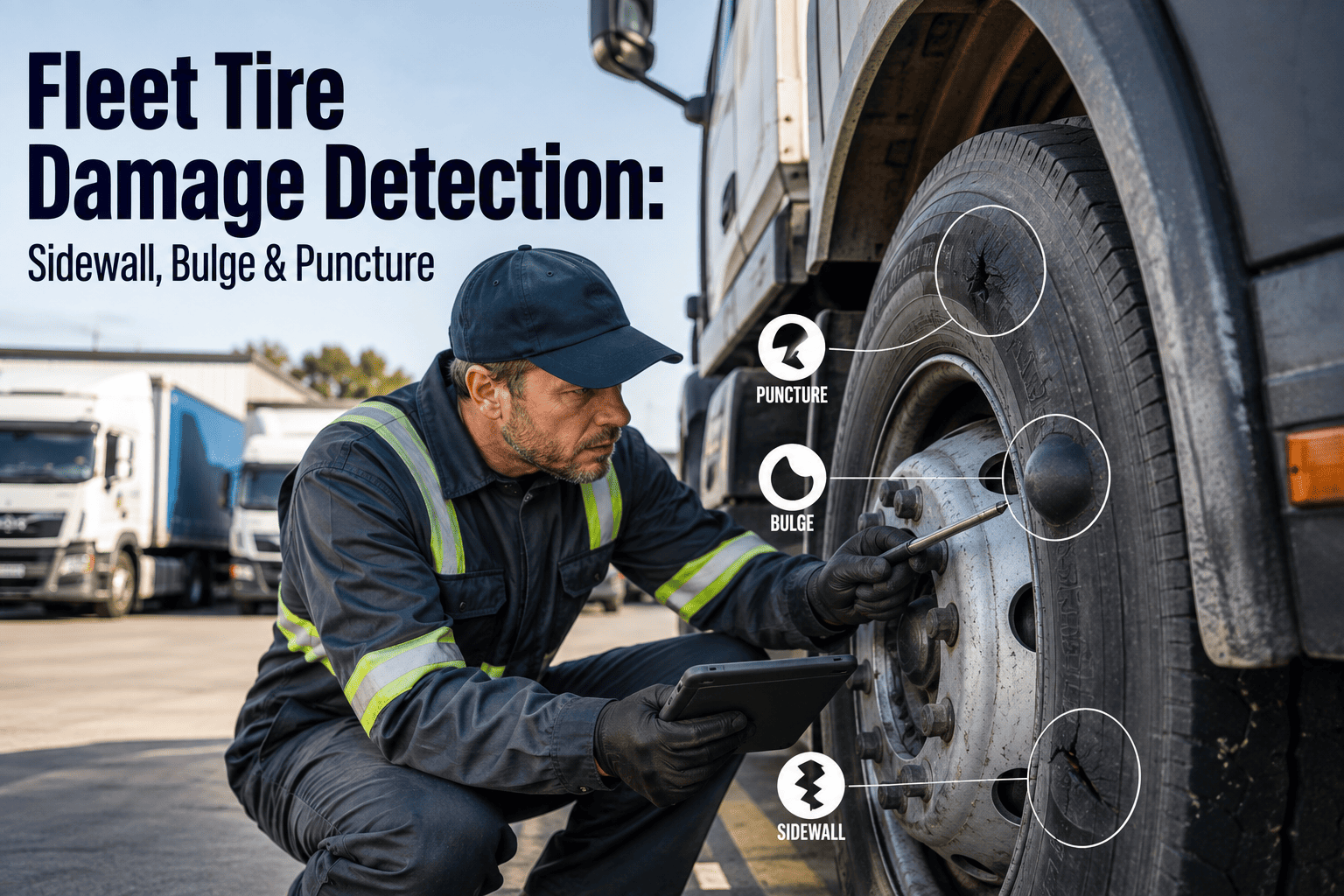
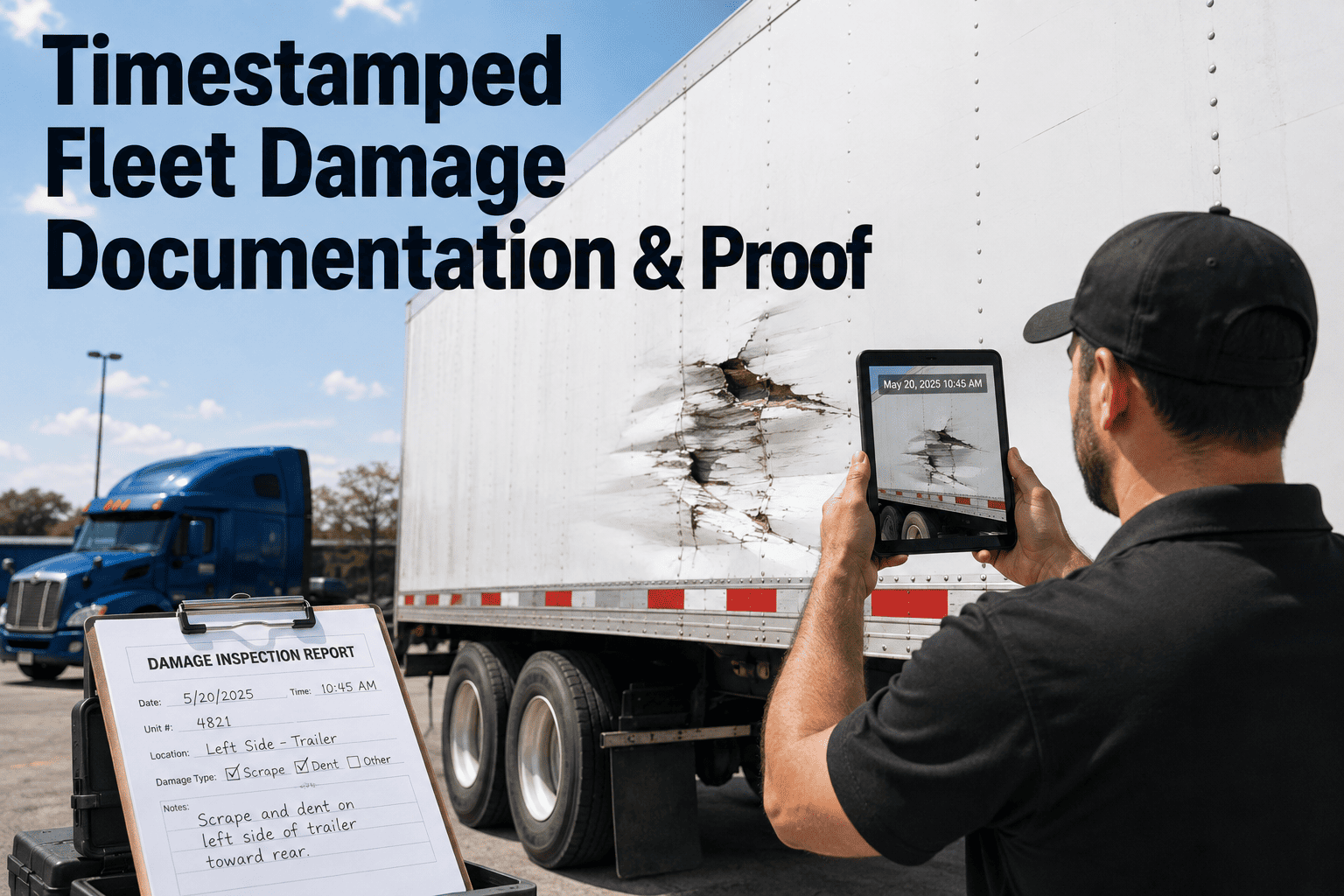
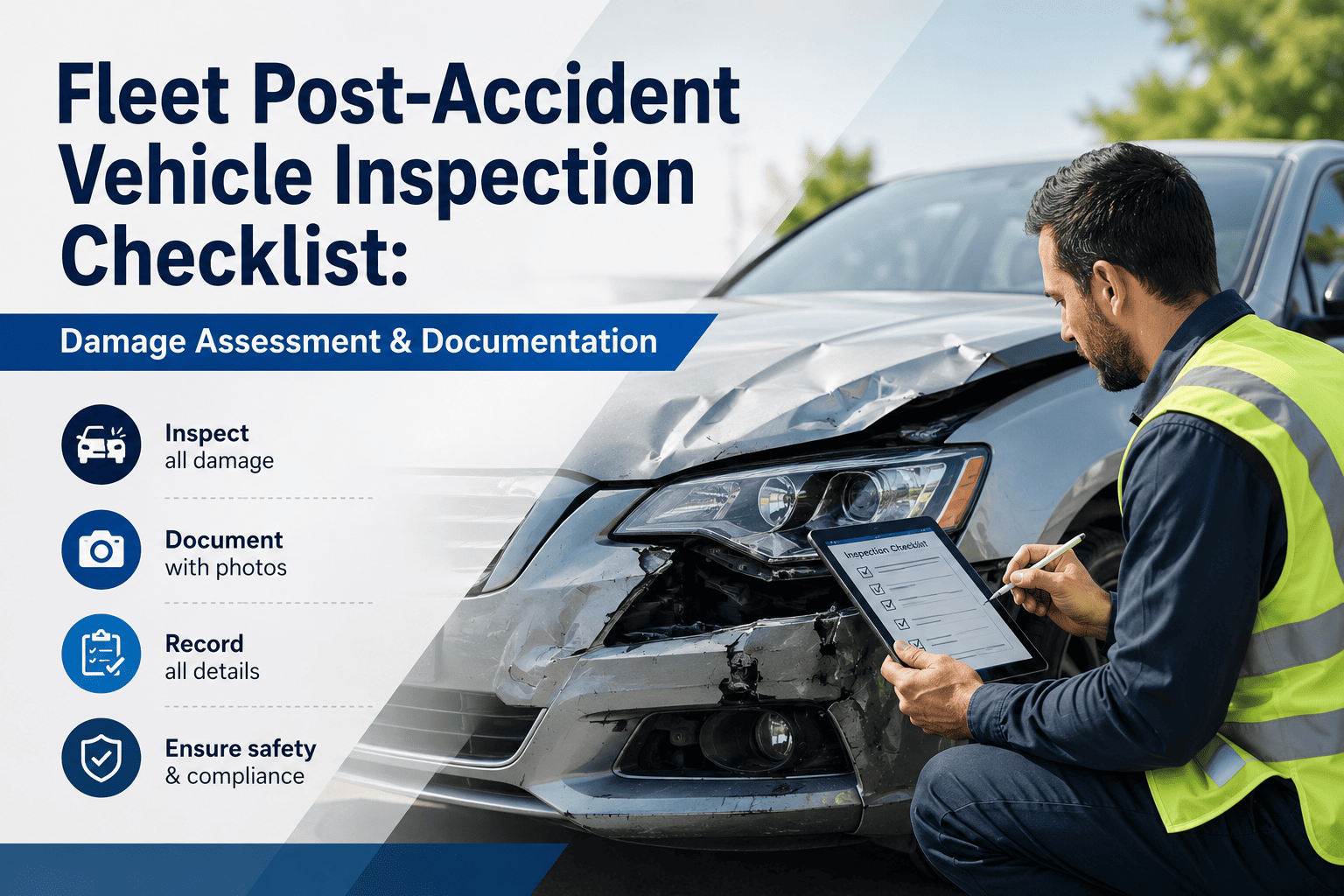
The hardest question in a freight damage claim is almost never "is the cargo damaged." It is "when did it happen." A crushed pallet corner found at delivery could have happened during loading, during a mid-route transfer, during a delivery dock forklift pass, or somewhere in between — and under the Carmack Amendment, the carrier holding the freight when the damage occurred is the one who pays. Without timestamped, checkpoint-level documentation, that question turns into a dispute between shipper, carrier, and consignee, each pointing at a different link in the chain. Freight damage inspection at the pickup and delivery boundary is where that dispute either gets settled by evidence or drags on for months. Book a demo with OxMaint to see how structured checkpoint inspection removes the guesswork before a claim is even filed.
Freight Damage Inspection · Cargo Damage Timing · Chain-of-Custody Evidence · OxMaint AI
Damage Found at Delivery. Timing Disputed by Everyone. OxMaint Pinpoints Exactly Which Leg of the Move It Happened On.
OxMaint gives fleet and freight operations teams timestamped, checkpoint-level damage documentation — condition photos at pickup, scan events at every stop, and exception capture at delivery — so a disputed cargo claim becomes a clear evidentiary record instead of a guessing game about who had custody when it happened.
3
elements a shipper must prove for a prima facie Carmack claim: good condition at origin, damaged condition at delivery, and the dollar amount of loss
9 mo
typical minimum window a shipper has to file a written cargo claim before the right to recover is lost, regardless of fault
$10–25
per-pound liability cap commonly written into released-rate tariffs, turning a missing exception note into a much smaller payout even when the carrier is liable
The Chain-of-Custody Timeline — Where "When" Gets Decided
A
Origin Pickup — The Clean Bill of Lading
If the driver signs a bill of lading with no damage exception noted, the freight is presumed to have been tendered in good condition. Every dispute afterward starts from this document. OxMaint requires timestamped condition photos at pickup before the BOL is signed, so "good condition" is a photographed fact, not a driver's memory of a rushed dock.
B
In-Transit Checkpoints — Cross-Dock and Transfer Events
Every transfer between trailers, terminals, or drivers is a moment where custody — and liability — can shift. Without a logged scan or photo at each transfer, a multi-leg move becomes impossible to narrow down. OxMaint logs a condition checkpoint at every scan event, building a leg-by-leg custody trail instead of one gap between pickup and delivery.
C
Delivery — The Exception on the POD
Damage noted on the proof of delivery at the moment of handoff is the strongest evidence a consignee can create. Damage discovered after the driver leaves is concealed damage, and it is far harder to tie to any single carrier. OxMaint captures POD photos and exception notes in the same digital session as the signature, timestamped and geotagged automatically.
D
Claim Filing — The Evidence Package
When a claim is filed, every checkpoint photo, scan timestamp, and exception note tied to that shipment needs to be pulled into one record fast. OxMaint compiles the full chain-of-custody trail for a shipment into an exportable evidence package on demand, instead of someone assembling it manually from separate systems.
OxMaint AI · Freight Damage Timing
Stop Letting "Somewhere Between Pickup and Delivery" Decide Who Pays
OxMaint turns every handoff in a shipment's route into a timestamped checkpoint, so when damage is found, you already know which leg of the move to look at.
Visible Damage vs. Concealed Damage — Two Very Different Evidence Problems
Visible Damage
Noticed at the Moment of Handoff
Crushed packaging, a torn carton, a visible dent — spotted while the driver is still on-site. This is the easier claim: the exception can be noted on the POD immediately, with the driver present to confirm it. The evidence problem is small if the inspection habit is consistent.
Noted on POD at time of delivery
Driver present to confirm condition
Photo taken before driver departs
Concealed Damage
Discovered After the Driver Has Left
Internal damage inside a sealed carton, product damage under packaging — not visible until the box is opened, sometimes days later. This is the harder claim: without checkpoint-level records, there is no way to prove which leg of a multi-stop move it happened on, and the timing window for a valid claim is shorter than most people assume.
Found after delivery, driver already gone
Requires checkpoint history to narrow timing
Written notice generally expected within days
Carmack Evidence Requirements — OxMaint Coverage by Checkpoint
What an Undocumented Chain of Custody Actually Costs
1 of 3
prima facie elements — origin condition — is nearly impossible to prove after the fact without a timestamped record from pickup
Days
is roughly how long a consignee typically has to give written notice of concealed damage before the claim window narrows sharply
5
recognized carrier defenses under Carmack — act of God, public enemy, act of the shipper, public authority, inherent vice — each one easier to argue when timing is unclear
1
missing exception note on a single leg is often enough to shift an entire claim's liability onto the wrong carrier, or onto none at all
We used to lose freight claims not because the damage wasn't real, but because we couldn't prove which leg it happened on. A pallet would go through two cross-docks before it reached the customer, and by the time a claim landed on our desk, nobody could say for certain where the damage occurred. Since we started logging condition photos at every checkpoint in OxMaint, we can pull up the exact scan and photo tied to each leg of the move within minutes. Disputed claims dropped, and the ones we do fight, we can actually prove.
— VP of Operations, Multi-Stop LTL Carrier · 60 Trucks
Frequently Asked Questions — Freight Damage Inspection and Timing
Why does it matter exactly when freight damage occurred?
Carrier liability under the Carmack Amendment attaches to whoever had custody of the freight when the damage happened. Without checkpoint-level timing, liability can be disputed among every carrier that touched the shipment.
Sign in to OxMaint to see how checkpoint logging narrows that window.
What is the difference between visible and concealed damage for a claim?
Visible damage is noticed at delivery and can be noted on the proof of delivery immediately, which is strong evidence. Concealed damage is discovered later, once packaging is opened, and is much harder to tie to a specific leg of the move without a documented chain of custody.
How long does a shipper have to file a freight damage claim?
Carriers commonly set a minimum nine-month window for a written claim under their tariff terms, and missing that deadline generally forfeits the right to recover regardless of fault.
Book a demo to see how OxMaint keeps evidence ready well before that deadline matters.
What evidence actually proves freight was in good condition at pickup?
A clean bill of lading with no exception noted, combined with timestamped photos taken before the driver signs, is the strongest proof of origin condition. Memory or a verbal description does not hold up the same way in a disputed claim.
Can OxMaint help if freight passes through multiple carriers or cross-docks?
Yes. OxMaint logs a condition checkpoint at every scan or transfer event across a multi-leg move, so each carrier's custody window is documented separately instead of collapsing into one unclear pickup-to-delivery gap.
Sign in to OxMaint to configure checkpoint tracking for multi-stop routes.
Damage Doesn't Announce When It Happened. Your Checkpoints Should.
Timestamped condition photos at pickup. A logged checkpoint at every transfer. Exception capture built into the delivery signature. A one-click evidence package when a claim is filed. OxMaint turns freight damage inspection into a timeline you can actually defend.