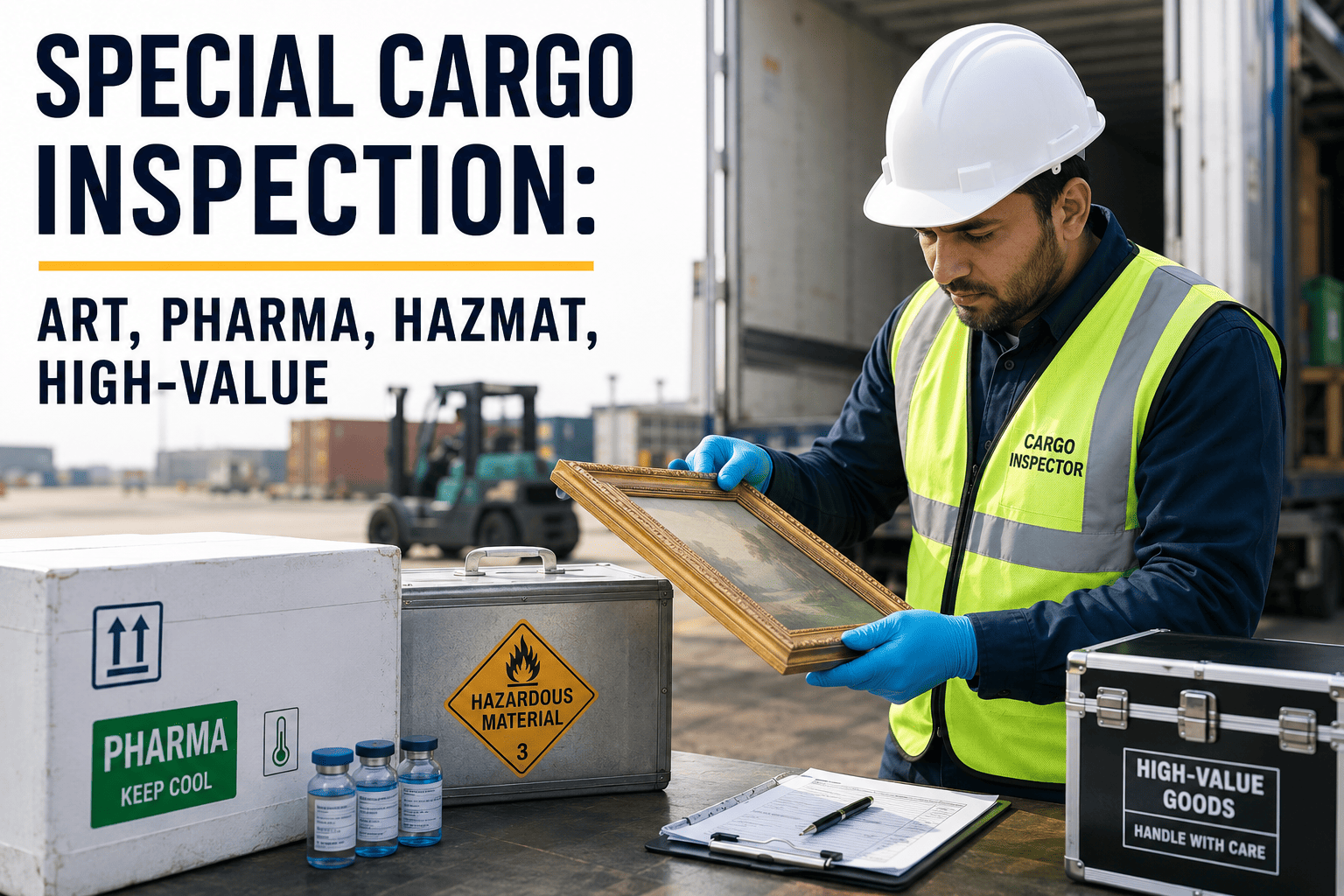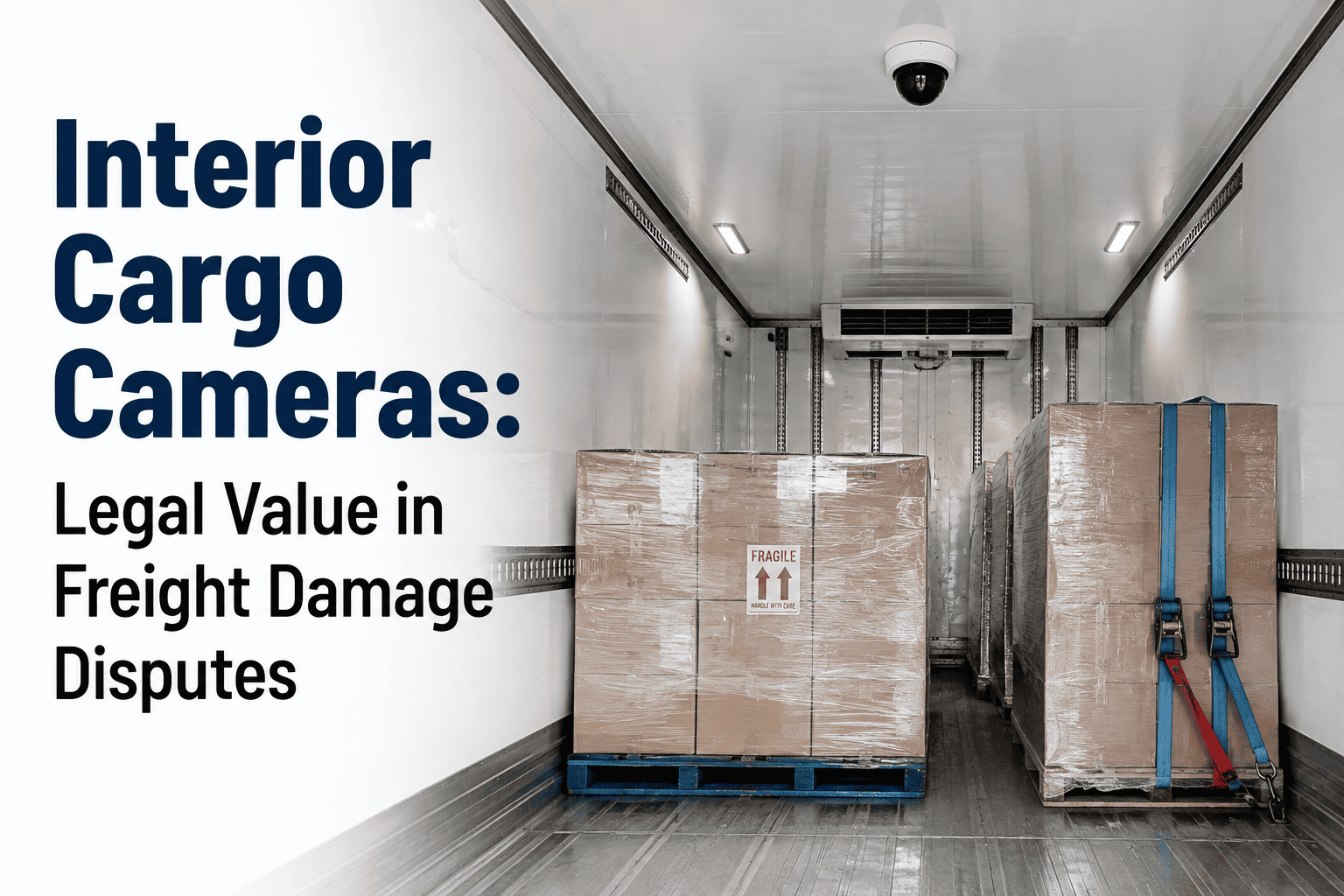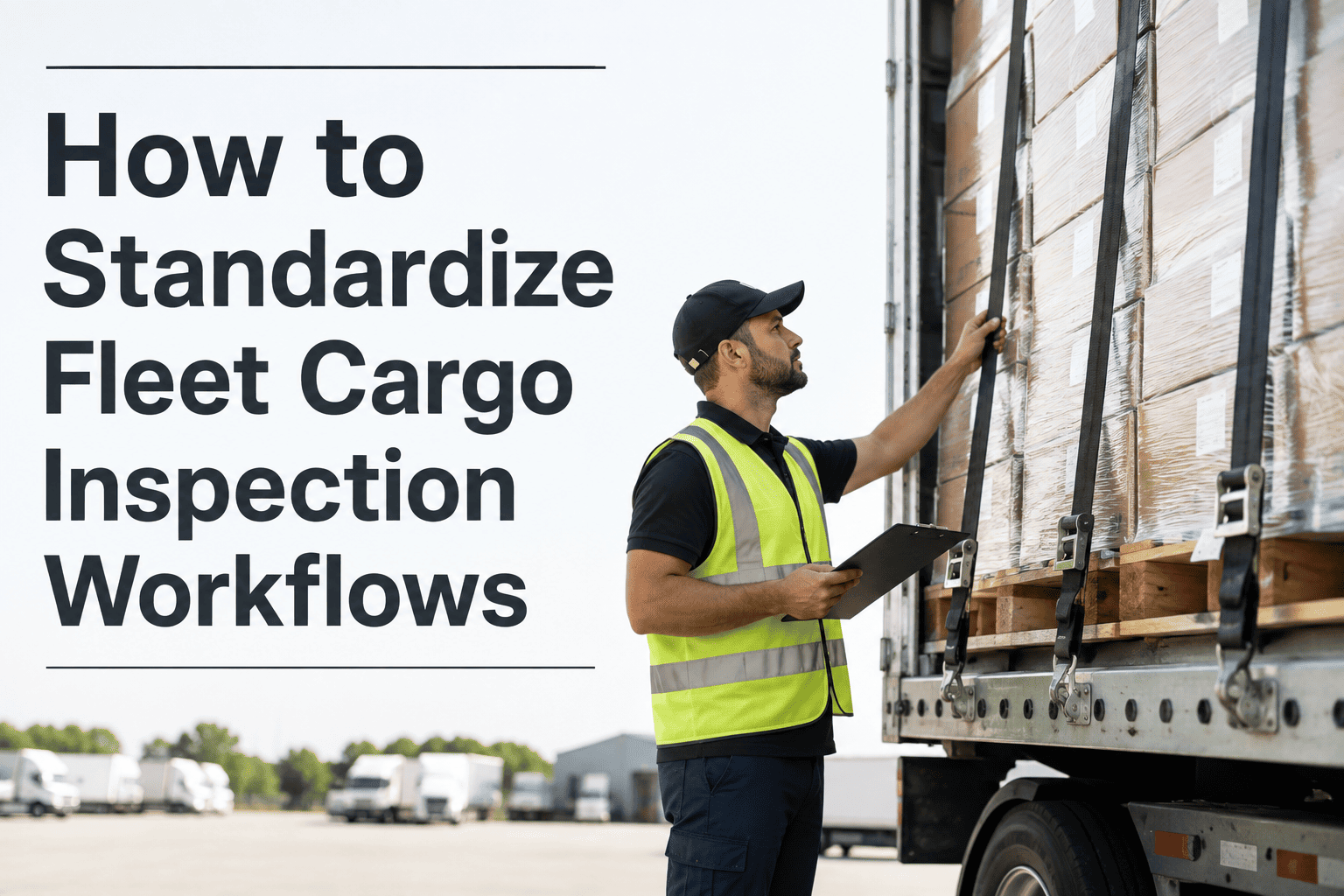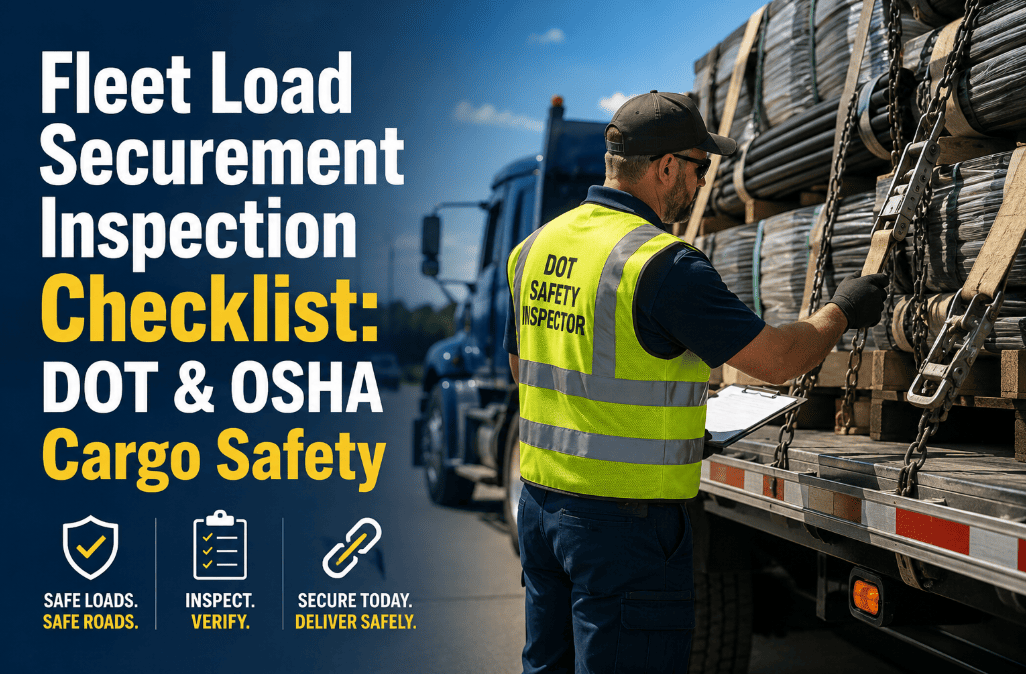
High-value cargo inspection is the discipline that decides whether specialty freight arrives intact and defensible — or turns into a six-figure claim with no evidence to fight it. High-value loads attract theft and scrutiny in equal measure, so fleets need more than a quick walk-around: they need documented condition at every handoff, a chain of custody that holds up under audit, and equipment that never becomes the weak link. Industry loss data consistently shows cargo theft costing North American supply chains billions each year, with individual high-value incidents routinely exceeding $100K–$1M. The fleets that win claims and deter loss are the ones that inspect systematically and document relentlessly. OxMaint's maintenance management platform gives your team exactly that structure — Start Free Trial to see it on your own fleet.
Is your high-value freight inspection strong enough to survive a $250,000 claim?
Most cargo losses aren't lost in court — they're lost in the paperwork. When a high-value load is damaged or stolen, the carrier with timestamped inspection records, photo evidence and an unbroken chain of custody wins. The one relying on memory and paper logs pays. OxMaint turns every high-value cargo inspection into defensible, audit-ready documentation.
Why high-value cargo loss prevention starts long before the wheels move
Cargo theft losses in North America are estimated in the billions annually, and the average high-value theft incident now runs well into six figures. But theft is only half the exposure — damage claims, temperature excursions and rejected loads all hinge on the same question: can you prove the condition of the cargo at every stage? Fleets that can't, absorb the loss. Here's what inadequate high-value freight protection actually costs:
The pattern is consistent: the loss event itself is often unavoidable, but the financial outcome is decided by documentation quality. A fleet running disciplined cargo loss prevention inspections — with photos, timestamps and custody sign-offs stored in one system — converts potential write-offs into defensible claims and deterred theft attempts.
High-value cargo inspection checklist: what to verify at every stage
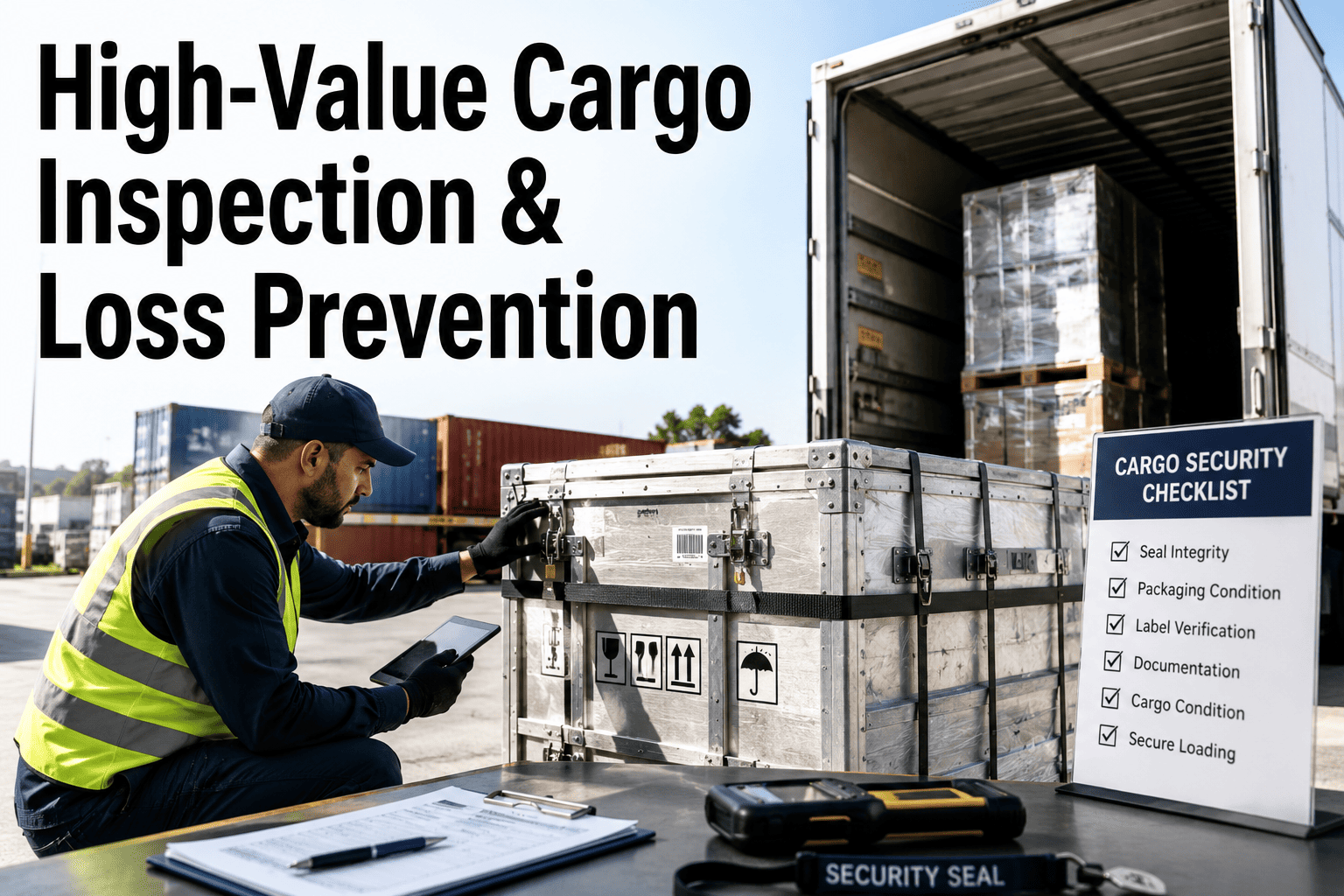
A defensible high-value freight inspection covers three critical moments — pre-load, in-transit and delivery. Miss any one of them and you create a gap a claimant (or a thief) can exploit. This is the checklist structure OxMaint digitizes for specialty freight teams:
- Photograph cargo condition & packaging before loading
- Verify trailer cleanliness, integrity & prior-load residue
- Record seal number & confirm it matches shipping docs
- Confirm securement equipment rating for load weight
- Set & log reefer/climate setpoints where required
- Re-verify seal integrity at every stop & driver change
- Log GPS/geofence checkpoints on high-risk corridors
- Monitor temperature/humidity telemetry for sensitive freight
- Document any deviation, delay or unscheduled stop
- Enforce secure-parking & no-idle-zone protocols
- Photograph seal intact before breaking it at destination
- Capture receiver signature with timestamp & exceptions
- Note any damage/shortage on the delivery receipt immediately
- Close the chain-of-custody record & archive all evidence
- Trigger a work order for any equipment defect found
Cargo loss prevention inspection: paper logs vs. a CMMS-driven workflow
The difference between a paid claim and a denied one usually comes down to evidence quality. Here's how a traditional paper-based approach compares to running high-value cargo documentation inside OxMaint:
| Capability | Paper / Spreadsheet | OxMaint CMMS Workflow |
|---|---|---|
| Condition photos | On driver phones, lost or never uploaded | Attached to the load record, timestamped & archived |
| Chain of custody | Handwritten signatures, gaps at handoffs | Digital sign-off at every transfer, unbroken audit trail |
| Seal verification | Noted on a log sheet, hard to retrieve | Logged per stop, instantly searchable by load ID |
| Equipment readiness | Reactive — defects found mid-route | Preventive schedules keep trailers, reefers & locks compliant |
| Claim response time | Days of digging through files | Minutes — full evidence pack exported on demand |
| Audit readiness | High stress, incomplete records | Always-on, standards-aligned documentation |
What one prevented loss pays for: a real-world scenario
Consider a specialty carrier running 40 tractors moving high-value electronics and pharmaceutical freight. In a typical year they face 2–3 significant cargo incidents — a mix of damage claims and one theft attempt. Here's the math:
Even a conservative outcome — defending a single $35K claim and deterring one theft attempt every few years — pays for a CMMS many times over. And that's before counting the insurance premium benefits that documented loss-prevention programs often unlock, or the shipper contracts that require proof of high-value cargo security controls.
How OxMaint powers high-value cargo protection for fleets
OxMaint is an AI-powered CMMS + EAM platform that gives fleet operations teams the structure high-value freight inspection demands — connecting cargo documentation, equipment readiness and audit trails in one system:
Standardized pre-load, in-transit and delivery checklists with mandatory photo capture and digital sign-off — so every high-value cargo inspection is complete, timestamped and defensible.
An unbroken, searchable custody trail for every load — seal numbers, handoffs and exceptions — cutting claim response time from days to minutes and strengthening your position in disputes.
Scheduled maintenance for trailers, reefers, locks and securement gear ensures the equipment protecting your cargo never becomes the failure point — reducing defect-related losses and roadside surprises.
Dashboards track inspection completion, incident trends and claim outcomes — giving you the documented loss-prevention program shippers and insurers increasingly require for high-value contracts.
See OxMaint running a high-value cargo inspection — live
Book a 30-minute demo and we'll walk you through the exact inspection workflow, custody trail and reporting your specialty freight operation needs.
High-value cargo inspection & loss prevention FAQs
Make every high-value load defensible — starting today
Join the fleet operations teams using OxMaint to protect high-value cargo, win claims and prove condition end to end.