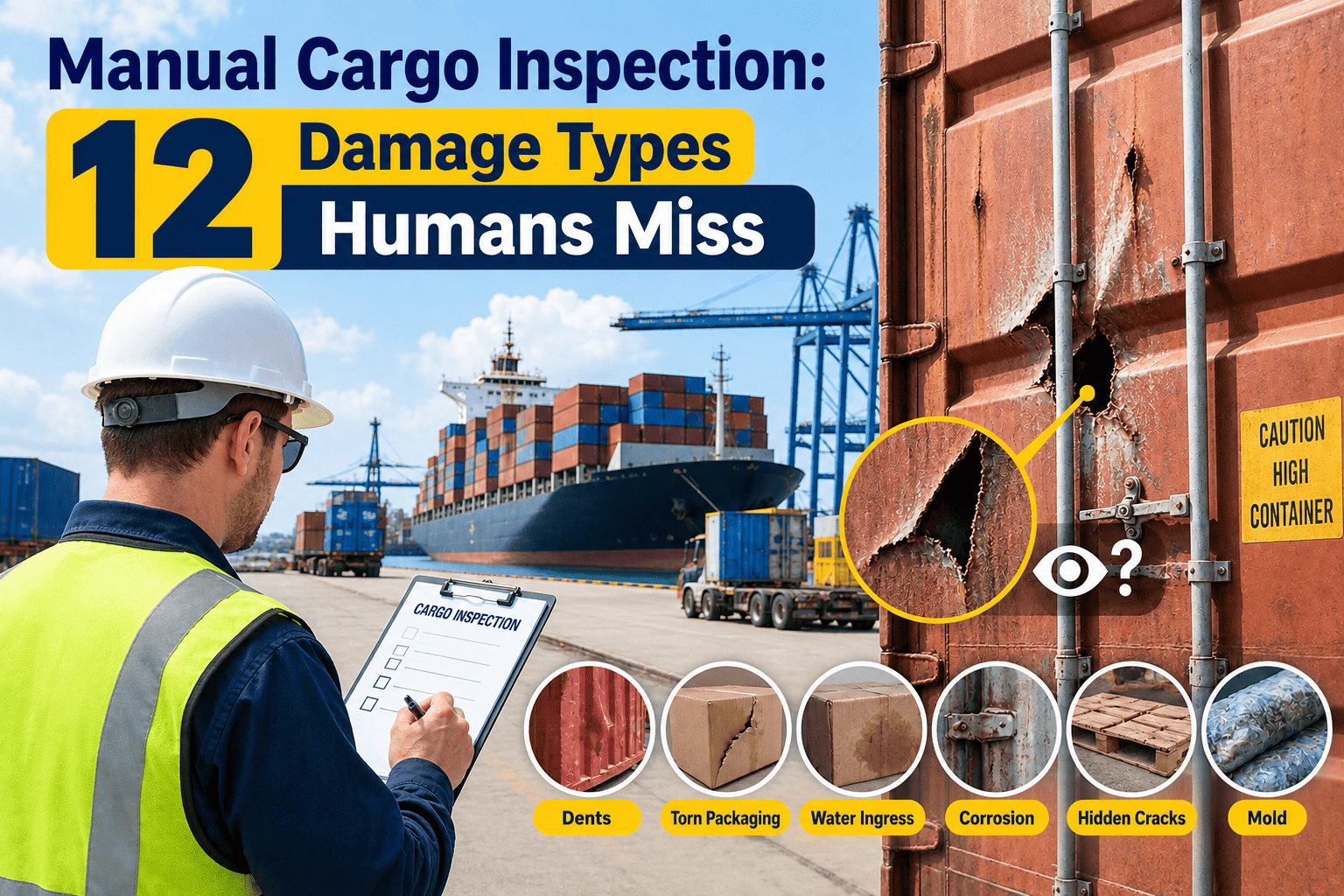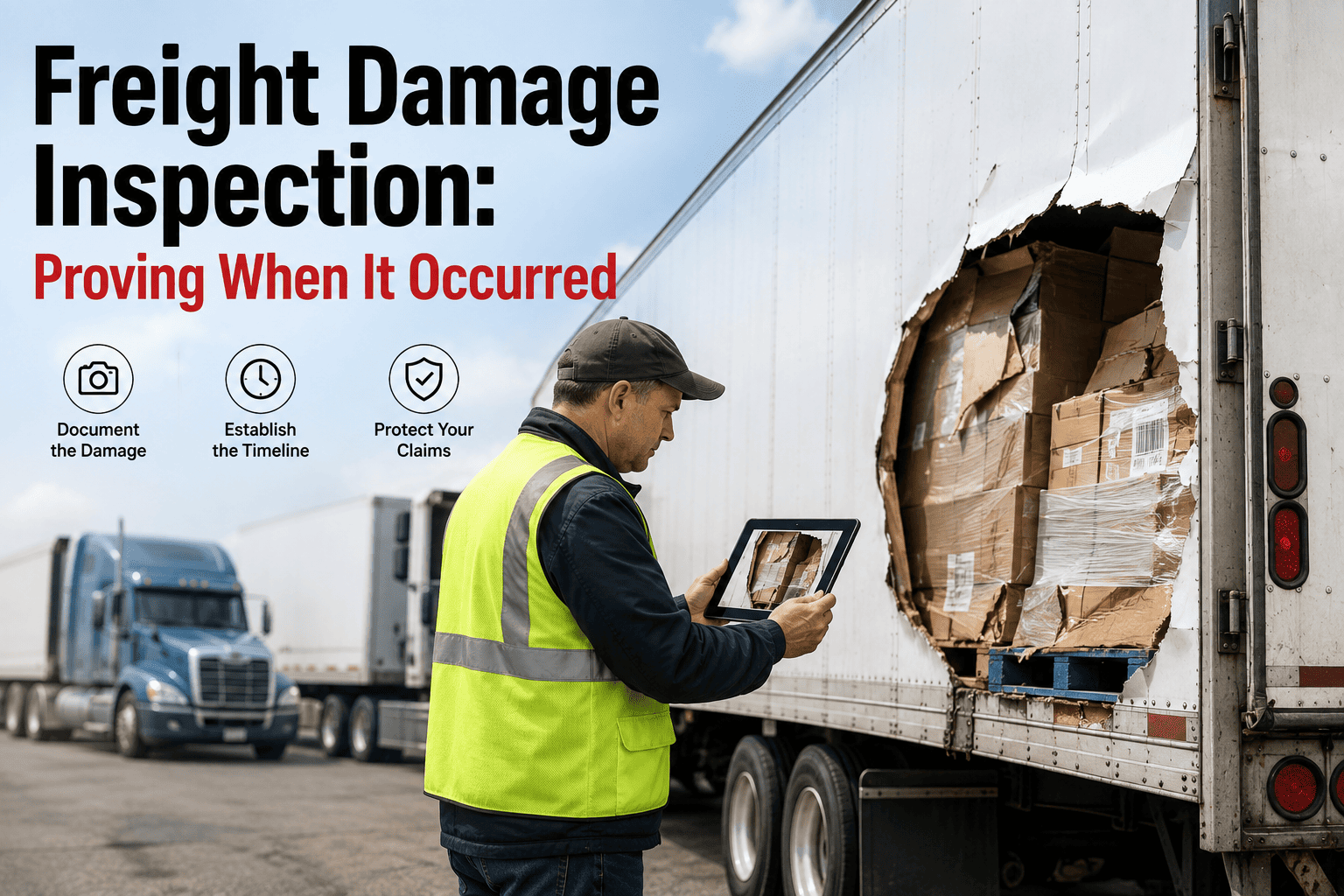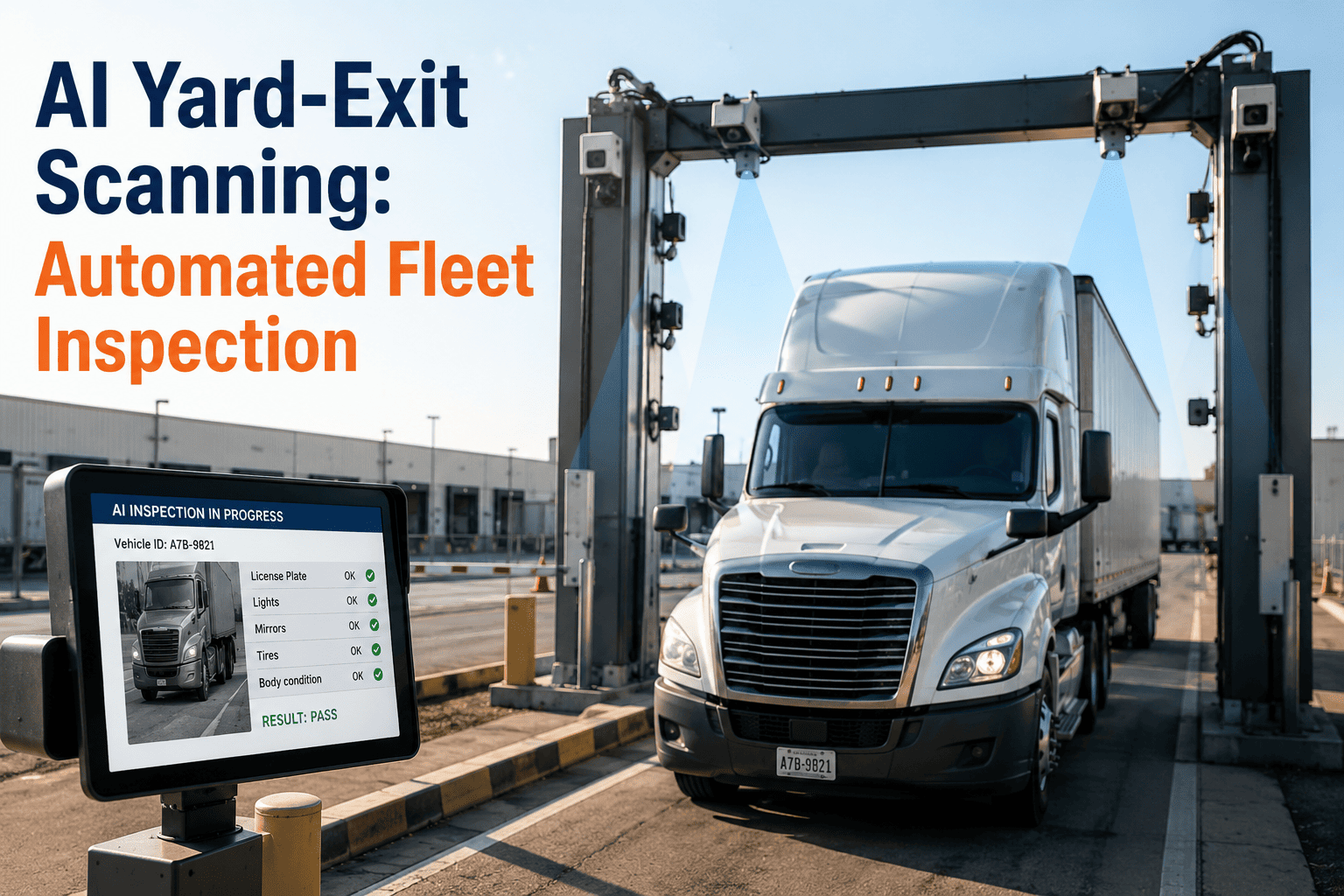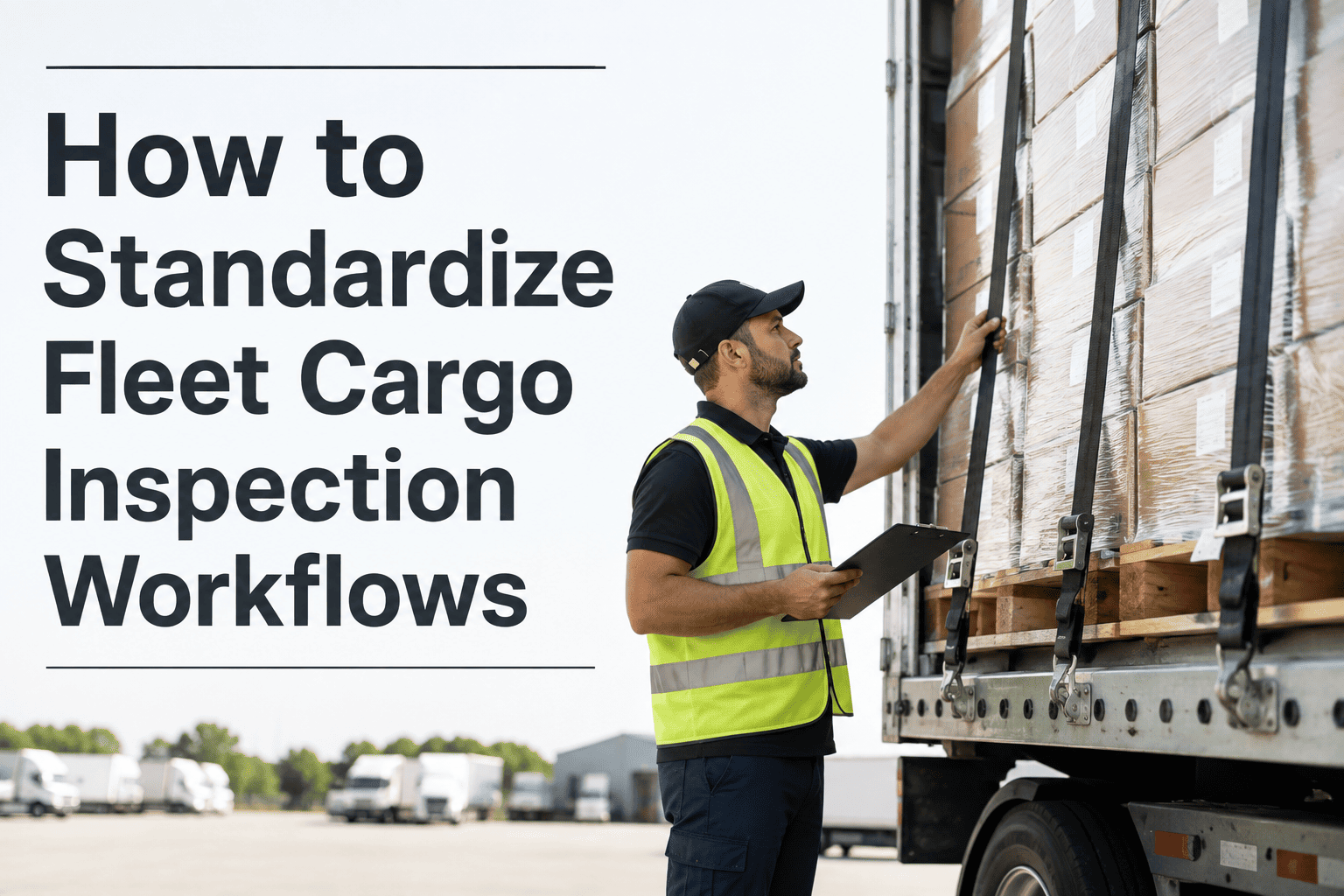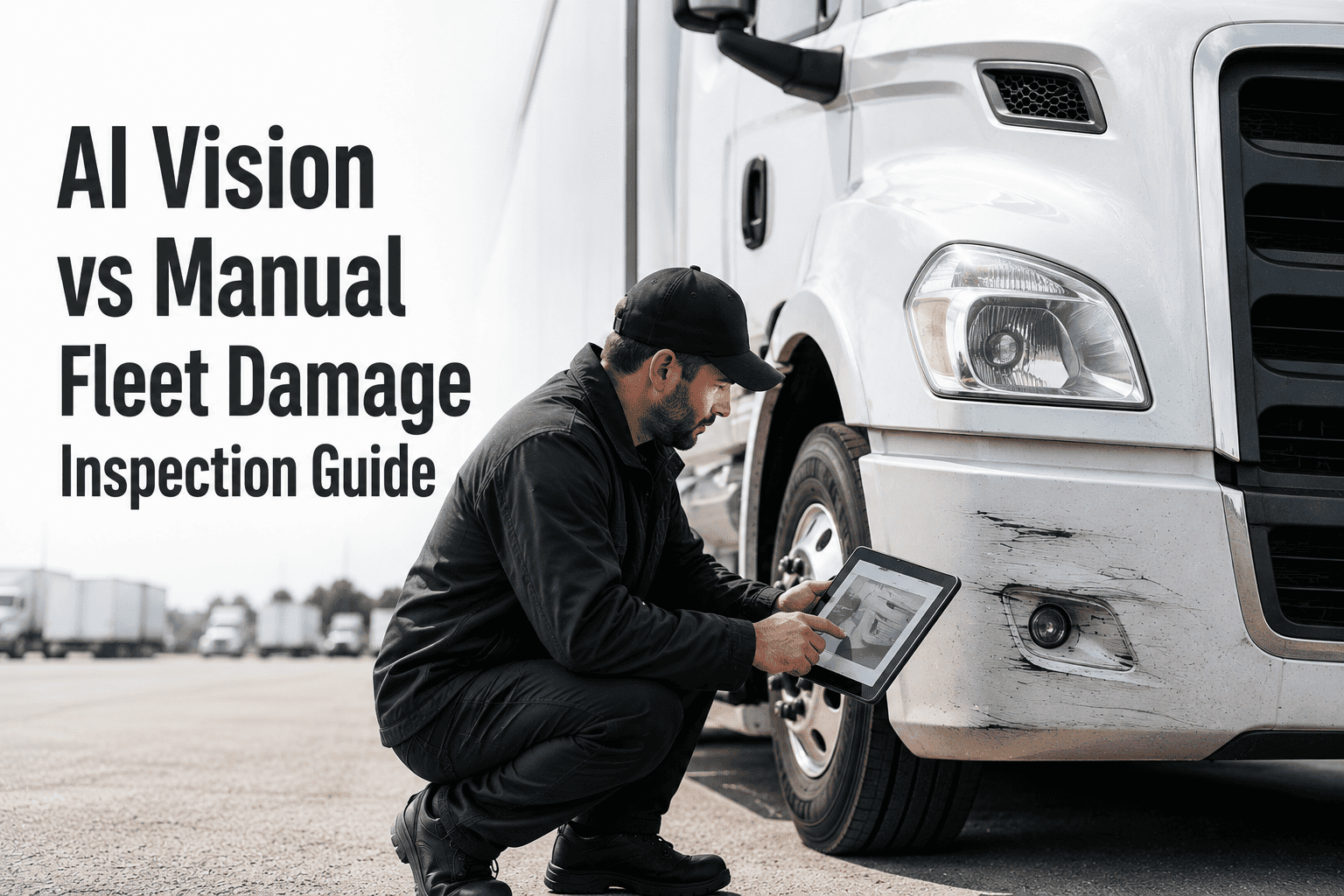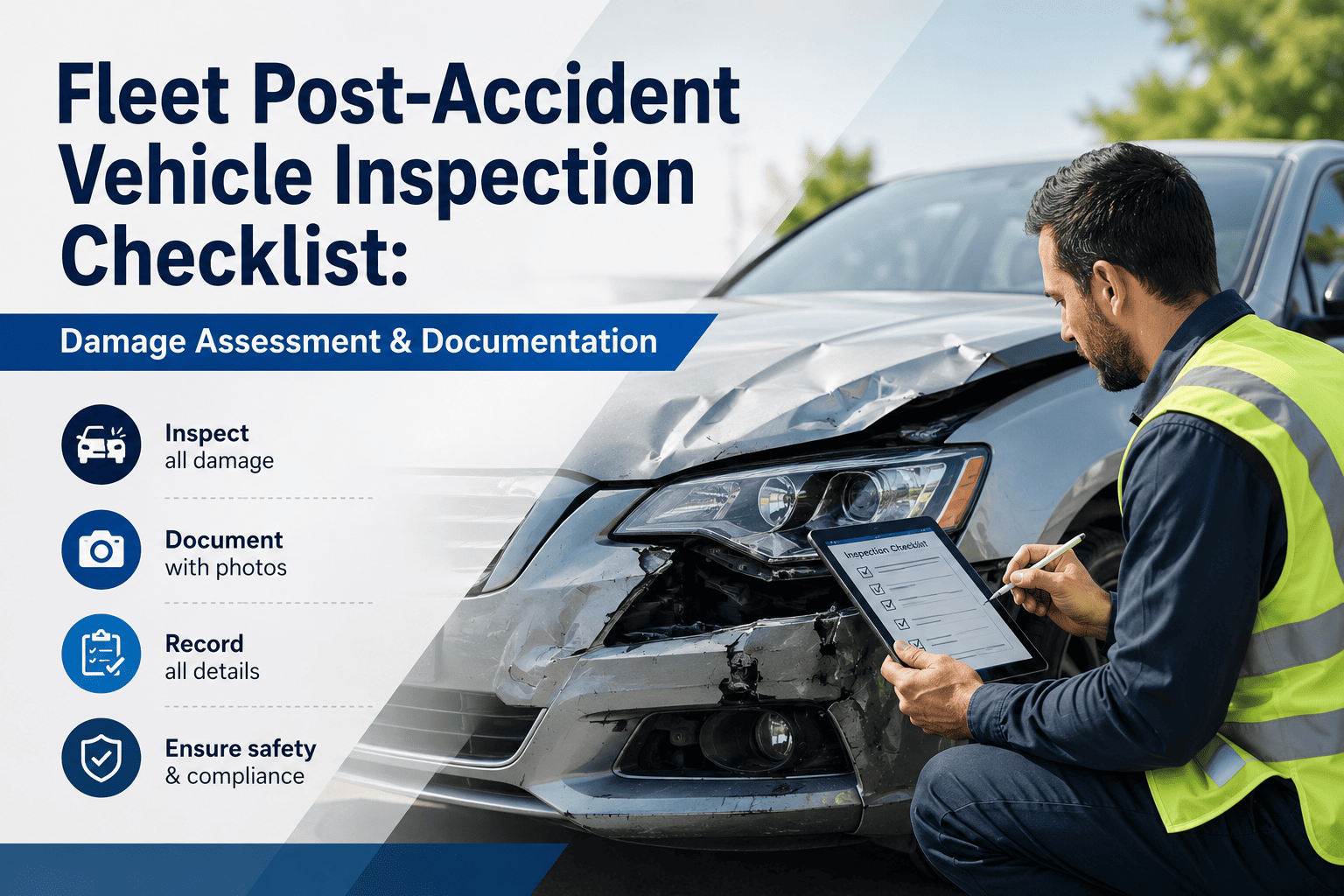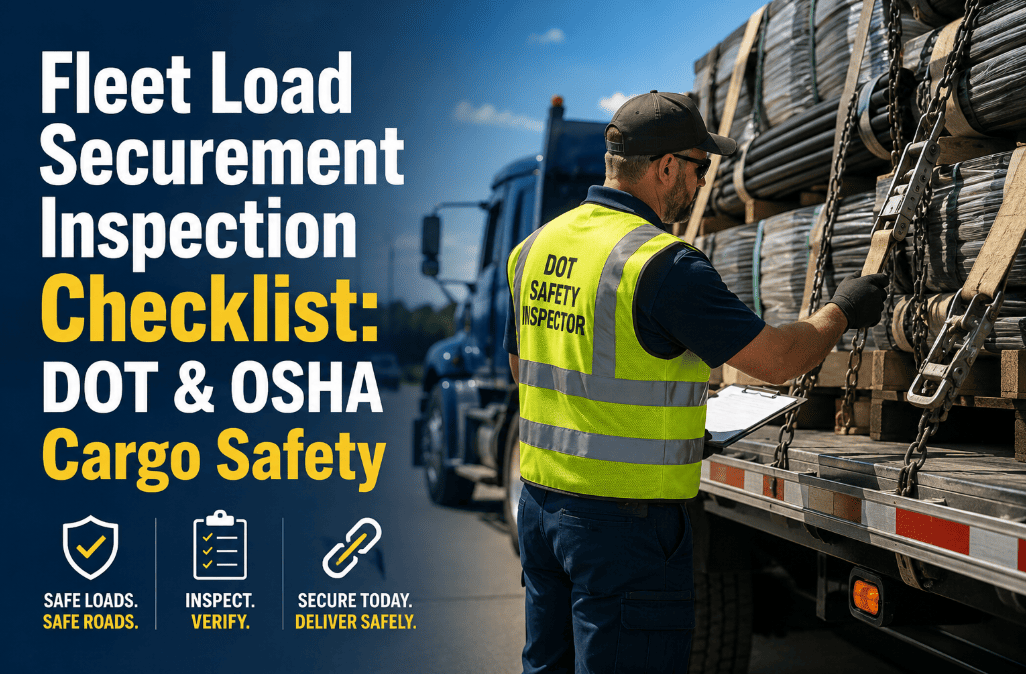
Cargo damage disputes almost always come down to the same question: who is responsible, the shipper, the carrier, or the receiver? Without documented proof of condition at load and unload, that question gets settled by whoever argues louder, not by evidence. A manual visual check at the dock is inconsistent by nature — different people notice different things, and nobody photographs every pallet on a busy day. AI-assisted cargo inspection fixes this by documenting condition automatically at both ends of the shipment, turning a subjective judgment call into a timestamped record. OxMaint's cargo inspection workflow keeps that record tied to the shipment and the vehicle from the moment it leaves the dock.
$1.5B+
Estimated annual cargo damage and claims cost across the US trucking industry
60%+
Of damage disputes resolved faster when load and unload condition is photo-documented
Under 10 sec
Average time to capture and log a cargo inspection at the dock door
2 points
Documented per shipment — load and unload — versus zero on most manual dock checks
The Problem With Manual Cargo Checks
Without Documentation
A driver eyeballs the load, signs the bill of lading, and moves on. If damage shows up at delivery, there is no record of the condition at pickup to compare against.
With AI Cargo Inspection
A photo is captured and timestamped at load and again at unload, with the system flagging visible damage or shifted cargo automatically at either end.
The Cost of Guessing
Without evidence, claims often default to a 50/50 split or get absorbed entirely by the carrier just to close the dispute faster, regardless of actual fault.
The Value of Proof
A documented condition record shifts claims resolution from negotiation to verification, often settling disputes in a single review of the photo timeline.
End the He-Said, She-Said on Cargo Damage
Timestamped photo evidence at every load and unload point
How AI Cargo Inspection Fits the Dock Workflow
1
Load Capture
Before the trailer doors close, a quick photo pass documents cargo condition, count, and placement, tied to the shipment ID.
2
In-Transit Reference
The load photo set stays attached to the shipment record, available instantly if a dispute or inspection comes up mid-route.
3
Unload Comparison
At delivery, a second photo pass is compared against the load-time record, and the model flags visible new damage automatically.
4
Dispute-Ready Record
If a claim is filed, the full before-and-after evidence is already attached to the shipment, cutting resolution time significantly.
5
Carrier & Lane Trend Reporting
Damage patterns are aggregated by lane, carrier, and cargo type over time, helping identify recurring handling issues before they turn into repeat claims.
Manual Dock Check vs. AI Cargo Inspection
Factor
Manual Dock Check
AI Cargo Inspection
Condition record
Verbal or none
Timestamped photos
Damage flagged at load
Only if visually obvious
Auto-flagged from image
Dispute resolution time
Days to weeks
Minutes with evidence attached
Liability determination
Often disputed
Backed by before/after record
Give Every Shipment a Paper Trail
OxMaint attaches load and unload photo evidence directly to the shipment record, ready the moment a claim comes in.
60%+
faster damage dispute resolution
<10 sec
to capture and log an inspection
2x
documented touchpoints per shipment, load and unload
We used to lose almost every damage dispute simply because we had nothing to compare against. Once we started photo-documenting every load and unload, our claims team started winning those same disputes with the evidence already attached to the file.— Claims Manager, regional LTL carrier
Frequently Asked Questions
Does this slow down loading and unloading?
No, capture typically adds under 10 seconds per stop and fits inside the existing dock workflow rather than adding a separate step.
Who is the evidence useful for — carrier or shipper?
Both. A clear before-and-after record protects whichever party was not responsible for the damage, speeding up resolution for everyone involved.
Can it detect damage that happens mid-transit?
Comparing load and unload photos isolates whether damage occurred before pickup, during transit, or at delivery, narrowing down responsibility.
Is the photo record tied to a specific shipment automatically?
Yes. OxMaint links every photo set to the shipment ID so records are never mixed up between loads.
How do we pilot this on a few routes first?
Most carriers start with their highest-claims lanes. Book a demo to scope a pilot for your busiest routes.
Stop Losing Disputes You Have No Evidence For
Document every load and unload automatically, and let the photos settle the argument.