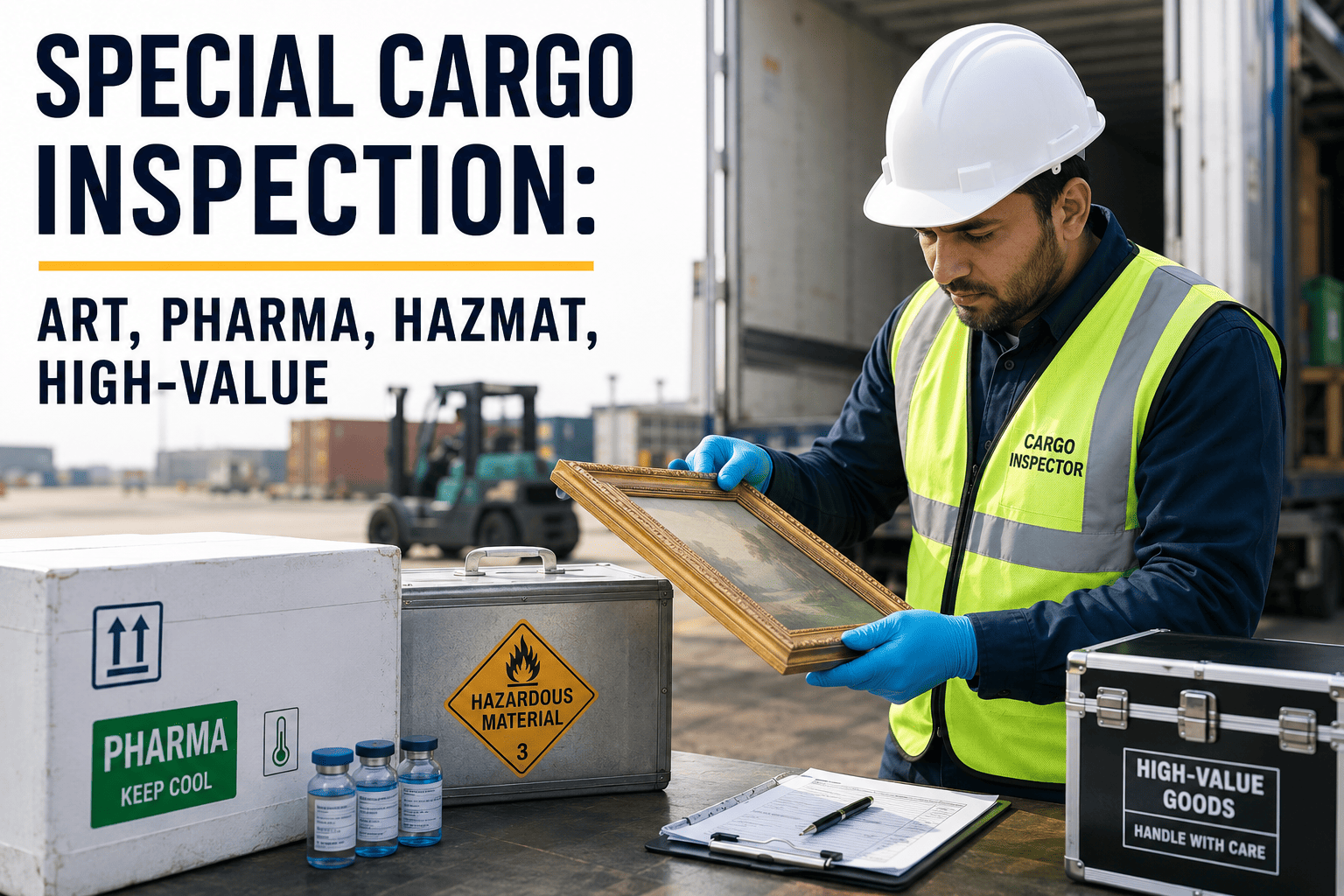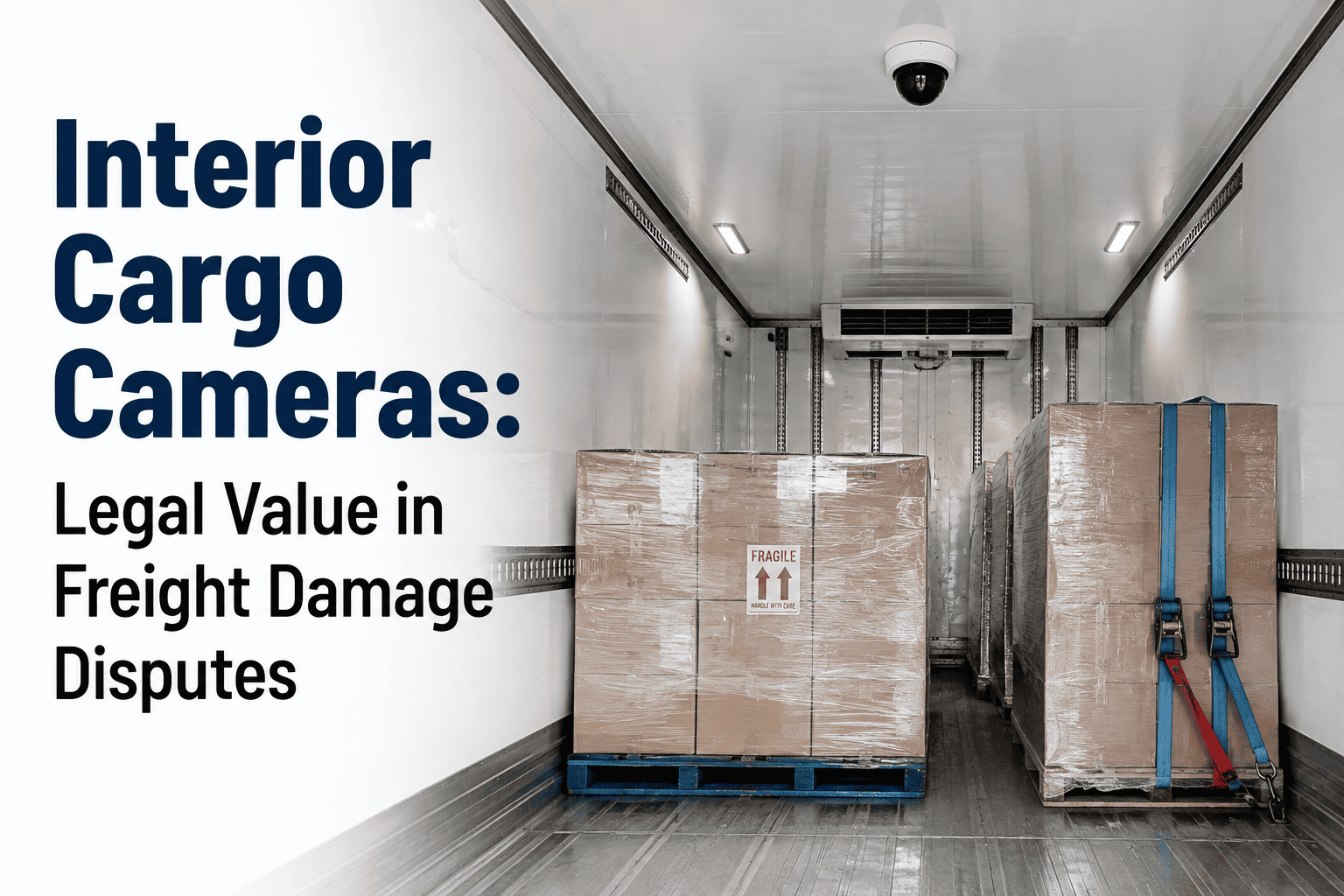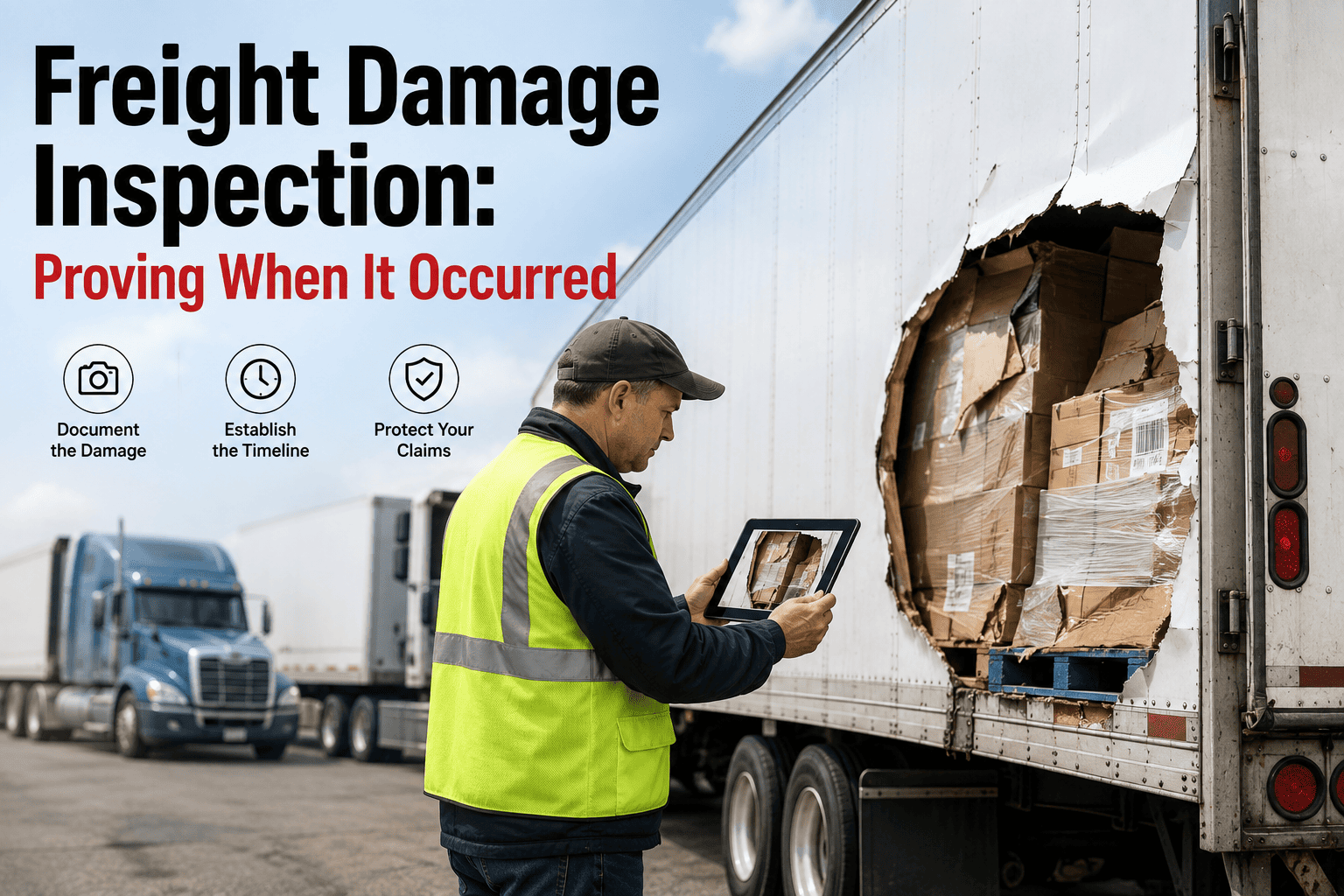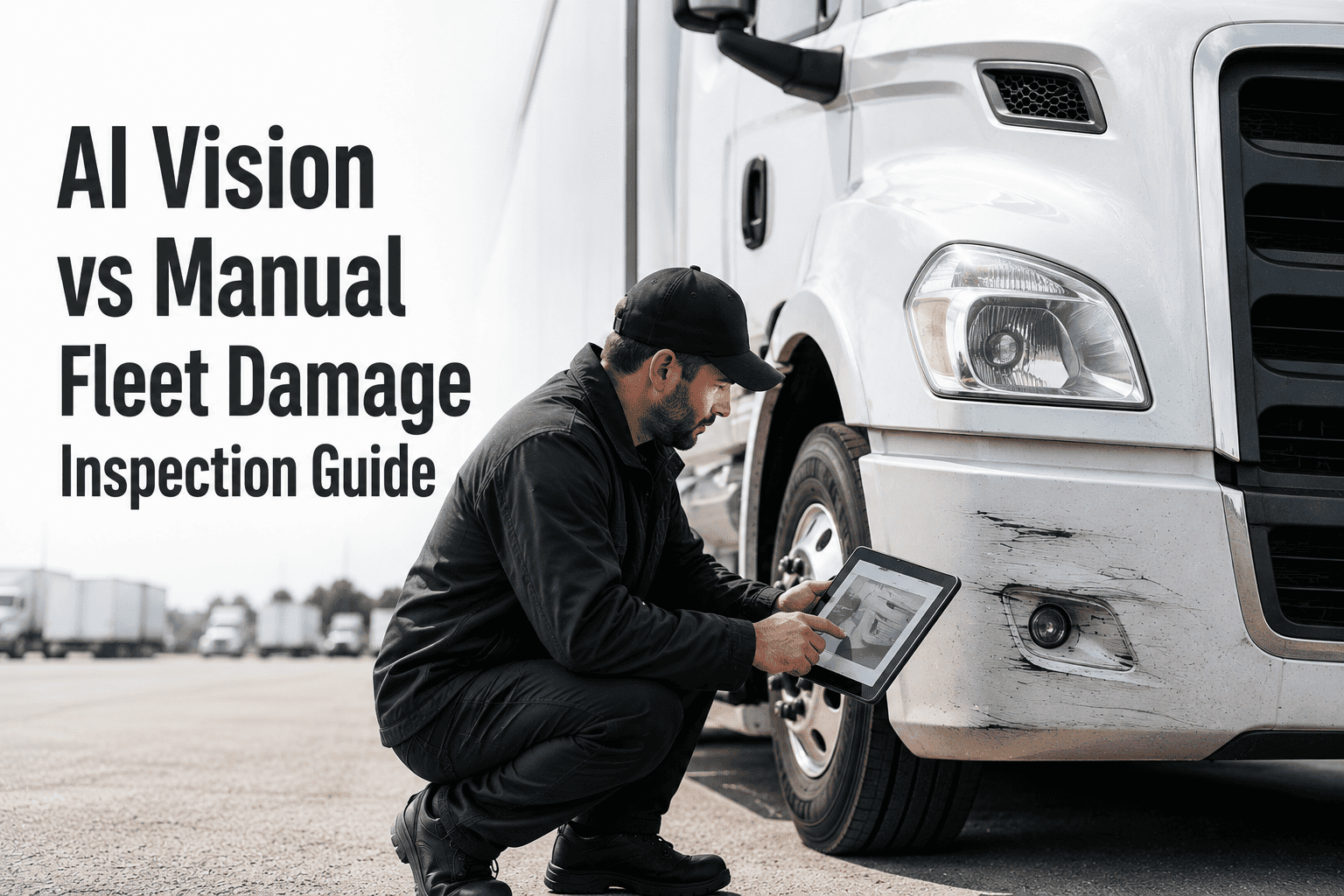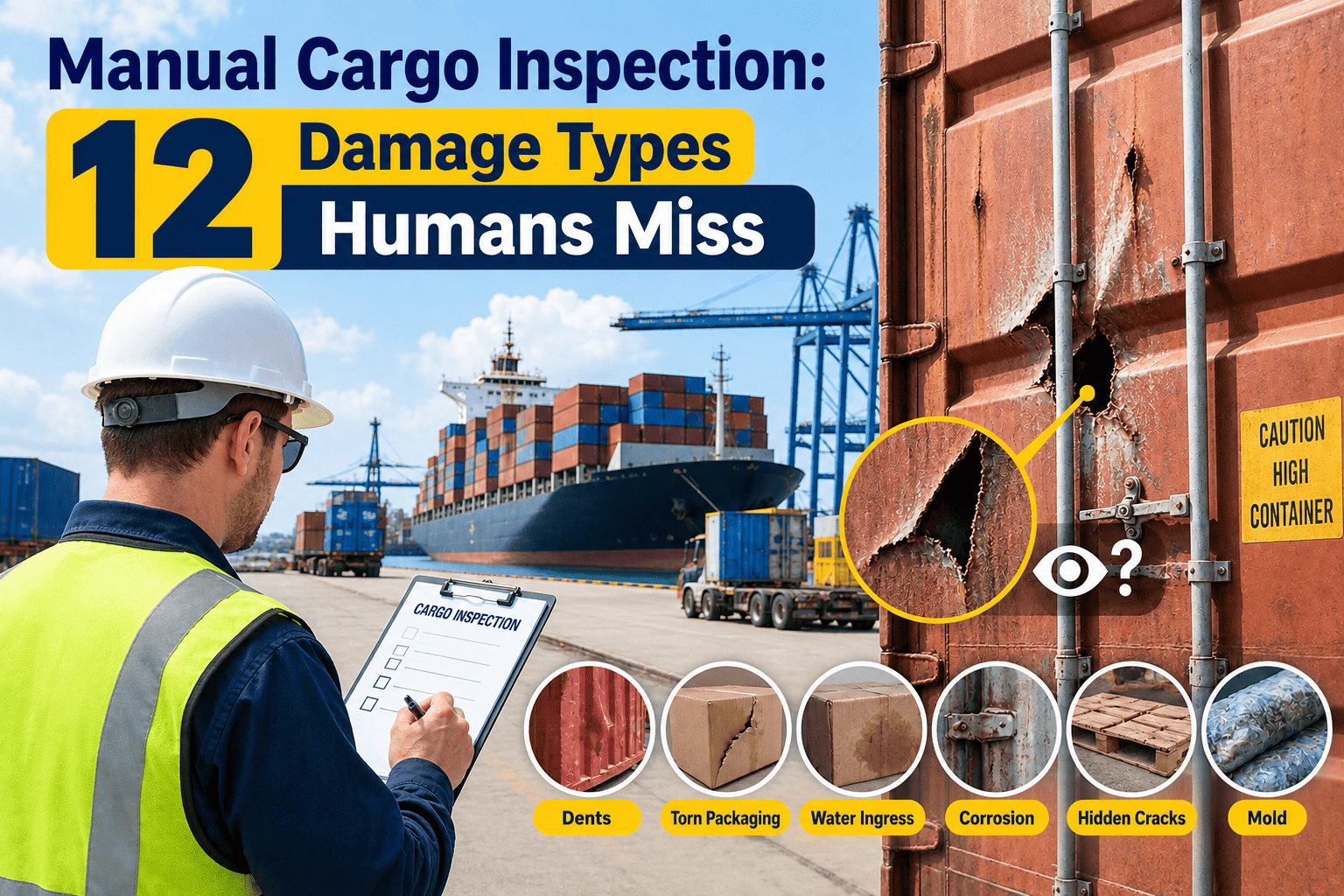
Most receiving docks still trust a five-second glance to decide whether a pallet gets accepted or rejected. That glance works for a torn box or a crushed corner sitting in plain sight, but it fails on the damage that hides in shadows, under labels, or inside the corrugate itself. Independent inspection audits put the average miss rate for visible cargo damage at 22-30%, and several specific defect types run far higher than that average once fatigue, poor lighting, and shift-end volume are factored in. This page breaks down the twelve damage types that slip past human inspectors most often, why each one is so easy to miss, and what actually catches them. If you want to see how many of these are quietly passing through your own dock right now, book a demo and we'll walk through your last month of claims together.
Cargo Inspection Accuracy · Manual Inspection Risk
12 Damage Types That Pass Every Manual Inspection — Until the Claim Arrives
A human eye scanning a pallet in 4-6 seconds under warehouse lighting cannot reliably catch sub-surface, obscured, or low-contrast damage. These are the twelve categories that slip through most often, ranked by how often they are missed at receiving.
22-30%
Average visible cargo damage missed during manual receiving inspection
50%
Miss rate on the single worst-performing category — damage hidden under a shipping label
4-6 sec
Typical time a receiving clerk spends looking at each incoming pallet
97%
Detection accuracy of camera-based AI inspection across the same damage categories
The 12 Damage Types Ranked By How Often They Are Missed
01
Label-obscured crush damage
~50% missed
The shipping label sits directly over the crushed section of the carton, so the inspector's eye lands on the barcode instead of the deformity underneath it.
02
Cold-chain condensation fogging
~48% missed
A temperature excursion in transit leaves no visible product damage — only faint condensation on the film, which is easy to mistake for humidity.
03
Pallet underside water staining
~45% missed
Receiving checks almost never involve tilting or lifting the pallet to inspect the underside, where standing water damage shows up first.
04
Undercarriage container impact dents
~42% missed
Dents on the container floor or undercarriage require climbing underneath the unit — a step that gets skipped once the dock queue starts building.
05
Corrugate delamination
~40% missed
The outer layer of the box can look completely intact while the inner liner has separated, and the only way to catch it visually is to open a flap.
06
Early-stage mold spotting
~38% missed
Small clusters of surface mold look almost identical to warehouse dust under standard fluorescent lighting, especially on darker packaging.
07
Micro-tears in shrink wrap
~35% missed
A tear under a few centimetres in clear film is nearly invisible at a glance, but it is exactly the kind of breach that lets moisture and pests in during transit.
08
Tape-masked partial crush
~33% missed
Reinforcement tape applied over a weak seam flattens the visual profile of the box, hiding the deformation the tape was meant to patch.
09
Pallet board cracking
~30% missed
Inspectors are trained to look at the cargo, not the pallet carrying it, so a cracked or splintering board underneath goes unnoticed until it fails in the rack.
10
Sub-5mm corner crush
~28% missed
A shallow compression on a stacked corner is subtle enough that it blends into the natural shadow lines of the carton at normal viewing distance.
11
Broken or re-applied security seals
~25% missed
A carefully re-applied seal can look nearly identical to an intact one from arm's length, particularly when the inspector is matching a checklist, not a photo.
12
Non-compliant stack lean
~20% missed
Whether a stack has tilted past a safe angle is a judgment call that varies from one inspector to the next, with no fixed reference point to measure against.
OxMaint AI Cargo Inspection
Every One Of These 12 Damage Types Is Detectable In Under Half A Second
Fixed dock cameras paired with OxMaint's computer vision model catch label-obscured crush, sub-surface delamination, and pallet underside staining at the moment cargo enters the facility — before it becomes a disputed claim.
Why Manual Inspection Breaks Down At Volume
Fatigue Compounds Through The Shift
The 200th pallet of a shift gets the same 4-6 second glance as the first, but the inspector's attention has dropped sharply by then. Miss rates climb noticeably in the final two hours of any receiving shift.
Dock Lighting Was Never Designed For Inspection
Warehouse fluorescent lighting flattens shadows and washes out subtle color shifts — exactly the visual cues that reveal early mold, hairline cracks, and shallow crush damage.
Checklists Reward Speed Over Scrutiny
Receiving throughput targets push inspectors toward a pass/fail glance rather than the flap-opening, pallet-lifting inspection that would actually catch hidden damage.
Frequently Asked Questions
Why does damage under a shipping label get missed so often?
Inspectors are trained to scan the label for the barcode and shipment reference, and that visual habit pulls attention away from the surface underneath it. Sign in to OxMaint to see how camera-based scans read the full carton surface, label included.
Can better training close the gap on these 12 damage types?
Training helps at low volume, but the miss rate climbs back up as soon as throughput increases, because the underlying limit is human visual attention over thousands of repetitions, not skill.
Which of these 12 categories causes the most expensive claims?
Cold-chain condensation and pallet underside staining tend to generate the largest claims, since the damage is only discovered after the product has already moved further down the supply chain.
How fast can a camera system replace the manual glance at receiving?
A fixed overhead camera captures and classifies each pallet in under half a second as it crosses the dock, with no change to existing receiving workflow. Book a demo to see it running on your dock layout.
Does this apply to outbound inspection as well as receiving?
Yes — the same twelve damage types are just as easy to miss on outbound checks, and catching them before dispatch is what actually prevents the claim from being filed at all.
Stop Finding Out About Damage From The Claim Instead Of The Camera
OxMaint's AI cargo inspection catches all twelve of these damage types at the point cargo crosses your dock — with a time-stamped, photo-verified record attached to every load.