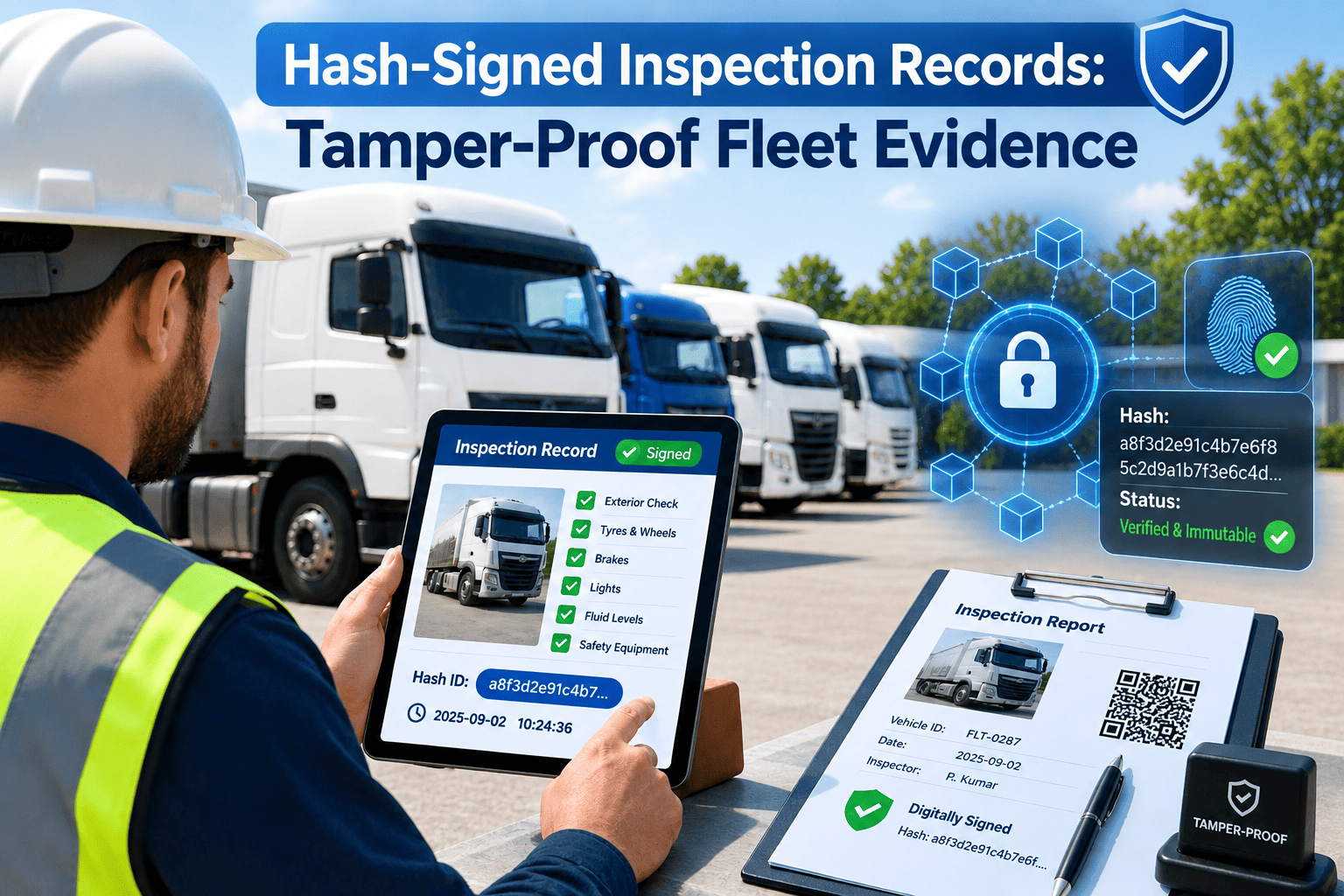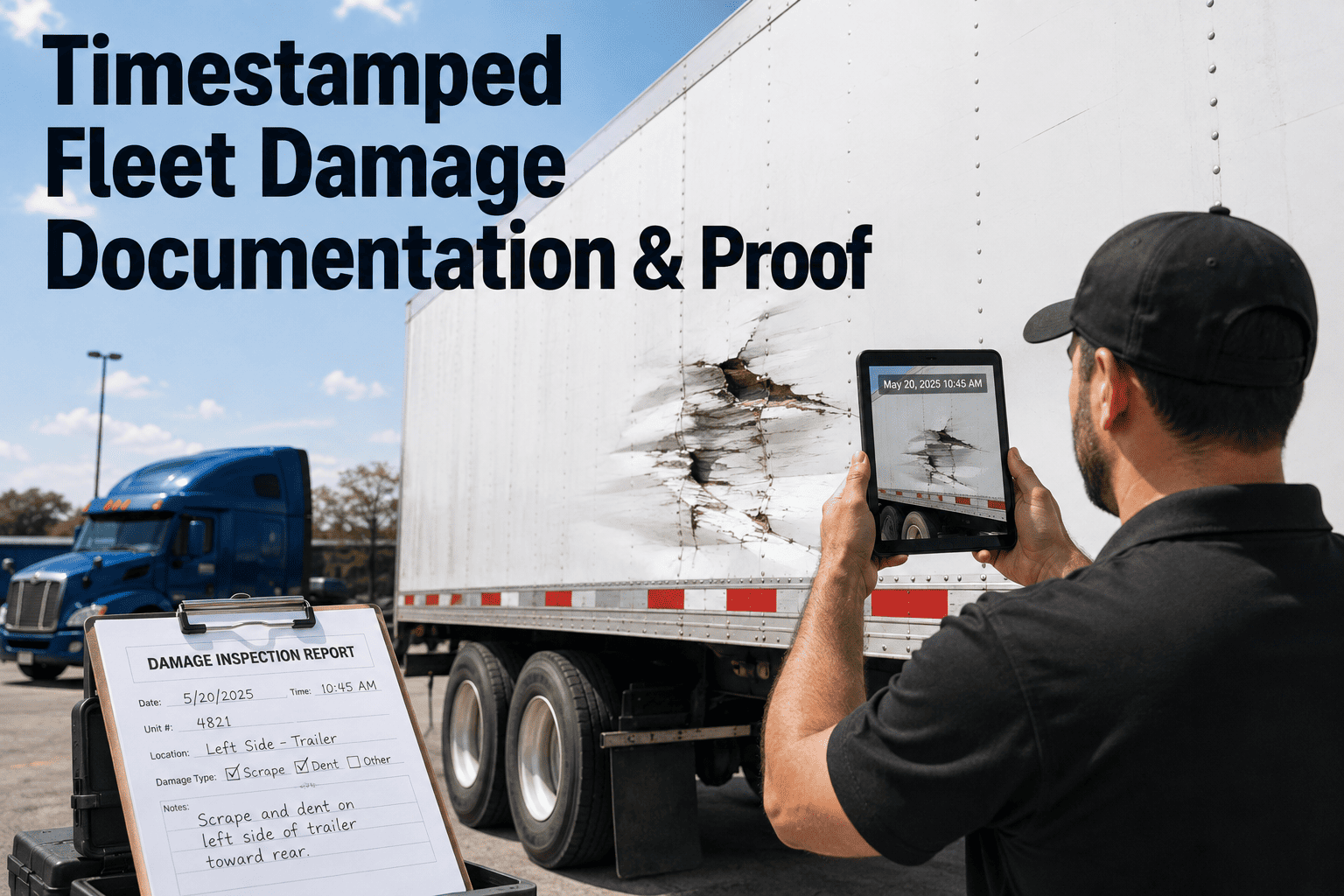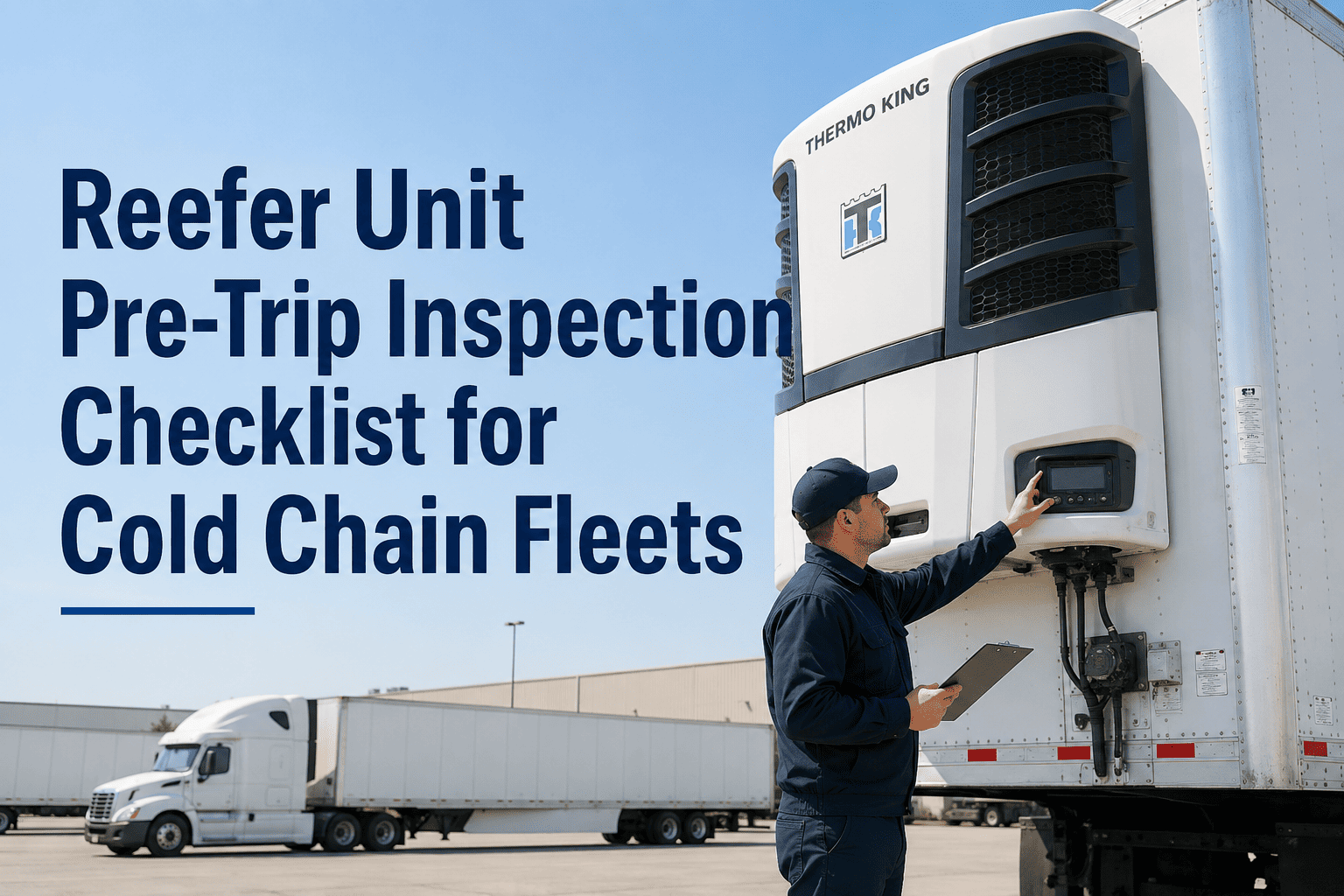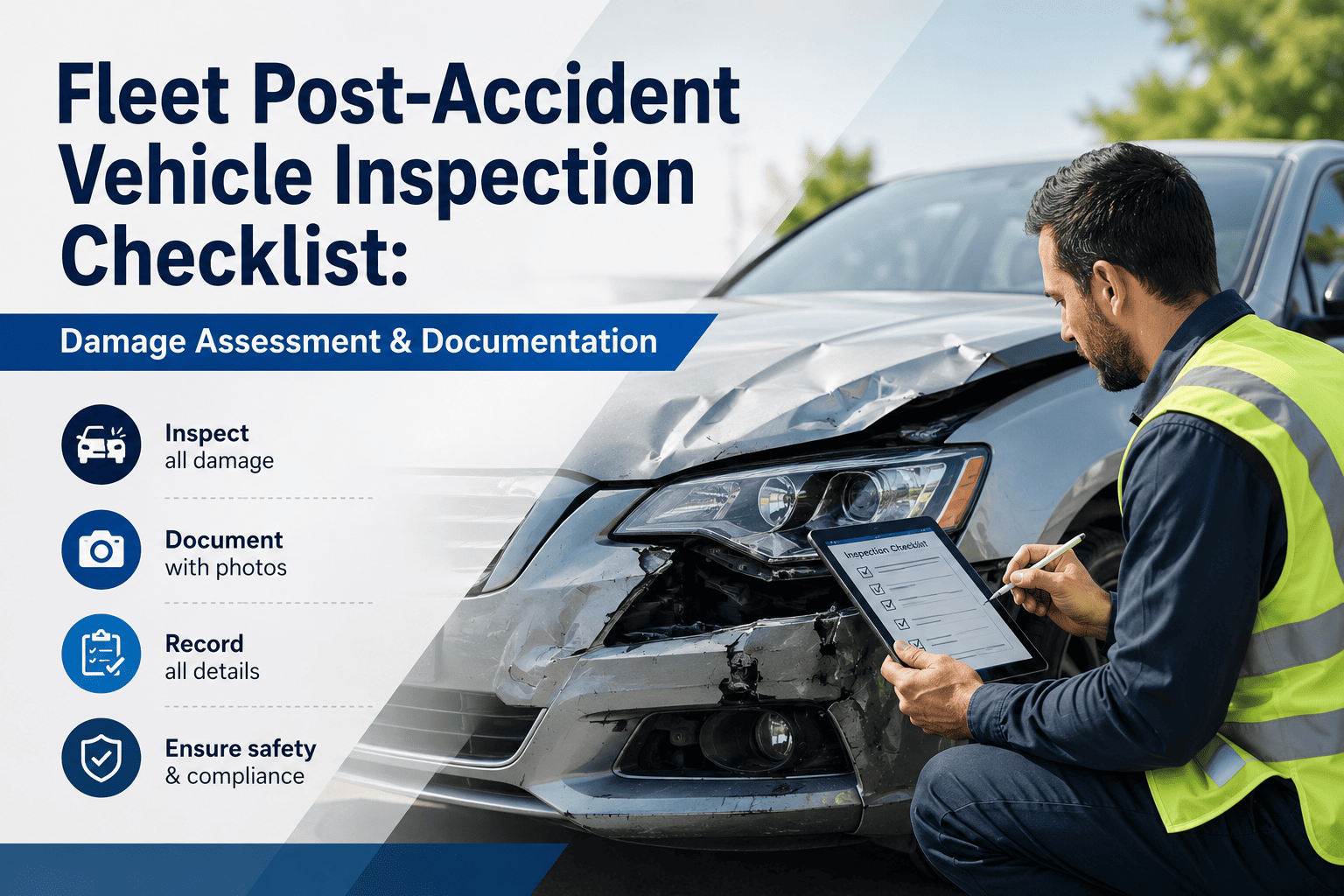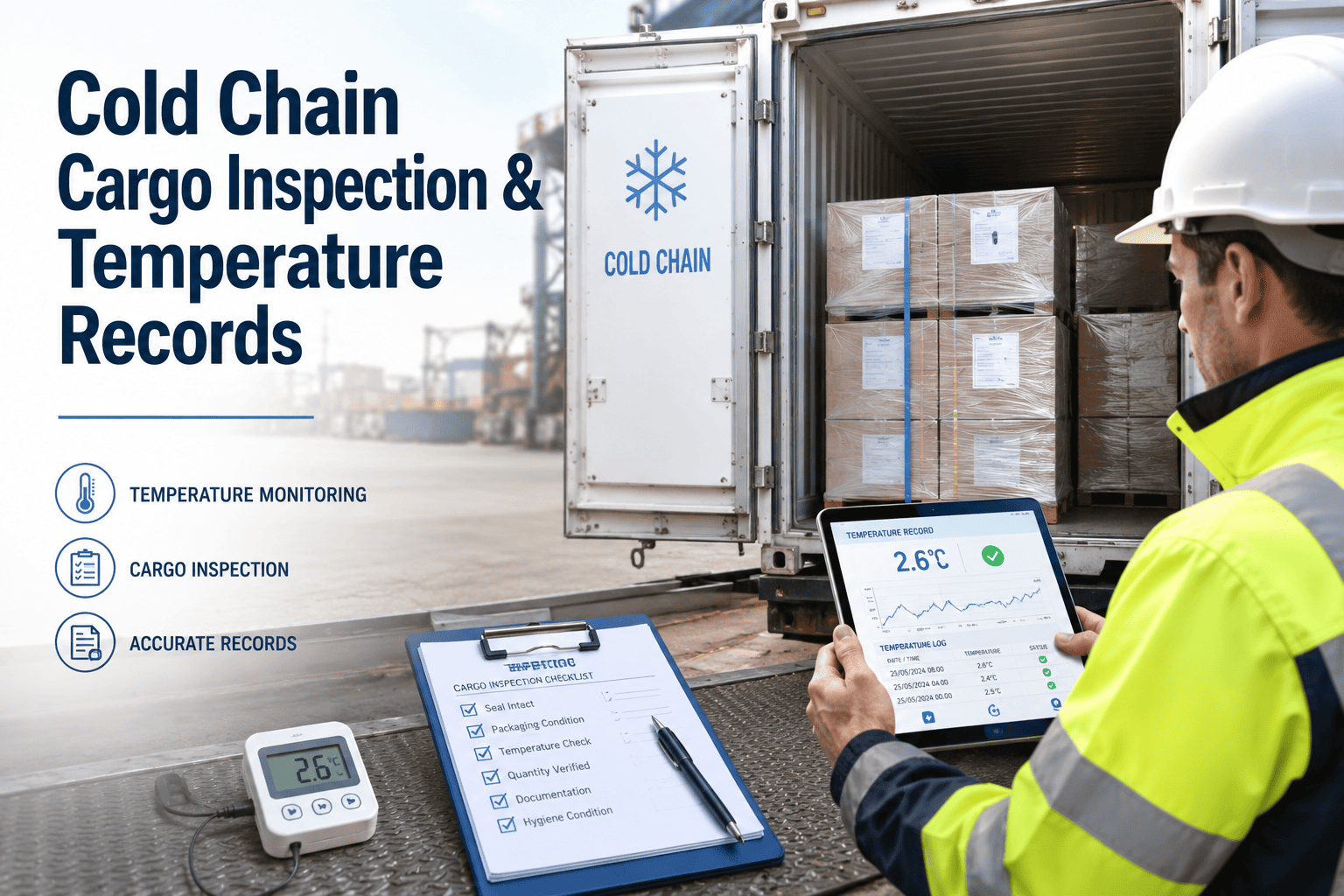
Cold chain cargo inspection and temperature record integrity is a food safety, pharmaceutical, and liability issue rolled into one — because cold chain cargo damage is often invisible until the load is rejected at the dock. A disciplined cold chain cargo inspection routine, backed by defensible temperature cargo documentation, is what separates a paid claim from a written-off load. Industry estimates put global cold chain losses in the tens of billions of dollars each year, with temperature excursions and poor documentation among the leading causes of rejected freight. This guide walks through exactly how to inspect and document cold chain cargo condition and temperature — and how a CMMS like OxMaint keeps those records audit-ready. If you want to see it working on your own fleet, Start Free Trial and digitize your first inspection workflow today.
Is your temperature documentation strong enough to survive a rejected load?
When a receiver disputes a load, the carrier with complete, time-stamped cold chain cargo records wins. The one with gaps pays. Here is the inspection and documentation framework that protects you.
How much does poor cold chain cargo documentation actually cost?
A single rejected refrigerated load can run $30,000 to $150,000+ in product value alone — before you count disposal, redelivery, detention, and the claim dispute itself. Industry data suggests 20–30% of temperature-sensitive shipments experience some form of excursion, and a large share of claims are lost not because the temperature failed, but because the documentation could not prove it did not.
The pattern is consistent: the fleets that lose claims are rarely the ones with the worst equipment — they are the ones with the worst records. A reefer unit that held temperature perfectly means nothing if you cannot produce the log, the pre-trip inspection, and the PM history that proves the unit was maintained. That is why cold chain freight inspection is as much a documentation discipline as a mechanical one.
The 4-stage cold chain freight inspection checklist
Every defensible cold chain cargo inspection follows the same four stages. Skip one, and you have a gap a claims adjuster will find. Build all four into a repeatable digital workflow, and every load leaves a complete evidence trail.
Pre-Trip / Pre-Cool
- Verify reefer unit pre-trip inspection completed and passed
- Confirm pre-cool to set-point before loading begins
- Check door seals, floor drains, and air chutes for damage
- Record fuel level, battery, and defrost cycle status
- Photograph empty trailer interior and unit display
Loading
- Verify product temperature at the dock with a calibrated probe
- Confirm set-point matches the bill of lading requirement
- Check load pattern allows proper airflow (no blocked returns)
- Record pulp temperatures from multiple pallets
- Time-stamp loading start and door-close events
In-Transit
- Continuous temperature logging at 5–15 minute intervals
- Automated alerts on any excursion beyond threshold
- Door-open event tracking at every stop
- Log any set-point changes with reason and authorization
- Document corrective action taken during excursions
Delivery
- Record product temperature before doors open at receiver
- Photograph cargo condition and load shift, if any
- Capture receiver signature with temperature acknowledgment
- Note any discrepancies on the delivery receipt immediately
- Archive full temperature log against the shipment record
What makes cargo temperature documentation legally defensible?
Not all temperature records hold up in a dispute. A handwritten note or a screenshot from a driver’s phone carries almost no weight. Defensible cold chain cargo records share five characteristics — and missing even one can collapse your position in a claim.
| Requirement | What It Means | Why It Matters in a Claim |
|---|---|---|
| Continuous logging | Automated readings every 5–15 minutes, not spot checks | Gaps longer than 30 minutes let adjusters argue the excursion happened off-record |
| Time-stamped integrity | Tamper-evident records with synchronized clocks | Editable or backdated logs are routinely thrown out in disputes |
| Calibrated sensors | Probe and logger calibration certificates on file | An uncalibrated sensor reading can be challenged as unreliable |
| Linked PM history | Reefer unit maintenance records tied to the shipment date | Proves the unit was fit for service — shifts liability away from the carrier |
| Excursion response log | Documented corrective action with timestamps and names | Shows due diligence; often the difference between partial and full claim denial |
This is where most fleets fall down: the temperature log exists, but the reefer’s maintenance history lives in a separate spreadsheet, the calibration certificate is in a filing cabinet, and the pre-trip inspection was done on paper that may or may not have been filed. When the claim lands, assembling that evidence takes days — if it can be assembled at all.
A real scenario: one rejected load, two very different outcomes
Consider a 40-reefer fleet hauling fresh produce. A receiver rejects a $68,000 load of berries, claiming the pulp temperature at delivery was 6°F above spec. Here is how that plays out depending on the fleet’s documentation maturity.
Fleet A — Paper & Spreadsheets
- Driver’s paper log shows one temperature reading at pickup — nothing in transit
- Reefer PM records are in a spreadsheet last updated 4 months ago
- No calibration certificate on file for the probe used at delivery
- Claim denied after 6 weeks of back-and-forth
Fleet B — Digital CMMS Workflow
- Continuous log shows in-spec temperature for the entire 14-hour transit
- Reefer PM history pulled in 2 minutes — unit serviced 11 days before the load
- Delivery probe calibration certificate attached to the asset record
- Evidence package sent to the receiver within 24 hours
The difference between these two fleets is not equipment quality — it is whether cold chain cargo condition and temperature documentation is a system or an afterthought. Fleet B spends roughly 15 minutes per load on digital inspection steps; Fleet A spent six weeks losing a claim it probably should have won.
How OxMaint keeps your cold chain cargo records audit-ready
OxMaint is an AI-powered CMMS and EAM platform built for exactly this problem: turning reefer maintenance, inspection workflows, and temperature excursion documentation into one connected, searchable system. Here is what that looks like in practice.
Reefer PM Integration
Schedule and track preventive maintenance for every refrigeration unit by engine hours, calendar, or runtime. Every completed PM is time-stamped against the asset — so when a claim asks “was this unit maintained?”, the answer is one click away, not one filing cabinet away.
Digital Inspection Workflows
Convert the 4-stage cold chain inspection checklist into mobile work orders with required fields, photo capture, and e-signatures. Drivers and dock staff complete inspections on any device — no paper, no missed steps, no illegible handwriting.
Excursion Documentation
When a temperature excursion occurs, OxMaint auto-generates a corrective-action work order linked to the asset and shipment. Response time, actions taken, and resolution are all logged — the exact evidence trail claims adjusters look for.
Compliance Analytics
Fleet-level dashboards show PM compliance rates, inspection completion, and recurring excursion patterns by unit or route. Spot the reefer that drifts out of spec before it costs you a load — predictive maintenance in action.
See OxMaint running your cold chain inspection workflow — in 30 minutes
Book a live demo and we will walk you through reefer PM scheduling, digital inspection checklists, and excursion documentation on a setup that mirrors your fleet.
Cold chain cargo inspection: common questions
What is a cold chain cargo inspection?
A cold chain cargo inspection is a documented check of a temperature-controlled shipment’s condition and environment at key points — pre-cool, loading, in-transit, and delivery. It verifies the reefer unit held set-point, the product temperature stayed in spec, and the cargo arrived undamaged, creating a defensible record for food safety, pharma compliance, and liability protection.
What temperature records are required for cold chain freight?
At minimum: a continuous temperature log for the full transit, pre-cool verification, product/pulp temperature readings at loading and delivery, and the reefer unit’s maintenance and calibration history. Under FSMA’s Sanitary Transportation rule, carriers must be able to demonstrate temperature control on request — digital records linked to the asset make that a 2-minute task instead of a 2-day scramble.
How do you prove a temperature excursion was not your fault?
With a complete evidence chain: continuous tamper-evident logs, calibrated sensors, a linked PM history showing the unit was fit for service, and a documented corrective-action response. Fleets using a CMMS like OxMaint can assemble this package in minutes — Book a Demo to see how the excursion workflow works end to end.
How often should reefer units be inspected and serviced?
Most manufacturers recommend a pre-trip inspection before every load, plus scheduled PM every 1,000–2,000 engine hours or per calendar interval — whichever comes first. High-utilization units on long-haul routes often need tighter intervals. Tracking PM by engine hours inside a CMMS ensures no unit silently drifts past its service window.
Can a CMMS really reduce cold chain cargo claims?
Yes — in two ways. First, disciplined PM reduces the mechanical failures that cause genuine excursions. Second, complete digital documentation wins the disputes where the temperature was actually fine but could not be proven. Fleets that digitize inspection and maintenance records commonly report claim-resolution times dropping from weeks to days, and far fewer claims lost on documentation grounds. Start Free Trial to test it on your own fleet.
Stop losing claims you should have won
Digitize your cold chain cargo inspection, reefer PM, and temperature excursion documentation in one platform — and make every load’s evidence trail automatic.
Free 14-day trial · No credit card required · Set up your first inspection workflow in under an hour