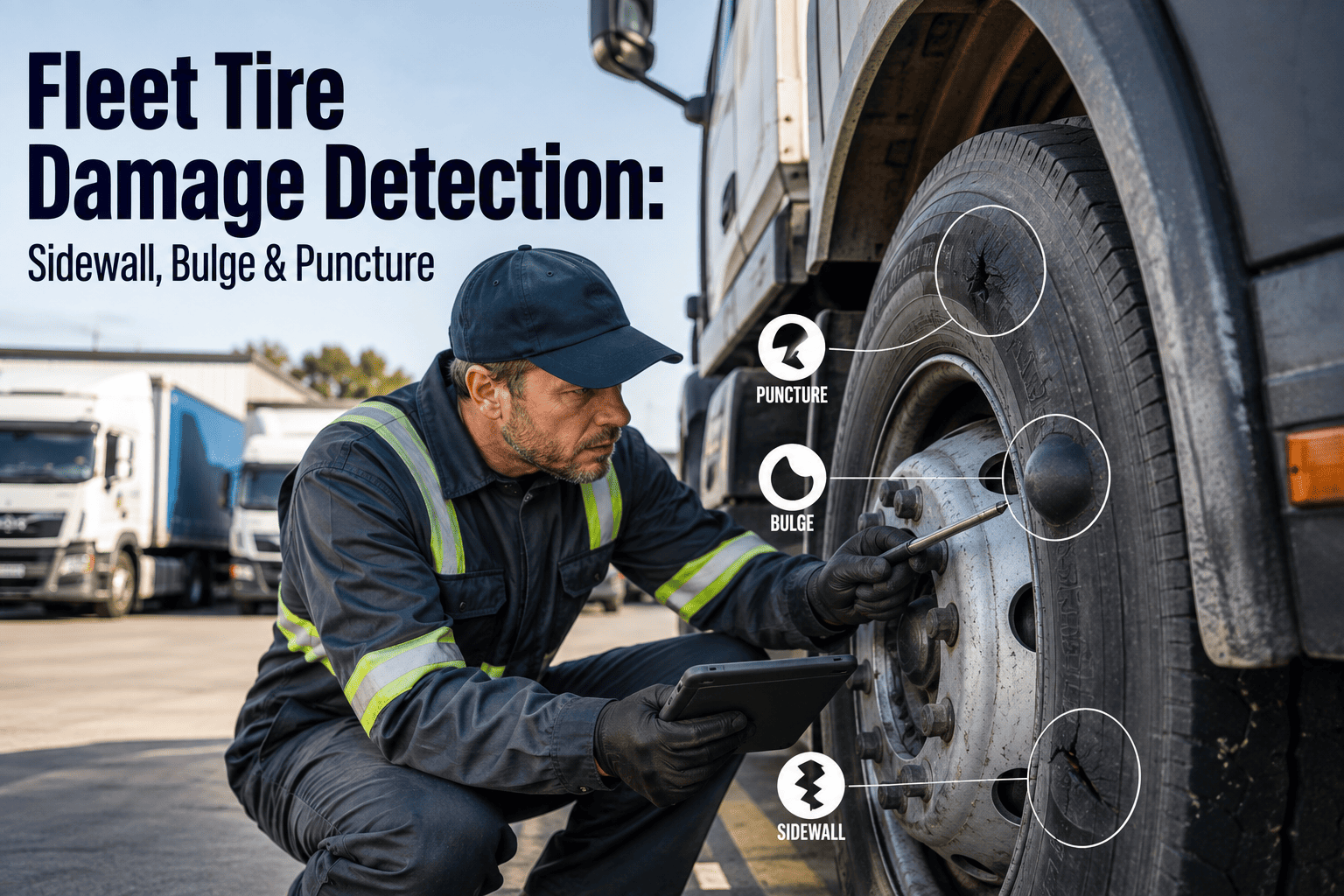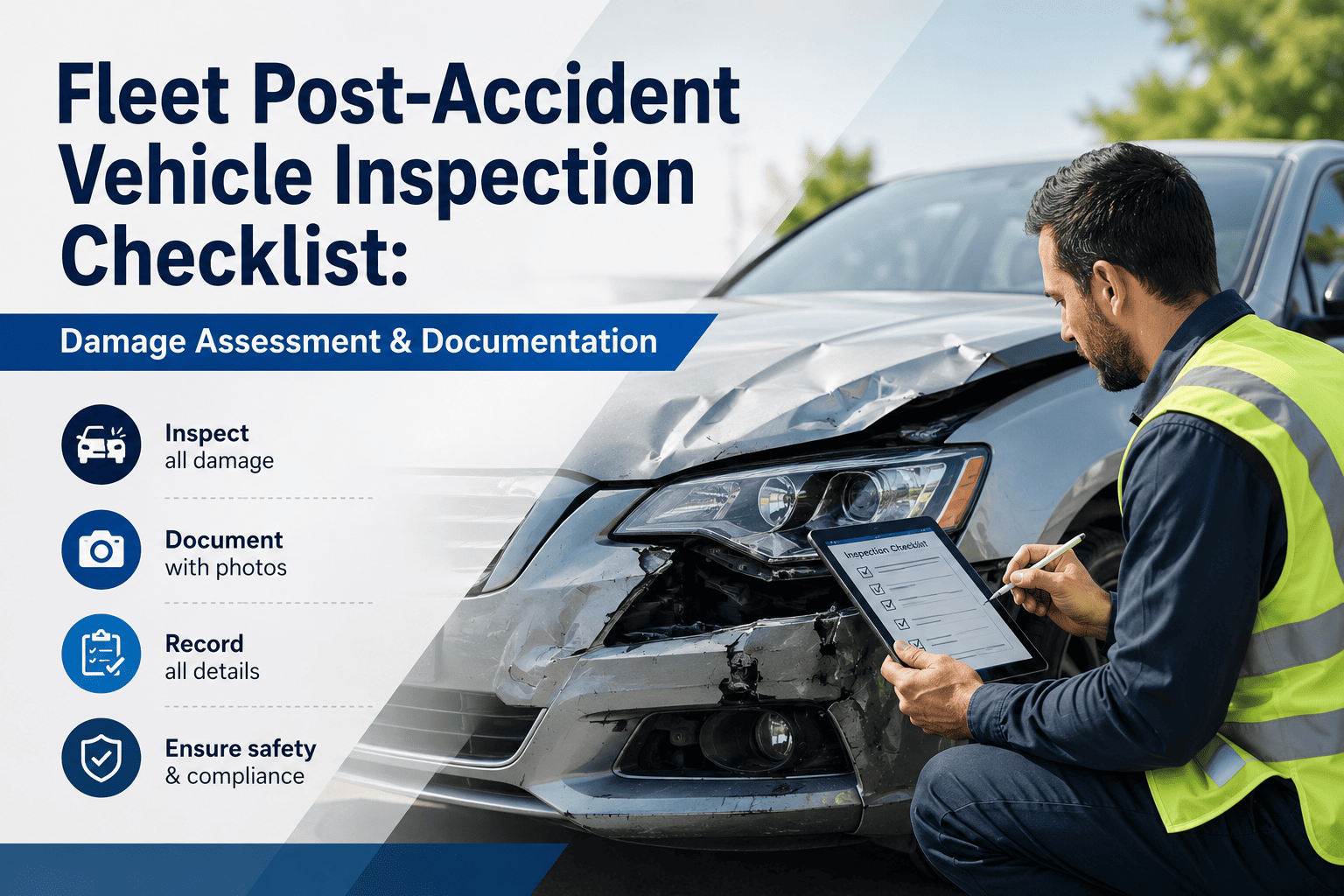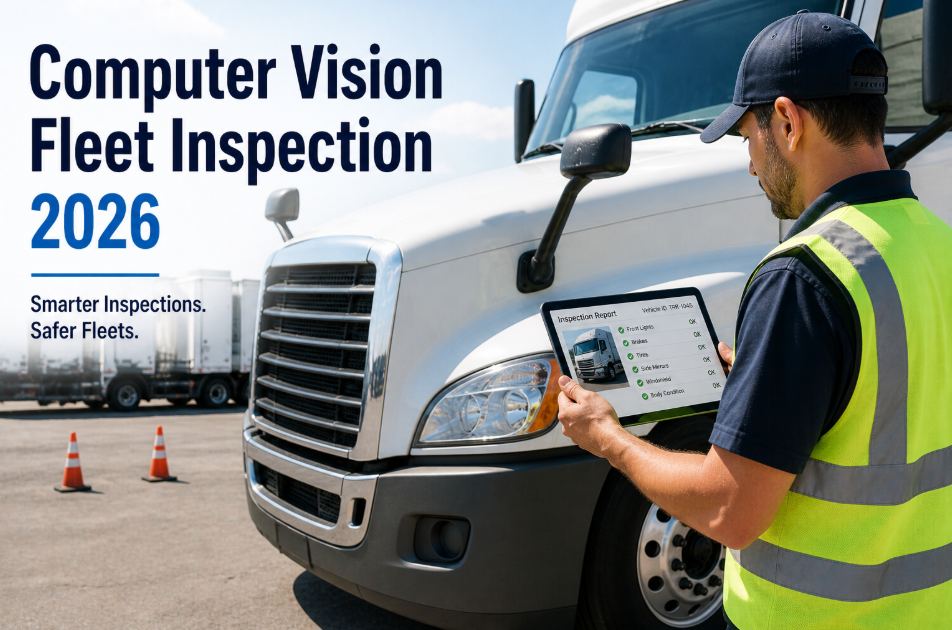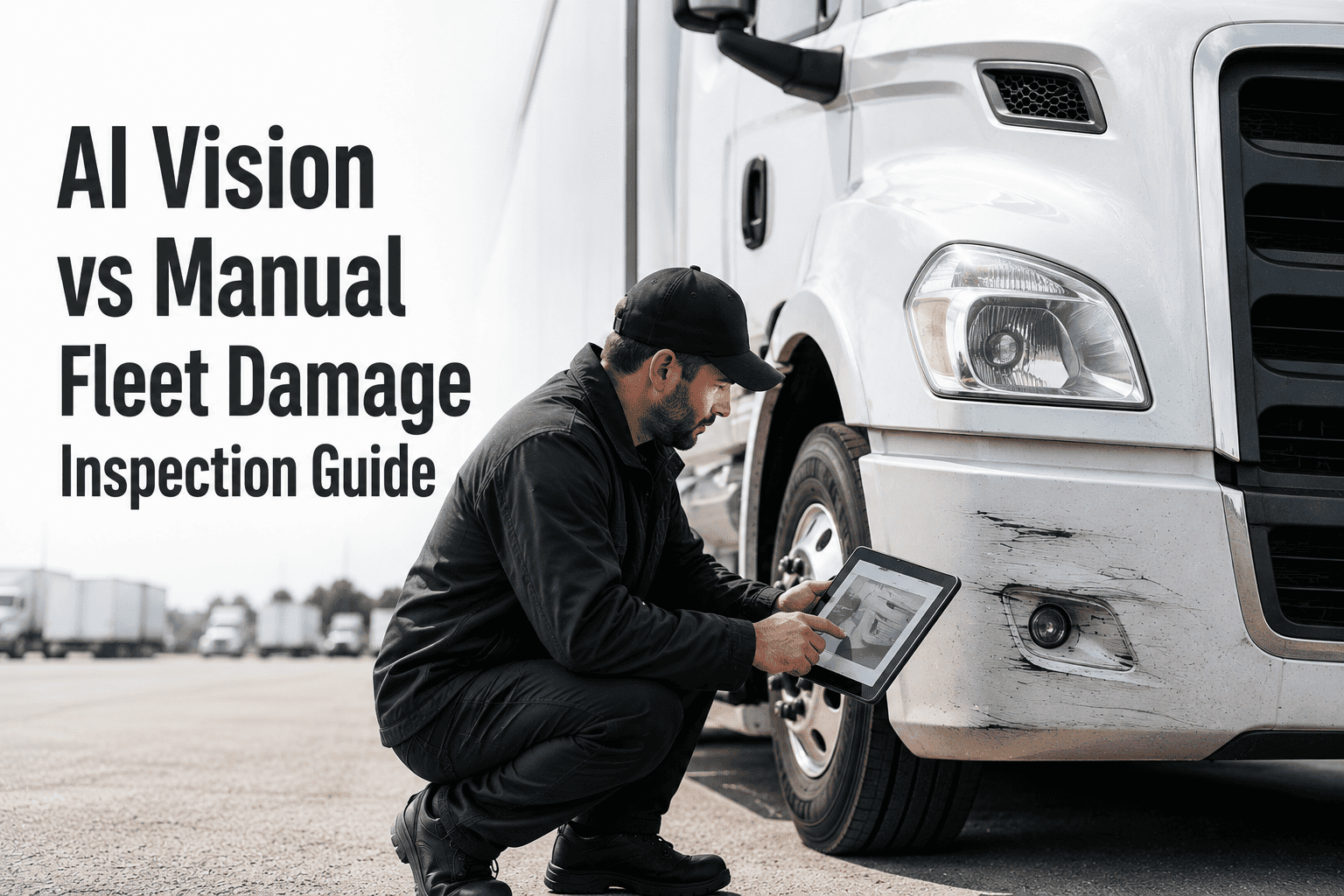
AI vision vehicle damage detection is now more consistent, faster, and often more accurate than manual walkarounds, which means fleet operators can finally stop paying for dents, scratches, and structural defects that slip through paper-based inspections. Automated vehicle damage detection uses high-resolution cameras and machine learning models to scan every vehicle entering or leaving a yard, flagging issues in seconds instead of the 15–20 minutes a thorough human check requires. When paired with a CMMS like OxMaint, AI vision fleet inspection moves from a standalone hardware project to a fully integrated maintenance program—turning detected defects into tracked work orders automatically. If you are evaluating Start Free Trial options for modernizing your inspection process, this guide breaks down exactly how AI damage inspection fleet technology outperforms manual methods.
AI Vision vs Manual Fleet Inspection
Manual walkarounds miss 30–40% of damage. AI vision catches the rest.
- 15–20 min per vehicle; skipped when behind schedule
- Subjective severity calls; no historical baseline
- Paper checklists lost, illegible, or filed late
- Dents and undercarriage wear missed in poor lighting
- 30–45 second automated scan; 100% of vehicles
- Consistent defect classification with confidence scores
- Auto-generated digital work orders in your CMMS
- Historical damage timeline per asset — dispute-ready
The True Cost of Manual Inspections
Why manual fleet damage inspection fails at scale
A 200-vehicle fleet running manual walkarounds typically spends 50+ labor-hours per week on inspections—and still catches only 60–70% of actionable damage. The remaining defects compound into bigger repair bills, CSA violations, and off-hire revenue loss. Here is what that gap actually costs:
Worked example: A regional logistics operator with 180 power units discovered that 22% of returned trailers had undocumented damage. By switching to AI vehicle inspection damage detection, they recovered $61,000 in lessee-attributed repairs in the first quarter alone—damage that manual check-in had silently absorbed for years.
Head-to-Head Comparison
AI vision fleet inspection vs. manual walkaround: what changes
The shift from clipboard to camera is not incremental—it restructures who does the inspection, how fast it happens, and whether the result is actionable. Below is a side-by-side breakdown of what changes when you deploy automated damage inspection fleet technology.
| Inspection dimension | Manual walkaround | AI vision + OxMaint CMMS |
|---|---|---|
| Time per vehicle | 15–20 minutes | 30–45 seconds (drive-through scan) |
| Detection consistency | Varies by inspector fatigue, lighting, urgency | Consistent model output with confidence scoring |
| Coverage area | Exterior panels only; undercarriage rarely checked | 360° exterior, roof, and undercarriage in one pass |
| Defect classification | Subjective ("minor dent" vs. "needs repair") | Auto-categorized by type, severity, and location |
| Documentation | Paper DVIR or mobile form, often filed late | Timestamped photos + structured data, stored per asset |
| Work order creation | Manual entry by shop supervisor | Vision-to-work-order automation in OxMaint |
| Historical damage tracking | Folders of photos; hard to search | Full damage timeline per VIN, searchable and audit-ready |
| Dispute resolution | "He said, she said" with no proof | Irrefutable timestamped image evidence |
Myth vs. Reality
What AI damage detection actually does (and doesn't) deliver
AI vision replaces human inspectors entirely, so you can fire your maintenance team.
AI handles the repetitive 360° scan and triage; technicians focus on verifying flagged defects and performing repairs—cutting inspection labor 60–70% while improving catch rates.
You need a million-dollar custom camera tunnel and months of integration before seeing value.
Modern AI vision damage vehicle systems use pole-mounted cameras at existing gate or fuel-island locations. OxMaint integrates the feed in days, not months—work orders start flowing the first week.
The AI will flood our shop with false-positive work orders for every paint chip.
OxMaint applies configurable severity thresholds—only defects above your defined criteria auto-create work orders. Low-severity items are logged to the asset history without triggering shop action.
How OxMaint Helps
From AI damage scan to closed work order — automatically
AI vision is only valuable if detected damage triggers action. OxMaint closes the loop between the camera and the wrench, turning fleet vehicle damage AI output into tracked, prioritized, and completed maintenance. Here is what that looks like in practice:
Every flagged defect auto-generates a digital work order with photos, location on the vehicle, and severity score—no manual data entry. Shops see new defects in their queue within seconds of the scan.
OxMaint maps AI confidence scores to your maintenance policy—cosmetic, functional, or safety-critical—so work orders are auto-prioritized and routed to the right technician level automatically.
Every scan is stored against the asset record, building a longitudinal damage timeline per VIN. Compare today's scan to last week's to see if a dent is new or pre-existing—critical for lease returns and driver disputes.
Digital inspection records with timestamped image evidence satisfy DOT and FMCSA DVIR requirements. Generate audit reports in one click—no more digging through filing cabinets or illegible paper forms.
Implementation Timeline
How to deploy AI vision fleet inspection in 30 days
Most fleet operators assume AI vision is a 6-month capital project. With OxMaint, a phased rollout gets your first vehicles scanning in under a month. Here is the typical timeline:
OxMaint team maps your yard, fuel island, or gate to identify optimal camera positions. Pole-mounted or wall-mounted cameras are specified based on vehicle mix, traffic flow, and lighting conditions.
Cameras go live at the scan zone. The AI damage detection model is calibrated to your specific vehicle types—trucks, trailers, vans, or mixed fleet—with baseline images captured for each asset.
OxMaint connects the AI vision feed to your asset registry. Defect classification rules are configured: which severity levels auto-create work orders, which are logged only, and which trigger immediate safety alerts.
Every vehicle passing the scan zone is automatically inspected. Technicians receive prioritized work orders in OxMaint; managers see a real-time damage dashboard. Manual walkarounds shift to verification-only for flagged items.
See AI vision damage detection on your fleet—live in 30 minutes
Book a personalized demo and we'll show you exactly how OxMaint turns camera scans into closed work orders, historical damage timelines, and recovered repair costs.
Frequently Asked Questions
AI vision vehicle damage detection: what fleet managers ask
AI vision fleet inspection typically achieves 90–95% detection accuracy for exterior damage—significantly higher than the 60–70% catch rate of manual walkarounds, especially in low-light or high-throughput conditions. The AI does not fatigue, skip steps, or rush through a queue, which is why it consistently outperforms human inspectors on repetitive 360° scans.
Yes—OxMaint is built specifically to connect AI vision feeds with maintenance workflows. Detected damage auto-generates work orders, assigns severity, and logs to the asset record without manual entry. If you are currently on spreadsheets or a legacy CMMS, you can Book a Demo to see the integration path for your specific setup.
Modern AI vehicle inspection damage systems detect dents, scratches, cracks, paint damage, tire wear, glass damage, missing parts, and undercarriage corrosion. The models classify each defect by type and location on the vehicle, then assign a confidence score that OxMaint maps to your maintenance priority levels.
A typical AI vision installation at a single scan zone ranges from $15K–$40K for hardware plus a per-vehicle or per-san software fee. Most fleets recover that investment within 4–8 months through recovered lessee damage charges, reduced inspection labor, and fewer CSA violations—often before counting downtime avoided.
AI vision complements but does not legally replace driver DVIRs under FMCSA regulations. However, it provides irrefutable timestamped evidence that strengthens DVIR accuracy, supports dispute resolution, and ensures that defects drivers miss are still caught and documented—keeping your maintenance records audit-ready at all times.
Stop paying for damage your inspections missed
Deploy AI vision fleet inspection with OxMaint and turn every camera scan into a tracked, prioritized, and completed work order—no paper, no missed defects, no disputes.
Free 14-day trial · No credit card