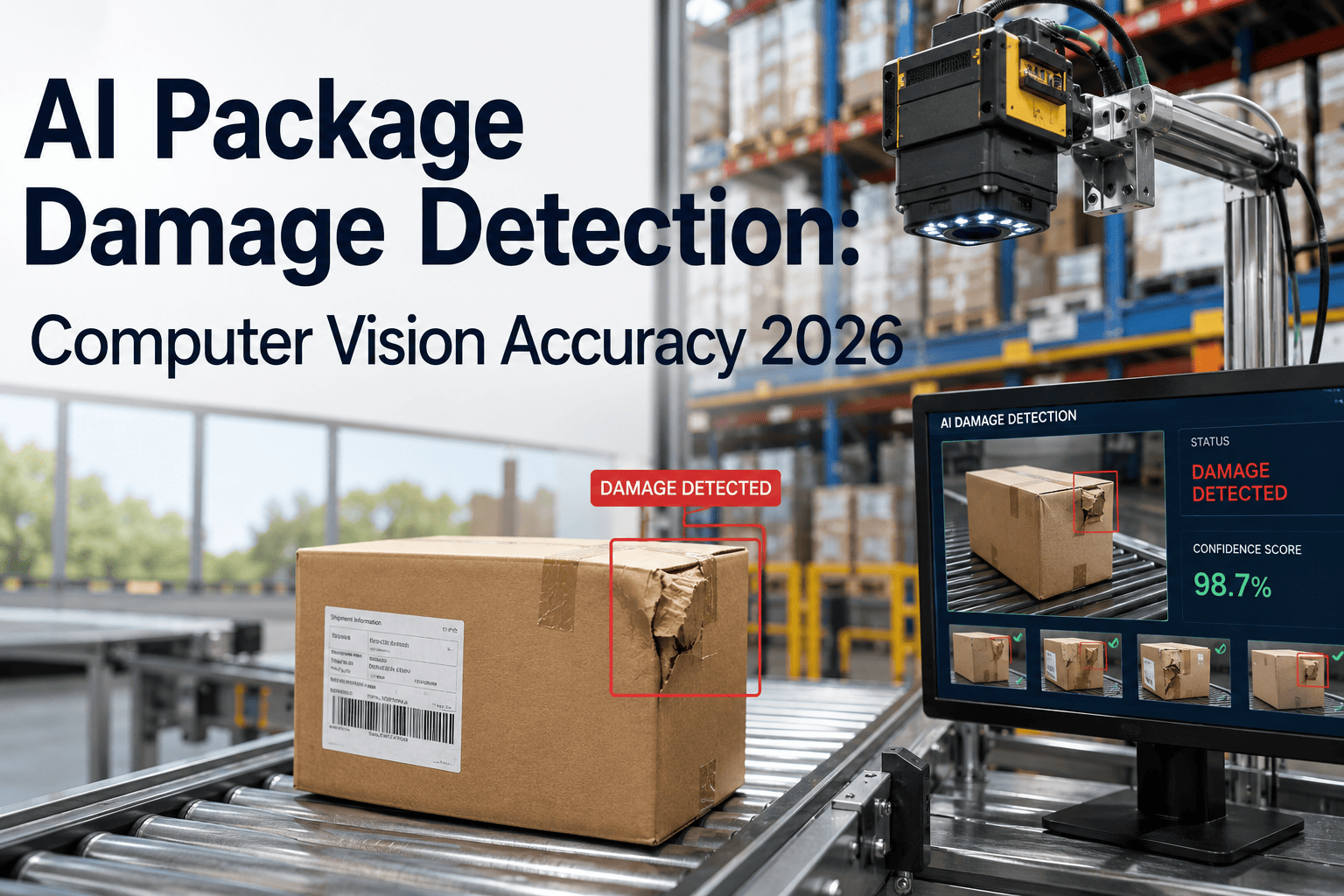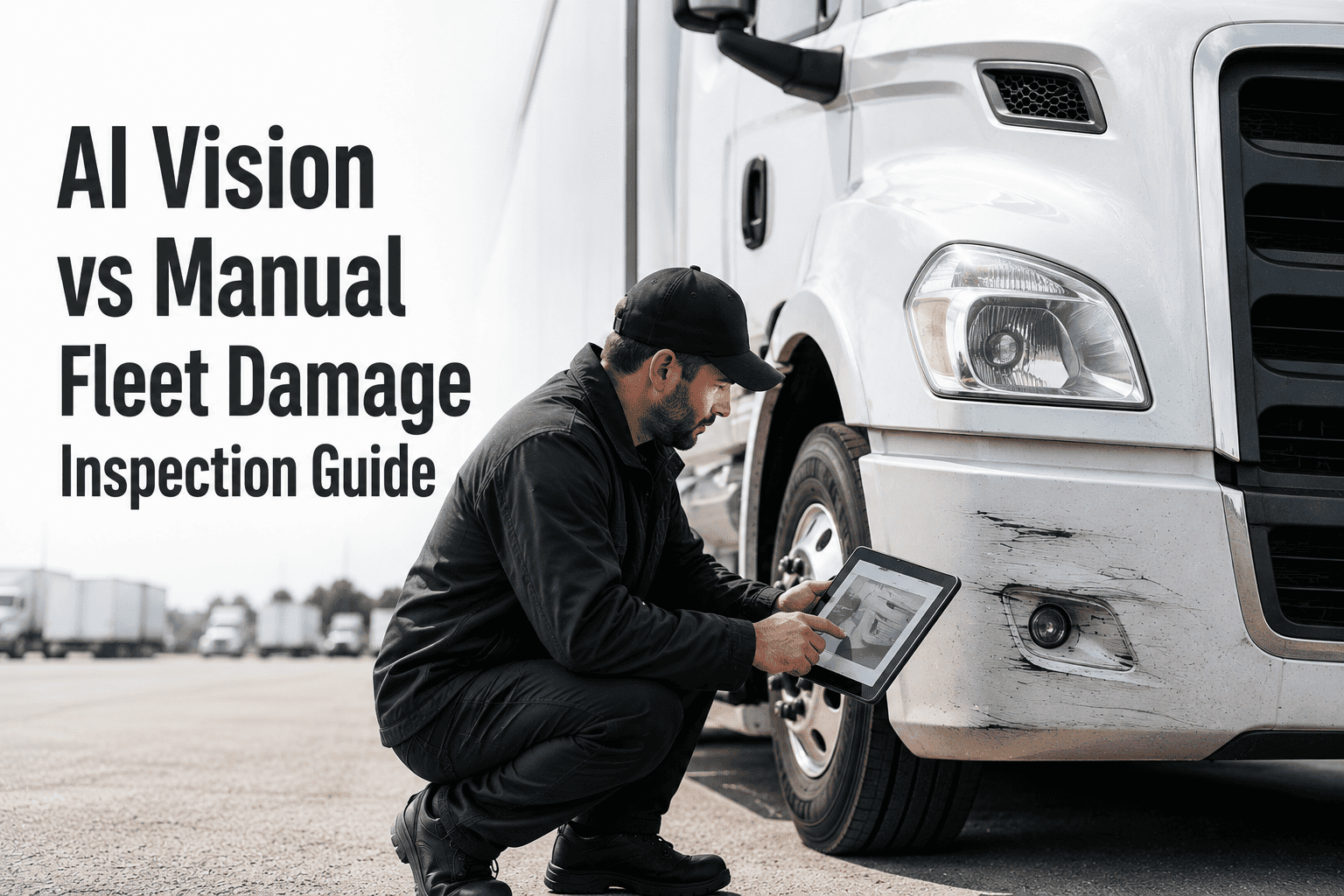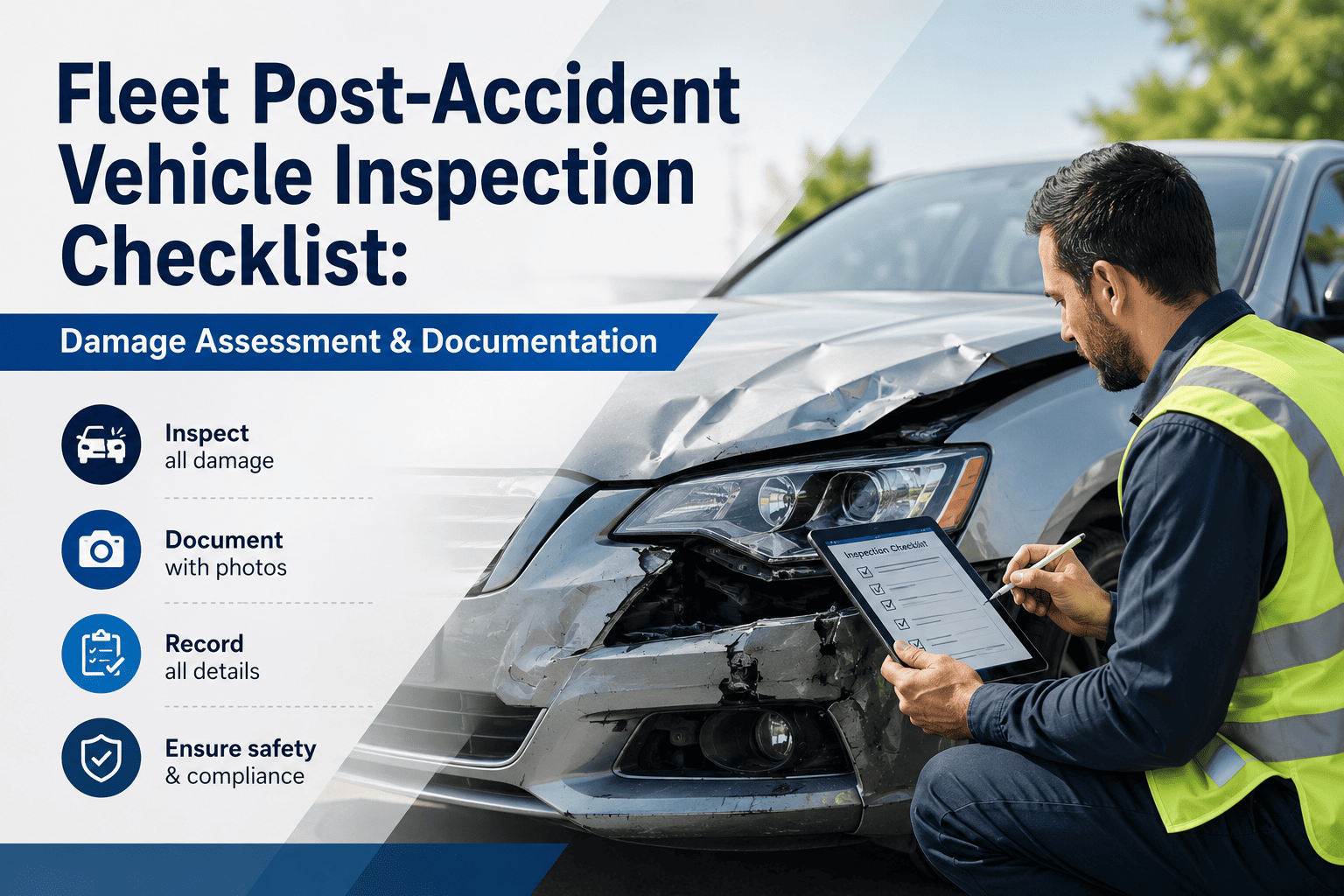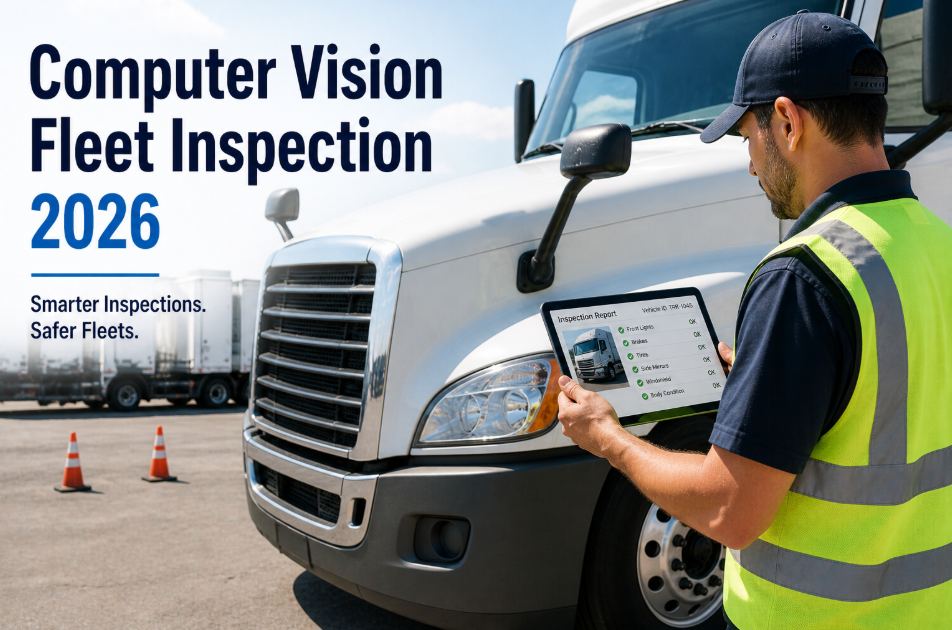
Fleet inspections have historically been the weakest link in vehicle maintenance programs — infrequent, inconsistent, and entirely dependent on whether the inspector was having a good day. In 2026, computer vision AI is replacing that variability with a system that scans every vehicle the same way, every time, in seconds. Fleets deploying AI-powered visual inspection are catching damage and component wear that human inspectors miss 23% of the time — and generating inspection records that are audit-ready the moment the scan is complete. The financial argument is straightforward: a missed crack in a brake component caught at inspection costs $400 to repair. Missed on-road, the same failure costs $14,000 in emergency repair, towing, and liability exposure. To see how Oxmaint connects computer vision inspection data to automated maintenance workflows for your fleet, start a free trial for 30 days and run your first digital inspection, or book a demo with a fleet specialist at Oxmaint today.
Computer Vision Fleet Inspection and AI Damage Detection
How AI image recognition is automating vehicle inspections, eliminating human error from damage detection, and connecting visual condition data directly into CMMS work order workflows — for fleets that cannot afford to miss what the eye overlooks.
See AI-Powered Fleet Inspections Running on Oxmaint
Oxmaint's digital inspection module connects mobile camera scans and AI damage detection results directly to asset condition scores and work order triggers — giving your team a closed-loop inspection-to-repair process that eliminates paper forms, missed findings, and compliance gaps. No specialist hardware required. Inspectors use the same mobile devices they already carry.
What Is Computer Vision Fleet Inspection?
Computer vision fleet inspection uses AI image recognition models trained on millions of vehicle images to detect damage, wear patterns, fluid leaks, corrosion, tyre condition, and structural defects from photographs or video captured during a standard walkaround inspection. The AI flags findings with confidence scores, location maps on the vehicle diagram, and severity classifications — replacing the subjective judgment of individual inspectors with a consistent, repeatable, machine-verifiable standard. In 2026, the most capable systems do this from standard smartphone cameras, requiring no fixed inspection bay infrastructure, no specialist imaging equipment, and no long setup delays. When connected to a CMMS like Oxmaint, every AI finding that meets a severity threshold automatically generates a work order with the inspection image, defect classification, and vehicle record attached. To see how this closed-loop inspection-to-work-order process works for your vehicle types, start a free trial for 30 days and run your first digital vehicle inspection on Oxmaint, or book a demo to see the inspection workflow live.
Deep learning models trained on vehicle-specific imagery detect dents, cracks, tyre wear, corrosion, fluid stains, and component misalignment with classification accuracy above 94%.
Inspectors capture vehicle imagery through a guided mobile walkaround — prompting the correct angles for each zone. Consistent capture angles improve model accuracy and enable reliable before-and-after comparisons.
Each inspection produces a timestamped, image-evidenced report showing damage location on a vehicle diagram, severity score, and recommended action — instantly available for compliance records and dispute resolution.
Findings above a configurable severity threshold automatically create prioritized work orders in Oxmaint — with inspection photos, defect classification, and full vehicle history pre-attached for the technician.
What AI Vision Actually Detects — and What It Misses
Setting accurate expectations is essential for fleet operations teams evaluating computer vision inspection technology. The detection capabilities below reflect what 2026 production systems — including those integrated with Oxmaint's digital inspection module — are reliably delivering at scale across commercial fleet operations. These are production results, not lab benchmarks. Knowing precisely what the technology covers allows fleet managers to design inspection programs that use AI for what it does best and reserve human judgment for the cases that require it. To design an inspection program that combines AI accuracy with your team's operational knowledge, start a free trial for 30 days on Oxmaint, or book a demo with our inspection workflow team.
The Pain Points Computer Vision Is Built to Eliminate
Manual fleet inspection is not just slow — it is structurally unreliable. The four problems below affect every fleet running paper or basic digital checklists, regardless of how experienced or diligent the inspection team is. These are not process failures that training can fix. They are inherent limitations of human visual inspection at the scale and frequency that modern fleets require. Eliminating them requires a system that is consistent, machine-verifiable, and connected to maintenance execution. To see how Oxmaint's inspection module addresses all four, start a free trial for 30 days and run a comparison inspection on your own vehicles, or book a demo to see the detection accuracy difference live.
Two inspectors examining the same vehicle will find different things. Tired inspectors miss more. Under time pressure, inspection depth drops. AI vision applies the same detection standard to every vehicle on every shift — no variability, no fatigue, no shortcuts.
Without timestamped, image-evidenced inspections, fleets cannot determine when damage occurred or who was operating the vehicle at the time. Liability disputes cost fleets an average of $8,200 per contested incident when no documented inspection trail exists.
Inspection reports filed in one system while work orders are managed in another creates a gap where findings sit unactioned for days or weeks. 41% of inspection-identified defects are still unresolved 14 days after detection in paper-based systems.
DOT, OSHA, and regional transport authority audits require inspection records with timestamps, findings, and sign-off. Paper records are assembled manually before audits — a process that takes 40–80 hours per depot and introduces document integrity risk.
How Oxmaint Connects AI Inspection to Fleet Maintenance Execution
Oxmaint's digital equipment inspection module is not a standalone tool — it is the front end of a closed-loop maintenance workflow. Every inspection finding feeds directly into asset condition scores, work order queues, and compliance records. The eight capabilities below represent how Oxmaint converts computer vision inspection data into operational maintenance action across real fleet portfolios in the USA, UK, UAE, Australia, and Canada. For fleets managing OSHA compliance in the USA or transport authority requirements in the UK, this audit trail is not optional — it is the standard Oxmaint delivers automatically. Start a free trial for 30 days and run your first AI-connected inspection workflow, or book a demo to see the full inspection-to-work-order workflow in your vehicle category.
Every inspection completed on Oxmaint is timestamped, geo-tagged, and digitally signed by the inspector. GMP-compliant records are available for export instantly — no manual assembly required for audits.
Inspectors follow a guided checklist with vehicle zone prompts on any smartphone or tablet. The interface requires no training beyond a 10-minute walkthrough. Offline mode captures inspections in areas with no connectivity.
Findings above configurable severity thresholds auto-generate prioritized work orders in Oxmaint — pre-populated with inspection photos, defect location, classification severity, and full vehicle maintenance history.
Every completed inspection updates the vehicle's live condition score in Oxmaint. Accumulated inspection data feeds the predictive maintenance engine — improving failure forecasting accuracy with every walkaround completed.
Every inspection image is stored against the vehicle record with timestamp, inspector identity, and GPS location. Damage that appeared between two inspection dates is traceable to the shift, driver, and route with complete evidentiary documentation.
Build different inspection checklists for HGVs, vans, buses, specialist vehicles, and trailers. Each template prompts zone-specific capture angles and automatically routes high-severity findings to the correct maintenance team.
Track inspection completion rates, overdue inspections, open defects by severity, and mean time to resolution across every depot and vehicle class in a single portfolio dashboard. Drill down to individual vehicle inspection history in two clicks.
When an inspection finding triggers a work order, Oxmaint checks parts inventory automatically. If required components are below minimum stock, reorder requests are created before the technician even picks up the work order.
Manual Inspection vs AI-Powered Inspection: The Operational Contrast
The comparison below illustrates the operational difference between traditional manual fleet inspection and AI-powered inspection connected to a CMMS. This is not a theoretical projection — these are the performance contrasts documented in fleet operations that have made the transition. For fleets managing DOT compliance in the USA or transport authority requirements across Australia and the UK, the right-hand column represents both the operational and the regulatory standard. To move your fleet to the right-hand column, start a free trial for 30 days with Oxmaint's digital inspection module, or book a demo to walk through the implementation path for your depot structure.
| Dimension | Manual Fleet Inspection | AI-Powered Inspection via Oxmaint |
|---|---|---|
| Inspection Duration | 18–25 minutes per vehicle walkaround | 90 seconds average — guided mobile capture with AI analysis |
| Detection Consistency | Varies by inspector, shift, fatigue level, and time pressure | Same detection standard every vehicle, every shift, every depot |
| Missed Damage Rate | 23% of damage missed by experienced inspectors | Under 4% miss rate for damage above 5mm threshold |
| Finding-to-Work-Order Time | Average 2–3 days from inspection to repair initiation | Automatic work order generated within 60 seconds of inspection completion |
| Compliance Record Quality | Paper forms, inconsistent completion, no image evidence | Timestamped, image-evidenced, digitally signed — audit-ready instantly |
| Damage Dispute Resolution | No trail — liability disputes take weeks and cost average $8,200 | Complete image trail with shift, driver, and location evidence |
| Inspection Backlog Visibility | Unknown until supervisor manually checks records | Live dashboard showing overdue inspections by vehicle and depot |
| Multi-Depot Reporting | Manual consolidation from separate depot paper files | Portfolio-level inspection compliance dashboard, real-time |
The ROI Case for AI Fleet Inspection
The financial case for computer vision fleet inspection is built on four compounding savings: faster inspections free up technician time, higher detection rates prevent costly on-road failures, automated documentation eliminates compliance overhead, and image-evidenced damage trails reduce dispute liability costs. Fleet operations directors across the USA, UK, Australia, and UAE using Oxmaint's digital inspection module are seeing all four savings simultaneously — not as a future projection but as a current operational outcome. To model the ROI for your fleet size and depot structure, start a free trial for 30 days and run live inspections across a sample of vehicles, or book a demo for an ROI walkthrough with our fleet team.
A brake defect caught at inspection costs $400 to fix. The same defect causing a roadside failure costs $14,000 in repairs, towing, and operational disruption — a 35x cost difference per incident.
Manual inspection documentation, report compilation, and compliance filing consumes an average of 6 hours per depot per week. Digital inspection on Oxmaint reduces this to under 25 minutes — fully automated.
Inspection findings that do not automatically trigger work orders sit in backlogs. AI-to-CMMS workflows eliminate this gap — defects above severity threshold generate work orders within 60 seconds of inspection completion.
Fleets with no before-and-after image evidence spend an average of $8,200 per contested damage incident in investigation, administration, and settlement. Complete inspection trails eliminate this cost entirely.
Frequently Asked Questions
What hardware is required to run AI vehicle inspections on Oxmaint?
No specialist hardware is required. Oxmaint's digital inspection module runs on standard iOS and Android smartphones and tablets — the same devices your inspectors and technicians already carry. The guided walkaround interface prompts the correct capture angles for each vehicle zone, ensuring consistent image quality for AI analysis. For high-throughput depot environments, fixed camera arrays can optionally be integrated, but the mobile-first approach is fully production-capable for the vast majority of fleet inspection use cases. Start a free trial for 30 days and complete your first inspection using the device in your pocket, or book a demo to see the guided walkaround interface for your vehicle types.
Can AI inspection results be used as legal evidence in damage disputes?
Yes. Oxmaint's inspection records include cryptographic timestamps, GPS location data, inspector digital signatures, and the original unmodified inspection images — creating a chain of custody that meets evidentiary standards in commercial dispute contexts across the USA, UK, and Australia. The before-and-after image trail linked to specific shift, driver, and vehicle records has been used successfully by Oxmaint fleet customers to resolve damage disputes that previously would have required weeks of manual investigation. Start a free trial for 30 days and see how the evidence trail is structured on real inspections, or book a demo with our fleet compliance team for a detailed walkthrough.
How does Oxmaint handle inspection findings that do not need immediate repair?
Severity thresholds are fully configurable in Oxmaint. Findings classified as low-severity are logged against the vehicle record and flagged for monitoring — updating the asset condition score and appearing in the next scheduled maintenance review without creating an immediate work order. Medium-severity findings generate work orders scheduled within the next planned maintenance window. High-severity findings trigger immediate priority work orders. This tiered approach prevents maintenance backlog inflation while ensuring genuinely critical defects receive immediate attention. Start a free trial for 30 days and configure your own severity thresholds from day one, or book a demo to see threshold configuration in a live fleet environment.
Does Oxmaint support different inspection templates for different vehicle types?
Yes. Oxmaint allows fleet managers to build distinct inspection templates for HGVs, light commercial vehicles, buses, trailers, forklifts, and specialist equipment — each with the zone-specific capture prompts and severity classifications appropriate to that vehicle class. Templates can include mandatory sign-off steps for regulatory compliance, conditional questions that appear based on previous answers, and automatic routing rules that send specific finding types to the right maintenance team or depot. Templates are built and modified without IT involvement, directly within the Oxmaint platform. Start a free trial for 30 days and build your first custom inspection template today, or book a demo to see template configuration for your specific vehicle mix.
Your Fleet Inspection Program Deserves Better Than a Clipboard
Oxmaint's AI-connected digital inspection module gives fleet operations teams the detection accuracy, evidentiary documentation, automatic work order generation, and portfolio-level compliance visibility that manual inspection cannot deliver — across every vehicle class, every depot, and every shift. Most fleets run their first fully digital inspection in under 10 minutes of setup.