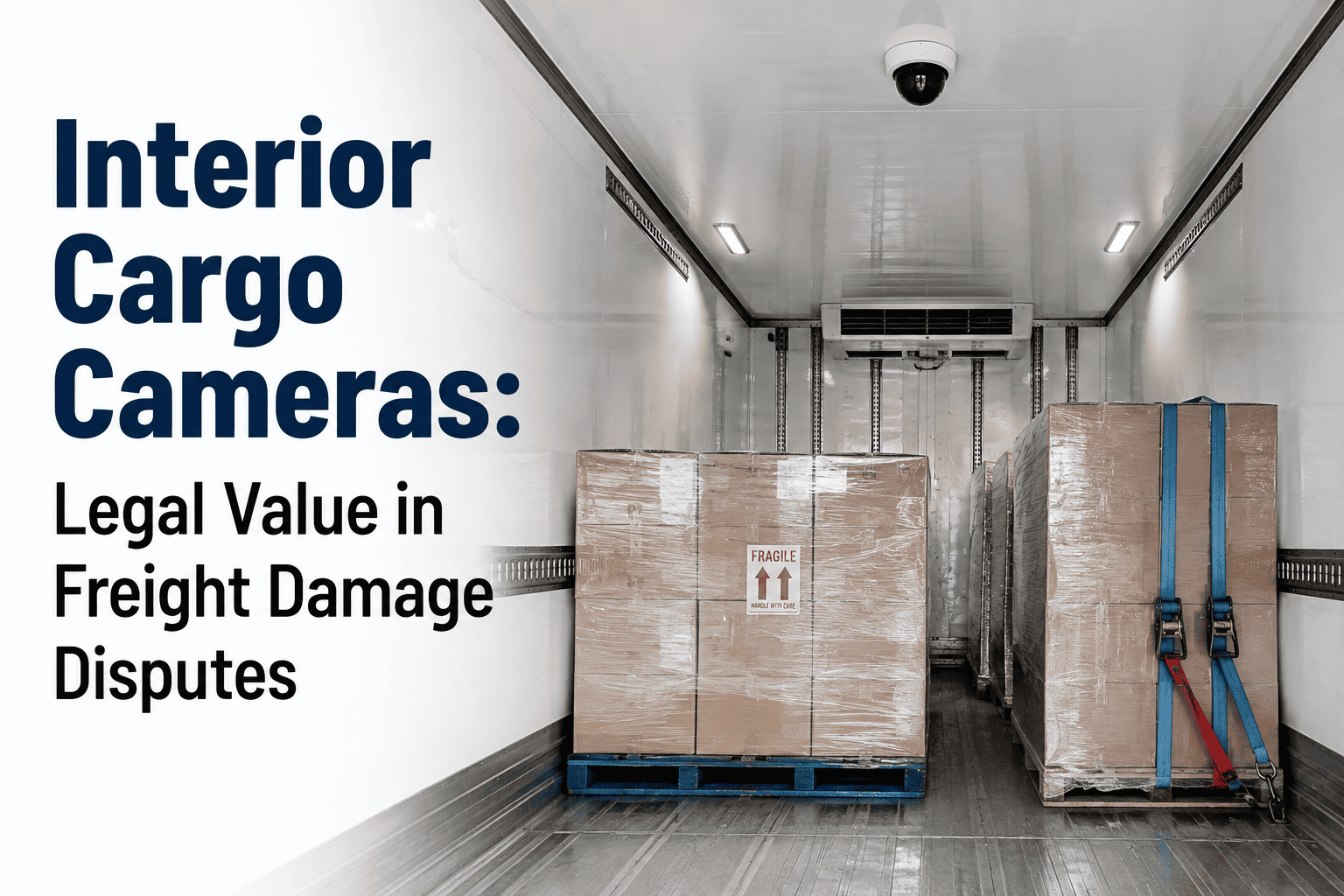
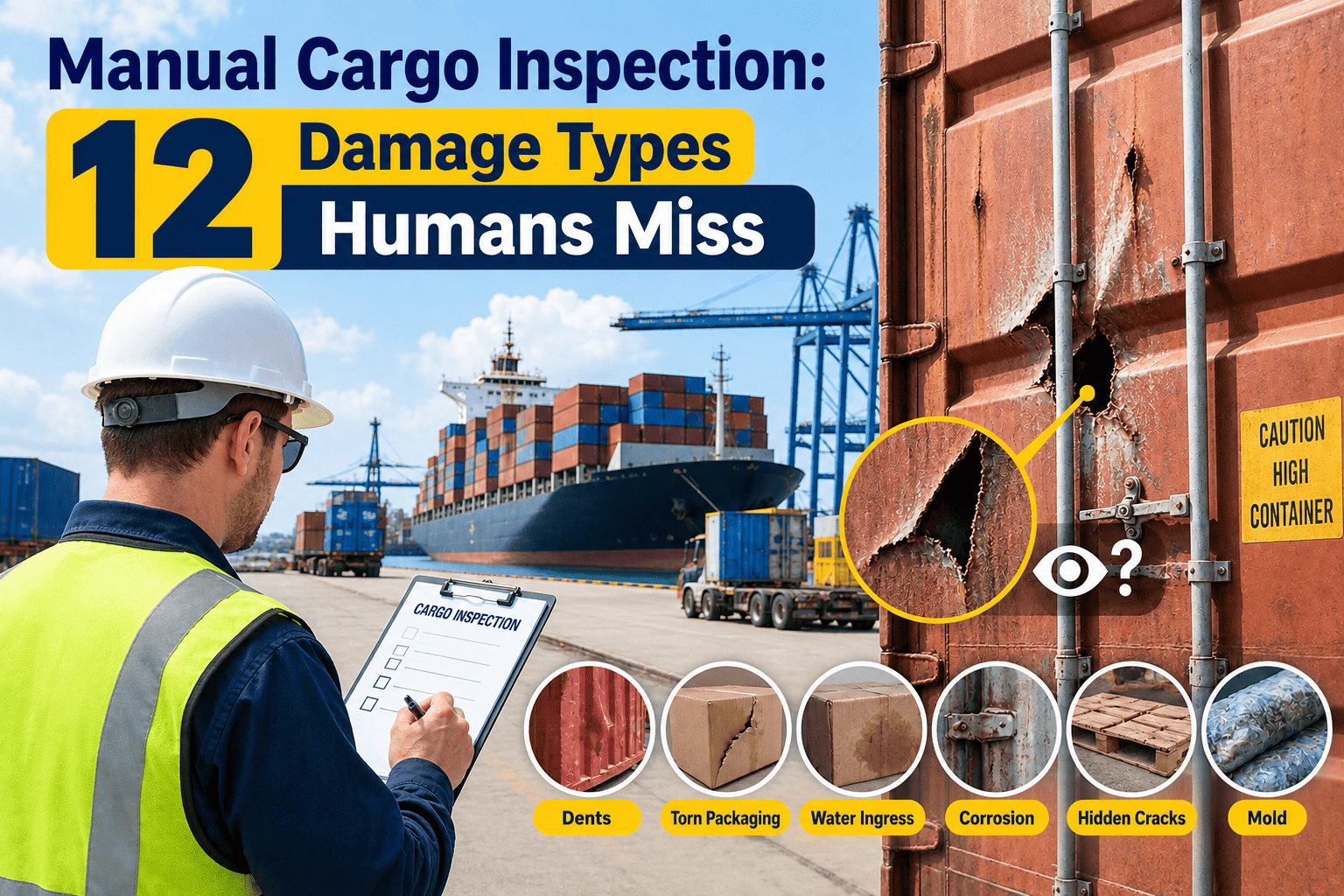
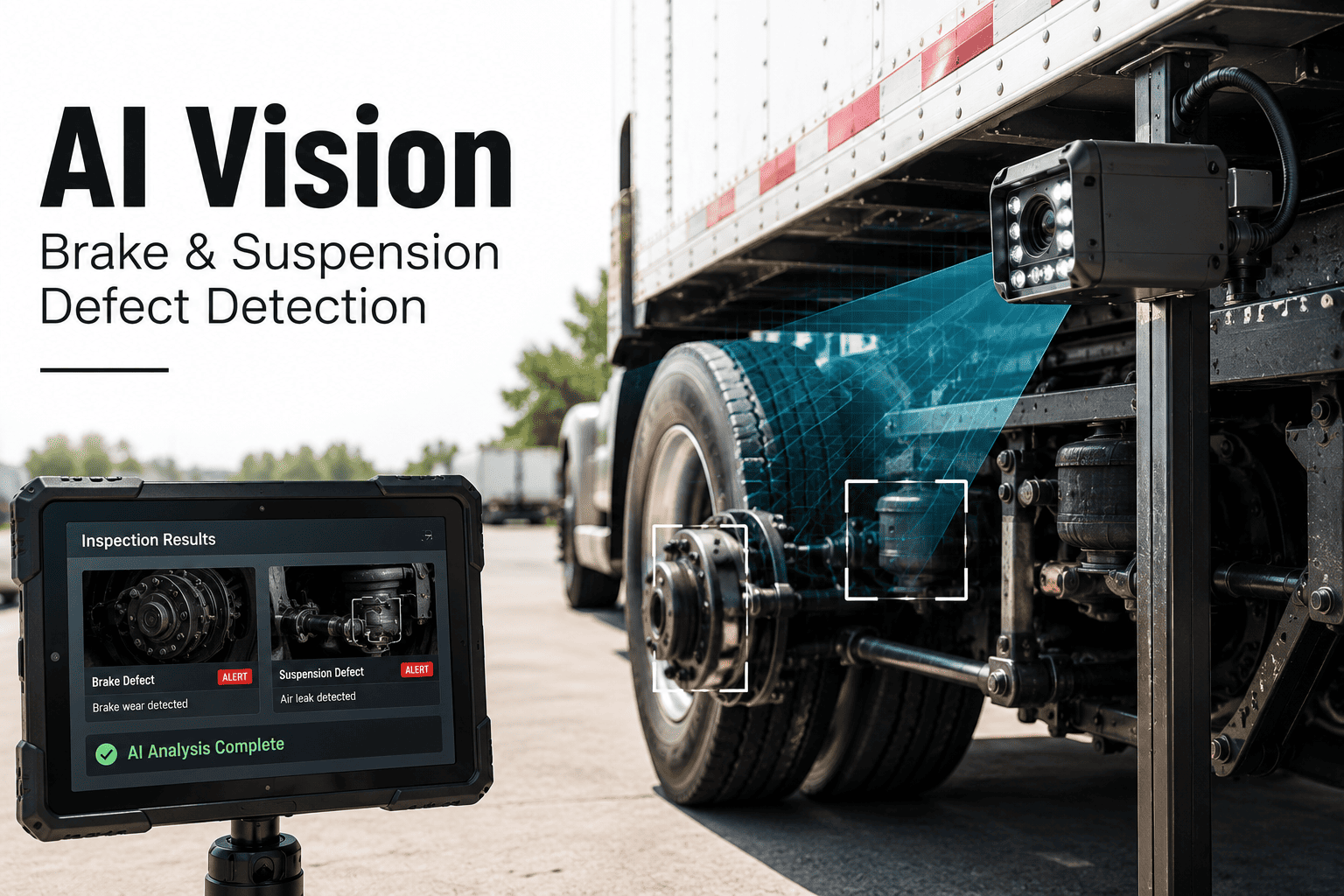
Computer vision has quietly crossed a threshold that most receiving docks have not caught up to yet. A camera mounted over a conveyor or dock door can now classify a crushed corner, a puncture, or a water stain in under half a second, with accuracy that consistently beats a trained human inspector working at normal shift pace. That gap is not a marginal improvement — it is the difference between catching damage before it leaves your facility and finding out about it three weeks later in a chargeback email. This page walks through how the detection actually works, which damage types it catches most reliably, and what the accuracy numbers look like once a model has been tuned to your own packaging. If you want to see it running against your own product line, book a demo and bring a few known-damaged samples with you.
Computer Vision · Package Damage Detection · 2026 Benchmark
AI Package Damage Detection Now Runs at 97% Accuracy — In Under Half A Second Per Unit
Deep learning vision models trained on millions of packaging images now classify crush, puncture, moisture, and seal damage faster and more consistently than a human inspector — at full line speed, with zero fatigue curve.
97%
Detection accuracy across carton, pallet, and cold-chain packaging types
0.4 sec
Average scan time per pallet at a fixed dock camera station
16
Distinct damage sub-types classified in a single camera pass
100%
Of units inspected — not a sampling percentage, every unit that crosses the camera
How The Detection Pipeline Works, Start To Finish
1
Multi-Angle Capture
Fixed cameras at the dock or conveyor capture the unit from several angles as it moves through the scan zone, with no manual triggering required.
2
Frame Stitching
The model combines the angled frames into a single composite view, so a defect that is partially blocked in one frame is still visible in another.
3
Classification & Scoring
The vision model classifies damage type and severity, assigning a confidence score that determines whether the unit is auto-passed or flagged for review.
4
Structured Record
A time-stamped finding — photo, damage type, severity, and shipment reference — is logged automatically, ready to support a claim or a hold decision.
Damage Categories Computer Vision Catches Most Reliably
Crush & Deformation
Corner compression and panel deformation are detected by comparing the unit's silhouette against its expected rectangular profile, catching crush as small as a few millimetres.
Puncture & Tear
Surface breaks in film, corrugate, or shrink wrap are flagged through edge-detection models trained specifically on torn versus intact packaging textures.
Moisture & Water Staining
Discoloration patterns consistent with water exposure are classified separately from normal print variance, including staining on the underside of pallets.
Seal & Tamper Evidence
The model compares seal geometry against a reference pattern, catching re-applied or broken seals that look intact to the human eye at normal distance.
Label & Print Errors
Misaligned, missing, or unreadable labels are flagged in the same pass as physical damage checks, closing the gap between condition and compliance inspection.
Contamination & Residue
Foreign residue on packaging surfaces is distinguished from normal handling marks using colour and texture classification trained on plant-specific imagery.
OxMaint AI Vision · Dock & Line Deployment
Deploy Camera-Based Damage Detection At Your Dock In Days, Not Months
Most facilities connect existing dock cameras to OxMaint's vision model without new hardware, and see the first structured damage findings flowing into their claims workflow within the first week.
AI Vision vs Manual Inspection — Head To Head
Frequently Asked Questions
Does 97% accuracy apply from day one or after tuning?
Pre-trained models typically start around 85-90% accuracy on common defect classes, reaching the 94-97% range after four to eight weeks of tuning on your specific packaging and lighting conditions.
Do we need new cameras to run AI damage detection?
Most facilities connect existing dock or line cameras above roughly 2MP resolution without hardware changes.
Sign in to OxMaint to check compatibility with your current camera setup.
What happens when the model flags a low-confidence finding?
Low-confidence findings route to a review queue with the captured image attached, so a person makes the final call only on the cases that genuinely need judgment.
Can the system integrate with our existing TMS, WMS, or claims process?
Yes — findings sync via API into SAP, Oracle TMS, Manhattan WMS, and most 3PL billing systems, generating claim-ready documentation without manual entry.
How long does deployment take at a single dock or line?
A single dock door or line typically goes live within days once cameras are connected.
Book a demo to get a deployment estimate for your specific facility layout.
Stop Accepting Undocumented Damage. Start Verifying Every Unit.
OxMaint's computer vision model turns every dock or line camera into a 97% accurate damage inspector — logging a claim-ready record for every unit, automatically.