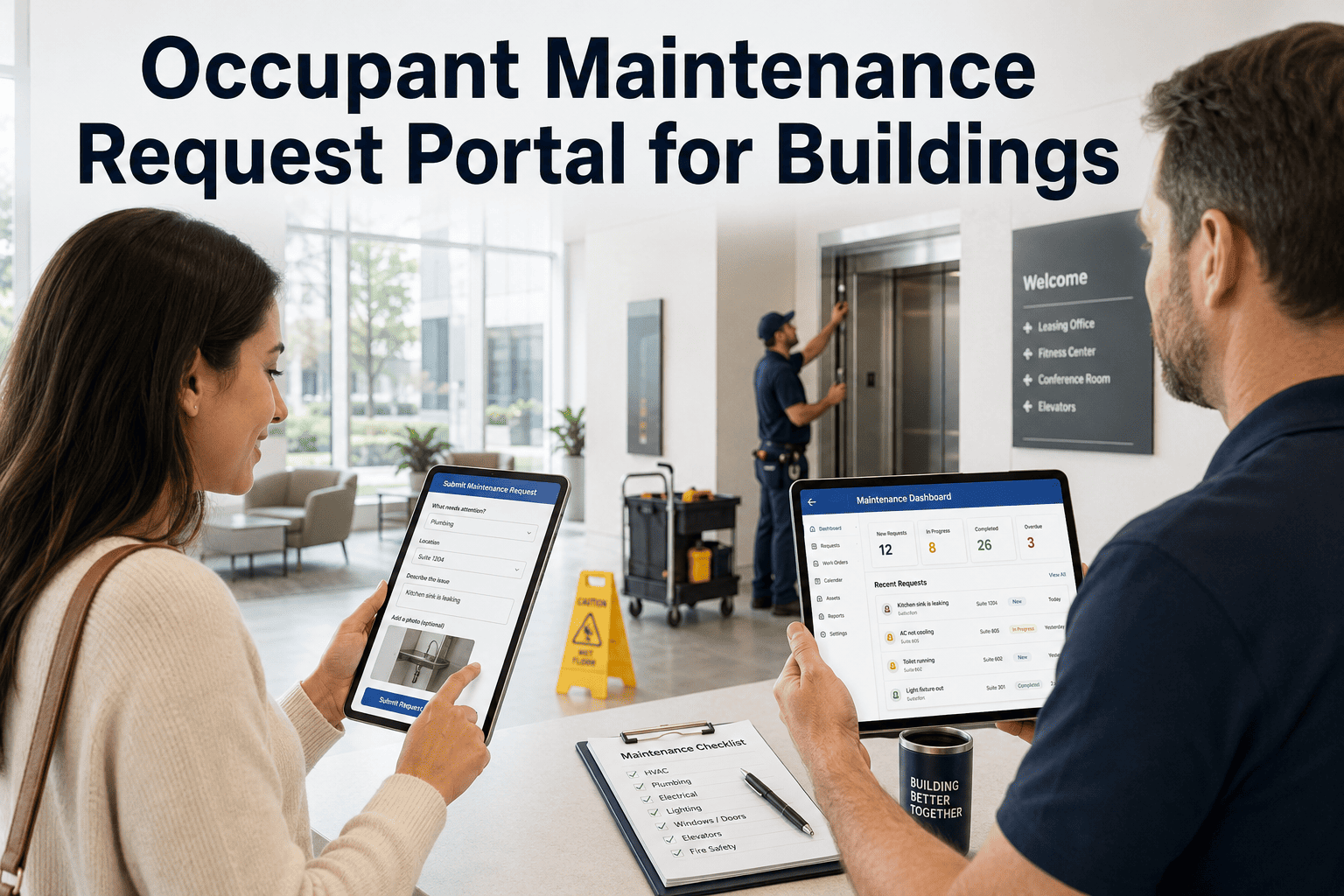
A property manager at a 14-building mixed-use campus in Columbus discovered that her facilities team was losing an average of 23 maintenance requests per week — not because they ignored them, but because those requests arrived by email, text, phone call, and hallway conversation with no central log and no traceability. One missed HVAC complaint became a $9,400 emergency compressor replacement that a $120 filter swap would have prevented. When requests have no structured intake, every unreported issue is a repair bill waiting to compound. If your facility still captures maintenance needs through scattered channels, start a free trial with Oxmaint to see how a configurable request portal converts every occupant submission into a tracked work order — or book a demo with our facilities team.
Work Order Automation / Request Intake / Facility CMMS
Facility Occupant Maintenance Request Intake: Turn Every Report into a Work Order Before It Becomes a Missed Repair
Maintenance requests arrive by email, phone, text, sticky note, and corridor conversation — and most facilities have no way to prove they were ever made. Oxmaint gives every occupant a 60-second digital submission path and gives your team a 100% tracked work order for every issue reported.
30%
of FM desk time consumed by follow-up status calls from requesters
3.5x
cost of emergency repair vs. planned service from a missed request
59%
of facilities already use CMMS — the rest still lose requests daily
60 sec
from occupant scan to structured work order in the CMMS queue
What Is Occupant Maintenance Request Intake?
Maintenance request intake is the structured front door through which anyone in or around a facility — tenants, employees, building occupants, visitors — reports a maintenance need and receives confirmation that it has been captured, prioritized, and assigned. It is not a work order system by itself. It is the layer that sits between "something is broken" and "a technician is on the way." Without structured intake, requests arrive through five or six different channels simultaneously, each one relying on someone remembering to act on it. Requests sent to a personal phone are invisible to the rest of the team, after-hours issues wait until someone remembers them, and follow-up calls consume a third of the facilities coordinator's day.
How Requests Move: Fragmented Intake vs. CMMS Portal
Without a Portal
Phone call to FM desk
↓
Email to maintenance inbox
↓
Text to technician's personal phone
↓
Verbal report in hallway
↓
No central log. No priority. No traceability.
With Oxmaint Portal
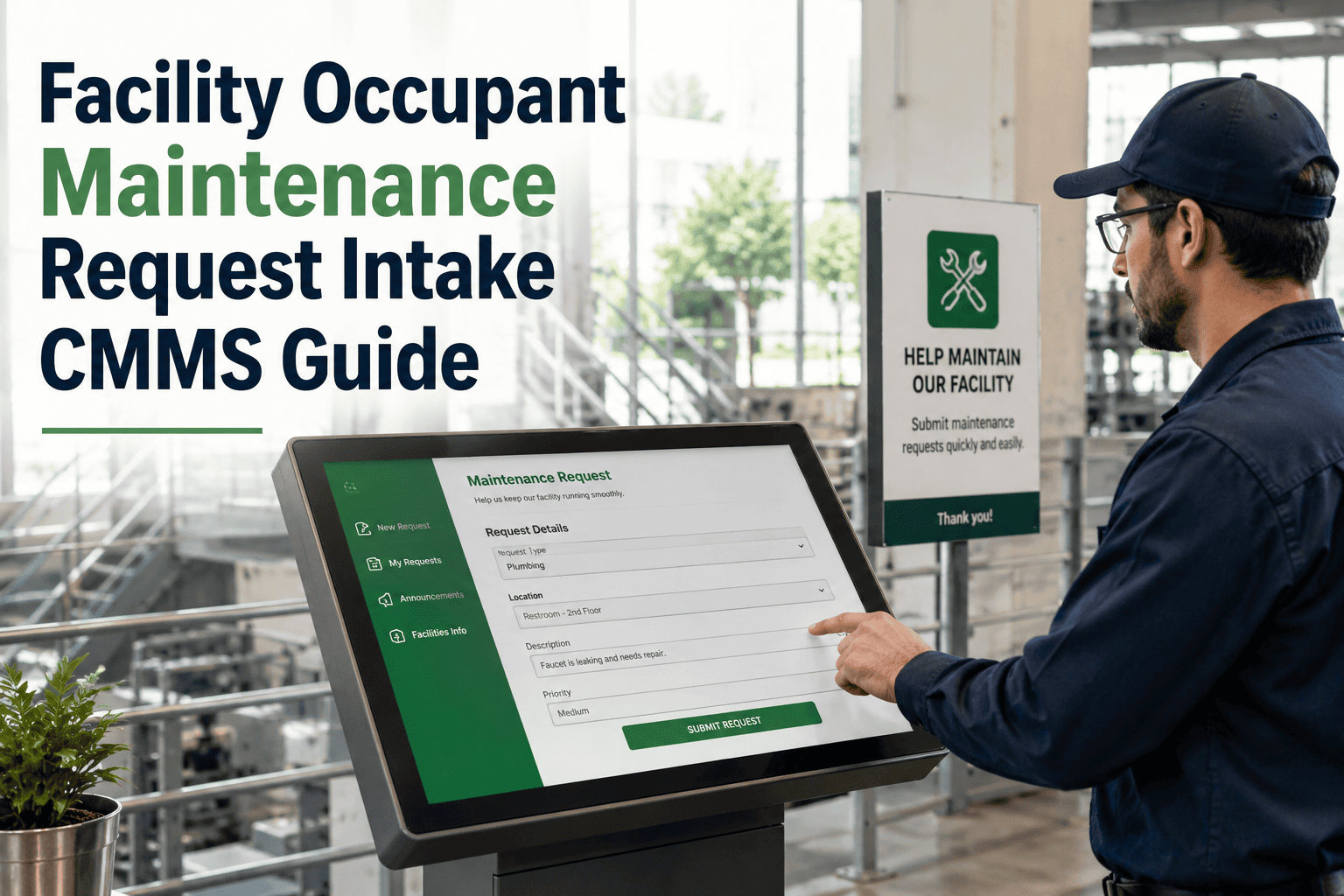
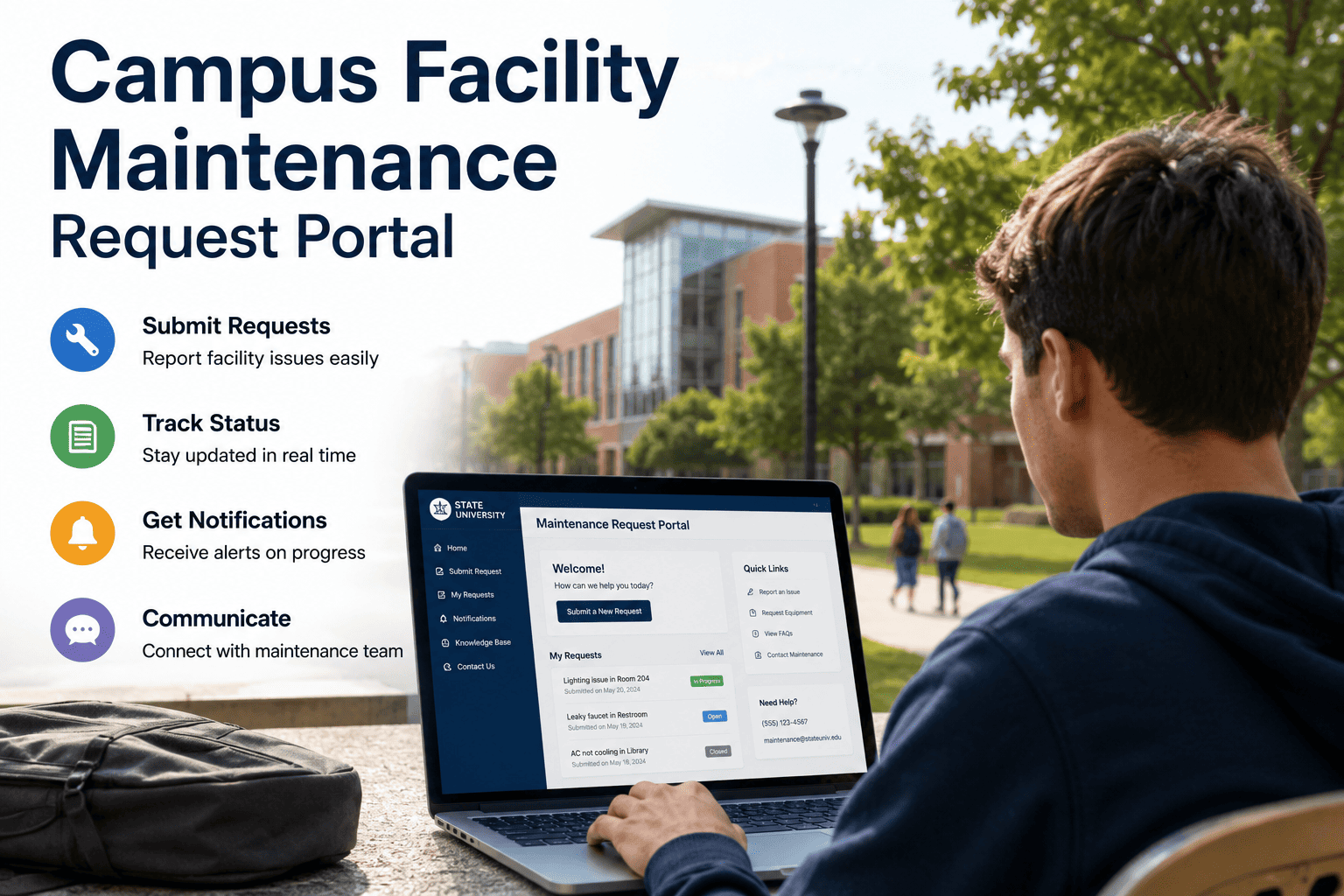
Occupant scans QR code or opens web link
↓
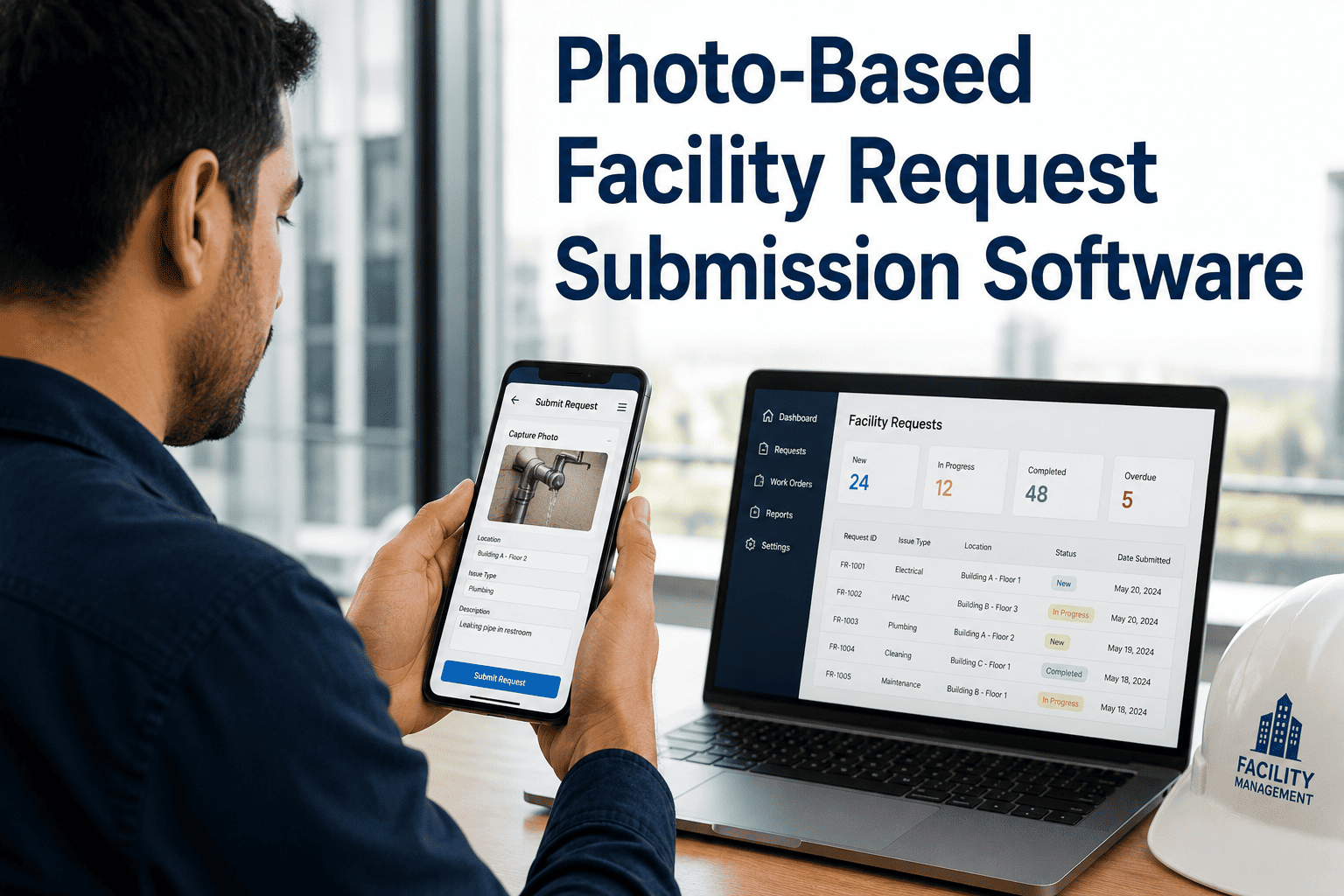
Selects issue type, adds photo, submits in 60 seconds
↓
Work order auto-created with asset and location pre-filled
↓
Auto-routed to right technician by category and zone
↓
Requester gets status updates. Zero follow-up calls.
Stop Losing Requests
Every Unreported Issue Is a Repair Bill Waiting to Compound
Oxmaint captures every occupant request through a configurable self-service portal — QR code, web link, or lobby kiosk — and routes it into a tracked work order before anyone has to remember, forward, or follow up.
Four Ways Fragmented Request Intake Drains Your Facility Budget
01
Requests That Never Become Work Orders
When requests arrive by phone, email, text, and verbal report simultaneously, each one depends on someone remembering to log it. Industry data shows a significant percentage of verbal and email maintenance requests never reach a technician — they are forgotten, duplicated, or misrouted before anyone acts.
02
Follow-Up Calls Consume 20-35% of FM Desk Time
Without status visibility, requesters call back repeatedly to check progress. Facility coordinators spend a third of their day answering "did you get my request?" instead of managing actual maintenance — a time drain that disappears entirely with automated status notifications.
03
Invisible Backlogs Grow 12-18% Per Year
Without a portal, facility managers cannot see total open request volume. Backlogs grow silently across spreadsheets, whiteboards, and email threads. Occupants assume their request was ignored and satisfaction drops before the team knows there is a problem to address.
04
$500 Repairs Become $15,000 Emergencies
A missed filter change becomes a compressor failure. A dripping faucet becomes water damage across two floors. The cost multiplier for emergency repairs versus planned service is 3.5x on average — and every one of those emergencies started as a request someone forgot to log.
How Oxmaint Captures and Routes Every Facility Request
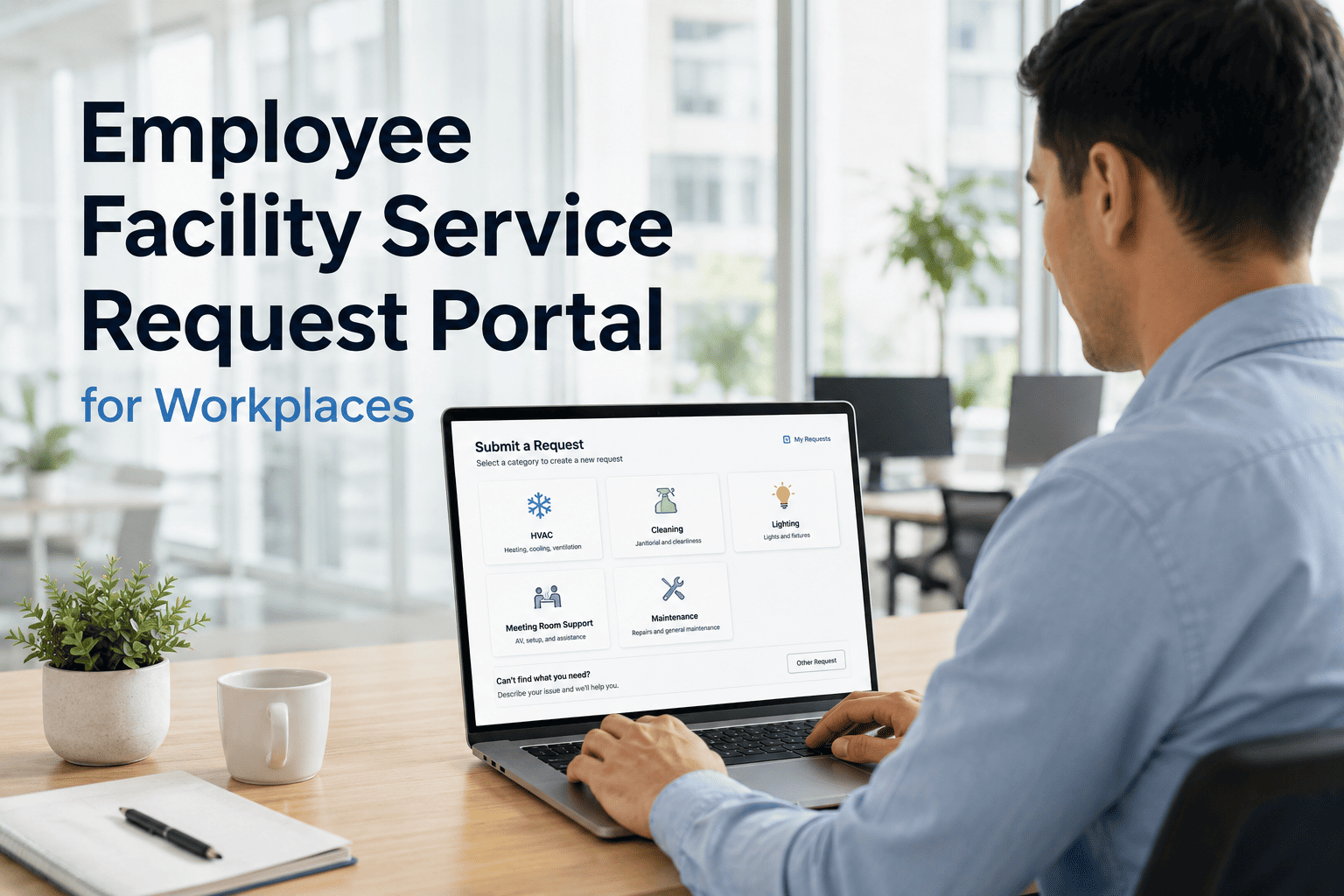
Oxmaint replaces fragmented intake channels with a single configurable submission portal that converts every occupant report into a tracked, prioritized, and assigned work order — without giving requesters access to your CMMS, without requiring app downloads, and without any training. See how it works on your facility's asset list — start a free 30-day trial or book a demo to walk through the portal configuration.
01
QR Code and Web Link Submission
Every asset and location gets a QR code. Occupants scan with their phone camera — no app download, no login, no training. The form opens pre-populated with the correct asset and location. Issue type, photo, and description submitted in under 60 seconds.
Zero barriers between a problem and a tracked work order
02
Automated Priority Routing
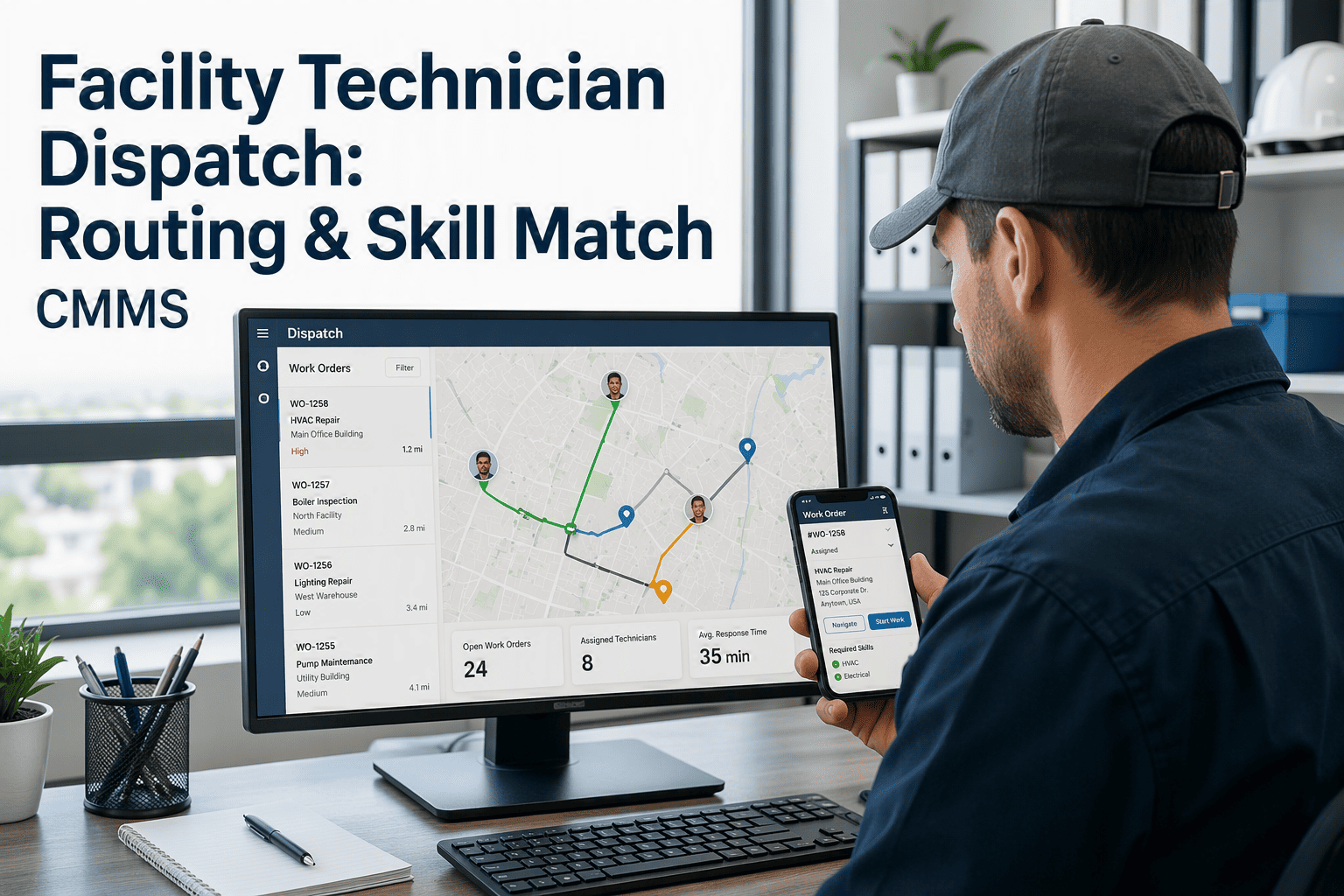
Each submission is auto-classified by category and urgency. Plumbing routes to the plumbing technician. Emergency-flagged requests bypass the standard queue and trigger immediate push notifications to on-call staff. No coordinator bottleneck required.
Right technician assigned in seconds, not hours
03
Automatic Duplicate Detection
A broken elevator generates 20 submissions from 20 occupants within an hour. Oxmaint flags duplicates based on asset, location, and submission timing — merging all reports into a single work order. The technician arrives once. All 20 requesters get status updates.
One repair, one work order, zero duplicate dispatches
04
Real-Time Requester Status Updates
From "Received" to "Assigned" to "In Progress" to "Resolved" — every status change triggers an automated notification to the requester. Follow-up calls drop to near zero because occupants can see exactly where their request stands without contacting the FM desk.
20-35% of FM desk time recovered instantly
05
Branded Tenant Portal — No CMMS Login Required
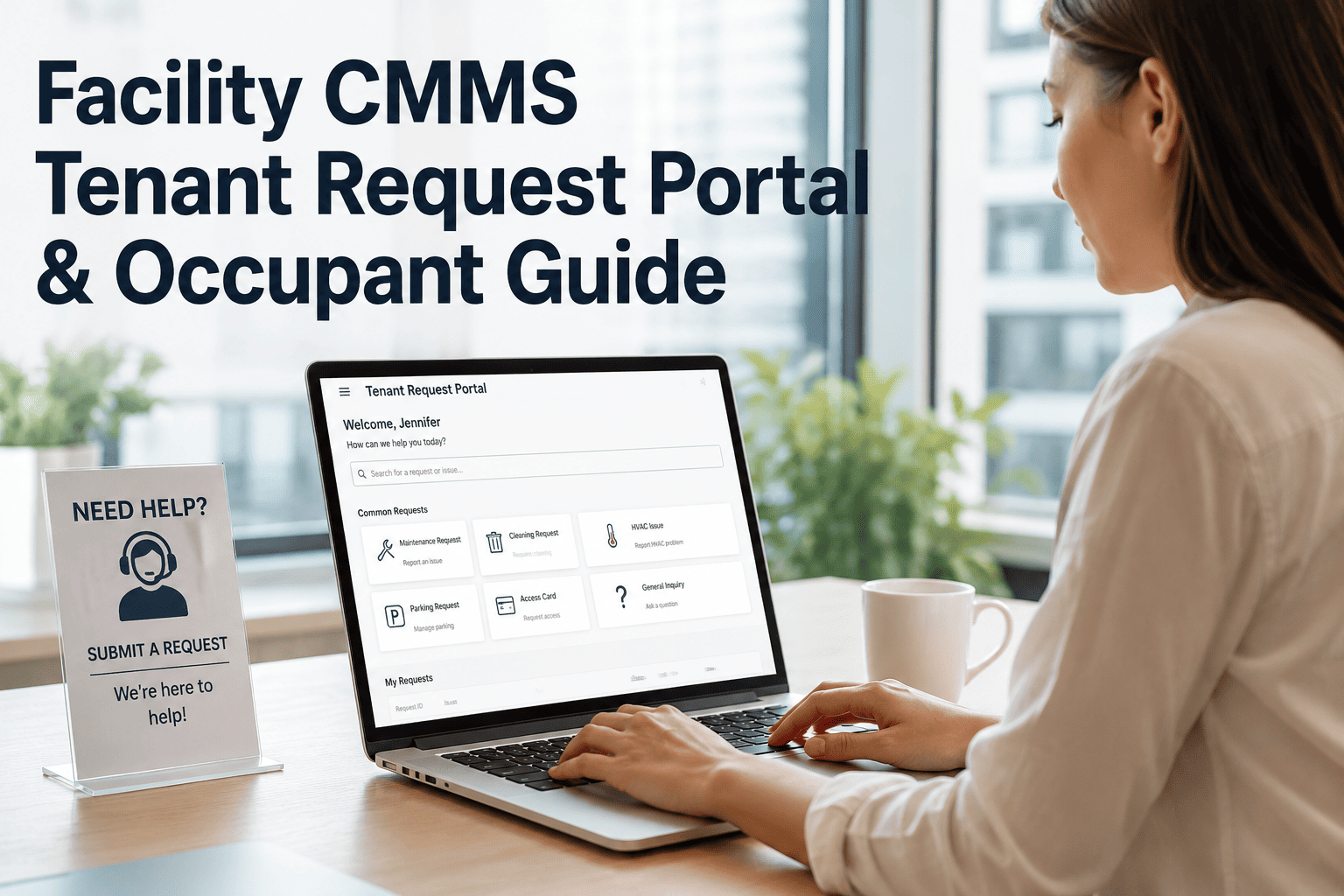
Requesters interact only with a simplified, branded submission interface. They never see the CMMS backend, never need a license, and never need training. The separation between requester portal and maintenance system is what makes adoption possible at scale.
Adoption rate jumps when every barrier is removed
06
Unified Queue — Portal, PM, and Sensor Alerts in One View
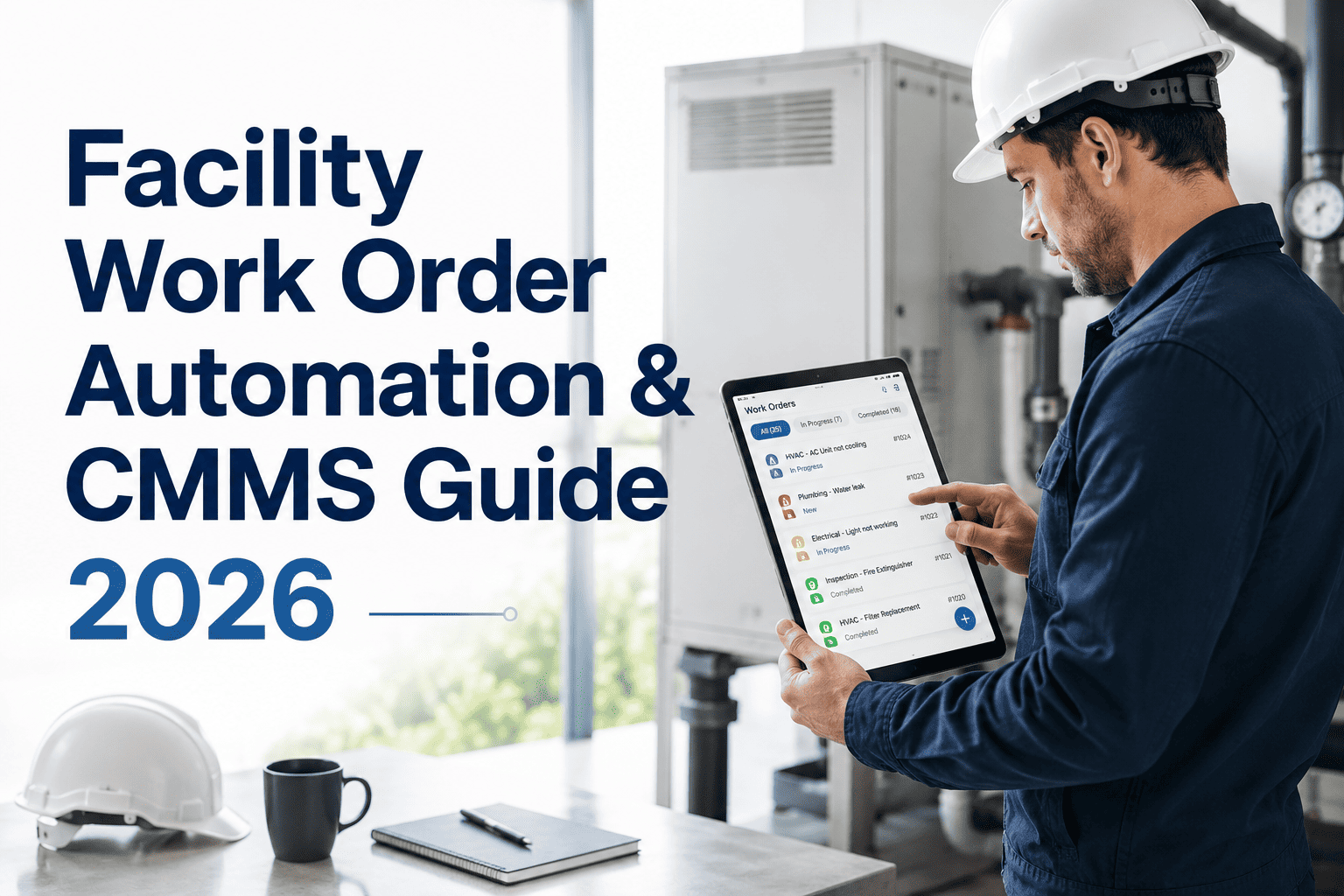
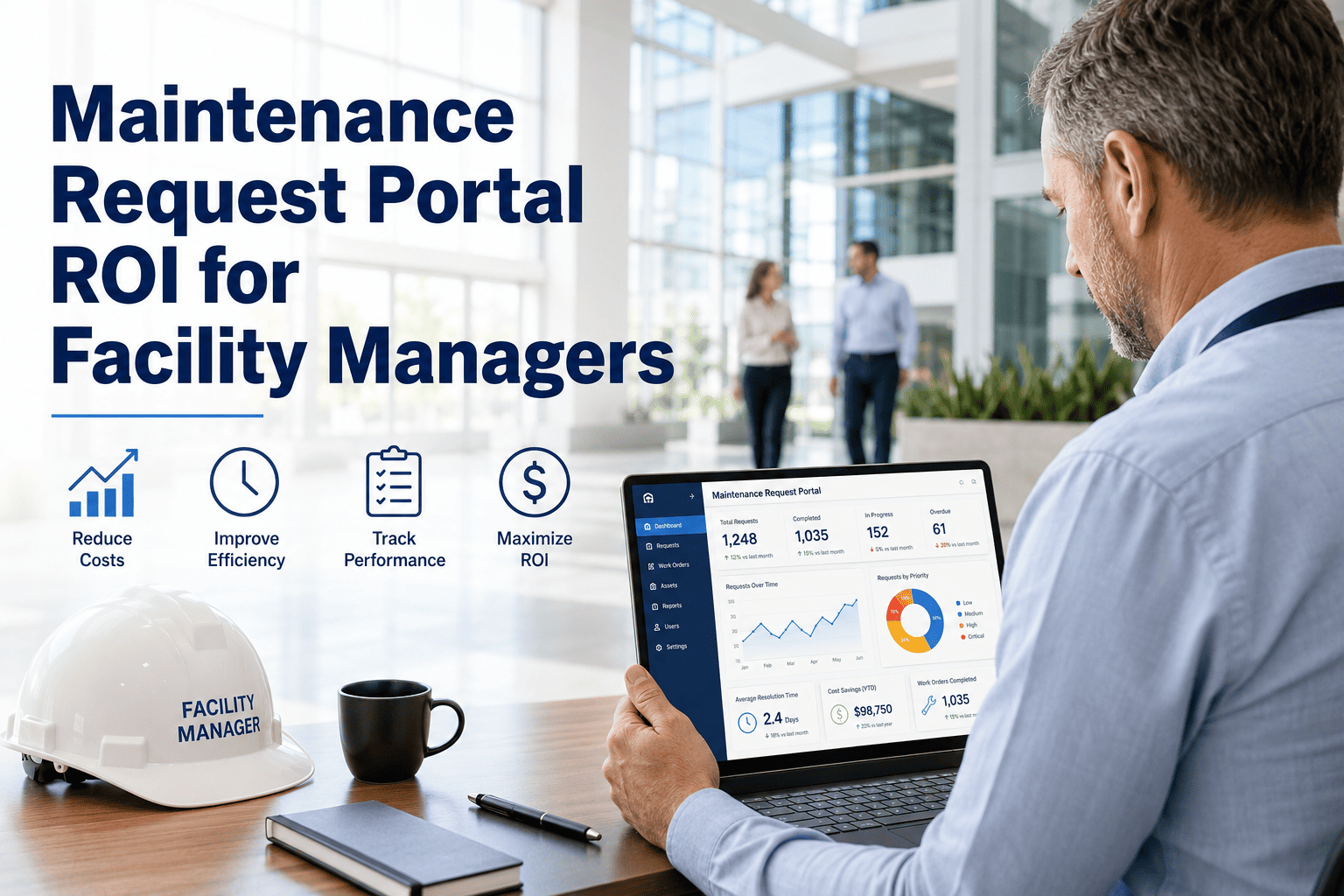
Portal-submitted requests flow into the same prioritized queue as preventive maintenance tasks and BAS-triggered alerts. No separate inbox to monitor. Facility managers see all work orders — occupant-reported, PM-generated, and system-created — ranked by urgency in a single dashboard.
Complete operational visibility in one screen
Fragmented Intake vs. Oxmaint Request Portal
| Category | Email / Phone / Verbal | Oxmaint Request Portal | Impact |
| Request capture |
Depends on someone remembering to log it |
Every submission auto-creates a work order |
Zero lost requests |
| Requester training |
Varies — different process for each channel |
No login, no app, no training — scan and submit |
100% adoption possible |
| Status visibility |
Requester calls back to check progress |
Automated notifications at every stage |
Follow-up calls eliminated |
| Duplicate management |
Same issue generates multiple separate tasks |
Auto-flagged and merged by asset and timing |
No wasted dispatches |
| Technician routing |
Coordinator manually assigns after triage |
Auto-routed by category, zone, and availability |
Assignment in seconds |
| Backlog visibility |
Scattered across spreadsheets and email |
Single prioritized queue with aging metrics |
Silent backlogs exposed |
The ROI of Structured Request Intake
30-45%
Lower total maintenance costs
Documented by facility teams deploying CMMS with automated intake within the first 12 months of operation
89%
PM compliance rate achieved
Compared to a 58% industry average for reactive programs that rely on manual request tracking
60-90 days
Time to first measurable ROI
Work order automation and intake consolidation deliver cost reduction within the first 30 days for most teams
70%
Reduction in mean time to repair
Achieved by facility teams that replaced fragmented intake with structured CMMS request workflows
Frequently Asked Questions
Do occupants need a CMMS login to submit a maintenance request?+
No. Oxmaint's request portal is designed for frictionless submission — occupants submit via QR code or web link without creating an account or logging in. They provide their name, contact info, issue description, and an optional photo. Only the maintenance team works inside the CMMS.
Start a free trial to see the portal configured for your facility.
How does the portal handle duplicate requests for the same issue?+
When the same issue generates multiple submissions — a broken elevator reported by ten occupants — Oxmaint flags potential duplicates based on asset, location, and submission timing. The reviewer merges them into a single work order before dispatch. All requesters receive status updates from that one work order automatically.
Book a demo to see duplicate management in action.
Can occupants flag emergency requests for immediate routing?+
Yes. The portal includes priority classification at submission. Emergency-flagged requests trigger immediate push notifications to on-call technicians, bypass the standard queue, and escalate to the facility manager if not acknowledged within a defined timeframe. For life-safety emergencies, the portal also displays a message directing occupants to call emergency services directly.
Try it free to configure your emergency routing rules.
Does the portal integrate with existing FM workflows and PM schedules?+
Oxmaint's portal generates standard work orders that flow into the same queue as technician-created and PM-generated work orders. There is no separate inbox. Facility managers see all work orders — portal-submitted, PM-triggered, and BAS-generated — in one prioritized view with unified aging metrics and SLA tracking.
Book a demo to see the unified queue.
What types of facilities benefit most from a request intake portal?+
Any facility where non-maintenance staff report issues — commercial offices, mixed-use campuses, hospitals, universities, government buildings, hotels, and residential properties. The portal works wherever requesters need a simple way to submit problems and the FM team needs a complete, auditable log of every issue reported.
Start a free trial to deploy the portal across your properties.
Facility Request Intelligence — Oxmaint
Stop Losing Requests. Start Converting Every Report into a Resolved Work Order.
Oxmaint gives every occupant a 60-second submission path and gives your facilities team a 100% tracked, auto-routed, status-updated work order for every issue — no email chains, no lost calls, no invisible backlogs.
Zero
Lost requests with configurable intake portal
60 sec
From occupant scan to tracked work order
30-45%
Lower total maintenance costs documented
1 queue
Portal, PM, and sensor alerts unified