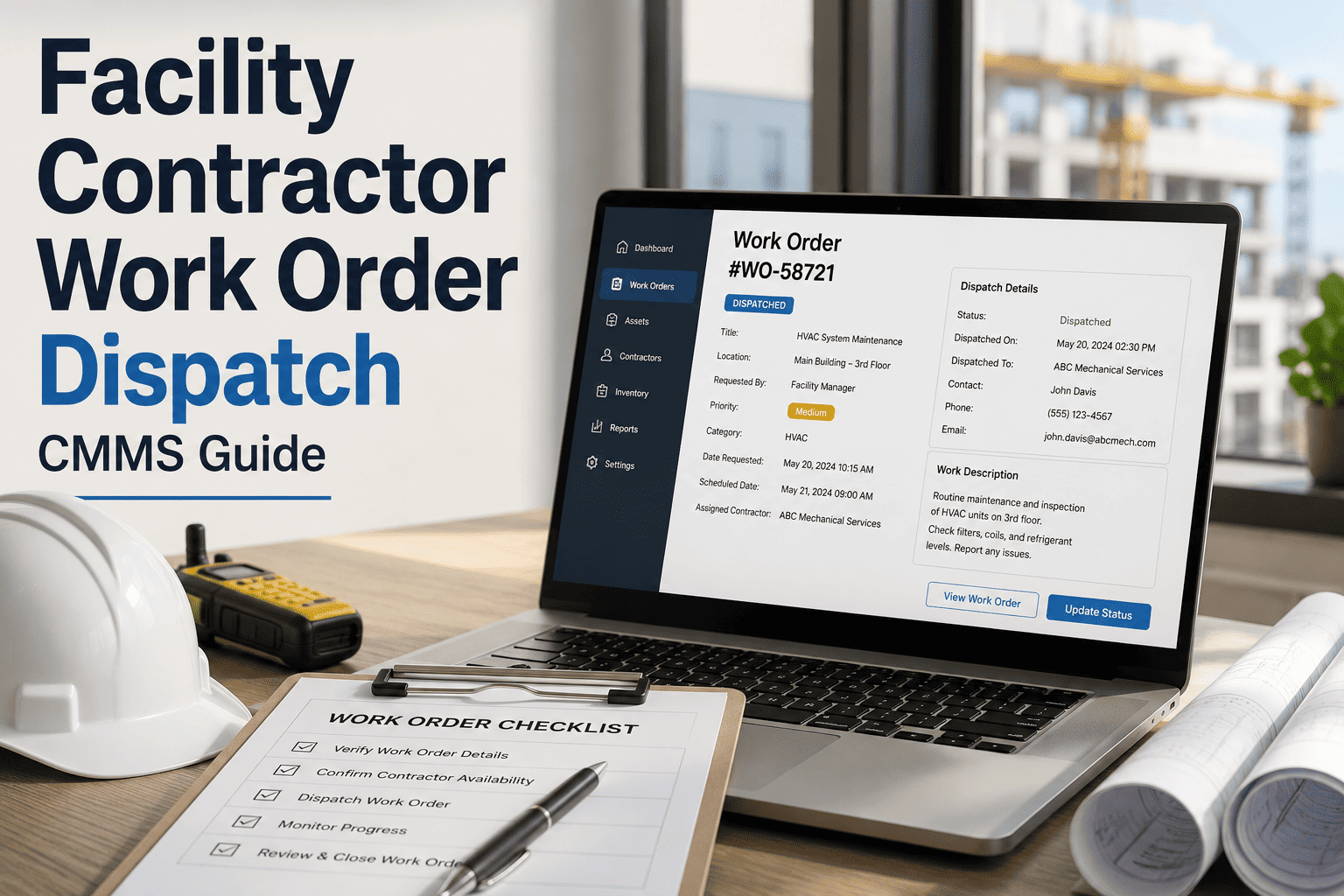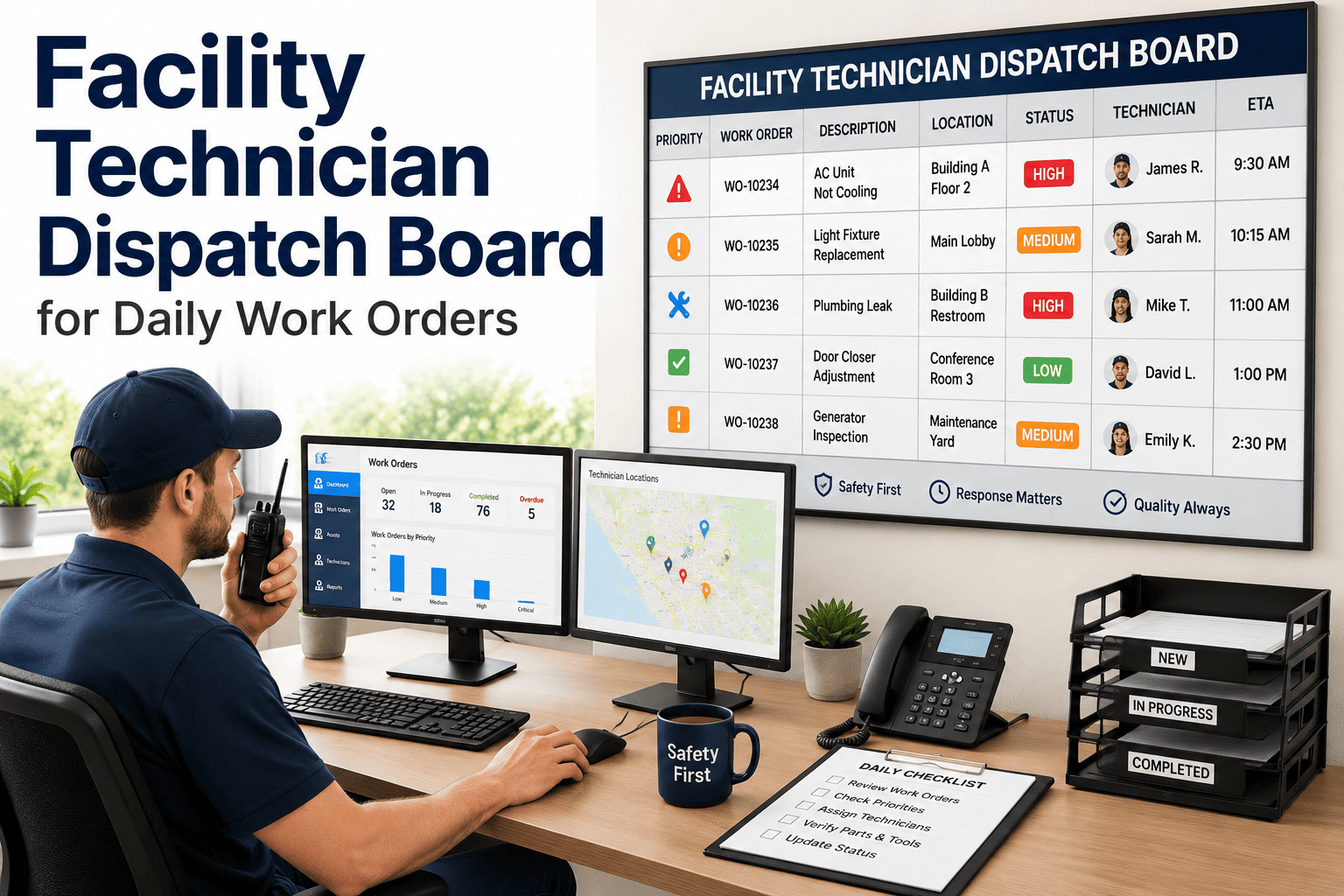
When a work order lands in your facility team's queue, the technician who gets assigned often depends on who answered the phone first, not who actually has the right skill or is closest to the job. Manual dispatch relies on one coordinator holding technician skills, current workload, location, and job urgency in their head at the same time, and no coordinator tracks all four variables accurately once a team grows past a handful of people. The result shows up fast: repeat visits for jobs handled by the wrong skill level, specialists sitting idle while a generalist drives across the site, and technicians finding out about their next stop only after they walk back to the office. Facility and multi-site teams that automate technician dispatch route every request using verified certifications, real-time availability, and geographic proximity instead of a whiteboard or a phone call. OxMaint reads every open work order against your live technician roster and assigns the right person the moment a request is created. Set up automated dispatch free on OxMaint or book a walkthrough of the routing engine.
Four Variables Decide Every Dispatch. Your Team Should Not Be Guessing at Them.
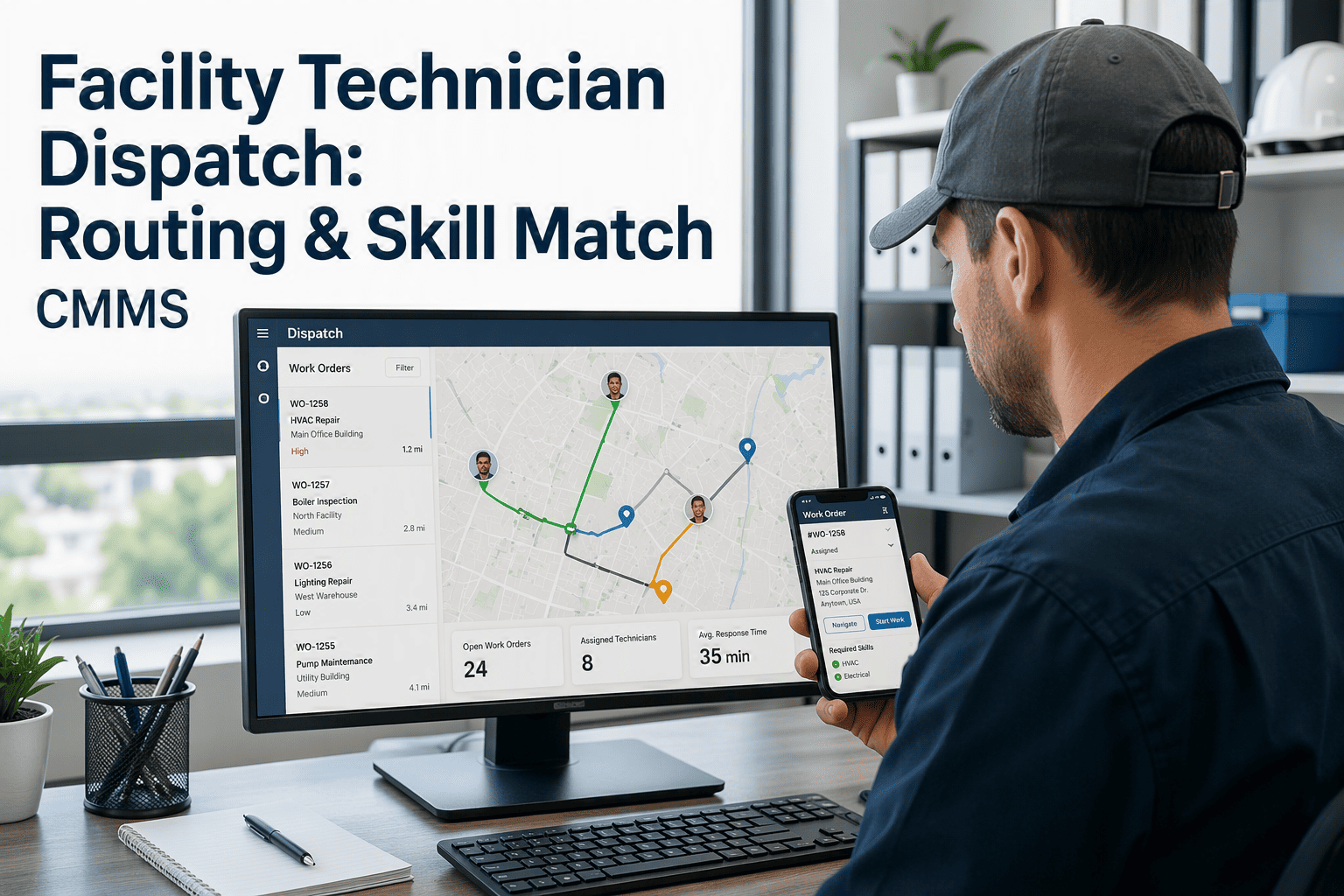
Skill match, location, availability, and urgency all change by the minute. OxMaint scores every open work order against all four in real time and routes it to the right technician automatically, across a single building or a full multi-site portfolio.
No dispatcher has to answer a phone, check a whiteboard, or guess who is free. Certifications are checked first, so a specialized repair never lands with a technician who is not qualified to safely perform it.
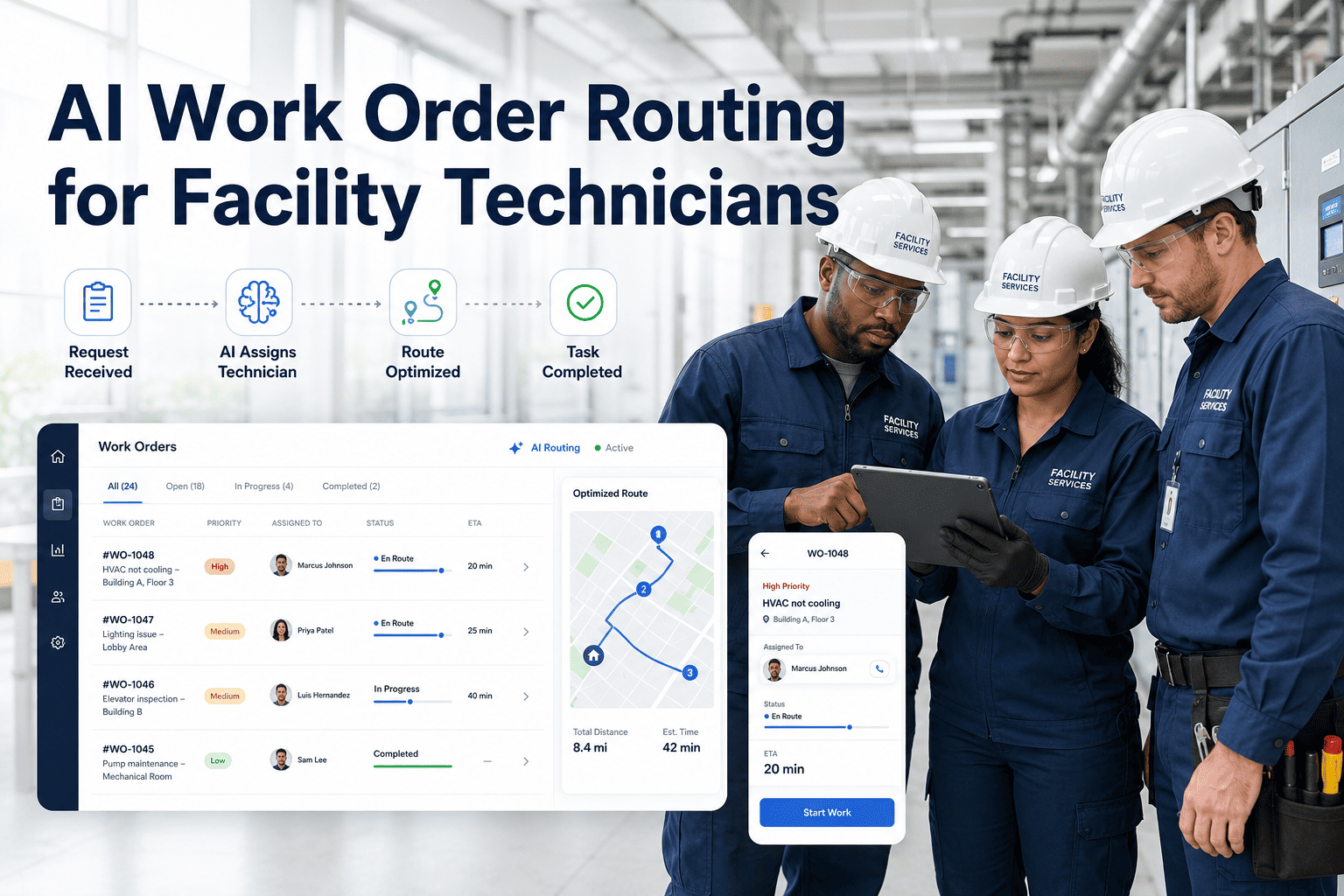
How a Work Order Finds the Right Technician
Every request moves through the same four checkpoints before it ever reaches a phone screen. No dispatcher has to hold this sequence in their head — the engine runs it automatically on every single job.
What Changes When Dispatch Stops Being a Guessing Game
| Dispatch Factor | Manual Dispatch | OxMaint Automated Dispatch |
|---|---|---|
| Assignment Method | Phone calls, whiteboard, or memory | Skill, location, and urgency scored automatically |
| Technician Labor Utilization | Around 42% | Up to 78% |
| Response Time | Delayed by coordinator availability | 60–80% faster |
| Skill Mismatch Repeat Visits | Common on specialized jobs | Reduced by certification-first matching |
| Visibility Into Technician Queue | None until someone calls in | Real-time on the manager dashboard |
| Technician Idle Time | Untracked, often invisible to managers | Measured and rebalanced automatically |
| Escalation Handling | Ad hoc phone calls after something is missed | Tiered alerts with full order context |
Utilization and response benchmarks based on published CMMS workforce optimization data for facility maintenance teams.
A 15-Technician Team, Six Months, No Added Headcount
A facility team running whiteboard scheduling switched to skill-based automated routing across every site. Here is what moved in the first two quarters, tracked from the same technician roster.
Stop Assigning Jobs by Who Picks Up the Phone.
See exactly how OxMaint scores skill, location, availability, and urgency on your own work order backlog in a live 30-minute session. Bring your current technician roster and watch every open job get reassigned live, with the reasoning behind each match shown on screen.
Questions on Technician Dispatch and Routing
Every Manual Assignment Is a Coin Flip on Skill, Location, and Time.
OxMaint scores all three automatically, on every work order, across every technician and every site. Bring your current dispatch process to a live demo and see it routed differently in real time.