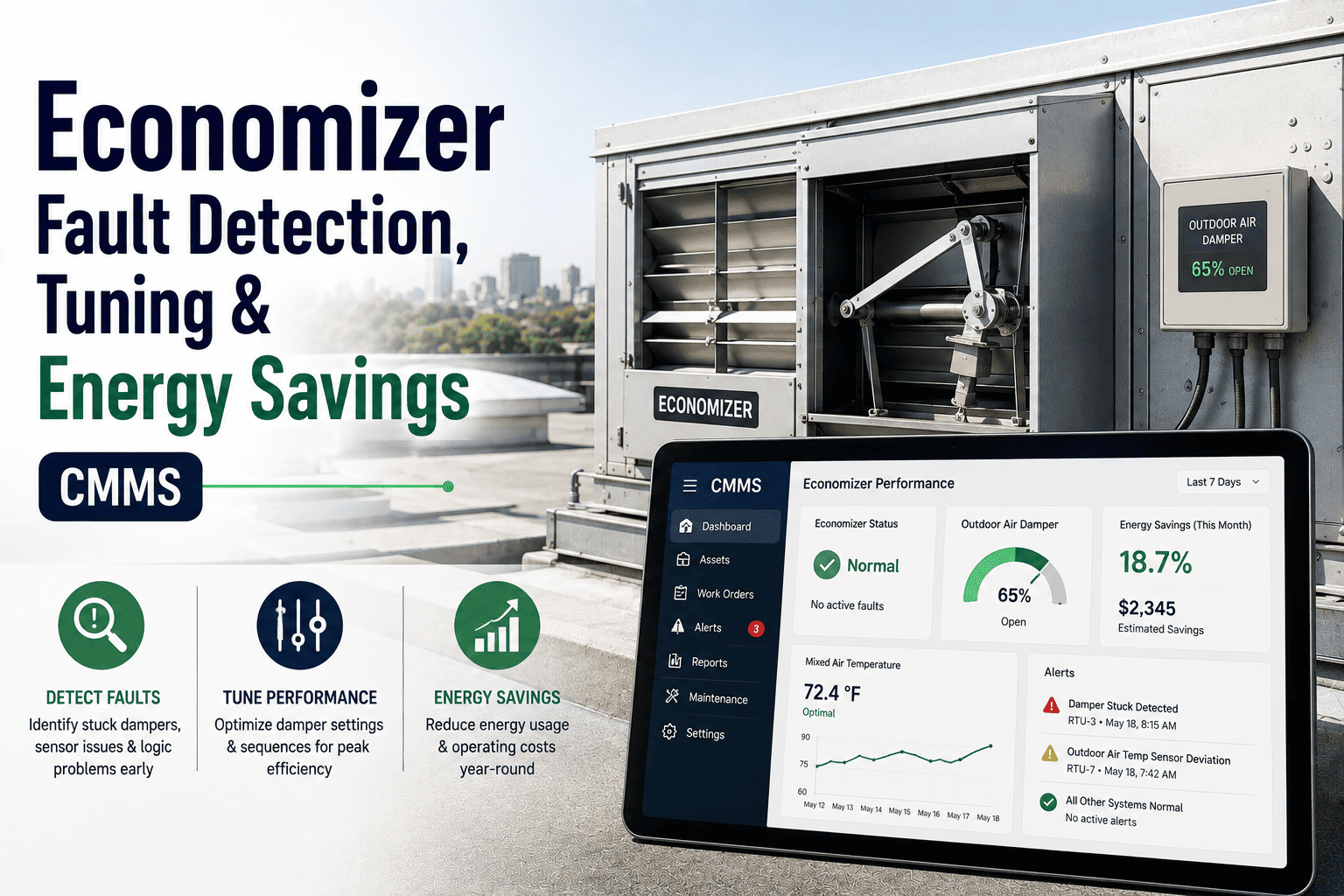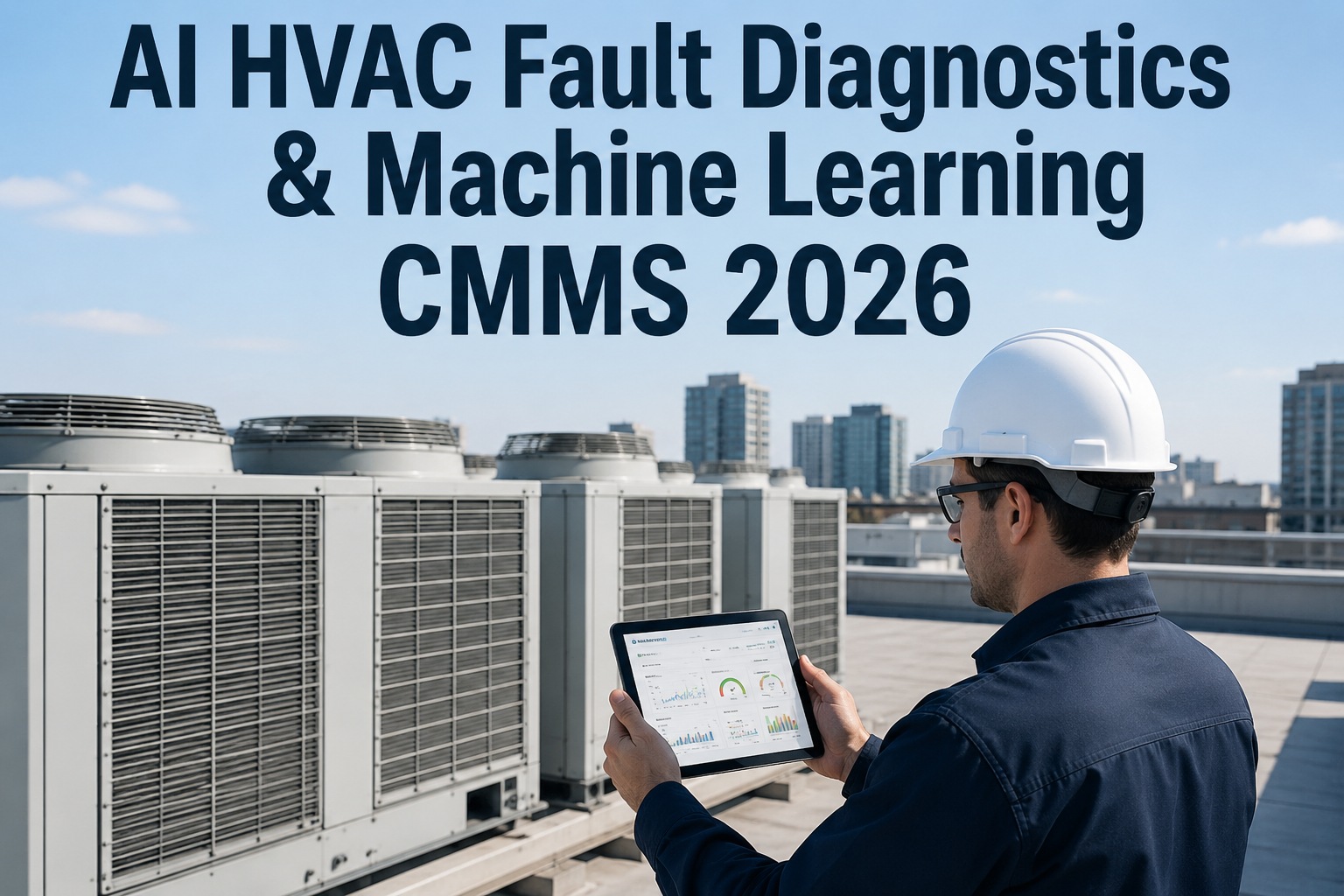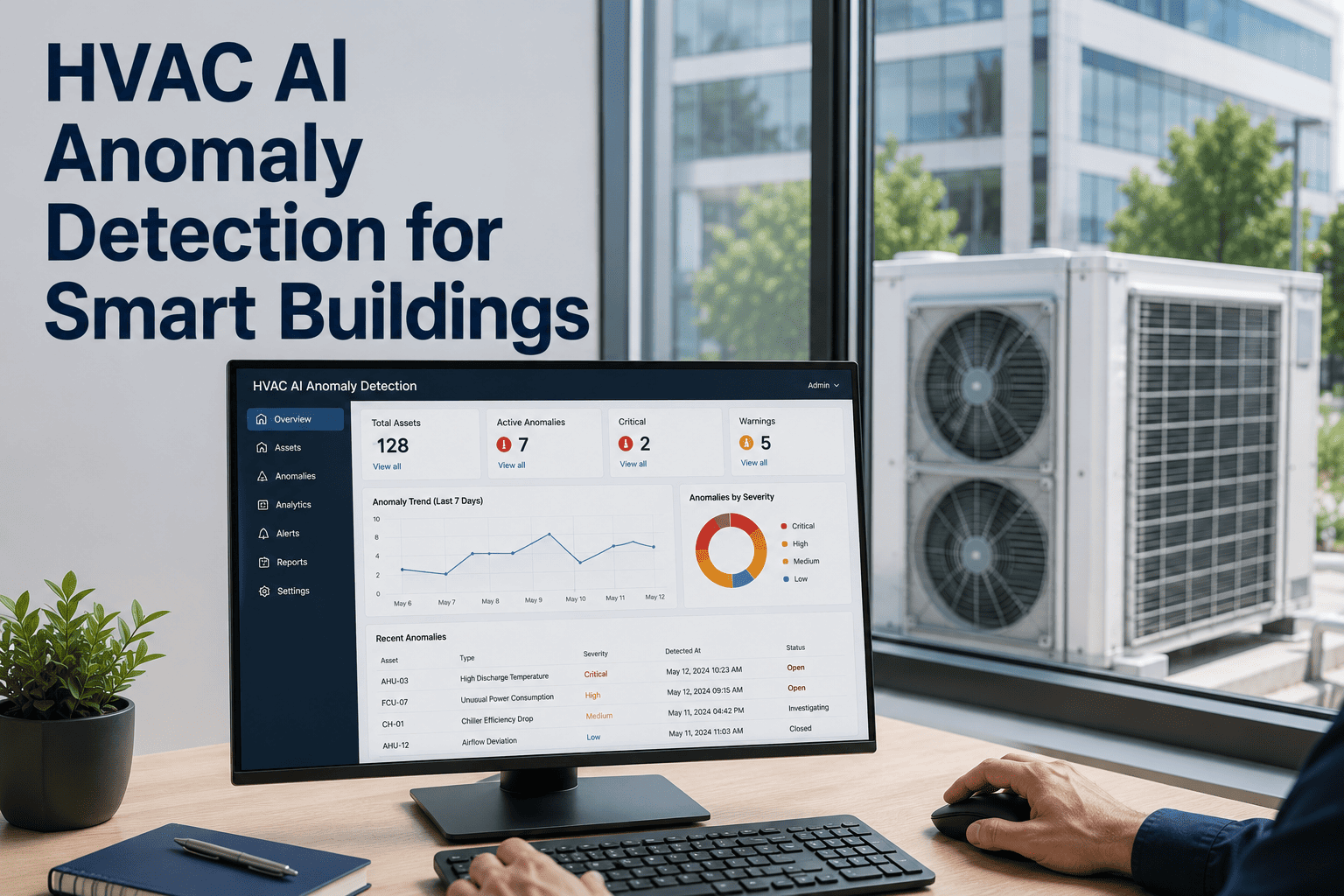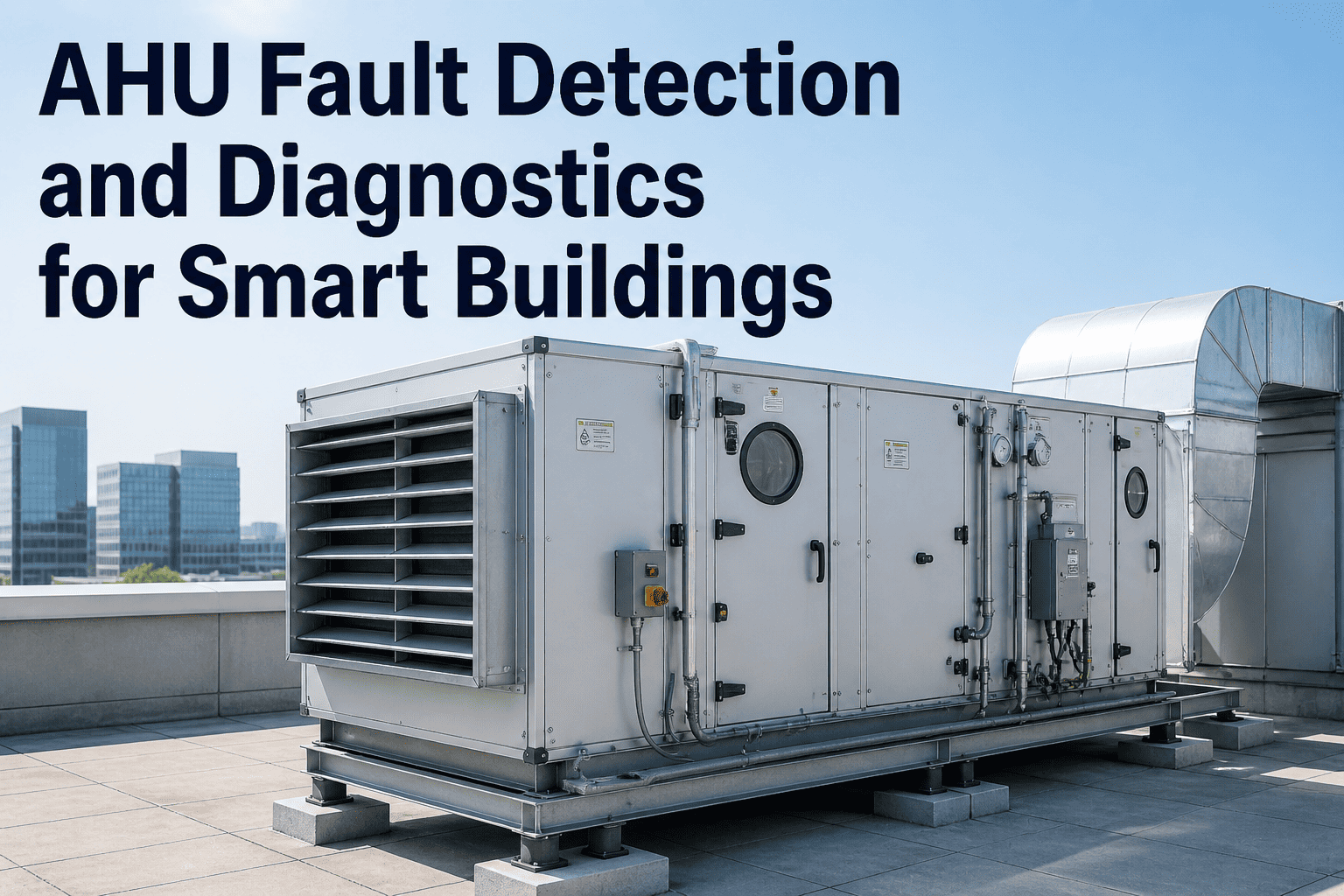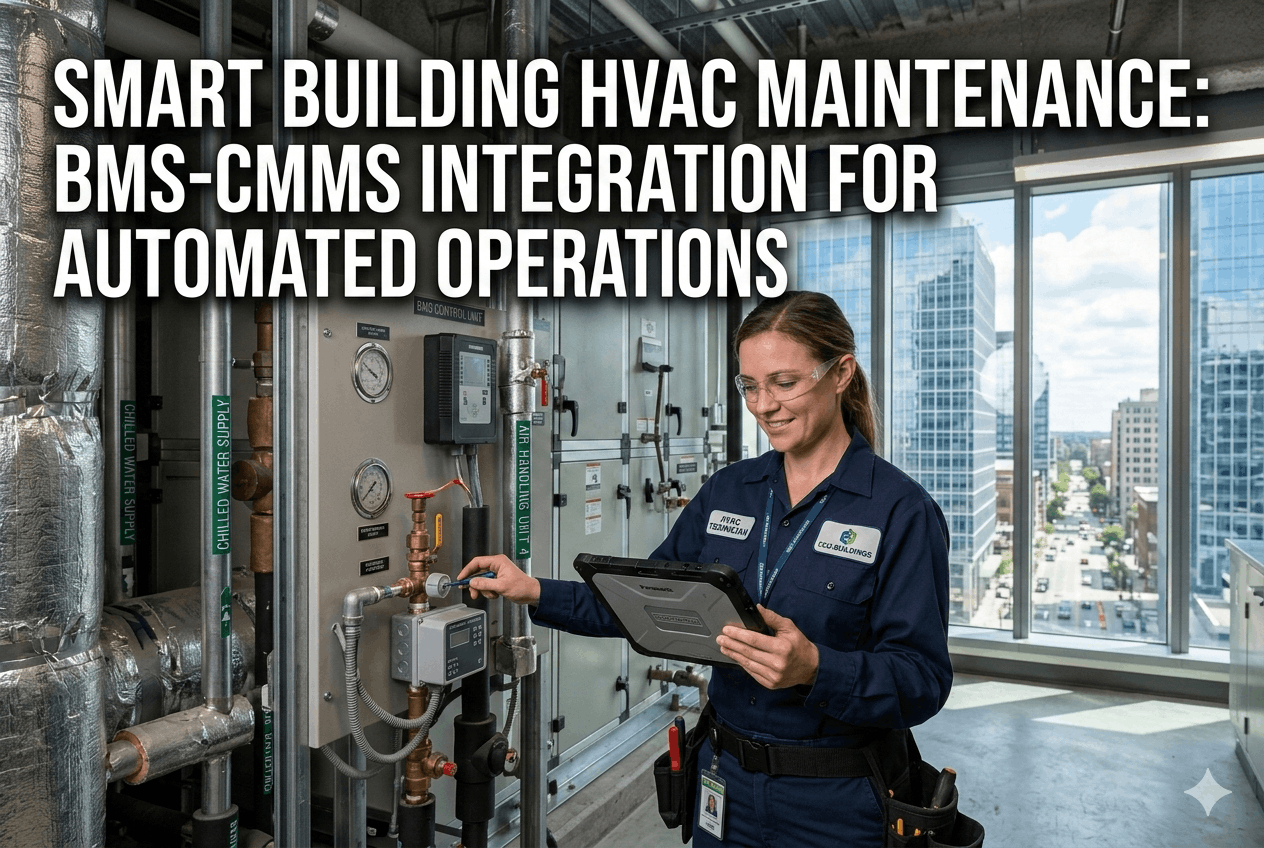
Facility maintenance teams managing HVAC systems face a growing gap between equipment complexity and traditional inspection methods. Machine learning closes that gap — analyzing thousands of sensor data points in real time to detect faults before failure, forecast energy usage patterns, and generate PM schedules that match actual equipment wear rather than calendar assumptions. Sign Up Free to see how OxMaint's predictive maintenance AI brings machine learning capabilities to your HVAC program without requiring a data science team. This guide covers the highest-impact HVAC machine learning use cases — from chiller optimization to energy forecasting — and how facility teams can operationalize them through a Book a Demo workflow or self-service CMMS activation.
Put AI to Work on Your HVAC Assets
OxMaint's predictive maintenance AI monitors HVAC performance data, detects anomalies, and automates work orders — no data scientist required. Start with a free tier and see fault predictions within days.
Why Machine Learning Is Transforming HVAC Facility Maintenance
Traditional HVAC maintenance relies on fixed schedules and reactive repairs — two approaches that miss the dynamic nature of equipment degradation. Machine learning models trained on compressor pressure, refrigerant temperature, airflow rates, and power draw data can identify subtle deviation patterns weeks before they cause system failure. Facility managers who Sign Up Free with OxMaint gain access to AI-driven condition monitoring that turns raw sensor data into actionable maintenance triggers — without retrofitting existing building management systems.
ML models establish equipment baselines and flag statistical deviations in real time — catching refrigerant leaks, bearing wear, and coil fouling before they escalate into failures.
Predictive algorithms forecast HVAC energy consumption by hour, day, and season — enabling load balancing, demand response participation, and utility cost reduction.
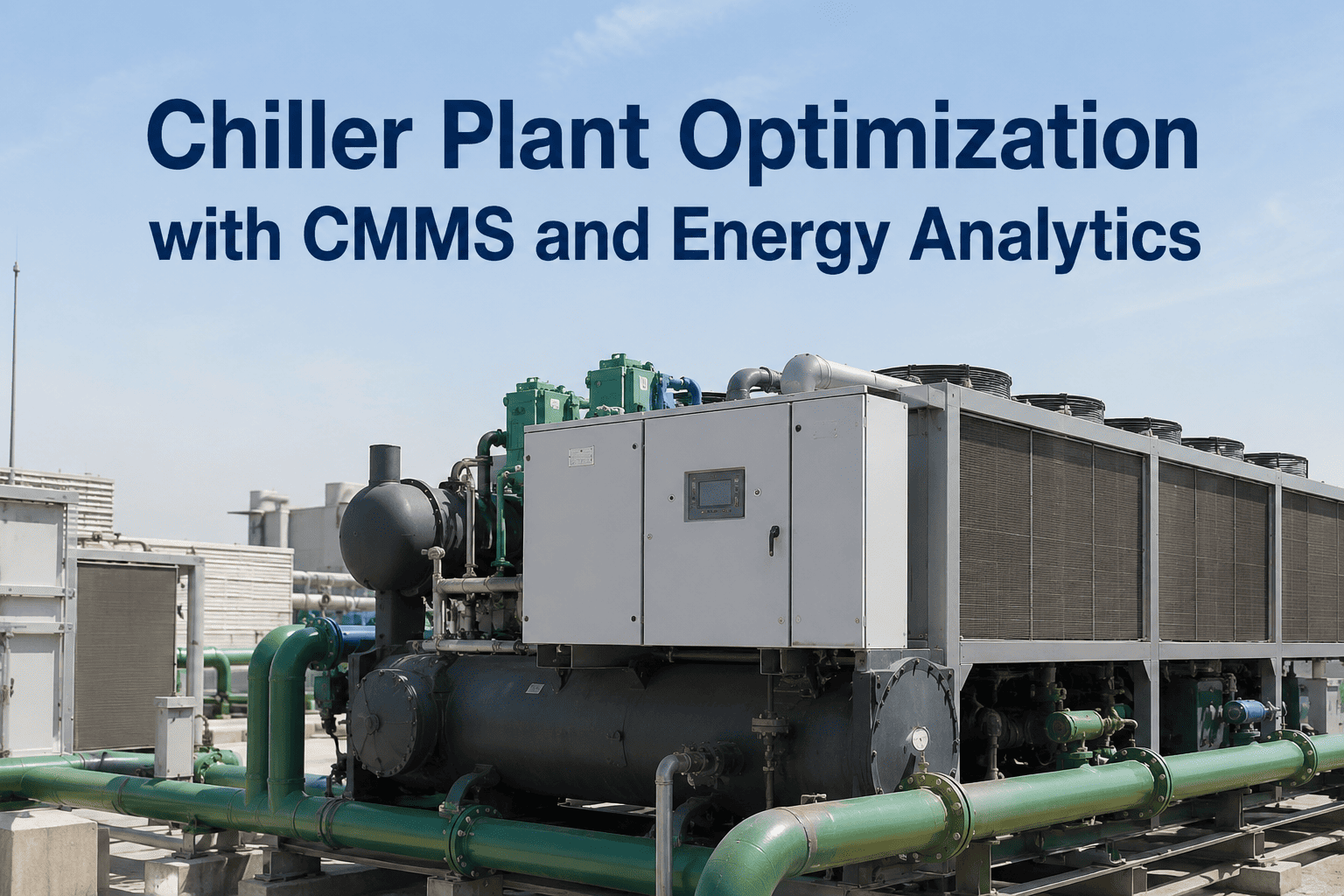
ML continuously adjusts chiller sequencing, setpoints, and staging to minimize kW per ton — delivering measurable energy savings across central plant operations.
Classification models distinguish between fault types — refrigerant undercharge vs. condenser fouling vs. compressor degradation — so technicians arrive with the right parts and procedures.
RUL models analyze cumulative wear indicators on compressors and fans to predict time-to-failure — enabling capital planning and just-in-time PM scheduling.
ML replaces fixed calendar PMs with condition-triggered work orders — dispatching technicians when equipment data indicates maintenance need, not when a date arrives.
Top HVAC Machine Learning Use Cases for Facility Teams in 2026
HVAC FDD via machine learning monitors multi-sensor data streams — supply air temperature, discharge pressure, compressor current, return air humidity — and applies trained models to detect fault signatures. Unlike rule-based systems, ML FDD adapts to equipment aging and seasonal patterns, reducing false positives and catching intermittent faults that fixed thresholds miss. OxMaint connects fault detections directly to automated work order generation, so identified issues reach a technician immediately rather than sitting in an alert queue.
Regression and time-series ML models trained on HVAC energy consumption, occupancy schedules, and weather data produce hour-ahead and day-ahead demand forecasts. Facility teams use these forecasts to pre-condition buildings, shift non-critical HVAC loads outside peak rate windows, and quantify energy savings from maintenance improvements. Book a Demo to see how OxMaint links energy data to PM records for ESG reporting.
ML optimization engines evaluate chiller staging, condenser water setpoints, and cooling tower fan speeds continuously — adjusting system operation to minimize energy cost per ton of cooling delivered. Reinforcement learning models improve over time as they accumulate operational history, achieving efficiency gains of 10–25% versus fixed-schedule operation on most central plant configurations.
Rather than replacing filters on fixed intervals, ML models analyze differential pressure trends across air handling units to predict filter loading state. Replacement is triggered when pressure drop reaches a model-defined threshold correlated with airflow degradation — eliminating premature replacements and preventing the energy penalties of clogged media. OxMaint automates the replacement work order when the ML threshold fires, ensuring no manual follow-up is required.
Survival analysis and degradation models applied to compressor vibration, oil temperature, current draw, and cycle counts estimate remaining useful life with increasing precision as equipment ages. Facilities use RUL predictions to schedule compressor replacements during planned shutdowns — avoiding emergency failures that require expedited equipment procurement and unplanned downtime costs.
ML models trained on occupancy sensor data, badge access logs, and calendar feeds predict building zone occupancy and adjust HVAC setpoints proactively. Zones reach target conditions at occupancy without early conditioning waste. Combined with OxMaint's condition-monitoring workflows, occupancy-driven control data also feeds PM triggers — flagging equipment that underperforms against occupancy-adjusted demand baselines.
HVAC ML Capability Comparison: What Facility Teams Need
| ML Use Case | Primary Benefit | Key Signals | OxMaint Action | Typical ROI Horizon |
|---|---|---|---|---|
| Fault Detection (FDD) | Prevent equipment failure | Temp, pressure, current | Auto work order | 30–90 days |
| Energy Forecasting | Reduce utility cost | kWh, weather, occupancy | ESG reporting | 60–120 days |
| Chiller Optimization | Central plant efficiency | kW/ton, staging, setpoints | PM + energy sync | 90–180 days |
| Filter Replacement | PM cost reduction | Differential pressure | Condition-triggered PM | 30–60 days |
| Compressor RUL | Capital planning | Vibration, cycles, oil temp | Replacement planning | 180+ days |
| Occupancy-Driven Control | Demand response | Occupancy sensors, calendar | Performance baseline | 60–90 days |
How OxMaint Operationalizes HVAC Machine Learning
The gap between an ML model and a maintenance outcome is operationalization — getting the model's predictions into the hands of a technician with context, parts, and a procedure attached. OxMaint bridges that gap by connecting condition monitoring outputs to automated work order workflows. When a predictive model flags a refrigerant circuit anomaly, OxMaint creates a prioritized work order, assigns the qualified technician, attaches the relevant checklist, and confirms required parts inventory — all without dispatcher intervention. Facility managers can Sign Up Free and connect their first HVAC asset to condition-triggered workflows in under an hour.
Implementation Roadmap: HVAC Machine Learning for Facility Teams
Establish Sensor Coverage
Identify HVAC assets requiring condition monitoring. Map available BMS points, IoT sensors, and utility meters to OxMaint asset records as the ML data foundation.
Define Baseline Performance
Capture 30–90 days of operational data per asset to establish healthy performance baselines — the reference state ML anomaly detection models compare against.
Configure Condition Triggers
Set threshold-based and trend-based triggers in OxMaint for each monitored signal — linking trigger events directly to automated work order creation and technician dispatch.
Deploy Mobile Execution
Technicians receive ML-triggered work orders on the OxMaint mobile app with offline capability — completing inspections on the floor and closing records with photo evidence.
Close the Feedback Loop
Technician findings from ML-triggered work orders feed back into asset history — improving model accuracy and refining trigger thresholds over time for each specific equipment unit.
Scale Across Facilities
Expand ML-driven PM programs to additional HVAC assets and sites from the same OxMaint dashboard — with cross-facility benchmarking showing which locations achieve best predictive outcomes. Book a Demo to plan your rollout.
Activate Predictive HVAC Maintenance Today
OxMaint connects HVAC sensor data to automated PM workflows — transforming ML fault detections into technician work orders without IT overhead or long implementation timelines.
Frequently Asked Questions
What is HVAC machine learning fault detection?
HVAC ML fault detection uses trained models to analyze multi-sensor data streams and identify anomaly patterns that precede equipment failures — providing days or weeks of advance warning compared to threshold alarms.
Can OxMaint connect to existing BMS or IoT sensors?
Yes. OxMaint supports API integration with BMS platforms and IoT gateways — mapping sensor data points to asset records and enabling condition-based PM triggers without replacing existing monitoring infrastructure.
How long does it take to see value from HVAC predictive maintenance?
Most facilities see actionable fault detections within the first 30–60 days of sensor data collection. Energy forecasting ROI typically becomes measurable within one billing cycle after baseline establishment.
What HVAC equipment benefits most from machine learning PM?
Chillers, rooftop units, air handling units, and cooling towers deliver the highest ML-driven maintenance ROI due to their operational complexity, energy consumption, and failure cost impact on facility operations.
Does OxMaint support energy and ESG compliance documentation?
Yes. OxMaint automatically generates inspection records, energy audit logs, and timestamped maintenance histories that support ISO 50001, ASHRAE, and corporate ESG reporting requirements.
See HVAC Machine Learning in Action
Join facility teams using OxMaint to turn HVAC sensor data into automated maintenance workflows — reducing energy costs, preventing failures, and maintaining compliance across every asset.