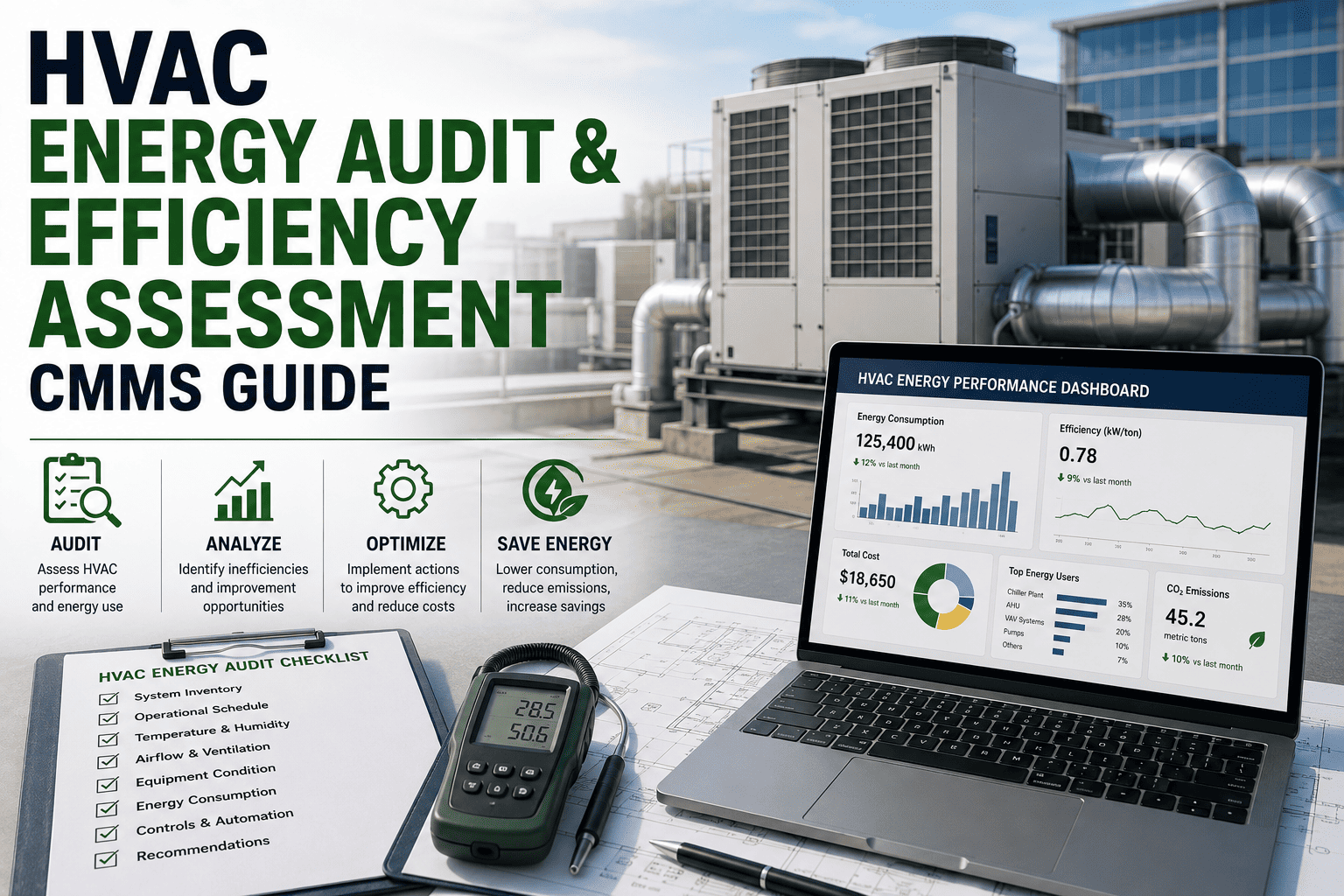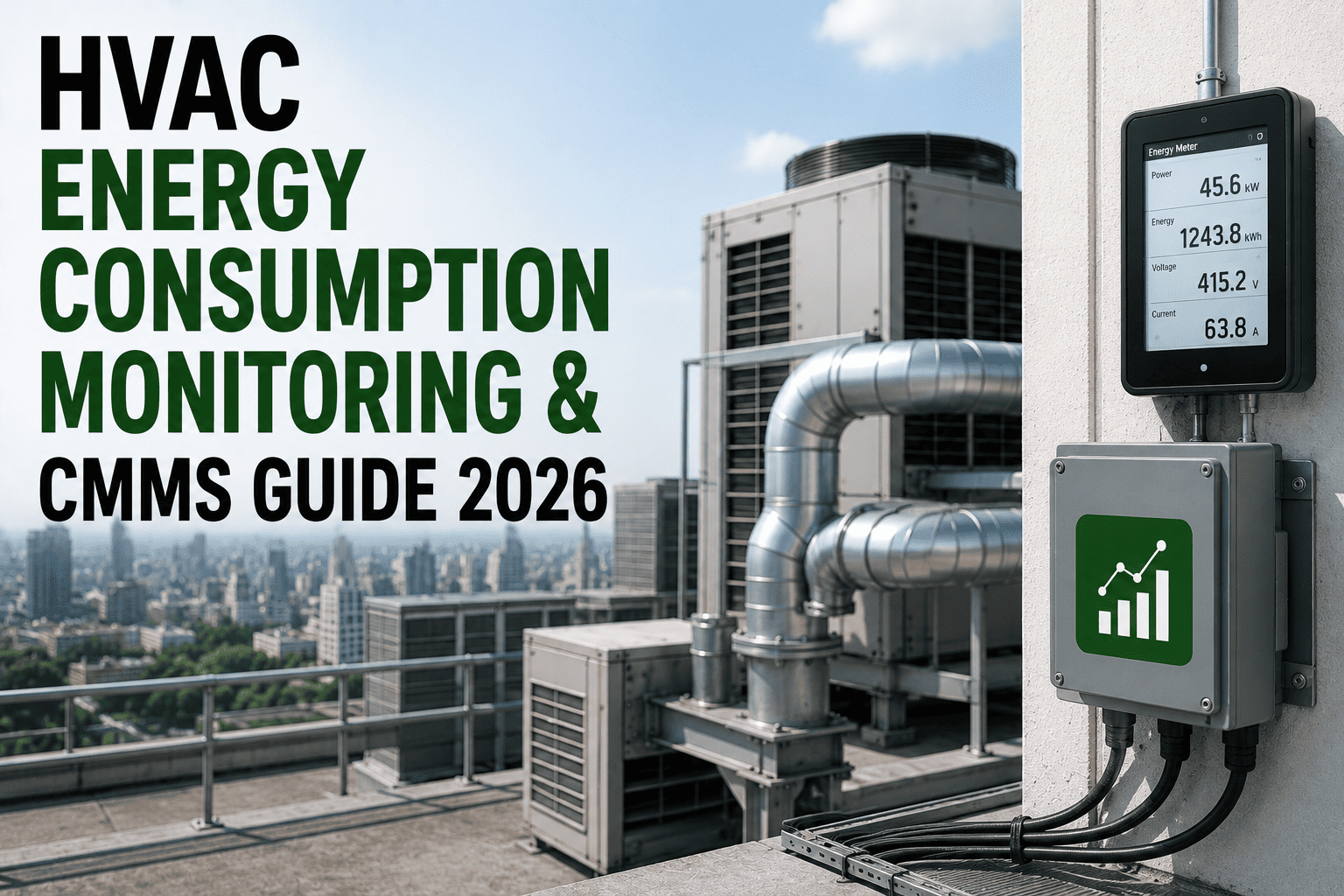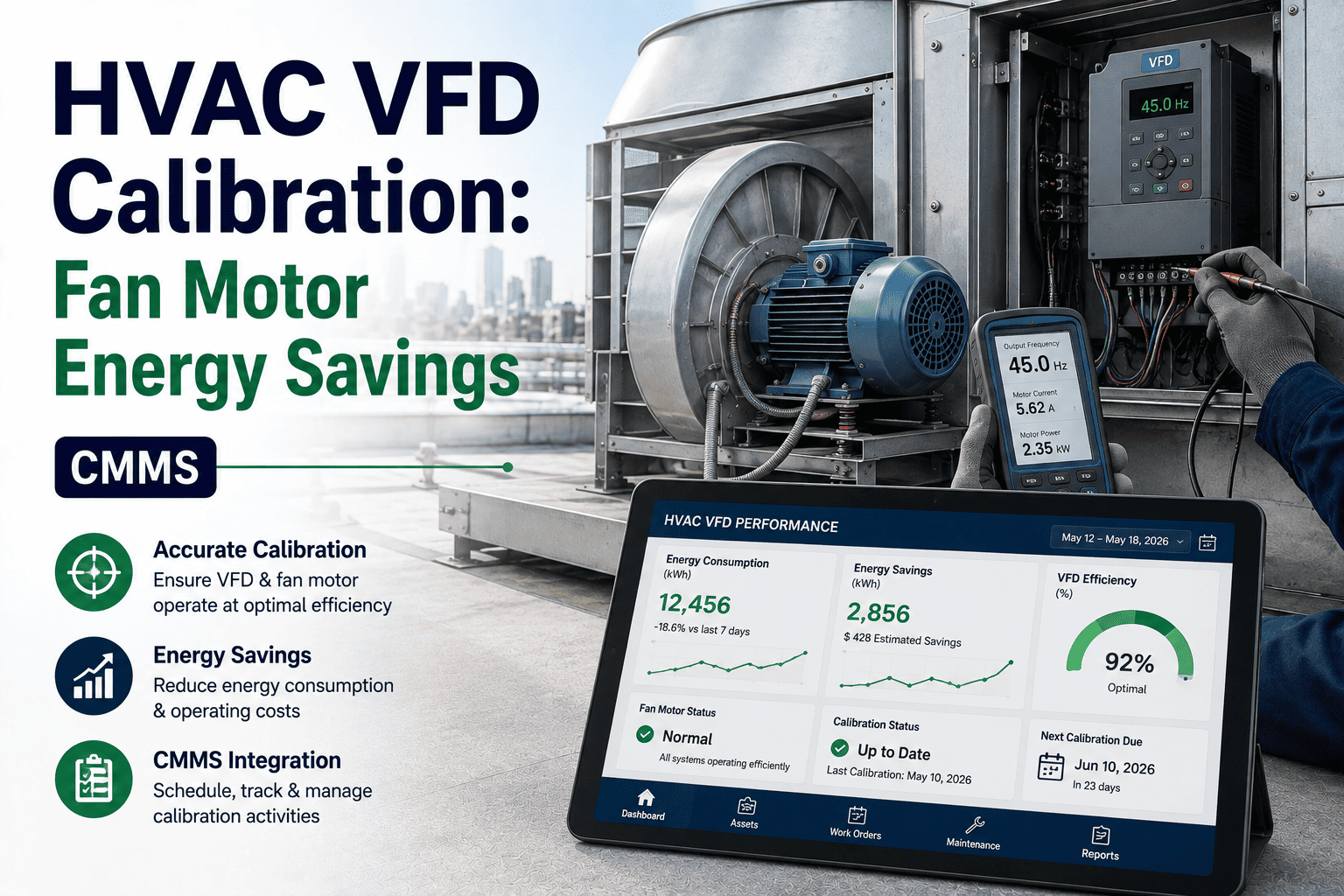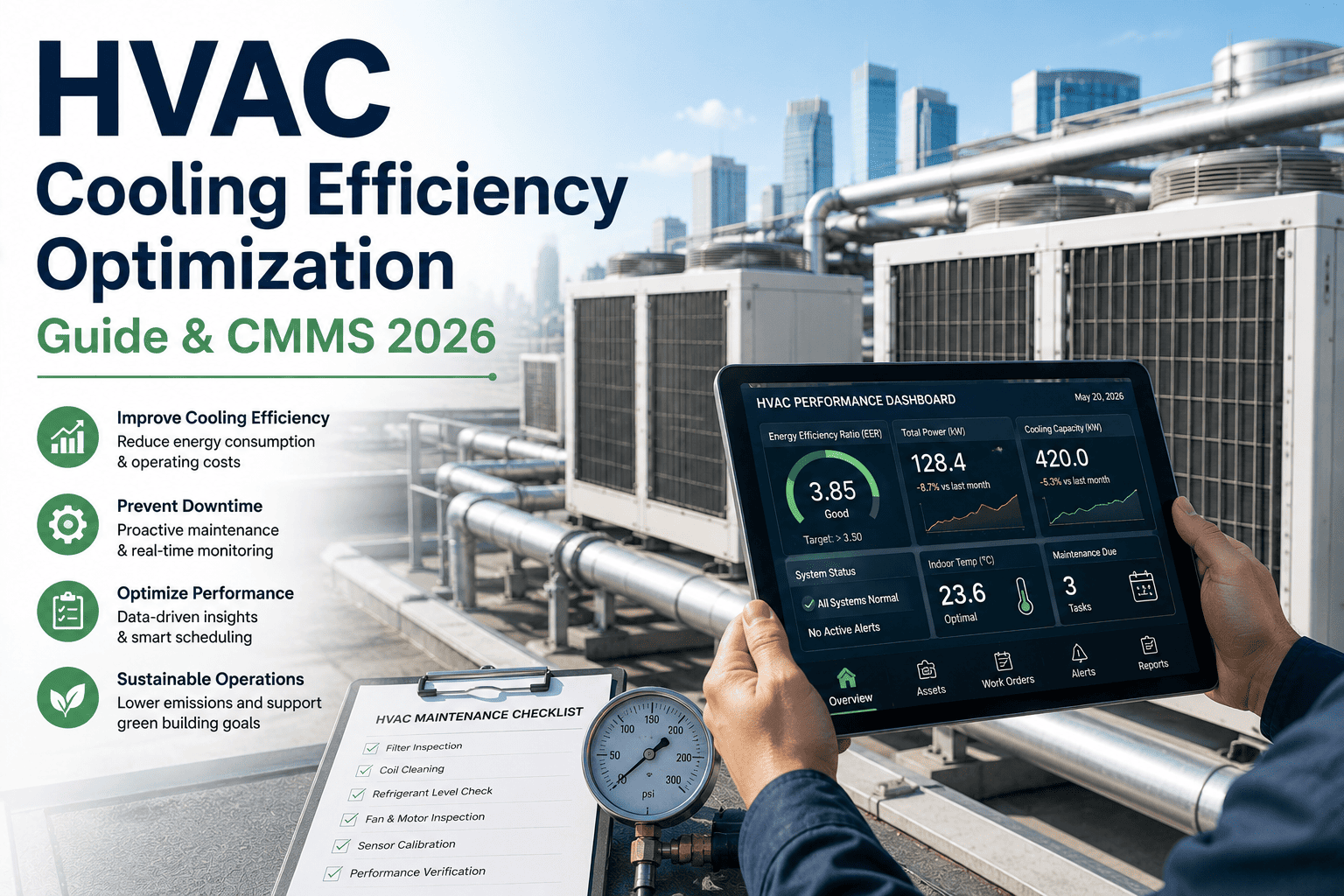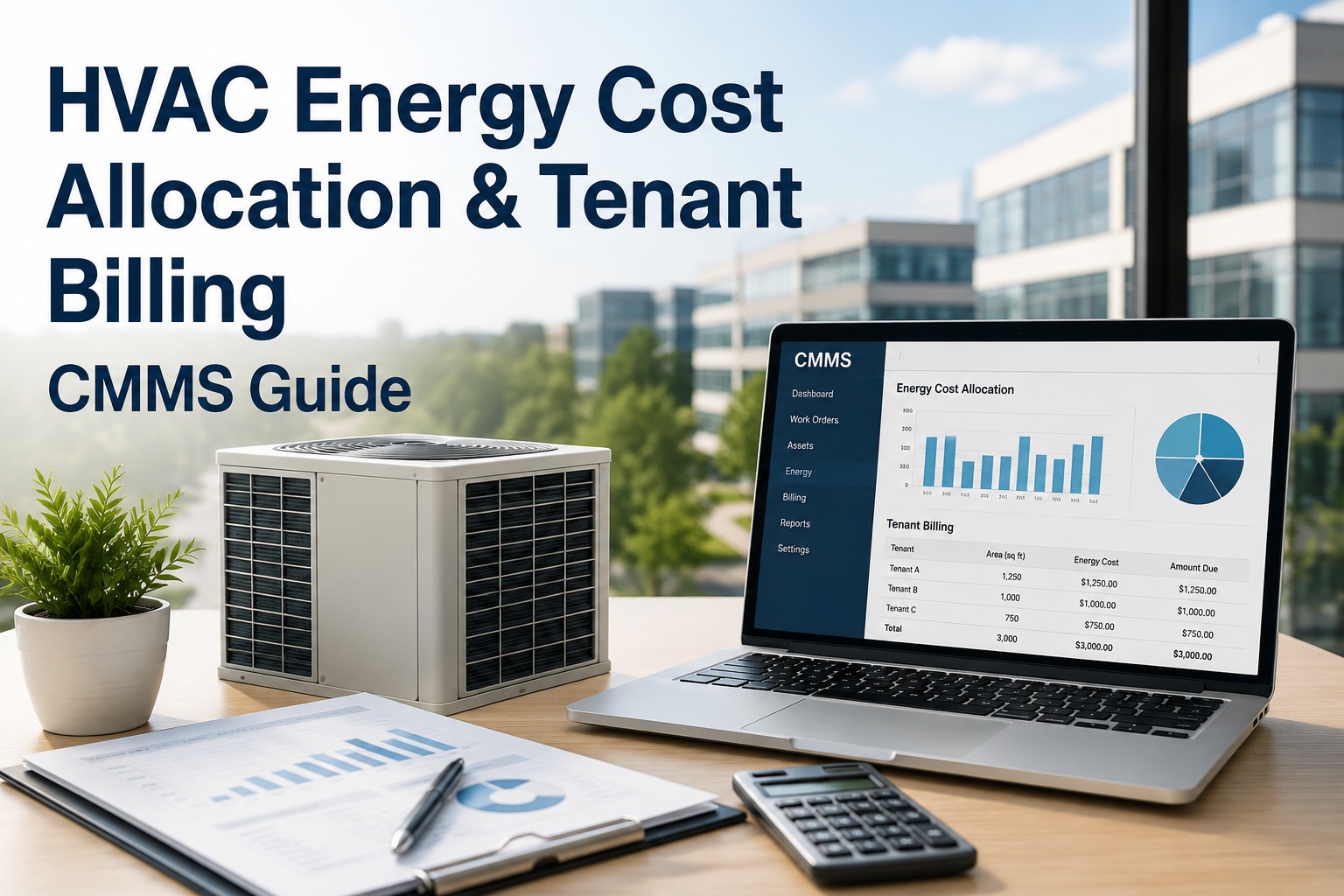
HVAC energy cost allocation is the process of accurately attributing heating, cooling, and ventilation expenses to individual tenants or departments based on actual equipment usage rather than square footage alone. For property managers overseeing multi-tenant buildings, precise tenant energy billing prevents revenue leakage, eliminates disputes, and ensures fair HVAC cost attribution across shared infrastructure. By integrating an energy billing CMMS, facilities teams can automatically track runtime hours, power consumption, and maintenance costs per asset to generate defensible invoices. This guide breaks down how modern multi-tenant energy HVAC tracking works, the formulas you need, and how to replace spreadsheet guessing with auditable cost allocation tracking—ready to Start Free Trial and see the difference on your own assets.
Stop subsidizing tenant energy costs with guesswork allocation
Buildings using flat-rate or square-foot-based HVAC energy cost allocation overcharge compliant tenants by up to 22% and underbill high-consumption tenants by 18% — creating disputes, leakage, and audit risk. OxMaint ties runtime metering to work-order costs for precise tenant billing HVAC invoices.
Why flat-rate HVAC tenant energy billing fails multi-tenant buildings
In a typical 120,000 sq.ft. commercial building with mixed-use tenants—a restaurant, offices, and a data center—flat-square-foot allocation ignores massive differences in HVAC load profiles. A server room running 24/7 consumes 3x more cooling per square foot than a 9-to-5 office. Without equipment-level HVAC cost attribution, building owners absorb the gap. Over a year, a 180-asset property spending $42K on HVAC energy can leak $8K–$12K in unattributed costs. A CMMS cost allocation model fixes this by tying actual asset metering to tenant zones, ensuring energy cost CMMS data drives every invoice line item.
OxMaint automatically pulls runtime from integrated meters, multiplies by local $/kWh rates, and appends proportional maintenance costs from completed work orders — generating a single, defensible tenant charge.
How to implement multi-tenant energy HVAC tracking in 4 phases
Transitioning from spreadsheet estimates to precise CMMS cost allocation tracking requires a structured timeline. Most mid-sized commercial properties complete this rollout in 30–45 days.
Asset & Zone Mapping
Tag every RTU, AHU, and terminal unit in OxMaint. Assign assets to tenant zones using parent-child hierarchy. Duration: 7–10 days.
Meter Integration
Connect BMS/BAS data via API or import runtime logs. OxMaint validates data gaps and flags anomalies in energy billing CMMS feeds. Duration: 10–14 days.
Cost Rule Configuration
Define utility rates, demand charges, and maintenance labor allocations. Set up automated HVAC cost attribution rules per lease structure (NNN, gross, modified gross). Duration: 5–7 days.
Invoice Generation & Audit
Run parallel billing for one cycle to compare old estimates vs. OxMaint actuals. Export defensible PDF reports for tenant billing HVAC packets. Duration: 1 billing cycle.
HVAC billing accuracy: spreadsheet vs. CMMS cost allocation
The financial impact of upgrading to an energy cost CMMS extends beyond recovering lost revenue. It reduces dispute resolution time, lowers administrative overhead, and extends equipment life through better load balancing. Below is a year-one financial comparison for a 150,000 sq.ft. mixed-use commercial property.
| Cost & Revenue Metric | Spreadsheet Allocation | OxMaint CMMS Allocation | Annual Impact |
|---|---|---|---|
| Unbilled HVAC energy consumption | $14,500 | $1,200 | +$13,300 recovered |
| Admin hours preparing invoices | 168 hrs ($5,880) | 24 hrs ($840) | +$5,040 saved |
| Tenant dispute resolution time | 42 hrs ($2,100) | 6 hrs ($300) | +$1,800 saved |
| Predictive maintenance savings | $0 | $4,200 | +$4,200 saved |
| Total Year-One Financial Impact | — | — | +$24,340 |
How OxMaint solves HVAC property energy cost allocation
OxMaint replaces disconnected spreadsheets and manual meter readings with an AI-powered CMMS that links asset performance directly to financial outcomes. Here is how specific platform capabilities map to your tenant billing HVAC challenges:
Equipment-Level Metering
Ingest runtime hours and kW draws from BMS APIs or IoT sensors. OxMaint attributes exact consumption to tenant zones, eliminating prorated guesswork and boosting HVAC billing accuracy by up to 98%.
Automated Tenant Invoicing
Generate audit-ready PDF billing packets with line-item energy, demand, and maintenance costs per zone. Cut invoice prep time from 14 hours to under 30 minutes per cycle.
Maintenance Cost Splitting
Automatically append proportional labor and spare-parts costs from completed work orders to the responsible tenant's invoice. Ensure complete HVAC cost attribution that withstands lease audits.
Predictive Load Balancing
AI analytics detect abnormal consumption spikes indicating failing coils or stuck dampers. Fix issues before they inflate tenant bills, reducing unplanned energy waste by 20–30%.
See OxMaint on your assets — book a 30-min demo
Discover how easy it is to replace spreadsheet estimates with precise, defensible HVAC energy cost allocation that recovers lost revenue and stops tenant disputes.
HVAC energy cost allocation & tenant billing CMMS FAQs
What is HVAC energy cost allocation?
HVAC energy cost allocation is the method of attributing heating, cooling, and ventilation expenses to specific tenants or departments based on actual equipment runtime and power consumption, rather than flat square footage. Using an energy billing CMMS ensures this process is automated, auditable, and defensible against lease disputes.
How does a CMMS improve multi-tenant energy HVAC billing accuracy?
A CMMS improves HVAC billing accuracy by integrating directly with BMS and IoT meters to capture exact runtime hours per asset, then automatically multiplying by utility rates and proportional maintenance costs. This eliminates manual spreadsheet errors and ensures every tenant is billed only for the energy their zone consumes. You can see this in action when you Start Free Trial.
Can OxMaint split maintenance costs among tenants?
Yes. OxMaint uses asset-to-zone mapping to automatically append labor hours and spare-parts costs from completed work orders to the correct tenant's invoice. If a rooftop unit serves multiple zones, the platform divides the maintenance cost based on predefined allocation rules, ensuring fair and transparent tenant billing HVAC packets.
How long does it take to implement energy cost CMMS tracking?
Most commercial properties complete the full implementation—asset mapping, meter integration, rule configuration, and parallel billing—in 30 to 45 days. OxMaint's onboarding team assists with BMS API connections and historical data imports to ensure a seamless transition from reactive tracking to proactive cost allocation.
Is HVAC cost allocation tracking useful for lease compliance audits?
Absolutely. OxMaint generates detailed, time-stamped reports showing exact runtime, kW consumption, utility rates, and maintenance allocations per tenant zone. These audit-ready packets satisfy NNN and modified gross lease requirements, drastically reducing dispute resolution time. Book a demo via calendly.com/oxmaintapp/30min to review the reporting format.
Recover lost revenue and eliminate billing disputes today
Join the facility teams using OxMaint to automate HVAC energy cost allocation, track asset-level consumption, and generate audit-ready tenant invoices in minutes.
Free 14-day trial · No credit card