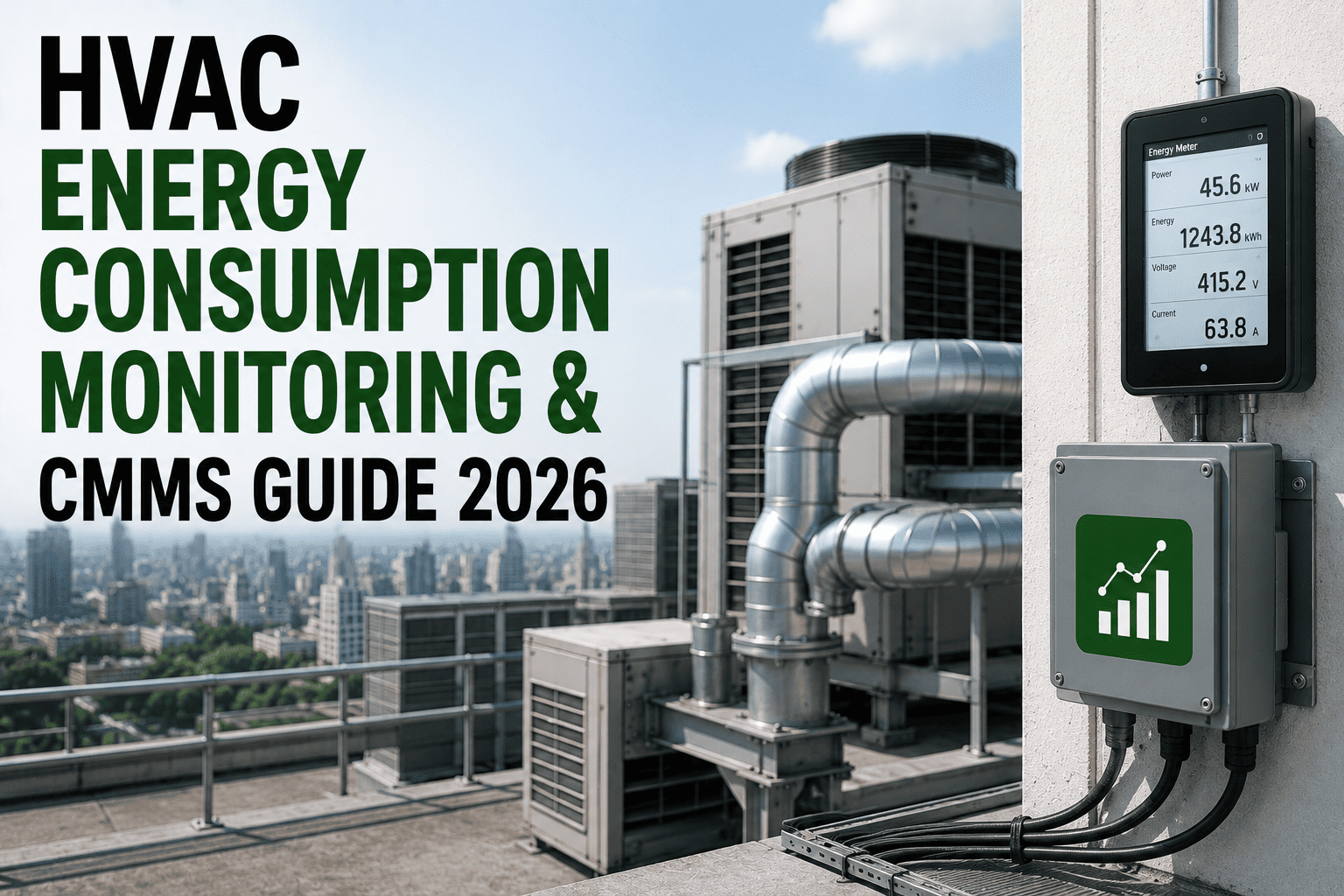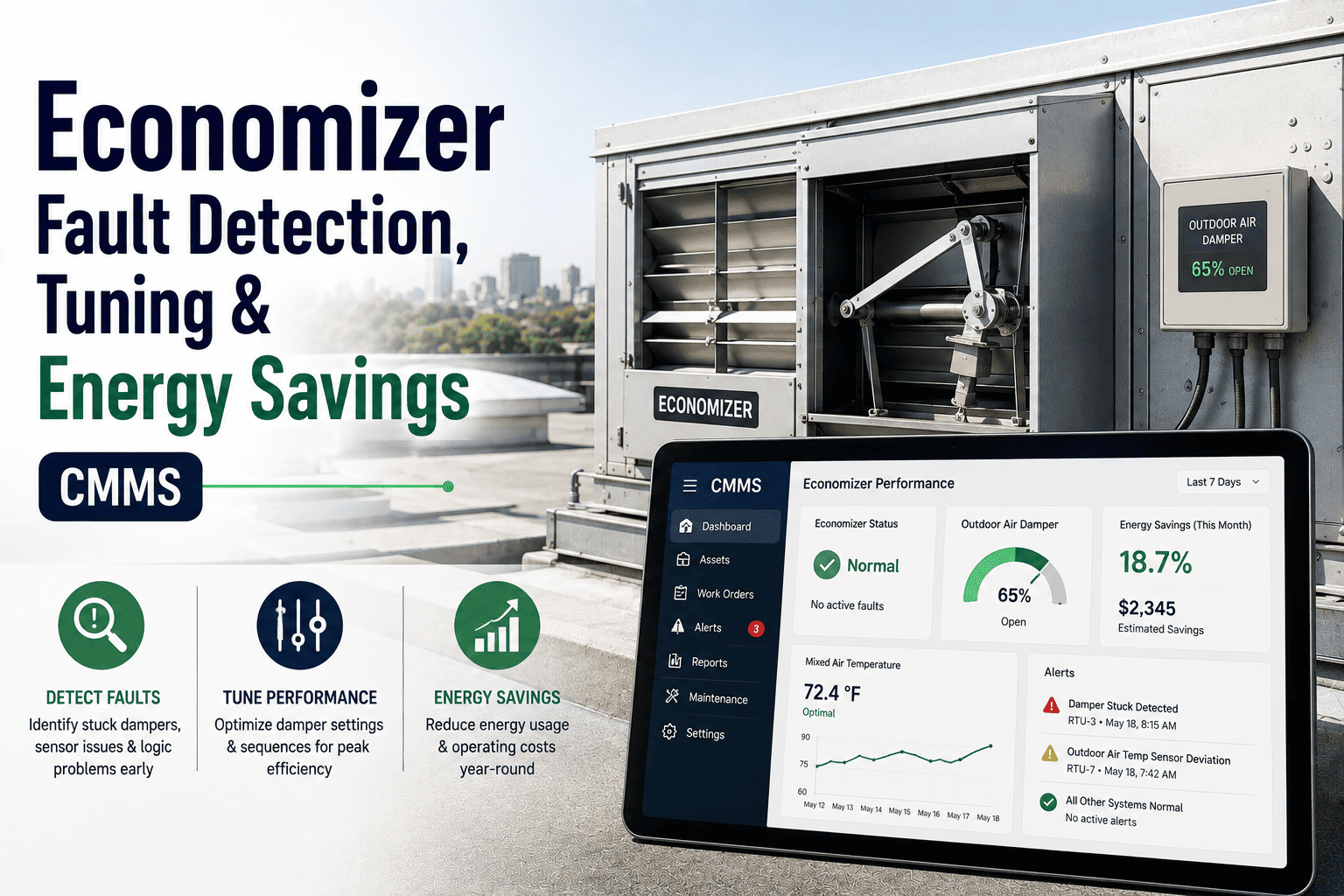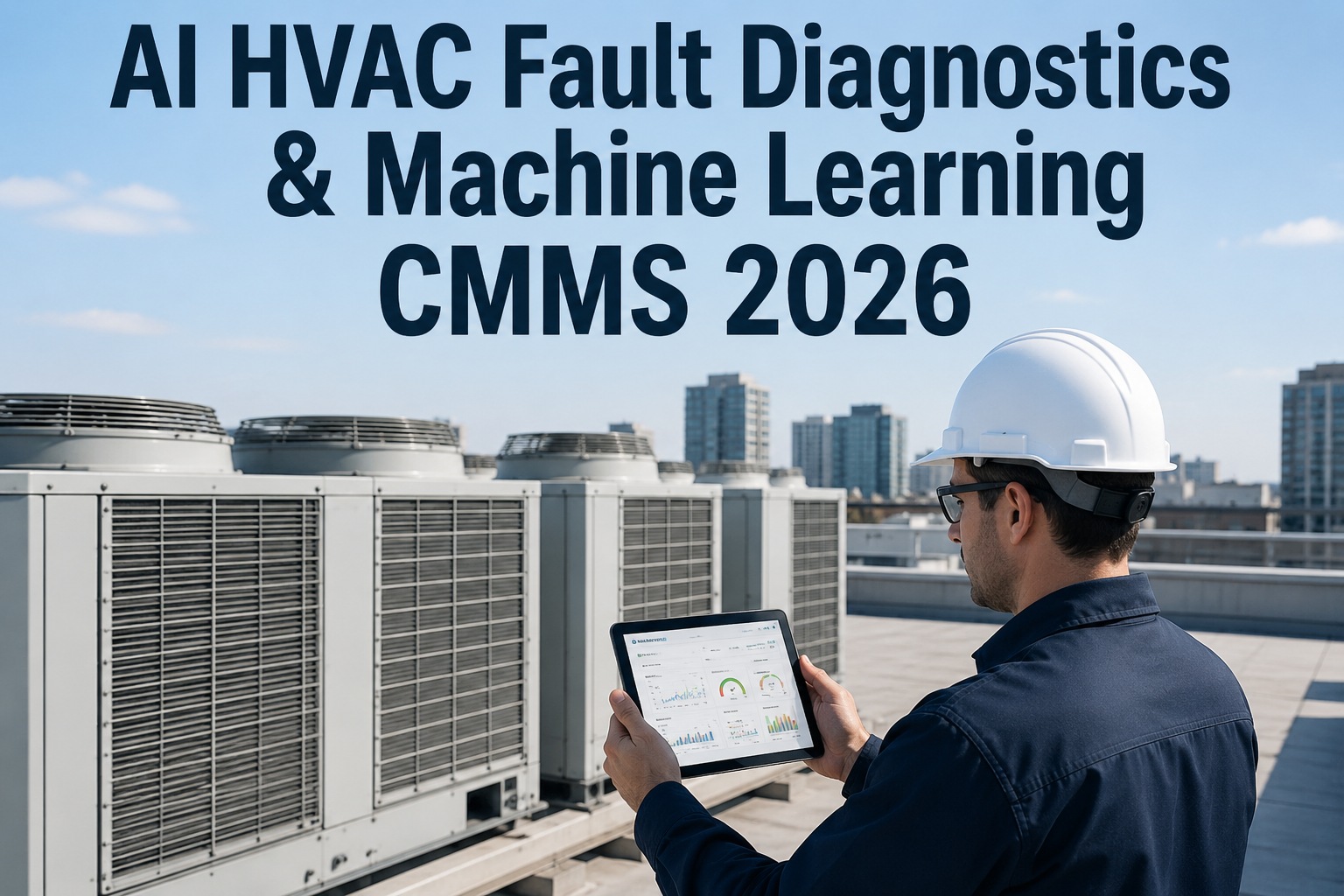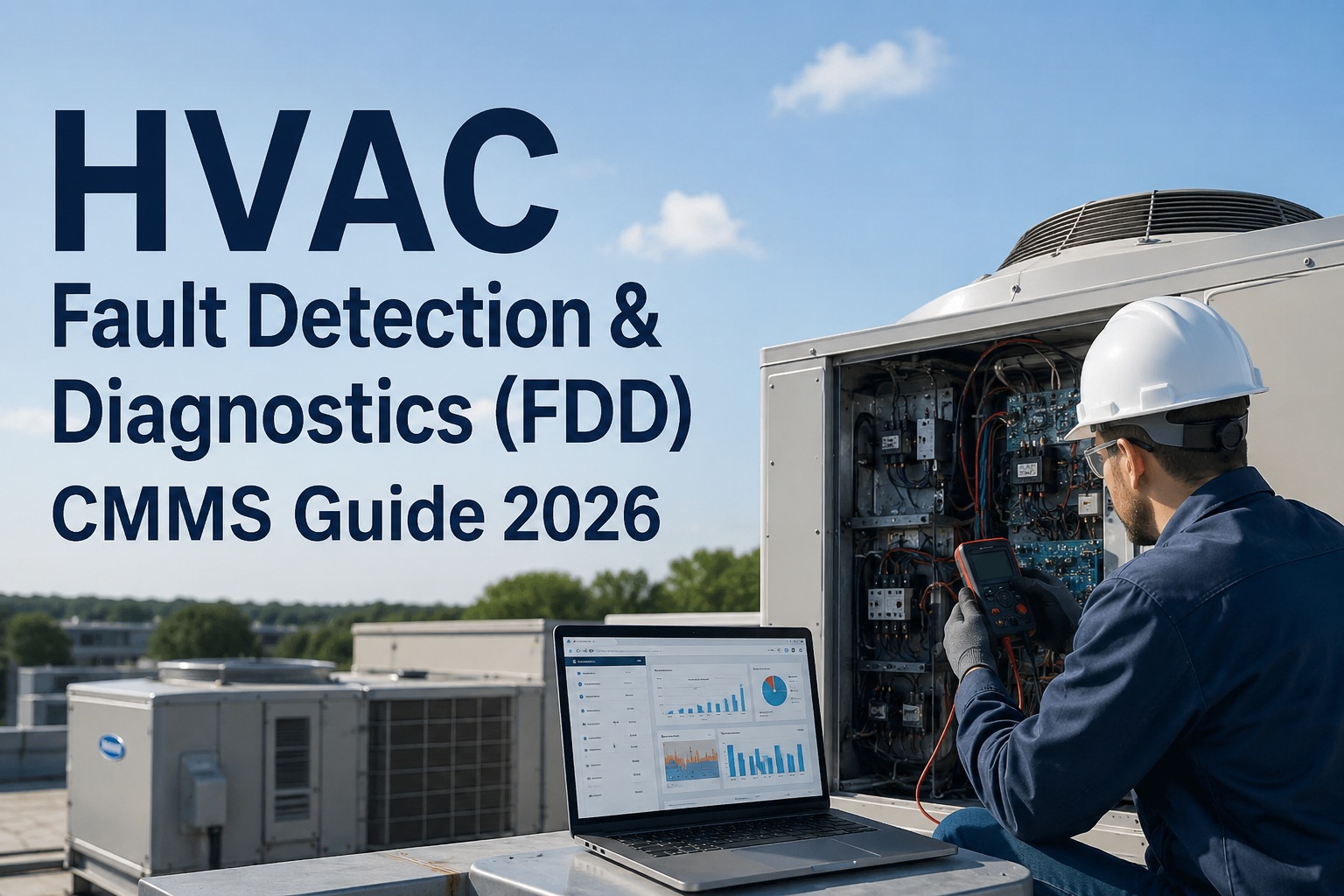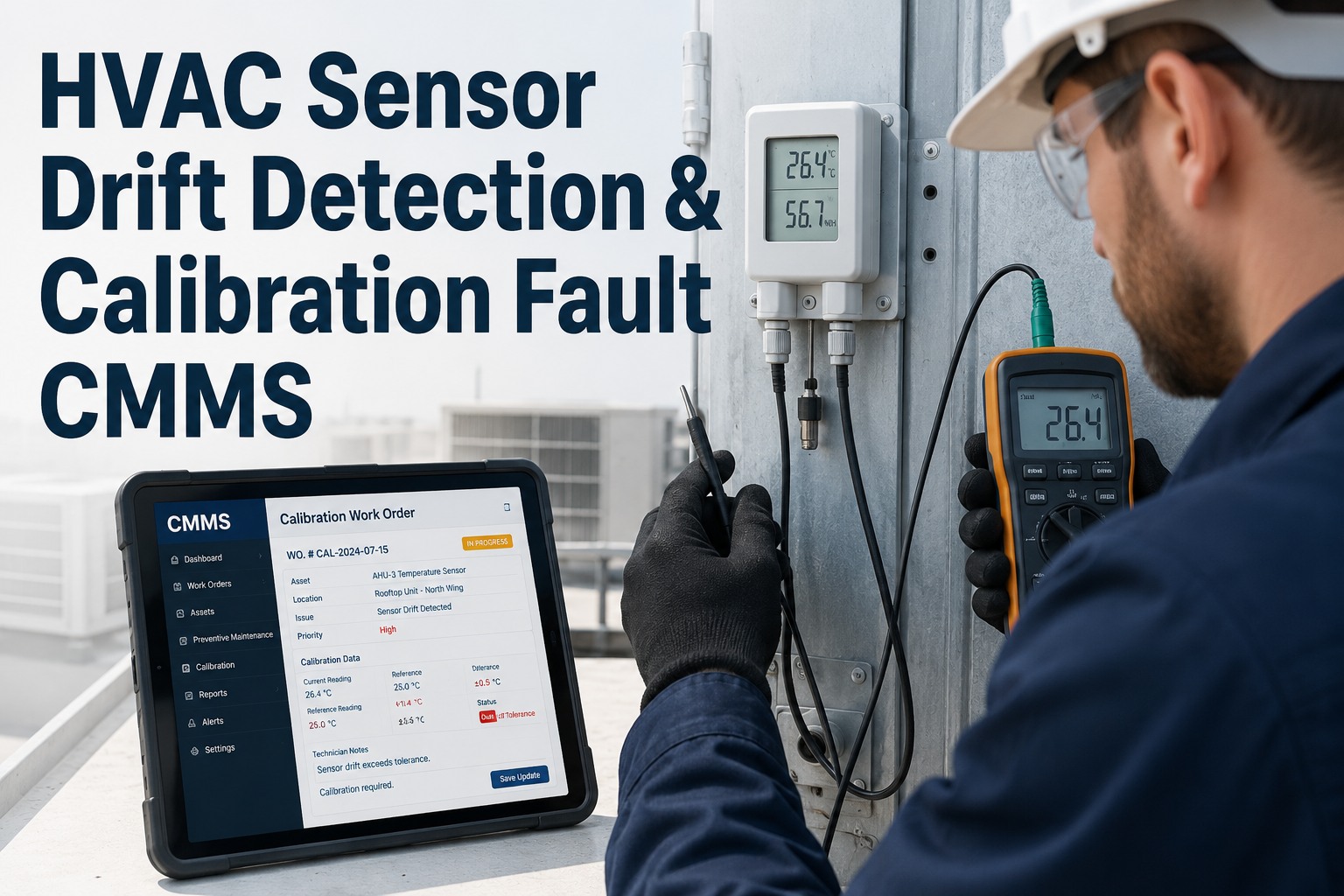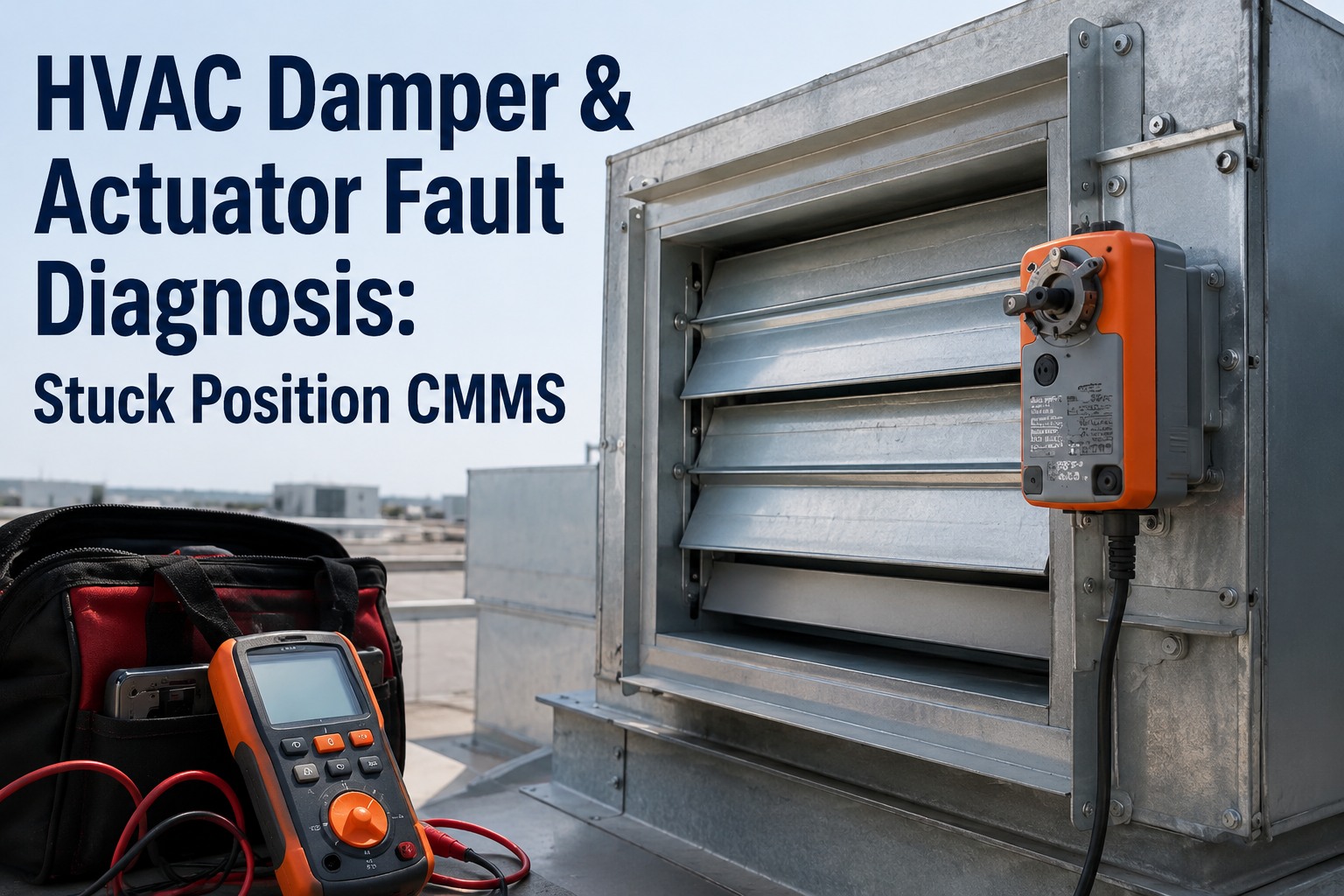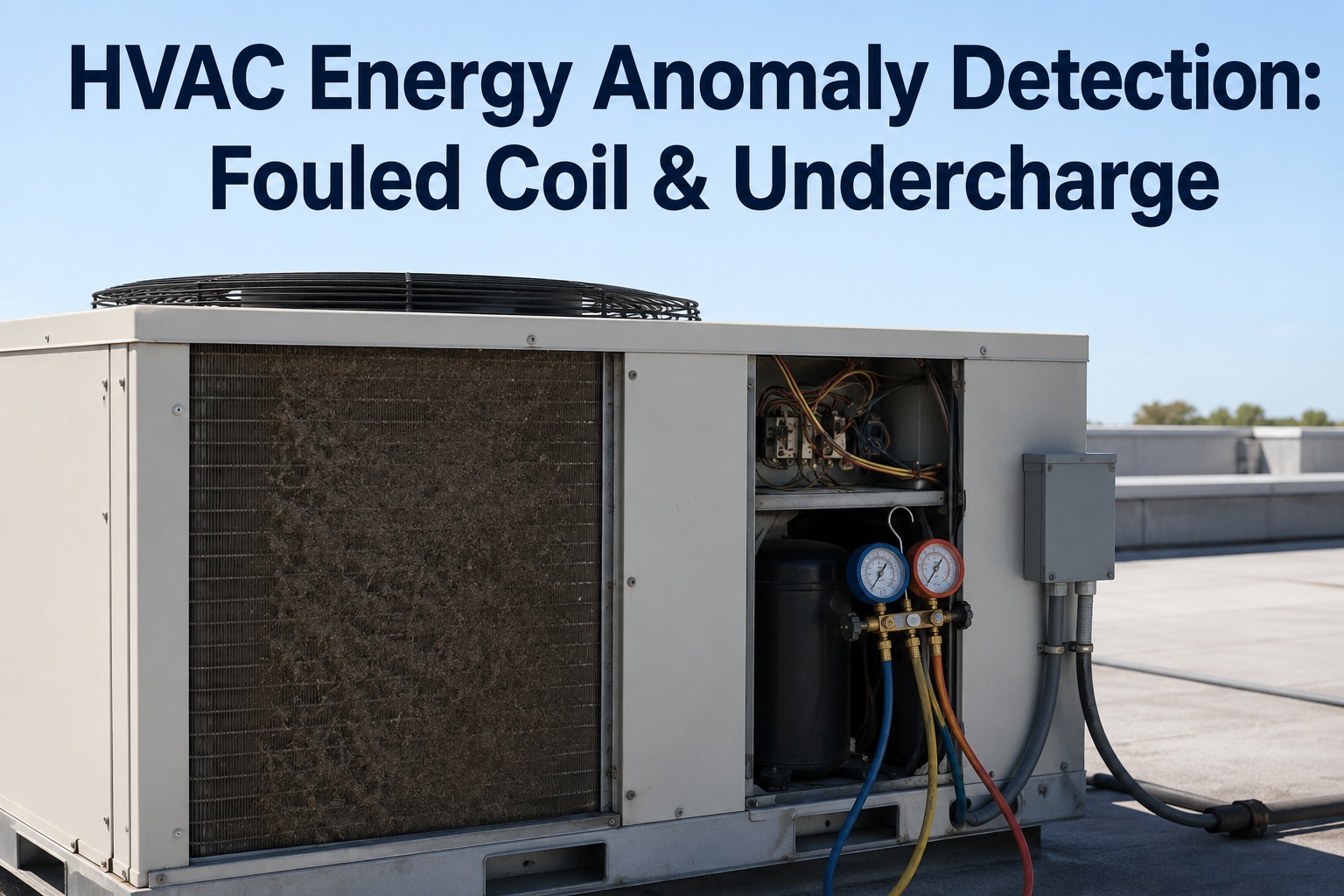
HVAC energy anomaly detection is the practice of using continuous energy consumption data, motor current signatures, and refrigerant pressure-temperature relationships to identify hidden mechanical faults like fouled coils, refrigerant undercharge, and stuck dampers before they escalate into catastrophic equipment failures. By analyzing HVAC fault energy patterns through a CMMS-based anomaly tracking system, maintenance and reliability teams can pinpoint exactly when a rooftop unit or chiller begins deviating from its baseline power profile, often catching degradations weeks before a comfort complaint or high-temperature alarm is ever triggered. This HVAC anomaly guide breaks down how to interpret these energy data patterns, map specific electrical anomalies to their mechanical root causes, and automatically convert an anomaly to a work order without relying on manual log reviews. Facilities using energy pattern detection for HVAC routinely cut unplanned downtime by 30–50% and reduce emergency repair spend by thousands of dollars per asset annually. To see how automated anomaly tracking works on your equipment, Start Free Trial of the OxMaint platform today.
How much energy is your fouled coil wasting right now?
A 15% reduction in HVAC heat-transfer efficiency — caused by an undetected fouled coil or refrigerant undercharge — can increase compressor power draw by 25% or more, silently inflating your monthly utility bill until the compressor fails entirely. Energy anomaly detection spots these deviations in real time and converts them into prioritized work orders automatically.
HVAC Energy Anomaly Detection: What the Data Tells You
Every HVAC fault leaves a measurable fingerprint in your energy data. When a coil fouls, refrigerant charge drops, or a damper actuator sticks, the compressor and supply fan work harder to meet the same load — and the kilowatt-hour curve shifts upward while the thermal output stays flat. By implementing energy pattern detection for HVAC assets, maintenance teams can spot a 5–10% power deviation within 48 hours of onset, long before the space temperature drifts enough to trigger a tenant complaint. The table below maps the three most common HVAC anomalies to their specific energy signatures and mechanical root causes.
| HVAC Anomaly | Energy Data Signature | Mechanical Root Cause | Cost Impact if Ignored |
|---|---|---|---|
| Fouled Coil Energy Anomaly | Compressor kW rises 15–25% while ΔT across the evaporator drops by 3–5°F | Dirt, biological growth, or debris blocking airflow across fins | $1,200–$4,500/yr per RTU in excess energy + premature compressor burnout |
| Refrigerant Undercharge Detection | Superheat climbs above 15°F; compressor amperage drops 8–12% but runtime doubles | Refrigerant leak at schrader valves, evaporator coil, or brazed joints | Compressor overheating, $3K–$8K emergency replacement, 6–12 hrs downtime |
| Damper Error Detection | Supply fan kW spikes 20% during economizer mode; outdoor air temp does not match mixed air calc | Stuck actuator, broken linkage, or failed position sensor on economizer dampers | Free cooling lost; mechanical cooling runs year-round, adding 30%+ to seasonal energy cost |
| Condenser Fouling | Head pressure rises 30–50 PSI above design; condenser fan amperage increases 10% | Airborne debris, pollen, or cottonwood clogging condenser coils | 15% efficiency loss per 10°F of elevated subcooling; accelerated fan motor failure |
How to Detect a Fouled Coil Energy Anomaly Before It Fails
A fouled coil is the single most common — and most easily corrected — HVAC energy anomaly, yet it often goes undetected for months because the unit still "keeps up" with the thermostat setpoint. The key indicator is a rising compressor kilowatt-draw trend with a simultaneously declining evaporator temperature differential. When energy anomaly CMMS software continuously logs compressor amperage, supply and return air temperatures, and outdoor air temperature, it can calculate a live Coefficient of Performance (COP) trend for each rooftop unit. A 10% drop in COP over a 7-day rolling average is the trigger threshold for a coil cleaning work order.
Baseline Power Profiling
OxMaint captures 30 days of compressor kW, fan amperage, and ΔT data to establish a clean-baseline performance profile for each HVAC asset at a given outdoor air temperature band.
Deviation Detection
AI algorithms compare live power consumption against the baseline every 15 minutes. A sustained 8%+ kW increase with a falling ΔT flags a potential fouled coil energy anomaly within hours.
Automated Verification
The system cross-checks filter pressure drop, fan VFD speed, and recent PM logs to rule out a clogged filter or belt slippage before confirming the fault is coil fouling.
Anomaly to Work Order
Once confirmed, OxMaint auto-generates a priority-ranked work order with the fault code, energy impact estimate, coil cleaning checklist, and assigns it to the next available technician.
Refrigerant Undercharge: The Silent Compressor Killer
Unlike a fouled coil, a refrigerant undercharge often presents a paradoxical energy pattern: compressor amperage actually drops because there is less refrigerant mass to compress, but the unit runs nearly continuously to satisfy the load. This extended runtime pattern is what energy anomaly detection systems flag. A 10% refrigerant undercharge can reduce cooling capacity by 18–20%, while a 30% undercharge can cause the compressor to run 24/7, overheating the motor windings and destroying the lubricant film. By the time the low-pressure safety lockout triggers, the compressor is often already damaged beyond repair.
How OxMaint Turns HVAC Anomaly Tracking Into Savings
The gap between detecting an energy anomaly and fixing it is where most facilities lose money. Traditional BMS alarms get acknowledged and ignored; spreadsheet-based tracking falls behind within a week. OxMaint closes that loop by automatically converting energy fault detection events into tracked, prioritized, and assignable work orders — with full asset history, parts availability, and energy-cost impact attached to every ticket. Here is how OxMaint's AI-powered CMMS maps directly to HVAC anomaly resolution:
Predictive Energy Monitoring
OxMaint ingests real-time power meter and sensor data, applying machine-learning baselines to each HVAC asset. When a fouled coil energy anomaly or undercharge pattern emerges, the platform flags it instantly — cutting detection time from weeks to hours and reducing unplanned downtime by 30–50%.
Anomaly to Work Order Automation
No more manual log reviews or clipboard inspections. When the system confirms an HVAC fault energy pattern, OxMaint auto-generates a work order pre-loaded with the fault description, energy waste estimate, required parts, and step-by-step repair checklist — assigned to the right technician based on skill and availability.
Asset & Parts Inventory Sync
Every HVAC anomaly work order checks spare-parts inventory in real time — refrigerant cylinders, contactors, capacitors, coil cleaner — so technicians arrive with everything needed on the first trip. This eliminates the 40% of return trips caused by missing parts and keeps critical RTUs online.
Energy Savings Analytics Dashboard
Track the exact kilowatt-hour and dollar savings from every anomaly resolution. OxMaint's analytics dashboard shows pre- and post-repair energy consumption trends, validating maintenance ROI and supporting ISO 50001 energy management and corporate sustainability reporting requirements.
Stop paying for hidden HVAC energy waste.
Book a 30-minute demo and see how OxMaint's energy anomaly detection catches fouled coils, refrigerant undercharge, and damper faults before they drain your budget — and auto-generates the work order to fix them.
Real-World Scenario: 180-Asset Manufacturing Plant
A 180-asset plastics manufacturing plant in Ohio was spending an estimated $42,000 per year in excess HVAC energy costs without knowing it. Their maintenance team relied on quarterly filter changes and reactive service calls — no continuous monitoring, no energy data integration. After implementing OxMaint's CMMS energy anomaly detection, the platform identified 14 rooftop units with fouled coil energy anomalies and 3 units with refrigerant undercharge within the first 30 days of baseline profiling. Automated work orders dispatched technicians to clean coils, repair leaks, and recharge systems within a single PM cycle. The plant recovered $38,400 in annual energy savings, reduced emergency repair calls by 60%, and achieved a 4.2-month payback on the OxMaint subscription. The status quo — spreadsheet tracking and reactive maintenance — had been quietly costing them more than the software itself.
Frequently Asked Questions
What is HVAC energy anomaly detection?
HVAC energy anomaly detection is the process of continuously monitoring equipment power consumption, compressor amperage, and temperature differentials to identify deviations from a clean-baseline performance profile. When a fouled coil, refrigerant undercharge, or damper error causes energy use to spike without a corresponding increase in cooling output, the system flags it as an anomaly and triggers a maintenance work order — often weeks before a traditional temperature alarm would fire.
How does a CMMS help with energy anomaly tracking?
A CMMS like OxMaint bridges the gap between detection and action. It ingests live energy and sensor data, applies AI baselines to each asset, and when an HVAC fault energy pattern is confirmed, automatically generates a priority-ranked work order with fault details, parts requirements, and repair checklists. This eliminates manual log reviews and ensures anomalies are resolved before they escalate into equipment failures. You can Book a Demo to see the full workflow on live equipment data.
How much energy does a fouled coil waste?
A moderately fouled evaporator or condenser coil typically increases compressor power consumption by 15–25% while reducing cooling capacity by 10–18%. For a standard 10-ton commercial RTU running 2,500 hours per year, that translates to approximately $1,200–$4,500 in wasted electricity annually — and significantly more if the added heat stress triggers a premature compressor failure costing $5,000–$8,000.
What is the difference between refrigerant undercharge and overcharge energy patterns?
An undercharge typically shows reduced compressor amperage (less refrigerant mass to compress) but extended runtime as the unit struggles to meet load, driving up total kWh. An overcharge shows elevated head pressure and higher compressor amperage with shorter, more frequent cycles. Both increase energy consumption, but undercharge is far more common and more destructive because it starves the compressor of cooling, leading to motor burnout.
Can OxMaint integrate with our existing BMS or IoT sensors?
Yes. OxMaint integrates with most Building Management Systems (BMS), IoT power meters, and HVAC controllers via standard protocols including BACnet, Modbus, and REST APIs. This allows the platform to pull real-time energy and sensor data directly from your existing infrastructure — no rip-and-replace required. Start Free Trial to connect your first assets and see anomaly detection live within minutes.
See OxMaint on your assets — book a 30-min demo.
Discover how AI-powered energy anomaly detection can cut your HVAC energy waste, eliminate unplanned downtime, and auto-generate work orders the moment a fault appears.
Free 14-day trial · No credit card