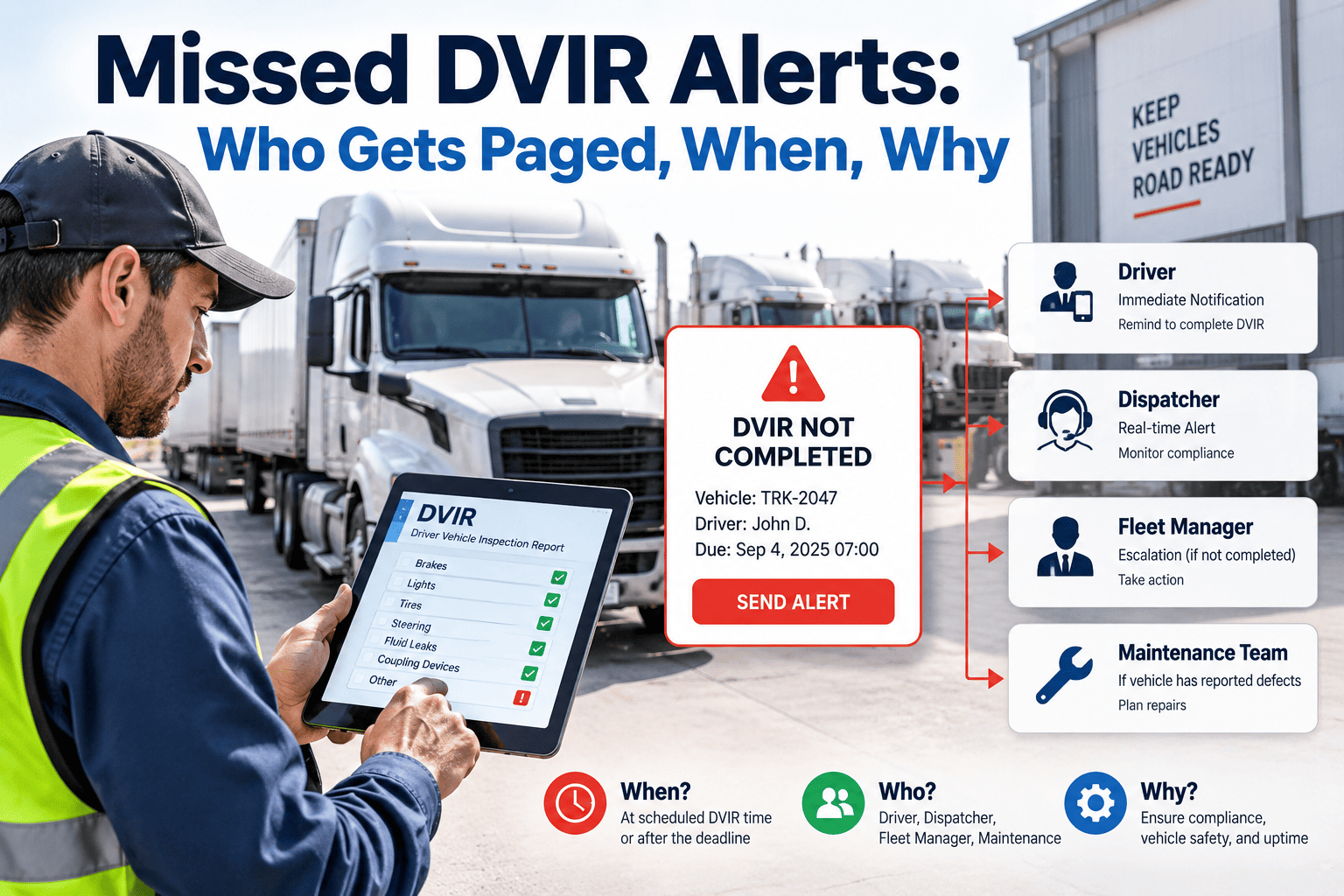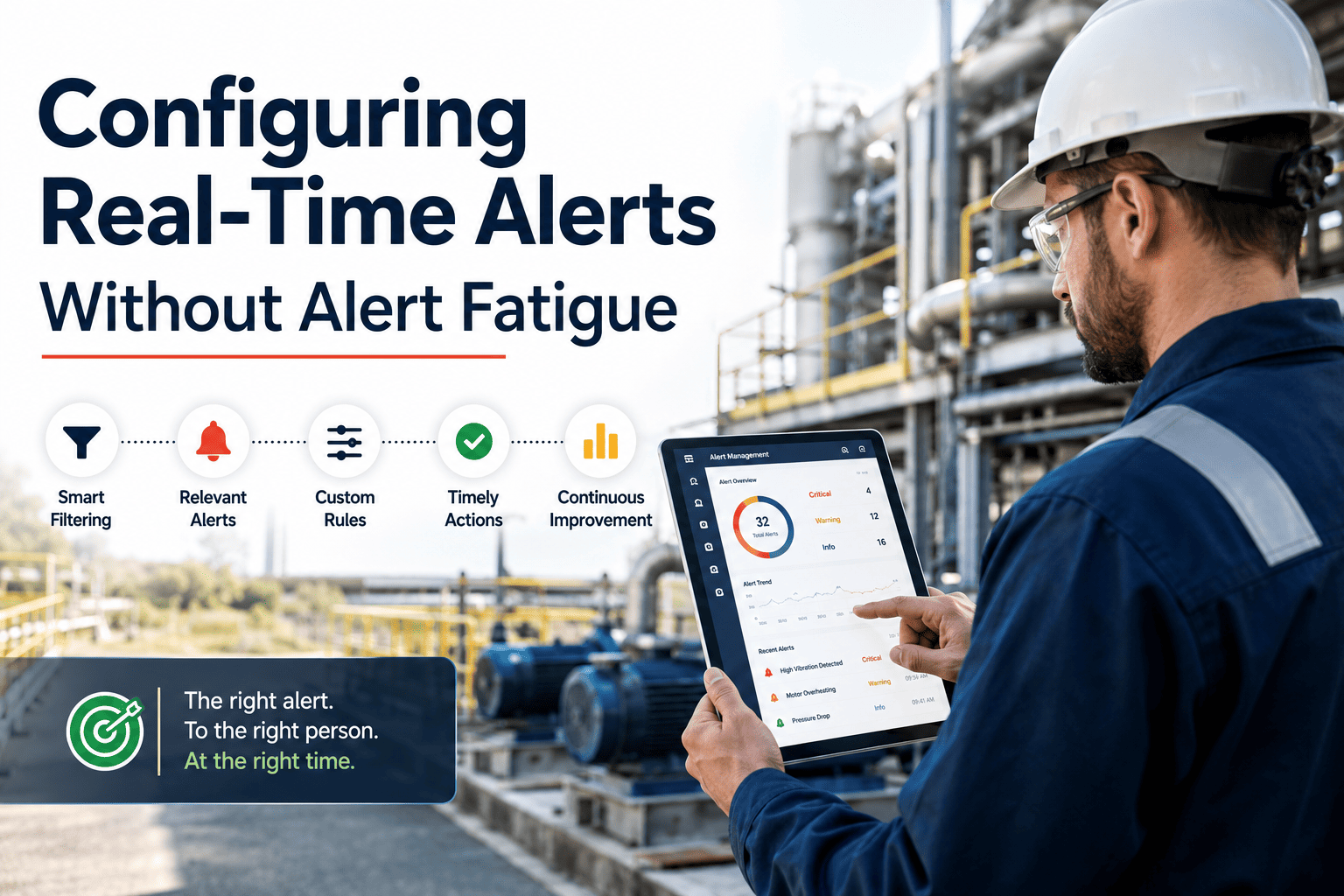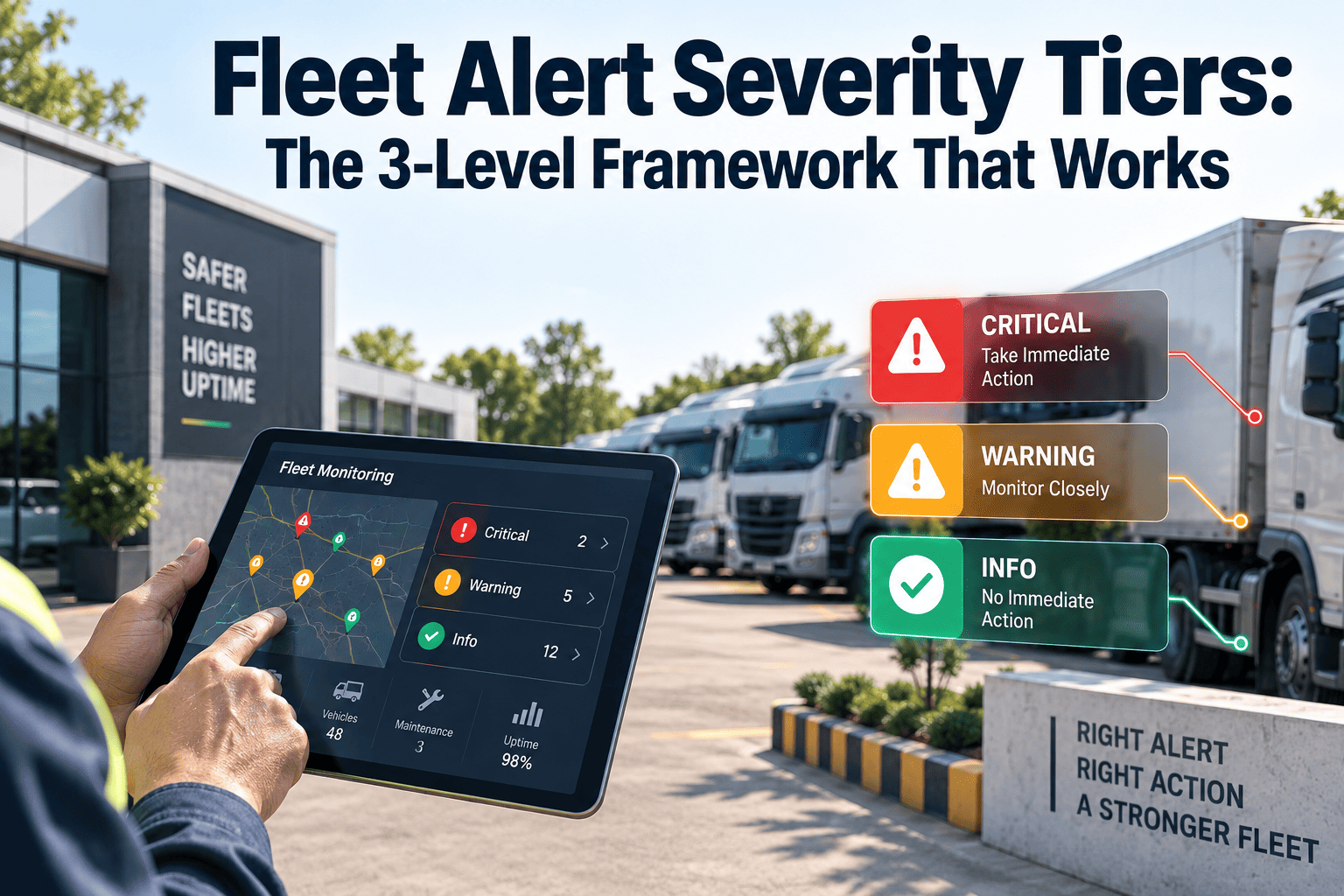
Every fleet management system eventually hits the same wall — too many alerts, not enough hours in the day to act on all of them. A dispatcher who gets a text message for a low tire and a text message for an engine-off-while-moving event, both formatted identically, will eventually stop reading either one. The problem is not alert volume, it is alert flattening: treating a $50 fix and a $50,000 failure as the same priority level. Fleets that fix this do it with a structured severity framework, not a longer notification list, and the fix usually takes less time to implement than the current alert backlog took to accumulate. That structure is the same three-tier model OxMaint applies automatically to every incoming fault code and threshold breach.
Stop Every Alert From Looking Equally Urgent
OxMaint automatically classifies incoming alerts into Critical, Warning, and Info tiers based on fault severity and asset risk, routing each to the right team through the right channel.
Why Flat Alert Lists Fail at Fleet Scale
A ten-vehicle fleet can survive a flat alert list because a manager can eyeball every notification and mentally triage it. A 200-vehicle fleet cannot — the volume of DTC codes, geofence breaches, harsh-braking events, and PM due-dates arriving daily makes manual triage physically impossible, and the result is predictable: the team either drowns in notifications and starts ignoring the channel entirely, or they build informal shortcuts that miss real failures because nothing distinguishes a derate-triggering fault from a routine oil-life reminder.
The fix is not fewer alerts, it is structured severity. A three-level framework — Critical, Warning, Info — gives every alert a predictable destination, a predictable urgency, and a predictable owner, before a human ever has to read it and decide what it means. This is the same triage logic used in hospital emergency departments and industrial SCADA systems, applied to fleet fault codes and telematics thresholds.
Building the Framework: What Belongs in Each Tier
The hardest part of building a severity framework is not the three-level structure itself, it is deciding where individual alert types belong — and getting cross-functional agreement so dispatch, maintenance, and safety are not each running their own informal version of the same tiers.
| Alert Type | Tier | Response Target | Routed To |
|---|---|---|---|
| Engine derate / immobilisation | Critical | Under 15 minutes | Dispatch + Maintenance Manager (call/SMS) |
| Brake system fault code | Critical | Under 15 minutes | Safety + Maintenance Manager (call/SMS) |
| Coolant overtemp warning | Warning | Within 2 hours | Maintenance queue (app notification) |
| Tire pressure below threshold | Warning | Same shift | Maintenance queue (app notification) |
| PM due within 500 miles | Warning | Same day | Scheduling dashboard |
| Idle time / fuel report | Info | No action, logged | Weekly digest report |
Routing Rules: Channel Matches Urgency
A severity tier only works if the notification channel matches the urgency — a Critical alert buried in the same email digest as twelve Info items defeats the purpose of tiering it in the first place. The routing layer is what turns a classification system into an operational one.
This structure also solves the after-hours problem that flat alert systems struggle with. Off-shift, only Critical alerts should escalate to an on-call phone — Warning and Info tiers wait for the next shift by design, which means the on-call rotation is not woken up by a low tire pressure reading at 2 a.m., preserving the credibility of the escalation channel for events that actually require an immediate response.
Before we tiered our alerts, our dispatchers were getting 200-plus notifications a day and treating all of them the same — meaning none of them. After we split Critical from Warning from Info, our average response time on derate events dropped from four hours to under twenty minutes, because dispatch finally knew which messages actually needed to interrupt their day.
Let the System Decide What's Urgent, Not the Inbox
OxMaint applies the three-tier severity framework automatically to every fault code, threshold breach, and PM alert, so your team only gets interrupted for what actually matters.
Common Mistakes When Building an Alert Tier System
Fleets that attempt severity tiering without a structured rollout tend to repeat the same handful of mistakes, most of which undermine the framework within the first month of use.
Too Many Tiers
Five or six severity levels sound more precise but create the same decision paralysis as no tiers at all. Three levels is the ceiling most operations teams can act on consistently.
Static Tiers That Never Get Reviewed
A tier assignment made once and never revisited drifts out of date as fleet composition and duty cycles change. Quarterly review of tier assignments keeps the framework accurate.
No Escalation Path for Unacknowledged Alerts
A Critical alert that goes unacknowledged for an hour with no automatic escalation is functionally the same as no alert at all — the tier needs a built-in second step.
Ignoring Asset-Specific Risk
The same fault code can mean different things on a five-year-old unit versus a new one. Tiering that accounts for asset age and history is more accurate than a one-size rule.
How OxMaint Automates Severity Classification
Manually tagging every incoming alert with a severity level does not scale past a handful of vehicles, which is why OxMaint builds the classification directly into the alert ingestion pipeline, applying rules the moment a fault code or threshold breach arrives from the telematics or OBD feed.
Rule-Based Auto-Classification
Fault codes and threshold breaches are automatically tagged Critical, Warning, or Info based on configurable rules per asset class.
Escalation Timers
Critical alerts that go unacknowledged trigger automatic escalation to the next contact on the chain, with a full timestamped audit trail.
Channel-Matched Delivery
Each tier routes to its configured channel — SMS, push, dashboard, or weekly digest — without manual sorting by the recipient.
Tier Analytics
Monthly reporting shows tier distribution and response-time trends per tier, so the framework itself can be tuned over time.
Frequently Asked Questions
What is a fleet alert severity framework?
It is a structured classification system, typically three tiers, that assigns urgency and routing rules to every alert type so critical faults are never buried among routine notifications. See how OxMaint applies this automatically to incoming alerts.
How many severity levels should a fleet use?
Three levels — Critical, Warning, Info — is the practical ceiling for most operations teams. More levels add classification overhead without improving response consistency.
Should Warning alerts ever escalate to Critical?
Yes, when a Warning condition is left unresolved past a defined threshold — for example, a tire pressure warning ignored for 48 hours can be configured to escalate automatically.
Does severity tiering reduce alert fatigue?
Fleets that implement tiering typically report significant drops in ignored notifications, because only genuinely urgent events interrupt real-time channels while routine items move to digests.
Can severity tiers be customised per vehicle type?
Yes — the same fault code can carry different severity for different asset classes or ages. Book a demo to see per-asset tier configuration.
Give Every Alert the Urgency It Actually Deserves
OxMaint's tiered alert engine routes Critical, Warning, and Info notifications to the right person through the right channel automatically — no manual triage required.