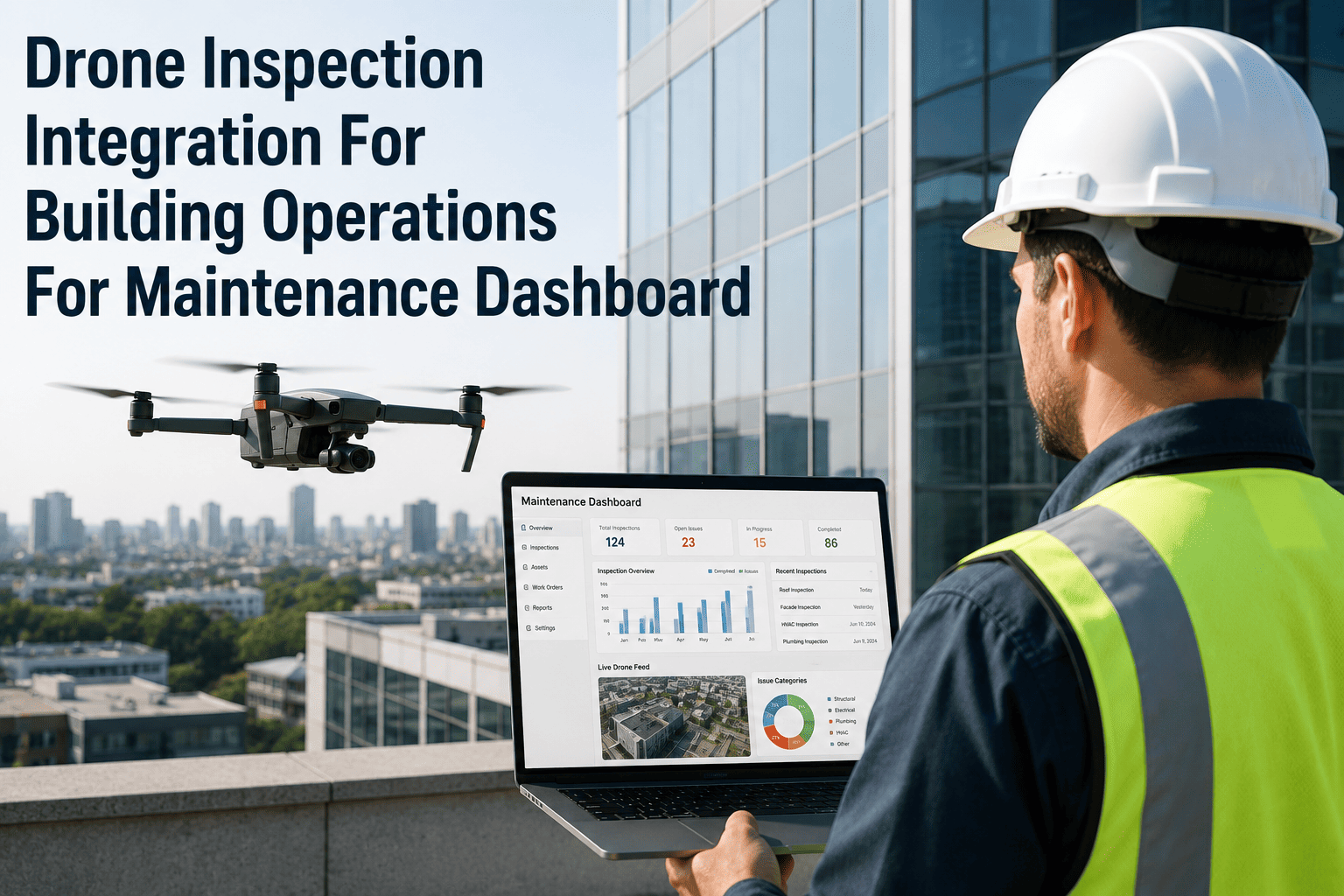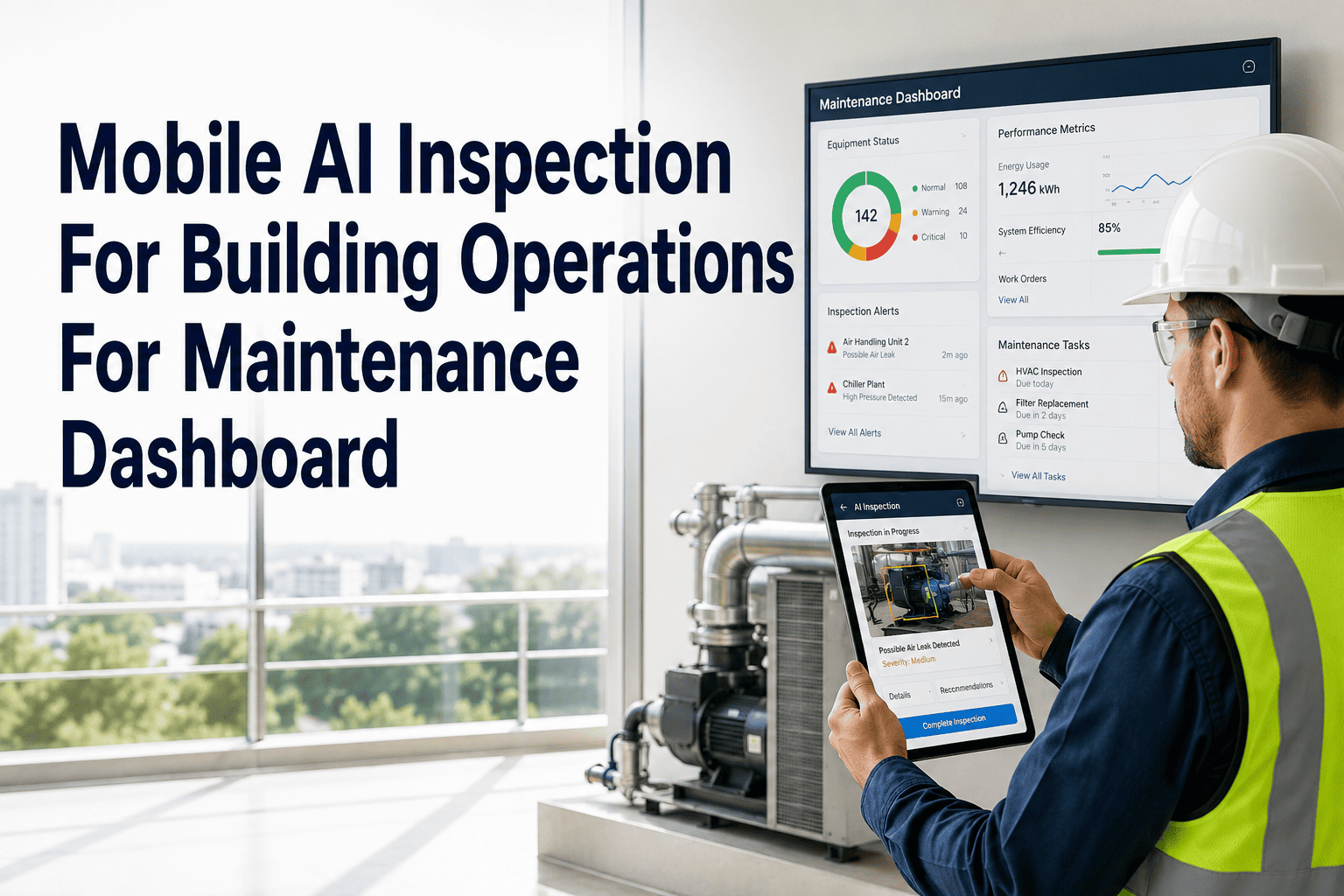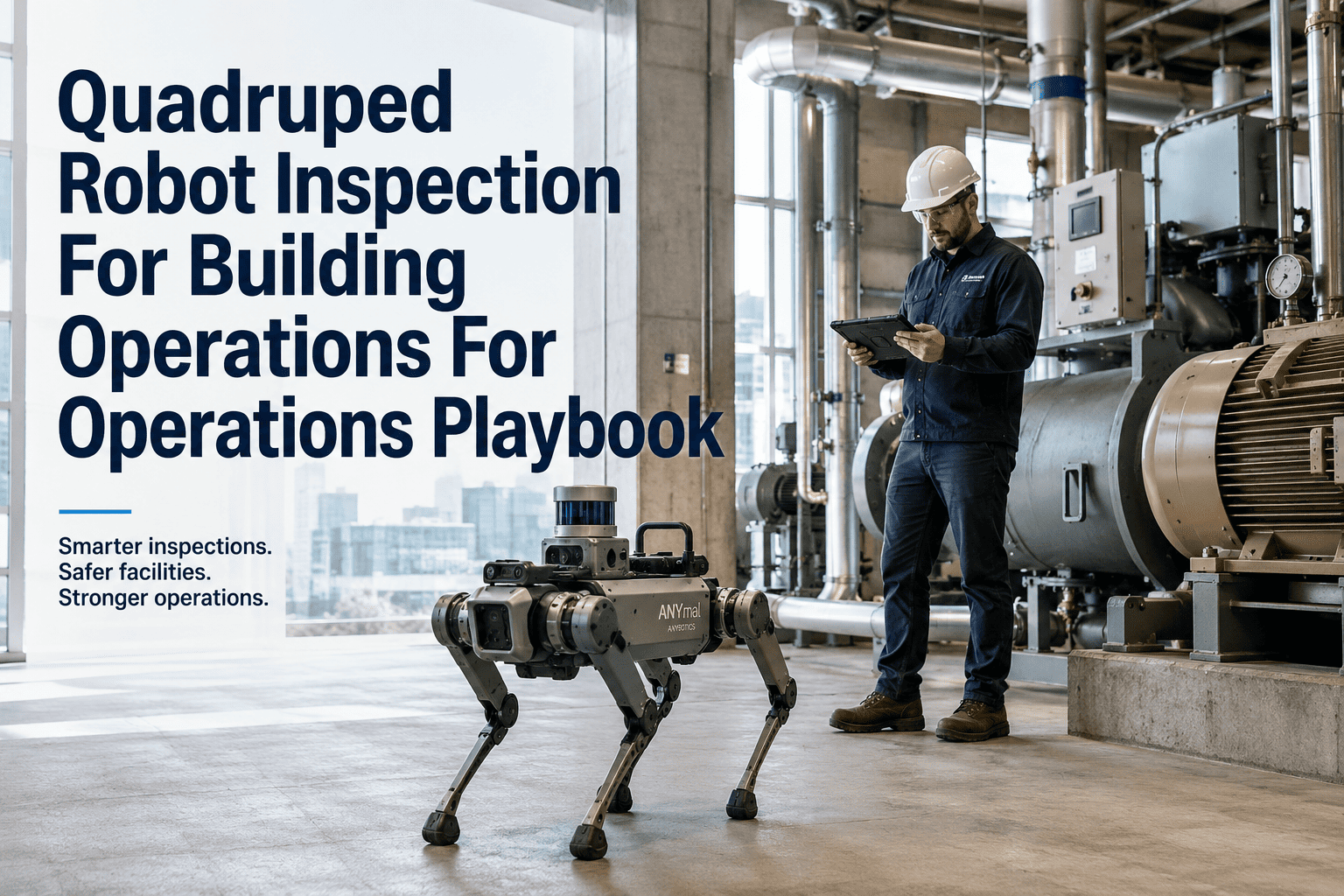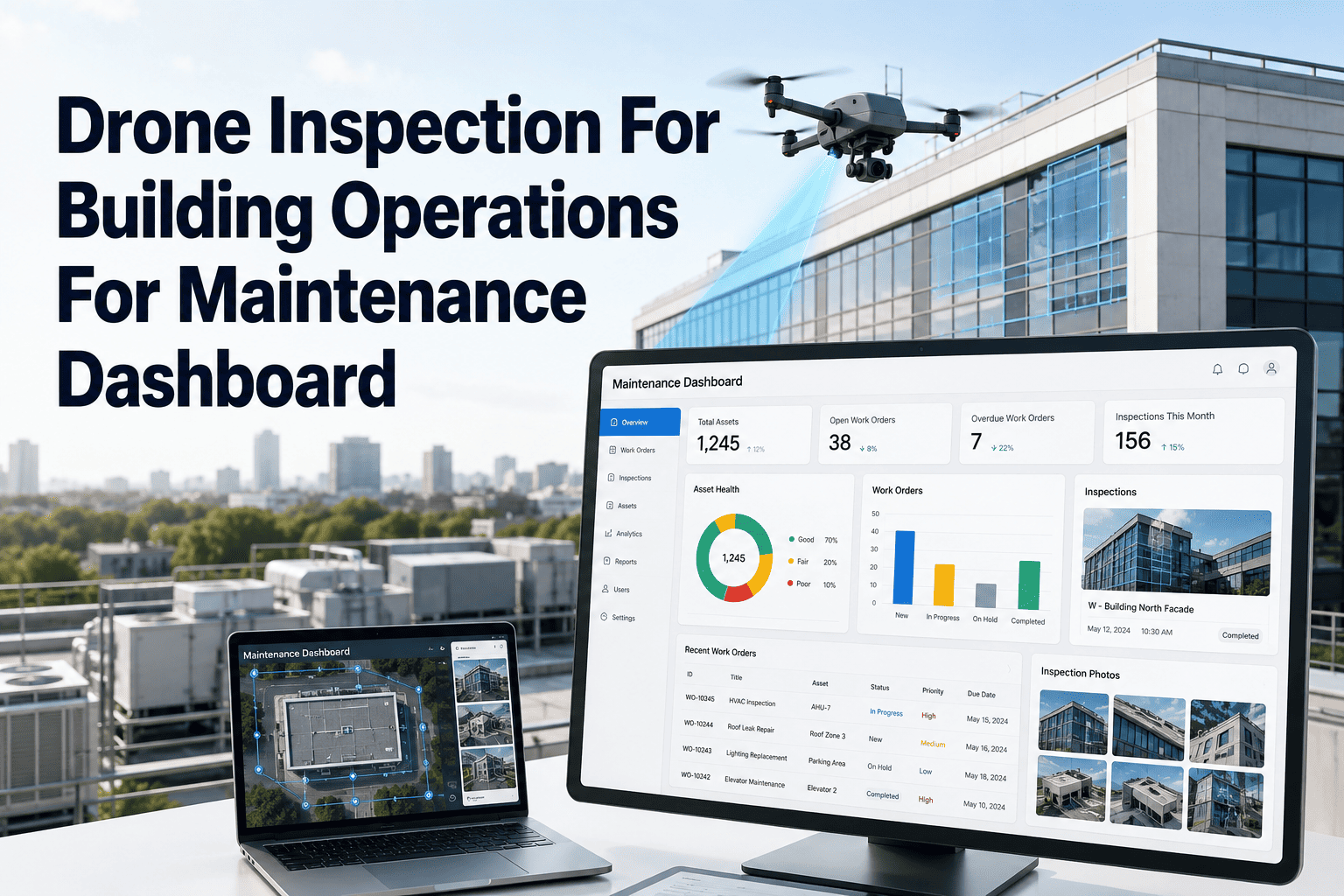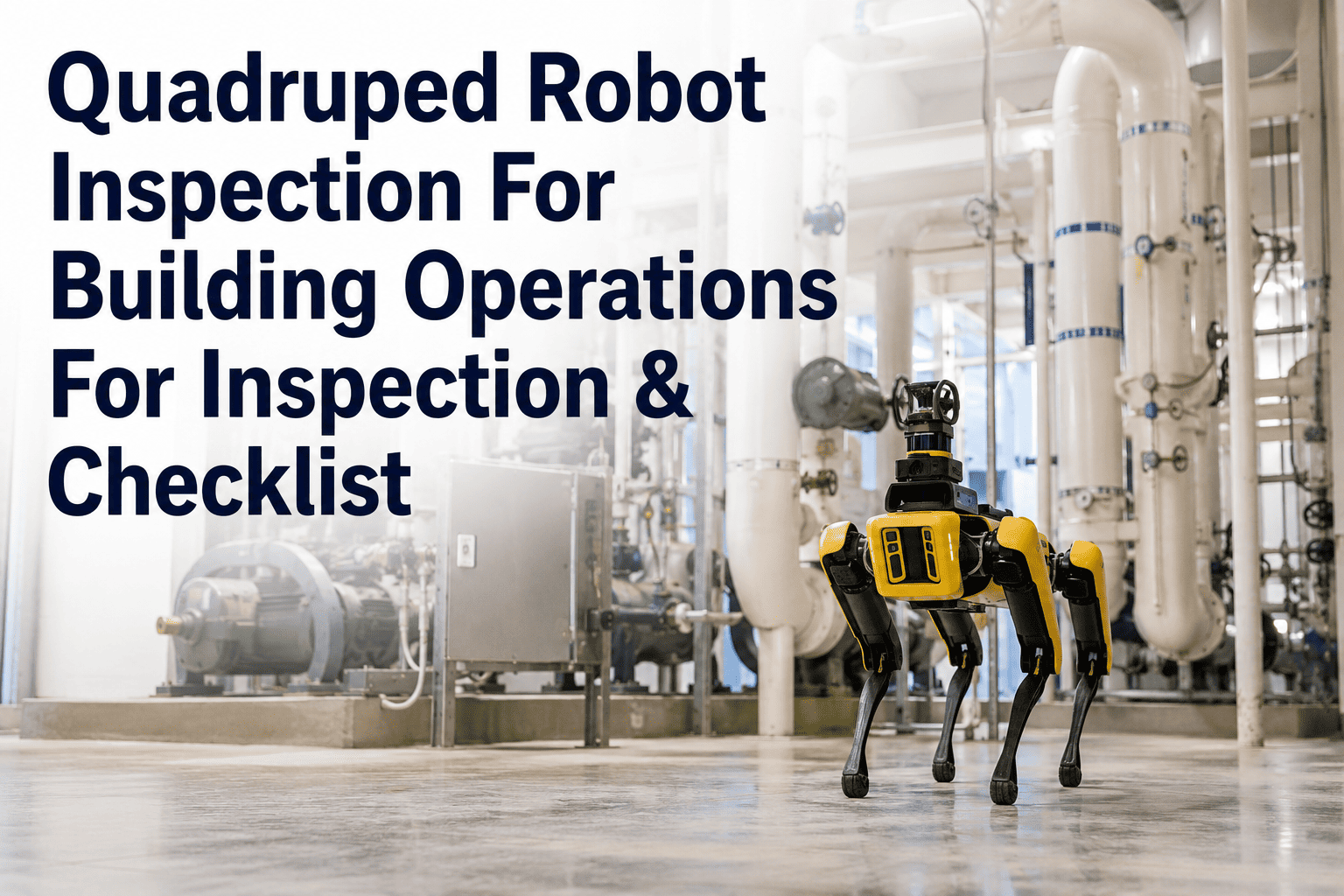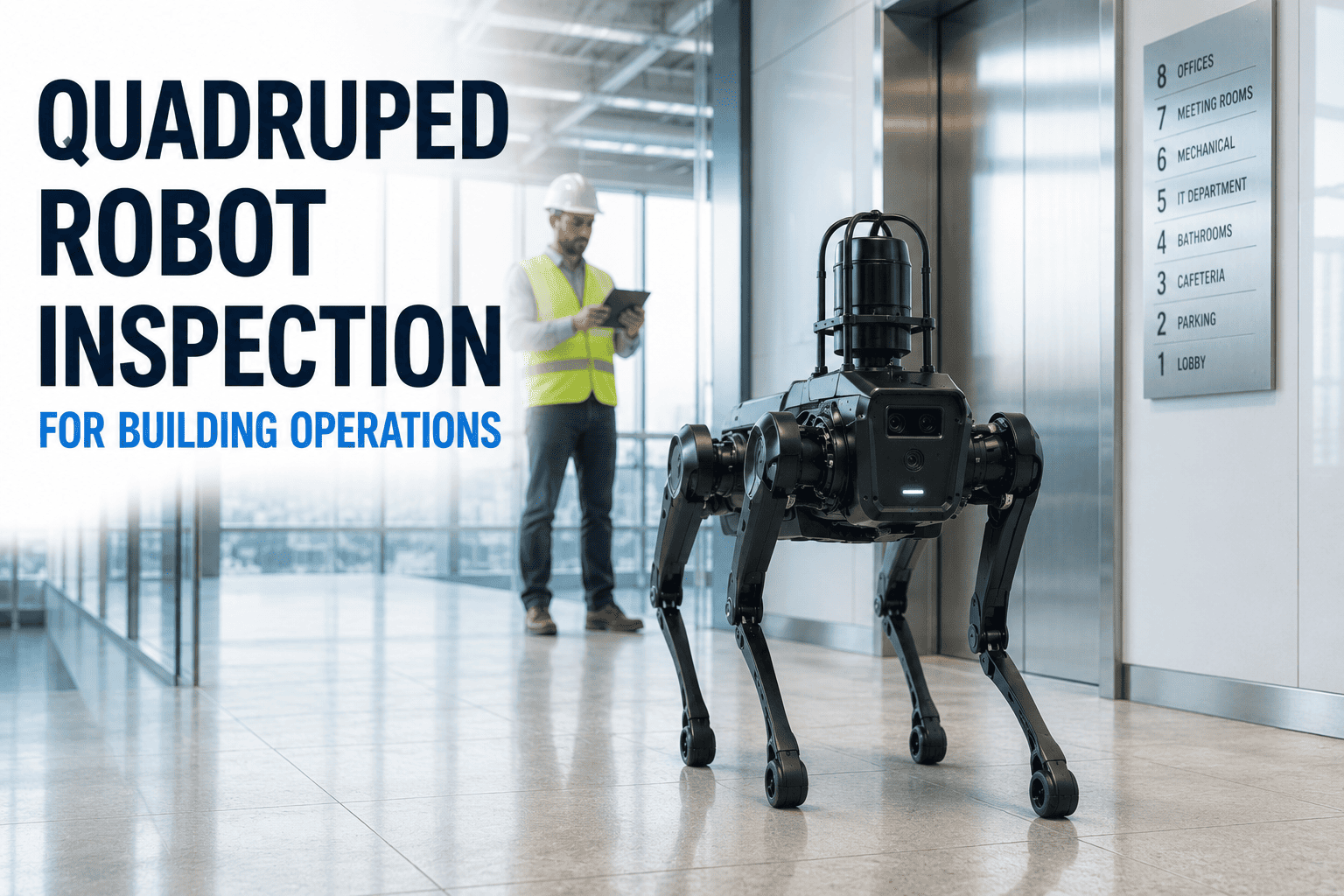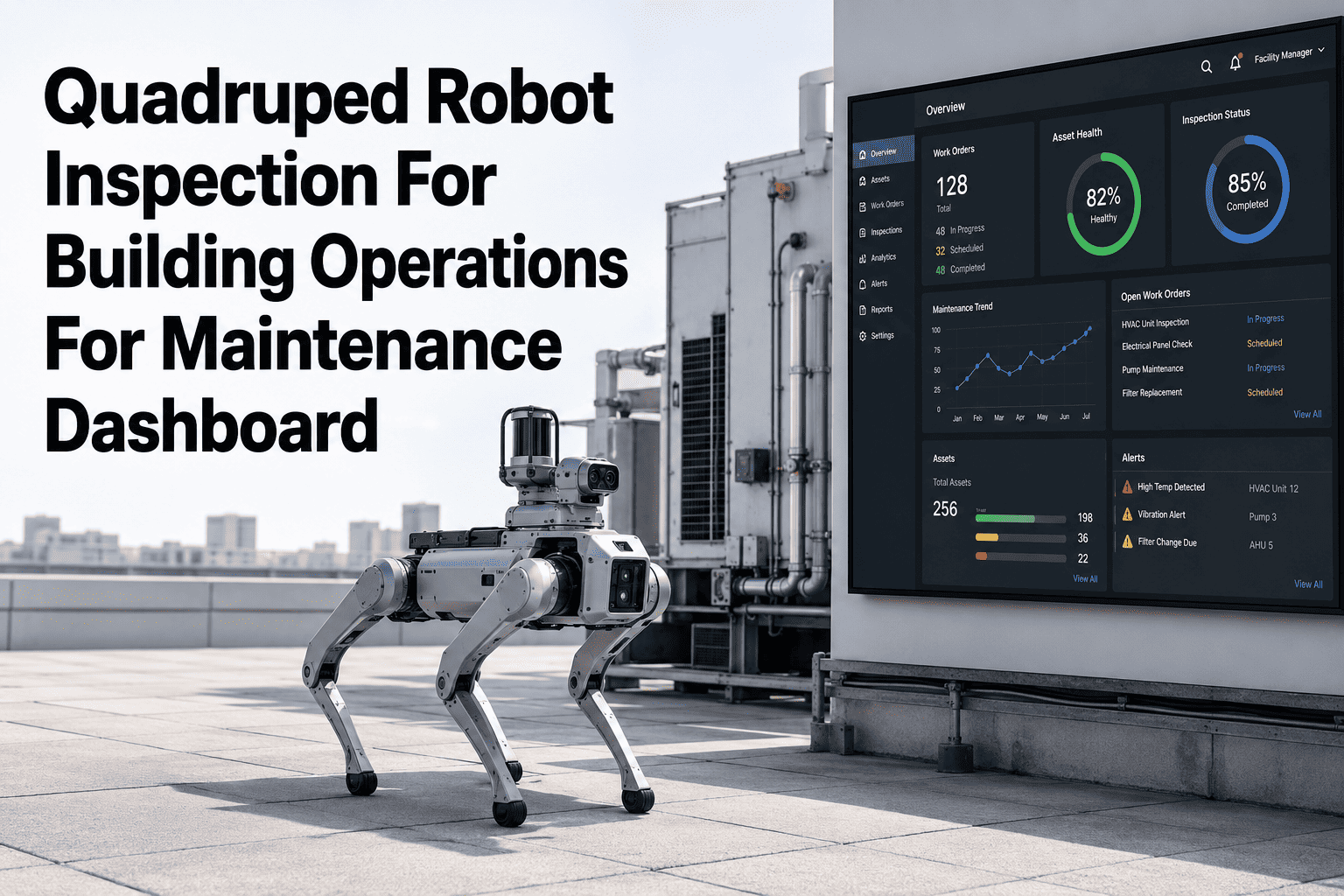
Facility engineers managing large campuses, industrial buildings, and critical infrastructure are under pressure to inspect more assets with fewer people and tighter budgets. Quadruped robots — four-legged autonomous inspection platforms — are changing how building operations teams approach routine checks, replacing manual walkthroughs with structured, repeatable, data-rich inspection cycles. OxMaint connects quadruped robot inspection feeds directly to your maintenance dashboard, automatically converting sensor readings, visual anomalies, and inspection flags into tracked work orders that your team can act on immediately — without manual data re-entry, lost reports, or inspection blind spots.
BUILDING OPERATIONS INTELLIGENCE
Quadruped Robot Inspection, Unified in One Maintenance Dashboard
From robot sensor to repair work order — OxMaint closes the loop between autonomous inspection and human action.
Why Quadruped Robots Are Replacing Manual Walkthroughs
Access Confined Zones
Robots inspect crawl spaces, rooftops, mechanical rooms, and confined equipment bays that require costly confined space entry permits for human workers.
24/7 Patrol Schedules
Autonomous platforms run inspection routes during off-hours, capturing thermal, acoustic, and visual data while your maintenance team sleeps — without overtime costs.
Repeatable Data Quality
Every robot inspection follows the same route with the same sensors, eliminating human variation and giving you trend data that's actually comparable across inspection cycles.
Instant Anomaly Flagging
Onboard AI detects temperature spikes, unusual vibration signatures, fluid leaks, and structural anomalies in real time — flagging issues before they escalate into failures.
How OxMaint Connects Robot Inspection to Work Orders
1
Robot Completes Inspection Route
Quadruped platform navigates scheduled route, capturing thermal images, acoustic readings, and visual footage at each asset checkpoint.
→
2
Data Pushed to OxMaint via API
Inspection payload — sensor readings, flagged anomalies, and timestamped photos — arrives in OxMaint automatically via webhook or direct API integration.
→
3
Work Orders Auto-Created
Flagged findings trigger corrective work orders, assigned to the right technician based on asset type, location, and urgency — no manual triage.
→
4
Dashboard Tracks Resolution
Every robot-raised finding is tracked from detection to repair closure, building a complete audit trail and informing your next inspection schedule.
68%
reduction in time-to-detect equipment anomalies using autonomous patrol vs. manual walkthroughs
3.2x
more inspection coverage per shift achieved by robot-assisted facility teams
40%
of building maintenance failures could have been caught earlier with regular automated inspection
Inspection Points Quadruped Robots Cover in Building Operations
| Building System | What the Robot Captures | OxMaint Work Order Trigger | Inspection Frequency |
|---|---|---|---|
| HVAC Mechanical Rooms | Thermal imaging of motors, belt tension, refrigerant leaks | Temperature deviation > threshold | Weekly |
| Electrical Distribution | Panel heat signatures, cable insulation visual checks | Hot spot detected on panel | Monthly |
| Plumbing Risers | Moisture detection, pipe corrosion visual scan | Moisture reading above baseline | Monthly |
| Roof Access Areas | Structural crack detection, drainage obstruction, membrane damage | Structural anomaly flagged | Quarterly |
| Emergency Systems | Exit sign status, sprinkler head visual, fire door gap check | Compliance item out of spec | Monthly |
| Loading Docks / Floors | Surface crack mapping, joint displacement, water pooling | Safety hazard identified | Weekly |
EXPERT REVIEW
Marcus Adeyemi, CFM, BOMI-HP
Head of Building Operations — 19 Years Facility Management, Commercial Real Estate
The value of a quadruped inspection program isn't the robot — it's what happens after the robot. If your findings land in a spreadsheet that no one acts on, you've just bought an expensive piece of equipment with no ROI. The buildings where autonomous inspection actually reduces maintenance costs are the ones where detection triggers automatic action. OxMaint solving that last mile — robot flag to assigned work order — is what makes the capital investment in autonomous inspection defensible to a building owner or REIT board.
Ready to Connect Robot Inspection to Real Maintenance Action?
OxMaint integrates with leading quadruped platforms to turn autonomous findings into assigned, tracked, and closed work orders.
Frequently Asked Questions
Which quadruped robot platforms does OxMaint integrate with for building inspection?
OxMaint connects to robot inspection platforms via API and webhook, meaning any system that can push a structured data payload — including Boston Dynamics Spot, ANYbotics ANYmal, and similar platforms — can feed findings directly into your OxMaint maintenance dashboard. Our integration team configures the field mapping during onboarding so findings, photos, and severity flags route correctly. Most integrations go live within one week of kickoff.
How does OxMaint prioritize work orders created from robot inspection findings?
Each robot-flagged finding includes a severity classification — based on threshold deviation, anomaly type, or risk category — which OxMaint maps to work order priority levels (critical, high, standard). Critical findings like electrical hot spots or structural defects are escalated immediately with supervisor notification. Standard findings are batched into scheduled maintenance runs. You can configure priority logic by asset type and building system in your OxMaint settings without any development work.
Can we use OxMaint to schedule robot inspection routes around building occupancy?
Yes. OxMaint's PM scheduling module lets you define inspection time windows that align with robot patrol schedules, building occupancy patterns, and access restrictions. You can configure zone-specific windows — for example, data center inspection runs at 2 AM, lobby patrols during off-peak hours — and the system generates work orders and logs findings within those windows automatically. Book a demo to see schedule configuration live.
What reporting does OxMaint provide to demonstrate ROI on robot inspection investment?
OxMaint generates inspection ROI reports showing mean-time-to-detection, work orders raised per robot patrol, issues caught before failure vs. reactive repairs, and labor hours saved versus manual walkthrough equivalents. These reports give facility managers and asset owners quantified evidence that autonomous inspection is catching real problems earlier — the data you need to justify program expansion or renewal of robot leases.