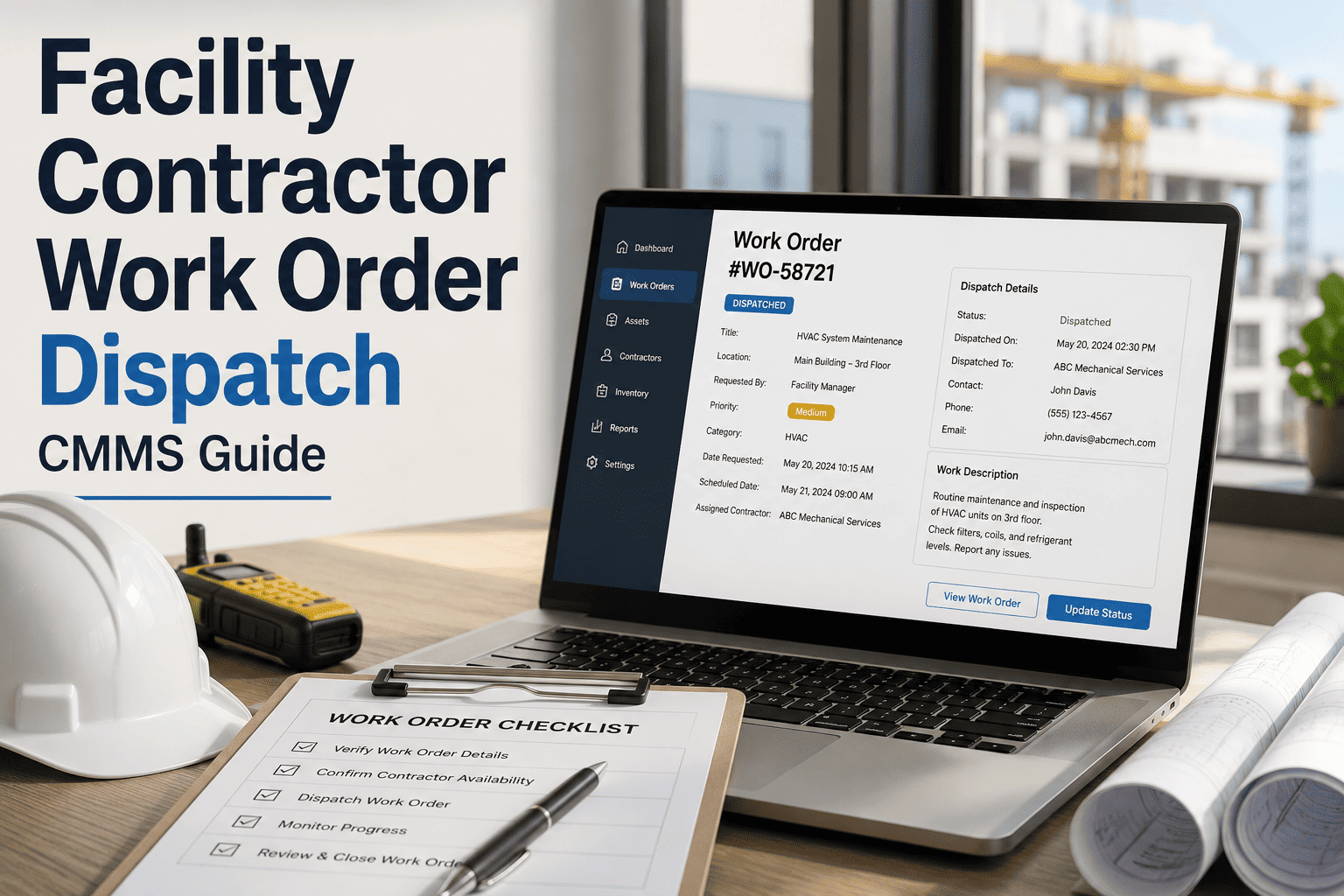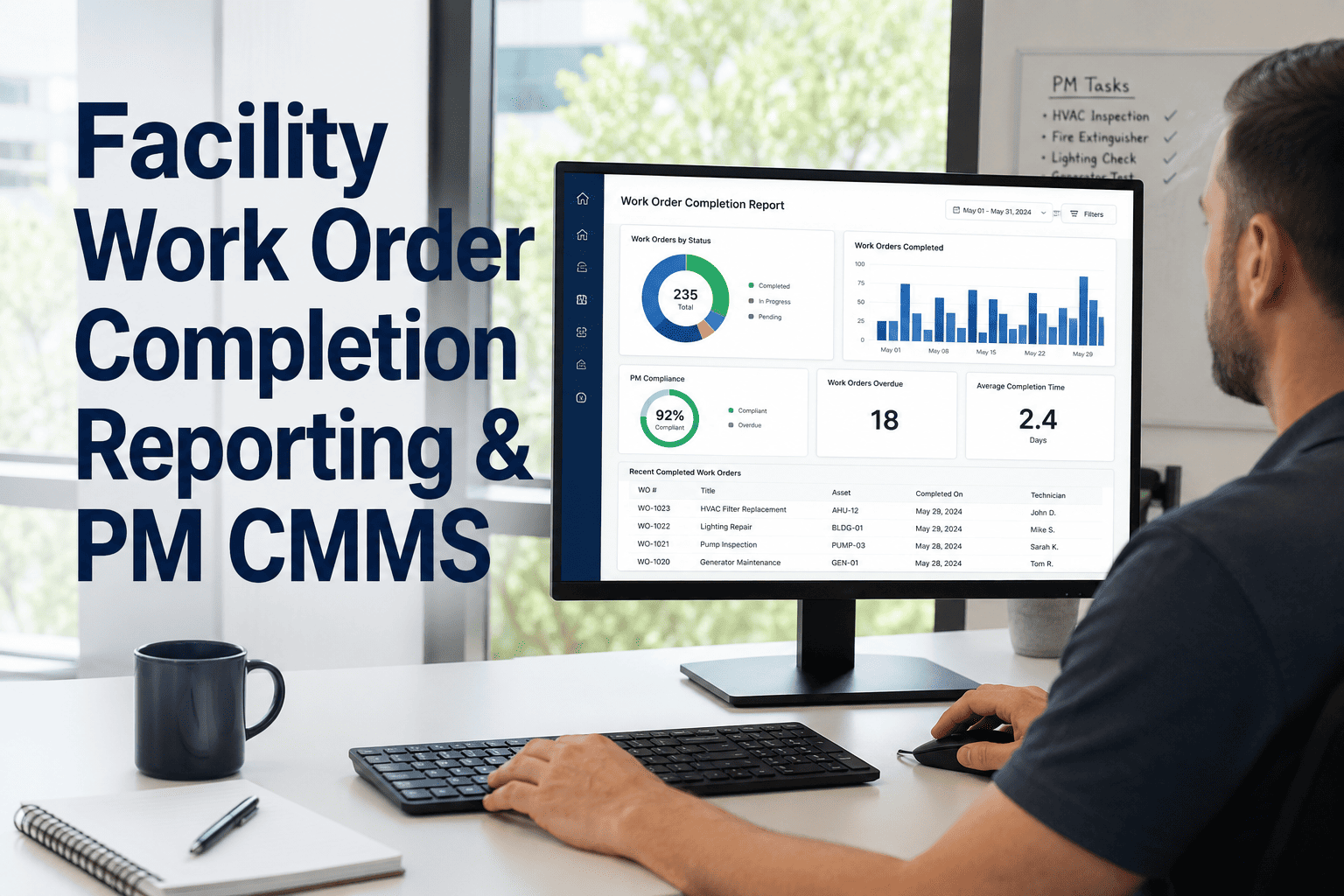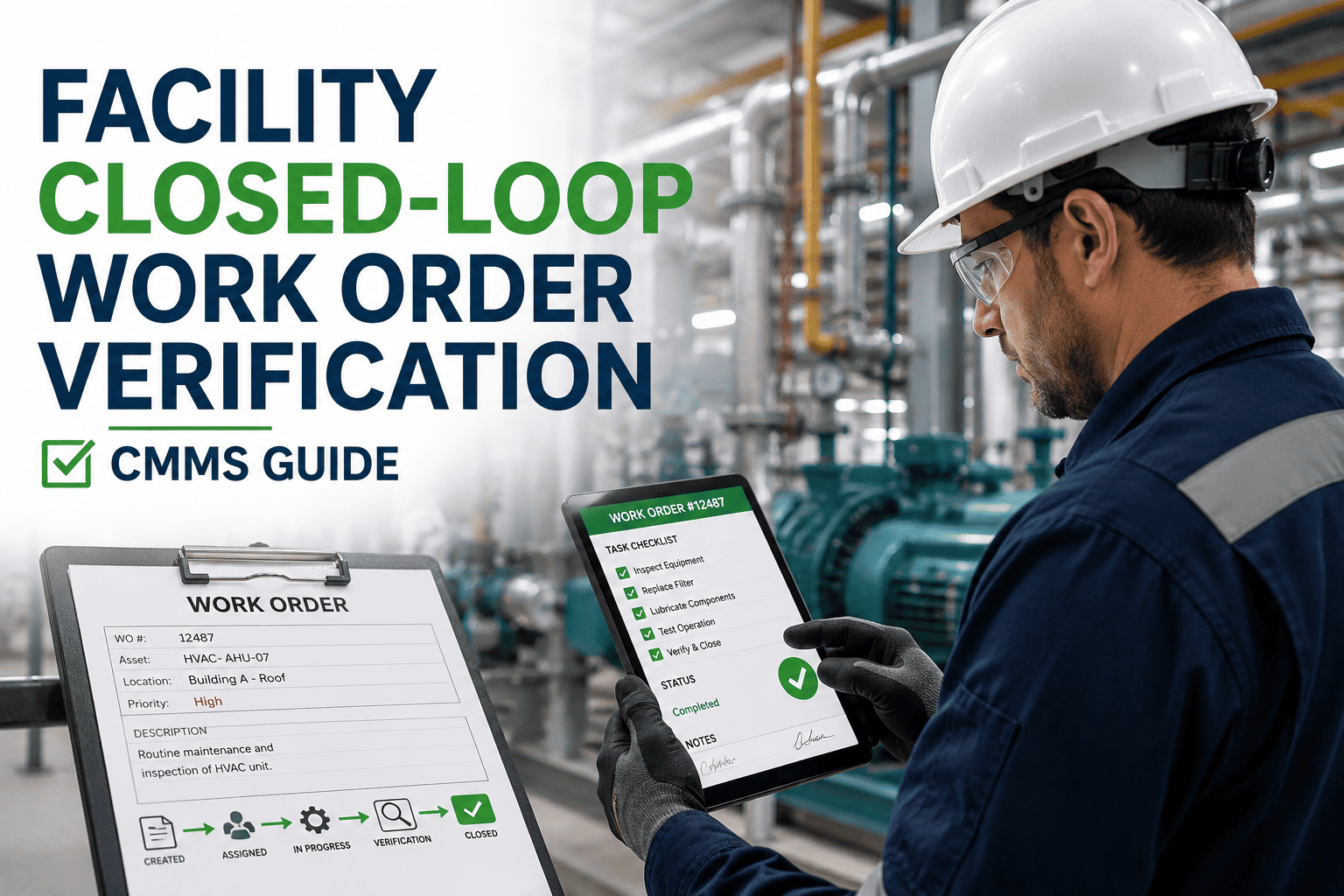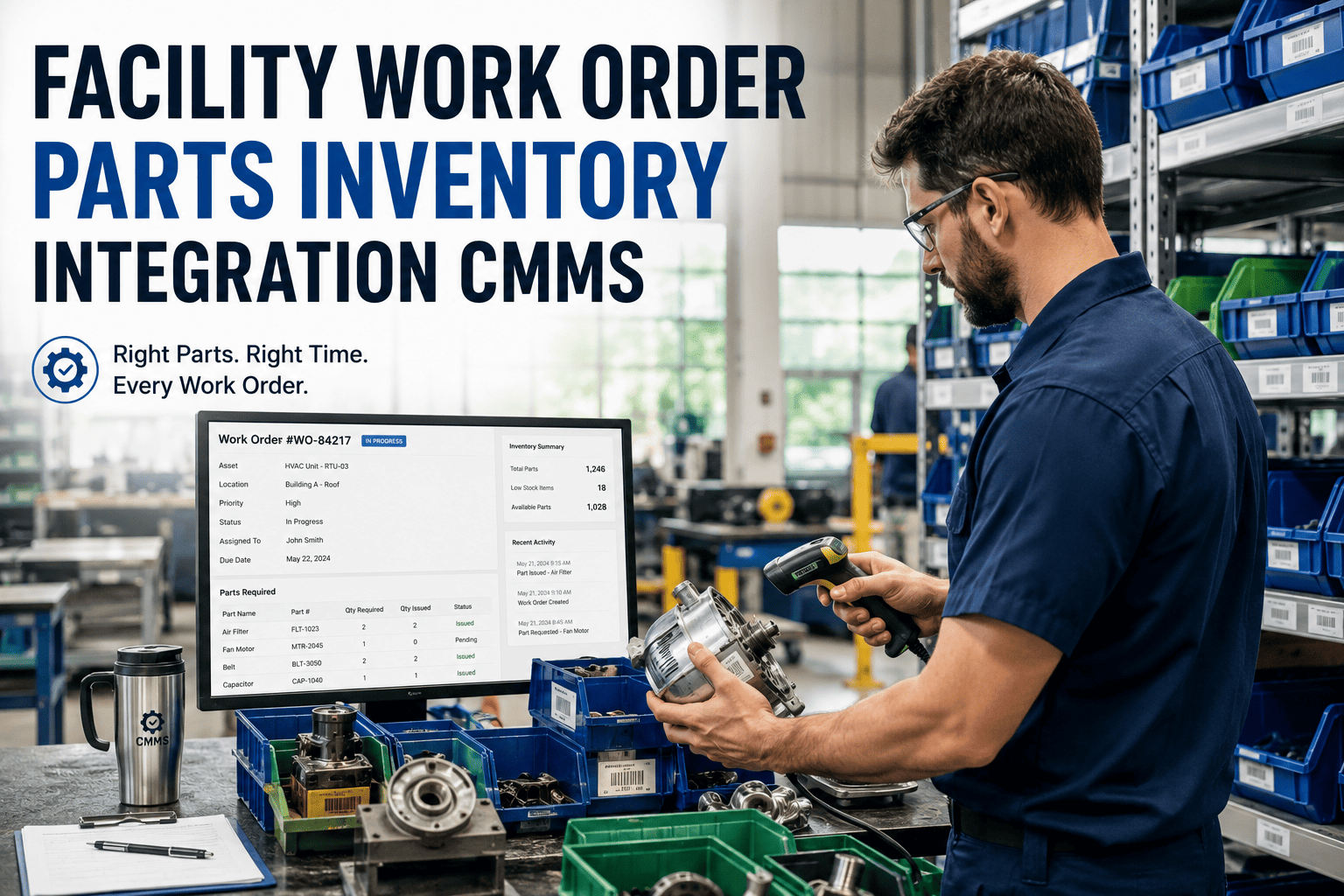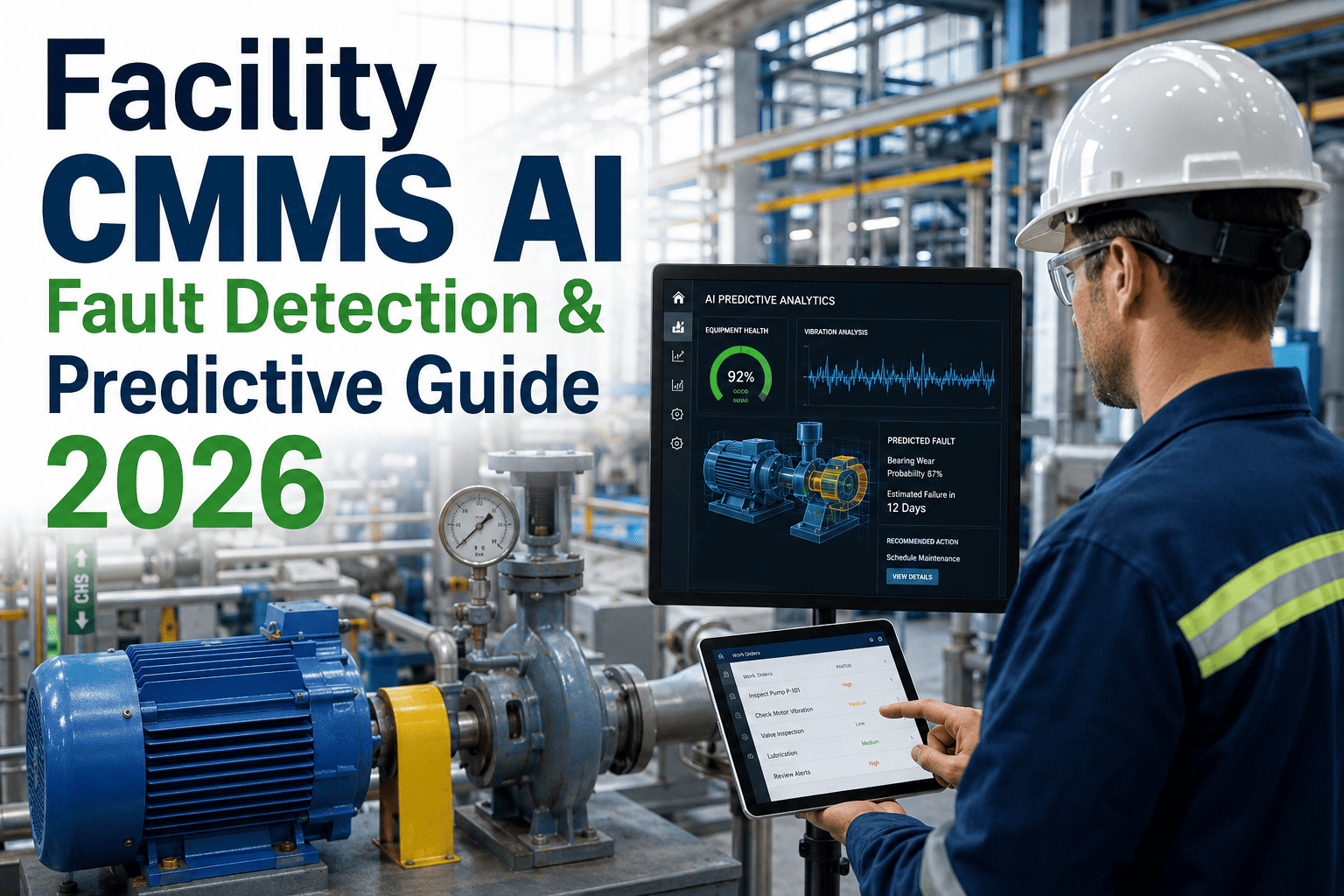
Facility teams often discover a failing chiller, pump, or air handler only when it stops working, usually during the worst possible shift. AI fault detection flips that timeline by reading sensor and equipment data continuously, flagging failure patterns two to eight weeks before a breakdown actually happens inside a facility CMMS. Instead of technicians chasing alarms after equipment has already failed, a predictive work order gets generated automatically the moment a risk pattern is confirmed, complete with the right technician and parts attached. This is exactly what OxMaint adds on top of your existing maintenance workflow, and the fastest way to see it working on your own assets is to book a demo this week.
Facility CMMS · AI Fault Detection
Catch Equipment Failures Weeks Before They Happen
Pre-trained machine learning models watch your facility's equipment data around the clock, spot failure patterns 2 to 8 weeks ahead of breakdown, and turn every confirmed risk into an assigned work order automatically.
65%
of maintenance teams plan to adopt AI fault detection by the end of 2026
90%+
failure prediction accuracy reported in mature AI CMMS deployments
2-8 wks
typical early warning window before a failure would otherwise surface
30-50%
reduction in unplanned downtime after switching to predictive detection
The Detection Pipeline
How AI Fault Detection Actually Works
01
Continuous Data Capture
Equipment readings, IoT sensor streams, and technician-logged observations feed into the CMMS around the clock, not just during scheduled inspection rounds.
02
Pattern Recognition
Pre-trained ML models compare live readings against normal operating baselines for that exact asset type, so detection starts on day one, not after months of training data.
03
Early Fault Alert
Deviations that match a known degradation signature are flagged as a developing fault, filtering out the noise that trips simple threshold alarms.
04
Automated Work Order
The CMMS opens a work order the moment confidence crosses threshold, pre-assigned to the right technician with parts and asset history attached.
See a real failure pattern caught before it becomes a breakdown.
Bring one asset's maintenance history to the call and we will show how OxMaint's AI models would have flagged the failure weeks earlier than a calendar-based PM ever could.
The Real Comparison
Calendar-Based Maintenance vs AI Fault Detection
| What Changes | Calendar / Reactive | AI Fault Detection CMMS |
|---|---|---|
| When failure is discovered | After the equipment already stops | 2 to 8 weeks before breakdown |
| What triggers service | A fixed date on the calendar | Actual measured asset condition |
| Alert to action | Manual review, then a callout | Work order generated automatically |
| False alarms | Frequent, single-threshold based | Reduced through cross-signal analysis |
| Technician dispatch | Urgent, unplanned, after hours | Scheduled during planned downtime |
Who Runs On It
Teams Using AI Fault Detection Right Now
Facility & Building Operations
HVAC, chillers, elevators, and generators across office towers and campuses get flagged for developing faults long before a tenant ever notices a comfort issue.
Healthcare & Hospital Estates
Life-safety and critical medical equipment cannot fail without warning, so early fault detection gives estates teams the lead time compliance audits expect.
Commercial Real Estate Portfolios
Property managers running dozens of buildings use fault trends to prioritise capital spend on the equipment closest to failure across every site.
Manufacturing & Industrial Plants
Motors, pumps, and compressors on the production floor are monitored continuously so unplanned downtime stops eating into output targets.
What Teams Are Saying
Real Results From AI Fault Detection Users
5 / 5
Our chiller plant used to fail once a quarter without warning, always in July. Since the AI models went live, we have caught two developing compressor faults about a month out each time, scheduled the repair on a weekend, and never lost cooling to the building once this year.
4 / 5
What sold me was not the alert itself, it was that a work order with the right part number and technician was already sitting in the queue by the time I opened my email. That alone cut our response time from days to hours across six buildings.
Common Questions
AI Fault Detection — Frequently Asked Questions
How far in advance can AI actually predict a failure?
Most confirmed failure patterns surface 2 to 8 weeks before breakdown, depending on the asset type and how much historical data exists. Book a demo to see real lead times for your equipment mix.
Do we need months of data before the models work?
No. Pre-trained models for common equipment like pumps, chillers, and motors are ready on day one and keep improving as your own asset data accumulates.
What happens after an AI alert fires?
A work order is generated automatically, assigned to the right technician, and linked to the affected asset with its full maintenance history attached.
Can this replace our current preventive maintenance schedule?
It supplements rather than replaces routine tasks like filter changes and inspections, while shifting component replacement from a fixed date to actual condition.
How do we get started with our existing asset list?
Import your current equipment data and OxMaint's models begin monitoring immediately. Start a free trial to load your first assets today.
Facility CMMS · AI Fault Detection
Stop Finding Out About Failures After They Happen
Every day without predictive detection is another chance for a breakdown that could have been flagged weeks in advance. See how OxMaint reads your equipment data and turns early warning signs into scheduled work, not emergency calls.