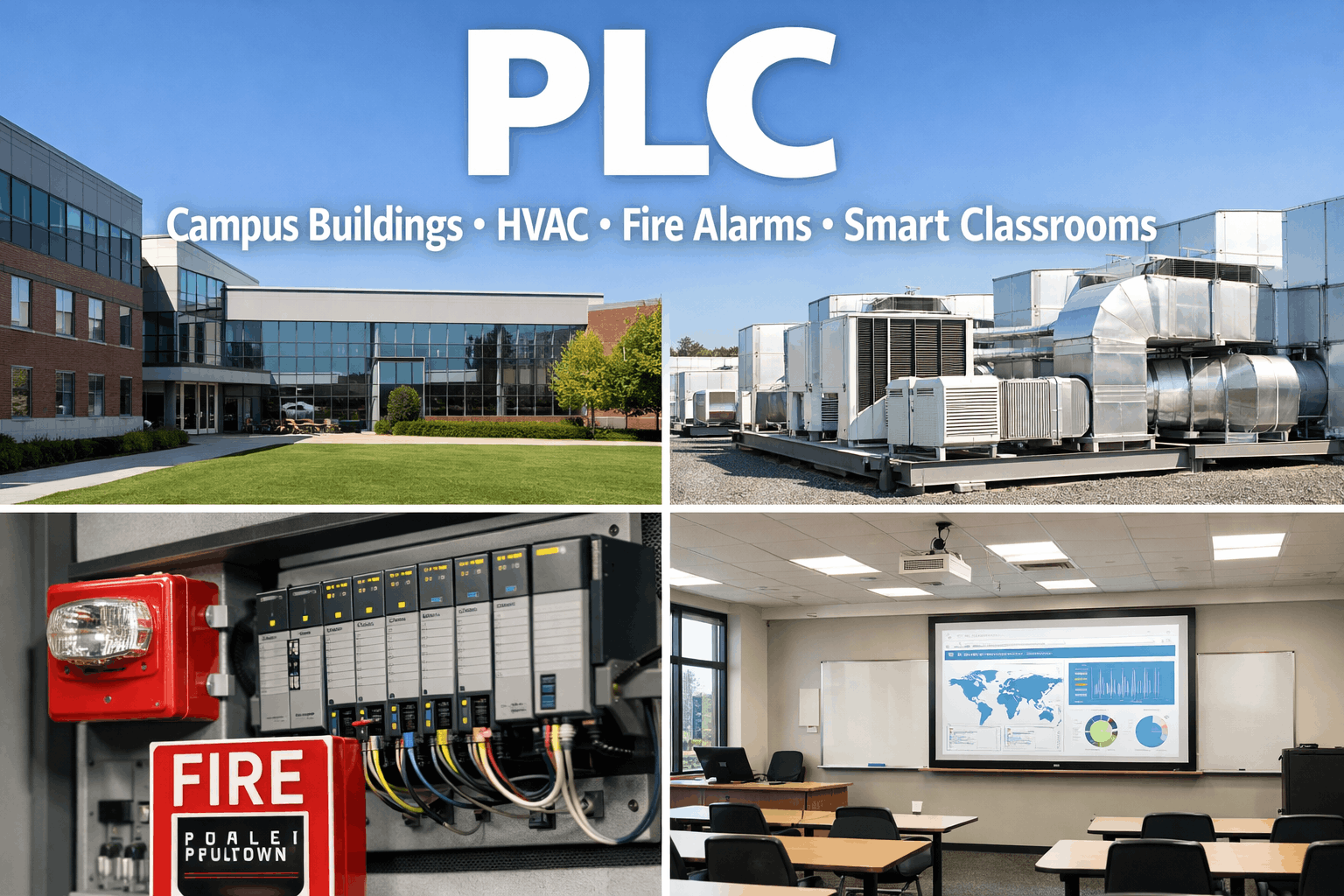
Modern campus buildings are more than just brick and mortar; they are complex ecosystems of automation. At the heart of this complexity is the **PLC (Programmable Logic Controller)**. From managing high-load HVAC systems to coordinating fire alarm interfaces and powering smart classrooms, PLCs are the "brains" that ensure student safety, environmental comfort, and operational efficiency. However, without a structured maintenance plan, these critical controllers can become single points of failure. Sign up for OxMaint free to catalog your PLC inventory, track firmware updates, and schedule preventive maintenance to keep your campus running flawlessly.
PLC Meaning in Campus Buildings:
The Invisible Force Driving
Smart Infrastructure.
Understand how Programmable Logic Controllers (PLCs) automate everything from central chilled water plants to emergency lighting. OxMaint helps facility managers transition from "fixing failures" to "optimizing uptime" for every controller on campus.
What is a PLC and Why Does it Matter for Schools?
A Programmable Logic Controller (PLC) is a ruggedized industrial computer used for automation. Unlike a standard PC, it is built to handle extreme temperatures, electrical noise, and vibration while performing real-time monitoring of campus assets.
Hardware Reliability
PLCs are designed for 24/7 operation in harsh environments like boiler rooms or rooftop enclosures. They process "Inputs" (sensors, switches) and trigger "Outputs" (motors, valves) based on custom logic programs.
How They Are Programmed
Most PLCs use "Ladder Logic," a visual programming language that mimics electrical circuit diagrams. This allows campus electricians to troubleshoot logic flows and adjust setpoints for lighting or heating schedules.
Centralized Building Control
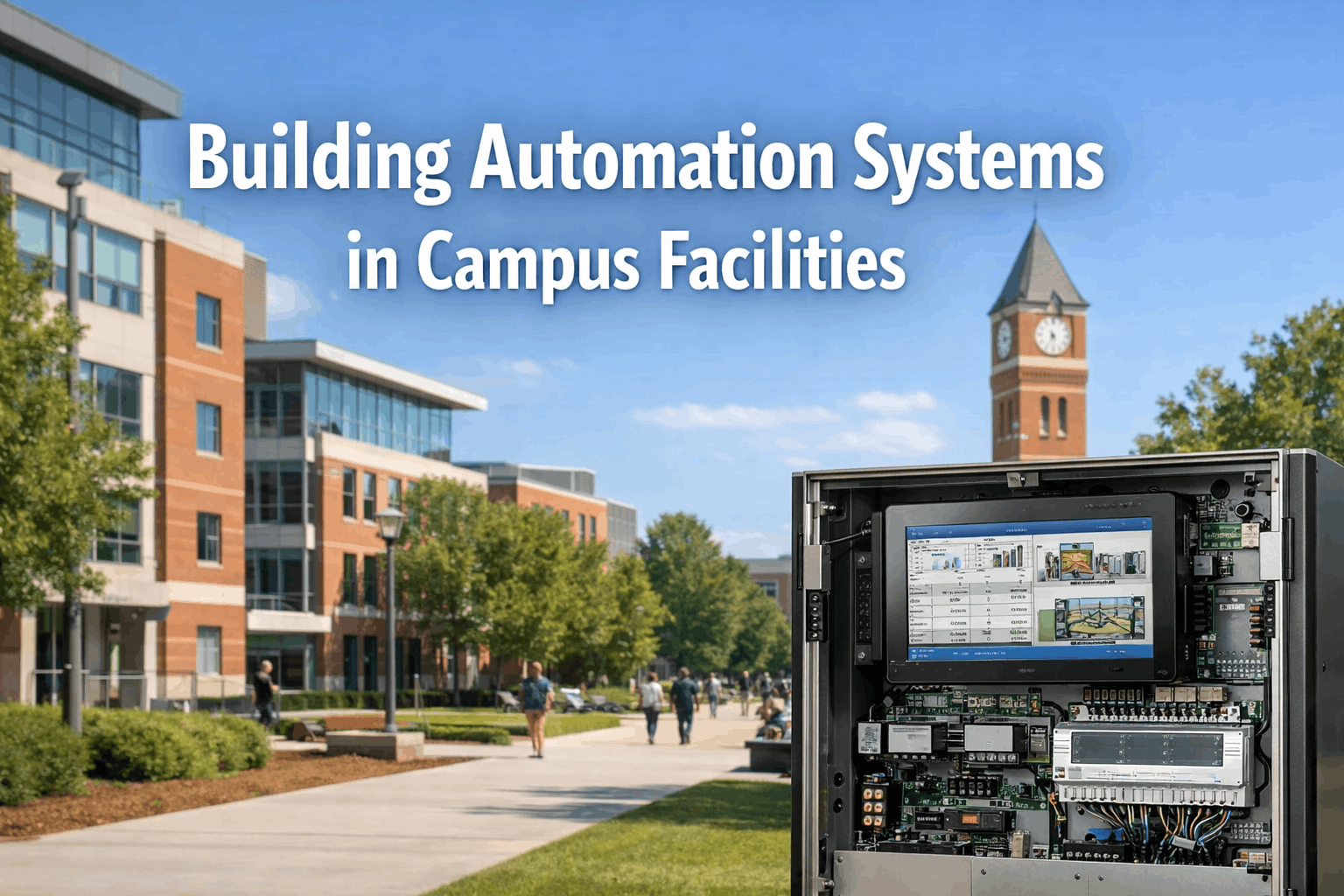
PLCs serve as the bridge between mechanical equipment and the Building Automation System (BAS). They collect data on chilled water flow, room occupancy, and air quality to make autonomous adjustments instantly.
The 5 Pillars of PLC Integration on Campus
PLCs are the backbone of campus reliability. Here is how they function across different critical systems managed within OxMaint.
HVAC and Chiller Plant Control
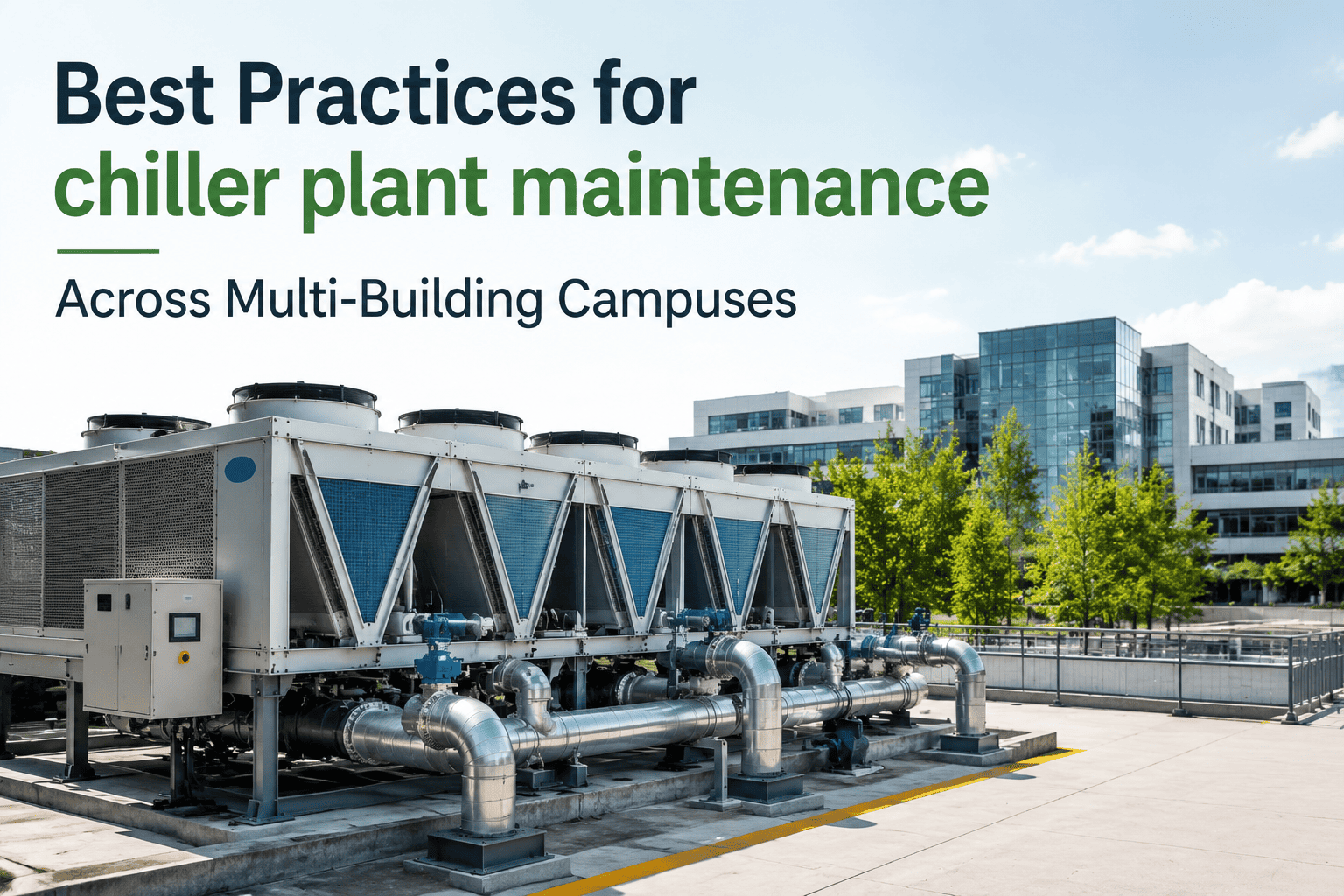
PLCs manage the complex sequencing of chillers, boilers, and cooling towers. They monitor outdoor ambient temperature and indoor CO2 levels to modulate Variable Frequency Drives (VFDs), ensuring energy efficiency while maintaining student comfort in large lecture halls.
Fire Alarm and Life Safety Interface
While fire panels detect smoke, PLCs often handle the "cause and effect" logic. This includes automatically shutting down HVAC fans to prevent smoke spread, dropping magnetic fire doors, and triggering emergency stairwell pressurization systems.
Water and Pump Management
In multi-story campus buildings, PLCs control booster pumps to maintain water pressure. They also manage storm-water sump pumps and irrigation systems, using moisture sensors to prevent over-watering during rainy seasons.
Smart Classroom Automation
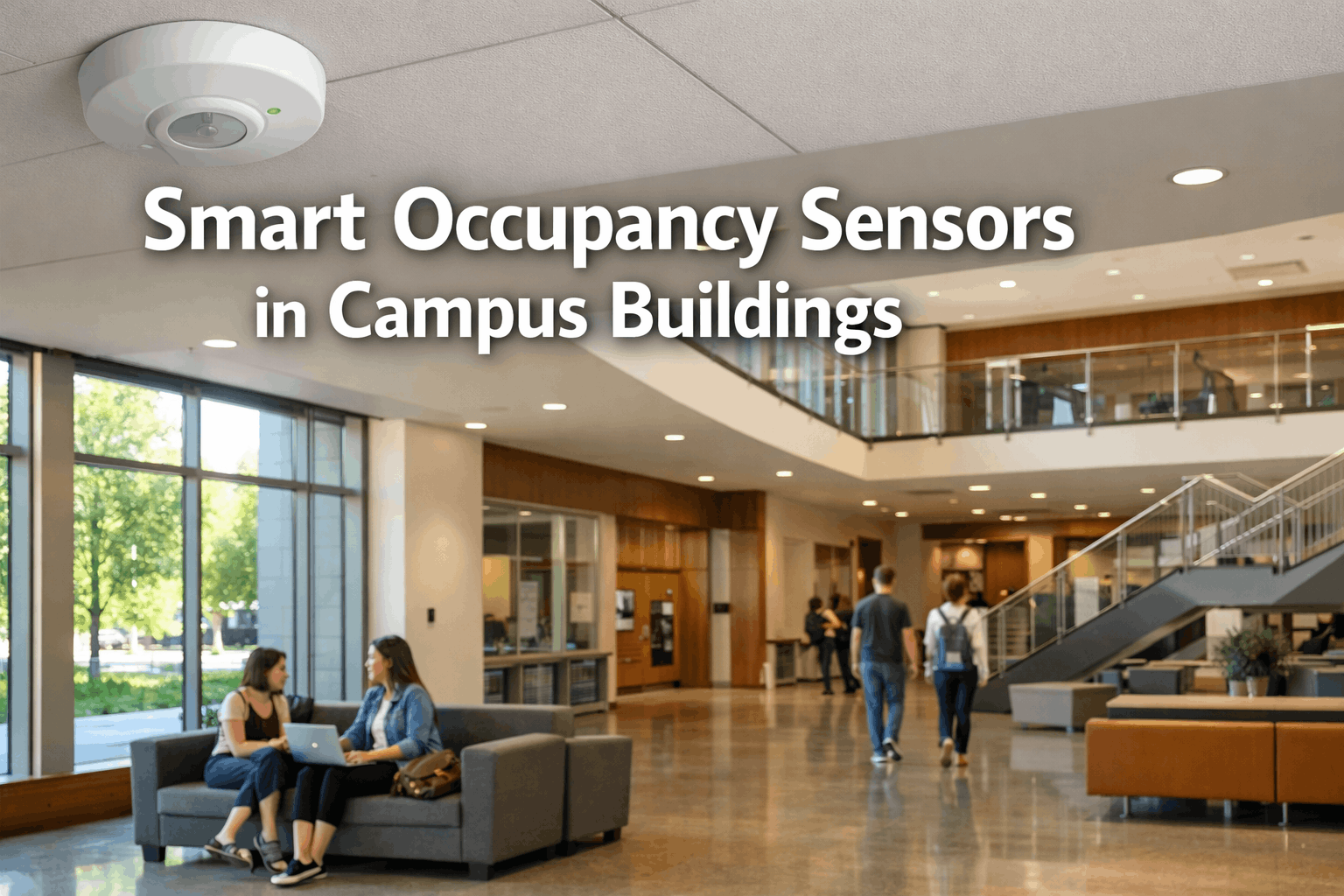
PLCs coordinate lighting scenes, motorized shades, and projector screens. By integrating with occupancy sensors, the PLC ensures that lights and AV equipment are powered down when a classroom is empty, significantly reducing electricity costs.
Emergency Lighting and Backup Power
When the main power fails, PLCs detect the voltage drop and command emergency generators to start. They manage the "Transfer Switch" logic to ensure critical loads (like data centers and labs) receive power within seconds.
PLC Maintenance Lifecycle in OxMaint
A PLC is "set and forget" until it fails. Use OxMaint to track these critical maintenance stages to prevent campus-wide outages.
Why PLC Downtime is a Campus Emergency
The failure of a $2,000 PLC can lead to hundreds of thousands of dollars in secondary damages and lost productivity.
The OxMaint Advantage for PLC Management
Step-by-Step PLC Inventory Setup
Ready to secure your campus automation? Follow this deployment guide using OxMaint.
Identify and Tag
Locate PLC panels in every mechanical room. Use the OxMaint mobile app to create an asset record for each. Attach a QR code to the panel door for instant access to the controller's manual and IP address.
Upload Logic Backups
Attach the latest `.bak` or program file to the asset record in OxMaint. If a controller is fried by lightning, your team can download the code and flash a new unit in minutes rather than days.
Automate PM Schedules
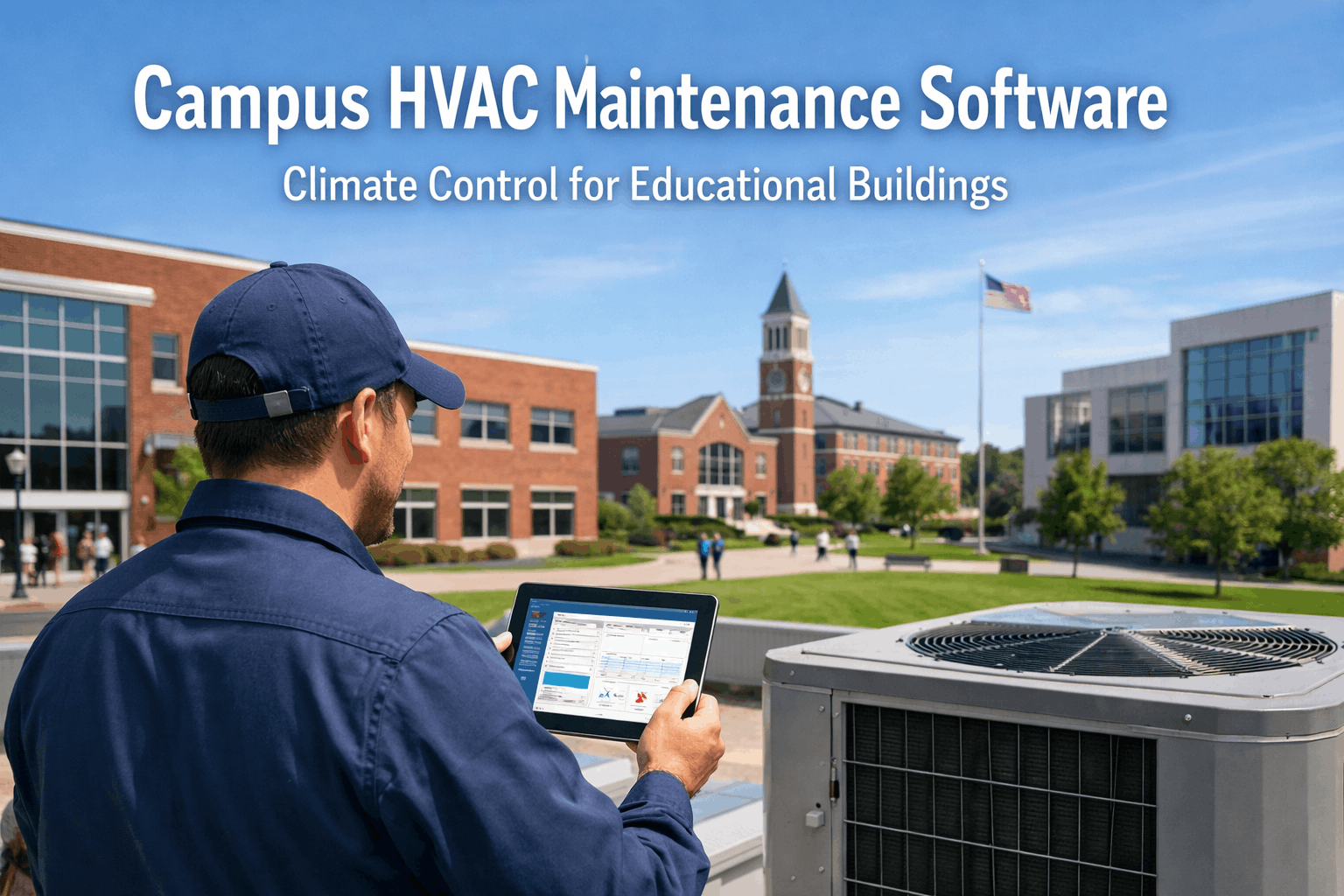
Set up recurring work orders for battery replacements (every 2 years) and filter cleanings (quarterly). Technicians get notified on their phones when it’s time to inspect a panel.
Common Questions About PLCs in Education Facilities
Is a PLC the same as a Smart Thermostat?
No. A smart thermostat is a single-purpose device. A PLC is a multi-purpose industrial computer that can control hundreds of thermostats, pumps, and fans simultaneously using complex logic that a simple thermostat cannot handle.
How do I know if my PLC battery is dying?
Most PLCs have a "BATT" or "ALARM" LED on the front face. If it turns red or amber, the battery is low. OxMaint allows you to schedule annual voltage checks to replace these *before* the light ever turns on.
Can OxMaint help with PLC cybersecurity?
Yes. By tracking firmware versions and "last updated" dates for every networked PLC, OxMaint ensures your facility team stays ahead of vulnerabilities that could allow unauthorized access to building systems.
Don't Wait for a Controller to Fail.
From HVAC precision to fire safety reliability, your campus depends on PLCs. OxMaint provides the tools to track, maintain, and secure every controller in your building portfolio.
Simplify your building automation maintenance in under 60 minutes.