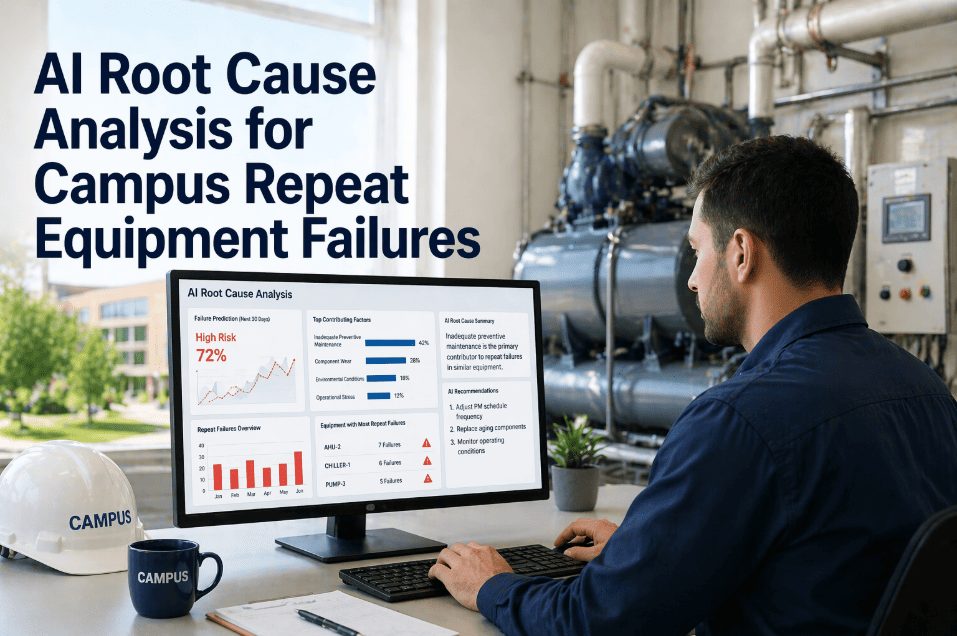
At 2:14 AM on a Wednesday morning, your campus fire alarm system triggers a full evacuation of three residence halls—2,400 students forced outside in 28°F weather. Fire department responds with four engines. Cause: a single faulty smoke detector in a third-floor mechanical room. This is the fourth false alarm this semester. Students are ignoring evacuation signals. The fire marshal is threatening daily inspections. Your insurance carrier has questions about system reliability. And somewhere in your maintenance records is the pattern that could have prevented all of it—if anyone had looked.
For campus safety operations, fire alarm failures aren't just nuisances—they're life safety system compromises that erode emergency response effectiveness, create regulatory exposure, and train occupants to ignore actual emergencies. Root cause analysis transforms recurring alarm problems from individual incidents into systemic improvements that prevent recurrence. Schedule a demo to see RCA tracking in action.
This guide provides a systematic framework for conducting root cause analysis on fire alarm system failures in educational facilities—from initial incident documentation through corrective action verification—ensuring your campus fire protection systems maintain the reliability that life safety demands.
Why Fire Alarm RCA Matters for Campus Safety
Unlike most building systems where failures create inconvenience or operational disruption, fire alarm system failures directly affect life safety. False alarms condition occupants to ignore actual emergencies. Missed alarms during real fires delay evacuation and emergency response. System reliability isn't just about compliance—it's about maintaining the trust and response effectiveness that saves lives when seconds matter. Start documenting fire alarm issues systematically—sign up free.
Life Safety Stakes
Repeated false alarms create "alarm fatigue" where occupants delay evacuation or ignore signals entirely—the exact opposite of what fire alarm systems should accomplish.
Regulatory Exposure
Fire marshals can impose daily inspections, fines, or occupancy restrictions when alarm systems demonstrate unreliability through repeated false activations or maintenance failures.
Operational Disruption
Each false alarm interrupts classes, evacuates residence halls, disrupts research, and requires fire department response—costs that multiply with recurring failures.
Insurance Impact
Carriers evaluate fire alarm reliability when setting premiums and coverage terms. Documented RCA demonstrates risk management that can influence rates favorably.
The Five-Step RCA Framework for Fire Alarm Failures
Effective root cause analysis follows a structured process that moves from symptom identification through permanent corrective action. This framework applies whether analyzing a single false alarm or a pattern of recurring issues across multiple buildings.
What exactly occurred? Document the incident with precision: what activated, when, location, environmental conditions, occupant response, and immediate consequences. Avoid assumptions—collect facts.
- Exact time and date of activation
- Specific device(s) that initiated alarm
- Environmental conditions (temperature, humidity, construction activity)
- System response (did it function as designed?)
- Occupant response and evacuation effectiveness
- Fire department response time and findings
What data supports analysis? Gather alarm panel event logs, maintenance records, environmental data, inspection reports, and witness accounts. The goal is creating a complete timeline and understanding system state.
- Fire alarm panel event log (24 hours before incident)
- Maintenance history for affected devices
- Recent inspection reports and findings
- Environmental monitoring data if available
- Photos of affected devices and surrounding area
- Witness statements from occupants and responders
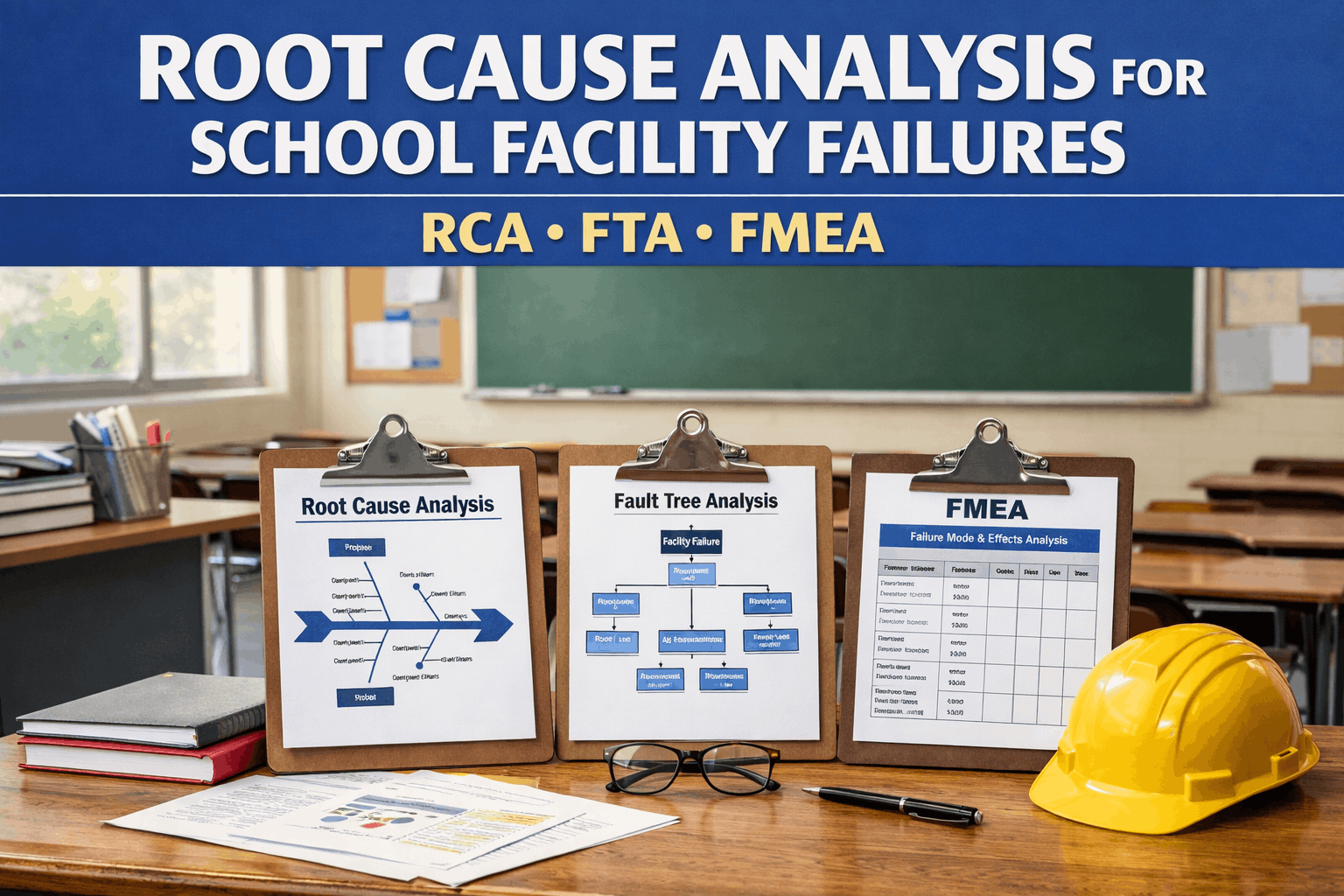
What conditions enabled this failure? Use "5 Whys" or fishbone analysis to distinguish between immediate cause (what failed) and root cause (why the system allowed that failure). Consider equipment, environment, procedures, and human factors.
- Equipment condition: age, maintenance status, known issues
- Environmental factors: dust, humidity, temperature extremes
- Procedural gaps: inspection frequency, testing protocols
- Human factors: training, workload, communication
- Design issues: device placement, system configuration
What systemic issue, if corrected, would prevent recurrence? Root cause is the deepest issue in the causal chain that you can reasonably control. It's often not the obvious immediate cause but rather the system, process, or condition that allowed that cause to exist.
- Why did the device fail? (immediate cause)
- Why was it in a condition to fail? (contributing factor)
- Why wasn't that condition detected earlier? (system gap)
- Why does our system allow this gap? (root cause)
- Is this failure unique or part of a pattern?
What changes will prevent recurrence? Develop corrective actions that address root cause, not just symptoms. Implement changes, document completion, and verify effectiveness through follow-up monitoring. Track metrics to confirm improvement.
- Immediate corrective action (fix the specific device/issue)
- Short-term preventive action (address similar devices/conditions)
- Long-term systemic improvement (change process/system)
- Verification method (how you'll know it worked)
- Responsible party and completion timeline
Track RCA from Incident Through Verification
Digital RCA tracking ensures corrective actions don't get lost, links related incidents to reveal patterns, and provides audit-ready documentation of your continuous improvement process.
Common Fire Alarm Failure Modes & Root Causes
Fire alarm failures cluster into predictable patterns. Understanding these common modes helps investigators quickly focus RCA efforts on the most likely root causes while avoiding assumptions that miss systemic issues
False Alarm from Dust/Debris in Smoke Detector
Most CommonImmediate Cause
Dust particles in optical chamber trigger photoelectric sensor, system interprets as smoke
Contributing Factors
- Construction or renovation activity nearby
- HVAC system distributing dust
- Detector not cleaned per schedule
- Device installed in high-dust location
Typical Root Causes
- Cleaning schedule inadequate for environment
- No inspection before/after construction work
- Detector type inappropriate for location
- Preventive maintenance program gaps
Effective Corrective Actions
- Increase cleaning frequency in high-dust areas
- Implement pre-construction detector protection protocol
- Replace optical detectors with ionization type in dusty locations
- Add environmental monitoring to identify dust sources
Detector Activation from Steam/Humidity
High FrequencyImmediate Cause
Steam or high humidity enters detector chamber, optical sensor detects particles or ionization chamber conductivity changes
Contributing Factors
- Detector located near showers, kitchens, mechanical rooms
- Inadequate ventilation for steam sources
- Photoelectric detector in humid environment
- Bathroom exhaust fans not functioning
Typical Root Causes
- Detector placement violates NFPA spacing from steam sources
- Wrong detector type selected for environment
- HVAC system not properly balancing air
- Building modifications changed airflow patterns
Effective Corrective Actions
- Relocate detectors per NFPA 72 spacing requirements
- Install rate-of-rise heat detectors instead of smoke detectors
- Improve ventilation in problem areas
- Add shields or barriers to protect detectors from direct steam
Nuisance Alarms from Cooking Activities
Residence HallsImmediate Cause
Smoke or particles from cooking (burnt toast, stovetop cooking) activate smoke detector in or near kitchen area
Contributing Factors
- Photoelectric smoke detectors in kitchen areas
- Range hoods not venting properly
- Detector placement too close to cooking appliances
- Students cooking without supervision
Typical Root Causes
- Design didn't anticipate actual cooking behavior
- Wrong detector type for cooking environment
- Code requires detector but location isn't optimized
- Ventilation system inadequate for cooking load
Effective Corrective Actions
- Install photoelectric detectors with alarm verification delay
- Replace with heat detectors where code permits
- Improve range hood performance and usage
- Relocate detectors to minimum code-compliant distance
- Add occupant education on proper cooking practices
False Alarms from Electrical Issues
System-Wide RiskImmediate Cause
Voltage fluctuations, ground faults, or wiring issues cause spurious signals interpreted as alarm conditions
Contributing Factors
- Loose wiring connections
- Ground fault in device or circuit
- Power surges from utility or building systems
- Aging wire insulation breaking down
Typical Root Causes
- Wiring not inspected per NFPA 72 requirements
- Building electrical system creating noise/surges
- System installed without proper surge protection
- Devices approaching end of life (10-15 year replacement)
Effective Corrective Actions
- Implement thermographic inspection of connections annually
- Install surge protection at panel and branch circuits
- Test all device connections with resistance measurements
- Develop device replacement schedule based on age
- Coordinate with facilities to address building electrical issues
Device Failure to Activate During Test
Critical Safety GapImmediate Cause
Smoke detector, pull station, or other initiating device fails to trigger alarm when tested, creating life safety gap
Contributing Factors
- Device beyond service life (>10 years for detectors)
- Corrosion or contamination in device circuitry
- Wiring fault preventing signal transmission
- Device disabled or covered (maintenance or vandalism)
Typical Root Causes
- Testing frequency inadequate to catch failures early
- No systematic device age tracking or replacement program
- Visual inspections don't detect internal failures
- Corrective actions from previous tests not completed
Effective Corrective Actions
- Implement 100% annual functional testing per NFPA 72
- Create device replacement schedule based on install dates
- Test all devices after any system work or outage
- Implement tamper-resistant devices in accessible locations
- Verify corrective action completion before closing work orders
The Five Whys Analysis Method for Fire Alarms
The Five Whys technique helps investigators move beyond obvious immediate causes to identify systemic root causes. Each "why" digs deeper into causation. Stop when you reach a cause that: (1) you can control, and (2) if corrected, would prevent the failure mode from recurring.
Corrective Actions Addressing Root Cause:
- Immediate: Clean all detectors in affected areas, inspect for damage
- Short-term: Add fire safety coordination to all active construction projects
- Long-term: Revise construction coordination procedures to include mandatory fire safety team notification for any project involving: dust generation, HVAC work, ceiling penetrations, or occupancy changes
- Systemic: Integrate fire alarm system into facilities work order system with automatic notifications when work orders are created in buildings with fire alarm systems
Document Your Five Whys Analysis
Structured RCA templates guide investigators through systematic analysis, ensure consistency across multiple incidents, and create audit-ready documentation of your safety improvement process.
Fishbone Diagram for Fire Alarm Failures
Fishbone (Ishikawa) diagrams organize contributing factors into categories, helping teams ensure comprehensive analysis that doesn't overlook important causal factors. This method works particularly well for complex failures involving multiple systems or stakeholder groups.
Example: Pattern of False Alarms Across Multiple Buildings
- Detectors approaching 10-year replacement age
- Mix of detector types and manufacturers
- Some devices in high-dust environments
- Panel software version outdated
- No systematic device age tracking
- Construction activity in 40% of buildings
- High humidity in older buildings without AC
- Seasonal pollen affecting outdoor air intakes
- Kitchen/cooking areas without proper ventilation
- Cleaning schedule same for all environments (quarterly)
- Testing done by multiple contractors with varying quality
- No pre-construction detector protection protocol
- Corrective actions from tests not tracked to completion
- No pattern analysis across buildings
- Maintenance technicians lack fire alarm-specific training
- High contractor turnover—institutional knowledge lost
- Facilities and fire safety teams don't coordinate
- Occupants not educated on preventing false alarms
- Fire alarm maintenance budget hasn't increased with building additions
- No KPIs tracked for false alarm rates
- Reactive rather than proactive approach
- Limited CMMS functionality for fire systems
- Cleaning supplies not specialized for optical detectors
- Replacement devices not stocked—delays in repairs
- Testing equipment outdated
- No dust covers for construction protection
Root Cause Synthesis from Fishbone Analysis:
Multiple contributing factors cluster around inadequate proactive maintenance programs and lack of cross-functional coordination. The system has grown more complex (more buildings, more devices, more construction activity) but maintenance approach hasn't evolved to match. No single factor causes failures, but the combination of aging equipment, environmental challenges, and procedural gaps creates conditions where false alarms are inevitable and frequent.
Primary Root Causes:
- Maintenance program designed for simpler, smaller campus hasn't scaled with growth
- Siloed operations prevent coordination between facilities, fire safety, and contractors
- No data-driven approach to identify patterns and optimize interventions
Pattern Analysis: Moving from Individual RCA to Systemic Improvement
The most valuable RCA insights emerge when analyzing patterns across multiple incidents rather than treating each failure as isolated. Digital tracking enables pattern recognition that reveals systemic issues invisible when examining single events.
| Pattern Type | What to Look For | Systemic Issues Revealed | Strategic Interventions |
|---|---|---|---|
| Location Clusters | Multiple incidents in same building/floor/zone | Environmental factors, device placement issues, localized contamination sources | Environmental controls, detector type changes, ventilation improvements for affected areas |
| Time Patterns | Failures at similar times of day/week/semester | Activity-driven issues (cooking times, class changes), environmental cycles (humidity, temperature) | Activity-based maintenance scheduling, HVAC adjustments, occupant behavior modification |
| Device Age Correlation | Failures clustered in older devices | Aging fleet requiring systematic replacement, not reactive repair | Age-based replacement program, lifecycle budgeting, proactive device retirement |
| Failure Mode Repetition | Same failure type across different locations | Procedural gaps, training deficiencies, design flaws affecting entire portfolio | Procedure revisions, training programs, design standard updates for all locations |
| Post-Maintenance Failures | Issues arising shortly after service | Quality control gaps, incomplete testing, contractor performance issues | Enhanced QC procedures, contractor evaluation, post-service verification protocols |
| Seasonal Variations | Increased failures during specific seasons | Environmental factors (pollen, humidity), seasonal activities (construction during summer) | Seasonal maintenance adjustments, pre-season preparations, environmental monitoring |
Pattern Analysis Example: Residence Hall False Alarms
Data Points
- 47 false alarms across 8 residence halls in fall semester
- 84% occurred in kitchen/lounge areas
- Peak times: 10-11 PM and 1-2 AM
- 67% involved photoelectric smoke detectors
- 92% occurred in buildings with 24/7 kitchen access
- Only 8% in buildings with restricted kitchen hours
Pattern Insights
Root Cause: Photoelectric smoke detectors installed in 24/7 kitchen areas are incompatible with student cooking behavior patterns, particularly late-night cooking when supervision is minimal.
Contributing Factor: Original design assumed cooking would be supervised and ventilation would be adequate, but actual usage patterns differ significantly from design assumptions.
Systemic Corrective Actions
- Immediate: Install alarm verification delays on kitchen detectors (allows 60 seconds for steam/smoke to clear before full alarm)
- Short-term: Replace photoelectric with multi-sensor detectors in all residential kitchens (better discrimination between cooking and actual fires)
- Long-term: Revise design standards for residential facilities to specify rate-of-rise heat detectors in kitchen areas where code permits, reserving smoke detection for corridors and sleeping areas
- Behavioral: Implement occupant education program focused on proper cooking practices and range hood usage
Corrective Action Hierarchy
Not all corrective actions are equally effective. The hierarchy of controls provides a framework for developing interventions that address root causes rather than just treating symptoms. Higher-level controls are more reliable and permanent than lower-level actions.
- Remove smoke detectors from shower rooms, install heat detectors instead (eliminates steam activation)
- Relocate detectors away from high-dust environments where alternative coverage is feasible
- Eliminate construction dust source through containment before it reaches detectors
- Replace photoelectric detectors with ionization or multi-sensor types in problem environments
- Substitute addressable system for conventional to enable precise device identification and verification features
- Use rate-of-rise heat detectors instead of smoke detectors in kitchens (where code permits)
- Install alarm verification features that require sustained alarm condition before full evacuation
- Add protective shields or barriers around detectors in high-risk locations
- Improve ventilation systems to remove steam/dust before reaching detectors
- Implement pre-alarm notification to local areas before building-wide evacuation
- Increase cleaning frequency in high-dust areas (quarterly → monthly)
- Implement pre-construction detector protection procedures
- Require cross-functional coordination for projects affecting fire safety
- Establish device replacement schedule based on age
- Implement post-maintenance testing verification protocols
- Train occupants on proper cooking practices to minimize smoke generation
- Educate maintenance staff on detector cleaning techniques
- Post signage reminding occupants to use ventilation when cooking
- Provide fire safety team with construction activity awareness
Track Corrective Actions to Completion
The best RCA is worthless if corrective actions aren't implemented. Digital tracking ensures accountability, monitors completion status, and verifies effectiveness through follow-up metrics.
RCA Documentation Requirements
Effective RCA creates documentation that serves multiple audiences: your maintenance team learning from experience, fire marshals evaluating your safety program, insurance carriers assessing risk management, and attorneys defending against liability claims. Structure documentation for these varied needs.
| Documentation Element | Purpose | Retention Period | Key Content |
|---|---|---|---|
| Incident Report | Initial factual record of what occurred | Permanent | Date, time, location, device(s) involved, system response, occupant response, fire department findings, immediate actions taken |
| Evidence Collection | Support analysis with objective data | Duration of RCA + 2 years | Panel event logs, maintenance records, environmental data, photos, witness statements, inspection reports |
| Analysis Worksheet | Document investigation methodology | Permanent | Five Whys or fishbone diagram, contributing factors identified, root cause determination, rationale for conclusions |
| Corrective Action Plan | Define specific interventions and accountability | Permanent | Immediate, short-term, and long-term actions; responsible parties; completion dates; verification methods |
| Implementation Records | Prove corrective actions were completed | Permanent | Completion dates, work orders, receipts, photos, testing results, training records |
| Effectiveness Verification | Confirm corrective actions prevented recurrence | Permanent | Follow-up monitoring data, incident rates before/after, metrics demonstrating improvement |
| Lessons Learned | Share knowledge across organization | Permanent | Summary for non-technical audiences, applicability to other locations, procedure updates implemented |
Measuring RCA Program Effectiveness
Track these metrics to demonstrate that your RCA process is actually reducing fire alarm failures and improving system reliability over time. Metrics provide objective evidence of continuous improvement for regulators, insurers, and administrators.
Frequently Asked Questions
Transform Fire Alarm Incidents Into Systemic Improvements
Stop fighting the same failures repeatedly. Build an RCA program that identifies root causes, implements lasting solutions, and continuously improves campus fire safety system reliability.