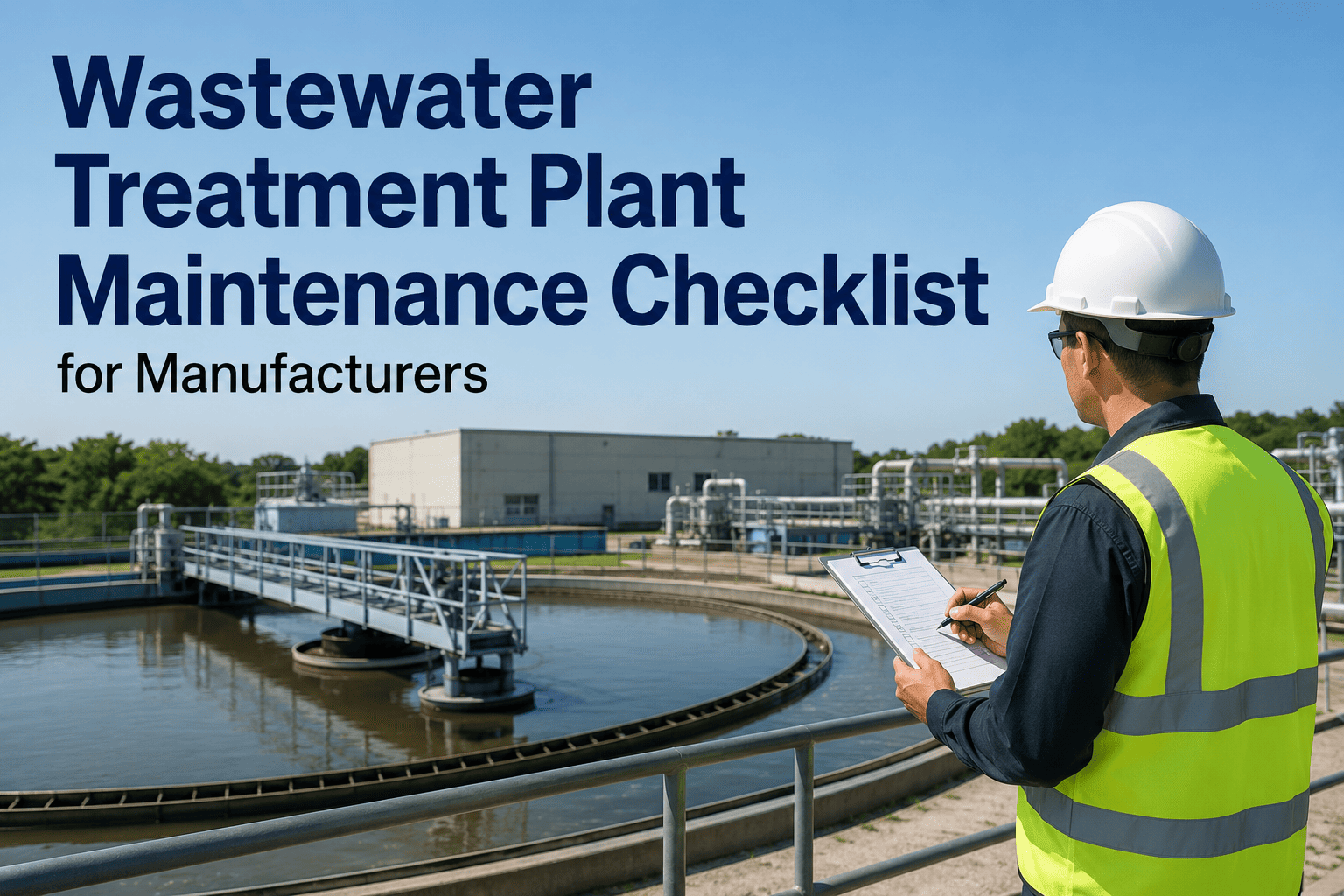
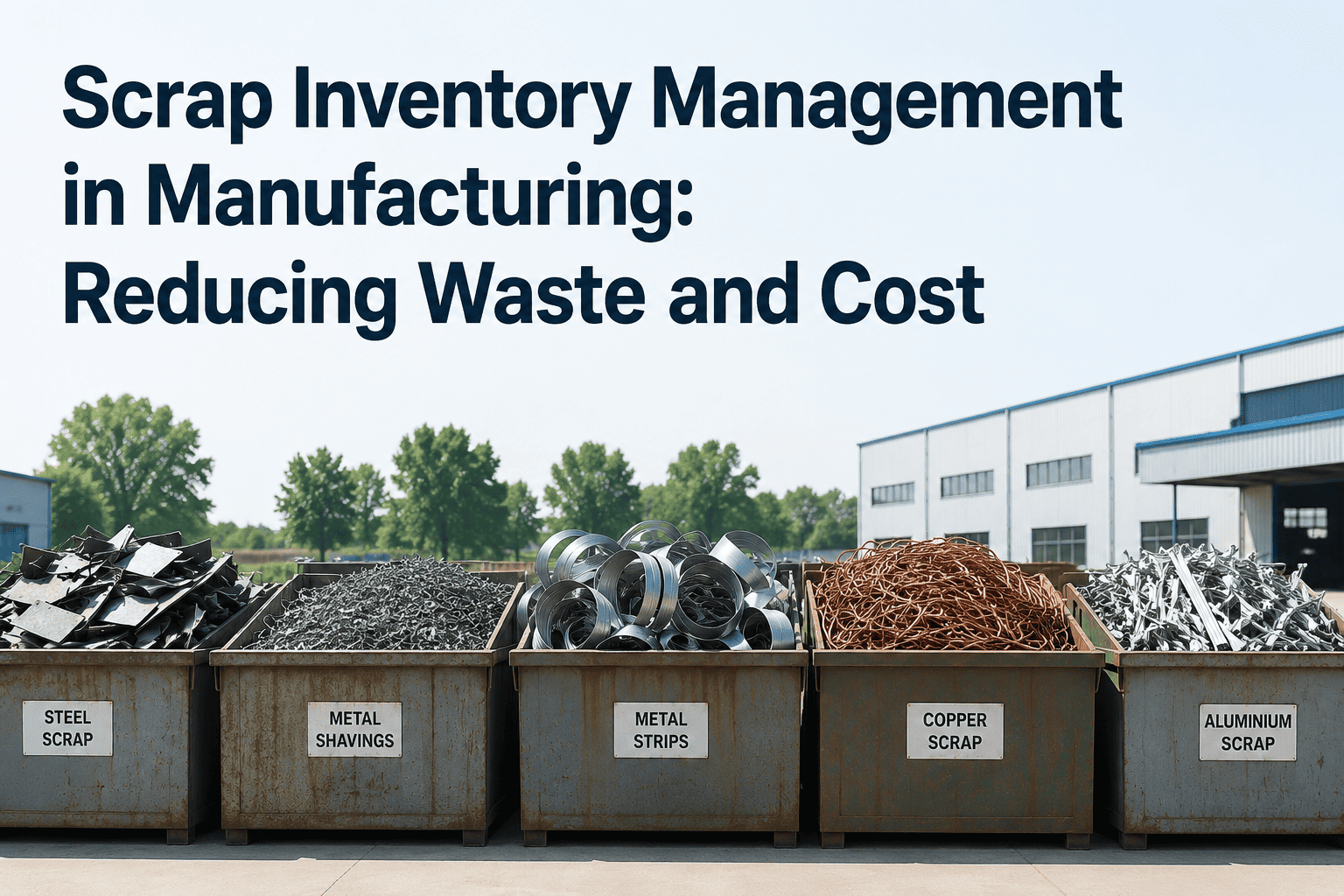
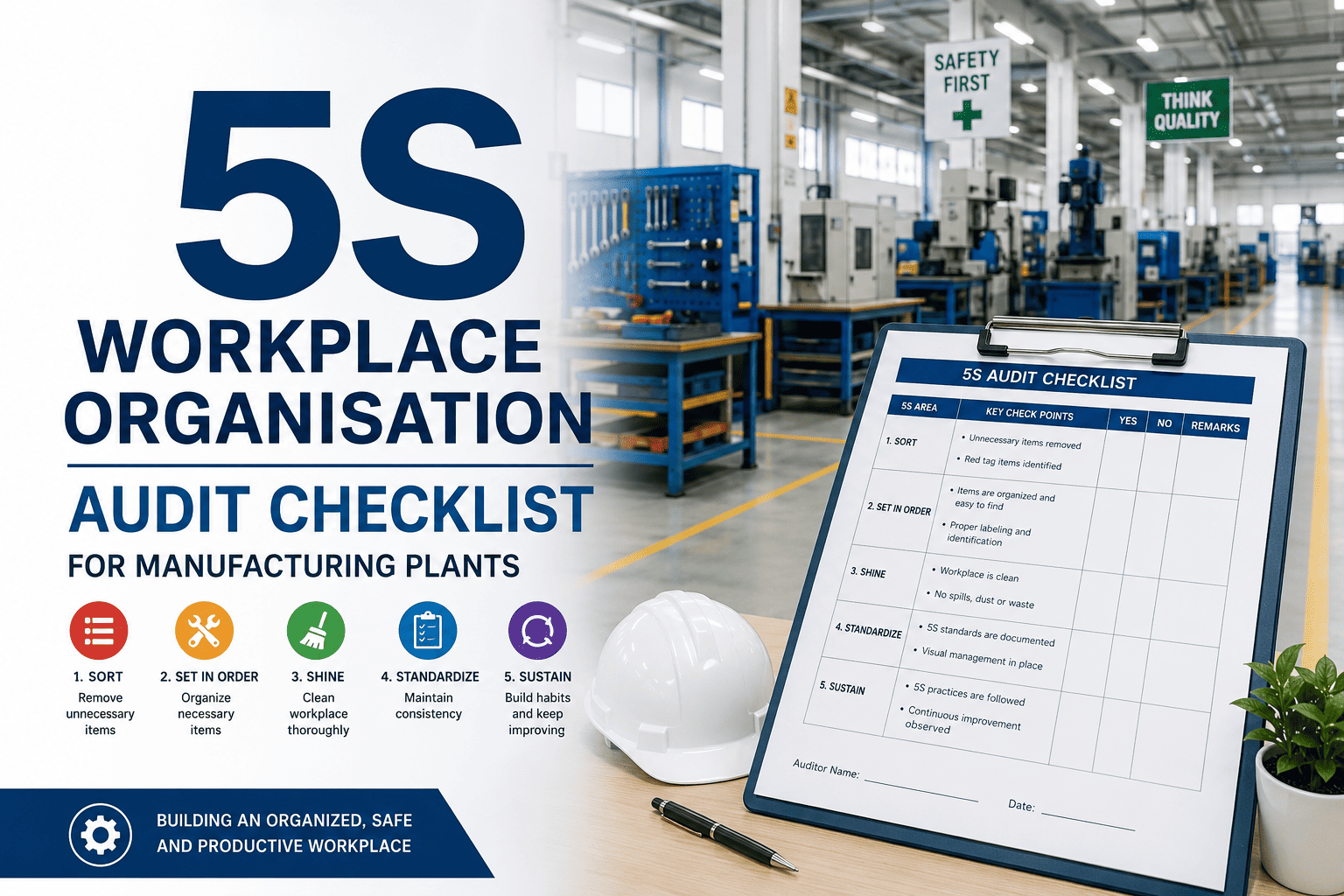
Industrial wastewater systems are the environmental backbone of manufacturing operations, yet 60% of regulatory non-compliance incidents trace back to inadequate maintenance intervals. Effluent treatment plants demand systematic monitoring across biological, chemical, and mechanical subsystems to prevent permit violations and unexpected shutdowns. This maintenance checklist provides manufacturing plant engineers and environmental compliance teams with a structured framework to keep wastewater treatment systems operating within discharge limits while minimizing costly emergency interventions. A properly maintained ETP prevents environmental penalties that average $37,500 per violation and protects your facility's operating license. OxMaint's digital maintenance platform transforms paper-based wastewater logs into real-time compliance records with automated scheduling and timestamped evidence.
Environmental Compliance · Manufacturing Operations
Wastewater Treatment Plant Maintenance Checklist for Manufacturers
Structured maintenance protocol covering biological treatment, chemical dosing, pumping systems, and effluent monitoring to maintain discharge compliance and prevent system failures.
$37,500
Average cost per wastewater violation
Daily
pH and flow monitoring frequency required
60%
Compliance failures from poor maintenance
4 hours
Critical response time for system alarms
Daily Operations
Daily Monitoring and Parameter Checks
Daily monitoring catches deviations before they trigger permit violations. Effluent pH, dissolved oxygen, and flow rates shift rapidly with production changes and require continuous oversight to maintain treatment efficiency.
Effluent Quality Parameters
Inlet and outlet pH levels measured and logged — maintain 6.5 to 8.5 range per EPA discharge standards
Document: pH log sheet · Frequency: 3x daily · Owner: Operations Technician
Dissolved oxygen (DO) levels in aeration tanks verified — target 2-4 mg/L for optimal biological treatment
Document: DO monitoring log · Frequency: Daily · Owner: ETP Operator
Effluent flow rates recorded at inlet and discharge points — verify against permit limits and production logs
Document: Flow meter readings · Frequency: Continuous/Daily record · Owner: Utilities Team
Total suspended solids (TSS) levels checked — turbidity indicates settling tank efficiency and clarifier performance
Document: TSS test log · Frequency: Daily composite sample · Owner: Lab Technician
Visual System Inspection
Aeration tanks inspected for foam buildup, odors, and biological activity — abnormal foam indicates organic overload
Document: Visual inspection log · Frequency: Daily · Owner: ETP Operator
Clarifier surface checked for sludge blanket depth — excessive depth reduces settling efficiency and increases carryover
Document: Clarifier log · Frequency: Daily · Owner: Operations Technician
All pump seals and glands inspected for leaks — address leaks immediately to prevent chemical exposure and environmental release
Document: Pump inspection form · Frequency: Daily · Owner: Mechanical Technician
Weekly Systems Check
Pumping and Chemical Dosing Systems
Chemical feed pumps and transfer pumps are failure points that cause immediate treatment disruption. Weekly verification of dosing accuracy and pump function prevents under-treatment and regulatory exceedances.
Chemical Feed Systems
Chemical dosing pump calibration verified — compare actual dose to setpoint using graduated cylinder method
Document: Pump calibration log · Frequency: Weekly · Owner: Chemical Technician
Chemical storage tank levels checked and consumption rates calculated — ensure adequate inventory for weekend operations
Document: Chemical inventory sheet · Frequency: Weekly · Owner: Procurement/Operations
Feed line strainers and filters cleaned or replaced — clogged strainers reduce flow accuracy and cause underdosing
Document: Filter replacement log · Frequency: Weekly inspection · Owner: Maintenance Technician
Secondary containment systems inspected for leaks and structural integrity — EPA requires functional containment for chemical storage
Document: Containment inspection form · Frequency: Weekly · Owner: EHS Officer
Transfer and Lift Pumps
Pump motor temperatures and vibration levels measured — elevated readings indicate bearing wear or alignment issues
Document: Vibration analysis log · Frequency: Weekly · Owner: Mechanical Maintenance
Pump discharge pressures verified against baseline — pressure drop indicates impeller wear or line blockage
Document: Pump performance log · Frequency: Weekly · Owner: Operations Technician
Emergency backup pump tested under load — verify automatic switchover function and run for minimum 15 minutes
Document: Backup system test · Frequency: Weekly · Owner: Utilities Supervisor
Monthly Deep Inspection
Biological Treatment and Aeration Systems
Biological systems are living reactors that require monthly health checks. Microbial population balance, oxygen transfer efficiency, and nutrient availability determine treatment capacity and effluent quality.
Aeration and Blower Systems
Blower inlet filters cleaned or replaced — restricted airflow reduces oxygen transfer and increases energy consumption
Document: Blower maintenance log · Frequency: Monthly · Owner: Mechanical Team
Diffuser grid inspected for fouling and uniform air distribution — uneven aeration creates dead zones and reduces treatment efficiency
Document: Diffuser inspection form · Frequency: Monthly visual · Owner: ETP Operator
Blower discharge pressure and airflow rates recorded — compare to baseline to detect diffuser fouling or line leaks
Document: Blower performance sheet · Frequency: Monthly · Owner: Operations Technician
Biological Treatment Health
Mixed liquor suspended solids (MLSS) concentration tested — maintain 2000-4000 mg/L for conventional activated sludge systems
Document: MLSS test log · Frequency: Monthly · Owner: Lab Technician
Sludge volume index (SVI) calculated to assess settling characteristics — SVI above 150 indicates bulking sludge issues
Document: Settling test results · Frequency: Monthly · Owner: Environmental Engineer
Microscopic examination of activated sludge performed — verify presence of protozoa, rotifers, and healthy floc structure
Document: Biological analysis report · Frequency: Monthly · Owner: Lab Supervisor
Quarterly and Annual
Equipment Overhaul and Compliance Verification
Quarterly Maintenance
Clarifier and settling tank sludge completely drained and cleaned — remove accumulated grit and inspect for structural damage
Document: Tank cleaning record · Frequency: Quarterly · Owner: Maintenance Contractor
All online sensors and probes calibrated against lab standards — pH, DO, turbidity, and flow meters require quarterly verification
Document: Calibration certificates · Frequency: Quarterly · Owner: Instrumentation Team
Emergency response equipment tested — eyewash stations, safety showers, spill kits, and chemical neutralization materials verified
Document: Emergency equipment log · Frequency: Quarterly · Owner: Safety Officer
Annual Compliance
Full effluent characterization performed per discharge permit requirements — submit to regulatory authority with annual report
Document: Lab analysis report · Frequency: Annual · Owner: Environmental Manager
Third-party audit of treatment performance and maintenance records conducted — verify compliance with permit conditions
Document: Audit report · Frequency: Annual · Owner: Compliance Officer
Performance Tracking
Key Wastewater Treatment Maintenance Metrics
Expert Insight
What Environmental Engineers Say About ETP Maintenance
01
The most expensive mistake in wastewater management is treating maintenance as reactive. By the time your effluent parameters exceed permit limits, you have already failed three months of preventive checks. Biological systems collapse slowly, then all at once.
Environmental Compliance Manager, Automotive Manufacturing
02
Chemical dosing pump calibration is the single most neglected maintenance item. A 15% underdose will not show up immediately in your effluent, but over weeks it destroys biological balance and suddenly you are out of compliance with no quick fix available.
Senior Process Engineer, Chemical Manufacturing Facility
03
Digital maintenance logs with photo evidence saved us during a regulatory inspection when historical paper records were questioned. Timestamped data from our CMMS proved continuous compliance and prevented a penalty that would have exceeded $100,000.
Utilities Manager, Food Processing Plant
Common Questions
Wastewater Treatment Maintenance FAQs
How often should chemical dosing pumps be calibrated?
Chemical feed pumps require weekly visual verification and monthly full calibration using the graduated cylinder method. Pumps handling critical coagulants or pH adjustment chemicals should be verified at the start of each shift during production changes, as flow variations affect dosing accuracy and can cause immediate permit violations.
What causes sudden increases in effluent BOD levels?
Sudden BOD spikes typically result from toxic shock to biological treatment, caused by slug discharges of cleaning chemicals, solvent spills, or production waste bypassing pretreatment. Other causes include aeration system failure reducing dissolved oxygen below 1.5 mg/L, or rapid temperature changes above 35°C that kill beneficial bacteria. Check
OxMaint's alarm features for real-time alerts.
When should aeration diffusers be replaced?
Fine bubble diffusers require replacement when oxygen transfer efficiency drops below 80% of baseline, typically occurring after 5-7 years in industrial applications. Monthly monitoring of blower discharge pressure and DO levels in aeration tanks provides early warning of diffuser fouling before complete failure occurs.
What is the minimum DO level for activated sludge treatment?
Conventional activated sludge systems require minimum 2.0 mg/L dissolved oxygen to sustain aerobic bacteria. Optimal performance occurs at 2-4 mg/L, while levels below 1.5 mg/L cause microbial stress, poor settling, and rising sludge. Extended aeration systems may target 3-5 mg/L for complete nitrification.
How can digital maintenance systems improve ETP compliance?
Digital CMMS platforms like
OxMaint automate maintenance scheduling, send mobile alerts for overdue tasks, and create audit-ready records with timestamps and photo evidence. This eliminates the most common compliance failure mode which is proving that required maintenance actually occurred when paper logs go missing or are incomplete during regulatory inspections.
Turn Wastewater Compliance into a Predictable Process
OxMaint digitizes your ETP maintenance schedule with automated task assignments, mobile checklists, and real-time compliance dashboards. Eliminate paper logs and prove continuous maintenance during regulatory audits.