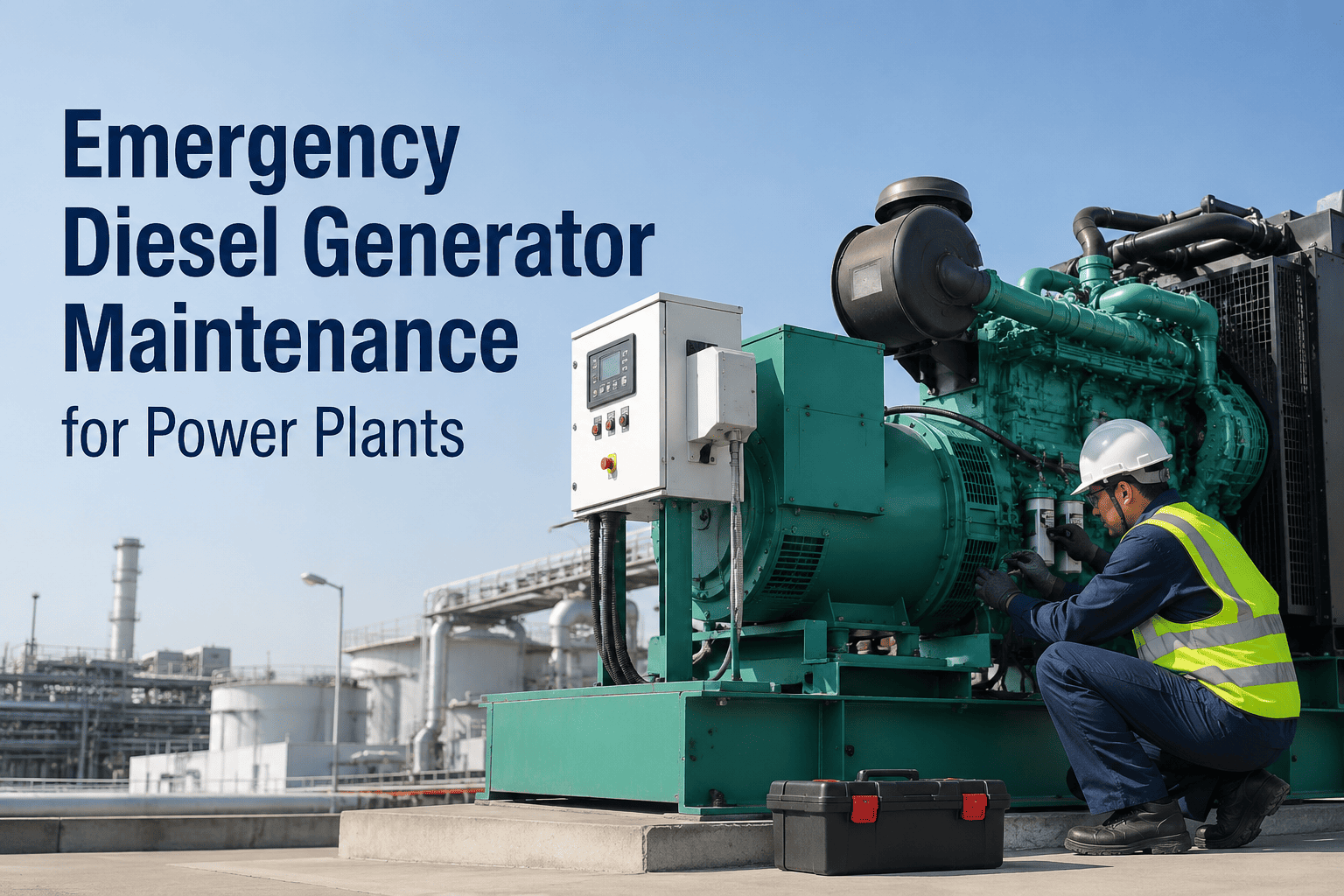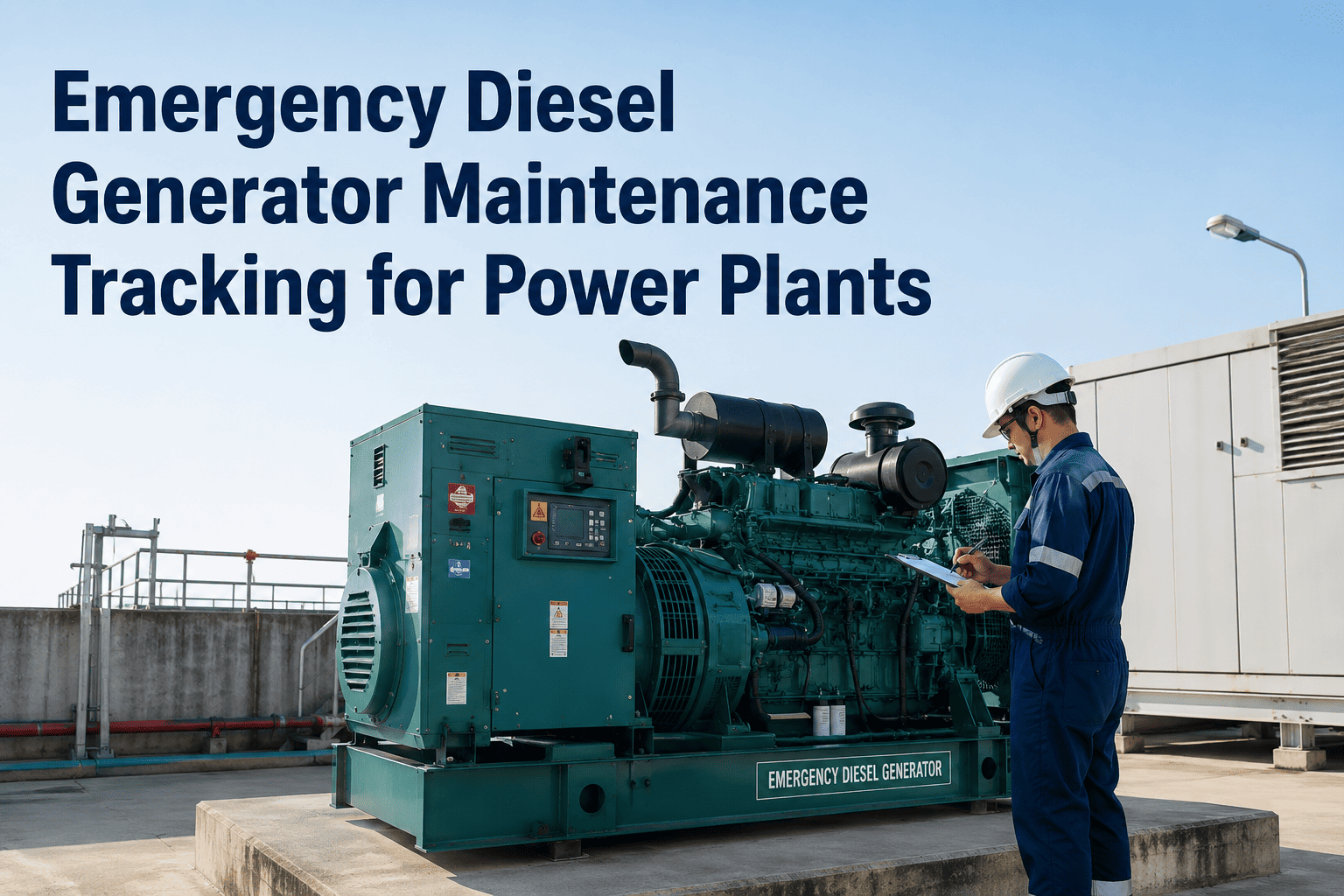
A backup generator that fails to start during a real outage is not a maintenance gap — it is a structural risk to every critical load it was installed to protect. NFPA 110 sets the minimum bar: weekly inspection, a 30-minute monthly load run at 30 percent of nameplate rating, and an annual full load bank test, and yet poorly maintained diesel standby units still reliably drop to roughly 80 percent reliability after just 12 hours of continuous use. The gap between passing a monthly test and actually being ready during a real grid failure is where most plants quietly fail. Closing that gap starts with the OxMaint CMMS platform.
NFPA 110 Compliance Is the Floor, Not the Finish Line
Automated test scheduling, load test documentation, wet-stacking detection, and audit-ready records for every emergency generator on site.
The NFPA 110 Testing Calendar Most Plants Get Wrong
NFPA 110 Chapter 8 lays out a specific cadence for inspecting and exercising emergency power supply systems, and missing any single layer of it is what leads to a generator that passes its paperwork but fails when called on. The calendar below maps the four testing bands every Level 1 and Level 2 EPSS needs to clear.
Visual & System Inspection
Lubrication, exhaust, battery, electrical, cooling, and fuel systems checked visually. No load run required at this stage — this is the early-warning layer.
30-Minute Load Run
Generator exercised under load through the transfer switch for a minimum of 30 minutes at 30 percent or more of nameplate kW, confirming exhaust temperature and combustion quality.
Full Load Bank Test
Two-hour test at 100 percent rated load using a resistive load bank when building load is insufficient, with voltage, frequency, and exhaust temperature trended throughout.
Fuel Quality Test
Stored diesel sampled and tested against ASTM standards. Fuel contamination is one of the most common root causes behind a generator that fails on actual demand.
Wet Stacking — The Silent Failure Mode Behind Most "Tested but Failed" Generators
A generator can pass every monthly test on paper and still be quietly accumulating unburned fuel and carbon in the exhaust system because it never runs hot enough or long enough under real load. This condition, known as wet stacking, is the single most common reason a generator that has a clean test log still underperforms during an actual emergency. Tracking the right signals catches it months before it becomes a failed start.
Black or Oily Exhaust
Visible residue during or after a load test indicates incomplete combustion building up inside the exhaust system.
Exhaust Temperature Below Spec
If exhaust temperature never reaches the manufacturer's recommended band during a load run, the engine is not working hard enough to clear deposits.
Raise Load Percentage
Increasing test load toward 100 percent during the annual bank test burns off accumulated deposits that monthly 30 percent runs cannot reach.
Trend Every Reading
Logging load percentage, exhaust temperature, and run duration for every test reveals a drifting pattern long before a failed start does.
Stop Discovering Generator Problems During an Actual Outage
OxMaint schedules every weekly inspection, monthly load run, and annual test automatically — and keeps the audit trail an AHJ inspector actually wants to see.
What a Compliant Monthly Load Test Record Actually Needs to Show
A test that was performed but undocumented is functionally the same as a test that never happened, from an auditor's perspective. The record below shows the data points a properly logged monthly test should carry inside the CMMS, so nothing has to be reconstructed from memory weeks later.
Reactive vs Scheduled Generator Maintenance — What Changes Over a Year
Plants that rely on memory and manual calendar reminders consistently slip on test cadence the moment a busy week hits. The comparison below is what changes across a 12-month cycle once testing schedules, load data, and documentation move into a CMMS instead of a wall calendar.
| Maintenance Element | Manual Tracking | CMMS-Scheduled Tracking |
|---|---|---|
| Monthly Load Test Compliance | Frequently slips during busy operating periods | Auto-scheduled with escalation if overdue |
| Wet Stacking Detection | Caught only after a visible failure | Flagged from exhaust temperature trend data |
| Annual Load Bank Test | Scheduled manually, often delayed | Triggered automatically ahead of due date |
| Audit Documentation | Reconstructed from logs before inspection | Always current, exportable on demand |
| Fuel Quality Testing | Easy to overlook in annual planning | Linked to asset record with due-date alerts |
Frequently Asked Questions
Make Every Generator Audit-Ready Before the Inspector Asks
From weekly inspections to the annual load bank test, OxMaint keeps your emergency power documentation complete, current, and instantly exportable.