Compressor Runtime Tracking and Maintenance Scheduling

By shreen on February 21, 2026

compressor_runtime_tracking_and_maintenance_scheduling

Compressors are the workhorses behind every industrial operation—powering pneumatic tools, HVAC systems, refrigeration units, and process lines around the clock. Yet most facilities still track compressor runtime on paper logs or not at all, leading to missed oil changes, unexpected bearing failures, and energy bills that climb without explanation. Facilities that switch to automated runtime tracking and scheduled maintenance through a digital CMMS platform like Oxmaint report up to 40% fewer compressor breakdowns and 20% longer equipment lifespan. This guide covers exactly how to set up runtime tracking, build effective maintenance schedules, and keep every compressor in your facility running at peak efficiency.

72%
of compressor failures are preventable with proper runtime-based maintenance scheduling
$8,600
average cost of a single unplanned compressor shutdown including lost production
35%
of total compressor lifecycle cost is energy—runtime tracking identifies waste fast

Why Most Compressor Maintenance Programs Fail Without Runtime Data

Calendar-based maintenance schedules assume every compressor runs the same number of hours per month. In reality, a compressor on a 24/7 production line accumulates runtime three times faster than one serving intermittent packaging operations. Without actual runtime data, maintenance teams either service equipment too early—wasting labor and parts—or too late, after damage has already started. The result is a cycle of reactive repairs, inflated spare parts inventory, and compressors that never reach their designed service life. Start tracking compressor runtime automatically with Oxmaint and eliminate guesswork from your maintenance schedules.

Key Insight
Compressors serviced by runtime hours last 2.3x longer than those on calendar-only schedules

Research across 1,200 industrial facilities shows that runtime-based maintenance intervals—triggered by actual operating hours rather than calendar dates—dramatically extend compressor life, reduce catastrophic failures, and lower per-unit maintenance cost by an average of 28%.

Essential Compressor Runtime Tracking Parameters

Effective compressor maintenance starts with knowing exactly what to monitor. These six tracking categories cover every data point your maintenance team needs to make informed service decisions and prevent unplanned downtime.

RUN
Operating Hours Tracking

Record cumulative run hours for each compressor unit individually. Differentiating loaded hours from unloaded idle hours reveals true duty cycle and prevents premature or delayed service intervals.

What This Tracks
+ Overdue oil and filter changes before they cause bearing damage
+ Short-cycling patterns that indicate control valve or pressure switch issues
TMP
Thermal Performance Monitoring

Discharge air temperature and oil temperature are leading indicators of compressor health. Trending thermal data against runtime hours reveals degradation patterns weeks before mechanical failure occurs.

What This Tracks
+ Cooler blockage and airflow restrictions before thermal shutdown
+ Oil viscosity breakdown requiring early fluid replacement
PRS
Pressure Differential Analysis

Monitoring inlet, interstage, and discharge pressures against runtime hours exposes filter clogging, valve seat wear, and capacity degradation that calendar-based checks routinely miss.

What This Tracks
+ Air filter and oil separator element degradation rate per operating hour
+ Check valve failures causing backflow and pressure instability
NRG
Energy Consumption Tracking

Compressors consume up to 35% of a facility's total electrical load. Correlating kWh consumption with runtime hours and CFM output exposes efficiency losses that directly impact operating budgets.

What This Tracks
+ Energy waste from air leaks, artificial demand, and oversized compressors
+ Motor efficiency decline indicating winding insulation or bearing issues
VIB
Vibration and Acoustic Monitoring

Runtime-correlated vibration data is the most reliable early warning system for rotating equipment failure. Tracking vibration velocity and acceleration against cumulative hours builds a degradation curve unique to each compressor.

What This Tracks
+ Bearing wear progression before catastrophic seizure
+ Coupling misalignment and mounting looseness developing over time
FLD
Fluid Analysis and Contamination

Compressor oil quality degrades in direct proportion to runtime hours, heat exposure, and contaminant ingress. Scheduled fluid sampling tied to operating hours—not calendar months—prevents both premature changes and overextended intervals.

What This Tracks
+ Oil breakdown timing specific to each compressor's actual duty cycle
+ Contaminant ingress from failed intake filters or environmental exposure
Automate every compressor check on this list. Oxmaint triggers maintenance tasks based on actual runtime hours—not guesswork—so your team services the right compressor at the right time, every time.

Calendar-Based vs. Runtime-Based Compressor Maintenance

The difference between these two approaches determines whether your compressors reach their full service life or fail prematurely. Here is how they compare across every critical maintenance dimension.

Maintenance Dimension
Calendar-Based
Runtime-Based (CMMS)
Service Trigger
Fixed dates regardless of usage
Actual operating hours per unit
Oil Change Timing
Every 3 months—too early or too late
At 2000h loaded hours with fluid analysis
Filter Replacement
Monthly swap, often wasteful
Pressure differential + hours trigger
Failure Prediction
None—reactive repairs only
Trend analysis flags degradation early
Parts Inventory
Overstocked safety margins
Demand-forecasted from runtime data
Documentation
Paper logs, often incomplete
Automated digital records with photos
Avg. Compressor Lifespan
8–12 years
15–20+ years

How Oxmaint Automates Compressor Maintenance Scheduling

A CMMS platform transforms compressor maintenance from a manual guessing game into a data-driven, automated workflow. Oxmaint connects directly to your compressor runtime data and handles scheduling, task assignment, parts management, and compliance documentation—all from one dashboard. Sign up free and connect your first compressor in under 5 minutes.


Runtime-Triggered Work Orders

Set maintenance triggers based on actual compressor operating hours. When a unit hits its service threshold, Oxmaint automatically generates a work order with the correct procedure, assigns it to the right technician, and reserves parts from inventory.

Auto-SchedulingHour Meters

Mobile Inspection Checklists

Technicians complete compressor inspections on their phones with guided checklists, photo capture, and meter reading entry. Data syncs instantly to the central dashboard—no paper forms, no transcription errors, no missing records.

Mobile-FirstPhoto Capture

Spare Parts Forecasting

Runtime data feeds demand forecasting models that predict exactly when filters, oil, belts, and separator elements will be needed. Oxmaint auto-generates purchase requests before stock runs out, eliminating both emergency orders and overstocking.

InventoryAuto-Reorder

Compliance and Audit Logs

Every compressor service event is timestamped, documented, and stored with technician signatures and photo evidence. Generate compliance reports for OSHA, ISO 8573, and insurance audits in seconds instead of hours.

Audit TrailISO Compliance
We went from changing compressor oil every 90 days across the board to servicing each unit based on its actual loaded hours. Three units that were being over-serviced now get attention every 5 months, and two high-duty units get serviced more frequently. Total compressor downtime dropped 38% in the first year.
— Maintenance Manager, Regional Food Processing Plant

Stop Guessing When Your Compressors Need Service

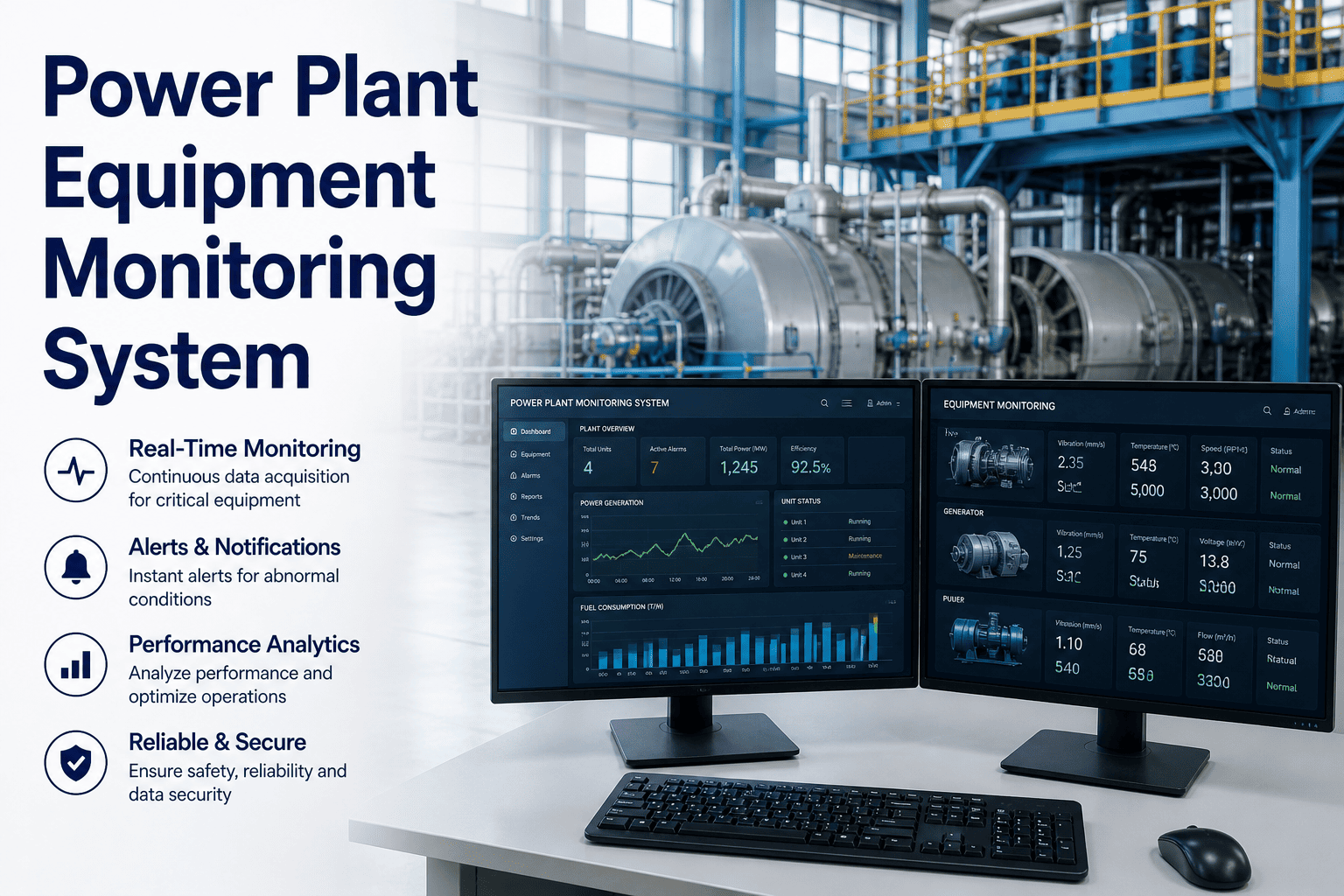
Oxmaint tracks every compressor's runtime automatically, triggers maintenance at exactly the right hour intervals, and gives your team mobile tools to complete inspections, log readings, and document every service event—all in one platform built for facility maintenance teams.
Frequently Asked Questions About Compressor Runtime Tracking

How does runtime-based maintenance differ from preventive maintenance?
Preventive maintenance follows fixed calendar intervals—monthly, quarterly, annually—regardless of how much the compressor actually runs. Runtime-based maintenance triggers service tasks based on accumulated operating hours, which means each compressor gets serviced according to its actual workload. This prevents both over-servicing low-use units and under-servicing high-duty machines.
Can I track compressor runtime without installing new sensors?
Yes. Most industrial compressors built after 2005 have built-in hour meters and controller outputs. Oxmaint can receive data from existing Modbus, BACnet, or dry-contact outputs. For older units without digital interfaces, simple runtime current sensors or pulse counters can be added for under $200 per unit. Sign up free to see how Oxmaint connects to your existing compressor controllers.
What maintenance intervals should I set for rotary screw compressors?
Typical runtime-based intervals for rotary screw compressors include: air filter inspection every 500 hours, oil sampling every 2000 hours, separator element replacement every 4000-8000 hours, and airend bearing inspection every 20,000 hours. These intervals should be adjusted based on your specific environment, oil type, and operating conditions—runtime data helps you fine-tune them over time.
How quickly can I set up compressor tracking in a CMMS?
With Oxmaint, most facilities have their compressor assets registered, runtime meters configured, and initial maintenance schedules active within one day. The platform includes pre-built compressor maintenance templates for rotary screw, reciprocating, and centrifugal types. Book a demo to walk through the compressor setup workflow with our team.
Does runtime tracking help with energy cost reduction?
Absolutely. Correlating energy consumption (kWh) with runtime hours and air output (CFM) reveals specific power efficiency trends for each compressor. When a unit's kW-per-100-CFM ratio starts climbing, it signals mechanical issues, control problems, or air leaks—all of which drive energy costs up. Runtime-linked energy tracking typically identifies 10-25% savings opportunities in compressed air systems.

Share This Story, Choose Your Platform!