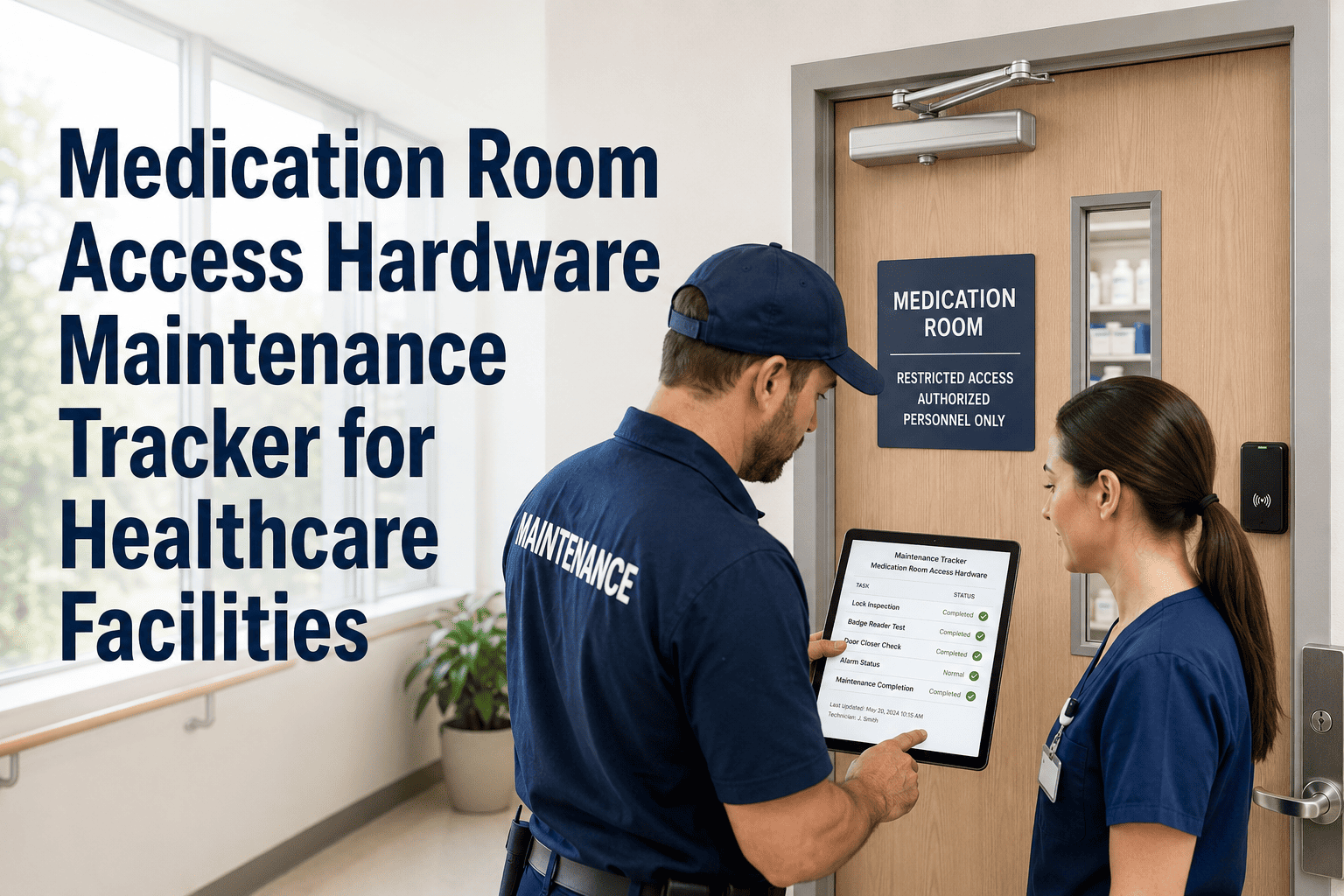
A door controller on a medication room failing quietly is a different kind of problem than a door controller failing loudly. A loud failure gets noticed and fixed the same day. A quiet one — a badge reader that's slow to respond, a keypad that occasionally drops a digit, a lock that latches but doesn't fully engage — gets worked around by staff and never makes it onto anyone's maintenance schedule. That's exactly the kind of gap that shows up later as a diversion investigation finding, not as a routine repair ticket. Over 70% of hospital pharmacies now run dedicated drug diversion surveillance, and a meaningful share of the access-control weaknesses they uncover trace back to hardware that was never inspected on a fixed schedule. A medication room access hardware maintenance tracker turns that hardware into something with a documented service history, not a silent assumption.
HEALTHCARE FACILITIES · MEDICATION ROOM SECURITY
A Lock That Mostly Works Is Still a Lock That Failed Its Job.
Badge readers, electric strikes, keypads, and door controllers on medication rooms degrade quietly. A maintenance tracker built for access hardware catches that degradation on a schedule — before it becomes a security or compliance event.
WHAT'S ACTUALLY ON A MEDICATION ROOM DOOR
Four Hardware Components, Four Different Failure Patterns
Badge Reader
Common failure: slow response, intermittent no-reads, loose wiring connections
Check: read distance, response time, connection points
Electric Strike / Lock
Common failure: partial latching, misalignment, delayed release
Check: full latch engagement, strike alignment, fail-secure behavior
Keypad
Common failure: dropped digits, worn keys, exposed wiring
Check: full code entry accuracy, key wear, housing integrity
Door Controller
Common failure: firmware drift, database sync errors, lost connectivity
Check: network status, credential sync, event log integrity
OXMAINT · ACCESS HARDWARE MAINTENANCE
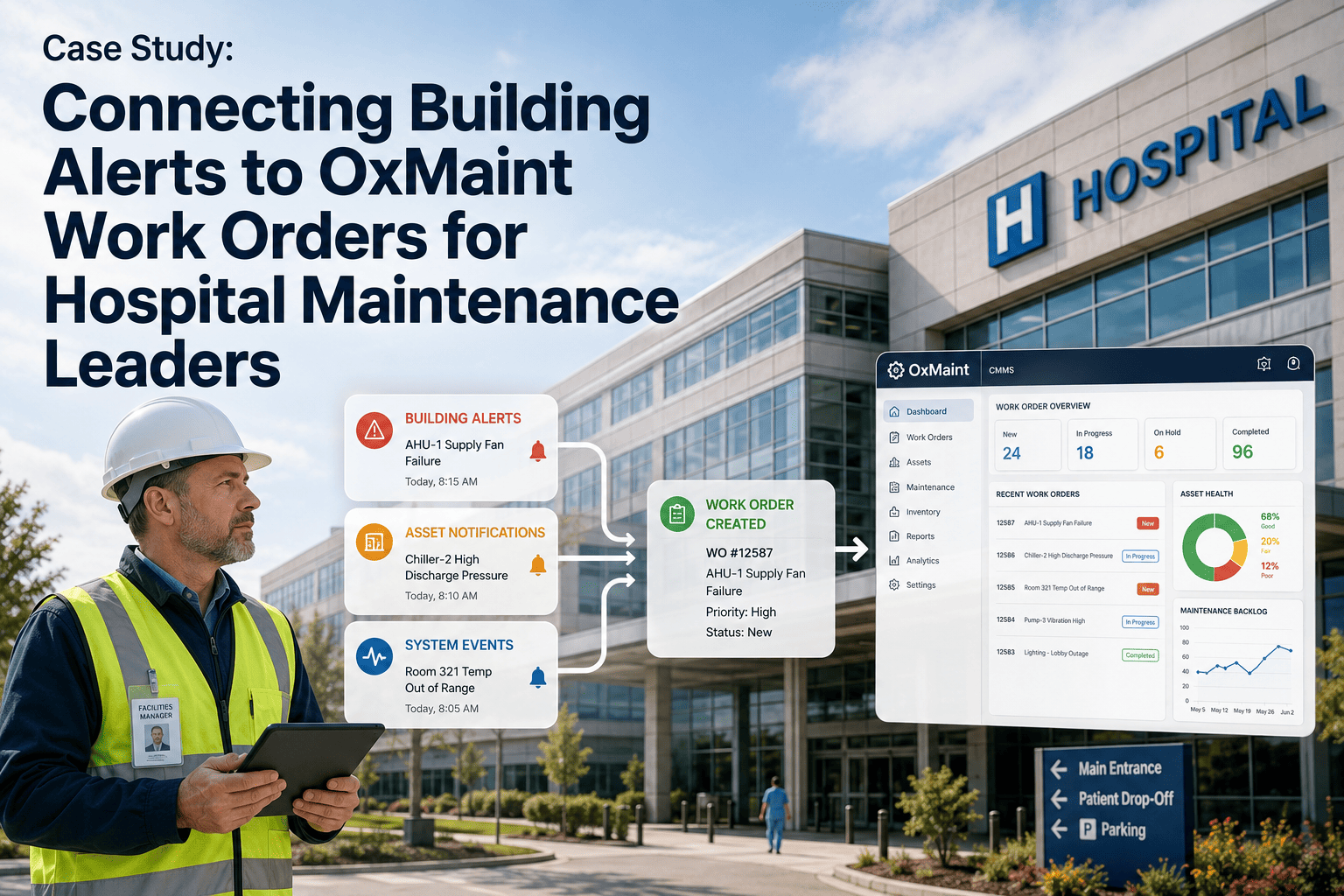
Give Every Medication Room Door a Documented Service History
Schedule recurring inspections per component, capture pass-fail evidence in the field, and generate the audit trail a diversion investigation or TJC survey will ask for.
FIRST, CHECK THE OBVIOUS THING
Hardware Failure or Permission Problem? Triage in This Order
Symptom
Likely Cause
First Action
Badge rejected repeatedly
Expired credential or access group change
Verify permissions before opening a hardware ticket
Reader unresponsive
Loose wiring or failing reader component
Test with a known-good credential to isolate the cause
Door won't fully latch
Strike misalignment or controller fault
Treat as priority — an active security vulnerability
Keypad entry inconsistent
Worn keys or moisture damage
Inspect housing and key wear during the visit
WHEN AN INSPECTION FINDS A PROBLEM
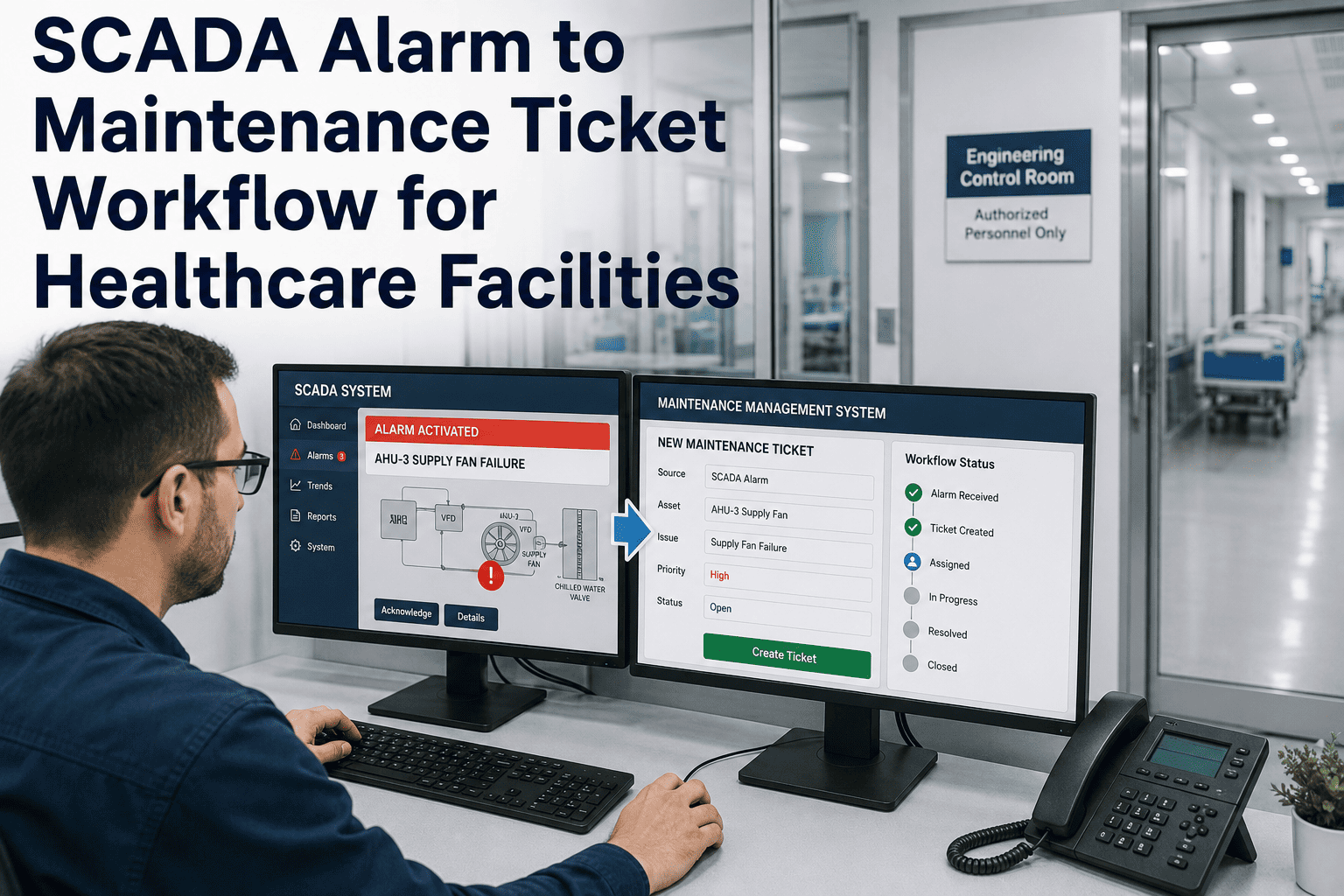
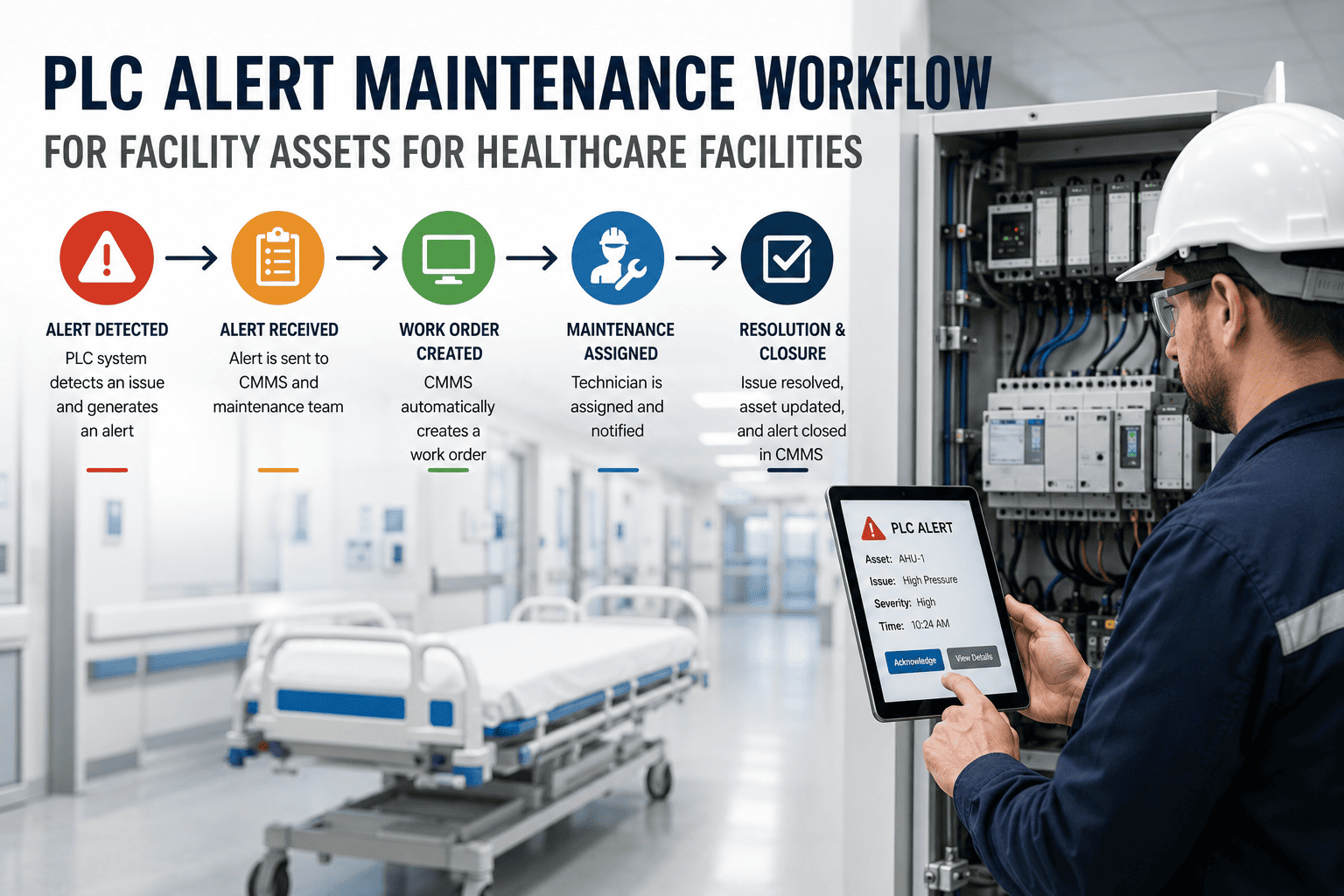
Escalation Has to Happen Automatically, Not Manually
01
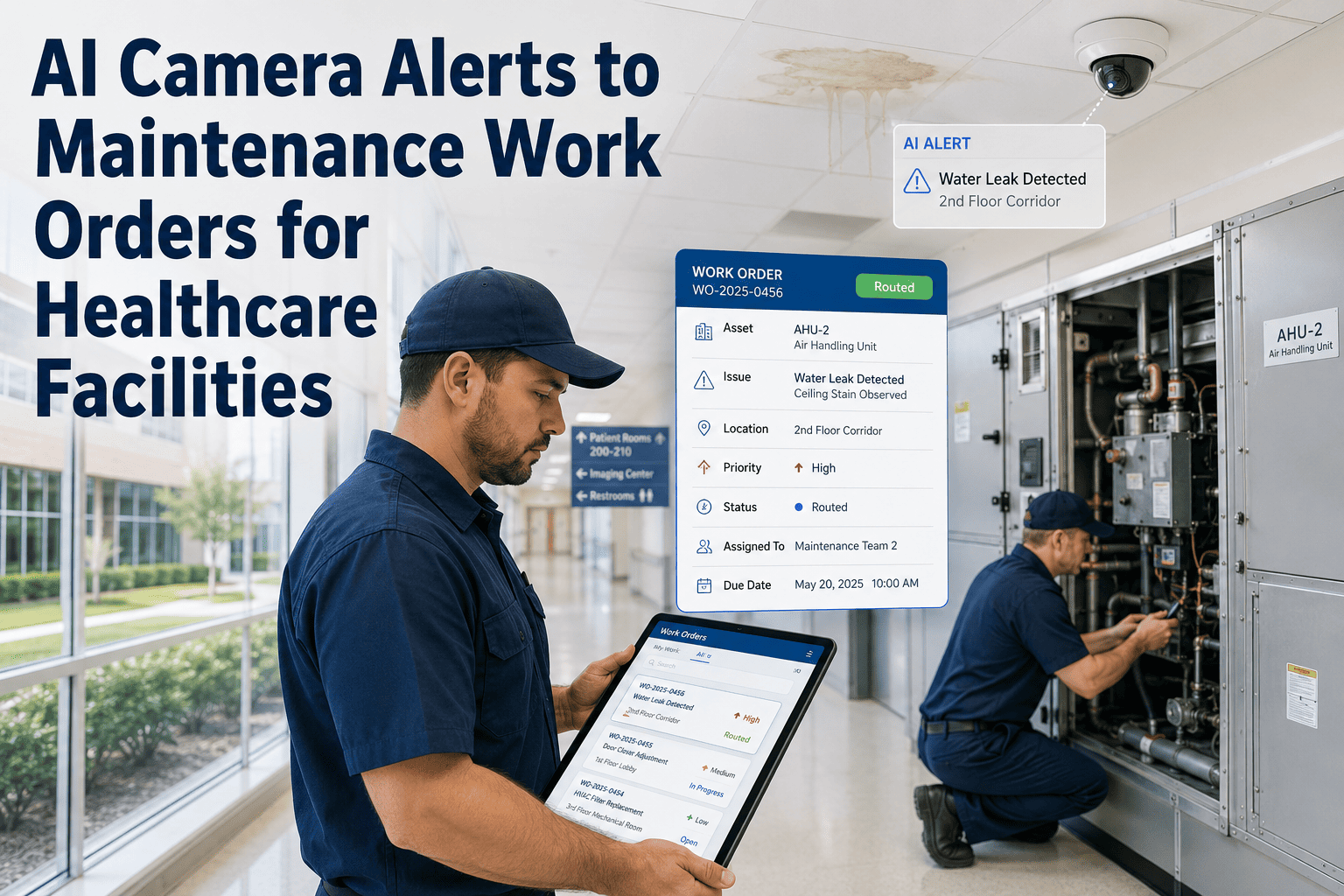
Technician completes the scheduled inspection and logs a failed latch or reader check on the device
02
A corrective work order generates immediately, prioritized as a security item rather than a routine ticket
03
Pharmacy leadership and facilities get notified that the door is degraded until the fix is confirmed
04
The full failure-to-resolution record is stored permanently against that specific door's asset history
WHY THIS MATTERS BEYOND THE DOOR ITSELF
Access Hardware Records Are Part of the Diversion Compliance Picture
National survey data on hospital pharmacy diversion practices found high compliance in deploying physical security measures, but consistently lower compliance in actually monitoring and auditing those same measures over time. A working badge reader is only useful if there is a record proving it stayed working between inspections. When a diversion investigation or a Joint Commission survey asks for that history, a tracked maintenance log gives a direct answer instead of a best guess about when someone last checked the door. Facilities running access hardware on a structured maintenance schedule consistently report fewer surprise failures and faster answers during audits.
“
A failure was documented in a paper inspection log eleven months earlier, and the corrective work order was never generated. The door controller simply stayed broken until a lockdown drill exposed it.
— Facilities Security Lead, Acute Care Hospital Campus
FREQUENTLY ASKED
Medication Room Access Hardware, Explained
How often should medication room access hardware be inspected?
Most hospitals schedule physical inspections monthly, with keypad and lock combinations changed at least once a year or immediately after any staff turnover.
Sign up free to build a recurring schedule.
What's the difference between a software issue and a hardware issue?
Many apparent hardware failures are actually expired credentials, access group errors, or schedule restrictions. Checking permissions first avoids an unnecessary site visit.
Can this maintenance record be used as evidence during a diversion investigation?
Yes, when records are timestamped, technician-attributed, and tied to a specific door, they provide direct documentation of when hardware was last verified functional.
Does a failed inspection automatically create a work order?
It should. A failed check on a medication room door needs to escalate as a priority item immediately, not wait for the next routine maintenance cycle.
Book a demo to see the escalation rules.
Does this cover both card readers and biometric access?
Yes. The same inspection and escalation structure applies to badge readers, keypads, and biometric identification hardware used on automated dispensing and medication room access points.
OXMAINT · HEALTHCARE FACILITY SECURITY
Don't Wait for an Investigation to Find Out a Door Stopped Working
Track every badge reader, lock, keypad, and controller on every medication room door — with scheduled inspections, automatic escalation, and an audit-ready record for every device.