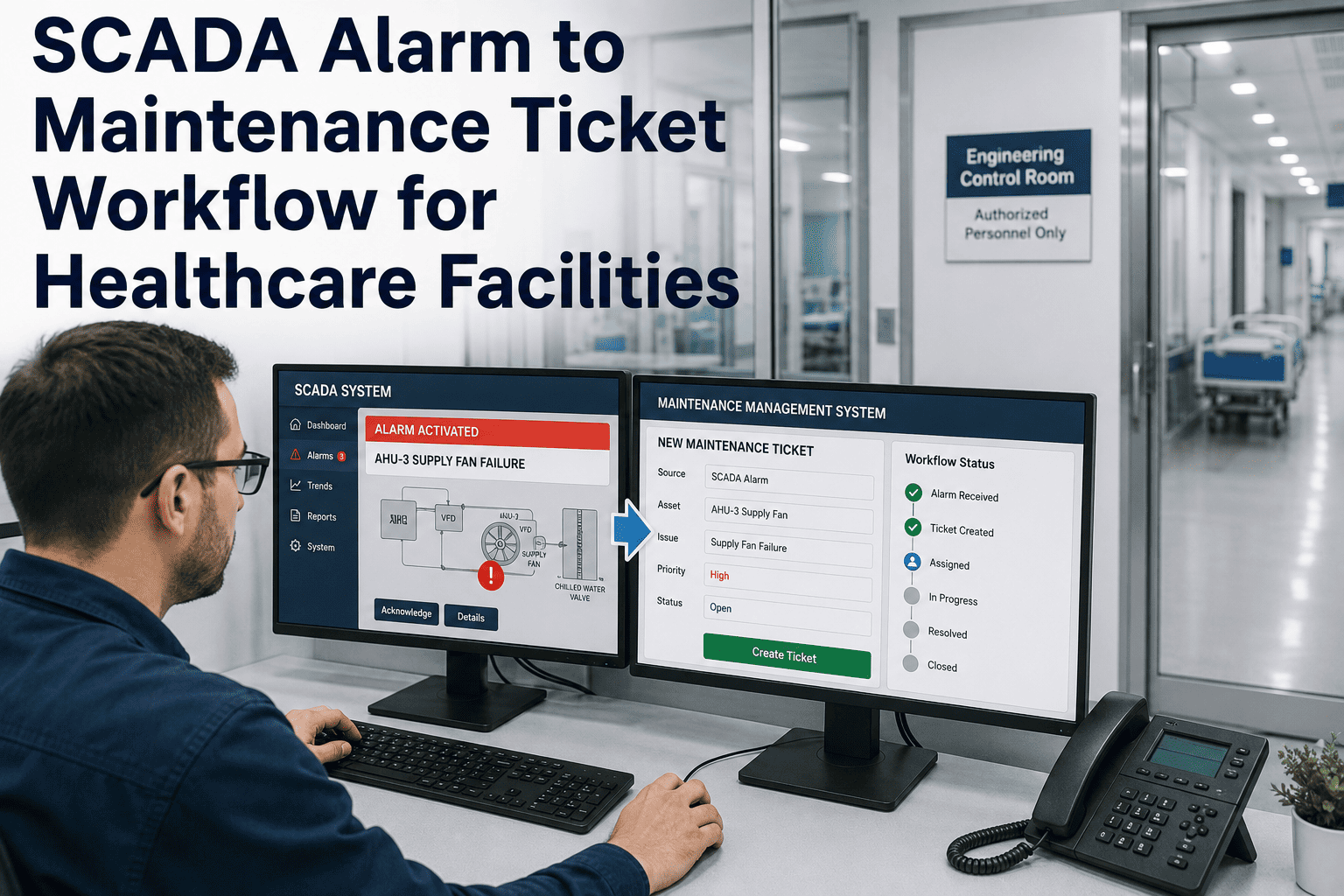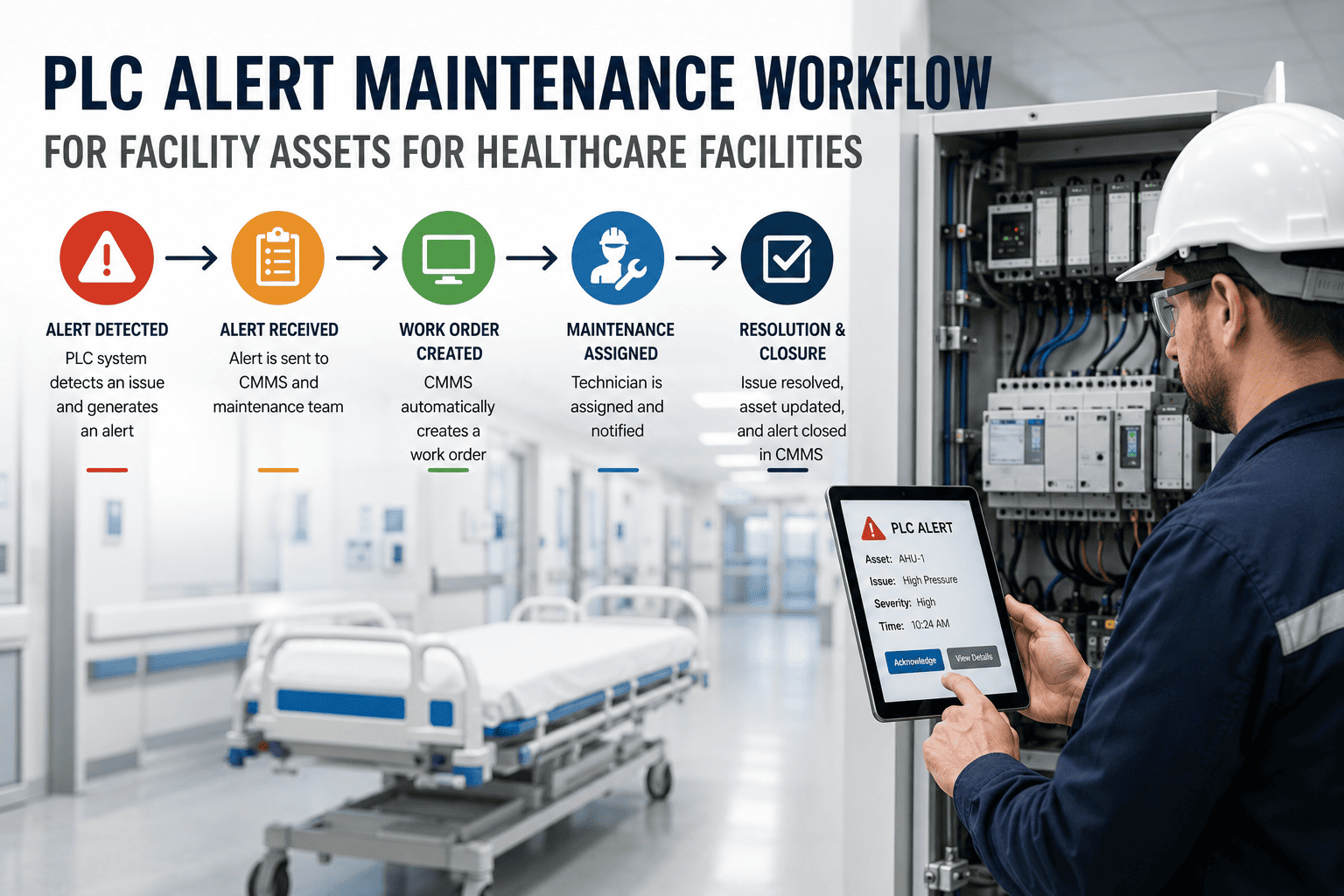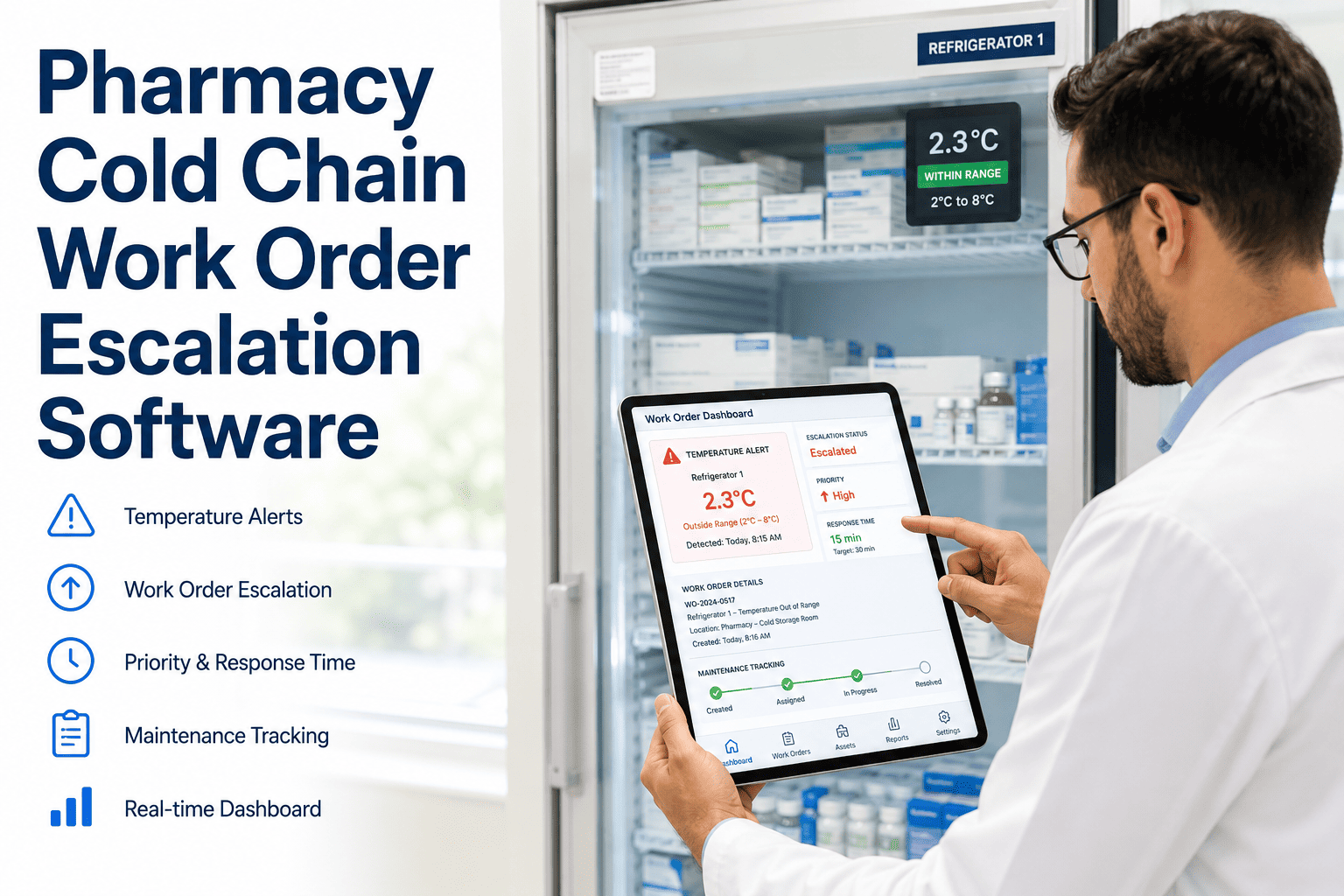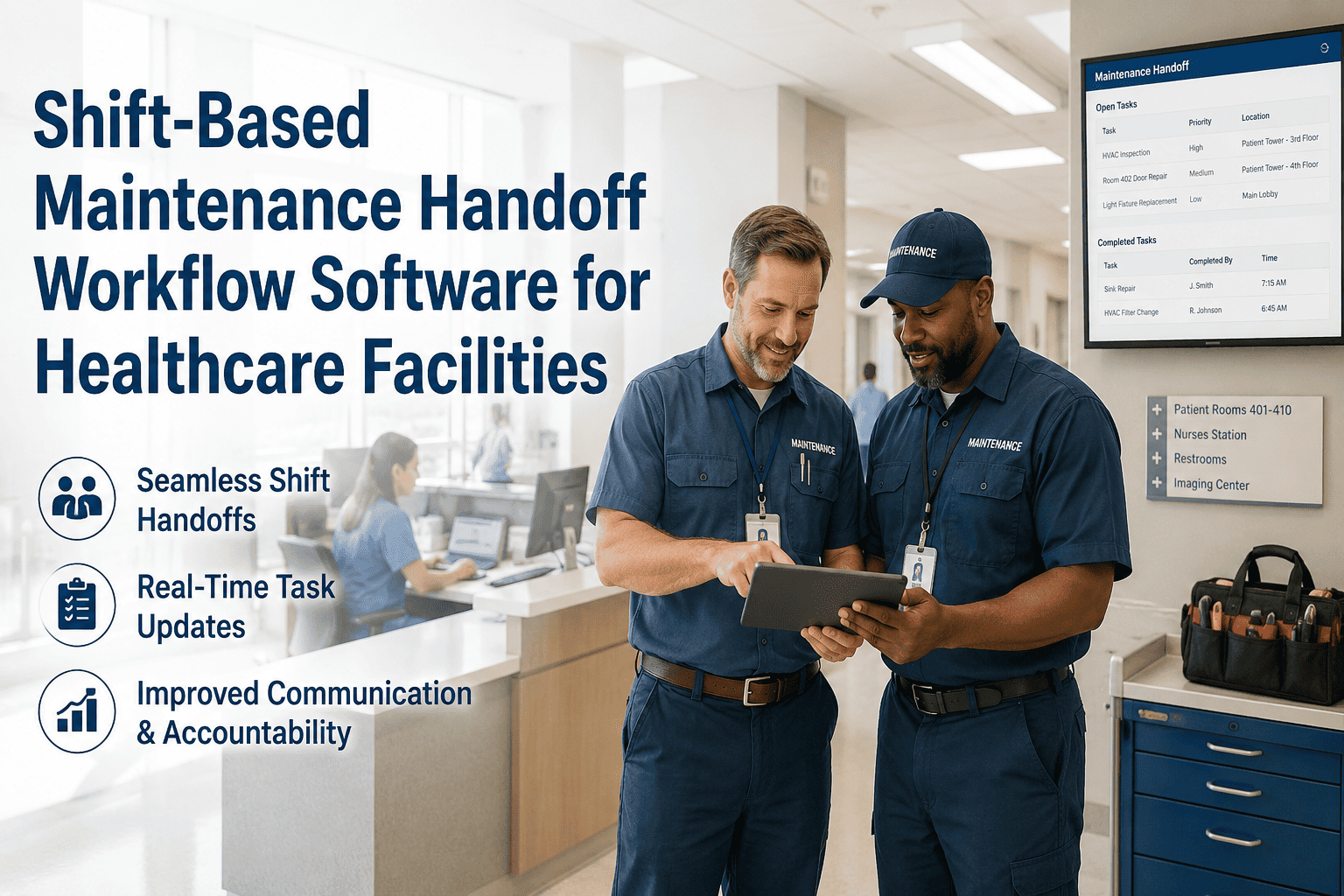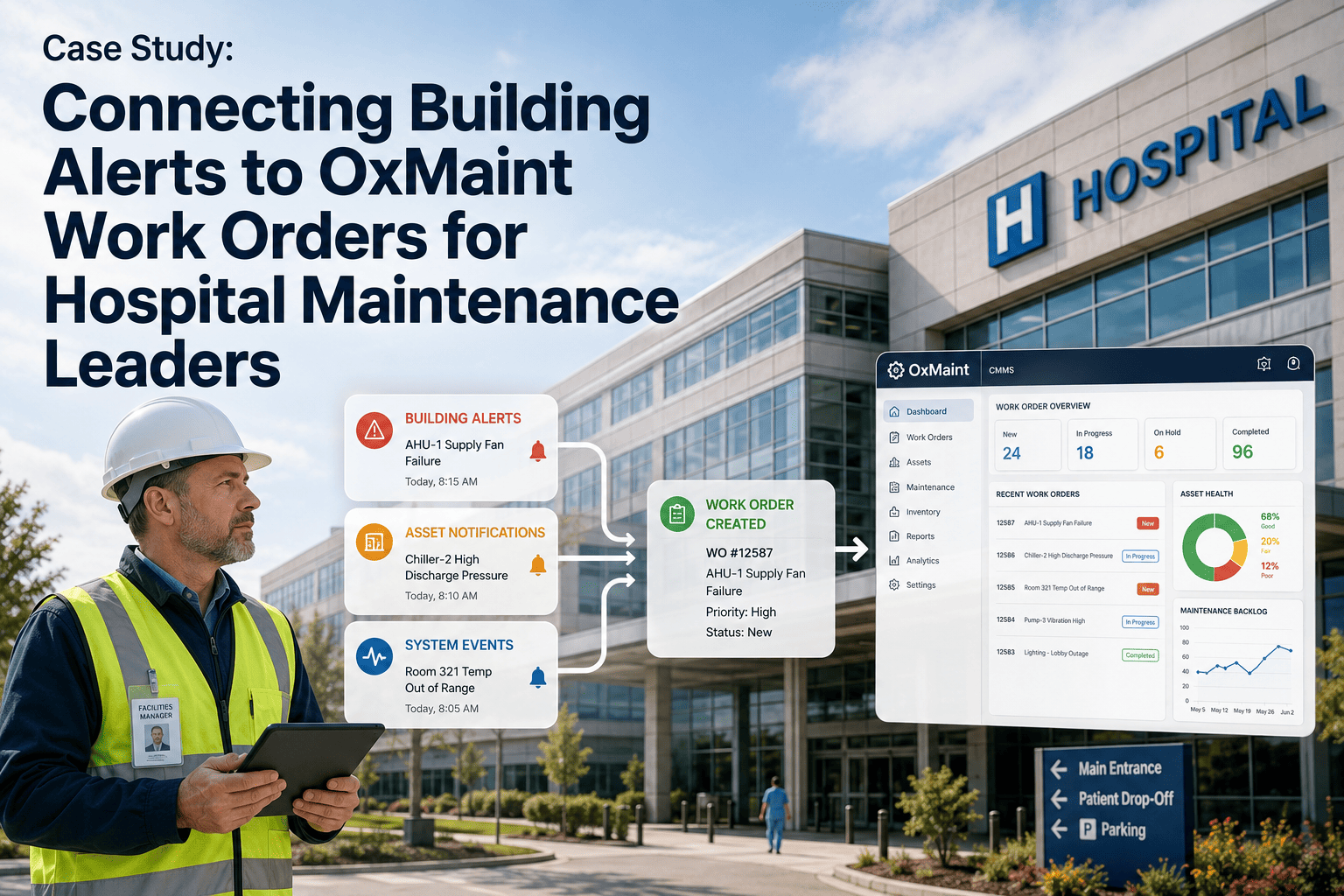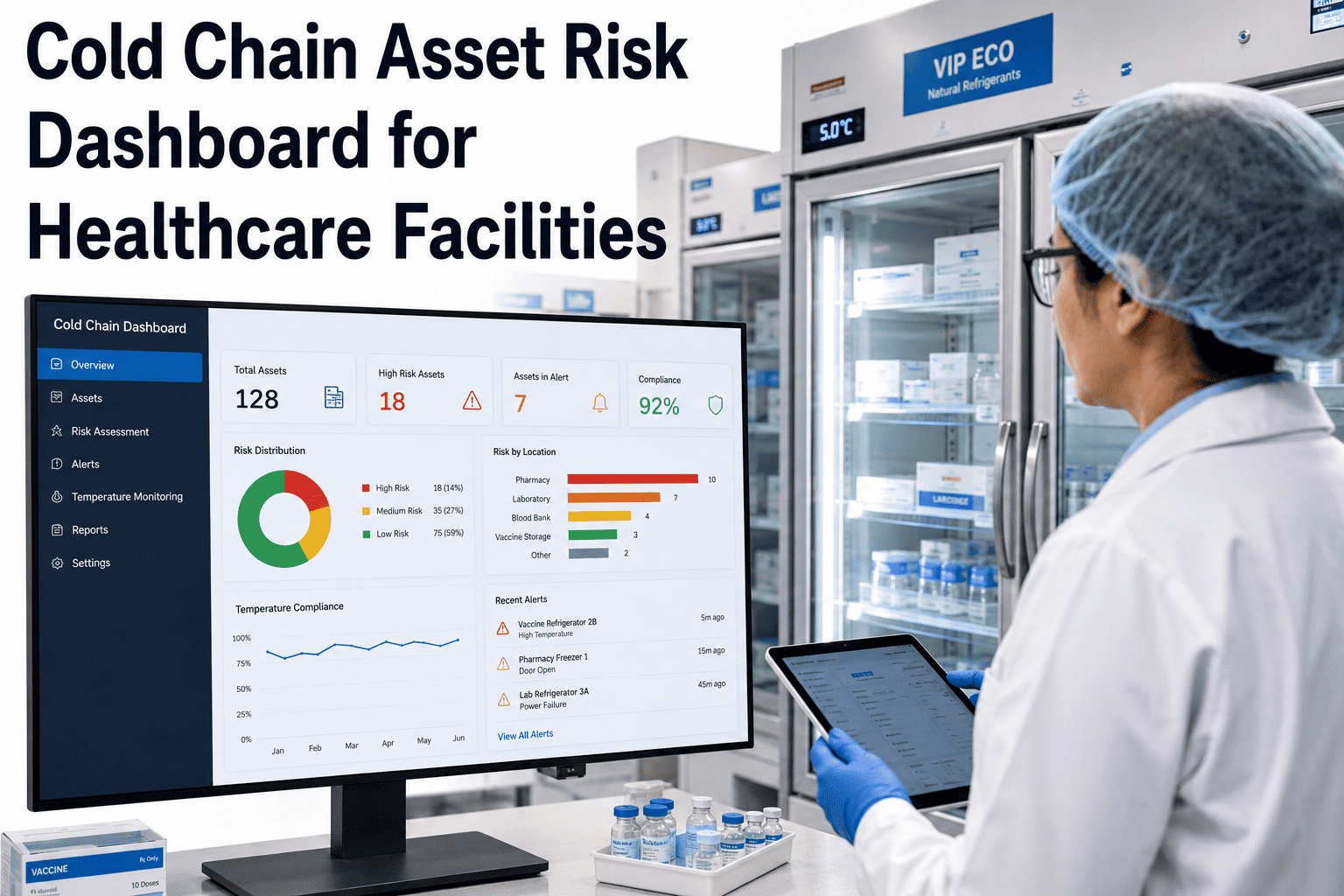
A single vaccine refrigerator failure can destroy more than $40,000 worth of biologics in one weekend — and most hospitals only find out after the temperature has already drifted out of range for hours. Pharmacy coolers, lab freezers, and blood bank units rarely fail with a loud alarm; they drift slowly overnight, on a holiday, or during a shift change when nobody is watching the display. A cold chain asset risk dashboard closes that gap by turning scattered temperature readings into one live risk view across every storage unit in the building. Sign up for Oxmaint to put every pharmacy, lab, and blood bank unit on one risk dashboard, or book a demo to see your facility's cold chain assets mapped live.
One Dashboard for Every Refrigerator, Freezer, and Cold Room That Protects Patient Care
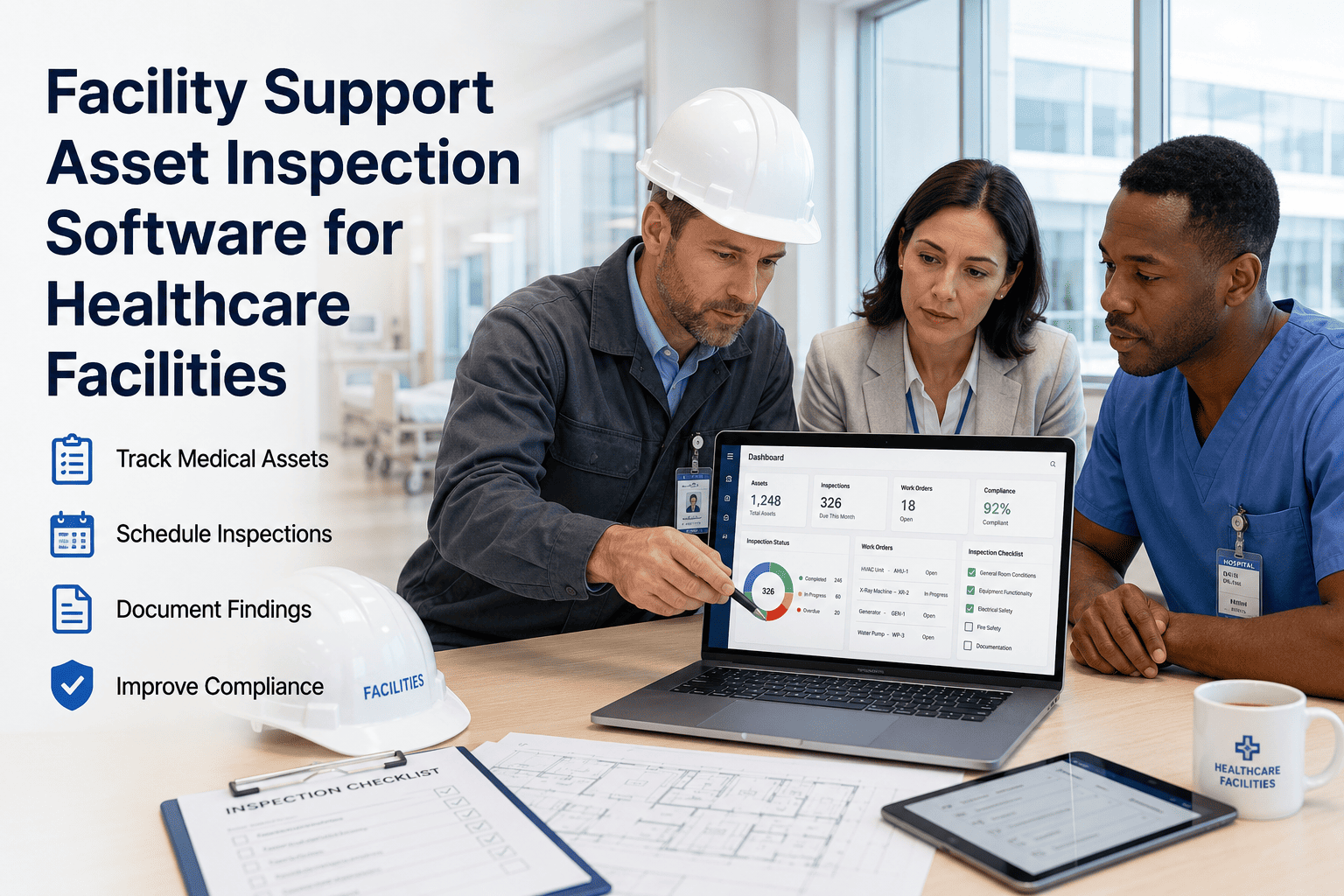
Pharmacy, laboratory, and blood bank cold storage assets are scattered across a hospital — different floors, different teams, different logbooks. Oxmaint's cold chain risk dashboard pulls every unit into a single live screen, scored by risk, so nothing drifts unnoticed between rounds.
What a Cold Chain Risk Score Actually Measures
A single temperature reading tells you almost nothing on its own. Risk comes from patterns — how often a unit cycles near its limit, how long it takes to recover after a door opens, and whether excursions are getting more frequent. Oxmaint's dashboard scores every cold chain asset on four factors that matter to compliance and patient safety.
See Every Pharmacy and Lab Cooler Ranked by Risk, Not Just Listed by Location
Stop checking units one by one. Oxmaint ranks every refrigerator, freezer, and cold room across your facility by real-time risk score, so your team knows exactly which unit needs attention first.
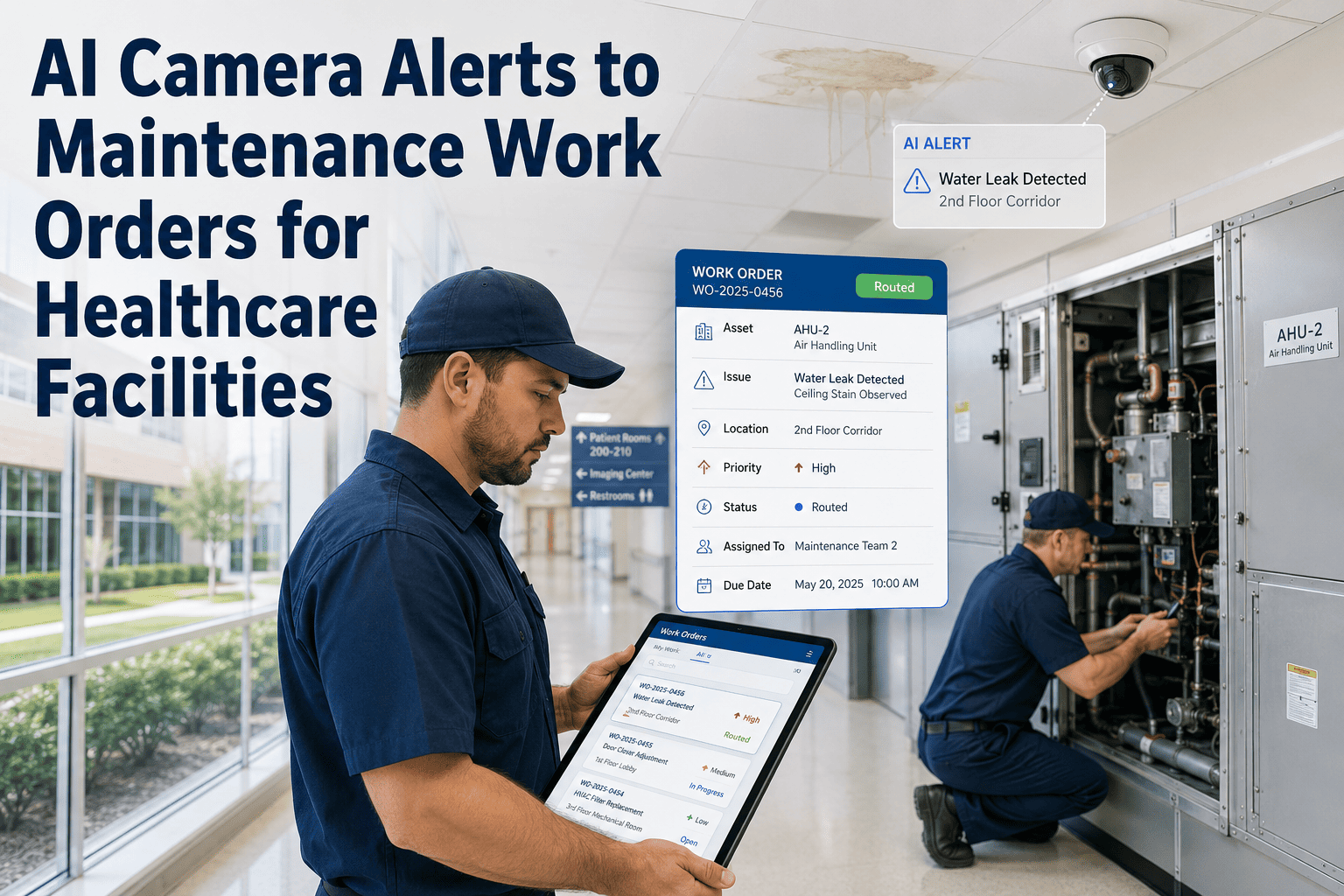
How a Temperature Excursion Moves Through the Dashboard
Paper Temperature Logs Compared to a Live Risk Dashboard
| Factor | Manual Twice-Daily Log | Oxmaint Risk Dashboard |
|---|---|---|
| Detection speed | Up to 12 hours between checks | Continuous, real time |
| Weekend and night coverage | Gap-prone, depends on staffing | Always on, no gaps |
| Cross-unit comparison | Each unit checked in isolation | All units ranked by risk together |
| Audit evidence | Paper sheets, easy to lose or backdate | Digital trail with timestamps and photos |
| Failure prediction | None — only reacts after the fact | Flags drifting units before failure |
Reviewed by Oxmaint's healthcare facilities engineering team, who work with hospital pharmacy, laboratory, and biomedical engineering departments to design cold chain monitoring and CMMS workflows that hold up under Joint Commission and CDC scrutiny.
Cold Chain Risk Dashboard — Frequently Asked Questions
A single reading inside range can still belong to a unit that is failing — one with wide cycling swings or slow recovery after every door opening. The risk score in Oxmaint factors in excursion history, recovery speed, and service status together, so a unit trending toward failure gets flagged before it actually breaches its limit. Book a demo to see how risk scoring looks across your real units.
No. Oxmaint connects to your existing wireless temperature sensors and data loggers rather than replacing them, pulling their readings into one dashboard alongside maintenance history and work orders. Most pharmacy and lab sensor brands integrate without new hardware. Sign up to check compatibility with your current sensors.
Yes. Each department can view only its own units while facility engineering and quality teams see the full cross-department risk view in one place. Permissions are configured by department, role, or individual unit. Book a demo to see department-level views set up for your facility.
Historical readings, excursions, and service records stay attached to the asset record permanently, even after a unit is decommissioned or swapped, which supports the multi-year log retention many compliance bodies recommend. Sign up to start building permanent asset history for your cold chain units today.
Stop Finding Out About a Cold Chain Failure After the Inventory Is Already Lost
Oxmaint gives your pharmacy, lab, and blood bank teams one live risk dashboard across every cold storage asset — with automatic alerts, routed work orders, and audit-ready history built in.