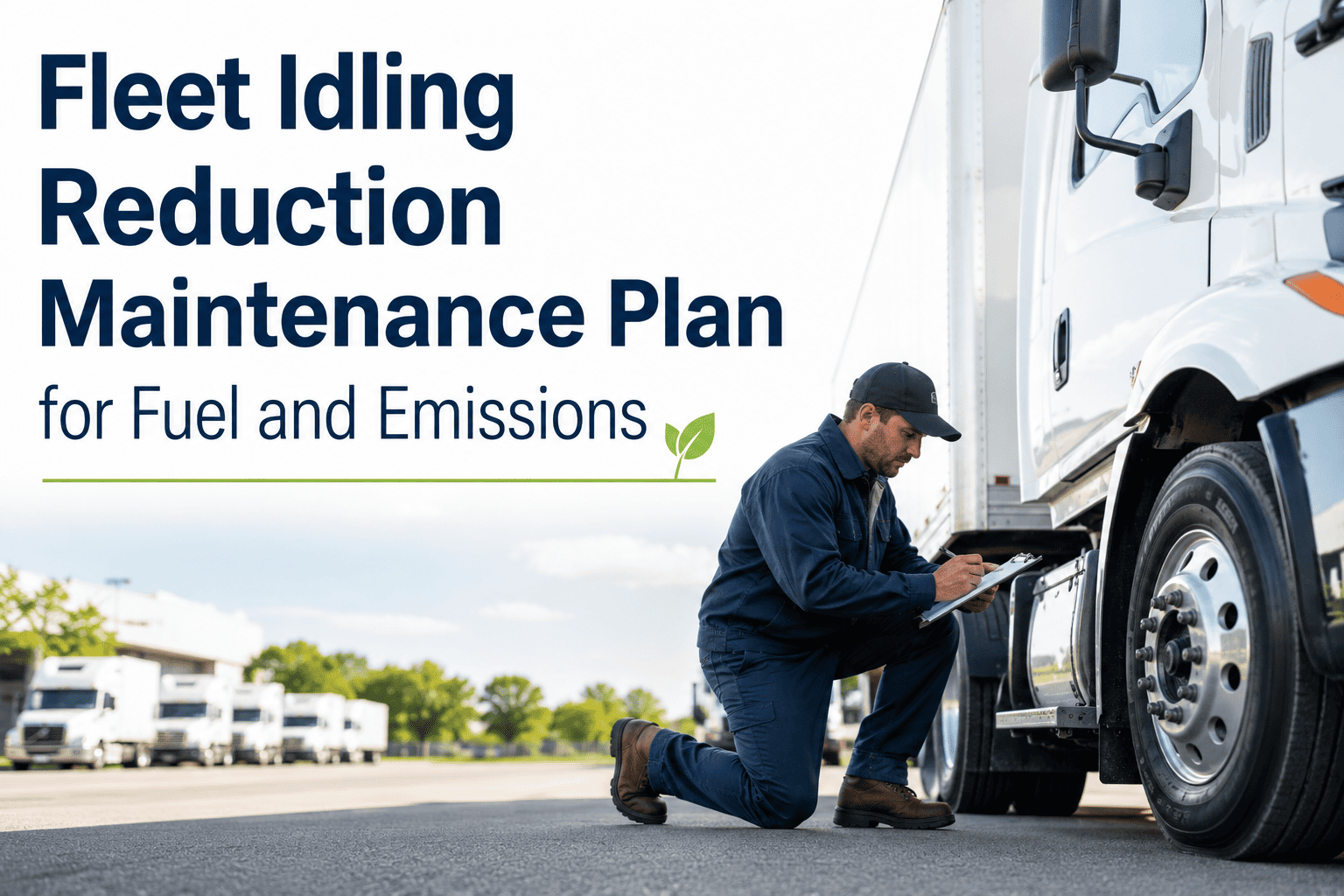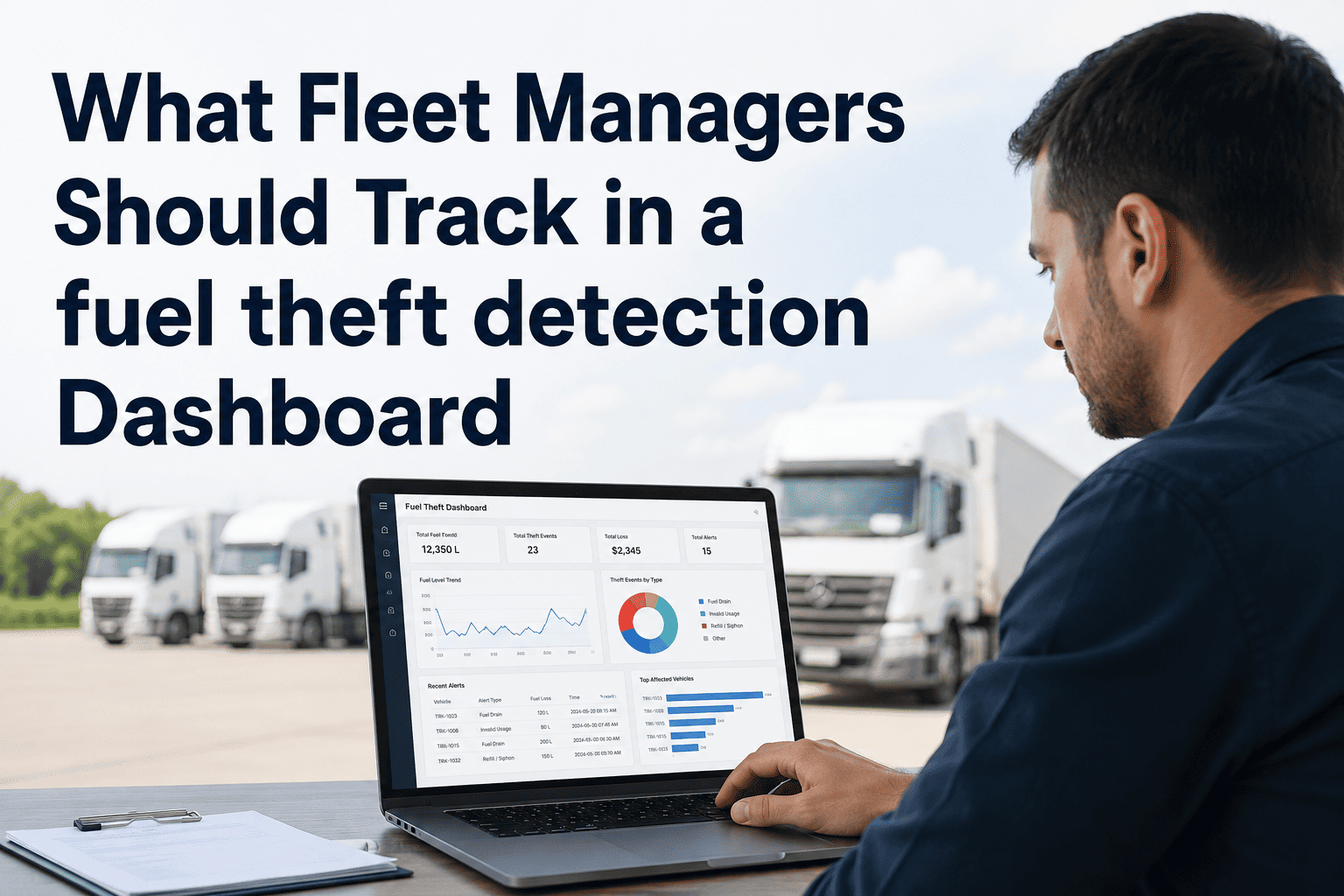
Fleet idle fuel waste is the quietest line item on a maintenance budget — engines burning fuel with zero productive output, hidden inside everyday warm-ups, gridlock and PTO-powered downtime. Detecting and reducing fleet idling fuel waste requires more than a dashboard alert; it takes telematics data integrated into a CMMS-driven idle reduction program that coaches drivers, triggers preventive maintenance and tracks fuel recovery at the asset level. OxMaint maintenance management software helps fleet operations teams cut idle fuel consumption 15–30% without hurting operations — you can Start Free Trial or book a guided demo to see the idle-reduction workflow on your own assets.
Is invisible idle fuel waste quietly burning 15–30% of your fleet's fuel budget?
A single Class-8 truck idling just 4 hours per day can waste over 900 gallons of fuel per year — and across a 50-truck fleet that is $180K+ gone with zero miles to show for it. OxMaint turns telematics idle data into driver-level coaching, preventive maintenance triggers and real fuel-savings accountability.
How much does fleet excessive idling fuel actually cost?
Idling consumes fuel at 0.6–1.0 gal/hr for a diesel Class-8 tractor and delivers zero revenue miles. The waste compounds across engine wear, DEF consumption and PM cycle shortening — yet most fleets cannot quantify it because idle hours are buried in telematics exports, not integrated into the maintenance system.
A 50-truck regional fleet spending $42K/yr on idle fuel
50 trucks × 3.2 idle hrs/day × 250 days × 0.8 gal/hr × $4.00/gal = $51,200/yr in pure idle fuel waste. Add 15% for accelerated oil degradation, DPF clogging and turbo wear and the true cost approaches $59K/yr. With OxMaint idle detection and coaching, this fleet targets a 25% reduction — $13K–$15K recovered annually, plus extended PM intervals.
How to detect fleet idle fuel waste before it drains the budget
You cannot reduce what you cannot measure. Idle fuel monitoring for fleet operations requires three detection layers working together — sensor-level data, asset-level analytics and driver-level accountability — all feeding one CMMS so maintenance and operations act on the same numbers.
Telematics Idle Data Integration
OxMaint ingests PTO-on, engine-RPM and ignition-idle events directly from telematics providers. Every idle minute is timestamped, geolocated and attached to the specific asset record — no manual CSV uploads or spreadsheet reconciliation.
Driver-Level Idle Reporting
Idle hours are attributed to the assigned driver, not just the vehicle. OxMaint generates weekly idle scorecards ranking drivers by idle ratio, fuel burned and cost — giving dispatchers the coaching evidence they need.
Excessive-Idle Alerting
Configurable thresholds (e.g., idle > 30 min with ambient temp > 50°F) trigger automated work orders or driver notifications. Alerts flow into the CMMS queue so maintenance can inspect suspect sensors or DPF systems proactively.
Idle-to-PM Correlation
OxMaint correlates rising idle hours with DPF regen frequency, oil-life degradation and turbo anomalies — flagging assets where excessive idling signals a developing maintenance issue before it becomes a road failure.
Step-by-step timeline to reduce idling fuel in fleet operations
A disciplined idle reduction program delivers measurable fuel savings within 60–90 days. The timeline below maps the five phases OxMaint fleet customers follow — from baseline measurement through sustained coaching and predictive PM adjustment.
Baseline & Benchmark
Integrate telematics feeds into OxMaint. Establish the 30-day idle baseline: total idle hours, idle fuel gallons, idle cost per asset and per driver. Identify the top 20% of idle offenders.
Policy & Threshold Configuration
Set idle thresholds by asset class and operating condition (cold-weather exemptions, PTO operations). Configure automated driver scorecards and excessive-idle alerts routed to dispatch and maintenance queues.
Driver Coaching Workflow
Launch weekly idle scorecard reviews. OxMaint auto-generates coaching tickets for drivers exceeding thresholds. Track improvement per driver and publish fleet-wide idle ratio trends.
PM Cycle Optimization
Adjust PM intervals to reflect actual engine hours (including idle) rather than mileage alone. OxMaint recalculates oil-life and DPF regen schedules so maintenance tracks real engine stress, not calendar guesses.
Sustain & Predict
OxMaint analytics flags idle creep before it becomes a budget problem. Predictive models correlate idle anomalies with component wear — scheduling turbo, injector or DPF service before fuel economy drops or a truck derates on the road.
OxMaint capabilities that cut fleet idle fuel waste 15–30%
OxMaint is an AI-powered CMMS and EAM platform built for maintenance and reliability teams. These four capabilities map directly to idle fuel detection and reduction — each with a concrete, measurable outcome.
Telematics Idle Data Integration
Ingest idle hours, PTO events and fuel-burn data from any telematics provider into one asset record. No manual exports, no spreadsheet drift — every idle minute is attributable and actionable.
Outcome: 100% idle visibility within 30 daysDriver-Level Idle Scorecards
Automated weekly reports rank drivers by idle ratio, fuel wasted and cost impact. Coaching tickets are generated for repeat offenders — turning idle reduction from a poster campaign into a managed workflow.
Outcome: 15–25% idle reduction in 60 daysCMMS-Driven PM Optimization
OxMaint recalculates PM intervals using real engine hours — including idle — so oil changes, DPF regens and turbo inspections track actual stress. Maintenance triggers fire automatically when idle anomalies suggest component wear.
Outcome: 20% fewer premature PMs, 30% fewer road failuresPredictive Idle Analytics
AI models detect idle creep — gradual increases that signal sensor drift, DPF restriction or driver habit erosion — before they inflate the fuel bill. Trend dashboards show idle ratio, fuel cost and PM impact side by side.
Outcome: Idle anomalies flagged 2–4 weeks earlierWhat to track: fleet idle time fuel KPIs that drive action
Idle fuel monitoring for fleet operations only works when the right KPIs are visible, benchmarked and tied to accountability. Track these six metrics in OxMaint to keep idle reduction measurable and sustained.
| KPI | What It Measures | Target Benchmark | Review Frequency |
|---|---|---|---|
| Idle Ratio (%) | Idle hours as % of total engine hours | Below 5% (line-haul), below 10% (vocational) | Weekly |
| Idle Fuel Gallons | Total fuel burned during idle events | Trending down month-over-month | Weekly |
| Idle Cost per Asset | Idle gallons × fuel price, per vehicle | Below $800/truck/month | Monthly |
| Driver Idle Score | Weighted idle ratio per assigned driver | Top quartile below fleet average | Weekly |
| Excessive-Idle Events | Count of threshold breaches per period | Declining trend after coaching launch | Weekly |
| Idle-Triggered PMs | Work orders auto-generated from idle anomalies | 2–5 per month per 50 assets (actionable) | Monthly |
Idle fuel reduction payback: what fleets can expect
Idle reduction delivers one of the fastest paybacks in fleet maintenance — often under 90 days. The table models a 50-truck fleet at $4.00/gal with a 25% idle reduction target using OxMaint.
| Metric | Before OxMaint | With OxMaint (Month 6) | Annual Savings |
|---|---|---|---|
| Avg Idle Hrs/Truck/Day | 3.2 hrs | 2.2 hrs | — |
| Annual Idle Fuel Gallons | 32,000 gal | 22,000 gal | 10,000 gal |
| Annual Idle Fuel Cost | $128,000 | $88,000 | $40,000 |
| Accelerated Wear Cost | $19,200 | $13,200 | $6,000 |
| Road-Failure Events | 14/yr | 9/yr | $12,500 |
| Total Annual Recovery | — | — | $58,500 |
See OxMaint idle-reduction on your fleet — book a 30-min demo
We'll connect your telematics data, show you the idle scorecards and walk through the CMMS-driven coaching workflow on your own asset profile. Most fleets see the savings path in the first session.
Fleet idle fuel waste: questions fleet managers ask most
How much fuel does a truck burn while idling?
A Class-8 diesel tractor burns approximately 0.6–1.0 gallons of fuel per hour at idle, depending on engine size, load and accessory use. At $4.00/gal, a truck idling 4 hours per day wastes $10–$16 daily — roughly $2,500–$4,000 per truck annually with zero productive miles generated.
How do I detect fleet idle fuel waste?
Fleet idle fuel waste detection requires telematics data — ignition-on, engine-RPM and PTO events — integrated into a CMMS that attributes idle hours to specific assets and drivers. OxMaint ingests telematics feeds automatically and generates driver-level idle scorecards, excessive-idle alerts and idle-to-PM correlations so the waste is visible and actionable. You can Start Free Trial to connect your telematics today.
What is a good idle ratio for a fleet?
For line-haul fleets, an idle ratio below 5% of total engine hours is achievable and considered best practice. Vocational and mixed fleets typically target below 10%. Anything above 15% signals excessive idling that warrants driver coaching, route review or a maintenance inspection for sensor or DPF issues.
Can reducing idle time hurt engine health?
No — modern diesel engines do not require extended warm-up or cool-down idling beyond 3–5 minutes. Excessive idling actually harms engines by causing incomplete combustion, carbon buildup, DPF clogging and oil dilution. Reducing idle time to recommended levels extends oil life, turbocharger life and DPF service intervals.
How long does it take to see fuel savings from an idle reduction program?
Most fleets see measurable idle reduction within 30–60 days of launching driver scorecards and coaching workflows, with full 15–30% fuel savings realized by Month 3. OxMaint customers typically achieve payback on the software subscription within 90 days from fuel savings alone — before counting reduced wear and road failures. Book a Demo to see your fleet's projected timeline.
Stop burning fuel with zero miles to show for it
OxMaint turns idle fuel waste into recovered budget, healthier assets and a coaching workflow your drivers actually respond to. Connect your telematics, benchmark your idle baseline and start saving in weeks — not quarters.
Free 14-day trial · No credit card