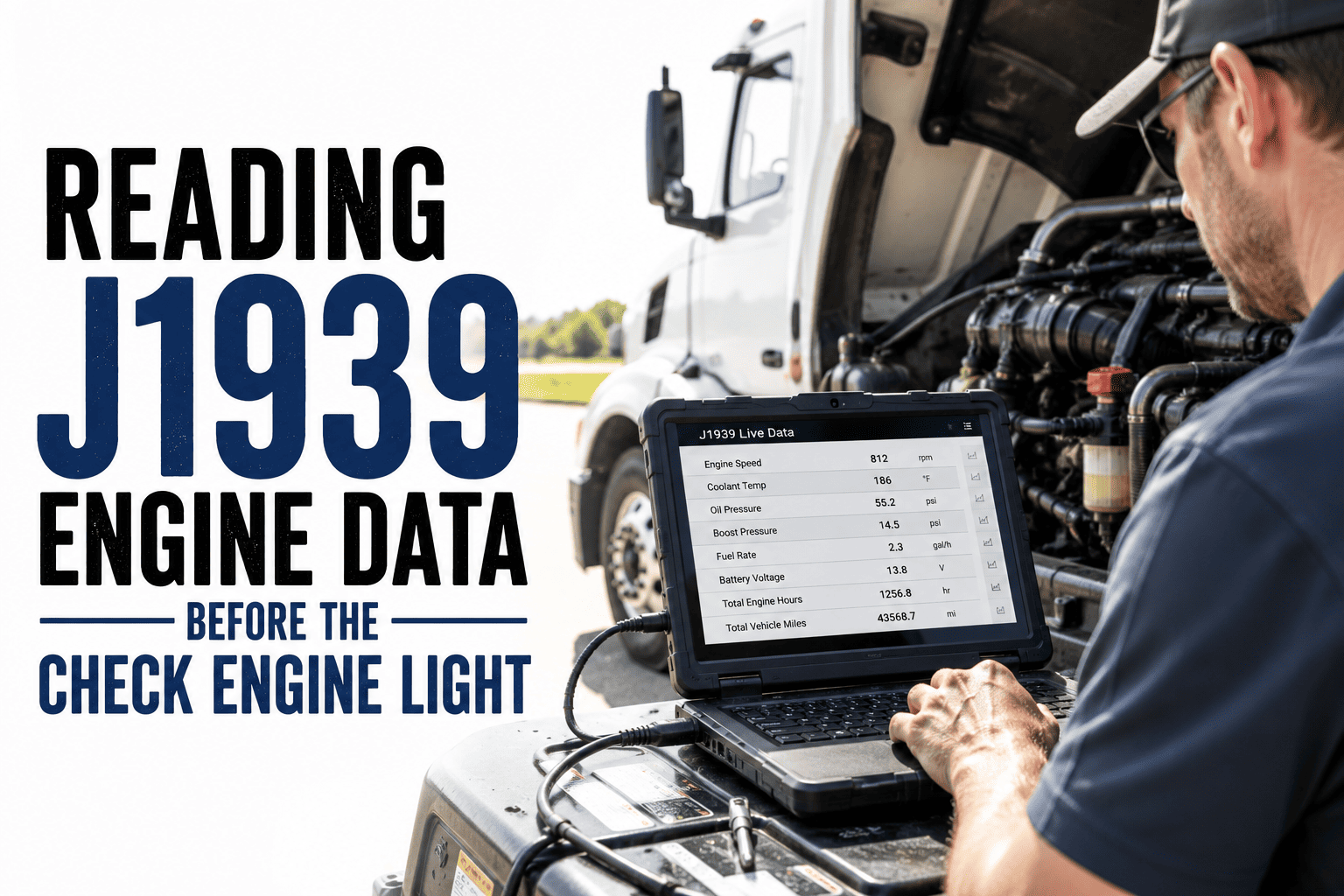
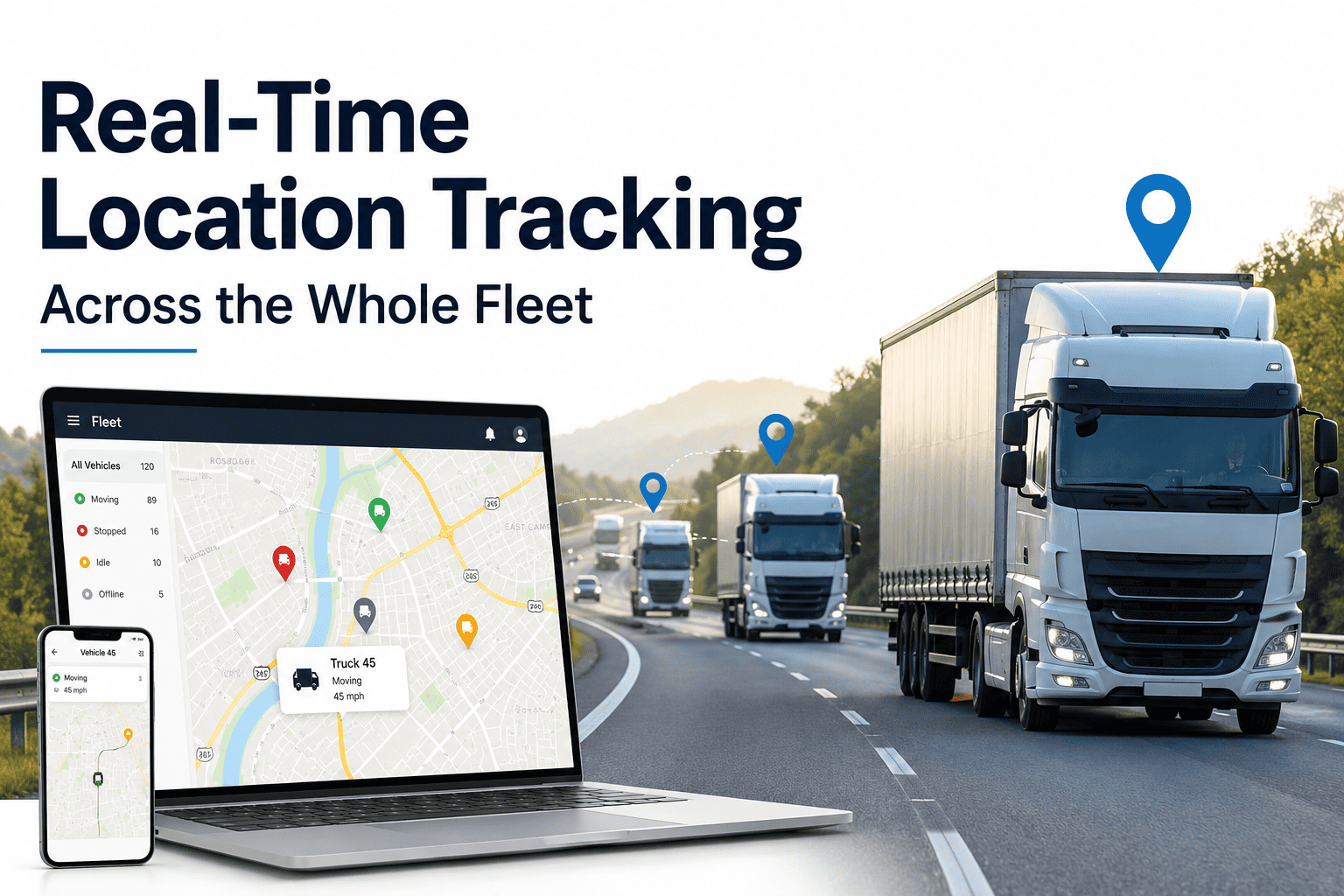
Every fleet vehicle on the road is generating data right now. Engine temperature, fuel burn rate, tire pressure, GPS coordinates, braking patterns, idle time, and dozens of other performance signals are streaming from onboard sensors every second. The question isn't whether this data exists. It's whether your operation is capturing it, interpreting it, and acting on it before minor anomalies become major breakdowns. Fleet telemetry, the science of remotely collecting and transmitting real-time vehicle performance data, has moved from a competitive advantage to an operational necessity. The global vehicle telematics market was valued at $51.83 billion in 2025 and is projected to reach $127 billion by 2034, growing at nearly 10 percent annually. Fleet operators who harness this data stream reduce fuel costs, prevent unplanned downtime, improve driver safety, and extend the useful life of every vehicle in their operation. Those who don't are flying blind in an industry where margins shrink every year. If you're ready to connect your fleet to an intelligent maintenance platform, sign up for OxMaint and start turning vehicle data into operational advantage.
What Is Fleet Telemetry and Why Does It Matter Now
Fleet telemetry is the process of using onboard sensors, GPS modules, and wireless communication systems to collect real-time data from vehicles and transmit it to a centralized platform for analysis. The term comes from the Greek words "tele" (remote) and "metron" (measure), and in the fleet context, it means measuring every aspect of vehicle performance from a distance. Modern telemetry systems capture engine diagnostics via OBD-II ports, GPS positioning, accelerometer data for driving behavior analysis, fuel consumption rates, tire pressure readings, and environmental conditions like ambient temperature.
What makes today's telemetry different from simple GPS tracking is the depth and intelligence of the data. Early fleet tracking told you where a vehicle was. Modern telemetry tells you how the vehicle is performing, what's likely to fail next, how efficiently the driver is operating, and whether the vehicle needs service before its next scheduled stop. AI and machine learning algorithms layered on top of this data stream transform raw readings into predictive maintenance alerts, fuel optimization recommendations, and safety interventions. The commercial vehicle telematics market alone is projected to reach $108.5 billion by 2034, growing at over 16 percent annually, driven by the demand for exactly this kind of real-time intelligence.
How Telemetry Transforms Fleet Maintenance
The single biggest operational impact of fleet telemetry is the shift from scheduled or reactive maintenance to condition-based and predictive maintenance. Traditional fleet maintenance follows a mileage or calendar schedule: oil changes every 10,000 miles, brake inspections every 30,000 miles, regardless of actual wear. This approach wastes money on premature service while still missing failures that occur between intervals. Reactive maintenance, fixing things after they break, costs even more because of emergency towing, expedited parts, vehicle downtime, and missed deliveries.
Telemetry-driven maintenance monitors the actual condition of components in real time. When brake pad thickness sensors detect wear approaching the replacement threshold, the system generates a work order and schedules service during the vehicle's next planned stop. When engine diagnostics show an abnormal pattern in coolant temperature, predictive algorithms flag the cooling system for inspection before overheating causes catastrophic engine damage. Industry data shows that predictive maintenance reduces fleet downtime by 30 to 50 percent and lowers overall maintenance costs by 25 percent. For fleet operators managing dozens or hundreds of vehicles, this translates to millions in annual savings. Book a demo to see how OxMaint automates this entire process.
Continuous Condition Monitoring
Onboard sensors transmit engine, transmission, brake, tire, and battery data to a cloud-based CMMS every few seconds. Instead of waiting for a driver to report a warning light, the system knows about developing issues in real time, often before any dashboard indicator activates.
AI-Powered Failure Prediction
Machine learning algorithms analyze patterns across sensor data, maintenance history, vehicle age, and operating conditions. When a component shows degradation patterns that historically preceded failure, the system generates a predictive alert with a recommended service window and urgency level.
Automated Work Order Generation
Predictive alerts automatically create work orders in the maintenance management system with complete context: which vehicle, what component, what the sensor data shows, what parts are needed, and the optimal timing for service. No manual data entry or phone calls required.
Optimized Service Scheduling
The system cross-references repair urgency with vehicle schedules, technician availability, and parts inventory to schedule service during the least disruptive window. Vehicles get serviced during planned downtime rather than breaking down during peak operations.
Fleet-Wide Learning
When a specific issue appears across multiple vehicles of the same model or age, the system recognizes the pattern and proactively checks all similar units in the fleet. This fleet-wide intelligence prevents the same failure from repeating across your entire operation.
Connect Your Fleet to Intelligent Maintenance
OxMaint integrates with telematics data from any provider, turning raw vehicle signals into automated work orders, predictive alerts, and compliance documentation.
Beyond Maintenance: The Full Spectrum of Telemetry Benefits
While predictive maintenance delivers the most immediate ROI, fleet telemetry impacts every dimension of fleet operations. The data flowing from your vehicles isn't just about component health. It's a comprehensive intelligence feed that drives decisions across fuel management, driver safety, route optimization, regulatory compliance, and asset lifecycle planning.
Fuel is typically the second-largest fleet expense after labor. Telemetry identifies fuel waste at the vehicle and driver level: excessive idling, inefficient routing, aggressive acceleration patterns, and underinflated tires. Fleet operators using telematics-driven fuel management programs consistently report 10 to 15 percent fuel savings. For a fleet consuming millions of gallons annually, that's a transformative cost reduction.
Telemetry captures every harsh braking event, speeding instance, sharp turn, and seatbelt violation. This data powers driver scorecards that identify high-risk behavior and enable targeted coaching interventions. Fleets with active telematics-driven safety programs see measurable reductions in accidents, insurance claims, and liability exposure. Research links 13 percent of road accidents to driver fatigue, which telemetry-based HOS monitoring directly addresses.
Real-time GPS combined with historical traffic patterns enables dynamic route optimization that reduces mileage, travel time, and fuel consumption simultaneously. When a vehicle encounters unexpected congestion or road closures, the system can recommend alternate routes instantly. For delivery and service fleets, optimized routing means more stops per day and faster customer response times.
Electronic logging devices capture Hours of Service data automatically. Pre-trip and post-trip inspection checklists complete digitally through mobile apps. Emissions monitoring data streams directly into compliance reports. When regulatory audits arrive, every record is already organized, timestamped, and exportable. No more scrambling through paper logs or disconnected systems. Sign up for OxMaint to consolidate all compliance data in one platform.
Telemetry data builds a complete performance history for every vehicle from acquisition to disposal. This enables data-driven decisions about when to replace versus repair, which vehicle models deliver the best total cost of ownership, and how to optimize fleet composition. Vehicles that would have been retired prematurely based on age alone may continue operating if their telemetry data shows strong performance.
Geofencing creates virtual boundaries around authorized operating areas. When a vehicle crosses a geofence boundary outside of scheduled hours, the system triggers instant alerts. Combined with remote immobilization capabilities and GPS tracking, telemetry dramatically reduces vehicle theft risk and accelerates recovery when incidents occur. Book a demo to see these security features in action.
Choosing the Right Telemetry and CMMS Integration
The telemetry hardware on your vehicles is only as valuable as the software platform that processes and acts on the data. Many fleet operators find themselves with excellent telematics feeds but no intelligent system to turn that data into maintenance actions, compliance records, and operational insights. This is where a fleet-focused CMMS like OxMaint becomes essential. It serves as the operational brain that connects raw telemetry data to automated workflows.
Getting Started: From Zero Telemetry to Full Fleet Intelligence
Implementing fleet telemetry doesn't require replacing your entire operation overnight. The most successful deployments follow a phased approach that builds capability incrementally while delivering value at each stage.
Assess and Baseline
Audit your current fleet: how many vehicles, what telematics hardware is already installed, what data is being collected, and how maintenance is currently managed. Identify the biggest operational pain points, whether that's unplanned breakdowns, fuel waste, compliance gaps, or safety incidents. Establish baseline metrics for vehicle uptime, maintenance cost per mile, and fuel efficiency.
Deploy Your CMMS Foundation
Set up OxMaint with your complete vehicle registry, maintenance histories, and preventive maintenance schedules. Digitize your work order process so every repair, inspection, and service event is captured in a single system. Train technicians and fleet managers on mobile tools. This step alone eliminates paper-based inefficiency and creates the digital backbone for everything that follows.
Integrate Telemetry Data
Connect your telematics feeds to OxMaint. Configure automated alerts for critical parameters like engine fault codes, tire pressure anomalies, and battery voltage drops. Begin capturing fuel data and driver behavior metrics. As data accumulates, the system starts identifying patterns specific to your fleet's vehicles and operating conditions.
Activate Predictive Intelligence
With sufficient historical and real-time data, enable predictive maintenance algorithms. Shift from calendar-based service schedules to condition-based triggers. Begin using fleet-wide analytics for capital planning, vendor evaluation, and strategic decision-making. Continuously refine based on outcomes and expanding data. Book a demo to map out your implementation plan with OxMaint's team.
Turn Every Mile into Actionable Intelligence
OxMaint helps fleet operators of all sizes connect telematics data to automated maintenance workflows, compliance tracking, and performance analytics. Start free today.
Frequently Asked Questions
What is the difference between fleet telemetry and GPS tracking
GPS tracking provides only location data, showing where a vehicle is at any given time. Fleet telemetry goes far deeper, capturing engine diagnostics, fuel consumption, tire pressure, driver behavior, component wear, and dozens of other performance parameters alongside location. While GPS tracking answers "where is my vehicle," telemetry answers "how is my vehicle performing, what needs attention, and what's likely to fail next."
Does OxMaint work with my existing telematics hardware
Yes. OxMaint is hardware-agnostic and integrates with telemetry data from any telematics provider including Geotab, Samsara, Verizon Connect, Motive, and others. If your vehicles already have telematics devices installed, OxMaint can ingest that data and use it to power automated maintenance workflows, predictive alerts, and compliance documentation. No hardware replacement is needed.
How much can telemetry-driven maintenance actually save
Fleet operators implementing predictive maintenance through telemetry typically report 25 percent lower overall maintenance costs, 30 to 50 percent reduction in unplanned downtime, 10 to 15 percent fuel savings through efficiency monitoring, and 20 to 40 percent longer equipment lifespans. For a mid-sized fleet, these improvements translate to hundreds of thousands of dollars in annual savings while simultaneously improving vehicle availability and driver safety.
What types of vehicles benefit from fleet telemetry
Fleet telemetry benefits every vehicle category: heavy-duty trucks, light commercial vans, delivery vehicles, construction equipment, service fleet cars, buses, and specialty vehicles. The specific sensors and data points may vary by vehicle type, but the core principles of real-time monitoring, predictive maintenance, and data-driven decision-making apply universally. Even mixed fleets with diverse vehicle types benefit from a unified telemetry platform.
How long does it take to implement fleet telemetry with OxMaint
Most fleet operators can deploy OxMaint's core CMMS features within days and begin capturing digital work orders immediately. Full telematics integration typically takes two to four weeks depending on the size of your fleet and the telematics providers involved. OxMaint's onboarding team supports the entire process including data migration, hardware integration, and staff training.
Is fleet telemetry data secure and who owns it
All telemetry data processed through OxMaint is encrypted in transit and at rest. You retain full ownership of your fleet data at all times. Role-based access controls ensure that only authorized personnel can view sensitive vehicle performance, location, or driver behavior information. OxMaint complies with industry-standard security practices and provides complete audit trails for all data access.