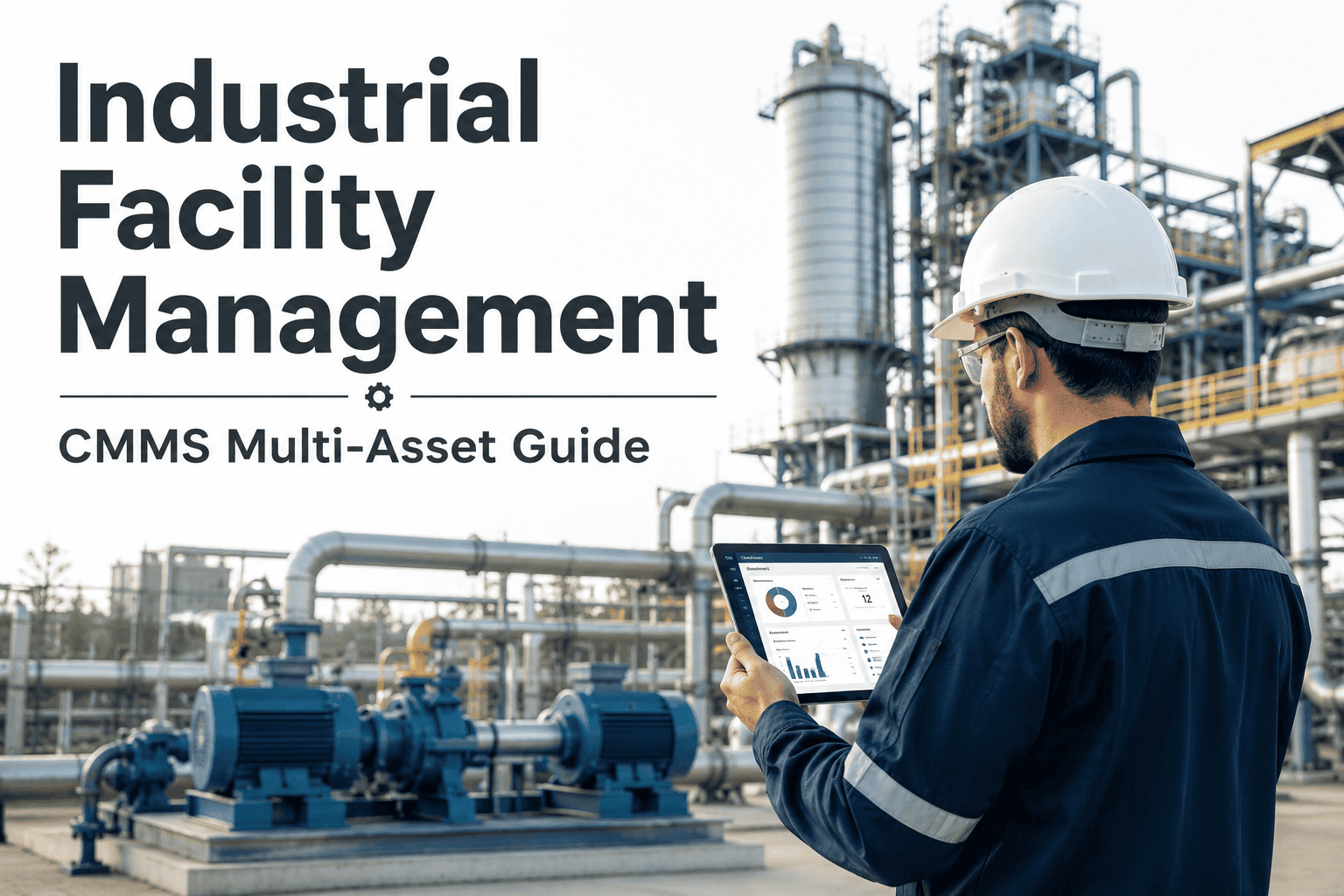
Retail facility CMMS adoption across multi-store portfolios is no longer optional in 2026 — a single refrigeration or HVAC failure can cost a single location $10K–$50K per day in lost inventory and revenue, yet most chains still manage work orders across siloed spreadsheets, vendor portals and clipboards. A multi-location retail maintenance platform centralizes asset tracking, preventive scheduling, vendor dispatch and compliance documentation into one auditable system, cutting unplanned downtime by 30–50% and extending equipment life by 4–7 years. This facility retail guide walks through deployment strategy, HVAC and refrigeration prioritization, portfolio-wide analytics and ROI modeling so you can stop reacting and start predicting. Ready to modernize? You can Start Free Trial or keep reading to build your roadmap.
Can your retail portfolio survive another refrigeration failure on a Friday night?
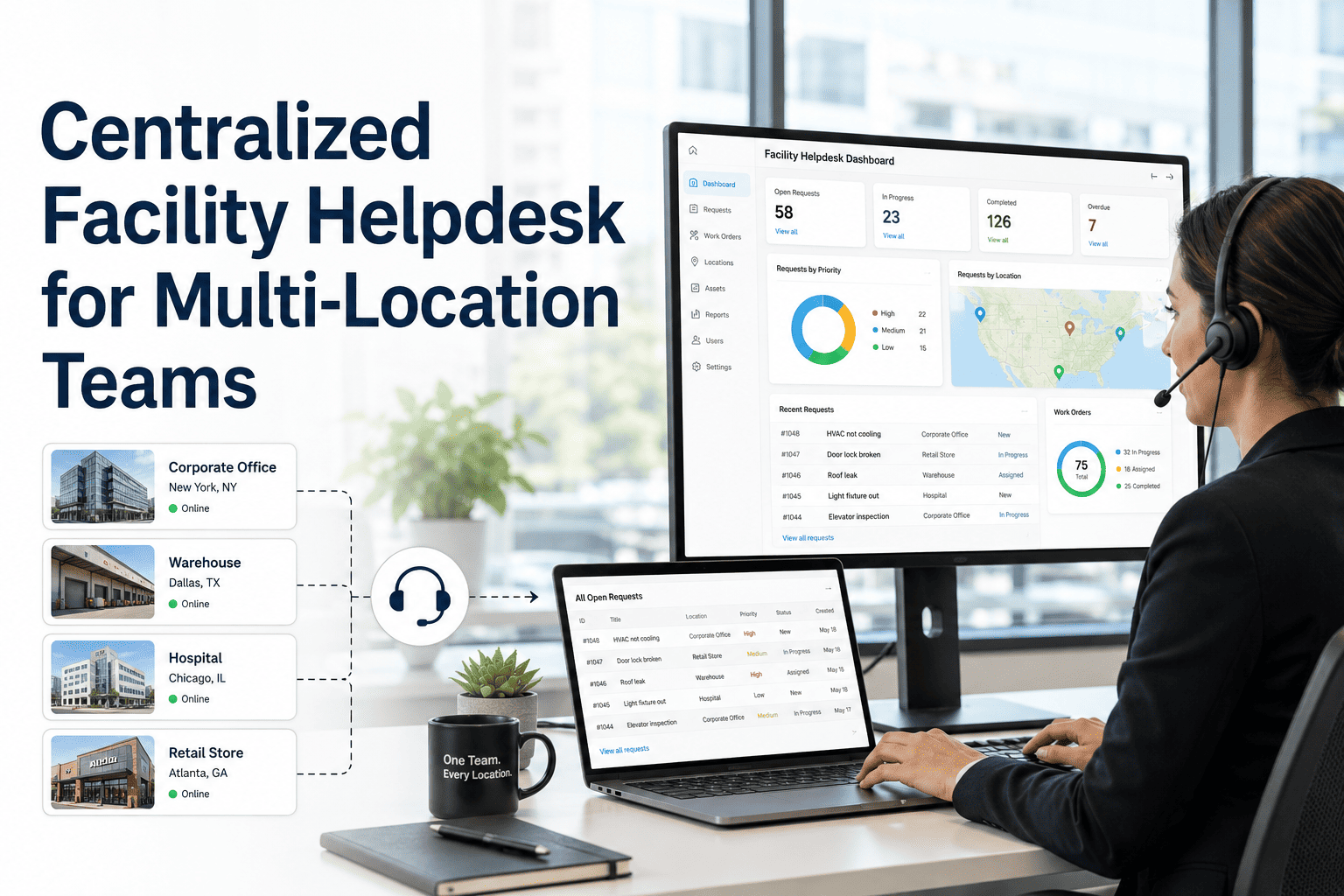
Multi-location retail chains lose $10K–$50K per store, per day when critical HVAC or refrigeration assets go down — and most discover the failure from a store manager's angry call, not a maintenance alert. A centralized retail facility CMMS flips that dynamic: predictive AI flags degrading compressors 3–14 days before failure, work orders auto-route to the nearest certified technician, and every asset across every store is visible on one dashboard.
How to deploy multi-location retail maintenance CMMS across 5–500 stores
A phased rollout beats a big-bang launch every time. Chains that pilot a retail portfolio CMMS in 3–5 representative locations for 30–60 days achieve full-portfolio adoption in 4 months on average — 2.5x faster than those attempting simultaneous deployment.
Asset Baseline & Criticality Ranking
Upload store-by-store asset registers into OxMaint — HVAC units, refrigeration racks, doors, lighting circuits, POS power, escalators. Tag each asset by criticality (life-safety, revenue-critical, comfort) and failure impact ($/hr downtime). A 50-store chain typically catalogs 800–1,500 assets in 2 weeks using OxMaint's bulk import and mobile barcode scan.
Pilot 3–5 Stores — Prove the Model
Select stores spanning your formats: a flagship, a mid-box, a small-format urban store. Deploy OxMaint preventive maintenance schedules based on OEM manuals and ASHRAE standards. Turn on AI anomaly detection on refrigeration and HVAC sensor data. Measure mean time to repair (MTTR), PM completion rate, and emergency-call reduction vs. the prior 90 days.
Portfolio-Wide Rollout & Vendor Integration
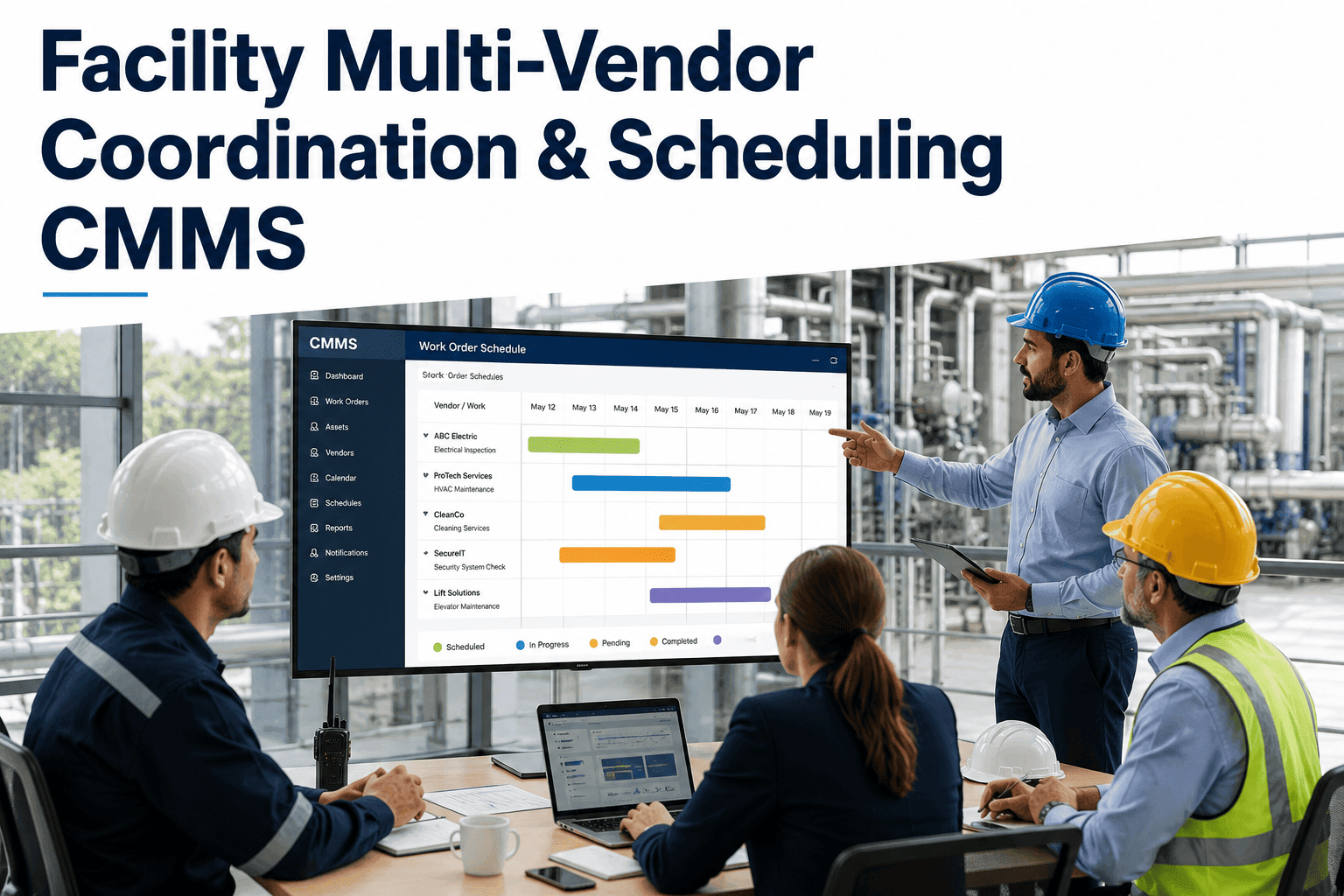
Cascade to all locations. Integrate contracted service vendors into OxMaint's vendor portal so dispatch, scope, SLA tracking and invoice approval live in one system — eliminating the email-and-spreadsheet vendor management typical of multi-store retail. Set geofenced routing so the nearest qualified tech gets the work order automatically.
Predictive Optimization & Compliance Lock
With 90+ days of baseline data, OxMaint's predictive models refine failure thresholds for your specific equipment mix and climate zones. Lock in compliance workflows — FDA Food Safety Modernization Act (FSMA) cold-chain records, EPA Section 608 refrigerant logs, OSHA inspections — so audit-ready documentation is a byproduct, not a scramble.
Why retail HVAC CMMS and refrigeration tracking drive 80% of maintenance ROI
In retail environments, HVAC and commercial refrigeration account for 60–70% of total energy spend and generate the highest-severity failures. Prioritizing these systems in your CMMS deployment captures the majority of downtime and energy savings within the first 90 days.
Refrigeration Rack Monitoring
OxMaint ingests temperature, pressure and compressor-cycle data from refrigeration controllers. When suction temperature drifts 2°F beyond baseline for 45+ minutes, the AI auto-generates a priority-1 work order before product loss occurs. One frozen-food aisle save pays for a year of CMMS licensing.
HVAC Predictive Maintenance
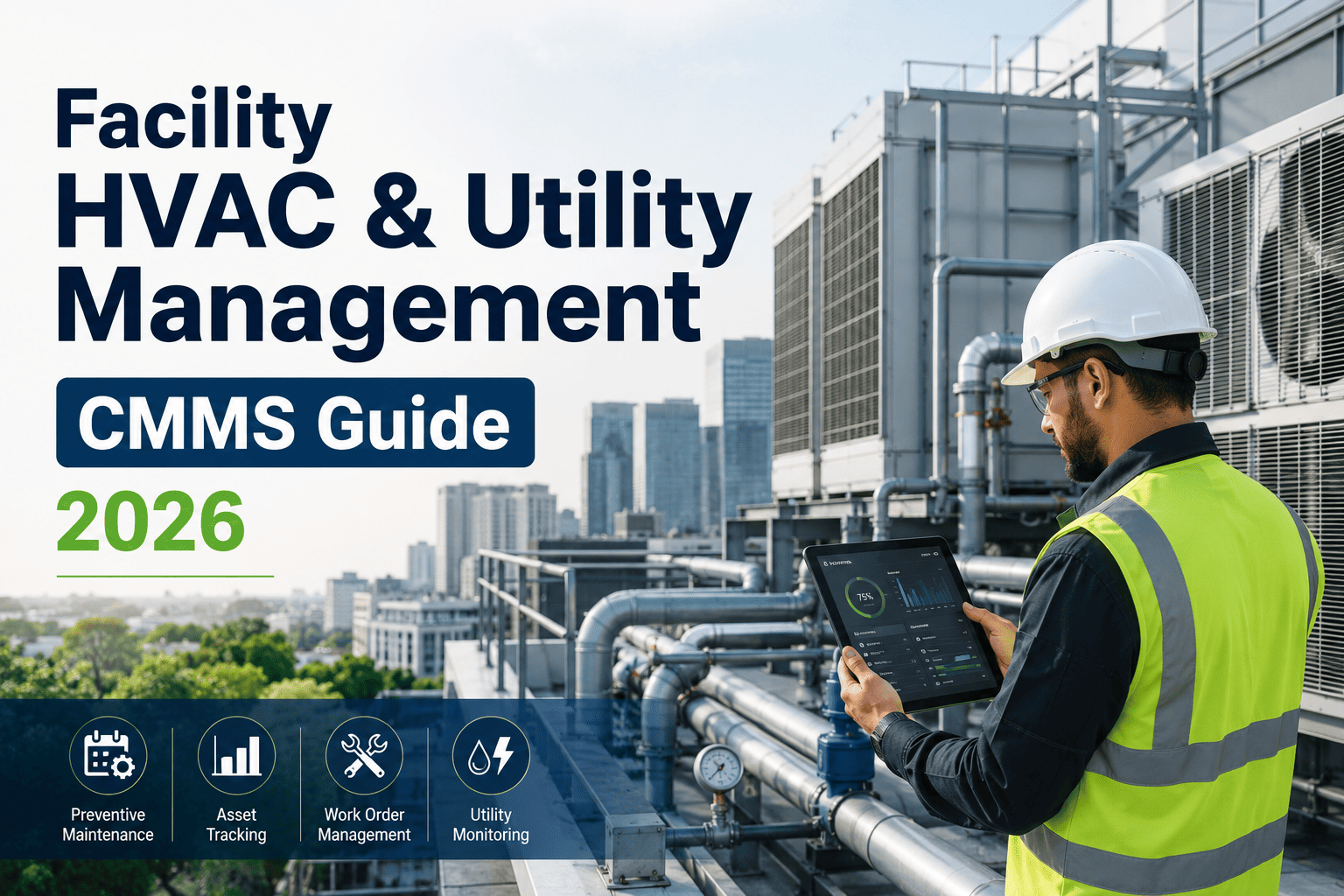
Retail HVAC units cycle heavily during open hours. OxMaint tracks filter pressure drop, belt wear, and motor current draw trends. Auto-scheduled filter changes, coil cleaning and bearing lubrication based on actual runtime — not calendar guesses — cut HVAC energy costs 15–22% and reduce summer-peak compressor failures.
Cold-Chain Compliance Logging
FSMA and HACCP require continuous temperature records and corrective-action documentation. OxMaint automatically logs sensor readings, flags excursions, and attaches technician corrective actions to each event — producing audit-ready cold-chain documentation without manual data entry.
Retail portfolio CMMS cost breakdown and payback timeline
A 50-location retail chain spending $420K annually on maintenance (internal labor + vendors + emergency premiums) can expect to invest $24K–$36K/year in a CMMS platform — and recover that cost in 2.5–4 months through reduced emergency calls, energy savings and avoided inventory loss.
| Savings Category | Before CMMS (Annual) | With OxMaint (Annual) | Net Savings |
|---|---|---|---|
| Emergency / after-hours repair calls | $145,000 | $52,000 | $93,000 |
| Inventory loss (refrigeration failures) | $87,000 | $19,000 | $68,000 |
| HVAC + refrigeration energy spend | $310,000 | $255,000 | $55,000 |
| Internal labor (routing, paperwork, chasing) | $128,000 | $94,000 | $34,000 |
| Vendor invoice overcharges (duplicate/phantom) | $22,000 | $4,000 | $18,000 |
| Totals | $692,000 | $424,000 | $268,000 |
Worked example: A 50-store specialty grocery chain deployed OxMaint across refrigeration, HVAC and facility assets. In the first 12 months they reduced emergency refrigeration calls by 64%, avoided three major cold-room failures (each valued at $31K in spoiled inventory), and cut vendor dispatch time from 4.2 hours to 38 minutes. Net first-year savings: $268K against a $30K platform investment — an 793% ROI with payback in 1.3 months.
How OxMaint solves multi-store retail maintenance challenges
OxMaint was built for distributed retail portfolios where the maintenance team sits hundreds of miles from the assets they manage. These four capabilities map directly to the highest-cost problems in retail facility management.
Centralized Multi-Store Asset Registry
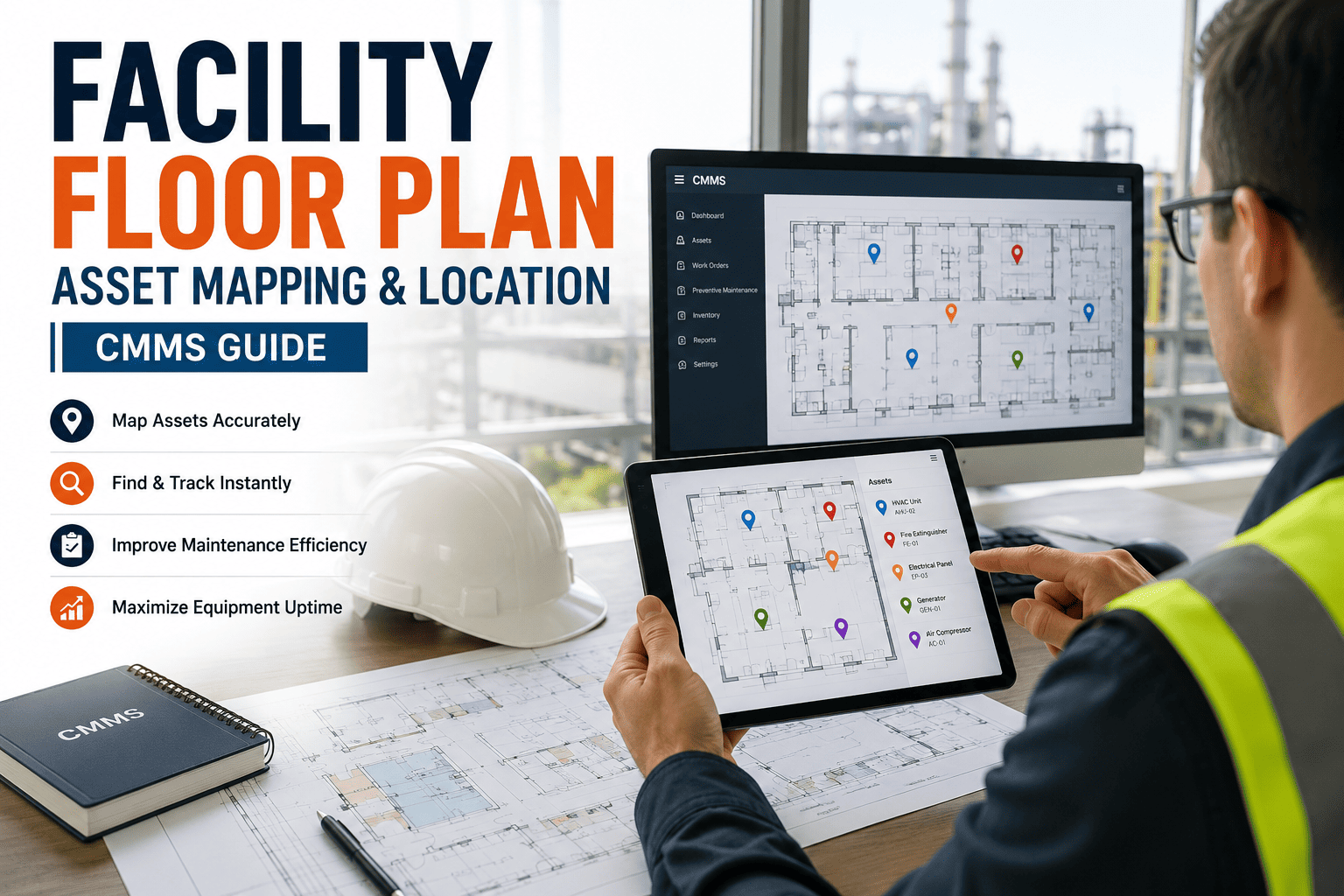
Every asset across every store — compressors, RTUs, doors, lighting, escalators, generators — lives in one hierarchical tree. Filter by region, brand, format, criticality, or warranty status. No more "which store has which HVAC model?" — the answer is one search away.
AI-Powered Predictive Failure Alerts
OxMaint's machine-learning models analyze sensor trends (vibration, temperature, current, pressure) and flag degrading assets 3–14 days before catastrophic failure. Priority-1 work orders auto-generate and route to the nearest qualified technician — before the store even knows there's a problem.
Automated Vendor Dispatch & SLA Tracking
Approved vendors receive work orders through a branded portal with scope, SLA clock, and photo upload. Geofenced routing sends the job to the nearest certified tech. Invoices auto-match to approved work-order scope — phantom charges and duplicate billing get flagged before payment.
Portfolio-Wide Maintenance Analytics
Compare stores, regions, and asset classes on MTTR, PM compliance, downtime hours, cost-per-asset, and energy consumption. Identify your bottom 10% of stores and the specific assets dragging down reliability. Executive dashboards update in real time — no more monthly report compilation.
What retail facility teams achieve with OxMaint
"We caught a walk-in freezer compressor failure 6 days before it would have wiped out $34K in inventory. OxMaint's vibration alert paid for the entire year of software in one event."
"Switching from spreadsheets to OxMaint cut our PM completion rate gap from 61% to 97%. Our auditors were stunned that cold-chain logs were just... there. No scrambling."
"Vendor invoice overcharges dropped from $19K/year to under $2K. The auto-matching alone justified the switch. Dispatch time went from hours to minutes."
See OxMaint deployed on your retail portfolio — book a 30-minute demo
We'll map your store count, asset types and current maintenance workflow to a configured OxMaint environment and show you exactly where the savings land. Bring your toughest maintenance headache.
Retail facility CMMS — what maintenance leaders ask most
What is a retail facility CMMS and how is it different from a generic maintenance tool?
A retail facility CMMS is purpose-built for multi-location store portfolios with distributed assets, high-mix equipment (refrigeration, HVAC, lighting, doors), vendor-heavy maintenance models and strict cold-chain compliance needs. Unlike generic tools, it supports multi-store asset hierarchies, geofenced vendor dispatch, FSMA/HACCP temperature logging and portfolio-level analytics out of the box. OxMaint layers AI predictive alerts on top, so retail teams catch failures before a store manager ever picks up the phone. Book a Demo to see the retail-specific workflows.
How much does a multi-store retail maintenance CMMS cost?
For a 50-location retail chain, OxMaint typically costs $24K–$36K per year including all stores, users, vendors and asset records. Most retail portfolios achieve full payback in 2.5–4 months through emergency-call reduction, energy savings and avoided inventory loss — average first-year ROI is 500–800%. Pricing scales per location and asset count, not per user, so your entire team and vendor network can access the platform without license-count anxiety.
How long does it take to deploy a CMMS across multiple retail stores?
A phased rollout — pilot 3–5 stores for 30–60 days, then cascade portfolio-wide — achieves full adoption in 4 months on average. OxMaint's bulk asset import, barcode scanning and template-based PM schedules compress the baseline-catalog phase to 2 weeks for a 50-store chain. Simultaneous big-bang deployments take 2.5x longer and carry higher risk; the pilot approach surfaces location-specific edge cases early.
Can OxMaint integrate with our existing refrigeration and HVAC sensors?
Yes. OxMaint ingests data from MODBUS, BACnet, OPC-UA and cloud-API-connected sensors including refrigeration rack controllers, HVAC building automation systems, and standalone IoT temperature/humidity monitors. The AI models analyze trends in suction temperature, discharge pressure, motor current and vibration to flag degradation 3–14 days before failure. If you have existing sensor infrastructure, integration typically takes 1–2 weeks per store format.
How does a retail CMMS improve compliance with FSMA, HACCP and EPA regulations?
OxMaint automatically logs temperature sensor readings at configurable intervals, flags excursions beyond safe thresholds, and attaches technician corrective actions to each event — creating an immutable audit trail. EPA Section 608 refrigerant service logs, OSHA inspection records and fire-life-safety test results are all stored against the relevant asset and retrievable in seconds. Retail chains using OxMaint report 100% audit pass rates because compliance documentation is a byproduct of the maintenance workflow, not a separate scramble. You can Start Free Trial and test the compliance logging on your assets immediately.
Stop managing retail maintenance from a spreadsheet. Start predicting it.
Join the retail facility teams who cut unplanned downtime 30–50%, eliminated paper work orders and made every store audit-ready — all from one centralized CMMS platform built for multi-location portfolios.
Free 14-day trial · No credit card