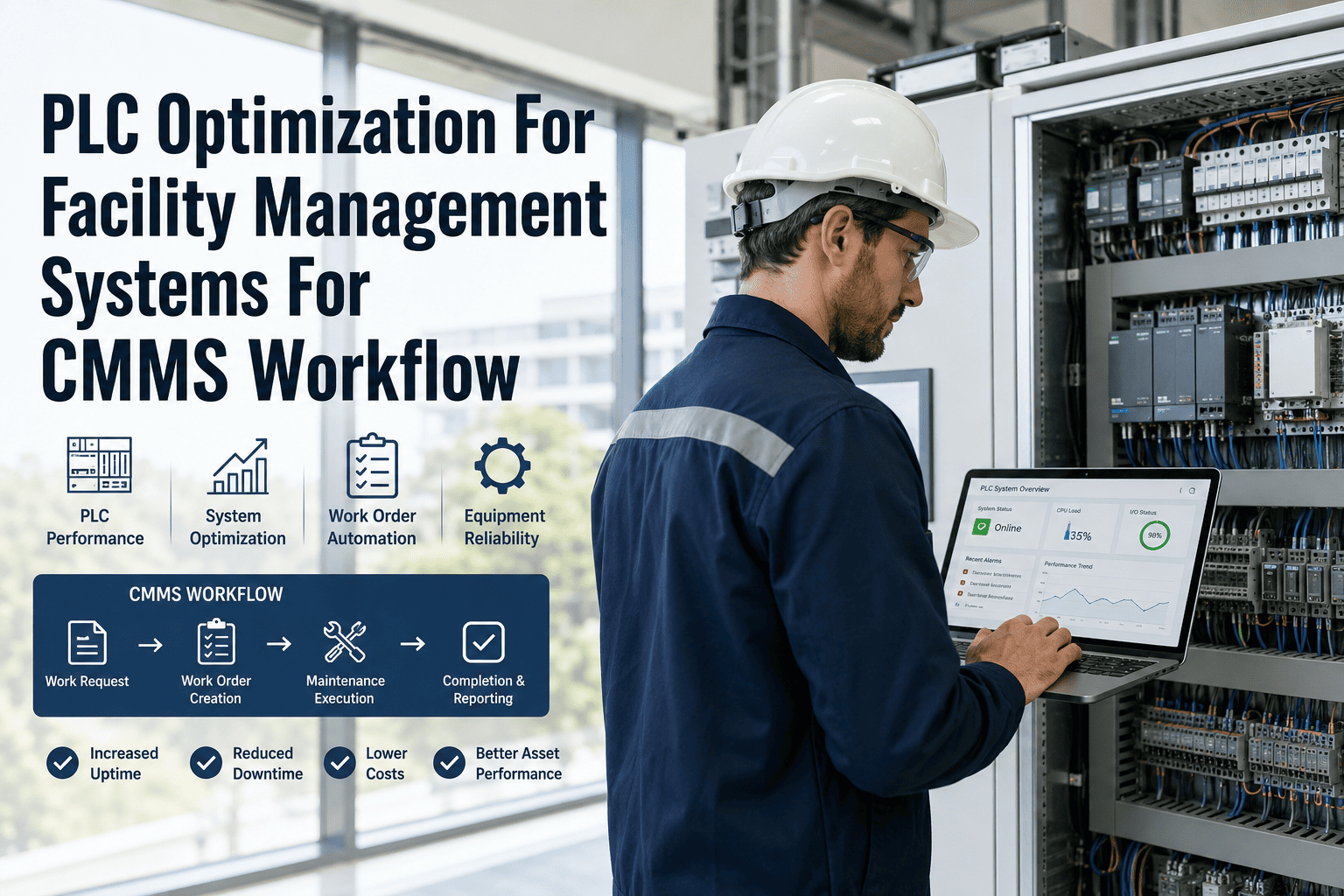
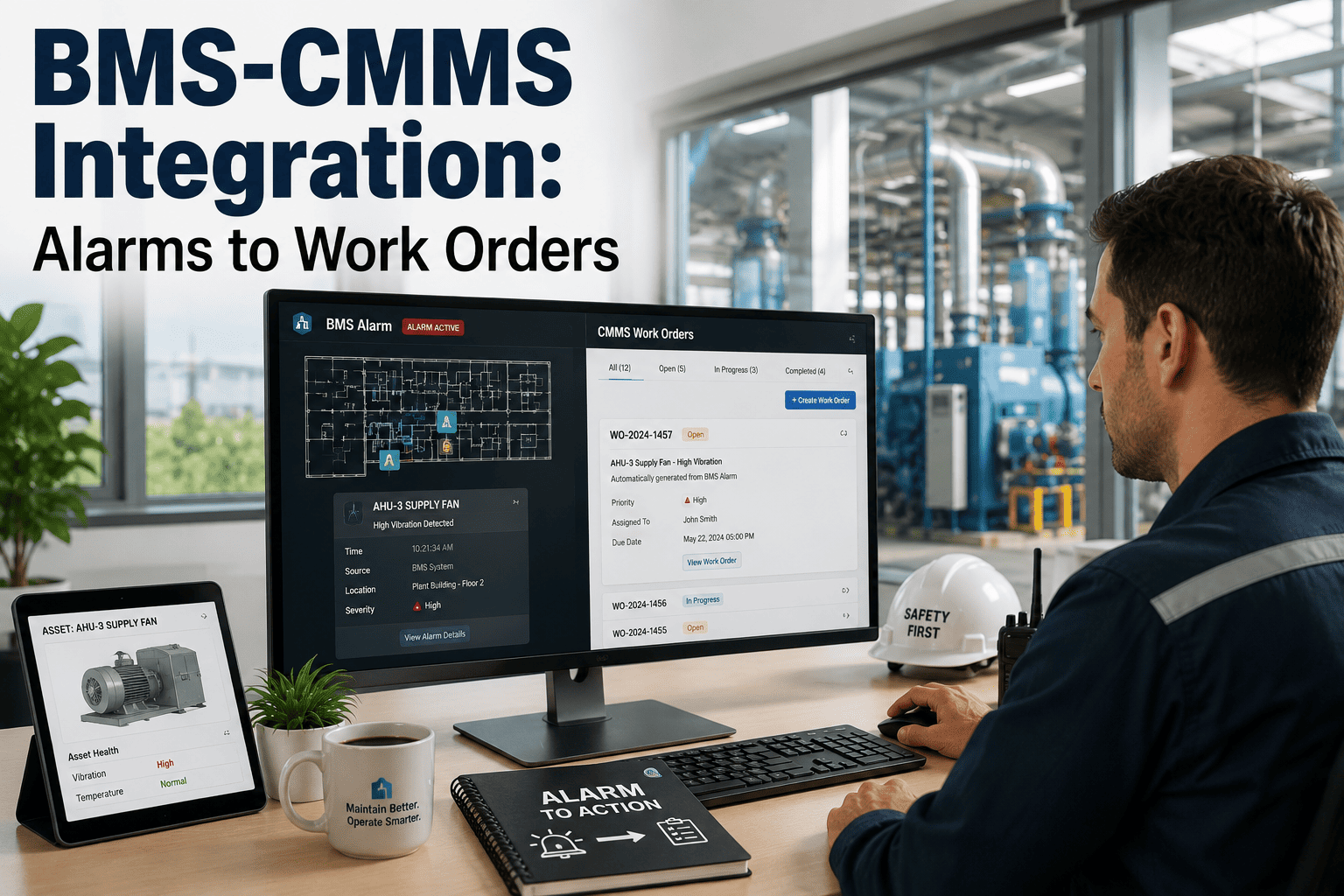
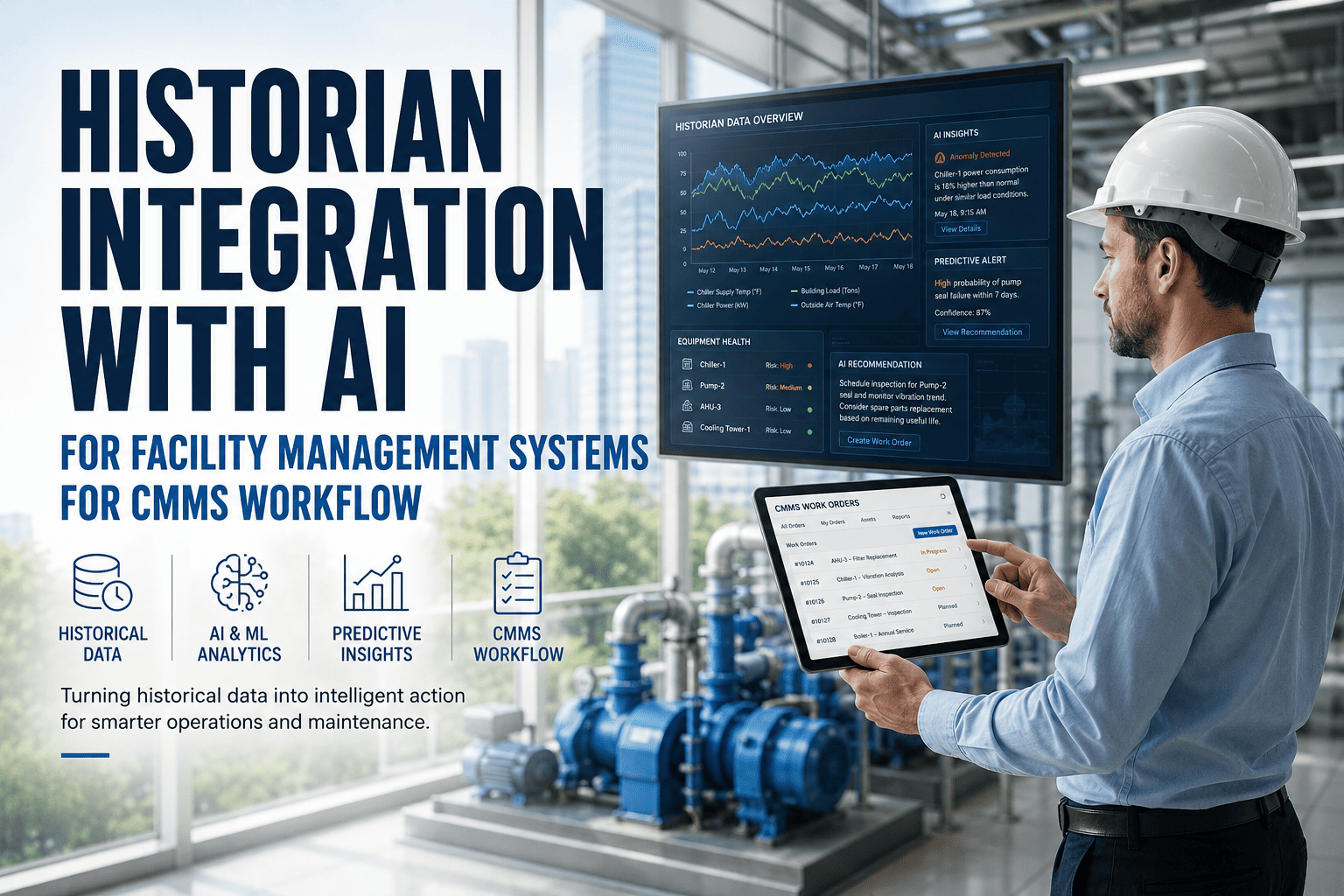
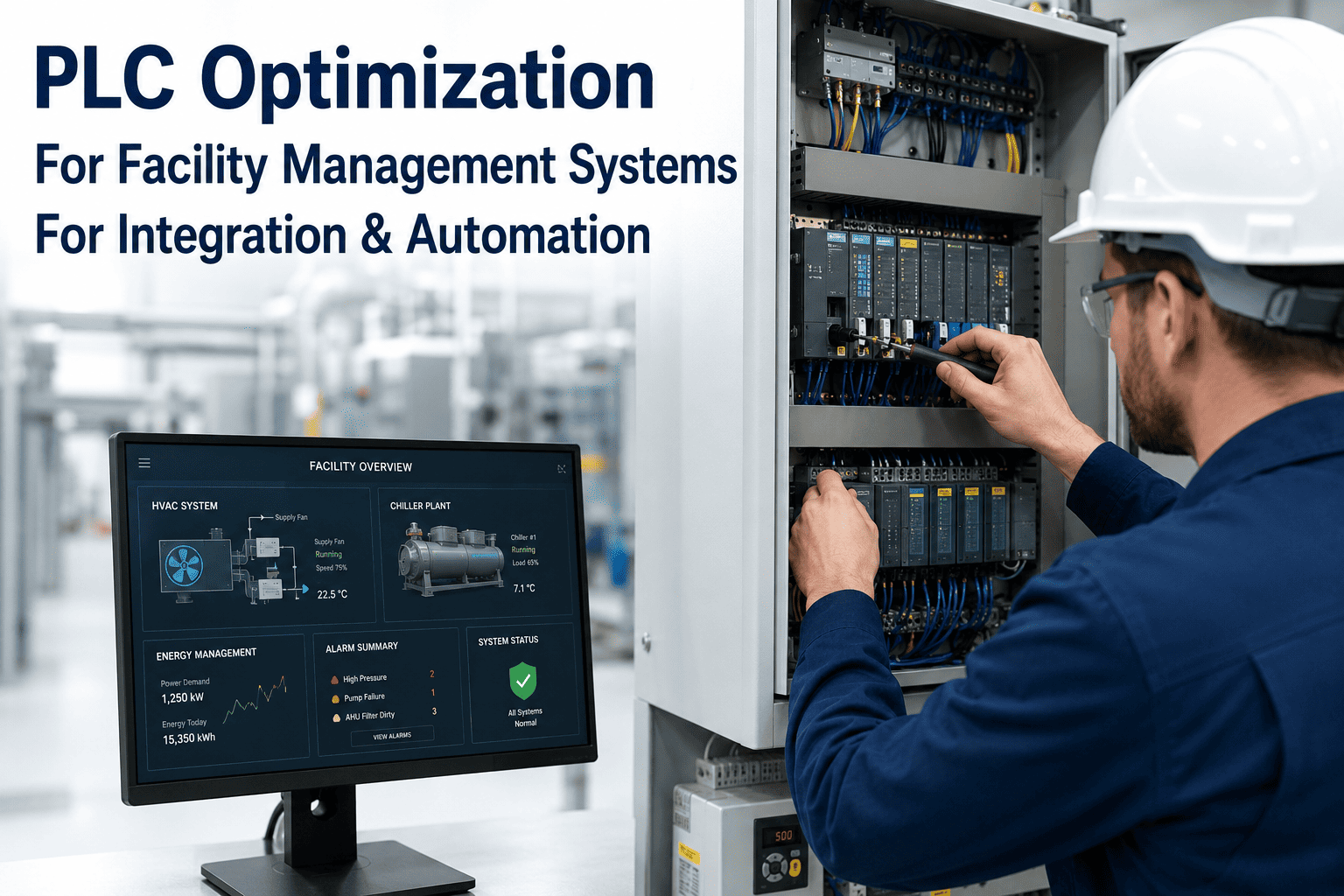
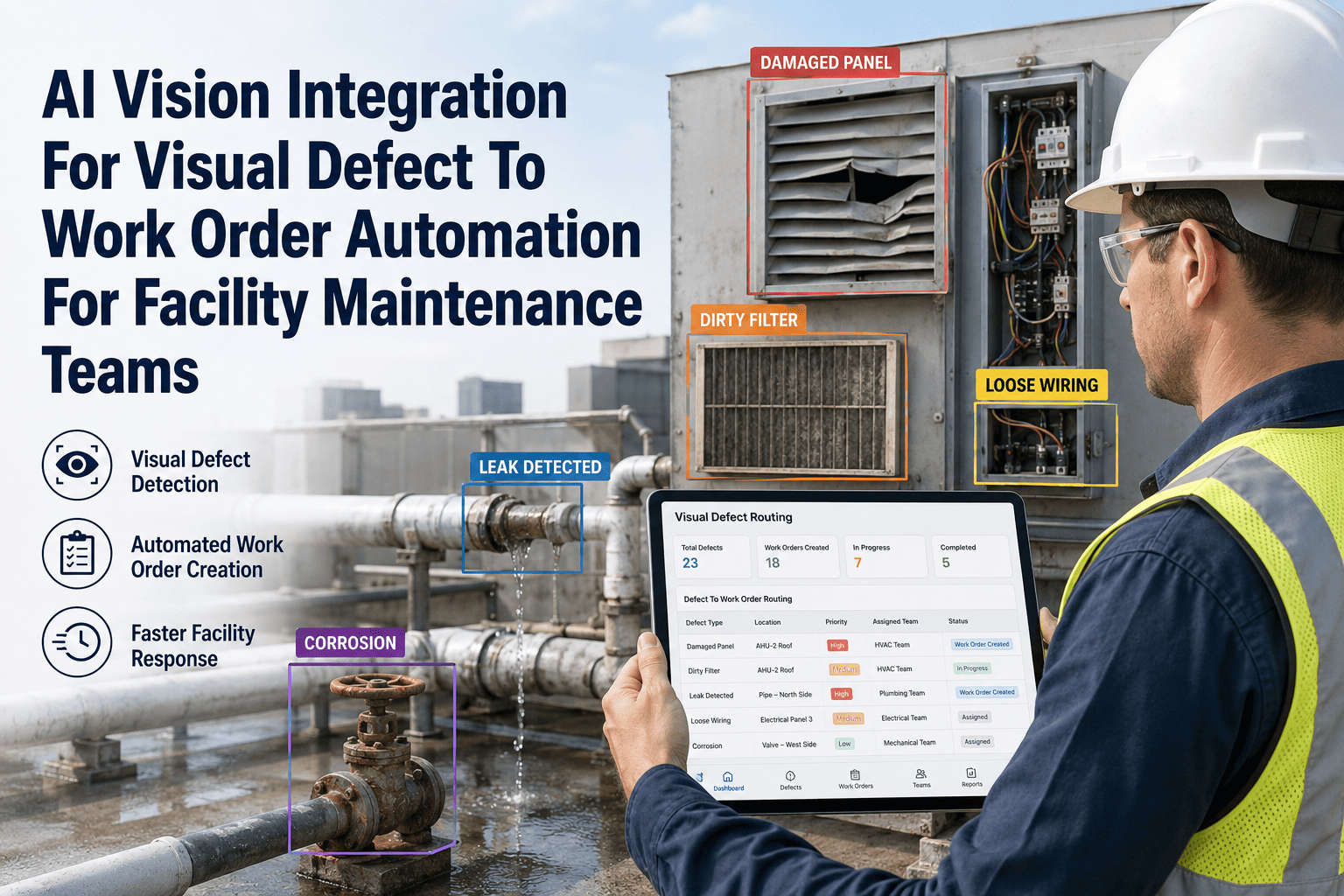
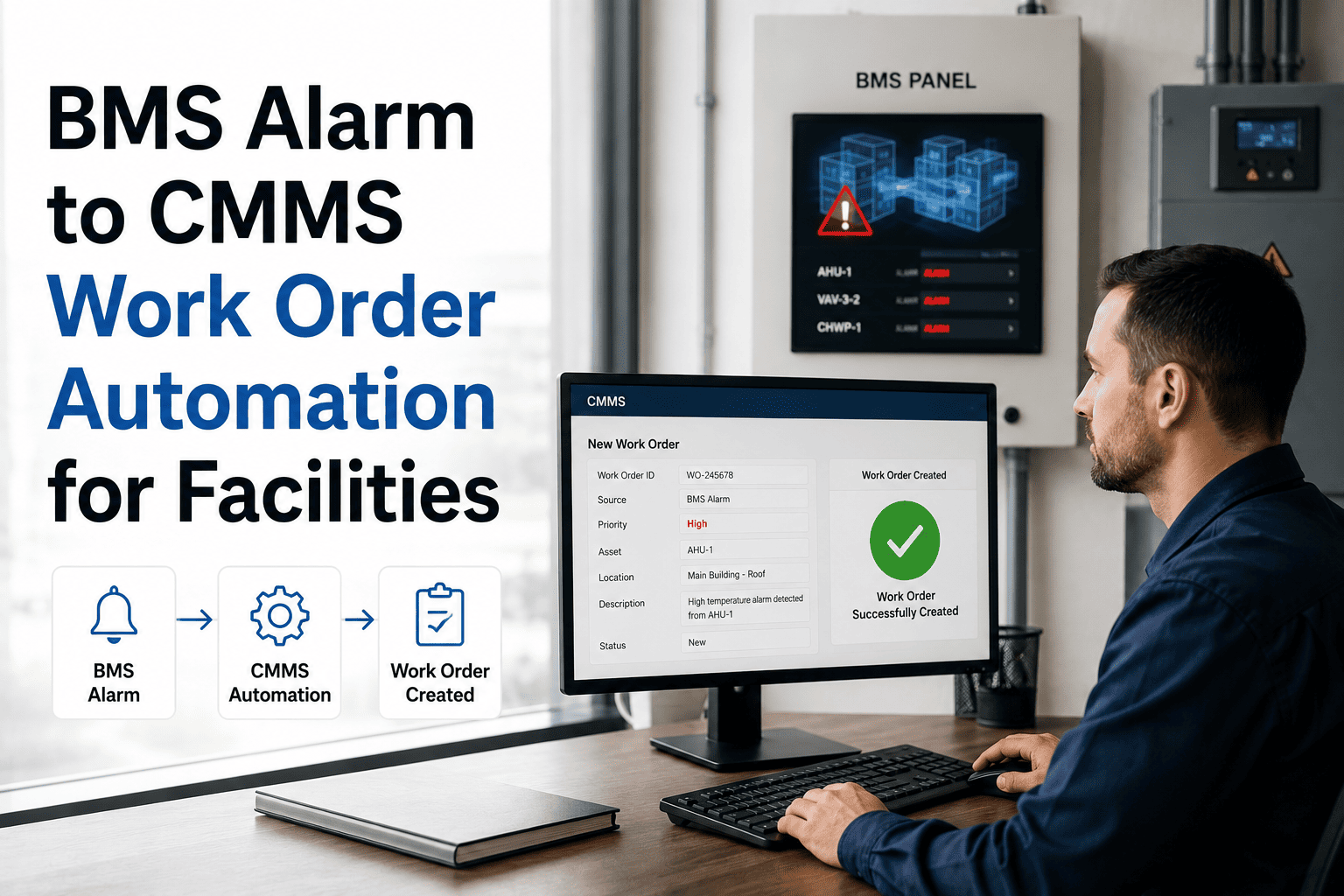
Food and beverage plants run some of the most demanding PLC-controlled environments in industrial operations — where a conveyor timing fault, a CIP cycle deviation, or a packaging line speed anomaly can mean product loss, contamination risk, or regulatory non-compliance within minutes. PLC Optimization for Facility Management Systems and CMMS Workflow bridges the gap between your PLC control layer and your maintenance management platform — so when a PLC fault register fills, it creates an OxMaint work order rather than sitting unread in a SCADA alarm log. OxMaint's PLC integration reads fault codes, parameter deviations, and cycle count data from Siemens, Allen-Bradley, Omron, and Beckhoff PLCs, maps them to asset records, and routes corrective actions to the right maintenance team with full fault context attached. For food and beverage plant maintenance managers accountable for uptime, hygiene compliance, and production OEE, PLC-driven maintenance automation removes the alert fatigue, the missed faults, and the coordination delay that turns minor PLC issues into major production stops.
PLC Optimization · Food & Beverage Plants · CMMS Workflow
Your PLCs Already Know What's Wrong. OxMaint Makes Sure Someone Acts on It.
OxMaint connects PLC fault registers and performance parameters to automatic work orders — so production line issues move from control panel to technician in minutes, not hours.
67%
of food plant production stoppages trace to PLC faults that were logged but not acted on within 30 minutes
12 min
average fault-to-work-order time when OxMaint receives PLC alerts directly — vs. 2.4 hours manually
OEE +9%
average OEE improvement in food plants using CMMS-connected PLC fault routing within 6 months
PLC Data OxMaint Reads and Acts On
FLT
Fault Register Codes
E-stop events, overload trips, encoder faults, and drive errors are captured from PLC fault registers and mapped to asset work orders in OxMaint automatically.
CYC
Cycle Count Thresholds
Preventive maintenance triggers fire when PLC cycle counters reach configured limits — replacing calendar-based schedules with usage-based PM accuracy.
PRD
Process Parameter Drift
Temperature, pressure, speed, and torque parameters outside acceptable bands trigger alert-to-work-order routing before product quality is affected.
CIP
CIP Cycle Deviation
Clean-in-place cycle completion status and parameter compliance are logged per run — incomplete or non-compliant CIP cycles trigger hygiene compliance work orders.
PWR
Drive and Motor Health
VFD current draw, motor temperature, and acceleration profiles are monitored — deviations from baseline create predictive maintenance tasks before motor failure.
RUN
Runtime Hour Accumulation
PLC-reported runtime hours replace manual logging for lubrication, filter change, and seal replacement schedules — accuracy improves, compliance gaps disappear.
PLC Integration Architecture: How OxMaint Connects
PLC Layer (OT)
Siemens S7-1500 / S7-300
Allen-Bradley ControlLogix / CompactLogix
Omron NX / NJ Series
Beckhoff TwinCAT
Mitsubishi MELSEC iQ-R
OPC-UA / MQTT / REST Bridge
OxMaint Integration Layer
Tag mapping to asset records
Fault code classification
Severity scoring and priority assignment
Work order auto-generation
PM trigger on cycle count breach
Work Order + Notification
Maintenance Action (IT)
Technician mobile work order alert
Fault context and asset history
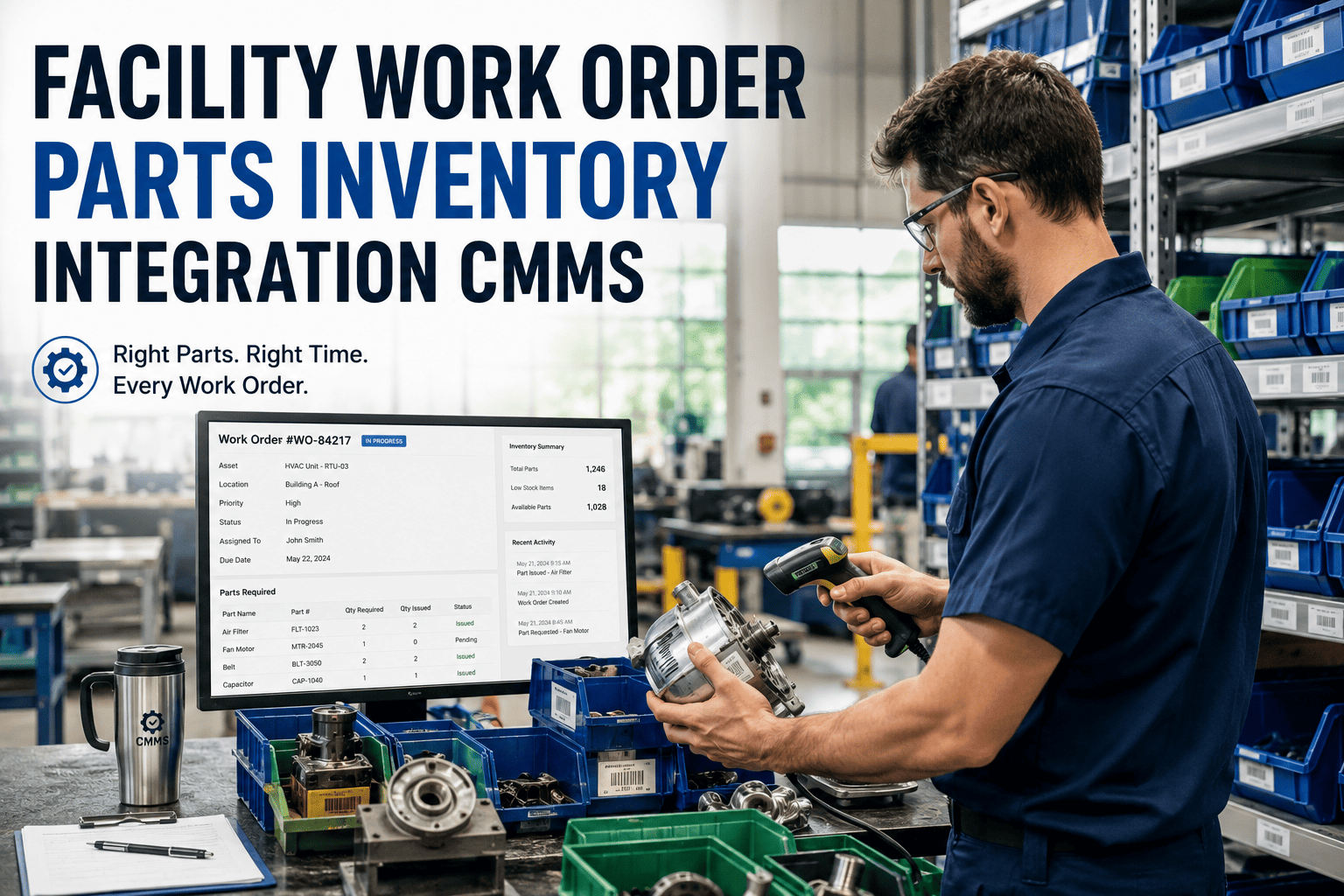
Repair logging and part tracking
Compliance record creation
OEE and downtime reporting
| PLC Fault Scenario | Without OxMaint Integration | With OxMaint PLC Integration |
| Conveyor drive overload trip |
SCADA alarm acknowledged — technician not notified for 40 min |
Work order created in 90 seconds — technician dispatched immediately |
| CIP cycle incomplete at 3AM |
Shift supervisor finds out next morning during handover |
Hygiene compliance WO raised instantly — QA team notified automatically |
| Sealer motor running hot |
Parameter logged in historian — reviewed weekly if at all |
PM work order triggered on temperature threshold breach — fault prevented |
| Packaging line cycle count at 250,000 |
PM still on calendar — due date already passed by 3 weeks |
Lubrication WO auto-created at 240,000 cycles — on time, every time |
Expert Review — Food Manufacturing Maintenance
PLC systems in food plants generate more maintenance intelligence than most facilities teams ever act on. The problem is the handoff — fault codes stay in the SCADA system, maintenance planners don't see them in real time, and by the time someone acts, the fault has either cleared itself or caused a production stop. Connecting PLCs to a CMMS changes the equation: every meaningful fault code becomes a maintenance action without anyone having to relay it. In food and beverage, that's not just an efficiency win — it's a food safety and compliance requirement.
Plant Engineering Director, Multi-Site Food and Beverage Manufacturing Group
Stop Missing PLC Faults. Start Acting on Them Automatically.
OxMaint bridges your PLC control layer to structured maintenance work orders — so every fault code, cycle count, and parameter deviation drives the right maintenance action at the right time.
Frequently Asked Questions
How does OxMaint connect to PLC systems without disrupting live production?
OxMaint connects to PLC systems via read-only OPC-UA or MQTT protocol bridges — no changes to PLC programs or logic are required. The integration operates at the data access layer, receiving tag values and fault register states without writing back to the PLC. This design ensures production logic remains unaffected by the CMMS integration. For plants with IT-OT network separation, OxMaint deploys a lightweight integration agent in the DMZ that relays PLC data to the cloud platform securely.
Book a demo to review the integration architecture for your plant environment.
Can OxMaint differentiate between critical PLC faults and nuisance alarms?
OxMaint's PLC integration includes configurable fault filtering and severity classification. Maintenance managers define which fault codes generate immediate work orders, which queue as scheduled tasks, and which are logged for trend analysis only. Nuisance alarms — transient faults that self-clear within a defined window — are filtered out before work order generation. The system also applies AI-driven pattern recognition to distinguish genuine fault trends from one-off events, reducing alert fatigue while ensuring real maintenance events are never missed.
Does OxMaint support cycle-count-based preventive maintenance triggers from PLC data?
Yes.
OxMaint reads cycle counter values directly from PLC tags and generates PM work orders when counters reach pre-configured thresholds. This replaces fixed-interval calendar scheduling with actual usage-based triggers — a conveyor lubrication PM fires at 250,000 cycles regardless of whether that takes 30 days or 45. Maintenance managers configure lead-time thresholds so work orders are created at, for example, 240,000 cycles, giving technicians time to plan and source parts before the actual PM deadline.
Book a demo to configure cycle-count PM triggers for your production lines.
Every PLC Fault. Every Cycle Count. Every Work Order — Automatic.
OxMaint's PLC-to-CMMS integration gives food and beverage maintenance teams real-time fault routing, usage-based PM triggers, and complete compliance documentation — from first fault signal to closed work order.