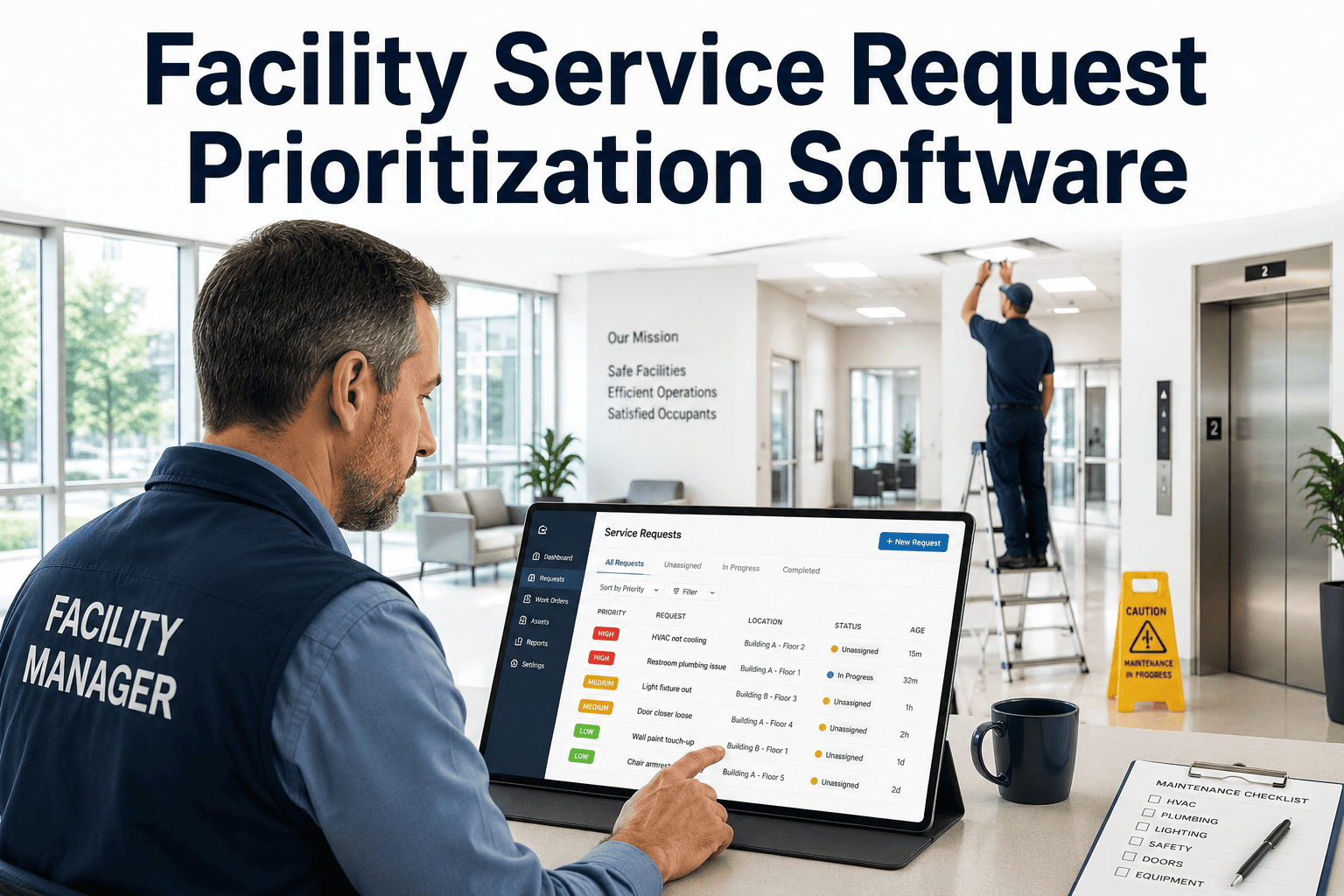
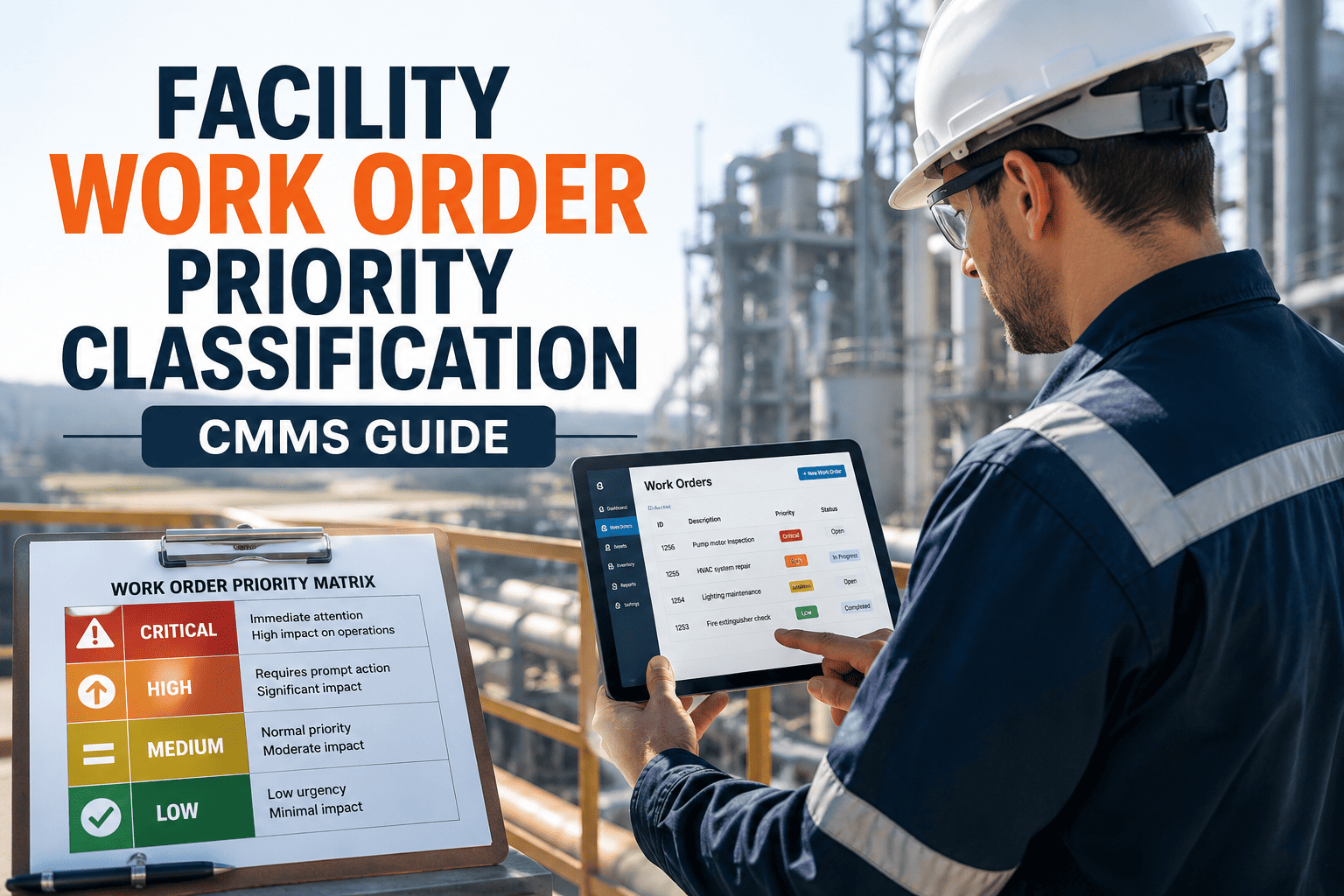
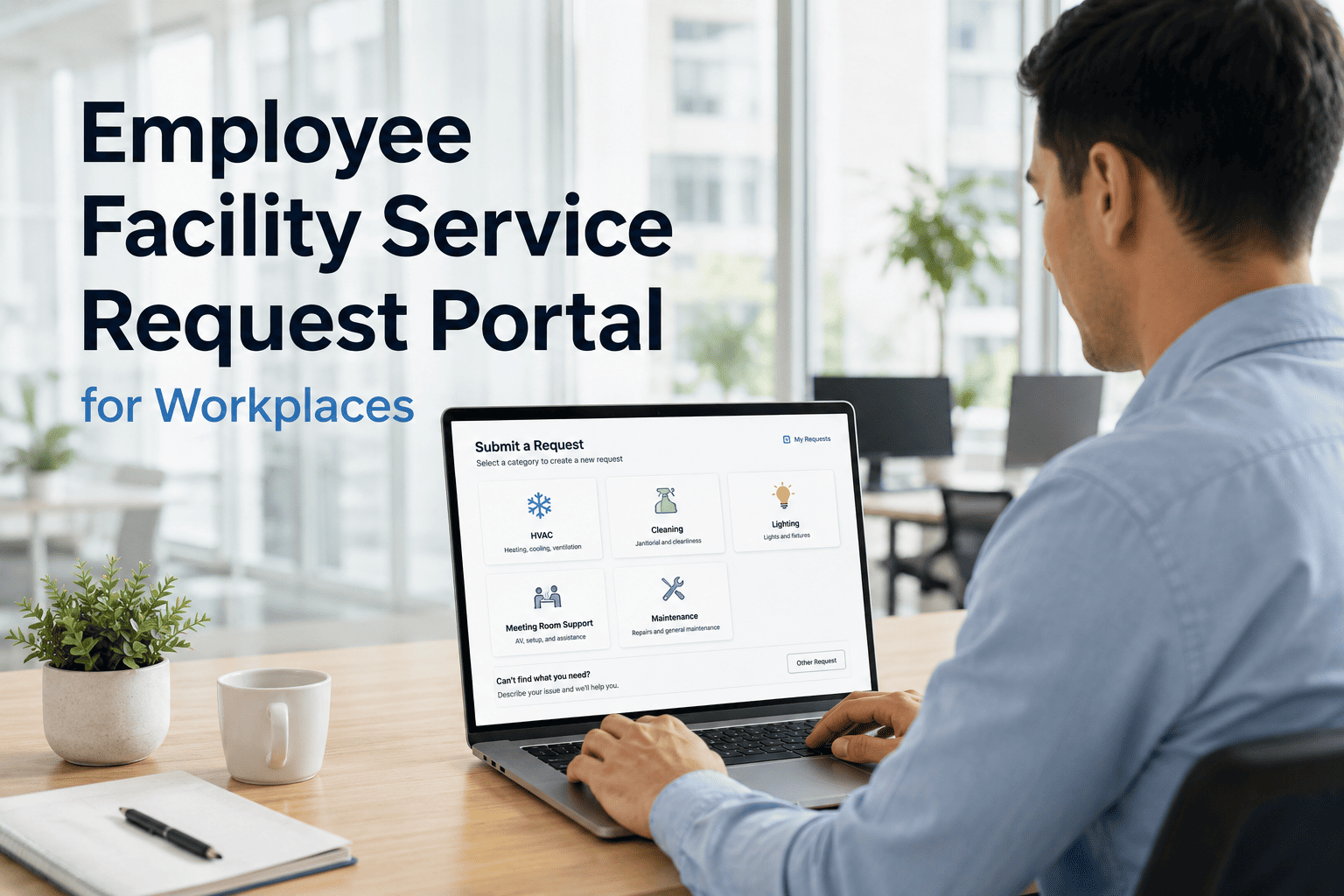
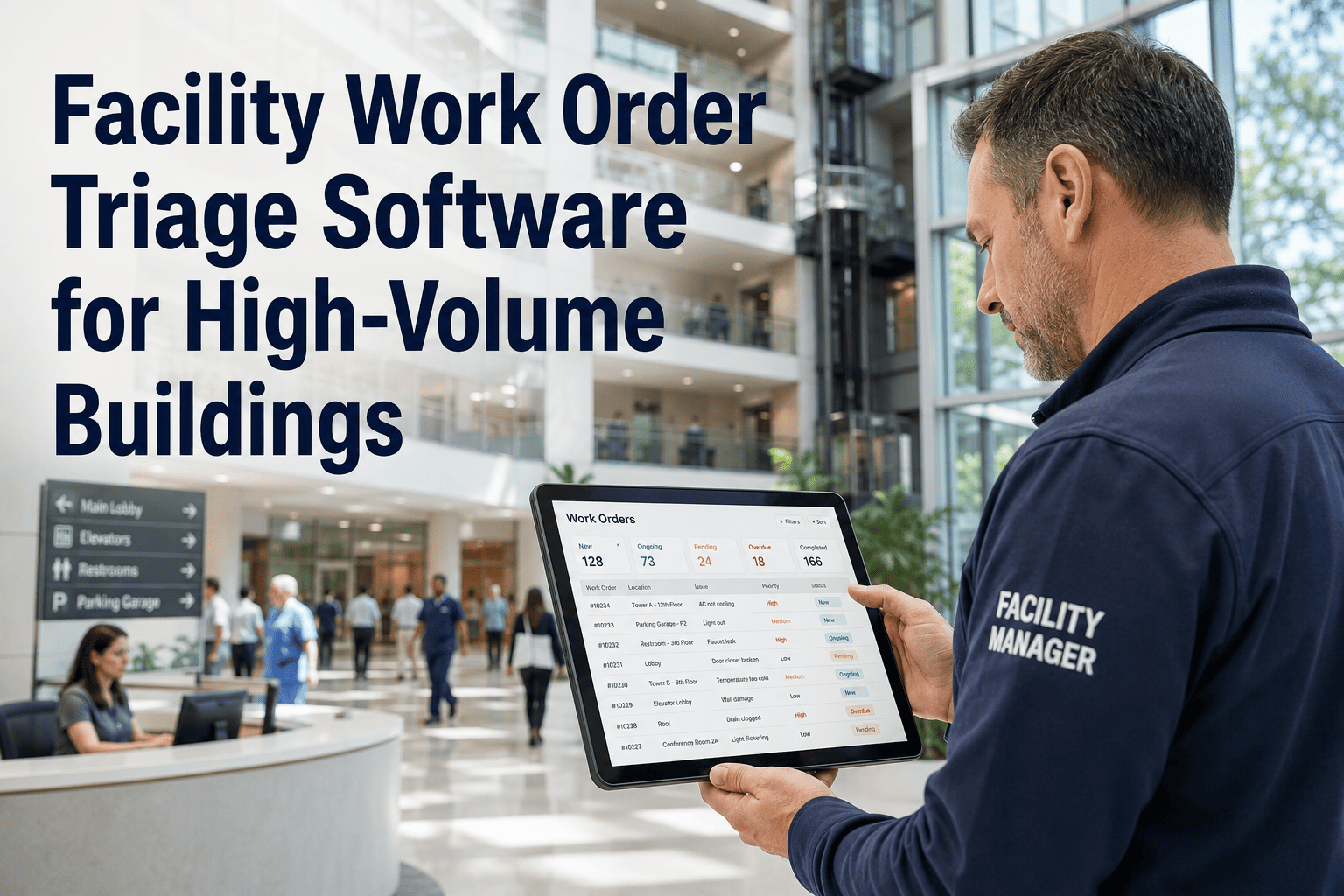
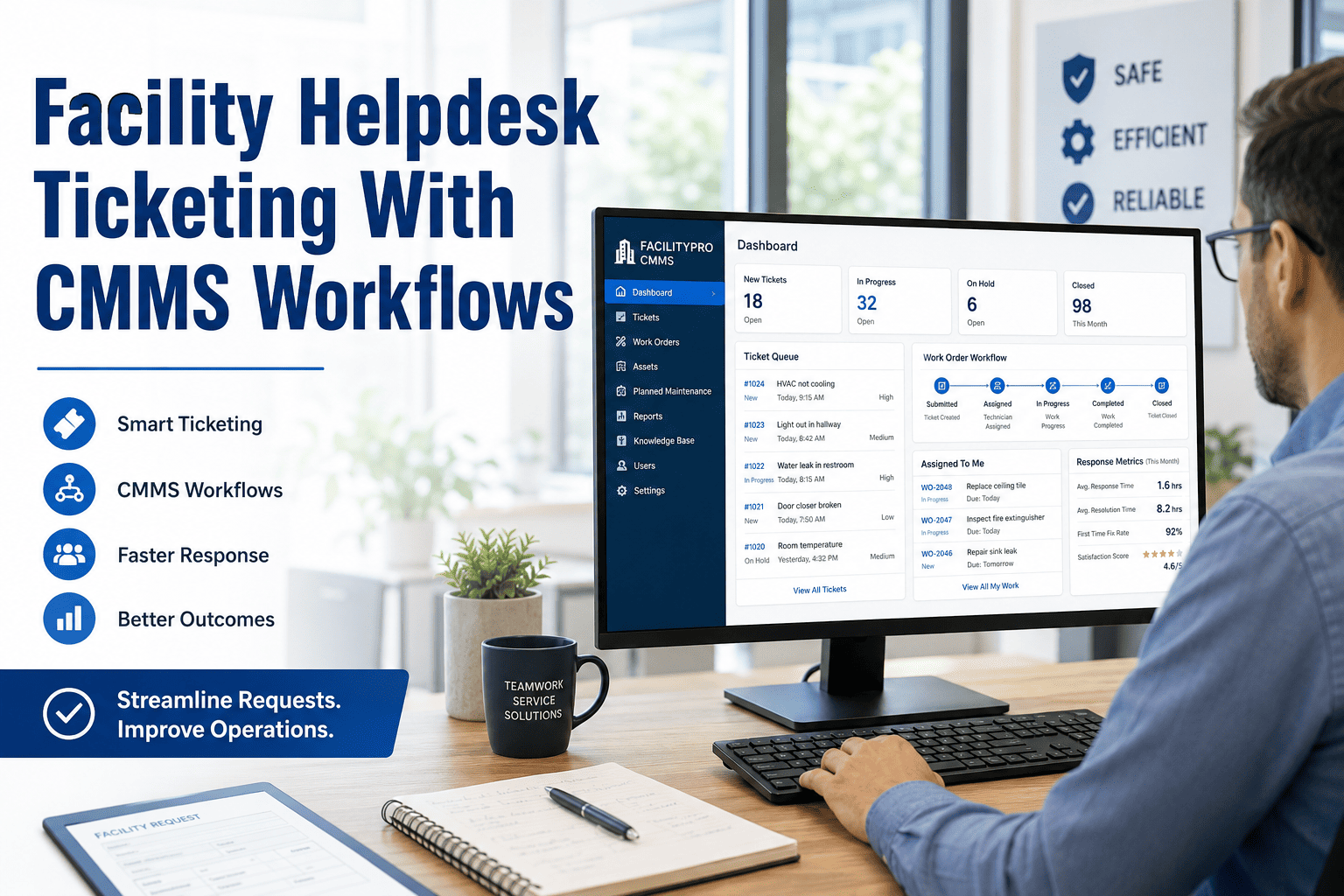
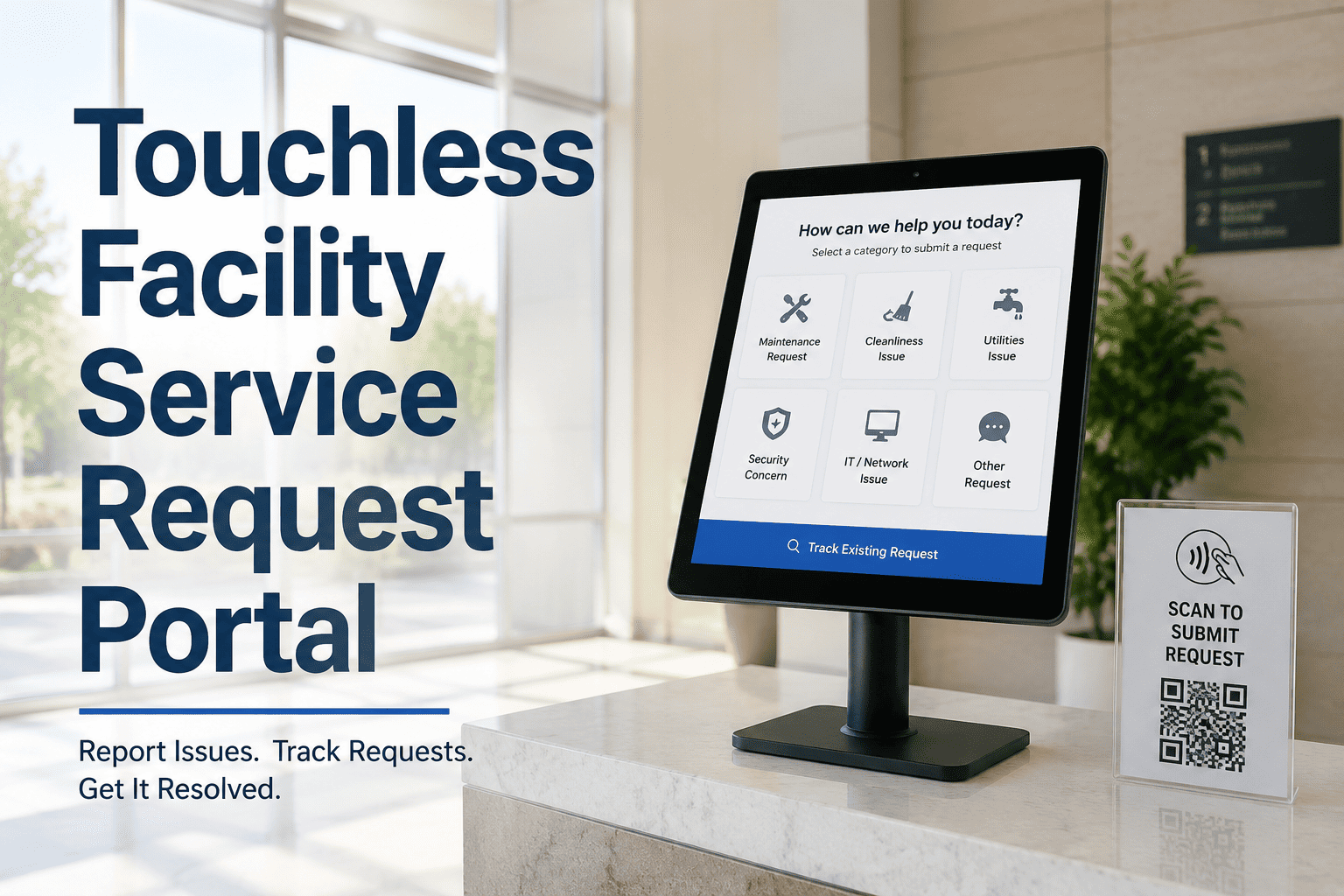
Every facility team faces the same daily puzzle: a flood of service requests from staff, occupants, and tenants — all claiming urgency, all competing for the same technicians. Without a systematic way to weigh urgency against asset impact, tenant tier, floor location, and SLA rules, the loudest request wins instead of the most critical one. OxMaint's service request prioritization engine converts raw intake into structured, ranked work orders in seconds — applying your rules, not whoever emails most persistently. The result is faster response to high-impact requests, fewer SLA breaches, and a maintenance team that operates from data instead of pressure. Start prioritizing requests the right way or book a demo to see the intake-to-priority workflow live.
Request Prioritization
The Right Request Gets the Right Technician. Every Time.
OxMaint ranks incoming facility service requests by urgency, asset impact, tenant tier, and SLA deadline — eliminating manual triage and reducing response time by up to 60%.
The Priority Formula
How OxMaint Scores Each Incoming Request
Five inputs determine where a request lands in your team's queue. Each factor is configurable by request type, building zone, and tenant class.
U
Urgency
Requestor-selected urgency combined with system-side category rules. Life-safety and structural issues override requestor input.
A
Asset Impact
Critical assets (HVAC, elevators, fire systems) carry higher multipliers. A fault on a tier-1 asset jumps the queue automatically.
T
Tenant Tier
Requests from anchor tenants or leases with SLA commitments receive tier-adjusted response times that feed back into the priority score.
L
Location
Floor, zone, and building determine technician proximity and travel cost — factored into dispatch to reduce response time.
S
SLA Clock
Live SLA countdown boosts priority score as deadlines approach — surfacing at-risk orders before they become breaches.
Request Category Performance
Response Time by Request Type — Before and After
| Request Category |
Avg Response (Manual) |
Avg Response (OxMaint) |
Improvement |
| Life Safety (Fire, Flood) |
38 min |
6 min |
84% faster |
| HVAC / Climate Failure |
2.4 hrs |
41 min |
71% faster |
| Elevator / Access Systems |
3.1 hrs |
55 min |
70% faster |
| Plumbing / Restrooms |
4.2 hrs |
1.3 hrs |
69% faster |
| Lighting / Cosmetic |
1.8 days |
6.2 hrs |
57% faster |
Response time data aggregated from OxMaint facility clients across commercial, healthcare, and education sectors.
Key Differentiators
What Makes OxMaint Prioritization Different
01
Rules Without Code
Configure priority rules through a visual rule builder — no developer required. Adjust urgency weights, SLA tiers, and asset criticality rankings from the admin dashboard in minutes.
02
Multi-Channel Intake
Requests from QR codes, web forms, email, mobile app, and front desk all enter the same prioritized queue. No parallel inboxes, no lost requests, no duplicate work orders.
03
Requestor Transparency
Occupants and tenants receive automatic status updates as their request progresses — reducing the "where is my request" calls that interrupt maintenance team workflows.
See How Your Requests Would Be Ranked
Bring your current request categories and SLA rules. In 30 minutes, we'll show you exactly how OxMaint would prioritize your live queue.
Expert Review
What Facility Managers Are Saying
5 / 5
"Before OxMaint, our supervisors spent 45 minutes every morning manually sorting and routing the overnight request queue. Now it's done automatically before they even open their laptops. We respond to critical HVAC issues in under an hour now — it used to be 3 to 4 hours."
Facilities Manager, Mixed-Use Commercial Tower
5 / 5
"The SLA rule builder is what sold us. We can give anchor tenants a guaranteed 1-hour response on HVAC and set completely different rules for standard tenants — all without touching a spreadsheet. Our tenant satisfaction scores improved measurably in the first quarter."
Director of Building Operations, Class A Office Portfolio
FAQ
Common Questions on Facility Request Prioritization
How does OxMaint handle conflicting urgency signals — such as when a low-tier tenant submits a P1 request?
OxMaint uses a rules-based override system where system-level asset criticality and category rules can outrank tenant-submitted urgency flags. For example, a P1 submission from a standard tenant for a cosmetic repair can be automatically downgraded based on asset tier — while a life-safety issue is escalated regardless of tenant tier.
Set your override rules in your free account. This prevents urgency inflation without losing genuine critical requests from lower-tier contacts.
Can we set different SLA rules for different tenant types or buildings?
Yes. OxMaint supports layered SLA rule sets by tenant class, building, floor zone, and request category. Each rule set carries its own response time target, escalation threshold, and notification recipient.
Book a demo to see multi-tenant SLA configuration in action. Rules apply automatically at request intake — no manual tagging or routing decisions required from the team.
What happens when multiple critical requests come in simultaneously?
OxMaint uses a composite priority score that accounts for all active inputs simultaneously. When multiple P1 requests exist, the system orders them by their combined score — with tie-breaking rules applied based on SLA time remaining, asset tier, and location proximity to available technicians. Supervisors receive a consolidated critical alert with both requests and can override the automatic ordering with one tap.
Test multi-priority scenarios in your free OxMaint account.
Does OxMaint notify requestors of their request status without manual follow-up?
Yes. Automated status notifications go to the requestor at each stage: received, assigned, in progress, and completed. Notification channels include SMS, email, and in-app push based on how the request was submitted. This eliminates the status-check calls that disrupt maintenance team focus, particularly in high-volume commercial buildings during busy weekday hours.
See the full notification flow in a live demo.
The Next Critical Request Deserves an Instant Response — Not a Manual Sort
OxMaint's prioritization engine handles the ranking so your team handles the repairs. Book a 30-minute demo and see how your request categories would perform in the live queue.