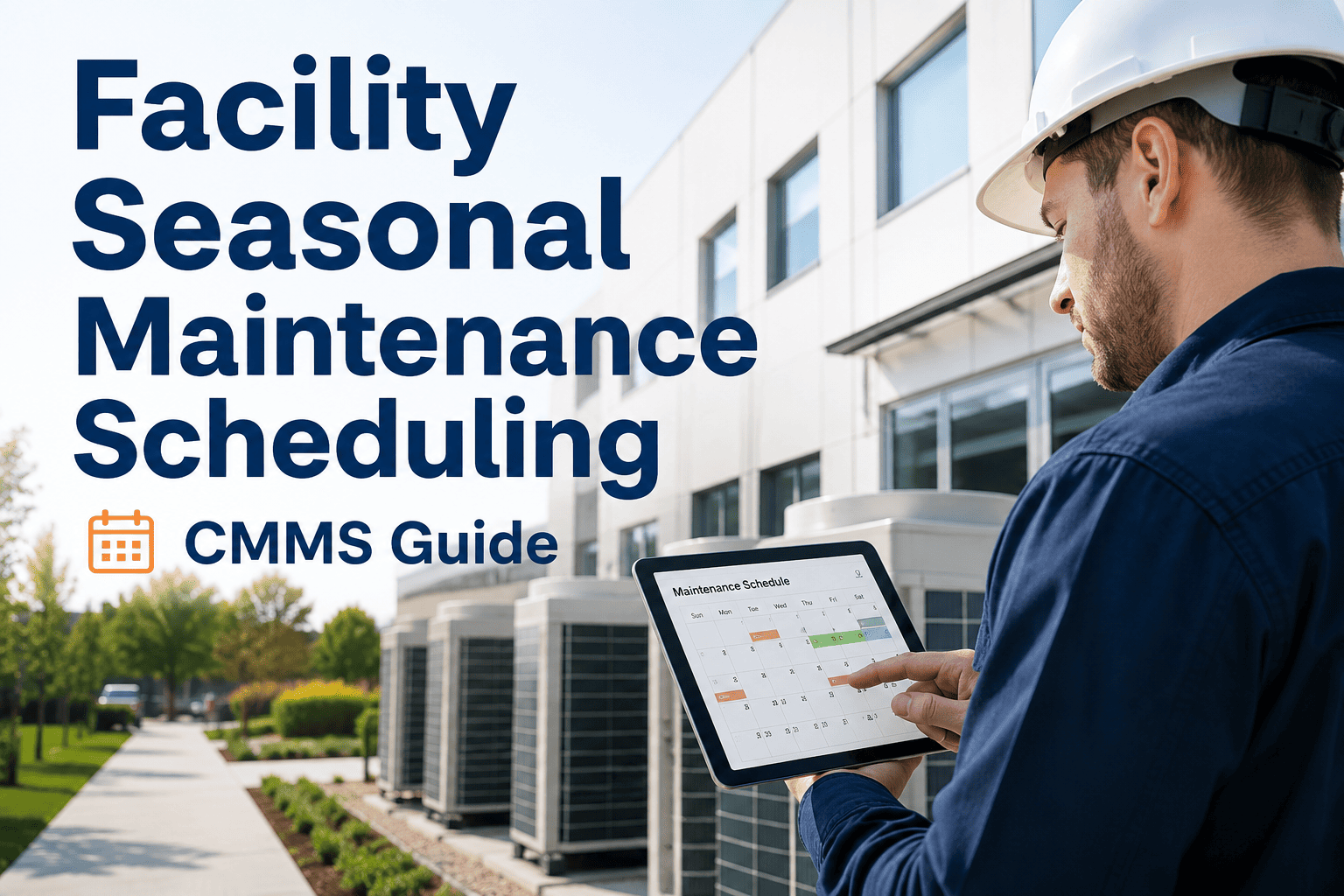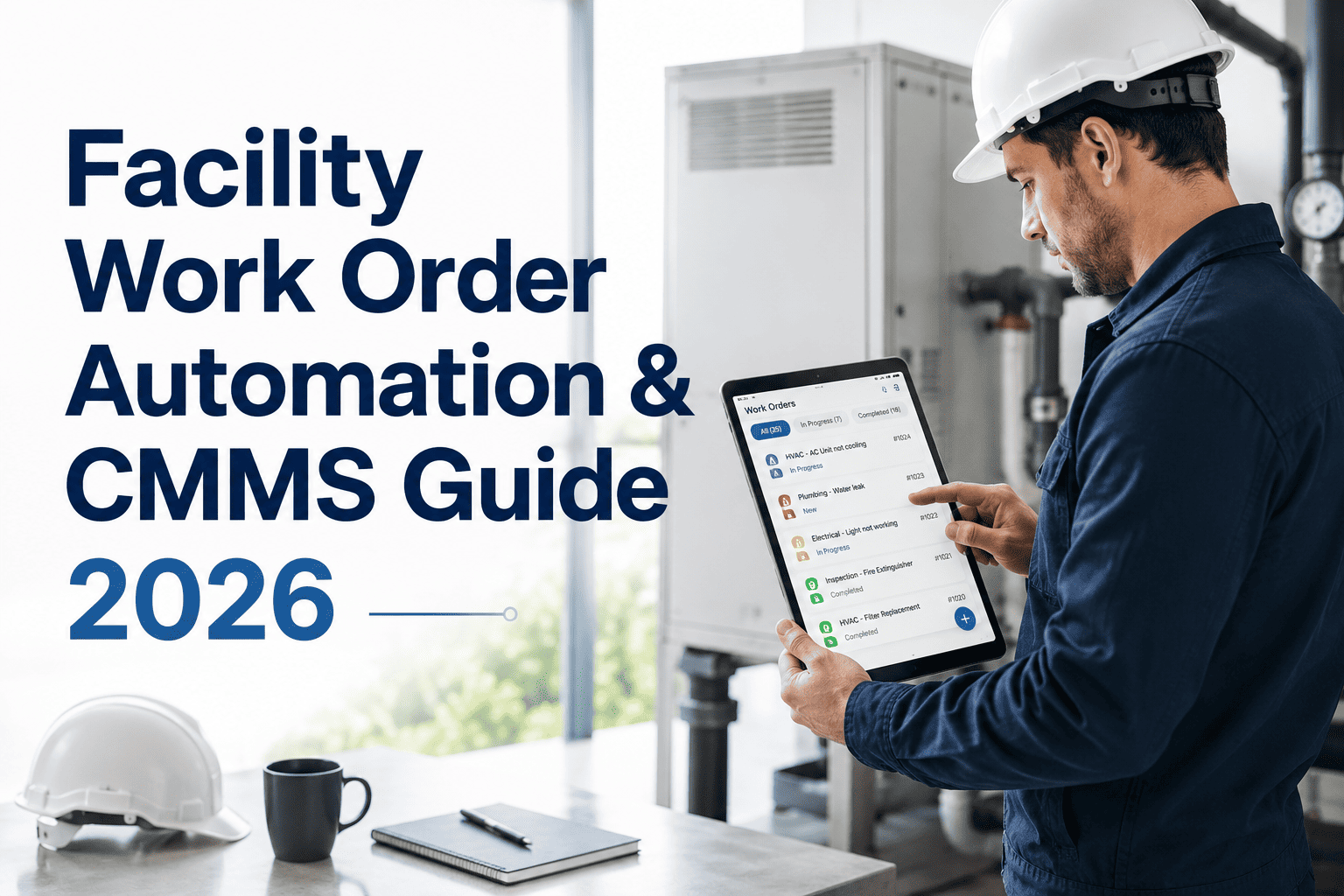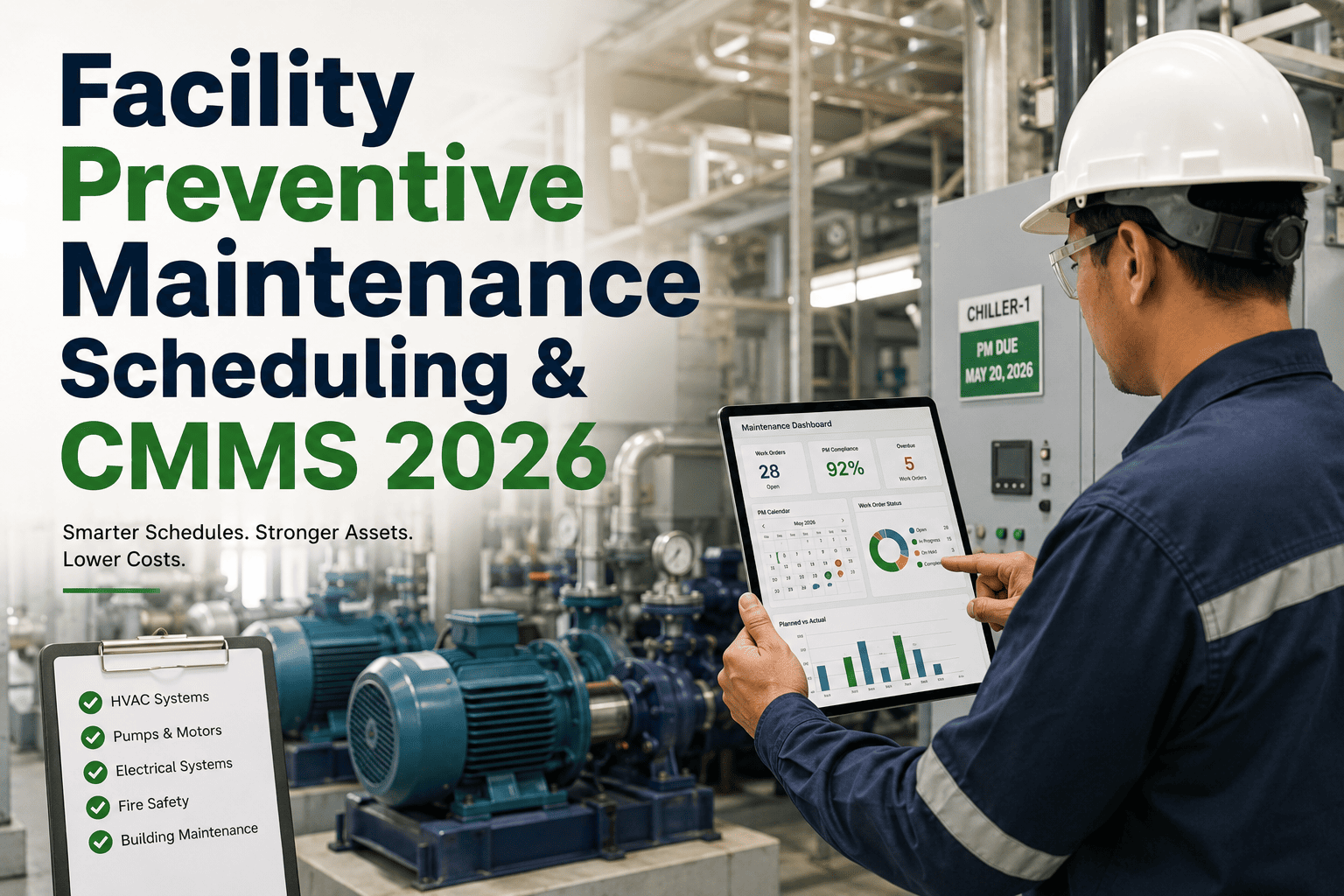
A regional hospital network in Texas discovered during an insurance audit that 340 of its 900 HVAC and electrical assets had no documented maintenance history for over two years — the maintenance team had relied on a shared spreadsheet that technicians quietly stopped updating after a system migration. The compliance office spent six weeks manually reconstructing records from memory and paper work orders before the deadline. This is the quiet failure mode of manual preventive maintenance scheduling: nothing looks broken until someone asks for proof. Facility teams that move scheduling into a structured CMMS avoid this scramble entirely, since every trigger, inspection, and completion is logged the moment a technician closes a work order. If your PM records still live across sticky notes and someone's memory, start a free trial with Oxmaint and see automated PM scheduling replace the guesswork.
Preventive Maintenance Scheduling: The Facility Manager's Blueprint for Fewer Breakdowns in 2026
Most facility managers already believe in preventive maintenance. Very few actually run it as their primary strategy. Oxmaint closes that gap with calendar-based, usage-based, and condition-based scheduling, asset criticality ranking, and automated work orders that keep every building system compliant and running.
Stop Running Your Building on a Spreadsheet and a Good Memory
Oxmaint turns every PM task — filter changes, generator load tests, elevator inspections, fire system checks — into a rule-based schedule that fires itself, assigns the right technician, and logs proof of completion automatically.
What Preventive Maintenance Scheduling Actually Means
Preventive maintenance scheduling is the practice of servicing building systems and equipment on a defined trigger — before they fail — rather than waiting for a breakdown to force the work. A schedule is only as good as the trigger behind it, and most facilities run on one of three: a fixed calendar, actual usage or run-hours, or live condition data from a sensor. Getting this trigger wrong is the single biggest reason PM programs quietly collapse into reactive firefighting within a year of launch.
Ranking Assets by Criticality Before You Build a Single Schedule
Not every asset deserves the same PM attention, and treating a lobby thermostat like a rooftop chiller wastes technician hours that critical systems actually need. Facility teams that rank assets by criticality first — then assign scheduling frequency and trigger type second — get more reliability out of the same headcount.
Four Scheduling Mistakes That Quietly Break a PM Program
Manual Scheduling vs. Oxmaint CMMS Scheduling
| Category | Spreadsheet / Paper | Oxmaint CMMS | Result |
|---|---|---|---|
| Trigger types supported | Calendar only, tracked manually | Calendar, usage, and condition-based, combined per asset | Right trigger for every asset tier |
| Missed task visibility | Discovered during audits or breakdowns | Automatic alert the moment a task is overdue | Backlog caught within hours |
| Compliance proof | Reconstructed manually before inspections | Time-stamped log generated at task completion | Audit-ready at all times |
| Technician assignment | Manual phone calls or messages | Auto-assigned by asset, skill, and location | Faster task turnaround |
| Schedule adjustment | Requires rebuilding the sheet | Adjusts automatically from meter and sensor data | Fewer over- or under-serviced assets |
What Facilities Report After Structuring Their PM Schedule
Frequently Asked Questions
What is the difference between calendar-based and condition-based PM scheduling?+
How do I decide which assets need the tightest PM intervals?+
Can a CMMS replace our maintenance spreadsheet without disrupting operations?+
What KPIs should I track once a PM schedule is running?+
How quickly can a facility see results after adopting structured PM scheduling?+
Give Every Asset the Schedule It Actually Needs
Oxmaint combines calendar, usage, and condition-based triggers with automated criticality ranking, so your team stops guessing and starts running a facility that passes every audit without a six-week scramble.