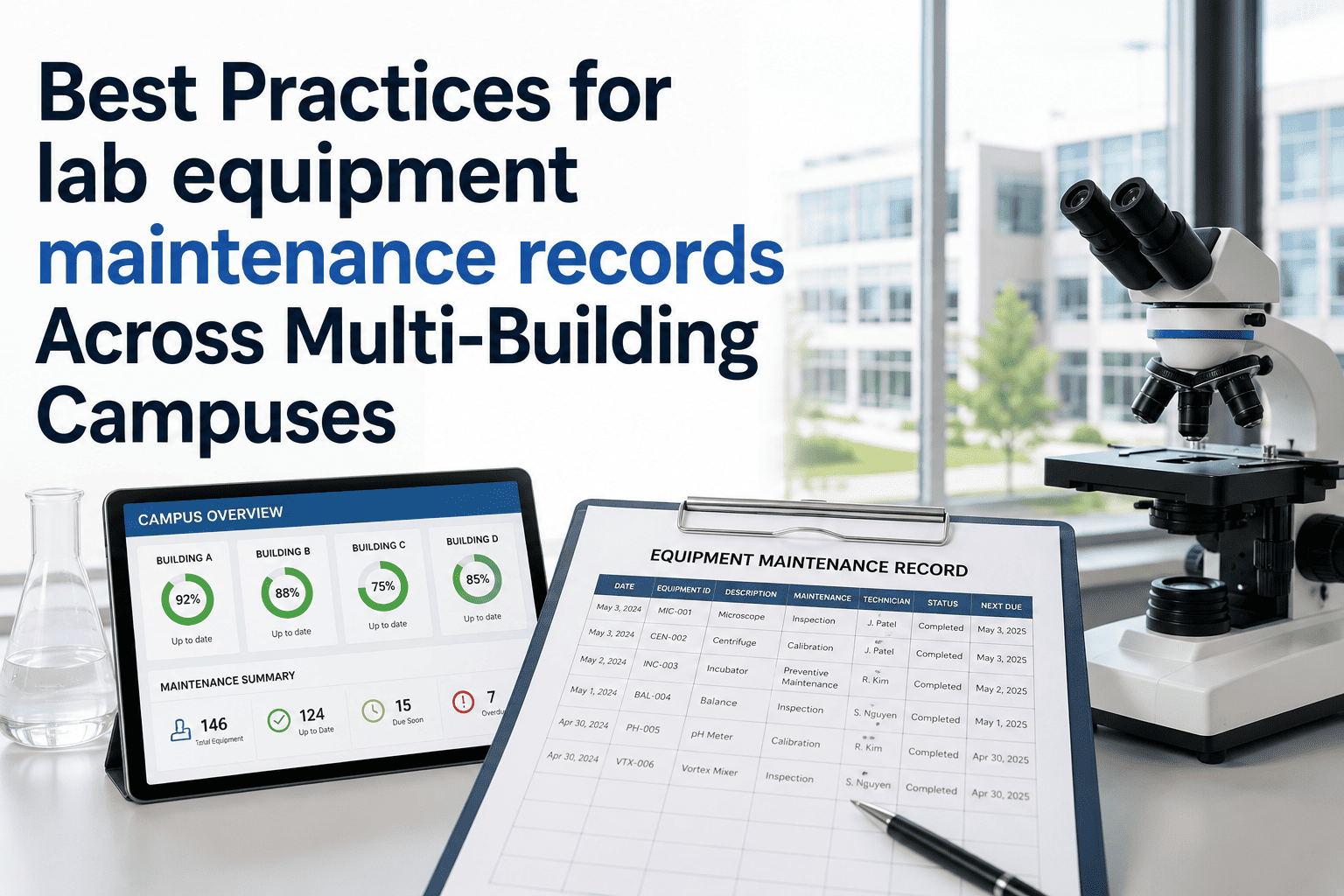
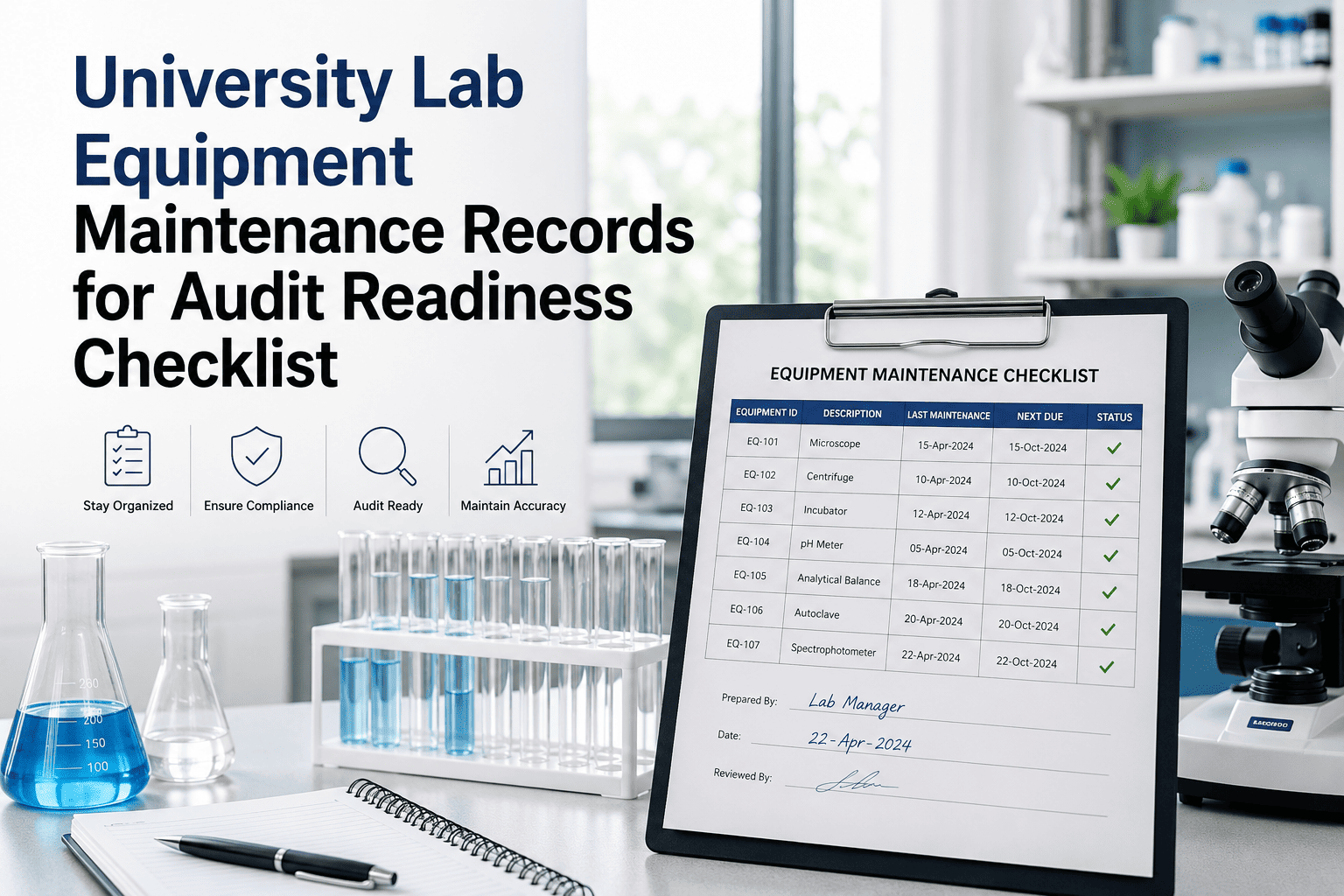
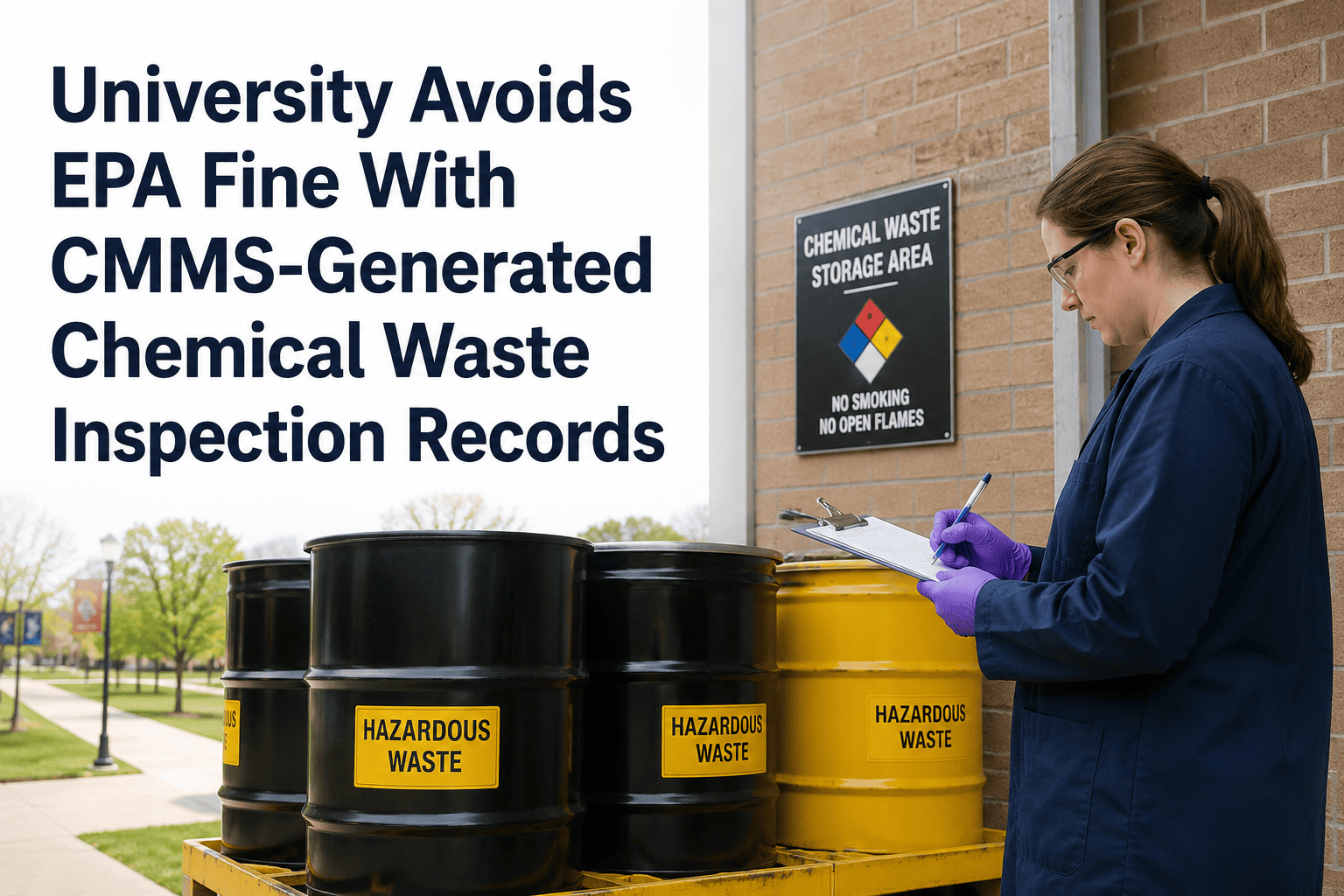
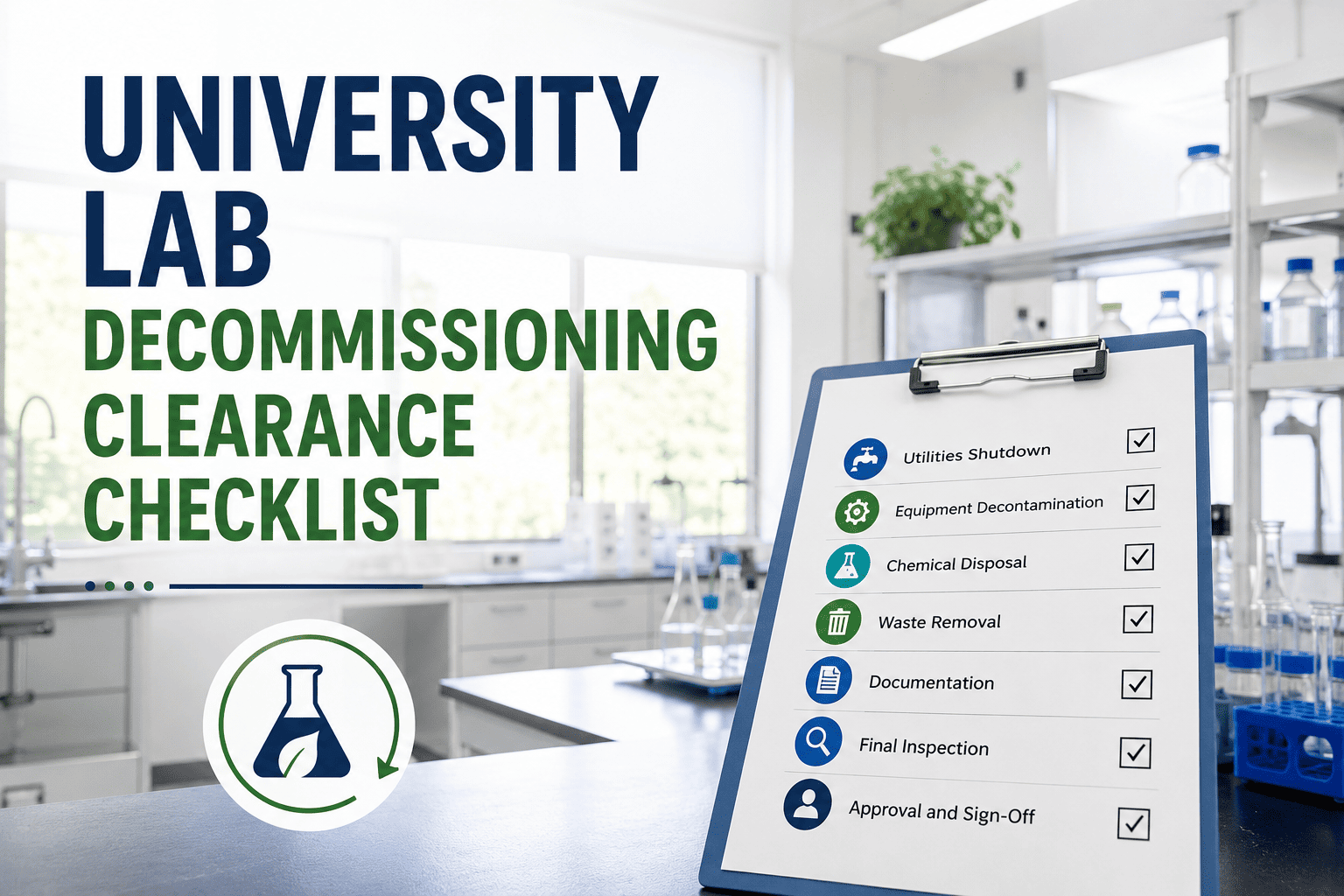
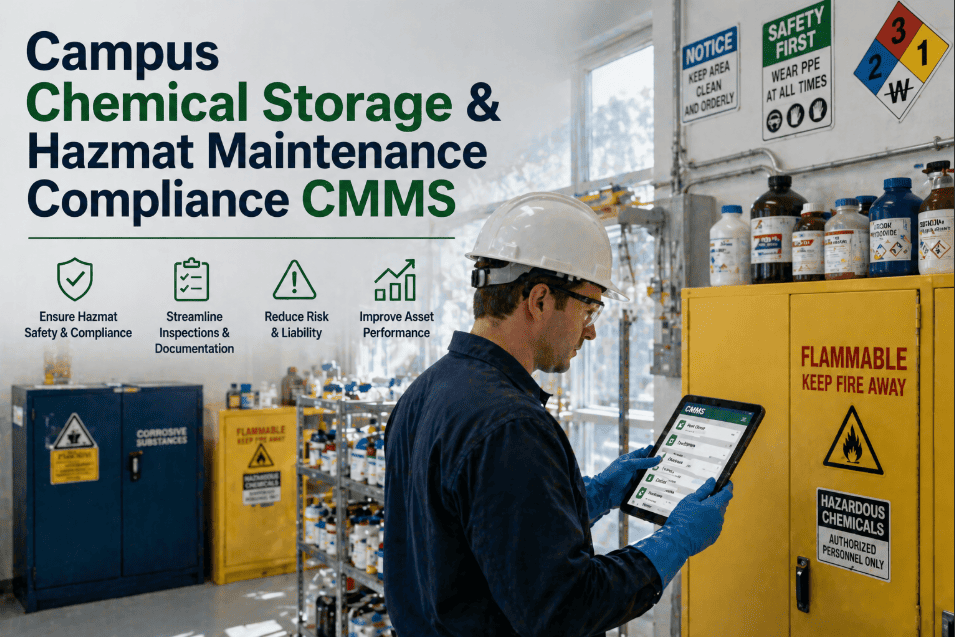
University lab moves and decommissioning projects involve 14–22 distinct regulatory checkpoints spanning equipment transfer, chemical inventory reconciliation, radiological clearance, decontamination verification, and institutional record transfer — yet 58% of institutions manage these complex moves with email chains and paper checklists that create compliance gaps discoverable only during post-move audits. A single missed chemical waste disposal step can trigger EPA fines averaging $37,500 per violation per day. Oxmaint provides a structured digital playbook for every lab move phase — from PI notification through final clearance sign-off — with CMMS-tracked records that satisfy EHS, radiation safety, and institutional audit requirements. If your university is planning PI relocations or lab closures this cycle, start a free trial or book a demo to see how CMMS-driven lab decommissioning eliminates compliance risk.
University Lab Move and Decommissioning Playbook: Equipment, Chemicals, and Records
14–22 regulatory checkpoints per lab move. Equipment transfer, hazmat clearance, decon verification, and CMMS-tracked records for PI relocations and lab closures — documented from notification through final sign-off.
Every Lab Move Is a Compliance Event — Treat It Like One
A lab move is not a furniture relocation. It is a regulated event involving hazardous material transfer, equipment decontamination, radioactive source accountability, biological agent disposition, and institutional asset record updates — each governed by different federal, state, and institutional regulations. When these steps are managed informally, compliance gaps accumulate silently until an auditor, inspector, or incident investigation exposes them. Oxmaint structures the entire decommissioning sequence into a traceable digital workflow. See the full lab move playbook — start a free trial or book a demo to configure it for your institution.
What Is a University Lab Decommissioning Playbook?
A lab decommissioning playbook is a structured, sequenced protocol that governs every phase of a laboratory move or closure — from initial PI notification and chemical inventory reconciliation through equipment transfer, space decontamination, clearance testing, and final institutional sign-off. It ensures that no regulatory checkpoint is missed and that every action is documented in a system of record that survives personnel changes and satisfies auditors.
Matching physical chemical inventory against ChemTracker or institutional chemical database records. Every container must be accounted for — transferred, disposed, or documented as consumed. Unreconciled chemicals are the leading audit finding in lab moves.
Surface wipe testing and clearance documentation proving the space is free of chemical, biological, or radiological contamination before it can be reassigned. Clearance standards vary by hazard type — radiation requires RSO sign-off with documented survey results.
Institutional asset tag reconciliation, equipment decontamination certification, calibration status verification, and receiving-location readiness confirmation. Equipment valued over $5,000 typically requires surplus property office involvement per federal grant terms.
Multi-party sign-off from EHS, radiation safety (if applicable), facilities, surplus property, and the receiving department confirming the space is cleared and ready for reassignment. This document is the institutional record that closes the decommissioning event.
The 6-Phase Lab Move and Decommissioning Sequence
PI submits formal move request 8–12 weeks before target date. EHS assesses lab hazard profile — chemical, biological, radiological, laser. Facilities evaluates receiving space readiness. Move complexity score determines timeline and resource requirements.
Complete physical audit of all chemicals against ChemTracker records. Identify materials for transfer, disposal, or surplus. Schedule hazardous waste pickups. Reconcile controlled substances with DEA logs if applicable. Average lab holds 180–340 chemical containers.
Inventory all equipment with asset tags. Verify decontamination status. Coordinate with surplus property for items not transferring. Arrange specialty movers for sensitive instruments (NMR, mass spec, electron microscopes). Confirm receiving lab has proper utilities.
Surface decon based on hazard type. Chemical fume hoods decontaminated and certified. Radiation surveys by RSO with documented results. Biological safety cabinet decontaminated with formaldehyde or VHP. Wipe tests documented and filed.
Coordinated move day with facilities, movers, EHS escort for hazmat transport, IT for network equipment, and receiving lab PI. Chemical transport follows DOT packaging requirements even for on-campus moves across public roads.
Multi-party sign-off: EHS clearance, RSO clearance (if applicable), facilities acceptance, surplus property reconciliation, and institutional asset database update. Space officially released for reassignment with documented clearance record in CMMS.
Six Compliance Risks in University Lab Moves
Chemicals left behind by departing PIs with no inventory record, no disposal request, and no responsible party. 23% of lab decommissioning events discover unrecorded chemicals that require emergency EHS intervention and disposal costing $800–$3,200 per event.
Sealed sources, contaminated equipment, or residual surface contamination not cleared by RSO before space reassignment. NRC violations for unauthorized release of radioactive material carry penalties up to $150,000 per occurrence.
Equipment purchased with federal grant funds (NSF, NIH, DOE) has specific property accounting requirements. Moving or disposing of federally funded equipment without sponsor notification violates 2 CFR 200.313 and can jeopardize future grant eligibility.
Space reassigned without documented decon clearance. New occupants discover residual contamination during their own safety assessment. Institutional liability exposure is significant when clearance documentation does not exist.
Biological safety cabinets moved without pre-move decontamination and post-move recertification. NSF/ANSI 49 requires recertification after any BSC relocation. Operating an uncertified BSC with select agents violates CDC/USDA select agent regulations.
Equipment arrives at the receiving lab before utilities, ventilation, or safety infrastructure is verified. 31% of lab moves experience receiving-space readiness failures — fume hoods not commissioned, gas lines not connected, or electrical circuits not adequate for equipment load.
How Oxmaint Manages the Entire Lab Decommissioning Workflow
Oxmaint provides a structured digital playbook for every lab move phase — from PI notification through final clearance — with work orders, checklists, sign-off workflows, and audit-ready documentation that satisfies EHS, RSO, surplus property, and institutional compliance. Universities ready to eliminate decommissioning compliance gaps can start a free trial or book a demo.
Each phase must be completed and signed off before the next phase activates. Chemical reconciliation sign-off gates decon. Decon clearance gates physical move. No phase can be skipped or bypassed.
Every chemical container tracked with disposition status — transferred, disposed, consumed, or surplus. Disposal manifests linked to the decommissioning record for RCRA audit trail.
Every piece of equipment tracked with asset tag, decontamination certificate, calibration status, funding source, and destination. Federally funded equipment flagged for sponsor notification requirements.
EHS, RSO, facilities, surplus property, and receiving department each sign off digitally. The complete clearance record is archived in CMMS with timestamps and signer identification.
Before any equipment ships, the receiving space readiness checklist verifies utilities, ventilation, electrical capacity, gas connections, and safety infrastructure — preventing arrival-day failures.
The complete decommissioning record — chemical disposition, decon results, equipment transfer, clearance sign-offs — archived permanently in CMMS and accessible for future audits regardless of staff turnover.
Paper-Based Lab Moves vs CMMS-Managed Decommissioning
University Lab Move Outcomes with CMMS-Managed Decommissioning
Digital chemical reconciliation with mandatory disposition recording eliminates the unrecorded chemicals that trigger EHS emergency responses
Phase-gated workflow with pre-move receiving readiness eliminates the rework cycles that extend paper-managed moves by 6–8 weeks
Multi-party digital sign-off ensures every clearance step is documented and archived — no missing forms, no unsigned records
Documented chemical disposition and hazmat clearance records provide the audit trail that prevents EPA RCRA violation penalties
Frequently Asked Questions
How far in advance should a PI submit a lab move request?+
What federal regulations apply to lab equipment purchased with grant funds?+
Does Oxmaint track biological safety cabinet decontamination and recertification?+
Can Oxmaint manage multiple simultaneous lab moves across different campus buildings?+
Every Lab Move Documented. Every Clearance Signed. Every Audit Passed.
CMMS-managed lab decommissioning eliminates orphaned chemicals, missed clearances, and compliance gaps. Oxmaint structures the entire move workflow — first playbook configured in your first week.