When a laboratory fume hood fails in an academic setting, the immediate reaction is often a reflexive maintenance loop: replace the broken belt, recalibrate the drifting monitor, or clear the blocked baffle. While this restores function temporarily, treating symptoms rather than causes creates a dangerous cycle of recurring hazards and budget drain.
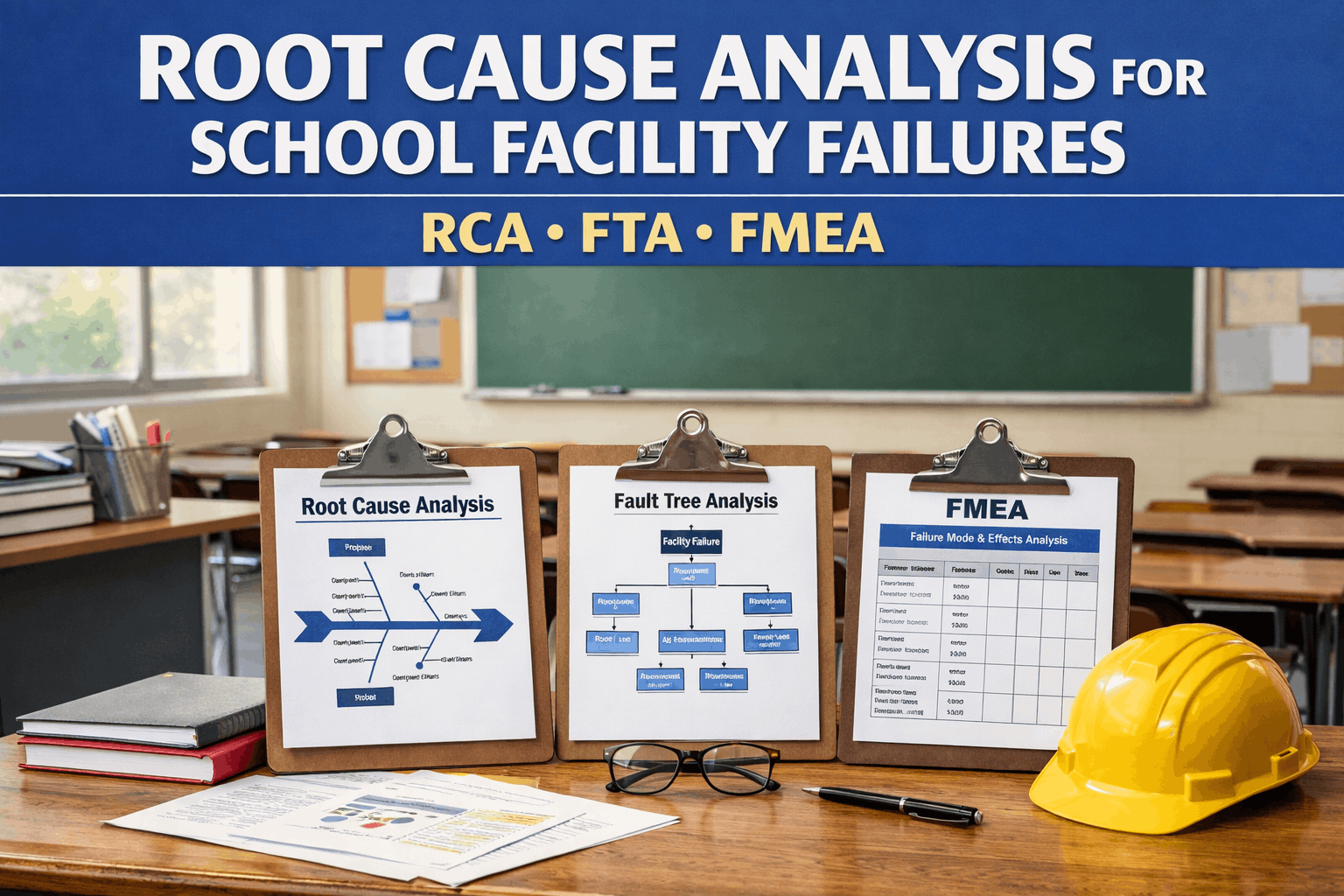
A true Lab Fume Hood Failure Root Cause Analysis (RCA) looks beyond the mechanical breakdown (the "direct cause") to uncover systemic weaknesses (the "root cause"). These often hide in plain sight: gaps in technician training, flawed procurement of non-compatible materials, or preventive schedules that don't match usage intensity. By choosing to signup for OxMaint, facilities teams can transform their RCA data from a "crash report" into actionable long-term safety strategies that protect students and research integrity.
Beyond the Breakdown: The RCA Framework
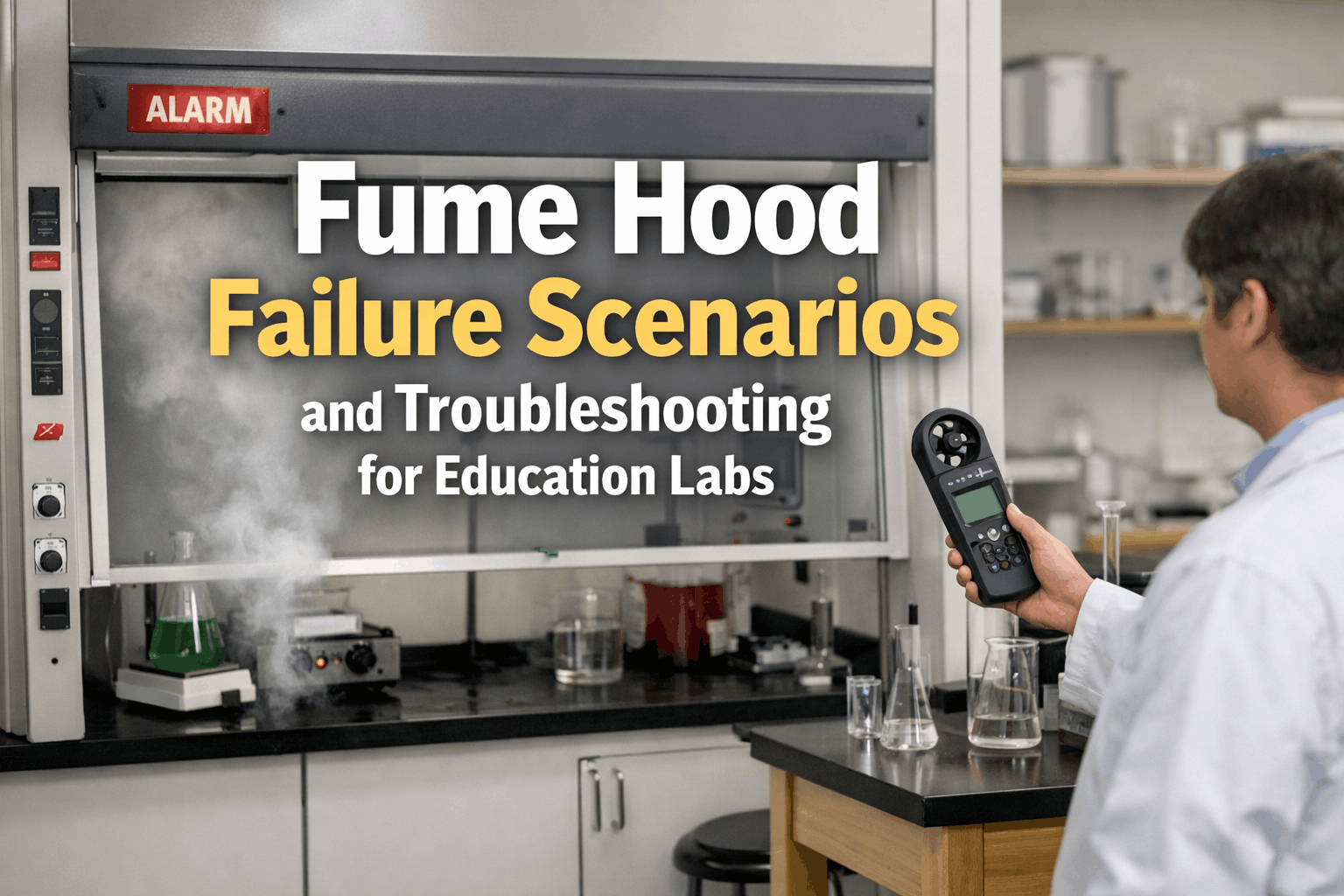
In academic facilities, fume hood failures are rarely "bad luck" or isolated incidents. They are usually the result of a convergence of factors. Consider a common scenario: A "low airflow" alarm triggers in an Organic Chemistry lab.
- Direct Cause: The exhaust damper is seized shut.
- Contributing Factor: Heavy chemical corrosion on the damper linkages.
- Root Cause: The damper material specified was galvanized steel, which is incompatible with the acid digestion protocols introduced to the curriculum two years ago.
The Fix: Replacing the damper with steel ensures another failure in 12 months. The RCA process identifies that stainless steel or PVC-coated components are required.
Modern academic research facilities face unique challenges: grant deadlines, student safety requirements, regulatory compliance, and budget constraints all converge simultaneously. Digital maintenance platforms like OxMaint automatically capture critical data—failure timestamps, environmental conditions, maintenance history, and usage patterns. You can schedule a personalized tech walkthrough to see how our RCA module reveals hidden correlations that paper-based systems miss entirely.
Key benefits of systematic RCA in laboratories:
- Pattern Recognition: Identifies clusters, such as failures at semester start indicating training gaps.
- Culture Shift: Creates a blame-free reporting culture through mobile QR code incident logging.
- Data Fusion: Combines quantitative sensor data (humidity/temp) with qualitative technician observations.
- Proactive Strategy: Transforms reactive crisis management into proactive safety excellence.
Drill down layers. Example: Hood alarm → Face velocity low → Fan bearing seized → Lubrication missed → CMMS didn't trigger → PM task never configured. The fifth "Why" reveals the true fix.
Rank risks by Severity × Probability × Detection. High RPN scores justify the budget for installing IoT sensors on critical hoods, whereas low RPNs stay on manual inspections.
Cross-reference hood liner materials (e.g., phenolic resin vs. stainless steel) with actual user chemical logs to flag incompatibilities before structural failure occurs.
Monitor sash violations and baffle blocking. Data-driven training reduces user-caused failures by 60% by targeting specific behaviors rather than generic safety lectures.
Implementing Systematic Documentation for Laboratory Safety
Digital RCA systems transform failure investigations into institutional knowledge that compounds over time. Traditional paper reports get filed away; digital platforms make every failure analysis strengthen the next one.
Essential documentation elements:
- Visual Evidence: Photos of the failed component (e.g., frayed belts, corroded ducts) with timestamp metadata.
- Sensor Data Context: Logs of face velocity leading up to failure—did it degrade slowly (wear) or drop instantly (breakage)?
- Maintenance History: A complete look at previous work orders to identify "lemon" assets.
- Researcher Interviews: Contextual notes (e.g., "Was the hood making a noise yesterday?").
- Verification: Follow-up tasks generated 30 days post-repair to confirm the fix held.
Modern CMMS platforms enable structured workflows that guide technicians step-by-step, suggest root causes based on historical patterns, and auto-generate corrective action plans. To standardize your facility's safety approach, you can signup for oxmain and ensure consistent quality whether investigated by your senior engineer or newest technician.
Strategic Perspective: University Safety Readiness
"The difference between a safe lab and a dangerous one isn't the number of breakdowns—it's whether the facility learns from them. Root Cause Analysis is the institutional memory that prevents yesterday's accidents from becoming tomorrow's catastrophes."
Integrating RCA with Preventive Maintenance Strategies
Every failure investigation should conclude with specific, actionable changes to your maintenance program. This creates a virtuous cycle where your system becomes increasingly effective, automatically adapting to your laboratory's unique demands.
How RCA drives smarter maintenance:
- Dynamic scheduling: Adjust inspection intervals based on actual failure data (e.g., organic chemistry lab fans checked 40% more frequently than biology labs due to corrosion risk).
- Smart procurement: If RCA data shows "Vendor A" motors have a 20% higher failure rate, use that hard data to justify better equipment in future capital projects.
- Lifecycle Forecasting: Shift from "run-to-failure" to predicting end-of-life. If 60% of fans fail at year 12, proactively budget replacements in year 11.
- Budget accuracy: Forecast true equipment costs and redirect 30-40% of reactive spending toward strategic improvements.
Use OxMaint to track the "Why" behind every work order. Build a safer campus today by transforming your maintenance data into safety intelligence.
Book a Live Demo Signup Free NowFrequently Asked Questions
- Cultural Safety (Just Culture): Teach staff that reporting near-misses is welcomed, not punished. This empowers junior researchers to "stop the line" when risks appear.
- Methodology Mastery: Move beyond surface-level answers. Train technicians on how to use the 5 Whys and Fishbone diagrams to find latent systemic causes (like procurement flaws) rather than just "human error."
- Digital Proficiency: Ensure teams know how to use digital tools to tag assets, upload evidence photos immediately, and categorize failures correctly.