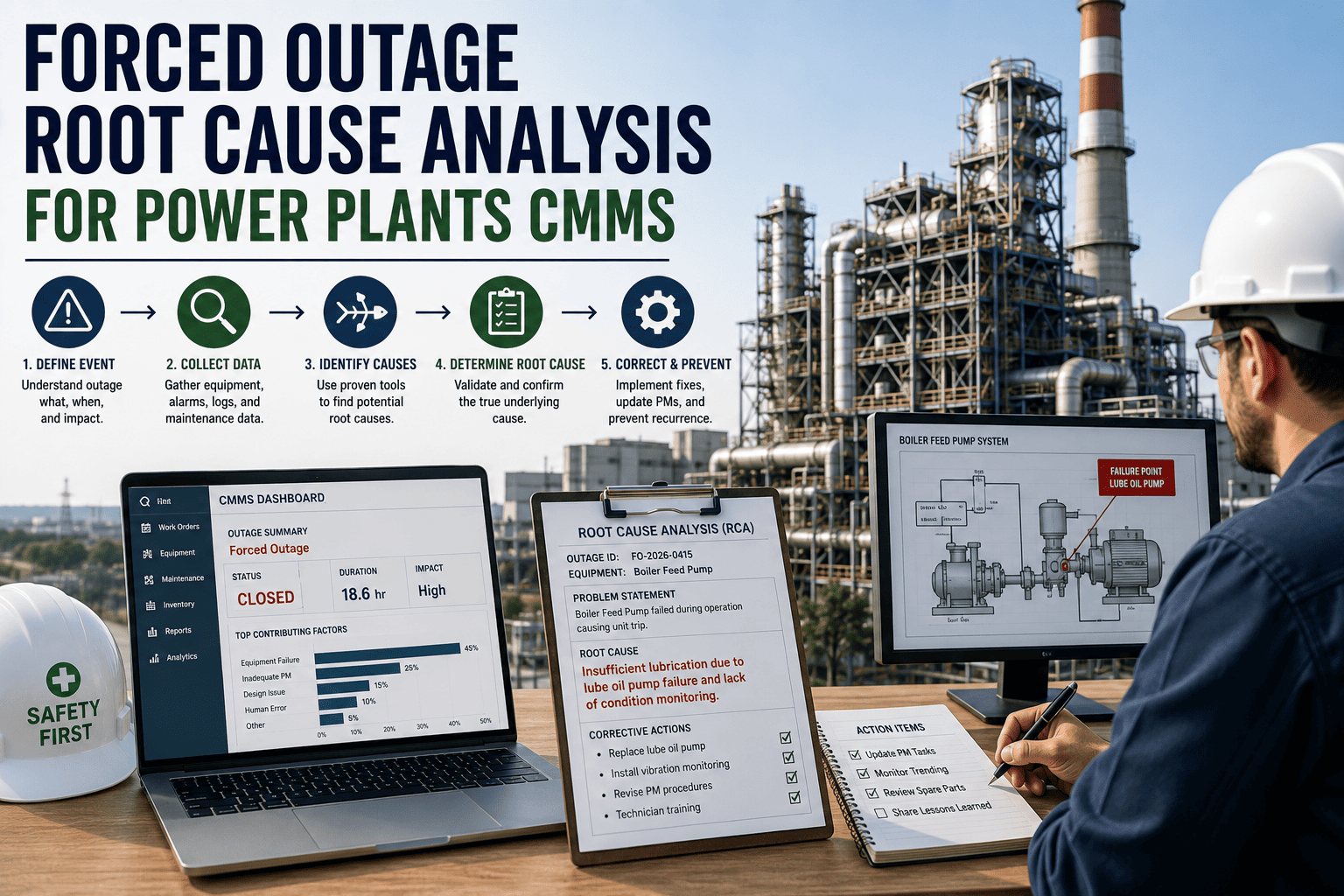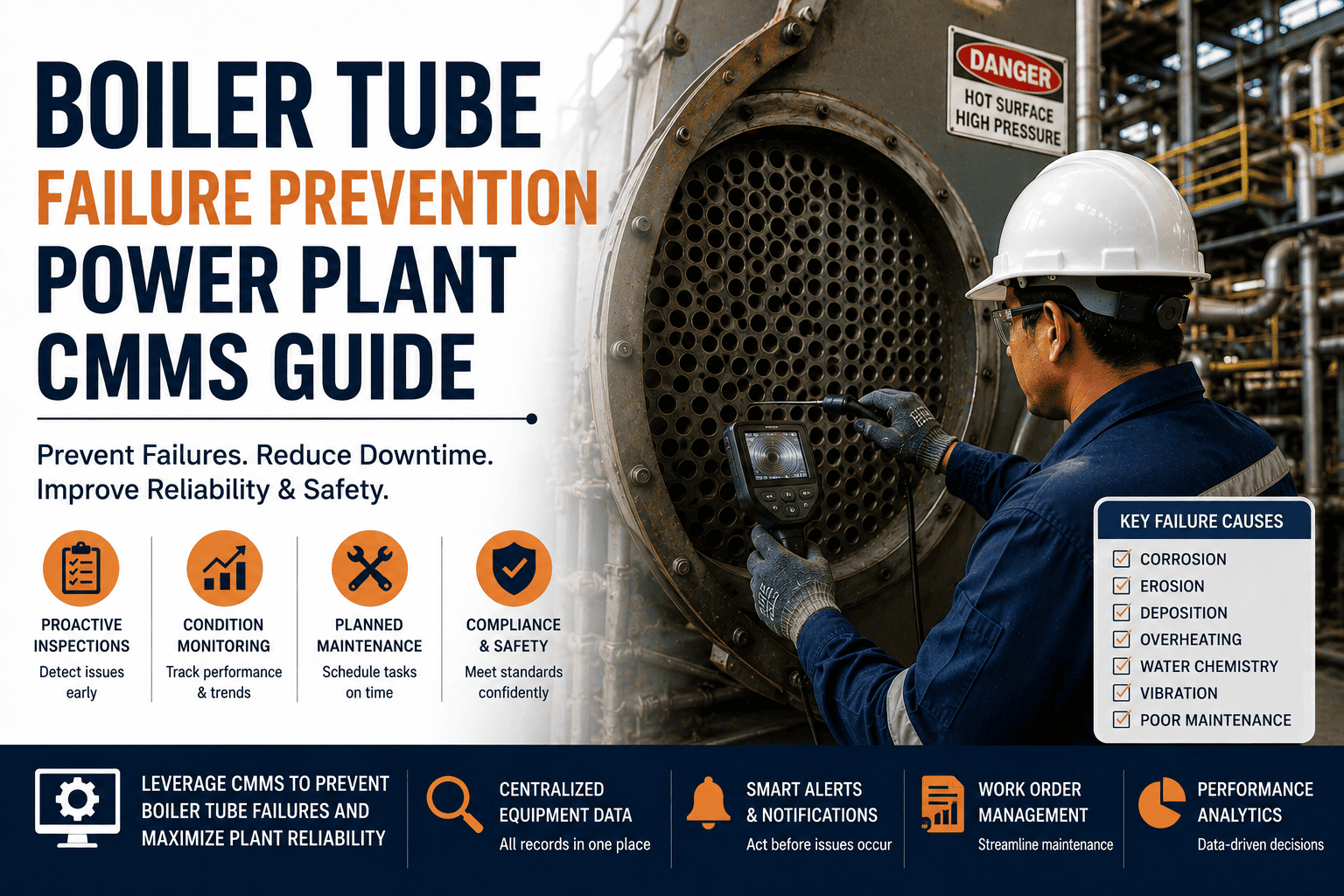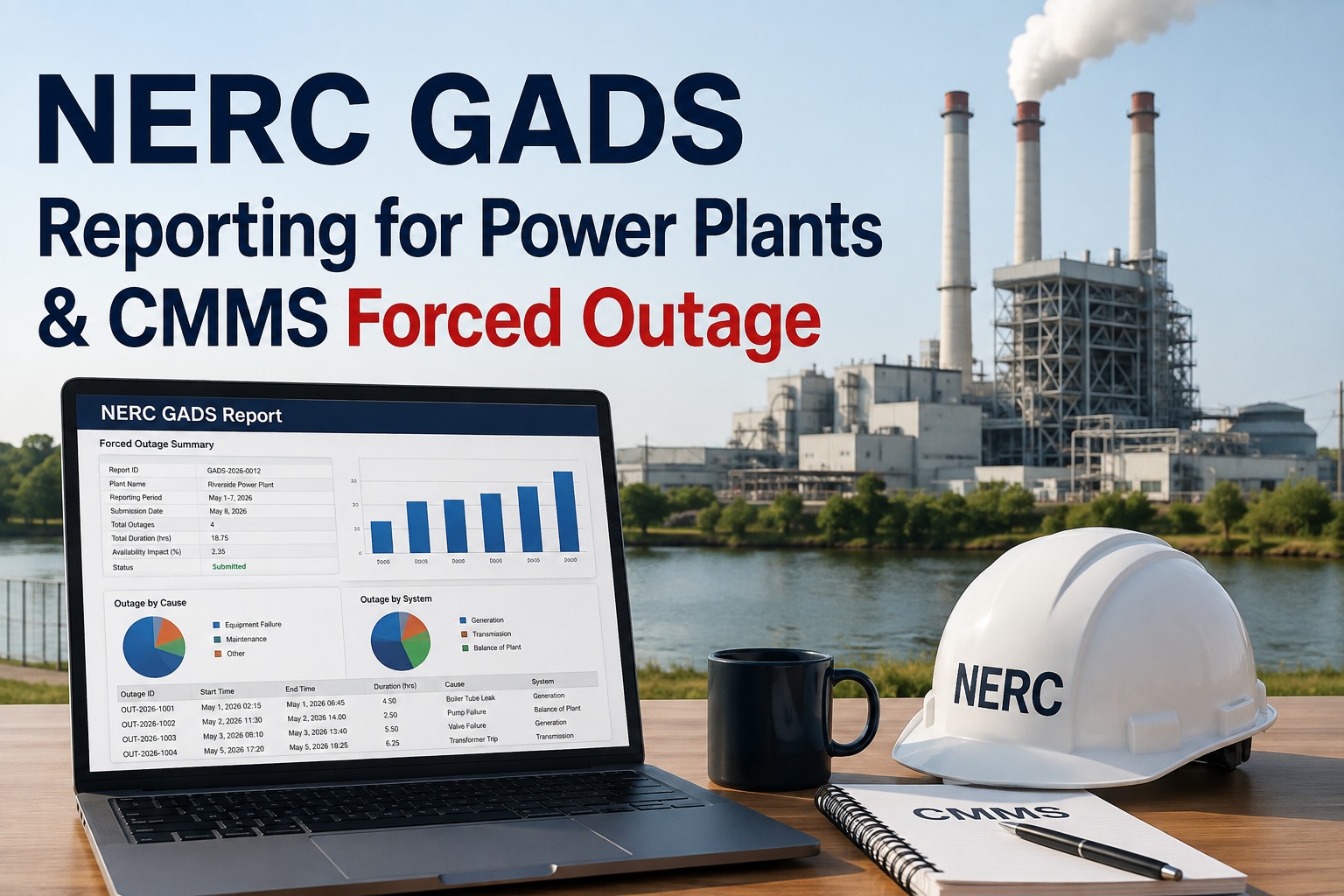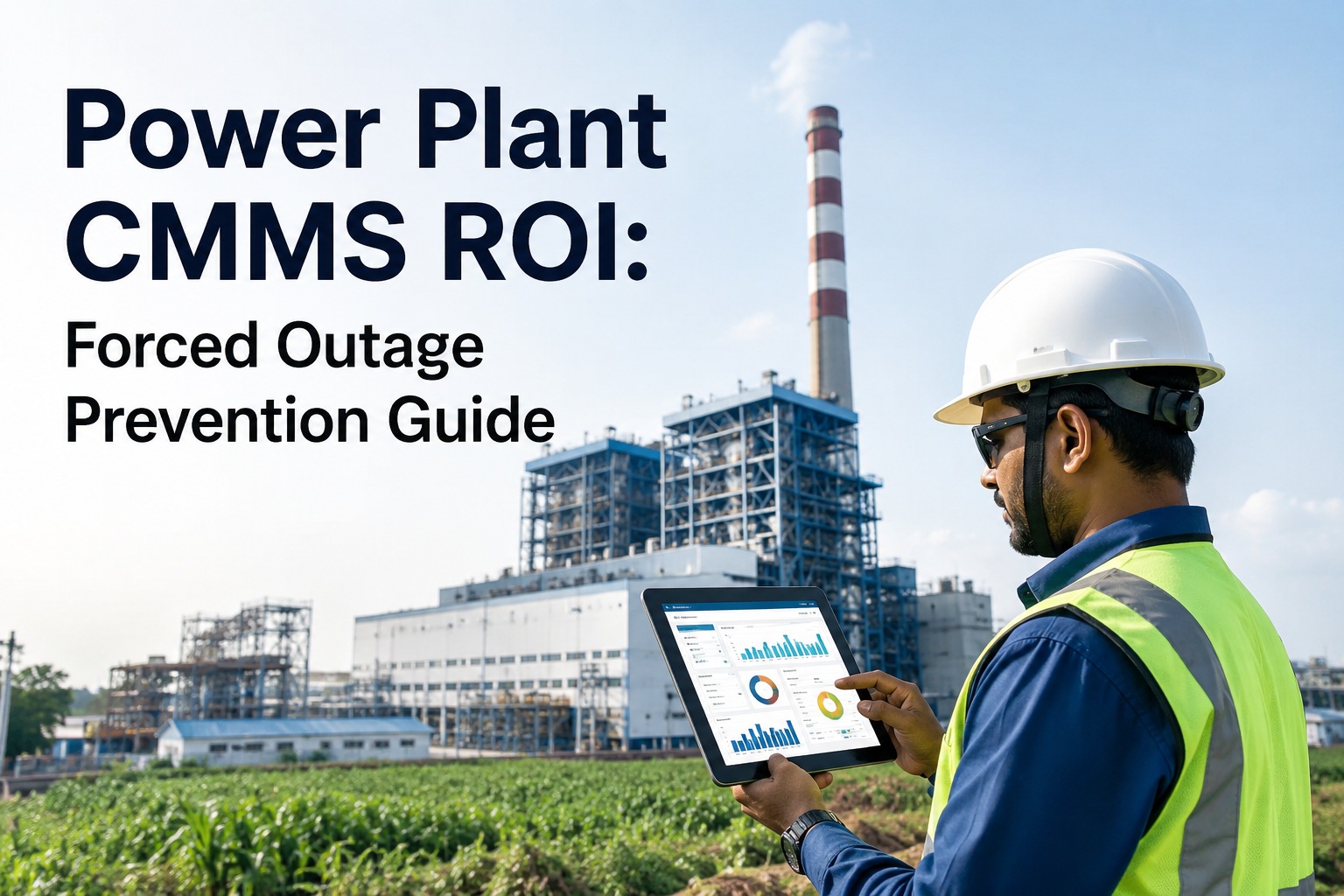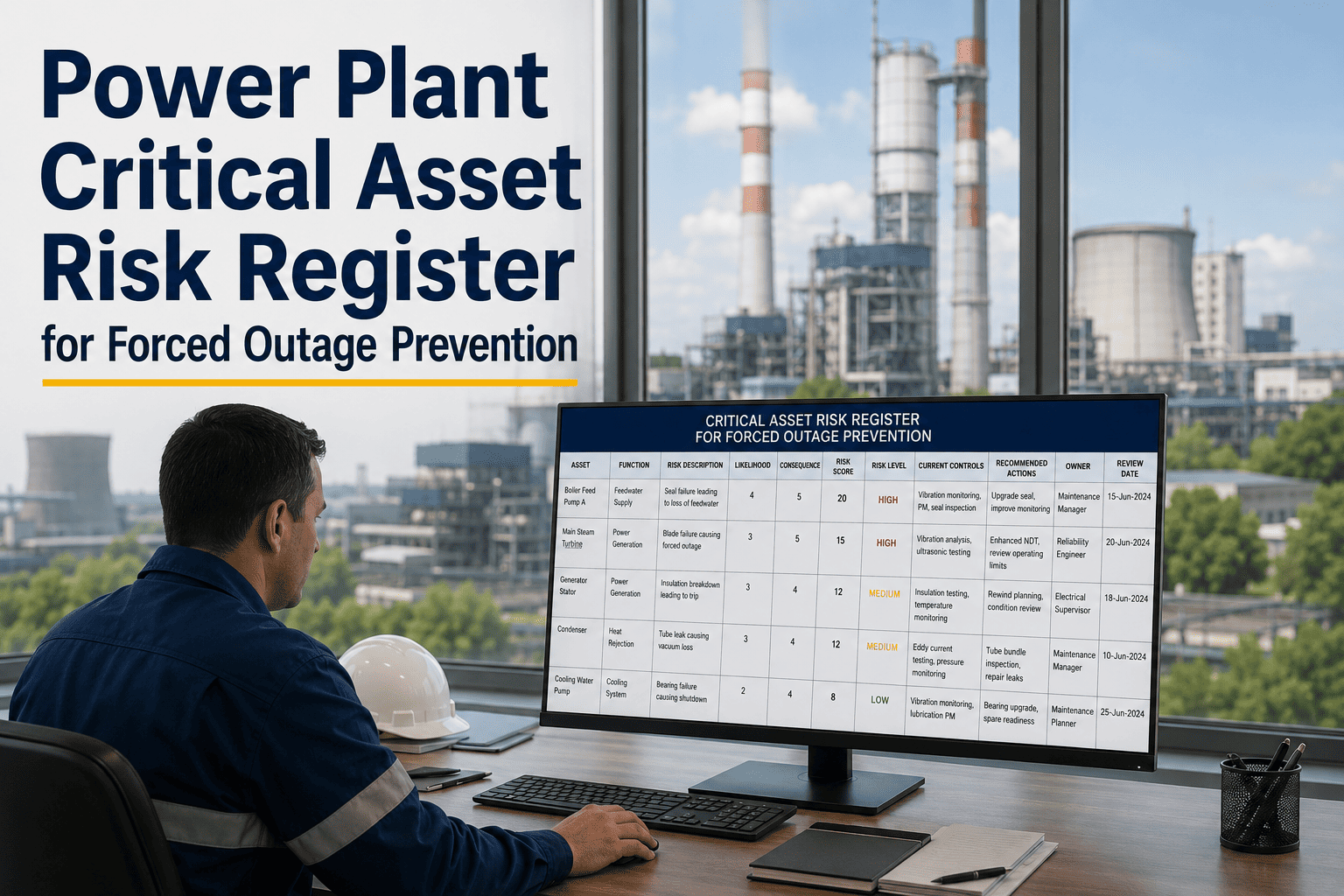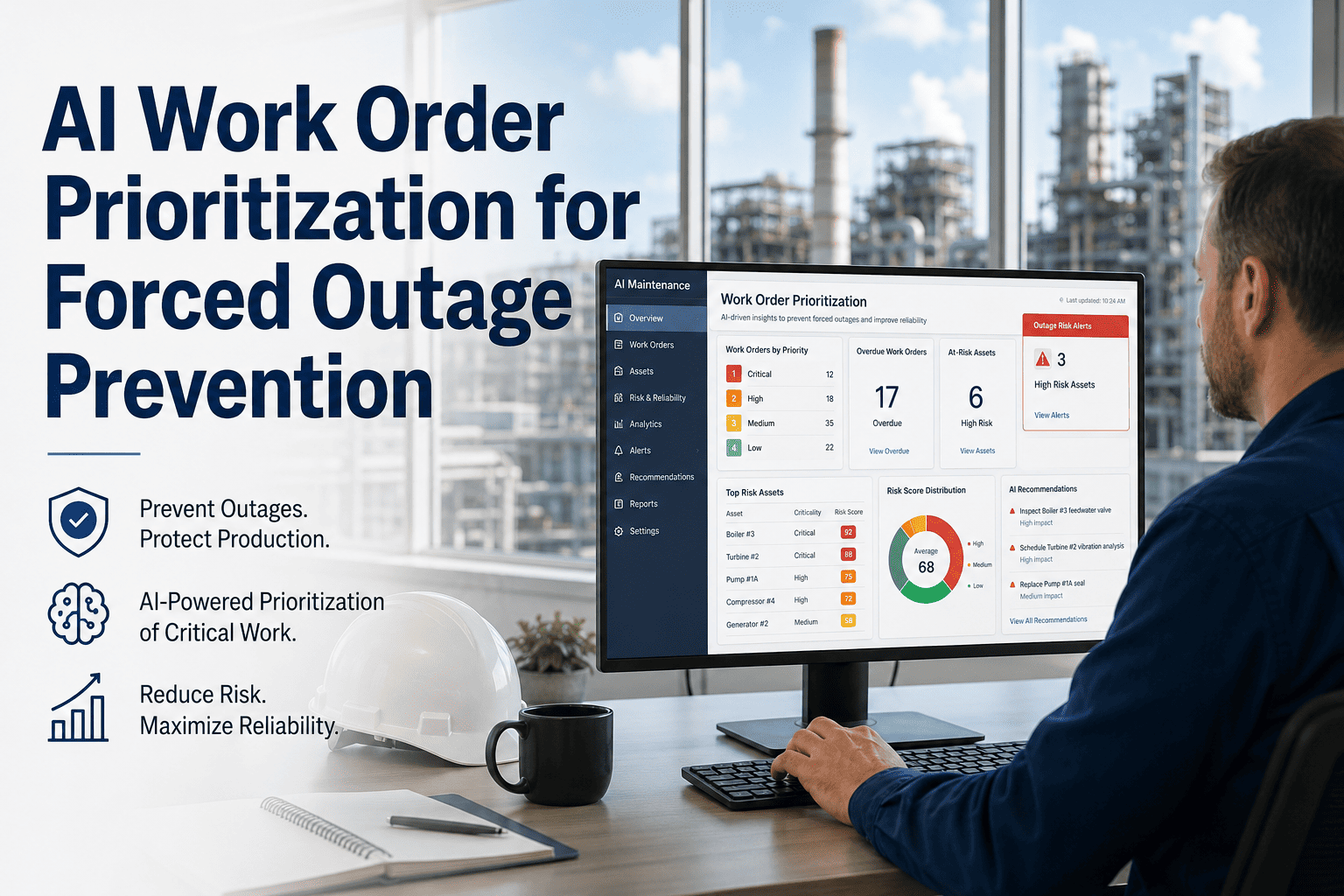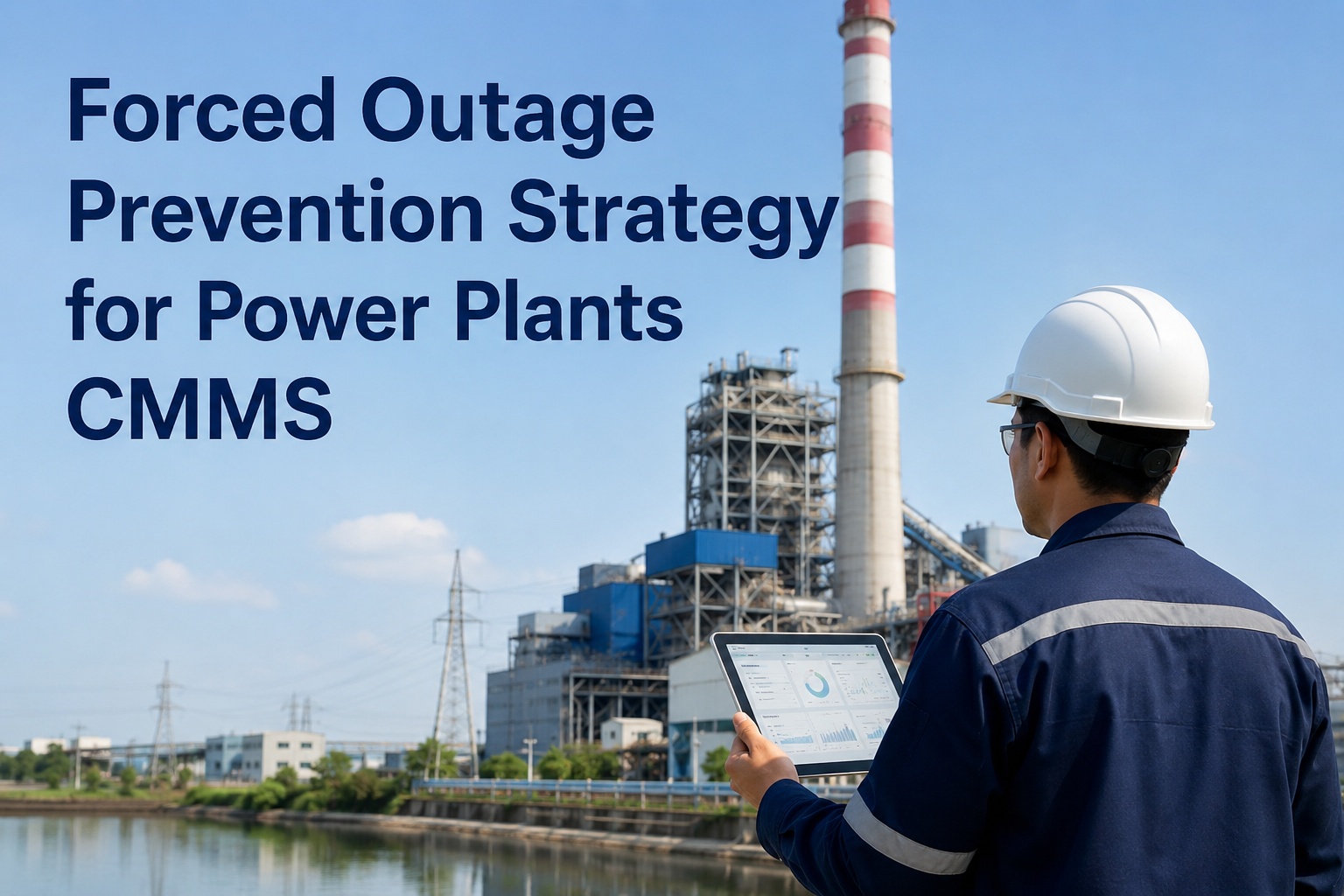
A forced outage prevention strategy for power plants is the combination of predictive monitoring thresholds, condition-based intervention, and rapid response protocols designed to eliminate unplanned downtime. Power plant forced outages cost the energy sector billions annually, with a single unexpected turbine trip costing upwards of $500K per day in lost revenue and peak penalties. By transitioning from reactive firefighting to a CMMS-driven forced outage prevention framework, reliability teams can reduce unplanned events by 30–50% and extend asset life cycles. OxMaint's AI-powered CMMS centralizes your work orders, condition monitoring, and asset tracking to catch failures before they escalate—ready to Start Free Trial and modernize your maintenance strategy today.
Stop Unplanned Downtime Before It Trips Your Plant
A single forced outage can cost a 500 MW plant over $1M per day in lost generation and regulatory penalties. OxMaint’s AI-driven CMMS platform monitors asset conditions in real-time, triggering preventive interventions before critical thresholds are breached.
What Does a Forced Outage Really Cost Your Plant?
When a boiler feed pump fails unexpectedly, the cost extends far beyond the replacement part. Power plant unplanned outages cascade into lost generation capacity, spot-market energy purchases, and emergency labor surges. Understanding the true financial impact is the first step in building a business case for outage prevention.
How to Prevent Forced Outages: A 4-Phase Strategy
Building a robust forced outage prevention strategy requires moving beyond calendar-based preventive maintenance to a dynamic, condition-driven model. This timeline walks through the four critical phases reliability teams must implement to systematically eliminate unplanned trips.
Identify Critical Failure Modes
Map every critical asset—turbines, generators, boilers, transformers, feed pumps—using FMEA (Failure Mode and Effects Analysis). Classify assets by criticality (A/B/C) and define the specific failure modes that historically trigger forced outages. OxMaint’s asset registry stores criticality scores, failure codes, and OEM manuals in one centralized EAM hub.
Deploy Predictive Thresholds
Connect SCADA, vibration sensors, oil analysis, and thermal imaging data to your CMMS. Set predictive monitoring thresholds—such as vibration velocity above 7.1 mm/s on a boiler feed pump—to automatically generate work orders before the failure threshold is reached. OxMaint’s AI engine analyzes trend data to flag anomalies that static thresholds miss.
Execute Condition-Based Intervention
When an alert triggers, every minute counts. Establish clear escalation matrices and pre-staged spare parts kits. OxMaint automatically routes work orders to the nearest qualified technician, attaches relevant lockout/tagout procedures, and verifies spare parts inventory—reducing response time from hours to minutes.
Close the Loop with Analytics
Post-event analysis is where permanent improvement happens. Use OxMaint’s maintenance analytics dashboards to track Mean Time Between Failures (MTBF), Forced Outage Rate (FOR), and Equipment Downtime. Identify recurring failure patterns and adjust PM frequencies, thresholds, or operating procedures to prevent repeat events.
Reactive Maintenance vs. CMMS-Driven Outage Prevention
The gap between traditional run-to-failure maintenance and a CMMS-powered prevention strategy is measured in millions of dollars. This comparison illustrates why power plants still relying on spreadsheets and reactive work orders experience 3–5× higher forced outage rates.
| Capability | Reactive / Spreadsheet | OxMaint CMMS Platform |
|---|---|---|
| Failure Detection | Post-failure; detected by operators during rounds | AI anomaly detection flags failures 5–14 days in advance |
| Work Order Creation | Manual paper logs; 24–48 hr delay | Auto-generated and routed in under 60 seconds |
| Spare Parts Readiness | Emergency procurement; 3–7 day lead times | Real-time inventory; critical spares pre-staged |
| Forced Outage Rate | 4.5% – 7.2% (industry average) | 1.5% – 2.8% (best-in-class achievable) |
| Compliance & Audit | Manual log assembly; NERC GADS gaps | Automated reporting; NERC/FERC audit-ready |
See OxMaint on Your Assets — Book a 30-Min Demo
Watch how quickly OxMaint maps your critical assets, connects condition data, and auto-generates preventive work orders to cut unplanned downtime.
How OxMaint Reduces Forced Outage Risk
OxMaint is engineered specifically for maintenance and reliability teams battling unplanned downtime. By unifying work orders, predictive maintenance, and asset tracking into a single AI-powered CMMS, the platform directly targets the root causes of power plant forced outages. Here is how four core capabilities map to measurable outcomes.
AI-Powered Predictive Maintenance
Connect vibration, temperature, and oil analysis sensors. OxMaint’s AI detects trend deviations 5–14 days before failure, auto-generating work orders so interventions happen during planned windows—not during peak load.
Automated Work Order Management
Eliminate paper logs and spreadsheet tracking. OxMaint auto-generates, prioritizes, and routes work orders to qualified technicians with attached lockout/tagout safety procedures and digital OEM manuals.
Spare Parts Inventory Optimization
Real-time inventory tracking with min/max alerts ensures critical spares—like turbine bearings and feed pump seals—are always in stock. OxMaint links parts directly to asset records for instant retrieval during emergencies.
Maintenance Analytics & KPI Dashboards
Track Forced Outage Rate (FOR), MTBF, OEE, and PM compliance in real-time. OxMaint’s dashboards surface reliability trends so managers can reallocate budget from reactive fixes to high-impact preventive tasks.
A 180-Asset Plant’s Journey to Zero Forced Outages
Consider a 180-asset coal-fired plant spending $42K annually on reactive maintenance software and lost-generation penalties, with a forced outage rate hovering at 5.4%. Here is how the math changes when they deploy OxMaint’s CMMS platform.
- 4 major trips annually ($2.1M lost revenue)
- Paper work orders; 48-hr avg response
- $42K/yr software + $380K reactive parts
- 0% real-time visibility into asset health
- 1 minor trip annually ($525K saved)
- Auto work orders; 2-hr avg response
- $24K/yr software + $140K planned parts
- 100% visibility; AI alerts on 14 assets
Forced Outage Prevention FAQs
What is a forced outage in a power plant?
A forced outage is an unplanned shutdown of a generating unit caused by equipment failure, human error, or external events outside the plant’s control. Unlike planned maintenance outages, forced outages occur without scheduling and typically cost 3–5× more per day due to emergency labor, expedited parts, and grid imbalance penalties. They are the primary metric tracked in NERC GADS reporting.
How can a CMMS reduce forced outage rates?
A CMMS reduces forced outage rates by centralizing asset data, automating preventive work orders, and integrating condition-monitoring sensors to catch failures before they escalate. OxMaint’s AI engine analyzes vibration and temperature trends to flag anomalies 5–14 days in advance, allowing teams to intervene during planned maintenance windows. You can see this in action when you Book a Demo.
What is a good forced outage rate for a power plant?
A best-in-class forced outage rate is between 1.5% and 2.5% for fossil-fuel plants, while the industry average sits around 3.5% to 5%. Nuclear plants typically target below 1.5%. Plants exceeding 5% should evaluate their preventive maintenance strategy and CMMS capabilities, as sustained high rates indicate reactive maintenance dominance and significant revenue leakage.
How long does it take to implement OxMaint for outage prevention?
Most power plants are fully live on OxMaint within 4–6 weeks. The implementation includes migrating your asset registry, configuring failure codes and criticality rankings, integrating existing SCADA or sensor data, and training maintenance technicians. Because OxMaint is cloud-based, there is no on-premise server installation—your team can begin generating preventive work orders immediately after onboarding.
Does OxMaint support NERC GADS and regulatory compliance reporting?
Yes. OxMaint automatically logs every maintenance event, work order, and asset failure with timestamps and failure codes aligned to NERC GADS taxonomy. This eliminates manual log assembly and ensures your plant is audit-ready year-round. Maintenance analytics dashboards can generate forced outage rate, MTBF, and availability reports directly for compliance submissions.
Eliminate Forced Outages Before They Start
Join reliability teams using OxMaint to cut unplanned downtime by up to 50%, optimize spare parts, and make every maintenance dollar count toward prevention—not recovery.
Free 14-day trial · No credit card required