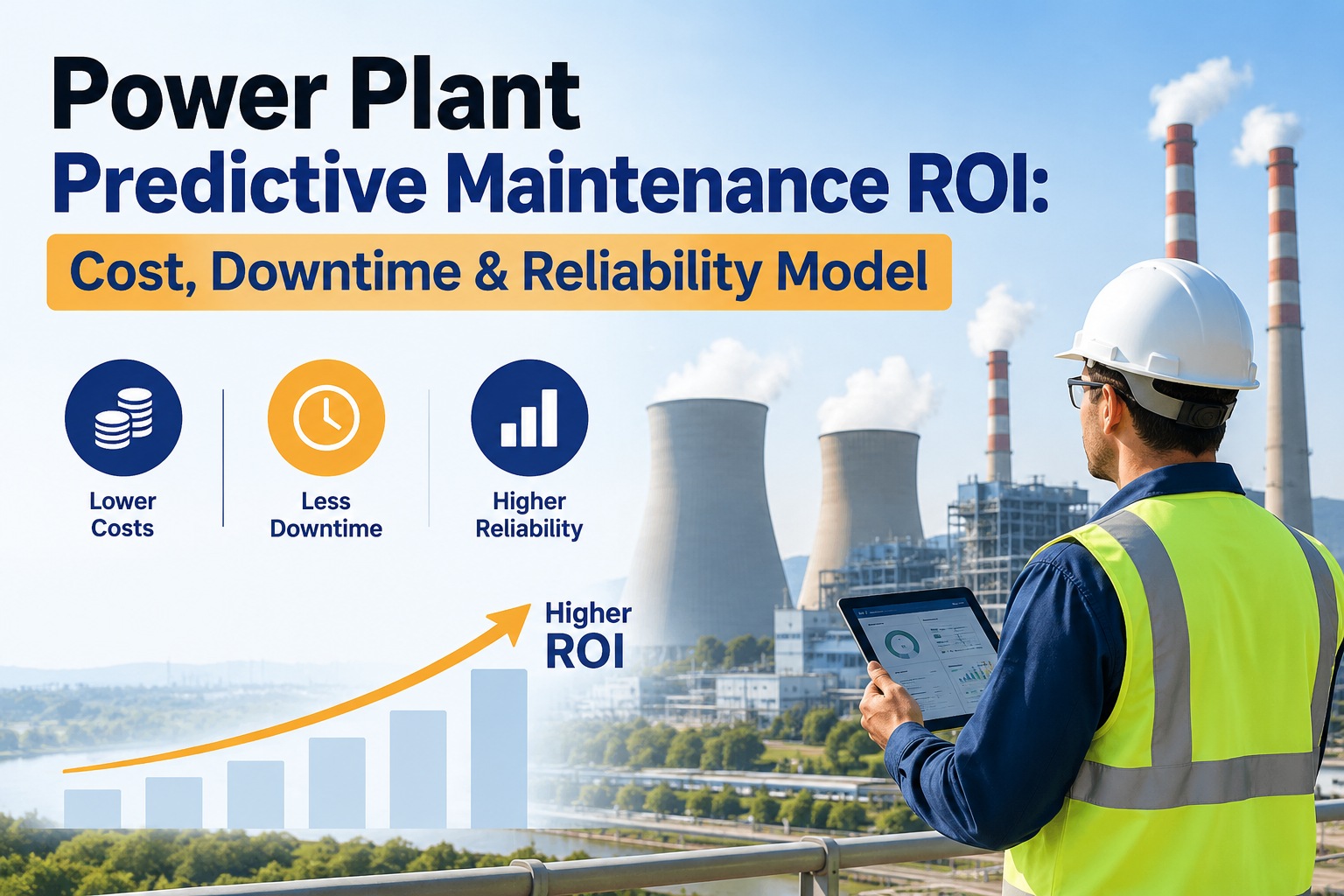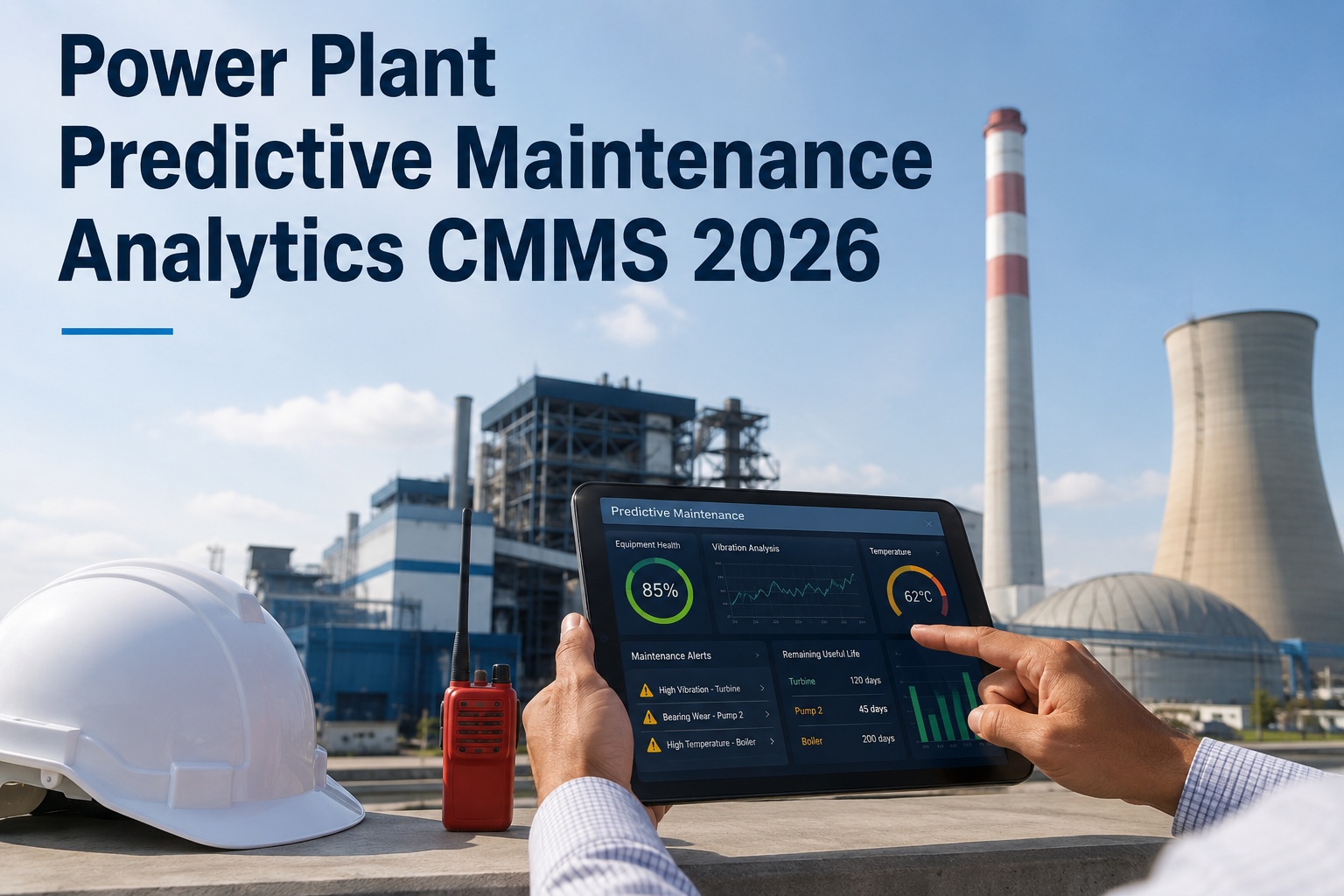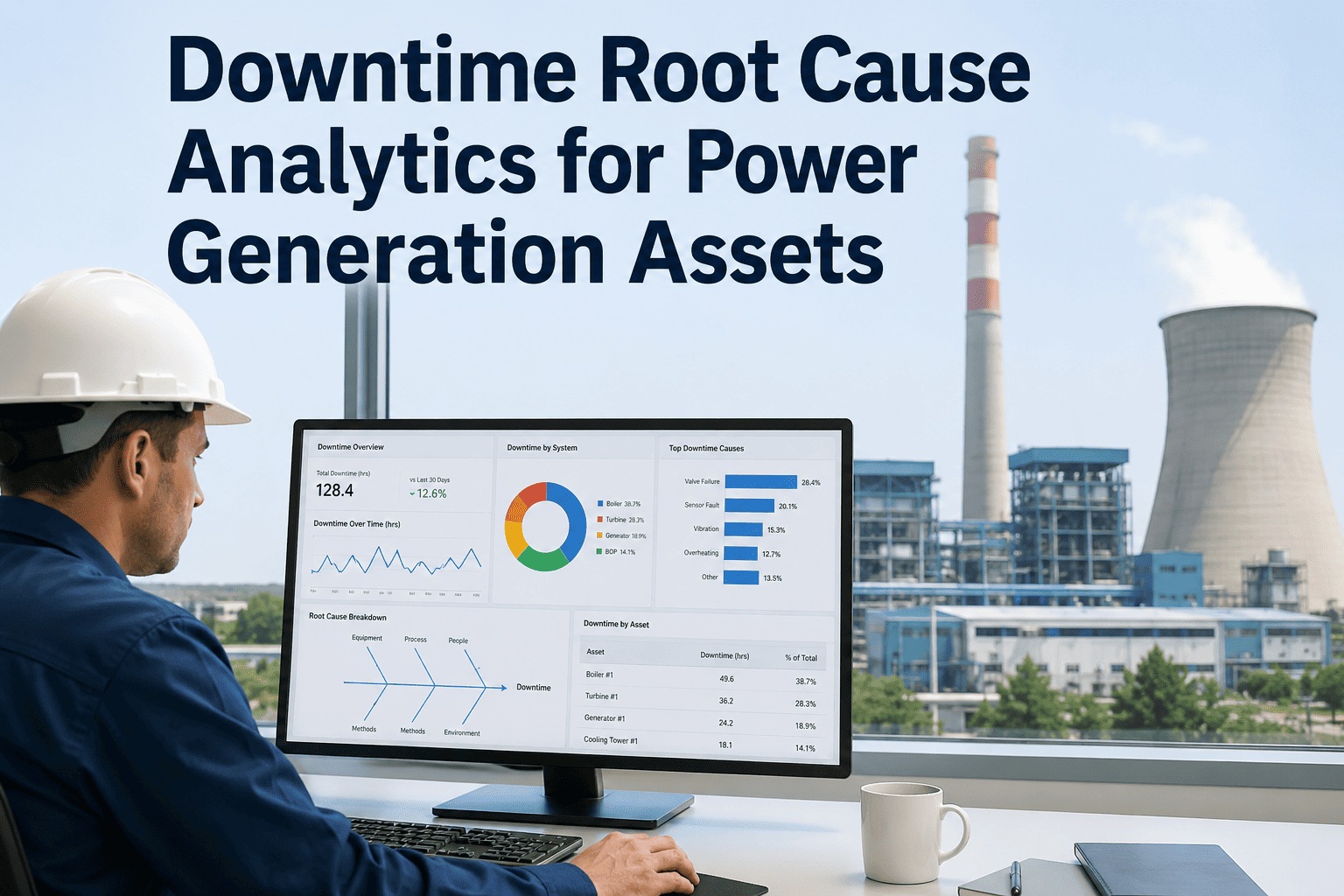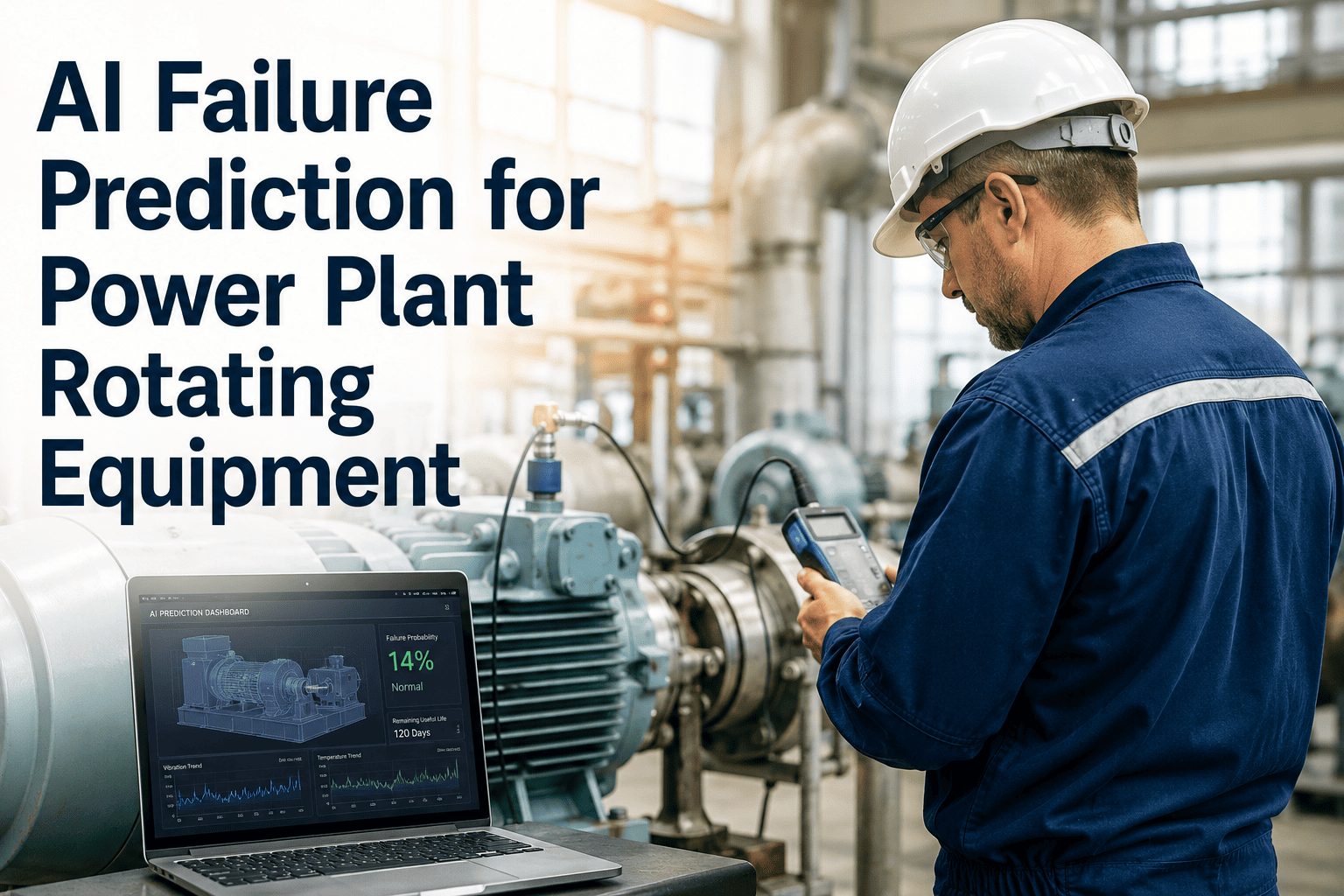
A turbine, generator, or feed pump rarely fails without warning — it tells you first. Bearing wear, shaft misalignment, and rotor imbalance all generate measurable vibration changes weeks before a catastrophic breakdown, yet most plants still discover these faults only after an unplanned trip. Bearing faults alone account for 41–44% of induction motor failures, making rotating equipment the single largest source of forced outages in power generation. OxMaint's AI-driven predictive maintenance connects vibration, temperature, and current signals directly into a live work order workflow, so a degrading bearing becomes a scheduled repair instead of an emergency callout. Book a demo to see your rotating equipment risk scored in real time.
The Four Stages of Mechanical Failure
Every rotating asset moves through this progression — the only question is whether anyone is watching
I
Sub-Surface Stress
Micro-cracks form internally. No vibration detectable at standard frequency ranges.
II
Early Detection Window
High-frequency ultrasonic and advanced spectral analysis begin picking up faint signatures.
III
Optimal Intervention
Standard vibration analysis detects the fault clearly. Repair is scheduled, not forced.
IV
Functional Failure
The asset has failed. Repair is now emergency, unplanned, and expensive.
85–92%
prediction accuracy for major rotating equipment failure modes by month six of deployment
50–65%
of forced outages preventable once vibration monitoring is fully integrated into workflow
$180K–$500K
average cost of a single forced outage event including lost generation and grid penalties
OxMaint ingests vibration data from existing sensors or new wireless IoT points and turns every fault signature into an automatically routed work order.
What AI-Driven Monitoring Actually Catches
Bearing Wear
The most common rotating equipment failure mode, detectable via high-frequency vibration signatures well before noise or heat appears.
Shaft Misalignment
Produces a distinctive vibration pattern at running speed harmonics, often months before coupling or seal damage occurs.
Rotor Imbalance
Shows up as a clean once-per-revolution vibration spike — one of the earliest and most reliably detected fault types.
Mechanical Looseness
Generates irregular harmonic patterns that worsen rapidly once present, making early detection especially valuable.
The Cost Math Plant Managers Actually Use
| Maintenance Approach | Cost per HP / Year | Typical Outcome |
|---|---|---|
| Reactive (run-to-failure) | $17 – $18 | 8–15 forced outages annually |
| AI-driven predictive monitoring | $7 – $13 | 50–65% of those outages avoided |
| Typical payback period | 6 – 12 months from full deployment | |
Expert Review
Devraj Anand — Rotating Equipment Reliability Specialist, formerly turbine reliability lead at a 600MW combined-cycle facility
The mistake I see most often is treating vibration data as a monitoring exercise instead of a maintenance workflow. A sensor flagging a Stage III bearing fault is worthless if that alert sits in a dashboard nobody checks until the Monday meeting. The plants getting real value have closed the loop — the alert generates the work order automatically, the technician gets it on a mobile device with the asset's full fault history attached, and the repair happens during a planned window instead of an emergency shutdown.
Frequently Asked Questions
Do we need new sensors, or can OxMaint use our existing vibration monitoring hardware?
OxMaint ingests data from existing vendor hardware such as Emerson, Honeywell, or GE systems via API connection, and adds wireless IoT sensors only where monitoring gaps exist. Book a demo to map your current instrumentation against your asset list.
How accurate are AI failure predictions in practice?
Fault detection for existing conditions like bearing wear or misalignment exceeds 90% accuracy from day one, since physics-based rules apply immediately; full predictive accuracy across major failure modes reaches 85–92% by month six as the model learns your specific assets. Start a free trial to see live accuracy reporting for your own equipment.
What types of failures does vibration monitoring miss?
The 8–15% of failures not predicted are typically sudden events like foreign object damage or manufacturing defects with no gradual degradation pattern — vibration analysis excels at progressive mechanical wear, not instantaneous events. Book a demo to discuss complementary detection methods for your critical assets.
How long until we see a return on a predictive maintenance program?
Most power plants reach positive ROI within 6 to 12 months of full deployment, driven by avoided forced outage costs and the shift from reactive to predictive maintenance spending per horsepower. Sign in to OxMaint to model the payback timeline against your own outage history.
OxMaint · Predictive Maintenance · Rotating Equipment
Your turbines and pumps are already telling you what's about to fail. Start listening before the next forced outage.