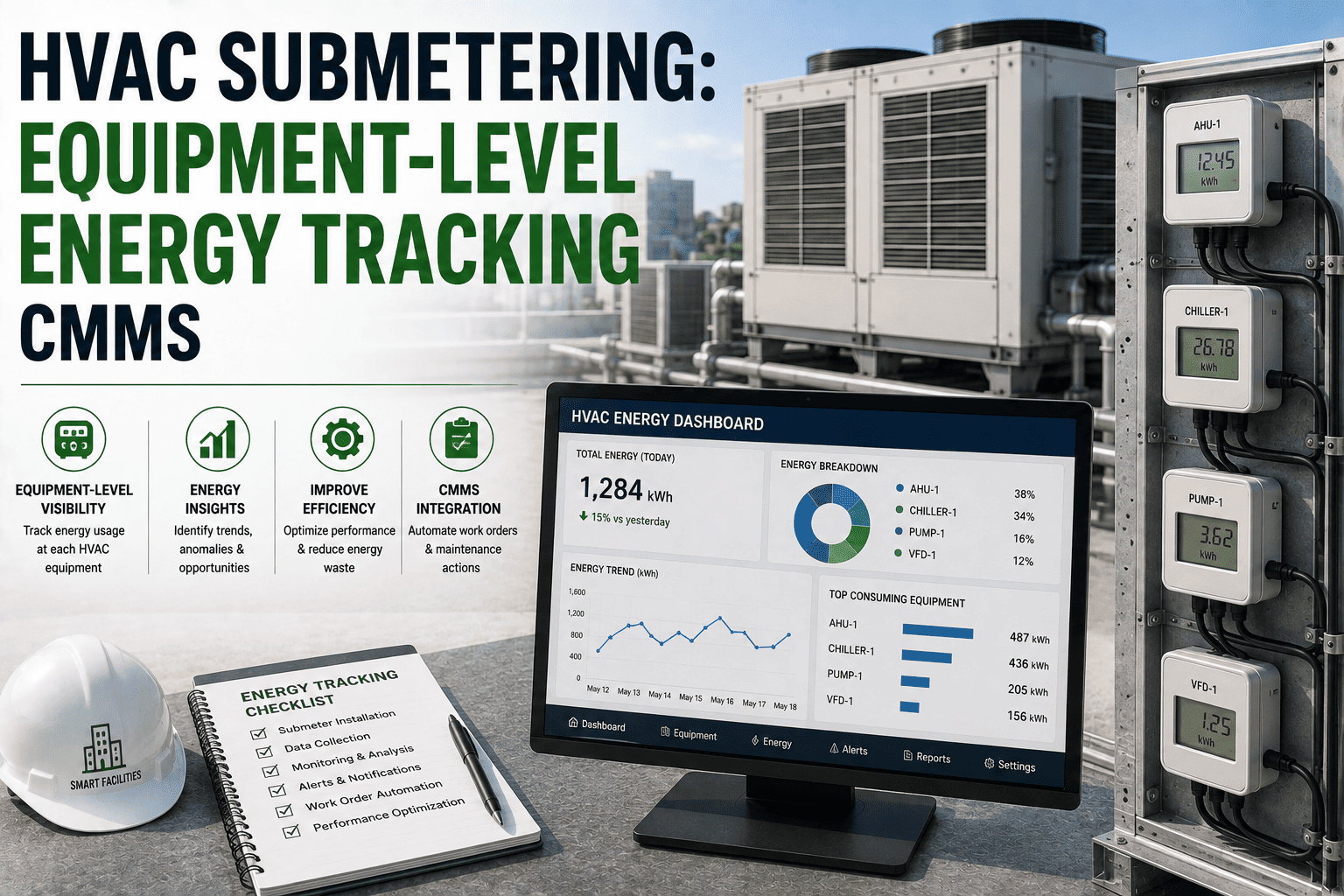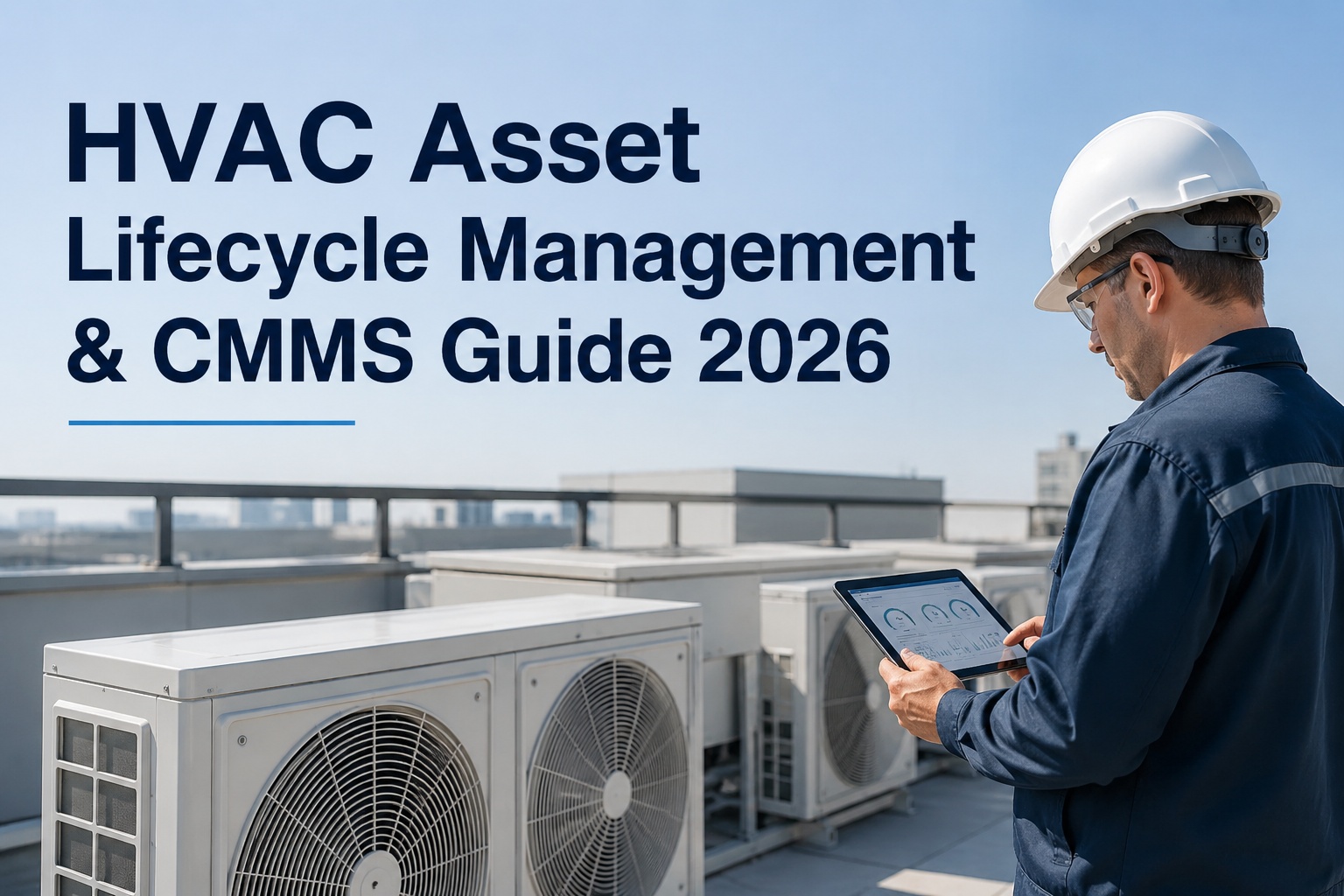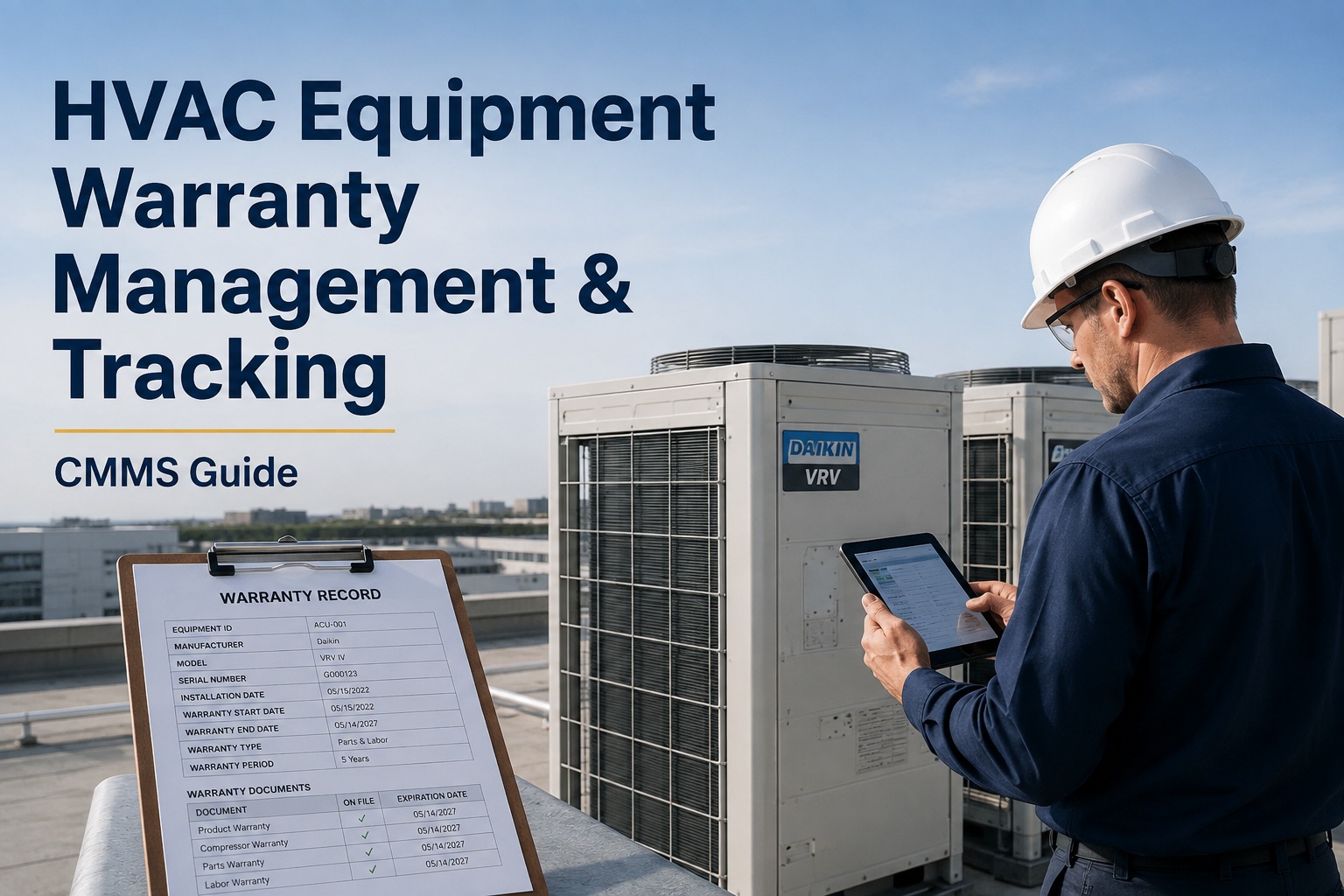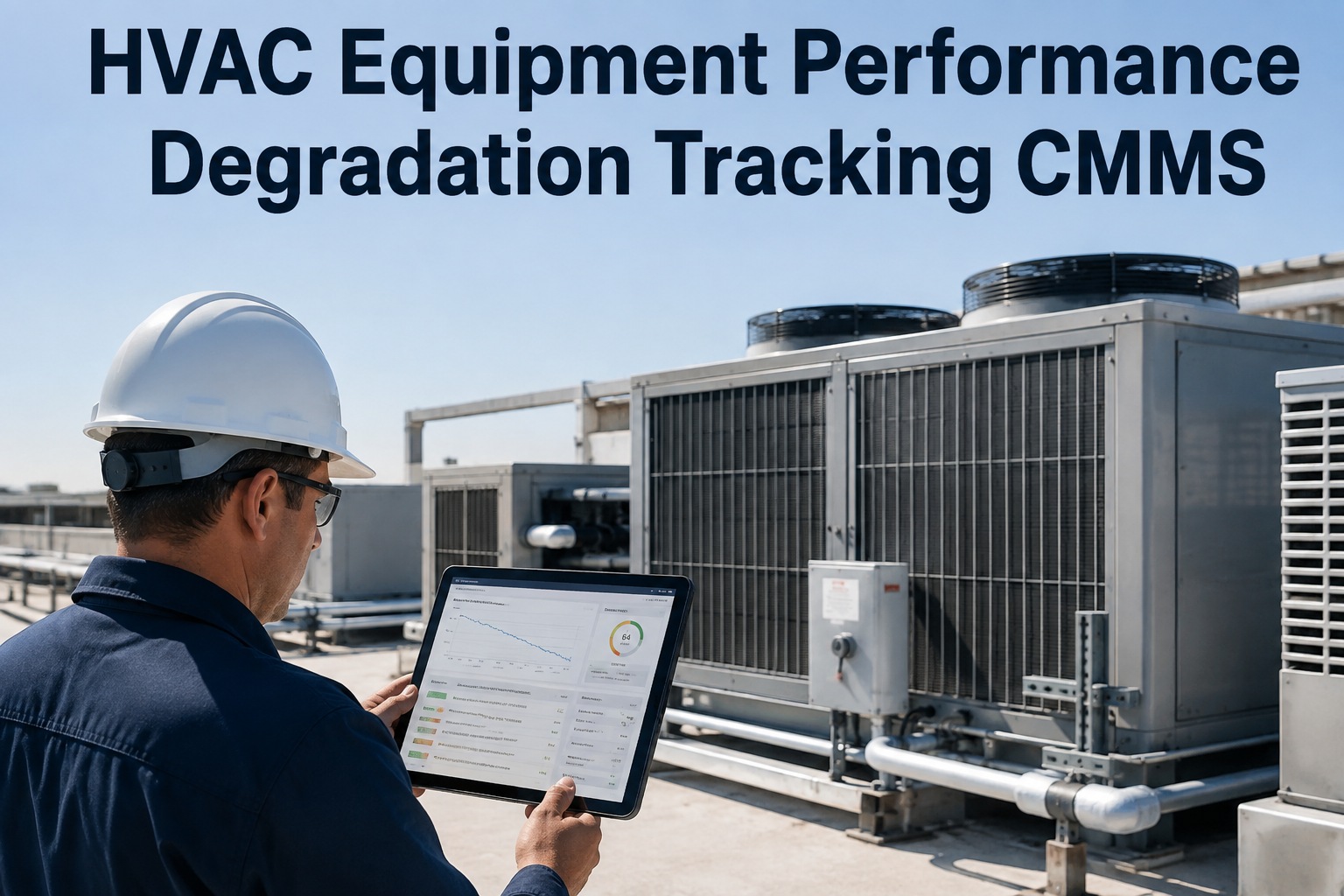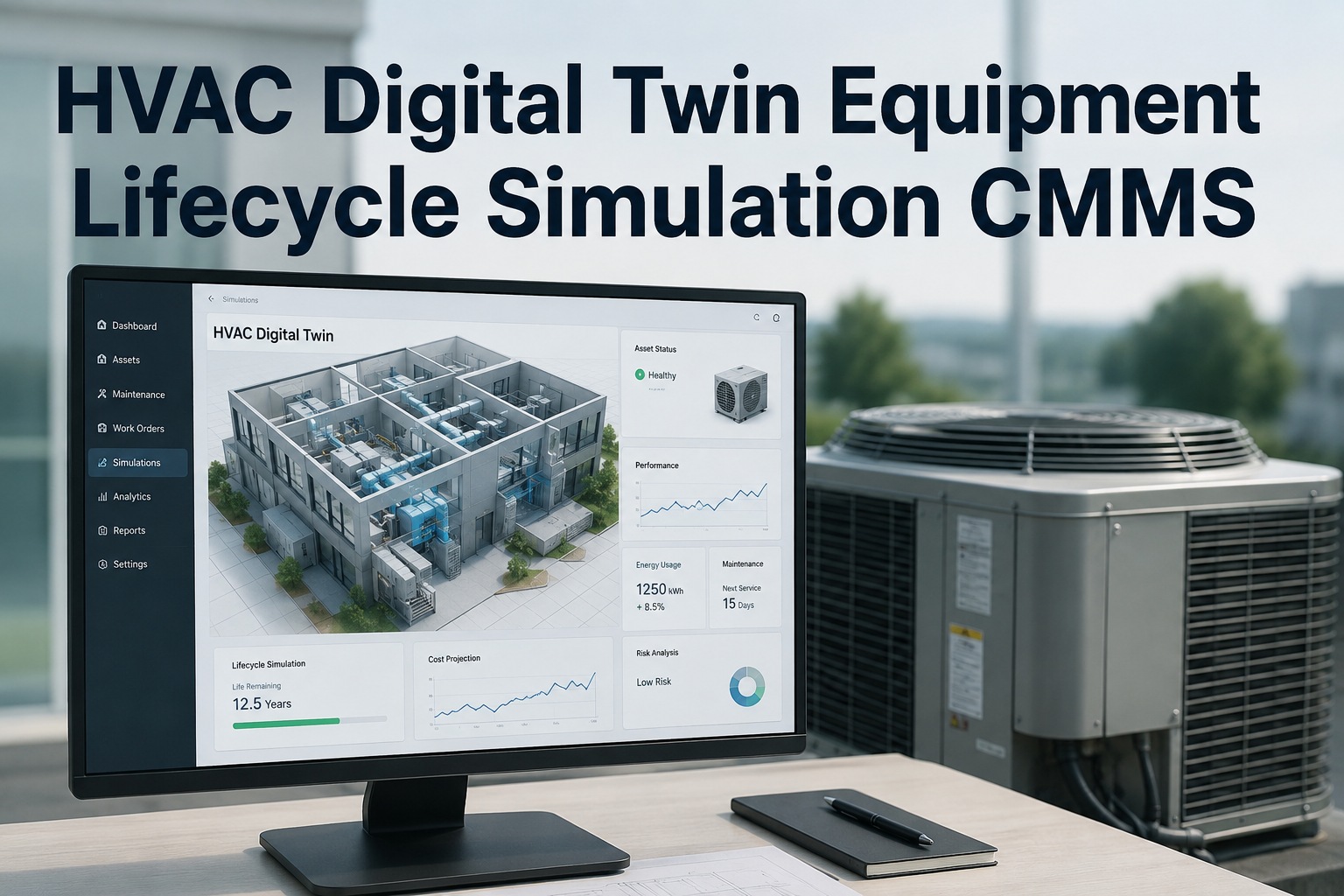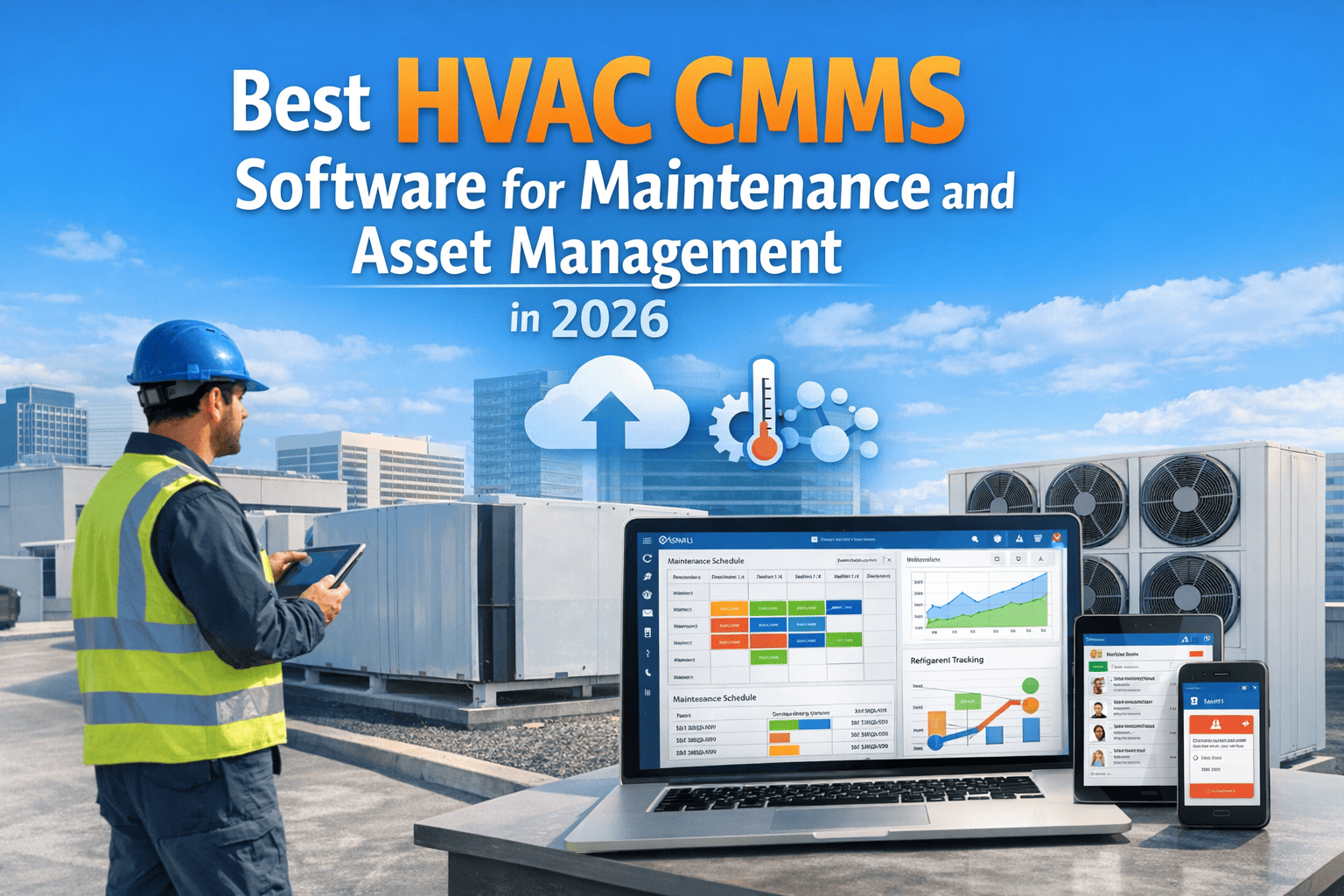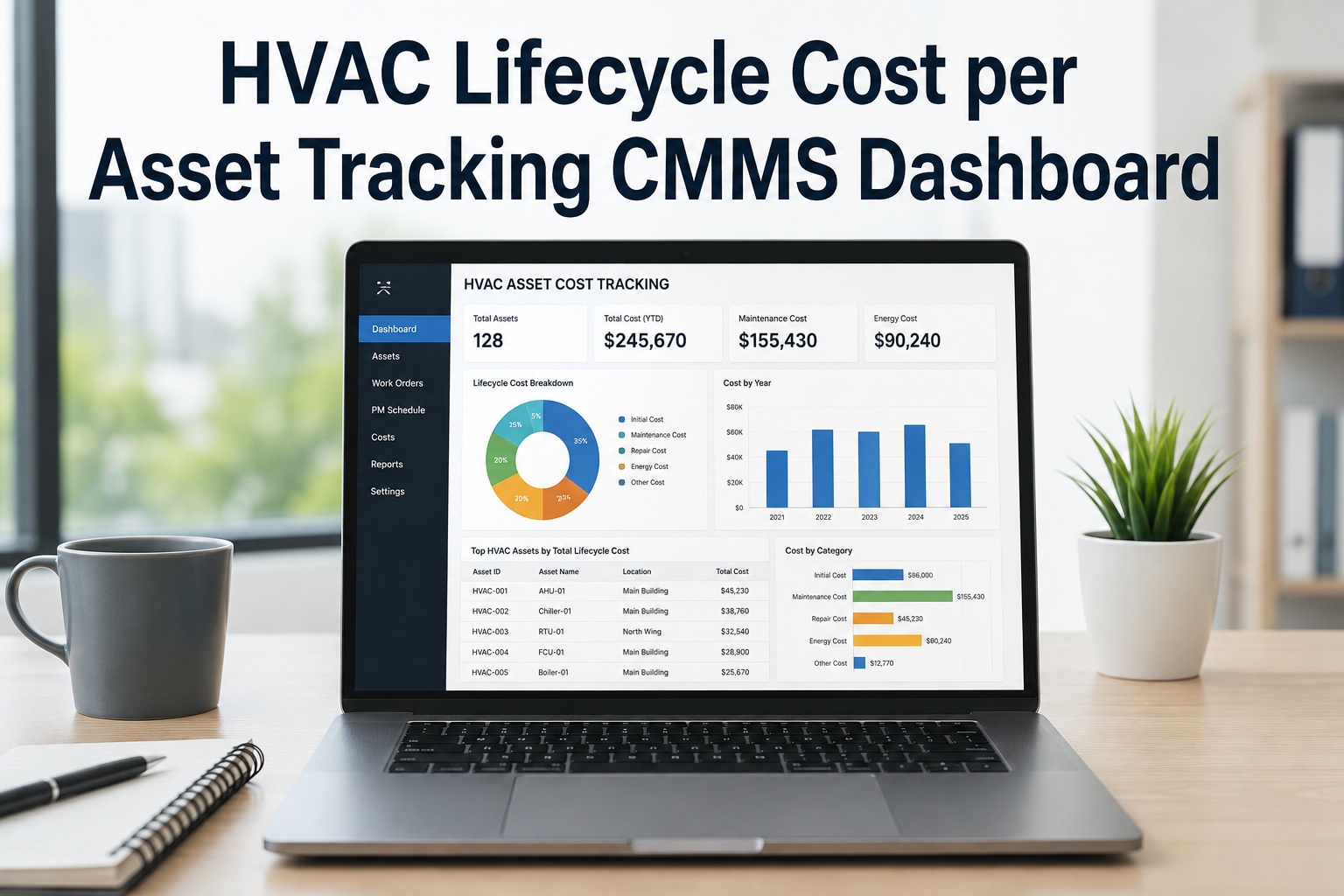
HVAC lifecycle cost tracking is the practice of capturing every dollar spent on an asset — from installation through preventive maintenance, repairs, and eventual replacement — so you can see the true cumulative maintenance cost per asset over time. For multi-site facilities running hundreds of chillers, RTUs, and boilers, untracked HVAC equipment cost can quietly drain 15-25% of the annual maintenance budget. A purpose-built CMMS lifecycle dashboard turns scattered work-order data into a clear cost trend by equipment age, helping reliability teams make confident repair-vs-replace decisions and forecast capital expenditures. This guide breaks down how to calculate, visualize, and act on HVAC cost per asset using modern asset financial review workflows — and how Start Free Trial of OxMaint puts those numbers at your fingertips in days, not months.
Stop Guessing. Start Tracking Every Dollar Spent on Every HVAC Asset.
An AI-powered cost dashboard HVAC teams trust — visualize cumulative spend, spot cost-trend inflection points by equipment age, and replace assets at the financially optimal moment.
How to Calculate HVAC Lifecycle Cost per Asset
ISO 55000-aligned asset management defines lifecycle cost as the total cost of ownership over an asset's functional life. For HVAC, this means summing capital, operating, and maintenance expenditures — not just the purchase price.
A mid-sized hospital campus installed a 150-ton chiller for $78,000. By Year 9, the CMMS lifecycle dashboard shows cumulative maintenance spend of $41,200 — with 68% of that cost occurring in Years 7–9. The cost trend slope now exceeds $7,800/year, crossing the $6,500/year amortized cost of a new high-efficiency unit. Keeping the asset another year costs more than replacing it.
What a Best-in-Class HVAC Cost Dashboard Looks Like
The most effective maintenance teams monitor four KPI layers simultaneously, creating a real-time asset financial review instead of end-of-year spreadsheets.
Cumulative Maintenance Spend
A running total of labor, parts, and contractor costs per asset. Drill down into any spike to see the underlying work order history.
Cost Trend by Equipment Age
Line graphs showing annual spend growth. The inflection point — where reactive costs begin climbing sharply — signals end-of-life approach.
Repair-vs-Replace Matrix
Automatic alerts when 12-month forward maintenance cost is projected to exceed 50% of replacement CapEx, pushing the asset into review status.
Spare-Parts Tied to Spend
Every work order cost line is mapped to inventory, revealing assets that cannibalize high-value parts (compressors, motors) disproportionately.
Turning Cost Data into Repair-vs-Replace Decisions
A 2026 lifecycle cost guide for facilities shows that 60% of teams still rely on age-based replacement, overspending by an average of $47,000 per asset by holding equipment past its economic end-of-life.
| Asset Age Band | Typical Annual Cost | Recommended Action | OxMaint Trigger |
|---|---|---|---|
| Years 1–4 | $800 – $2,500 | Preventive maintenance only | Auto-schedule PM compliance |
| Years 5–8 | $2,500 – $6,000 | Increase inspections, track trends | Flag for condition monitoring |
| Years 9–12 | $6,000 – $14,000 | Formal repair-vs-replace review | Push to CapEx review board |
| Years 13+ | $14,000+ | Replace unless strategic | Red status alert on dashboard |
How OxMaint Simplifies HVAC Asset Cost Tracking
OxMaint is an AI-powered CMMS and EAM platform built to eliminate the spreadsheet tax on maintenance teams. Here is how it directly attacks the HVAC lifecycle cost problem.
Automated Cost Capture
Every completed work order — labor hours, parts consumed, contractor invoices — flows automatically into the asset's lifecycle ledger. No manual data entry. Eliminates 100% of paper work orders and closes the 15% cost-invisibility gap.
Predictive Cost Alerts
AI analyzes failure patterns and cost trajectories to predict when an asset's maintenance spend will breach its replacement threshold — 3 to 6 months in advance. Cuts unplanned downtime 30–50%.
Real-Time CapEx Forecasting
The lifecycle dashboard rolls up every asset's projected spend into a 1–5 year capital expenditure forecast, giving facility directors audit-ready budget justification in a single click.
Spare-Parts Cost Linkage
Inventory usage is tied directly to asset cost profiles, revealing which units are draining high-value parts and triggering auto-reorder to prevent stockouts that extend downtime.
See the Hidden Costs Hiding in Your HVAC Assets — Live
Book a 30-minute demo and we will connect OxMaint to a sample of your equipment data to show you exactly where your lifecycle costs are trending.
HVAC Lifecycle Cost Tracking: Your Questions Answered
What is HVAC lifecycle cost tracking?
It is the continuous process of capturing and totaling every cost associated with an HVAC asset — from installation and preventive maintenance to reactive repairs and final disposal. A CMMS lifecycle dashboard like OxMaint automates this by pulling labor, parts, and contractor costs from every completed work order into a single cumulative cost-per-asset view, eliminating manual spreadsheet errors.
How do you calculate cost per asset for HVAC equipment?
Sum the capital purchase and installation cost, add all preventive maintenance spend, add all reactive repair spend, factor in energy consumption, and add projected disposal cost. The formula is LCC = CapEx + Preventive + Reactive + Energy + Disposal. The OxMaint dashboard computes this automatically and tracks the cost trend by equipment age to flag when spending accelerates.
When should I replace an HVAC asset based on lifecycle cost?
The industry benchmark is to initiate a repair-vs-replace review when a 12-month forward maintenance projection exceeds 50% of replacement CapEx — or when annual maintenance cost trends upward for three consecutive years. OxMaint triggers these alerts automatically. You can Book a Demo to see the alert thresholds configured for your specific equipment classes.
Can a CMMS track cumulative maintenance cost for hundreds of assets?
Yes. An enterprise-grade CMMS like OxMaint is designed to track cumulative maintenance spend across thousands of assets simultaneously. Every work order, part issue, and labor entry is automatically tagged to the parent asset, building a real-time cost ledger that scales from a single building to multi-site portfolios without additional administrative overhead.
How long does it take to implement HVAC cost tracking in a CMMS?
Most facilities see a live lifecycle cost dashboard within 5 to 10 business days. OxMaint provides guided asset import templates, pre-built HVAC cost categories, and AI-assisted data mapping to accelerate setup. Teams typically transition fully off spreadsheets within the first 30 days of their Start Free Trial.
Start Making Data-Driven HVAC Decisions Today
Join the maintenance teams using OxMaint to cut lifecycle costs, eliminate reactive firefighting, and build audit-ready capital plans.
Free 14-day trial · No credit card