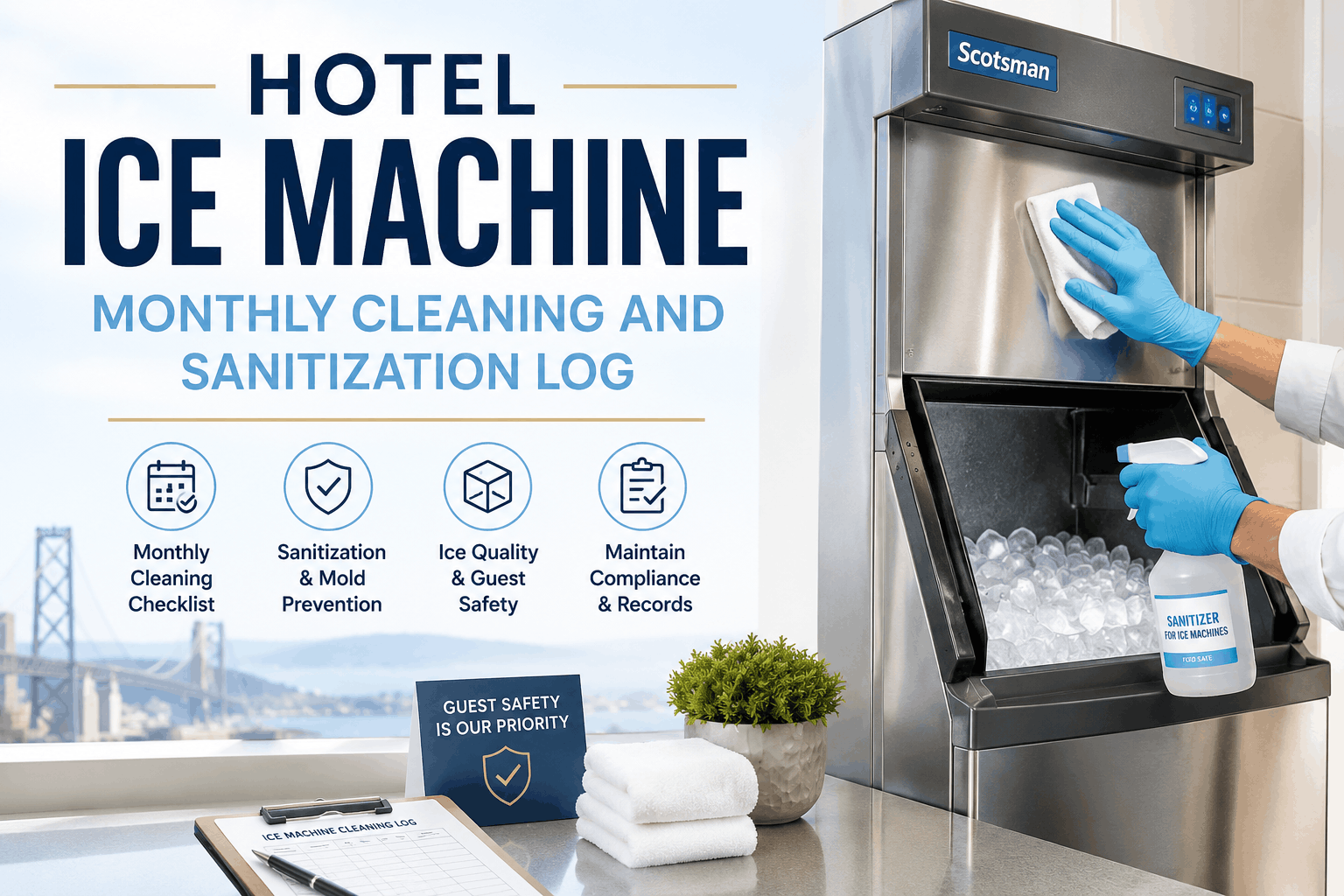
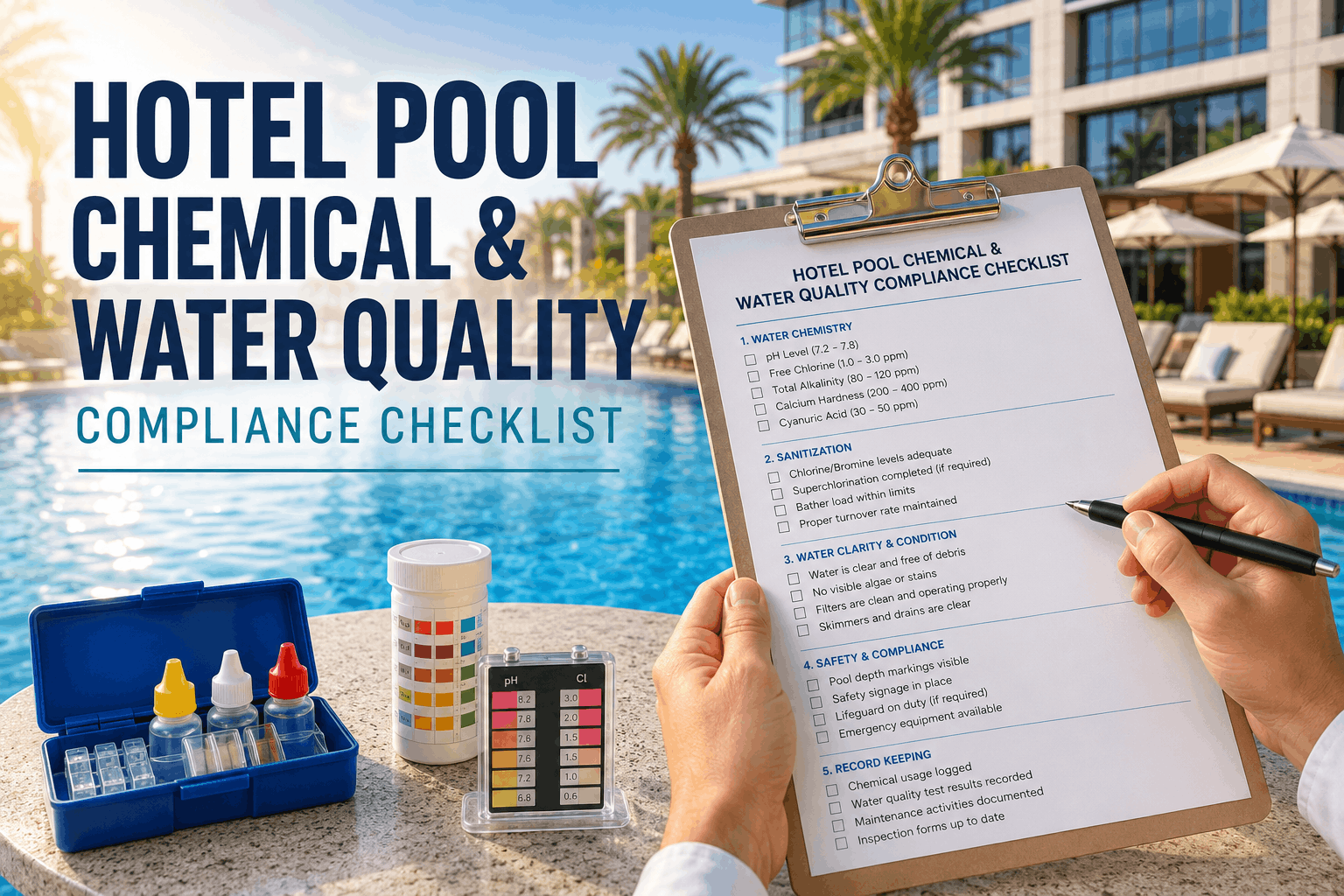
Monthly ice machine cleaning and sanitization prevents mold, bacterial contamination, and operational failures that directly impact guest health, online reviews, and regulatory compliance. Hotels implementing structured ice machine maintenance schedules using a digital CMMS like Oxmaint's hospitality platform reduce ice-quality complaints by 90%, prevent equipment breakdowns by 75%, and maintain health department compliance at 100%. From bin sanitation and mold prevention to filter replacement and water quality testing, systematic ice machine maintenance protects guest safety, extends equipment lifespan by 40%, and eliminates costly emergency service calls that disrupt operations.
Manage Your Hotel Ice Machine Maintenance with Oxmaint
Monthly sanitization schedules, filter replacement tracking, water quality documentation, mold prevention protocols, guest safety alerts, and health department audit trails—all mobile-accessible with automatic reminders and vendor coordination.
1. Ice Machine Bin Cleaning and Sanitation Procedures
Ice machine bins are high-contamination zones where mold, algae, and bacteria thrive in moisture-rich environments. Monthly complete bin cleaning removes biofilm buildup, prevents dark ice discoloration, and eliminates odors that trigger guest complaints and ice consumption decline.
Drain and Empty Ice Machine Bin Completely
Shut down the machine and drain all water from the bin. Use plastic scrapers to remove accumulated ice, slime, and debris from the bottom and walls. Never use metal tools that can damage the bin coating or create areas for bacterial regrowth.
Wash Bin with Approved Sanitizing Solution
Use food-safe disinfectant approved by ice machine manufacturer. Apply per dilution instructions and scrub all surfaces thoroughly. Rinse multiple times with clean water to remove all sanitizer residue—improper rinsing affects ice taste and guest satisfaction.
Inspect Bin Interior for Mold or Damage
During cleaning, examine bin walls for dark spots, discoloration, or structural cracks. Mold indicates insufficient airflow or drainage; cracks allow contaminated water to enter ice supply. Report any defects immediately for professional repair or replacement.
Document Cleaning Completion and Observations
Record cleaning date, sanitizer used, any mold or damage detected, and technician name. Sign up free to track ice machine sanitization history with timestamped photo documentation for health department audits.
2. Water Filter Replacement and Quality Testing
Water quality directly impacts ice clarity, taste, and machine lifespan. Clogged filters reduce water flow, damage compressors, and create sediment-laden ice that triggers guest complaints and operational failures.
3. Ice Machine Prevention of Mold and Bacterial Growth
Mold and bacterial contamination in ice machines are serious health hazards. Proactive prevention through UV sanitization, drain line cleaning, and moisture control eliminates safety risks and extends equipment life by 30–40%.
Install or Service UV Sanitization Systems
UV light systems inside ice machines kill mold spores and bacteria continuously. If your machine has UV capability, verify lights are functioning and not dimmed by dust. Replace UV bulbs annually—aging bulbs lose sanitization effectiveness dramatically.
Clean and Flush Drain Line Monthly
Ice machine drain lines are prime mold breeding zones. Use food-safe drain cleaner to dissolve biofilm buildup. A clogged drain line slows water drainage and creates standing water that accelerates mold growth.
Maintain Proper Machine Ventilation and Airflow
Ensure ice machine is not in humid environments or placed against walls that restrict airflow. Proper ventilation prevents moisture condensation that enables mold growth. Clean air intake vents and condenser fins quarterly.
Document Mold Prevention Actions and Test Results
Log UV bulb replacements, drain line cleaning dates, and ventilation inspections. Start your free trial to attach photos of clean machines and maintenance actions for health department documentation.
4. Guest Safety and Health Department Compliance
Ice machine contamination poses direct guest health risks. Health codes require documented monthly sanitization and water quality testing. Non-compliance carries fines of $5,000–25,000+ and can result in guest refunds, negative online reviews, or operational permit suspension.
5. Ice Machine Equipment Uptime and Emergency Service
Preventive maintenance eliminates 75% of ice machine failures. Remaining emergency repairs cause guest experience disruption and high labor costs. Rapid vendor response protocols minimize operational impact.
Establish Service Contracts with Backup Vendors
Maintain contracts with primary and backup ice machine service providers. Emergency repairs within 4 hours should be standard. Have vendor contact numbers posted at every ice machine location for staff to call immediately upon detection of failure.
Track Equipment Warranty and Maintenance Costs
Monitor warranty expiration dates to schedule renewal before coverage lapses. Compare annual maintenance costs against equipment age—machines over 10 years may benefit from replacement rather than costly repair cycles.
Maintain OEM Documentation and Parts Inventory
Store equipment manuals, parts diagrams, and common replacement parts (filters, seals, solenoid valves) for rapid emergency repairs. Quick parts availability reduces downtime from hours to minutes when failures occur.
Create Emergency Response Plans and Staff Communication
When ice machines fail, develop rapid communication: notify guest services to manage ice requests, alert kitchen to reduce ice usage, and immediately contact emergency vendor. Book a demo to see how Oxmaint alerts your entire team of equipment failures and tracks emergency service response times.
Automate Your Ice Machine Maintenance and Sanitation in Oxmaint
Monthly sanitization schedules, filter replacement tracking, mold prevention protocols, water quality documentation, health department compliance reports, and emergency vendor coordination—all mobile-accessible with complete audit trails.
"We had a guest complain about 'fuzzy ice' and that single complaint triggered a health department investigation. Lucky for us, Oxmaint had timestamped records of our ice machine sanitization for the past 6 months. We showed the inspector our documented maintenance protocol, filter replacement history, and water testing results. The inspection passed without violations. Now our ice quality rating on guest surveys is 4.9/5, and we've prevented two potential emergency equipment failures through proactive maintenance tracking."
— Patricia R., Food & Beverage Manager, 198-Room Extended Stay Hotel, Phoenix, AZ
Frequently Asked Questions — Hotel Ice Machine Maintenance
1. How often must hotel ice machines be cleaned and sanitized?
Health codes typically require monthly complete sanitization of ice machine bins and storage areas. Water filters should be replaced every 6 months or per manufacturer recommendation based on water hardness. UV bulbs should be replaced annually.
2. What health violations result from improper ice machine maintenance?
Health departments cite ice machine contamination as a critical violation risking $5,000–25,000 fines and mandatory equipment shutdown. Contaminated ice poses food-borne illness risk, potentially subjecting hotels to guest refunds and liability claims exceeding $100,000.
3. What causes mold growth in ice machines and how is it prevented?
Mold thrives in moisture-rich, poorly ventilated environments. Prevention requires: monthly bin cleaning, functional UV sanitization, regular drain line flushing, proper machine ventilation, and filter maintenance. High humidity or placement in cool, damp areas accelerates mold growth.
4. Can contaminated ice from a hotel machine cause guest illness?
Yes. Mold-contaminated ice can cause respiratory infections and allergic reactions; bacterial contamination can cause foodborne illness. Hotels are liable for guest health impacts from contaminated ice, making prevention and documentation critical.
5. How much does emergency ice machine repair cost versus preventive maintenance?
Preventive monthly maintenance costs $150–400 per machine. Emergency compressor replacement costs $2,000–5,000; full machine replacement costs $5,000–12,000. One prevented emergency repair pays for 5–10 years of preventive maintenance.
6. What water quality testing should be performed on ice machine water?
Quarterly water testing should verify: absence of harmful bacteria (E. coli, Legionella), mineral hardness levels, pH balance, and chlorine/chloramines. Results inform filter replacement frequency and indicate whether conditioner cartridges are needed for hard water protection.
7. How do ice quality issues impact guest satisfaction and online reviews?
Poor ice quality (cloudy, off-taste, odor) generates negative comments in 15–20% of online reviews mentioning amenities. Ice quality problems directly reduce repeat booking rates and increase OTA platform complaints, damaging revenue and reputation.
8. What documentation is required for health department ice machine audits?
Health inspectors require: monthly cleaning logs with dates and sanitizer used, water filter replacement records, water testing results, UV bulb replacement dates, repair service records, and guest complaint logs. Digital documentation with timestamps is stronger evidence than paper records.
Protect Guest Health with Systematic Ice Machine Maintenance
Oxmaint automates ice machine sanitization schedules, filter tracking, water quality documentation, mold prevention protocols, and health department compliance reporting—ensuring guest safety and operational excellence every month.