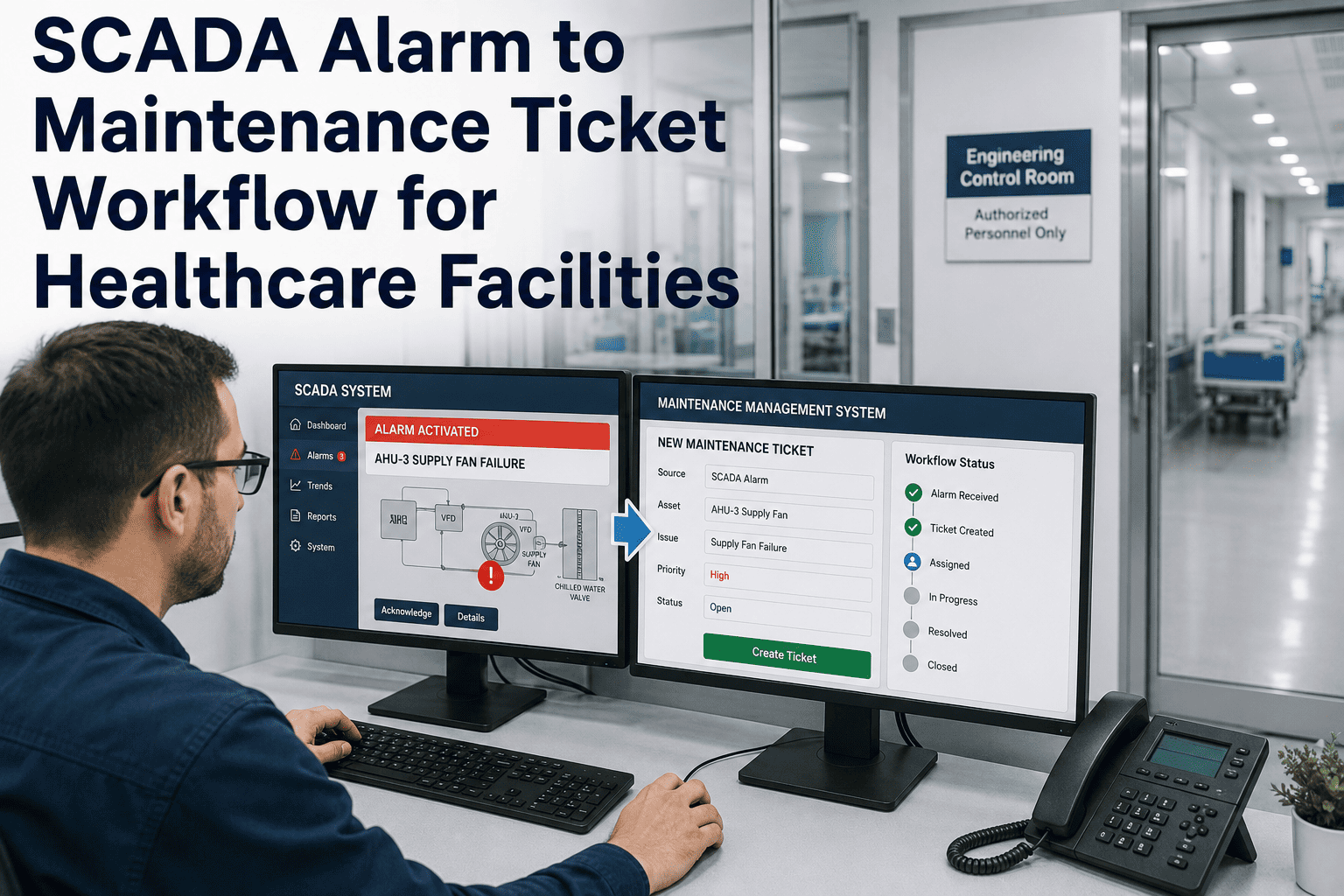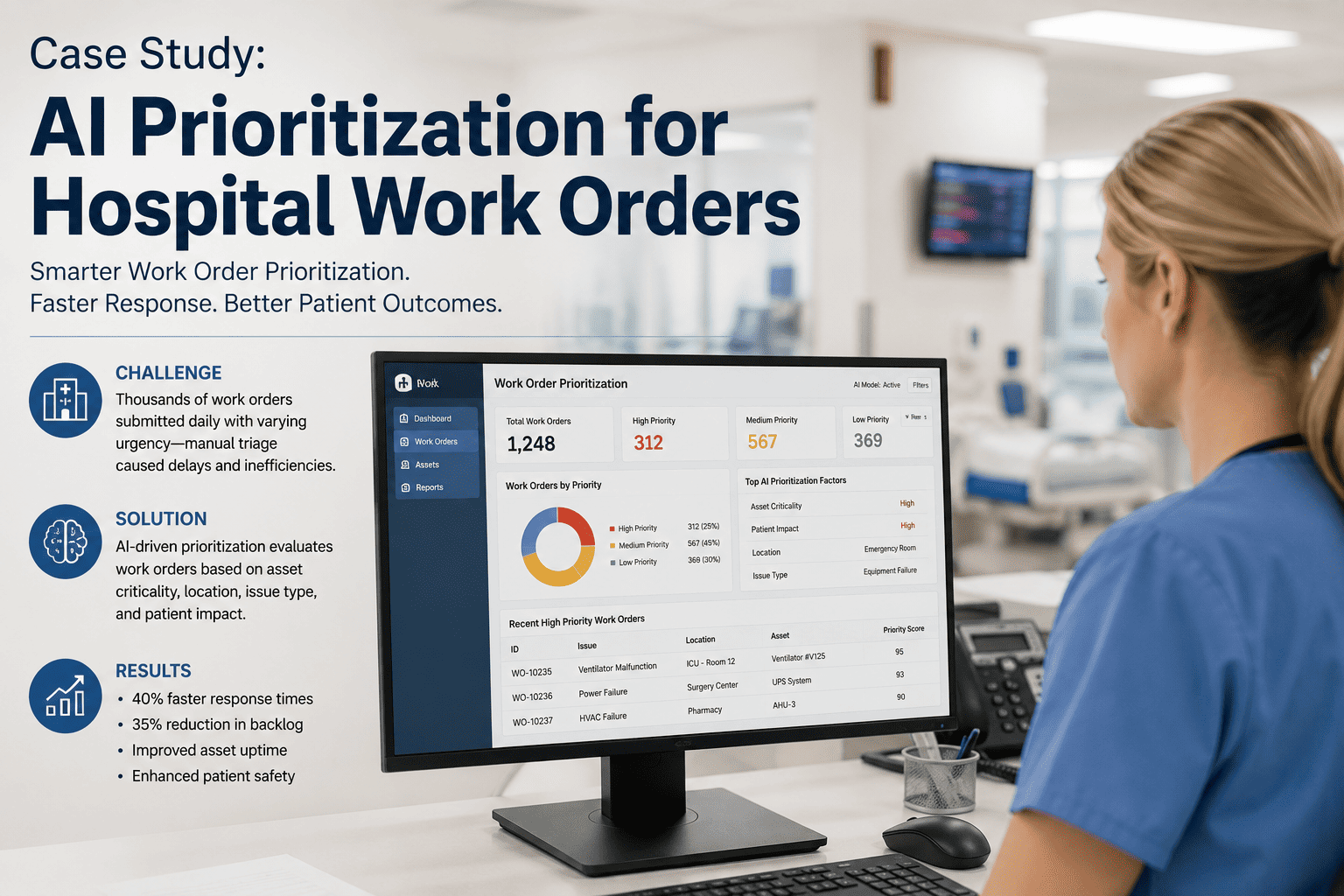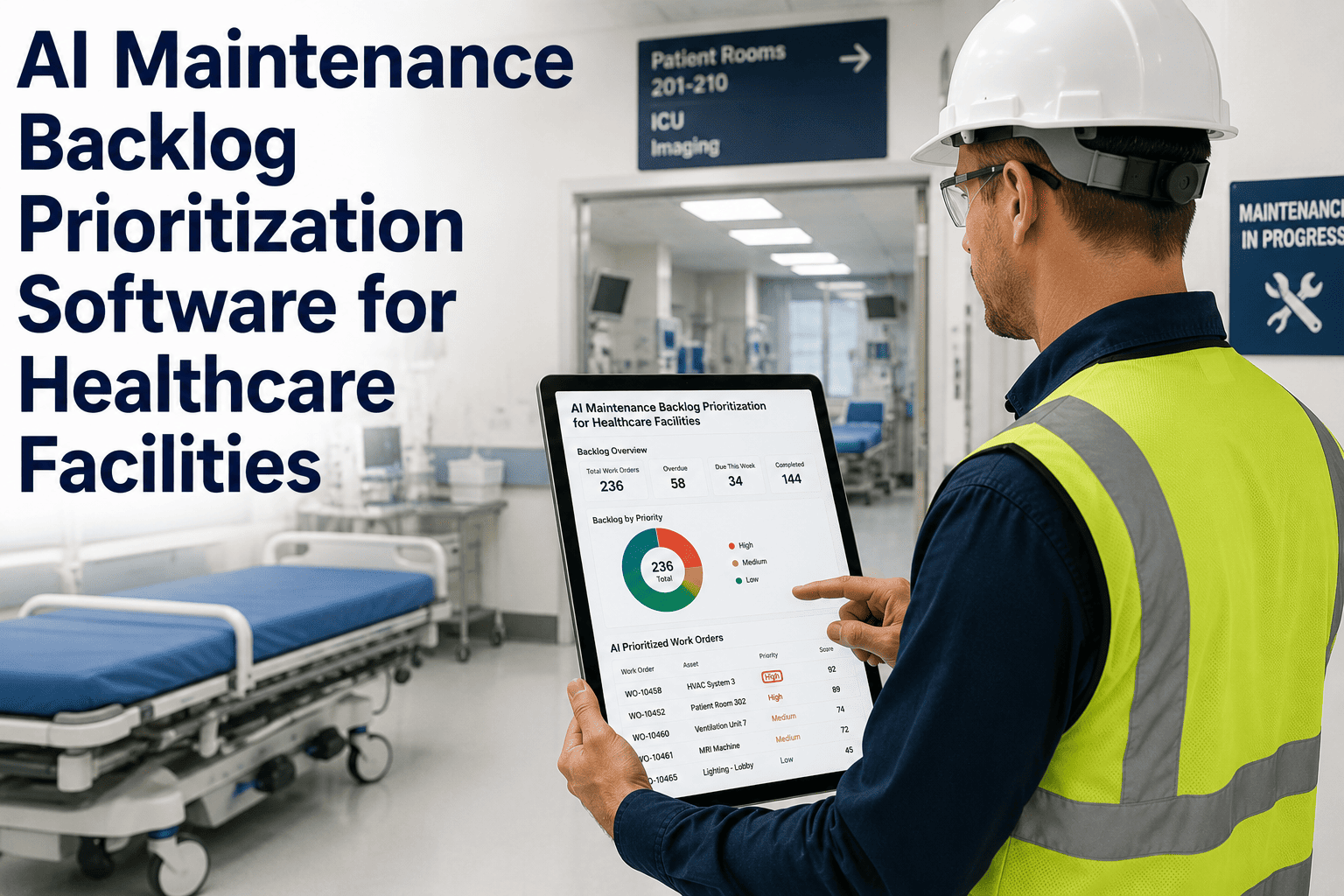
A biomedical engineering department carrying 340 open work orders is not managing a backlog — it is gambling on which ticket gets ignored long enough to become an incident. Industry data shows that over 55% of hospital maintenance tasks are still triggered by a breakdown call instead of a scheduled PM, and every reactive repair costs roughly 4.8x more than the planned equivalent it replaced. When every ticket in the queue looks equally urgent on a spreadsheet, the technician closest to the top of the list wins attention — not the ventilator two floors away that is three days from failure. Oxmaint's AI backlog prioritization engine re-ranks every open work order continuously, using asset criticality, patient impact, compliance deadlines, and failure-probability signals, so the queue technicians see each morning is the queue that actually protects the hospital.
Your Maintenance Backlog Is Not a List. It Is a Risk Ranking Problem.
Most CMMS platforms sort work orders by date created. That means a squeaky door hinge logged Tuesday can sit ahead of an infusion pump alarm logged Wednesday — simply because it arrived first. AI prioritization replaces date-order with risk-order, recalculating rank every time a new ticket lands, a PM comes due, or an asset's failure signal changes.
Why Healthcare Maintenance Backlogs Spiral Out of Control
A backlog does not grow because technicians are slow. It grows because the queue gives every team the same three unanswerable questions every morning, with no data to answer any of them.
The Five Signals AI Uses to Score Every Work Order
Oxmaint's prioritization engine does not use a single "urgent" flag. It blends five weighted signals into one live priority score, recalculated every time the underlying data changes — a new alarm, a missed PM, a technician clocking out.
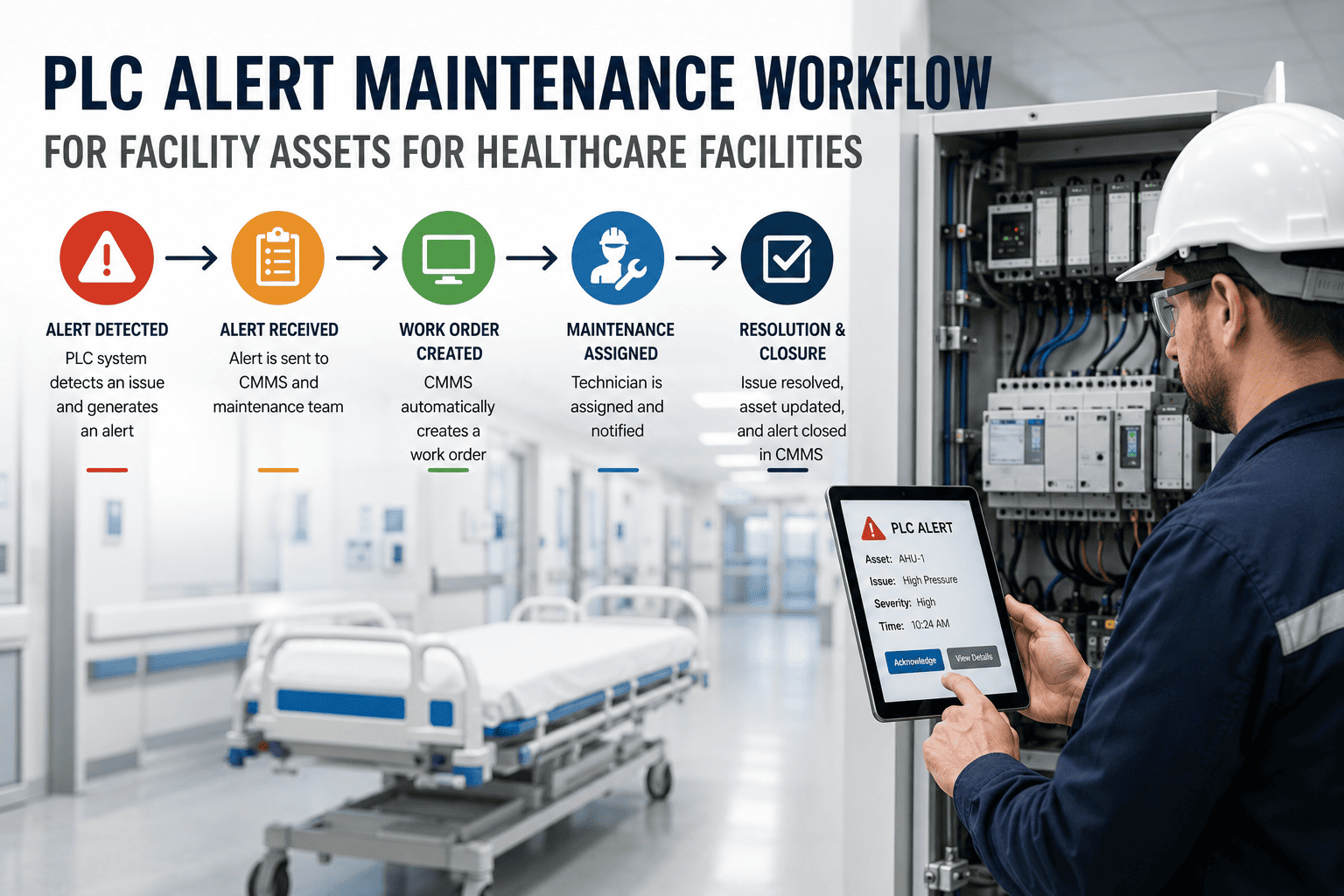
From Ticket Created to Technician Dispatched — The Scoring Flow
See Your Own Backlog Re-Ranked, Not a Demo Dataset.
Bring your current open work order list to the call. Oxmaint's team will run it through the live prioritization engine so you see exactly which tickets move — and which ones have been quietly waiting too long.
Manual Triage vs AI-Prioritized Backlog
| Dimension | Manual / Spreadsheet Triage | AI-Prioritized Backlog |
|---|---|---|
| Ranking basis | Date created, or whoever escalates loudest | Live risk score across five weighted signals |
| Update frequency | Re-sorted manually, usually once a shift | Recalculated continuously as data changes |
| Compliance deadlines | Tracked separately, often missed | Folded directly into the priority score |
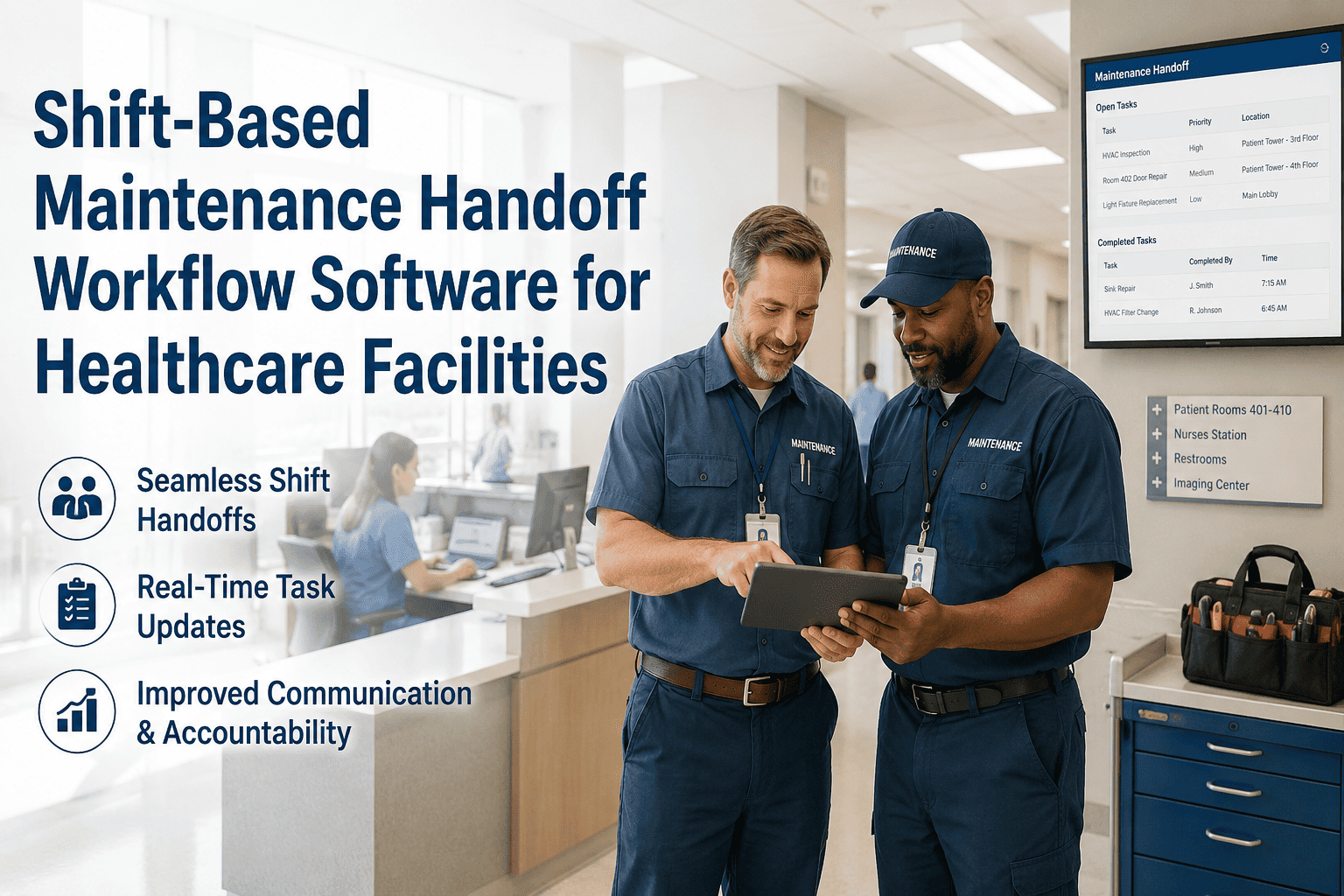
| Technician assignment | By habit, geography, or availability guess | Matched by real-time skill and current load |
| Aging critical tickets | No automatic flag — relies on someone noticing | Auto-escalates to a supervisor past threshold |
The Cost Math: Reactive Backlog vs AI-Prioritized Maintenance
The figures below model a 250-bed hospital biomedical and facilities team carrying a typical open-ticket backlog against the same team after AI-based re-ranking is switched on.
KPIs That Prove Your Backlog Is Under Control
Critical Ticket Age
Average time a critical-priority ticket sits open before a technician is dispatched. This is the single number that tells leadership whether the queue is actually risk-ordered.
PM Displacement Rate
Percentage of scheduled preventive maintenance pushed out by reactive work in a given week. A rising trend here predicts next month's backlog growth.
Compliance Deadlines Missed
Calibration, inspection, and accreditation due dates that passed without a completed work order. The most consequential metric in any Joint Commission review.
First-Assignment Match Rate
Share of tickets dispatched to the correct technician on the first assignment, without reassignment. Low rates indicate dispatch is still running on guesswork.
Expert Review — A Clinical Engineering Director's Perspective
I have run clinical engineering teams where the backlog was 400 tickets deep, and the honest answer to "what's most urgent" was whatever the loudest phone call said that morning. That is not a staffing problem, it is a ranking problem. The moment we moved to a scored queue, the change was not that we suddenly had more hands — it is that the hands we had stopped spending the first two hours of every shift on tickets that could have waited a week, while a ventilator alarm sat three rows down the list. The backlog did not disappear overnight, but the risk inside it did, almost immediately. That distinction is the entire argument for AI-based prioritization: it does not promise a shorter list, it promises the list is finally in the right order.
Frequently Asked Questions
Does AI prioritization replace our technicians' judgment, or just support it?
The score is a starting rank, not a final decision — technicians and supervisors can always override it, and every override is logged for pattern review. In practice, most teams find the AI ranking matches their own instinct on roughly 90% of tickets, which frees attention for the harder 10% that genuinely need a human judgment call. Book a demo to see the override workflow in action.
How does the system know which assets are clinically critical without us manually tagging every one?
Oxmaint ships with a pre-built criticality library mapped to common healthcare asset classes — life support, imaging, sterile processing, and facility infrastructure — which teams can then refine to their own risk categories during onboarding. No hospital starts from a blank tagging exercise. The library updates as new asset types are added to the registry.
Can the prioritization engine pull in signals from our existing BMS or nurse-call alerts?
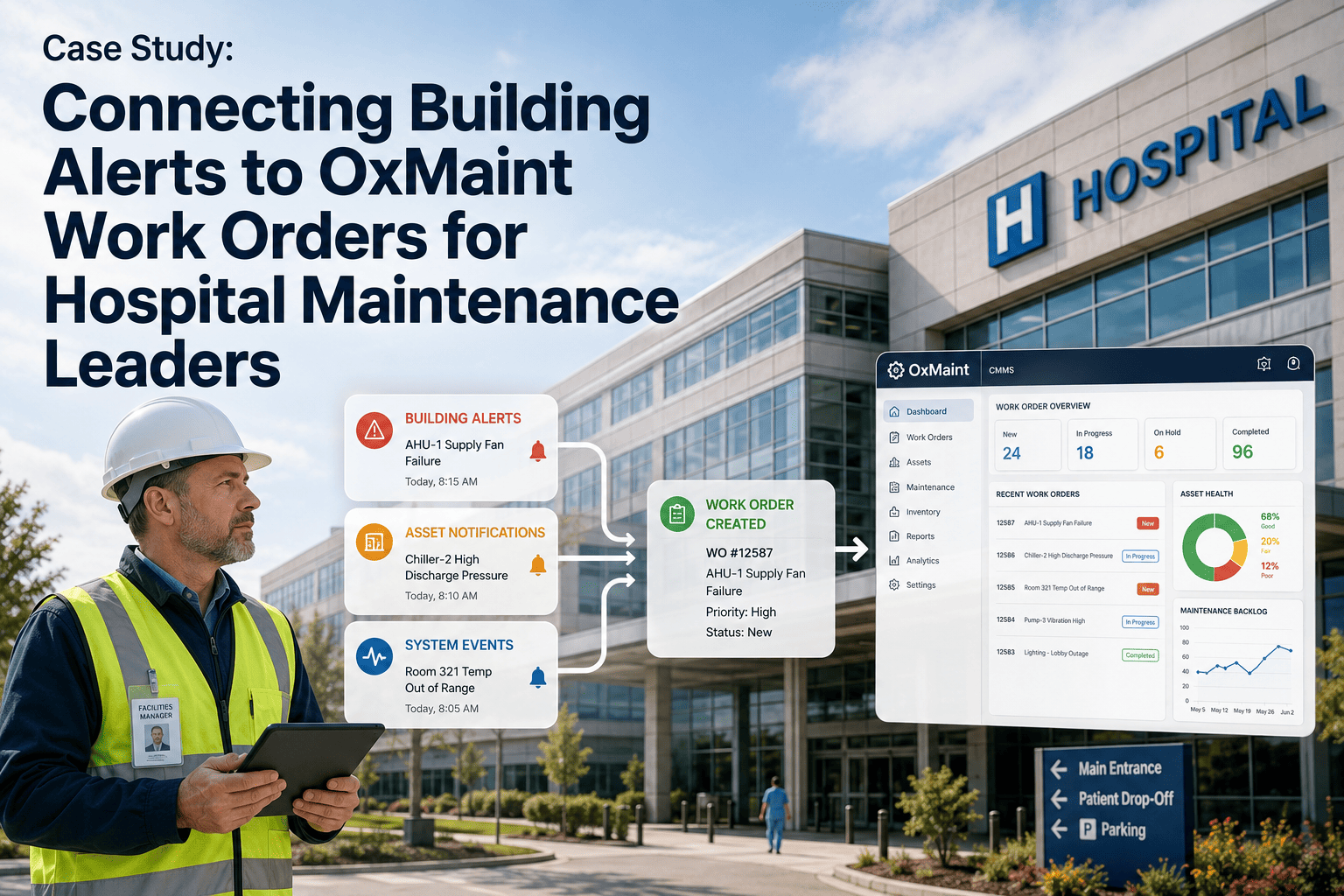
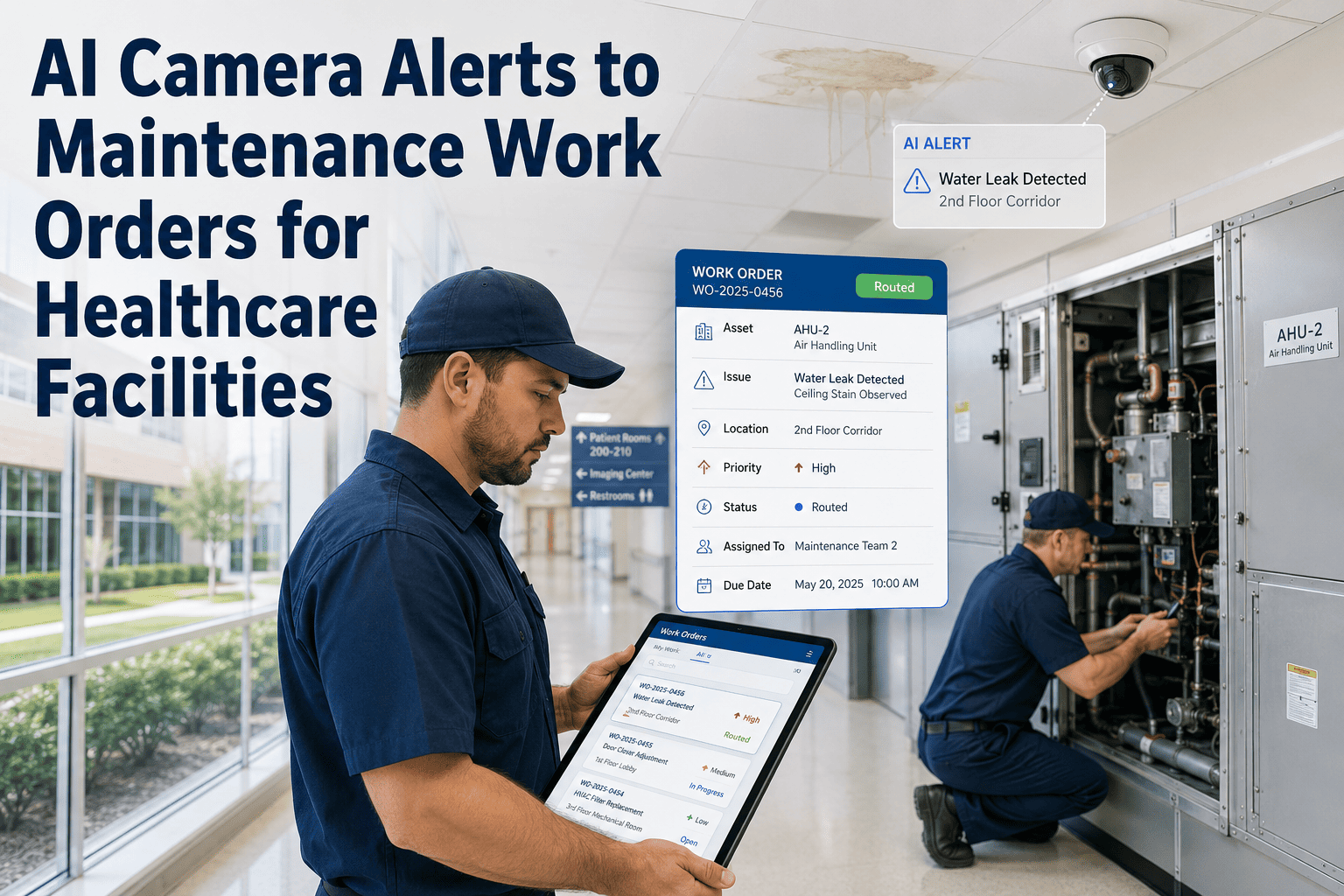
Yes — building management systems, nurse-call platforms, and biomedical sensor feeds can all be connected as scoring inputs, so a ticket generated automatically from an alarm carries the same weighting logic as one entered manually. See how BMS-connected work orders feed the queue.
What happens when two critical tickets land at the same time?
The engine breaks ties using the secondary signals — failure probability trend and technician proximity — so the queue never leaves two equally-scored critical tickets ambiguous. Supervisors also get a real-time alert whenever two critical tickets are open concurrently, so staffing can be adjusted before either one ages.
How long does it take to get a real backlog re-scored after onboarding?
Most facilities see their full open backlog scored and re-ranked within the first week of setup, since scoring runs off the existing asset registry and ticket history rather than requiring new data collection. Start a free trial to score your current backlog this week.
Your Backlog Isn't Getting Shorter On Its Own. It Just Needs the Right Order.
Oxmaint's AI prioritization engine turns a flat list of open tickets into a live, risk-ranked queue — so the next critical alarm never waits behind a door hinge again.