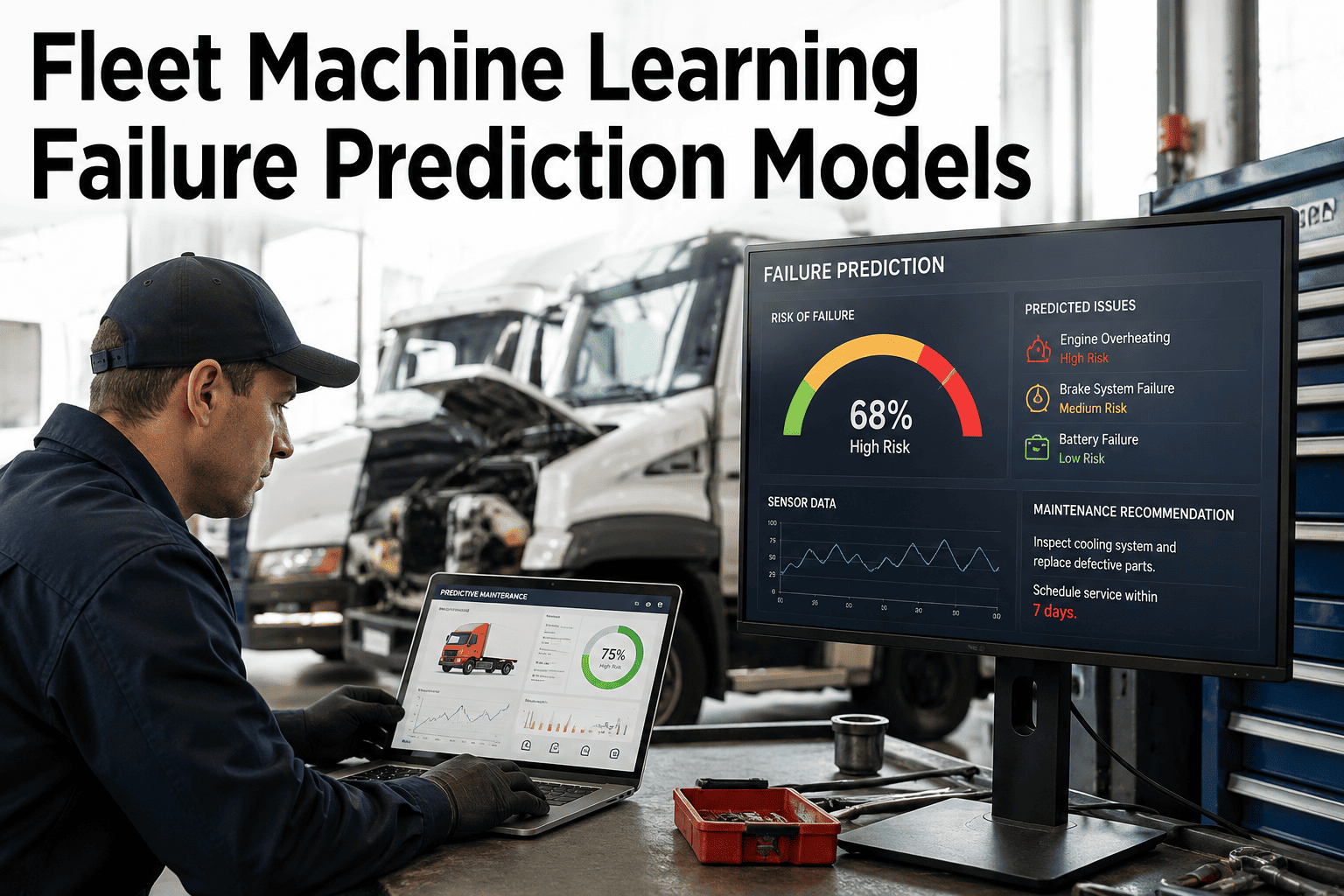
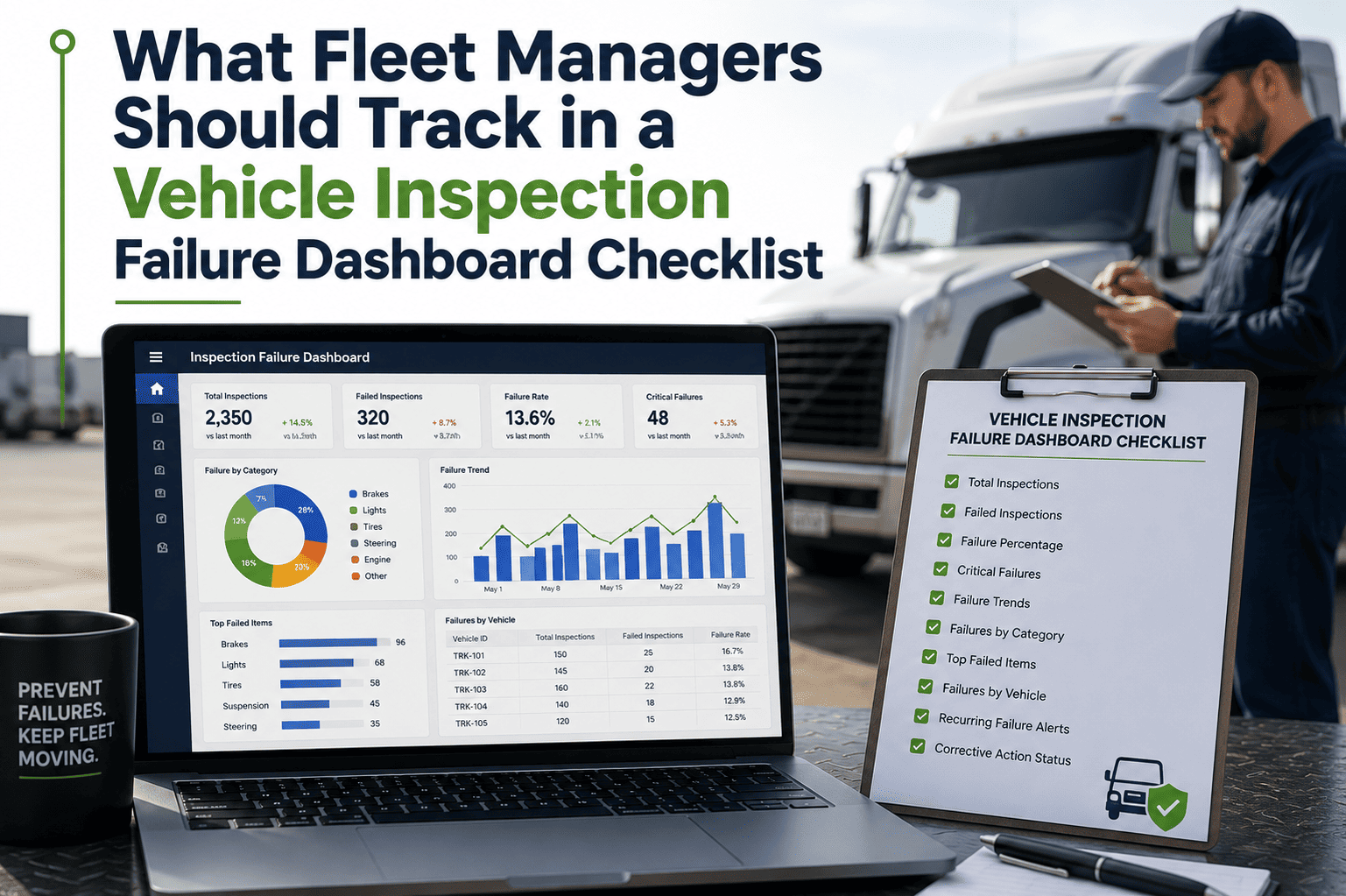
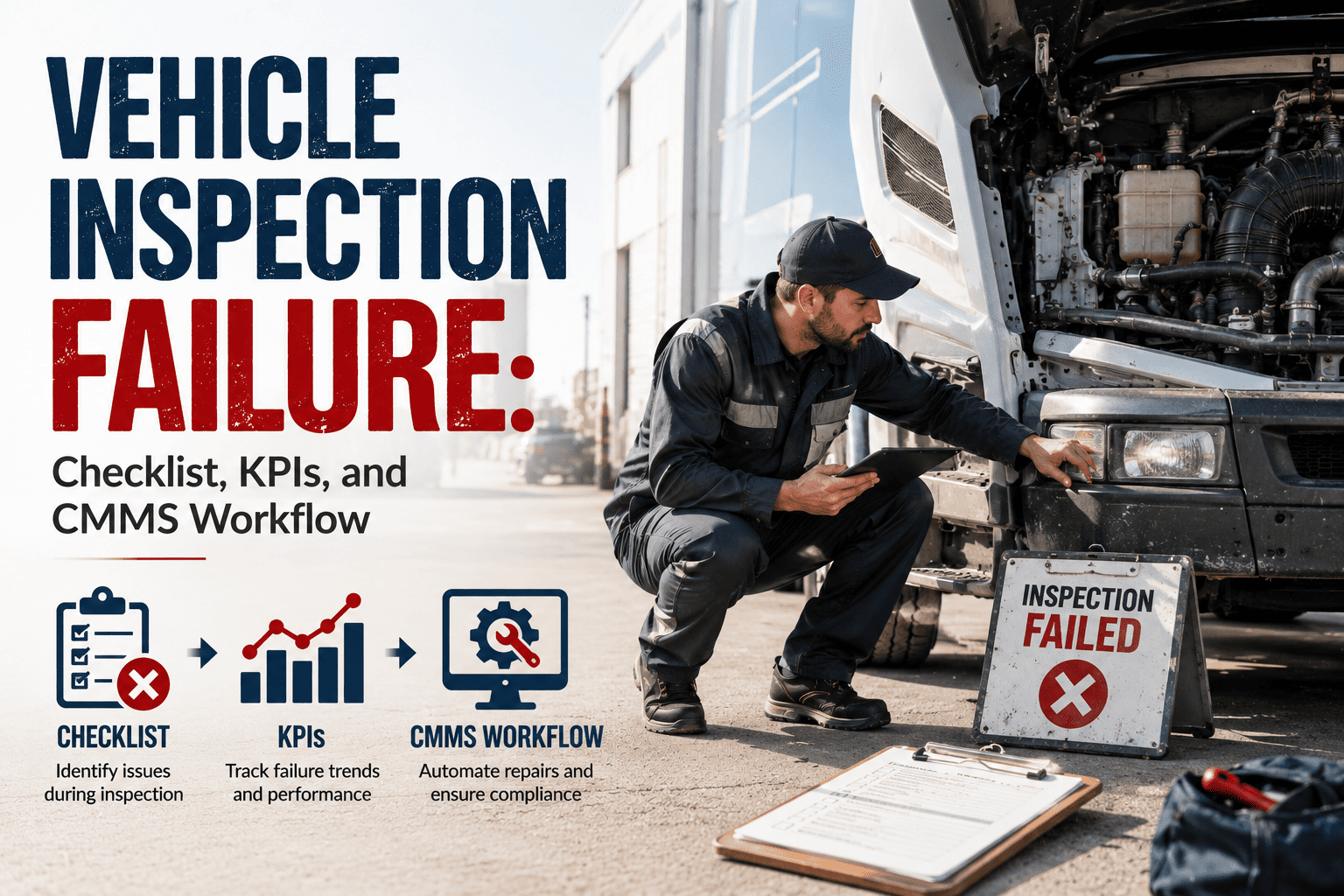
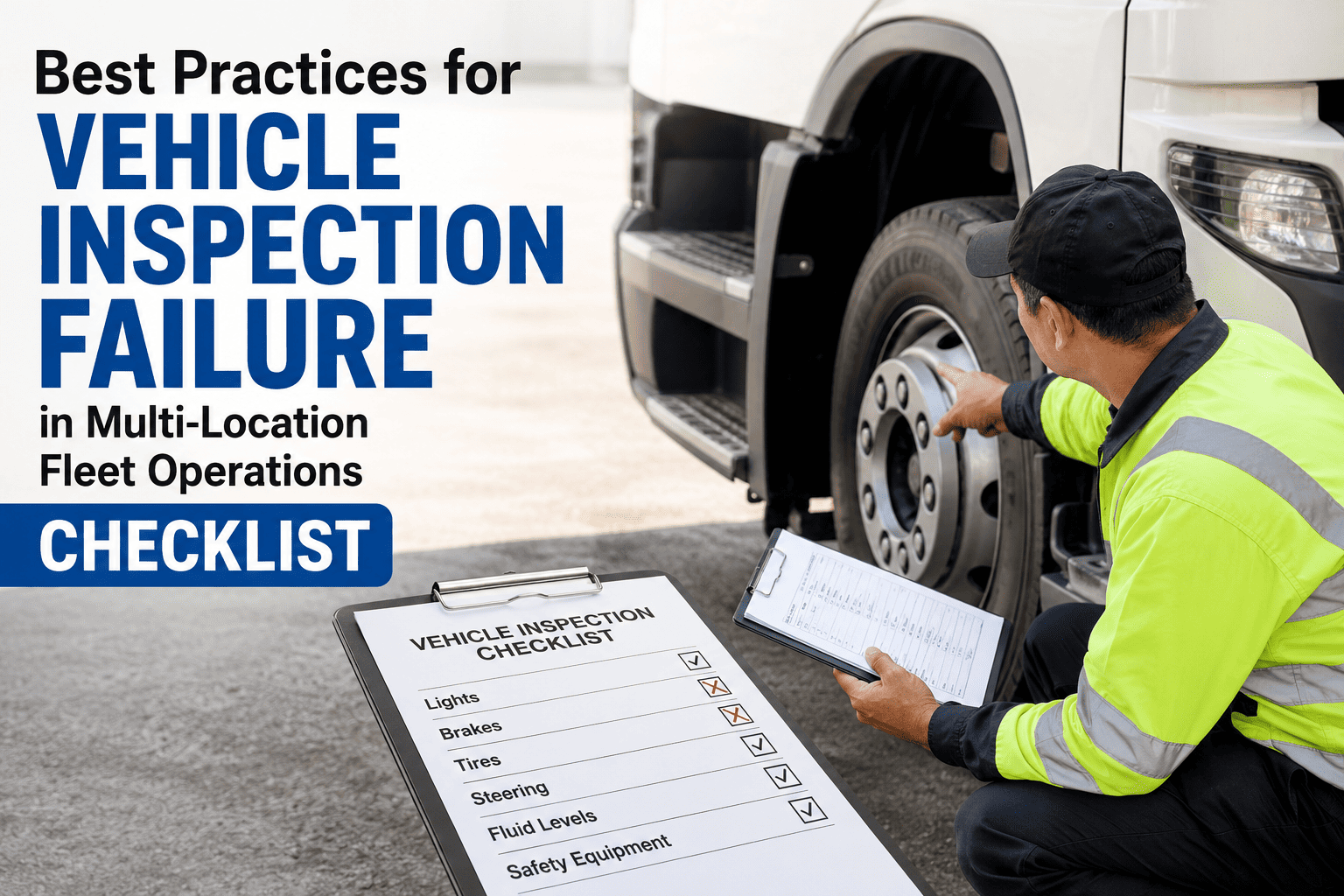
Suspension failures don't happen suddenly — they develop over weeks and months through gradual shock absorber degradation, air spring fatigue, bushing wear, and ride height drift that manual inspections routinely miss. The number one cause of air spring failure is shock absorber over-extension, and a single roadside suspension breakdown costs four times more than a planned shop repair. AI-powered predictive maintenance changes the equation by continuously analyzing ride height sensor data, compressor cycling patterns, vibration signatures, and telematics signals to detect suspension degradation long before a technician or driver would notice it. With 65% of maintenance teams planning to adopt AI by end of 2026 but only 27% currently using predictive maintenance, the competitive window for early adopters is wide open. Sign up for OxMaint to connect your fleet's suspension health data to automated maintenance workflows.
Why Suspension Systems Need Predictive Maintenance
Suspension components are uniquely difficult to inspect manually because degradation is gradual, symptoms overlap across multiple subsystems, and critical failures can occur between scheduled PM intervals. Traditional time-based or mileage-based maintenance either replaces functional components too early — wasting money — or catches failures too late — causing cascading damage. AI predictive maintenance monitors the actual condition of each suspension component in real time, triggering maintenance only when data indicates a component is approaching its failure threshold.
How AI Detects Suspension Degradation
AI predictive maintenance for suspension systems works by establishing baseline performance signatures for each vehicle and then continuously monitoring for deviations that indicate component wear. The system doesn't rely on a single data point — it correlates multiple signal streams to distinguish between normal operating variation and actual degradation trends. Book a demo with OxMaint to see how these detection methods integrate with automated work order generation.
Accelerometer data from the chassis measures vertical, lateral, and longitudinal vibration at high frequency. AI models learn each vehicle's normal vibration profile across different road surfaces and load conditions. When shock absorbers begin losing damping capacity, vibration amplitude increases at specific frequencies — the AI detects this shift days or weeks before ride quality complaints emerge.
Normal air suspension compressors cycle briefly at ignition — typically 30 to 90 seconds — then remain dormant. AI tracks compressor on-time, cycle frequency, and duty cycle trends over days and weeks. A gradual increase in cycling frequency reveals developing air leaks long before a soapy water test would find them. Continuous cycling alerts trigger before compressor burnout occurs.
Ride height sensors report vehicle stance at every ignition cycle and continuously during operation. AI baselines each vehicle's normal height at empty, partial, and full load, then tracks deviations over time. A progressive drop at one corner — even 5mm per week — signals air spring bladder deterioration or structural fatigue before the vehicle visibly sags.
Functioning shock absorbers generate heat through damping friction — a warm shock is a working shock. AI-connected infrared or embedded temperature sensors compare shock temperatures across axle pairs. A cold shock on one side versus a warm shock on the other indicates internal failure. Temperature data also catches compressor overheating caused by excessive cycling from system leaks.
Suspension problems leave fingerprints on tires. Cupping indicates shock control loss; diagonal scuffing suggests leaf spring or bushing problems. AI correlates tire wear data from inspections with vibration and ride height trends to confirm suspension root causes and prioritize the correct repair — preventing repeated tire replacements that treat symptoms rather than causes.
Turn Suspension Data Into Automated Work Orders
OxMaint connects vibration analysis, ride height monitoring, and compressor intelligence to your maintenance workflow — automatically generating work orders when AI detects suspension degradation before roadside failures happen.
Suspension Components Under AI Surveillance
A complete suspension predictive maintenance program monitors every component that affects ride quality, load handling, steering response, and tire life. Here is what AI watches and what failure looks like when it is missed. Fleets managing 50+ vehicles can sign up for OxMaint to centralize suspension condition monitoring across every asset.
From Detection to Resolution: The AI Workflow
Detection alone does not prevent breakdowns — the value of AI predictive maintenance comes from closing the loop between anomaly detection and completed repair. Here is how OxMaint connects suspension AI insights to shop floor action. Book a demo to see this closed-loop workflow running on live fleet data.
Predict Suspension Failures Before They Strand Your Fleet
Early adopters are seeing 40% downtime reduction and 25–40% lower maintenance costs through AI predictive maintenance. OxMaint brings this capability to fleets of every size — from 10 trucks to 10,000.
Frequently Asked Questions
What is AI predictive maintenance for suspension systems
It uses machine learning to continuously analyze ride height, vibration, compressor cycling, temperature, and pressure data to detect suspension component degradation weeks before failure occurs — enabling planned repairs instead of roadside breakdowns.
What suspension components can AI monitor
Shock absorbers, air springs, leaf springs, bushings and mounts, height control valves, compressor assemblies, ride height sensors, and air lines. Each component produces measurable signals that AI models track against baseline performance profiles.
How early can AI detect suspension problems
AI typically identifies developing suspension issues 2–6 weeks before failure, depending on the component and degradation rate. Compressor cycling anomalies and ride height drift are often detected earliest, giving fleets substantial lead time to schedule planned repairs.
What data sources does AI need for suspension monitoring
Ride height sensors, compressor run-time logs, accelerometer data, temperature sensors, air pressure readings, and telematics fault codes. Most modern Class 6–8 vehicles already generate much of this data through factory-installed telematics.
What ROI can fleets expect from suspension predictive maintenance
Fleets report 30–50% less unplanned downtime, 25–40% lower maintenance costs, and extended component life. A single prevented roadside suspension failure — avoiding towing, emergency labor, and secondary damage — often pays for the system investment.
How does OxMaint support suspension predictive maintenance
OxMaint integrates telematics and sensor data, applies AI anomaly detection, auto-generates severity-rated work orders, assigns technicians, tracks parts, and captures repair outcomes — creating a closed-loop system that improves prediction accuracy with every completed service event.