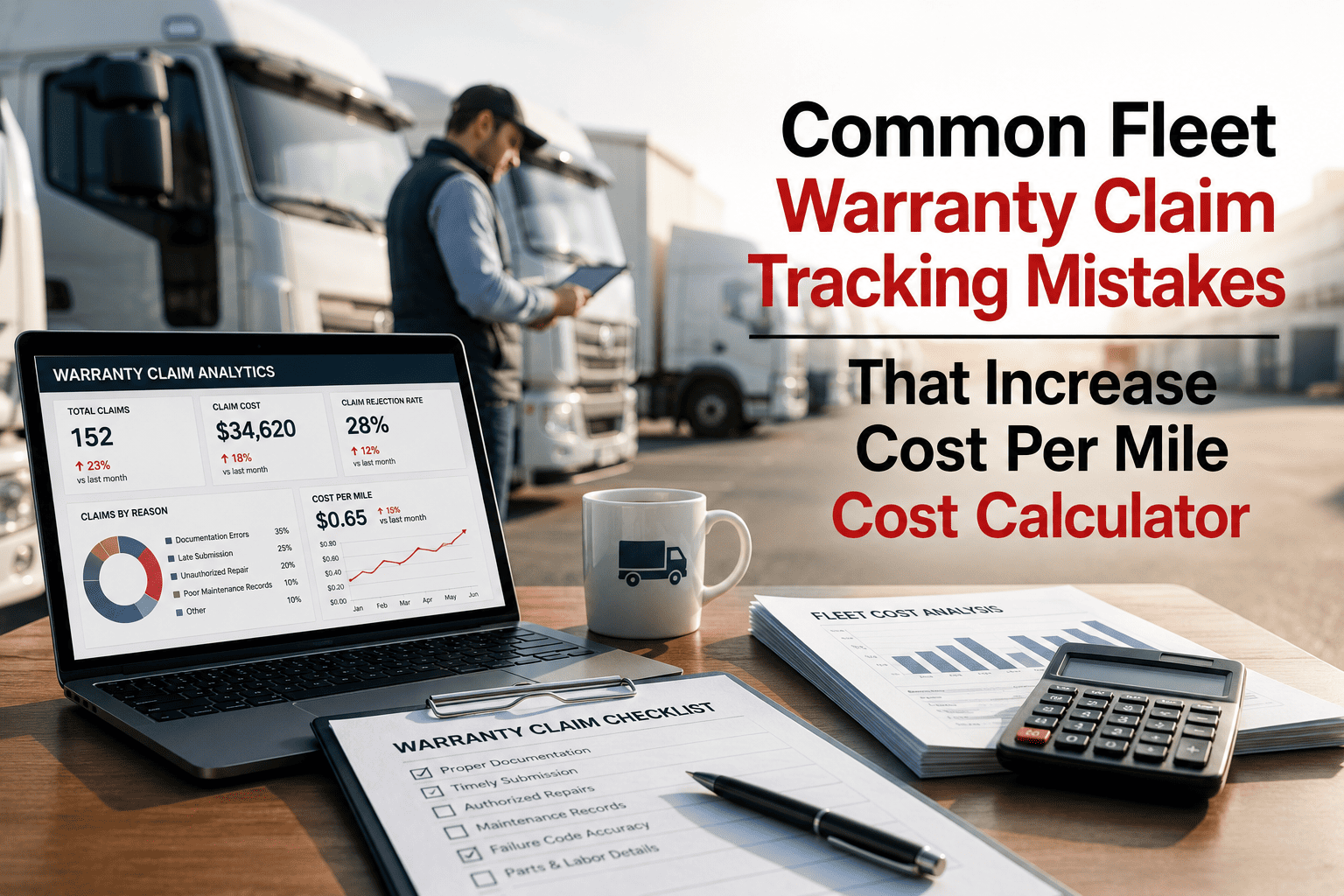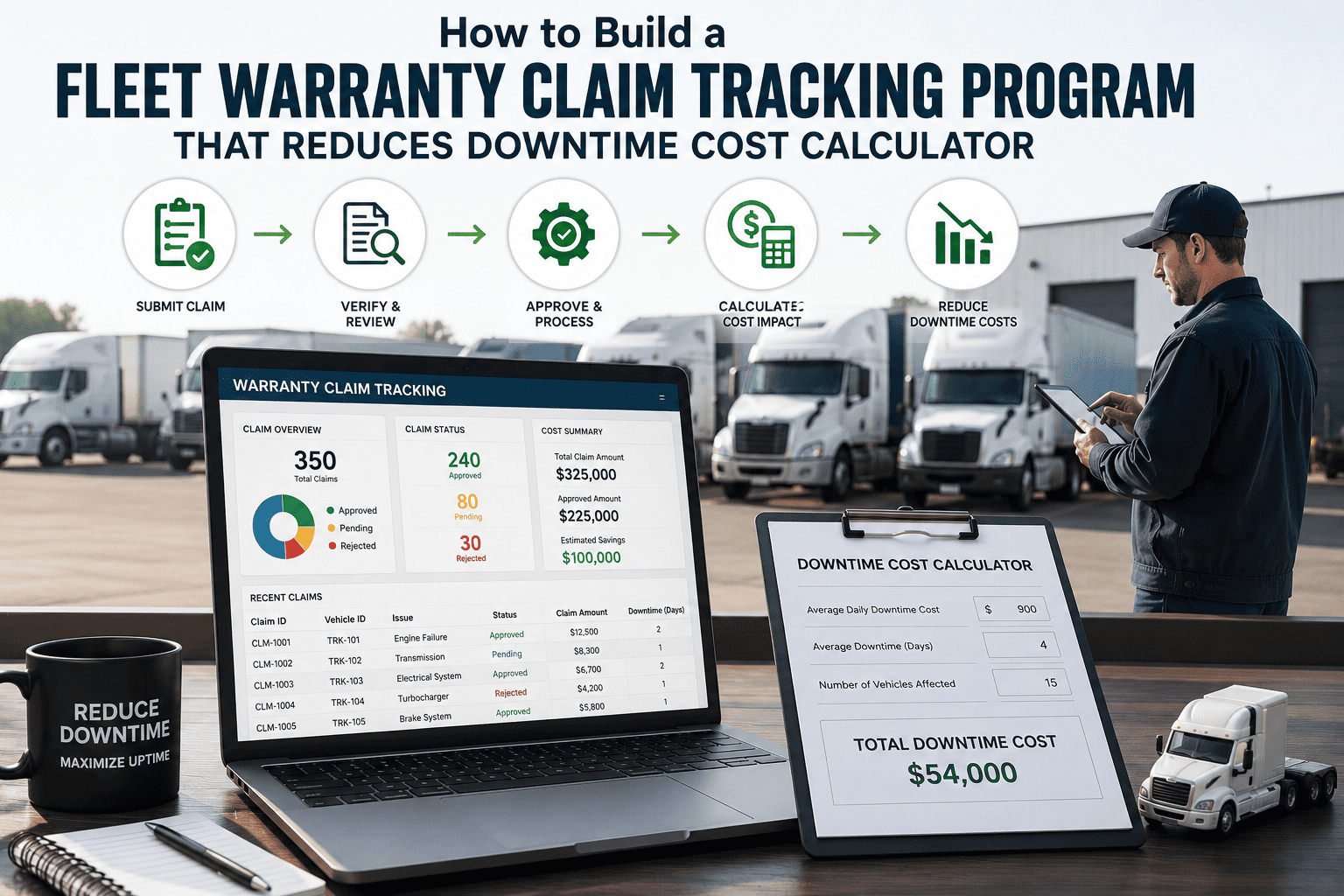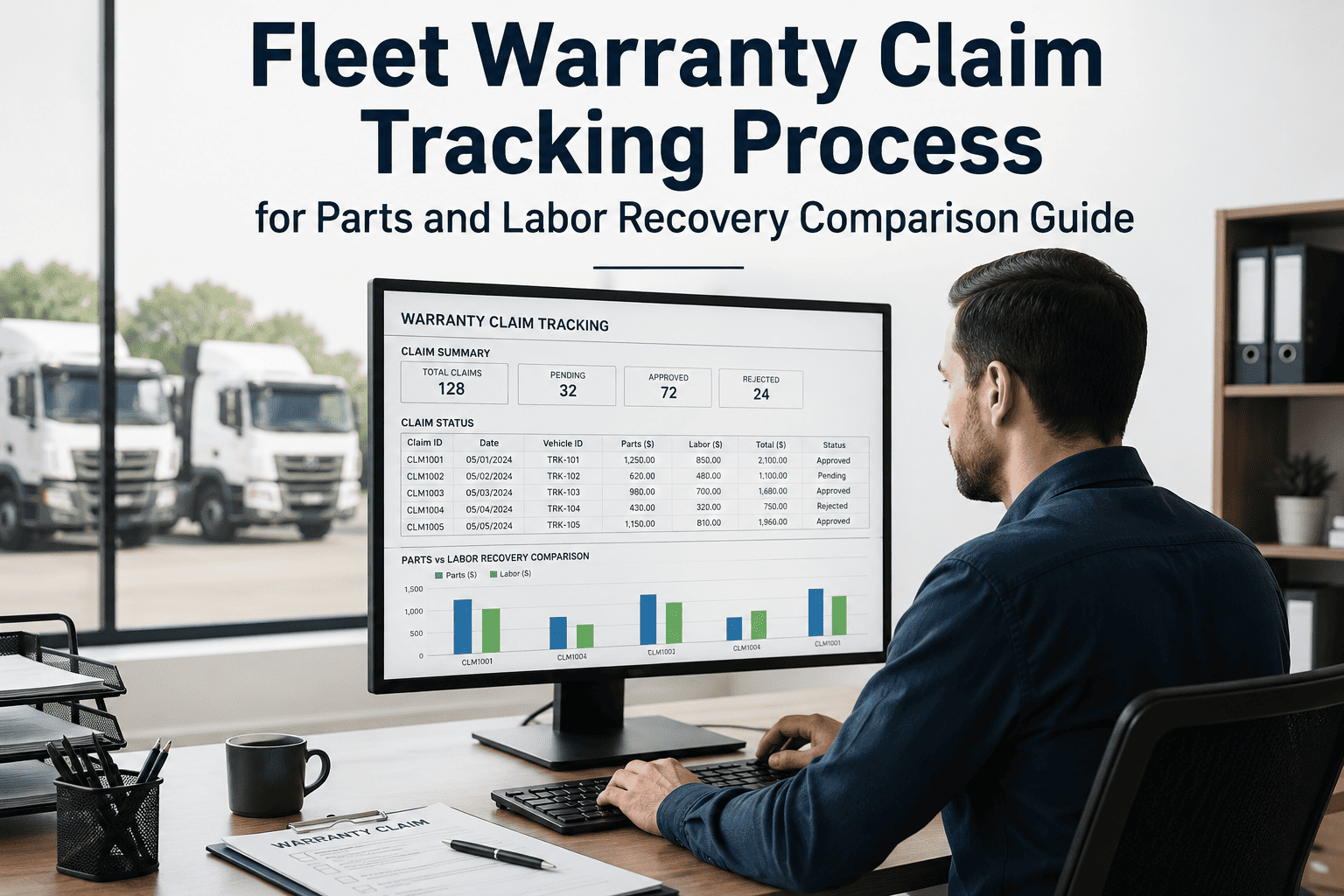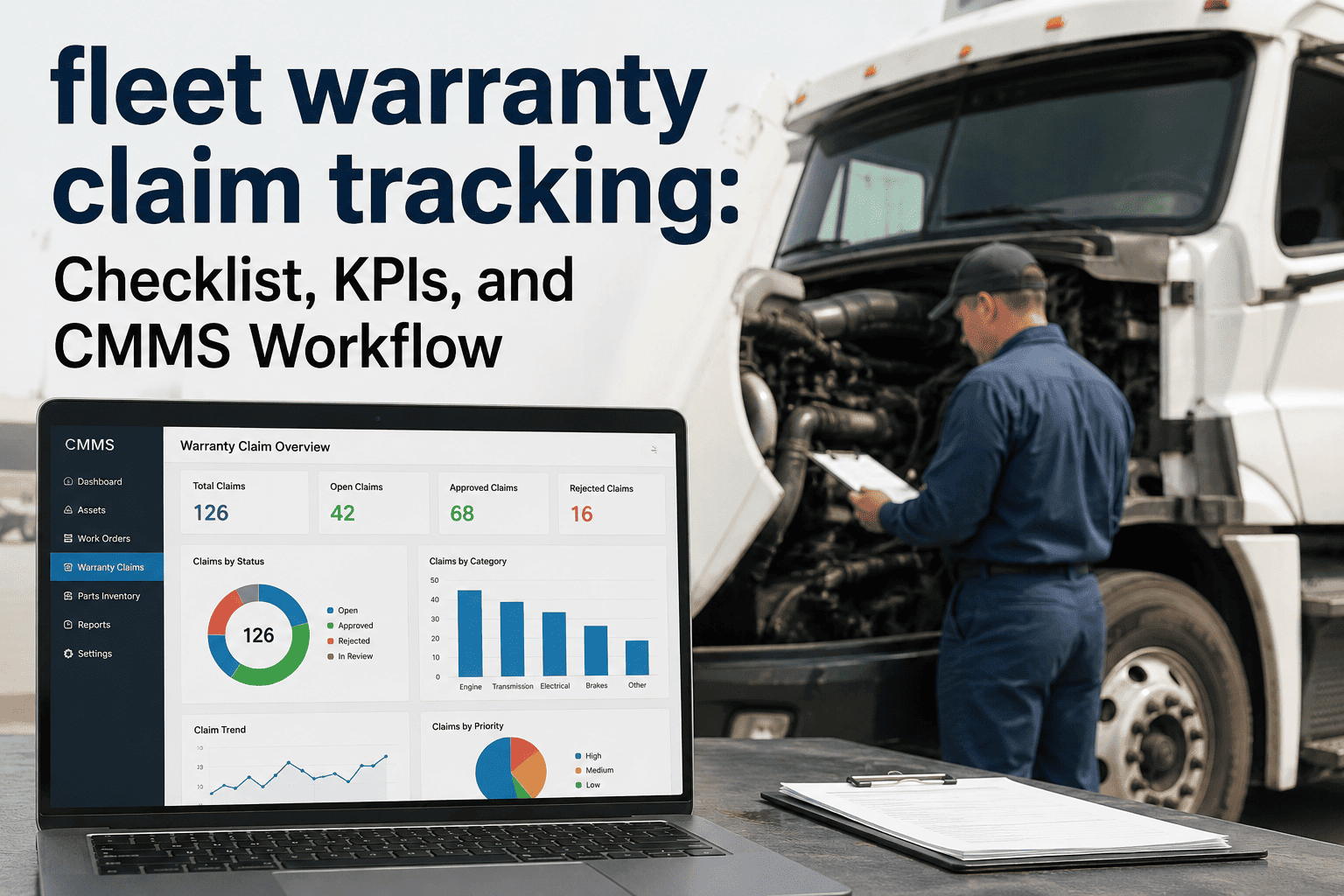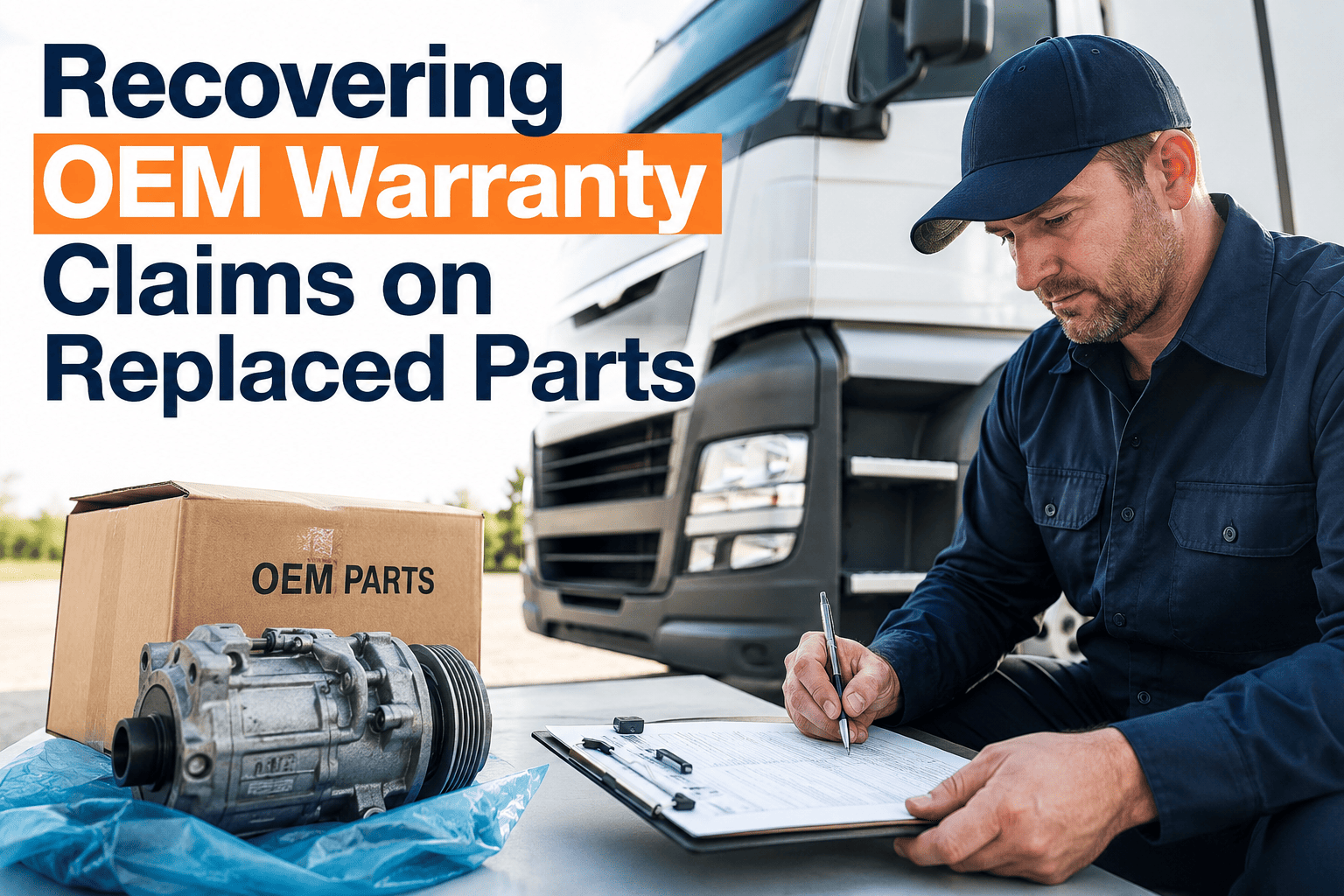
Modern commercial vehicles carry as many as five overlapping warranty types at once — bumper-to-bumper, powertrain, federal emissions, component-specific, and extended service contracts — yet most fleets never confirm which one applies before a repair invoice gets approved. Industry data shows fleets without structured tracking recover less than a third of the repair costs they are actually owed, leaving thousands of dollars in claimable parts and labor paid straight out of the maintenance budget every year. A single transmission replacement alone can carry four to eight thousand dollars in recoverable value, and once the standard thirty-day claim window closes, that money is gone for good. Warranty recovery is not a finance afterthought — it is operating cash your fleet already paid for once and is entitled to collect back. Start a free trial with Oxmaint to flag every warranty-eligible repair before it gets invoiced, or book a demo to see automated claim tracking in action.
OEM Warranty Claim Recovery: Get Back What Your Fleet Already Paid For
Track every OEM, extended, and component warranty by VIN, flag eligible repairs before approval, and turn a manual paperwork gap into a predictable annual recovery stream.
Why Warranty Recovery Quietly Costs Fleets Real Money
It happens without anyone noticing. A technician completes a repair, the invoice moves to accounts payable, and nobody checks whether that transmission, that emissions sensor, or that HVAC compressor was still sitting inside an active OEM warranty window. Multiply that pattern across a full fleet for a year and the unclaimed total routinely runs into the tens of thousands of dollars — money already built into the original vehicle purchase price and simply never collected back.
Roughly twelve to eighteen percent of eligible repairs go unclaimed annually because of missing documentation or missed coverage windows, and OEMs are only getting stricter about proof of scheduled maintenance before they approve a claim. Start a free trial to see which repairs on your fleet right now still qualify for reimbursement, or book a demo for a walkthrough of automated coverage checks.
Five Warranty Types Every Fleet Should Be Tracking
| Warranty Type | Typical Duration | What It Covers | Recovery Risk If Untracked |
|---|---|---|---|
| Bumper-to-Bumper | 3 yrs / 36,000 mi | Most general mechanical and electrical faults | Highest claim frequency, expires quietly |
| Powertrain | 5-8 yrs / 100K-200K mi | Engine, transmission, driveline | Highest dollar value, often $4K-$8K per claim |
| Federal Emissions | Up to 8 yrs / 80,000 mi | Emissions control components | Runs longer than most managers assume |
| Component / Vendor | 1-3 yrs | Batteries, HVAC, seating, electronics | Rarely listed in purchase paperwork |
| Extended Service Contract | Varies by plan | Major systems beyond OEM term | Separate deadlines from the OEM policy |
The 5-Step Warranty Recovery Roadmap
Log every OEM, extended, and component warranty per VIN the day a vehicle enters service.
Check active coverage automatically the moment a repair is diagnosed, before labor is authorized.
Photograph the failed part, record fault codes, and attach technician notes before disposal.
File complete claim packages inside the manufacturer's 30 to 90 day submission deadline.
Follow claim status through approval and reconcile reimbursement against the original repair cost.
Top Reasons Warranty Claims Get Denied
Manufacturer windows run 30 to 90 days. Filing even one day late results in an automatic denial regardless of validity.
A missing purchase invoice, work order, or technician failure analysis stops a claim before it is even reviewed.
Many OEMs require inspecting the failed component before reimbursement — scrapping it early forfeits the claim.
OEMs increasingly check maintenance history to confirm the vehicle was serviced on the recommended schedule.
Filing under the wrong warranty type when overlapping coverage applies leads to rejection or a reduced payout.
Stop Paying for Repairs the OEM Already Owes You
Oxmaint checks every repair against active OEM, extended, and component warranties automatically, builds the claim documentation straight from the work order, and tracks each submission through to reimbursement.
How Oxmaint Automates the Entire Warranty Cycle
Engine, transmission, and component records each carry their own coverage window, tracked individually by VIN.
Every repair is checked against active warranties before labor is authorized, not after the invoice is paid.
The work order becomes the claim package — technician ID, parts used, VIN, and mileage compiled automatically.
Alerts fire well ahead of every claim window so a submission deadline never lapses unnoticed.
Every VIN is matched continuously against the manufacturer recall database, independent of warranty status.
Monthly recovery totals versus total repair spend are reported directly to finance, without manual pull requests.
Manual Tracking vs Automated Recovery
Recovery Numbers Fleets Report After Automating
Frequently Asked Questions
How much can our fleet realistically recover with structured warranty tracking?
Fleets moving from manual tracking to automated coverage checks typically raise recovery from 30-35% to 85-95% of eligible repairs. Start a free trial to see your own unclaimed total.
What documentation does a warranty claim actually need?
The original purchase invoice, a VIN-linked work order, itemized parts invoice, technician failure analysis, proof of payment, and current mileage. Missing any one usually means denial.
What happens if we miss a manufacturer claim deadline?
Most OEMs deny claims automatically once the window closes, though some accept late filings with a written explanation and complete documentation attached.
Can Oxmaint track more than one warranty type on the same vehicle?
Yes. Every component can carry its own coverage record, so overlapping OEM, extended, and vendor warranties are all monitored independently. Book a demo to see it mapped against your fleet.
Does warranty recovery require hiring dedicated staff?
No. Automated coverage checks and claim-pack generation remove most of the manual administrative load that previously required a dedicated warranty administrator.
Every Unclaimed Warranty Dollar Is Money Your Fleet Already Paid For
Oxmaint flags eligible repairs before approval, builds claim packages from the work order, and tracks every submission through to reimbursement — so recovered warranty cash stops depending on someone remembering to check.