A single engine overheat event can destroy a $24,000 diesel powertrain in under 8 minutes — yet 71% of fleet engine failures traced to "engine problems" actually originate from neglected coolant systems. Coolant degradation, contamination, and improper concentration are the silent killers of commercial vehicle fleets, and visual inspection alone reveals almost nothing about chemical condition. The difference between a fleet averaging $0.08 maintenance cost-per-mile and one bleeding $0.22 often comes down to a $12 coolant test strip applied at the right interval. Fleets running structured coolant maintenance programs reduce engine-related downtime by 43% and extend powertrain life by 18% compared to reactive operations. Want to see how leading fleets automate coolant testing schedules and prevent catastrophic engine damage before it starts? Get started with a free trial of Oxmaint and deploy coolant tracking workflows in days, or book a demo to walk through a live coolant compliance dashboard built for mixed-class fleet operations.
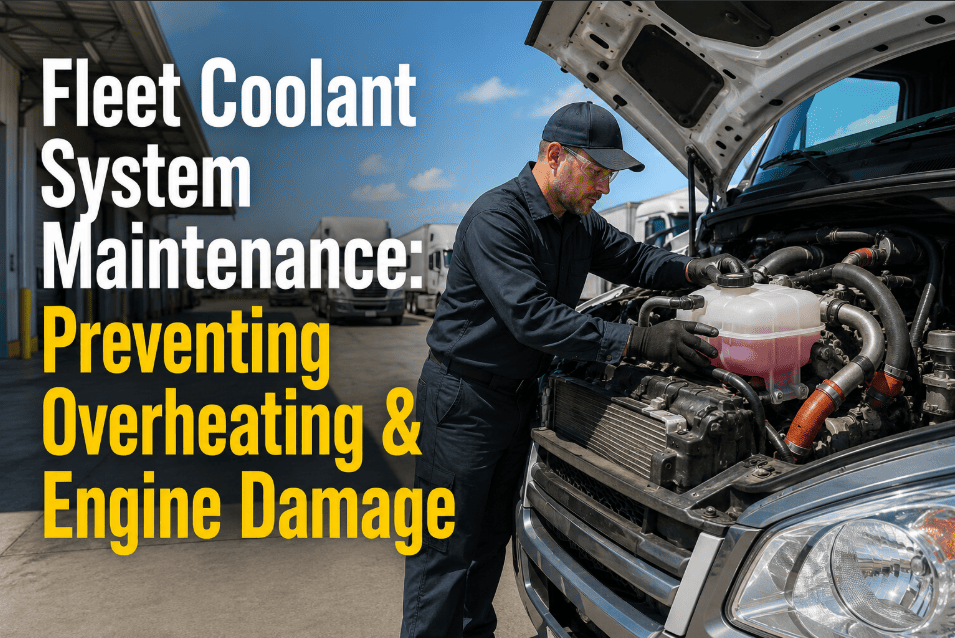
Fleet Coolant System Maintenance: Preventing Overheating and Engine Damage
Service intervals, coolant chemistry testing, contamination control, and CMMS automation strategies that protect your powertrain investment and keep vehicles on the road.
What Is Fleet Coolant System Maintenance and Why Does It Define Powertrain Longevity?
Fleet coolant system maintenance encompasses every scheduled inspection, test, and service action required to keep engine cooling systems operating within OEM thermal specifications. This includes coolant chemistry testing (pH, SCA/DCA concentration, freeze point, conductivity), component inspection (radiator, water pump, thermostat, hoses, clamps, fan clutch), and fluid management (flush intervals, type compliance, contamination prevention). Unlike oil analysis — which most fleets perform religiously — coolant testing is skipped by 62% of commercial operations until symptoms appear.
The consequence of this neglect is catastrophic. Depleted supplemental coolant additives lead to liner pitting in heavy-duty diesel engines — microscopic cavitation damage that destroys cylinder liners and contaminates oil with coolant. By the time a technician notices milky oil or white exhaust smoke, $18,000-$32,000 in engine damage is already done. A proactive coolant program replaces this emergency discovery model with scheduled testing that catches degradation weeks before any damage occurs, and it costs less than $3 per vehicle per month to operate when you factor in coolant testing consumables against the catastrophic failures prevented. Oxmaint digitizes the entire process so testing never gets skipped and every measurement is recorded for trending — start a free trial to see coolant compliance workflows in action, or book a demo to discuss your specific fleet configuration.
Coolant Service Intervals by Coolant Type and Vehicle Class
Coolant service intervals depend on chemistry type, not vehicle class. Mixing or applying the wrong interval to the wrong chemistry is the second most common coolant-related maintenance error in commercial fleets, right behind accidental mixing of incompatible types.
| Coolant Chemistry | Testing Interval | Service Life | Fleet Application |
|---|---|---|---|
| Conventional (IAT) | Every 25,000 miles | 2 years / 30,000 mi | Legacy light-duty, older Class 5-6 |
| OAT (Organic Acid) | Every 50,000 miles | 5 years / 150,000 mi | Modern light and medium-duty |
| HOAT (Hybrid) | Every 50,000 miles | 5 years / 150,000 mi | Mixed fleet operations |
| NOAT (Nitrited OAT) | Every 100,000 miles | 6 years / 600,000 mi | Class 8 diesel tractors |
| All Types — Visual Check | Every PM cycle (5K-10K mi) | Continuous | All fleet vehicles |
| SCA/DCA Additive Top-Off | Every PM cycle for IAT | Per test strip results | Heavy-duty diesel with wet liners |
6 Cooling System Components That Demand Structured Monitoring
Each component plays a specific role in thermal regulation. Failure of any single element cascades into overheating, and the cascade happens fast — often within minutes under heavy load conditions.
Inspect for external debris blocking airflow, internal scaling, and tube leaks quarterly. A 30% airflow restriction from bug buildup or road debris raises operating temperatures by 15-22°F under load — enough to trigger overheat during summer highway pulls.
Check shaft play and weep hole drainage at every major PM. Water pumps typically fail between 150,000-250,000 miles on Class 8 engines. Replacement during planned PM costs 60% less than emergency roadside repair with towing and load transfer fees.
Verify opening temperature matches OEM specification. A stuck-closed thermostat causes rapid overheating. A stuck-open thermostat causes poor fuel economy, incomplete combustion, and accelerated oil dilution — costing $1,200-$2,800 per year in excess fuel per vehicle.
Squeeze-test all hoses for soft spots, swelling, or cracking. Inspect clamps for corrosion and proper torque. Hose failure is the leading cause of sudden coolant loss in commercial fleets. Replace all coolant hoses at 4-year intervals regardless of visual appearance.
Test fan engagement at the correct coolant temperature. Failed viscous clutches reduce cooling capacity by 40-60% under heavy load — invisible during light-duty driving but catastrophic during mountain grades or sustained highway towing in summer conditions.
For Class 7-8 vehicles with coolant filtration systems, replace the filter at every major PM. These filters maintain SCA/DCA chemistry balance and trap particulates that cause water pump seal erosion and premature failure of internal cooling passages.
Why Coolant Mixing Is the Most Expensive Maintenance Shortcut in Fleet Operations
Combining incompatible coolant types — even a single top-off — creates chemical reactions that destroy cooling systems from the inside. Mixing OAT and IAT coolants produces a gel that clogs passages, accelerates seal degradation, and coats heat transfer surfaces with an insulating film that reduces thermal efficiency by 25-40%. The repair cost for a contaminated cooling system averages $2,800-$4,200 per vehicle, and the damage often extends into the engine itself through liner pitting and head gasket erosion.
The most dangerous aspect of mixing is that it looks normal. The coolant in the reservoir appears fine — proper color, proper level. The damage is happening inside passages and around cylinder liners where nobody can see it until a $24,000 engine is destroyed. This is exactly why Oxmaint locks coolant type to each vehicle profile and requires technicians to scan the coolant container before adding fluid — if the chemistry does not match, the system blocks the top-off and alerts the shop foreman instantly. This single workflow has prevented fleet-wide contamination events that would have cost hundreds of thousands in engine replacements. Want to see how coolant type compliance enforcement works in practice? Start a free trial to configure your fleet's coolant profiles, or book a demo to discuss contamination prevention strategies for your operation.
Reactive Coolant Management vs. Proactive Digital Program
Automate Coolant Testing, Prevent Engine Damage, Extend Powertrain Life
Oxmaint locks coolant type to each vehicle profile, schedules chemistry tests at every PM, and flags out-of-spec readings before they cause damage. No more skipped tests, no more incompatible top-offs, no more surprise engine replacements.
How Oxmaint Automates Coolant System Management End-to-End
Technicians enter freeze point, pH, SCA concentration, and conductivity readings directly into the digital PM checklist. Out-of-spec values trigger automatic flush or additive work orders before any damage occurs to engine internals.
Each vehicle profile specifies the OEM-approved coolant chemistry. Technicians scan the coolant container barcode before adding fluid — if chemistry does not match, the system blocks the action and alerts the foreman, eliminating accidental mixing.
Real-time engine coolant temperature from telematics triggers instant alerts when readings approach overheat thresholds. Drivers receive in-cab warnings before damage occurs, and fleet managers are notified simultaneously for dispatch decisions.
Coolant flush intervals run on combined mileage and time triggers per coolant type. A NOAT coolant flush at 600,000 miles or 6 years — whichever comes first — appears automatically on the maintenance schedule with zero manual tracking.
Track coolant chemistry trends across the entire fleet. Vehicles showing rapid SCA depletion or unusual contamination patterns flag for engineering review — often indicating early-stage head gasket leaks or combustion gas intrusion.
Quarterly reports quantify cooling-related interventions prevented, estimated damage avoided, and powertrain life extension achieved. Present hard ROI data to finance leadership showing exactly how the PM investment protects capital assets.
Measurable Results from Proactive Coolant Management
Frequently Asked Questions
Can Oxmaint prevent mixing of incompatible coolant types?
Yes. Each vehicle profile specifies the OEM-approved coolant chemistry. Technicians scan the coolant container barcode before adding fluid — the system blocks incompatible products and alerts the foreman immediately. This single workflow has prevented fleet-wide contamination events costing hundreds of thousands in engine replacements. Start a free trial to configure coolant type compliance for your fleet.
How often should we test coolant chemistry in commercial vehicles?
Test at every PM cycle — typically every 5,000-10,000 miles. Heavy-duty fleets with extended-life NOAT coolants can test at longer intervals, but Oxmaint automates the schedule based on coolant type and operating conditions. Test strips cost under $1 per test and prevent $24,000 engine replacements. Book a demo to see automated coolant scheduling.
Does the platform integrate with telematics for live temperature monitoring?
Yes. Native integrations with Geotab, Samsara, Motive, and 15+ other telematics providers pull engine coolant temperature in real-time. Overheat thresholds trigger immediate driver warnings and fleet manager alerts — preventing engine damage before it occurs by giving operators time to reduce load or pull over safely.
Can we track coolant chemistry trends across the entire fleet?
Yes. Fleet-wide analytics identify vehicles with rapid SCA depletion, unusual pH drift, or contamination patterns. These outliers often signal early-stage head gasket leaks, EGR cooler failures, or combustion gas intrusion that can be addressed during planned maintenance before catastrophic engine damage occurs.
Protect Your Powertrain Investment — Automate Coolant Compliance Today
Oxmaint automates coolant chemistry testing, blocks incompatible top-offs, and alerts your team the instant a vehicle approaches overheat conditions. Join fleet operations teams across 40+ countries extending powertrain life by 18% — free trial, no credit card required.