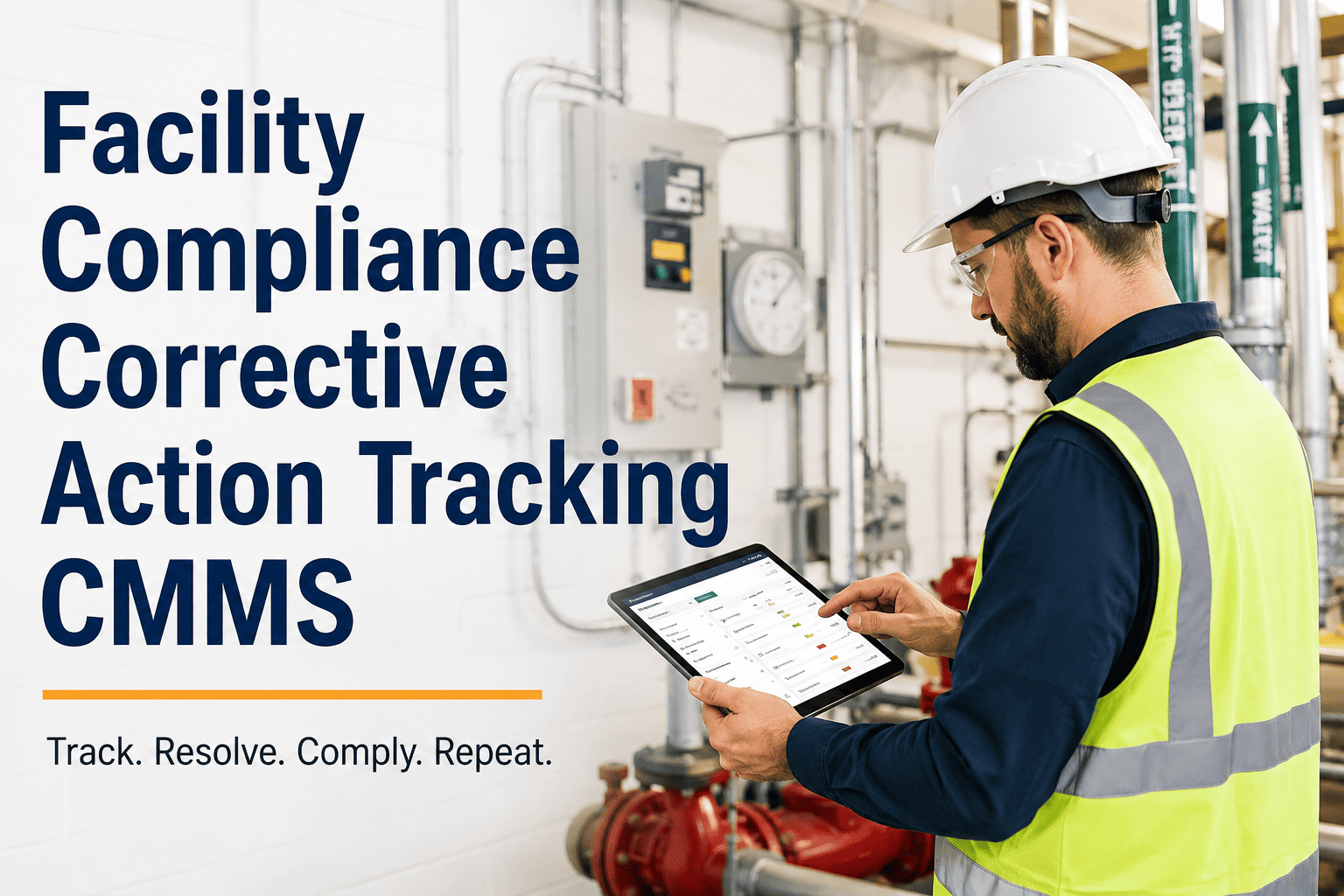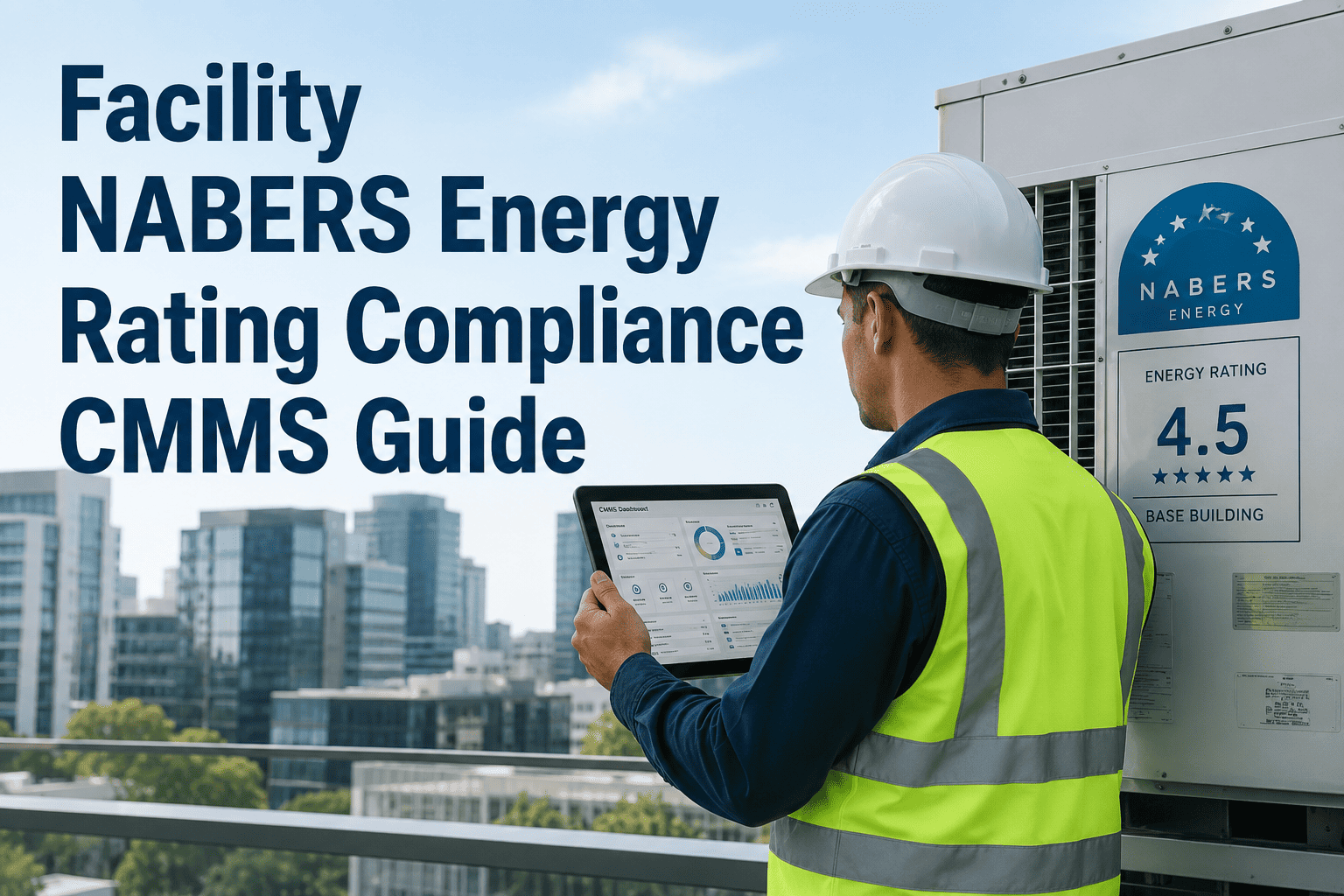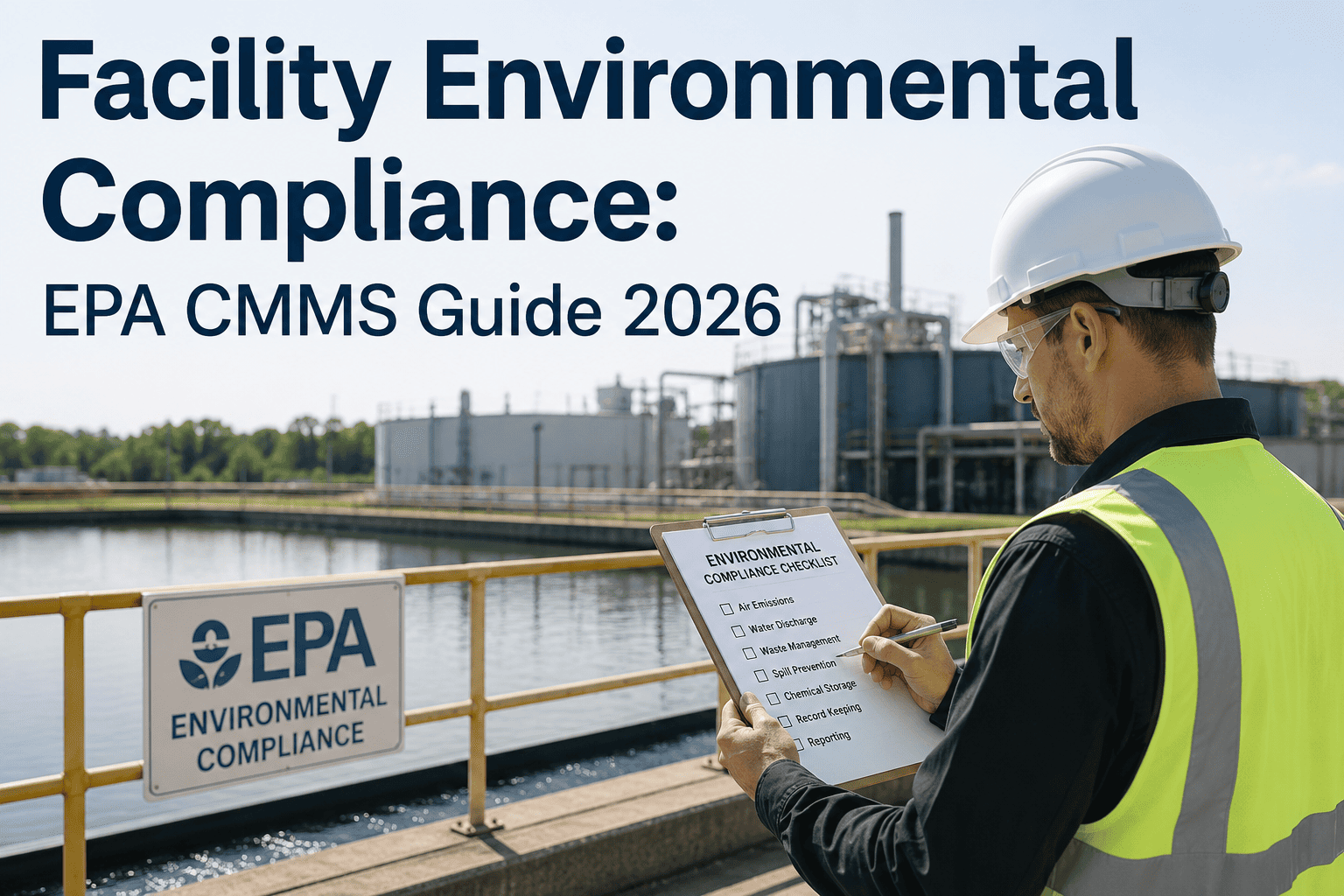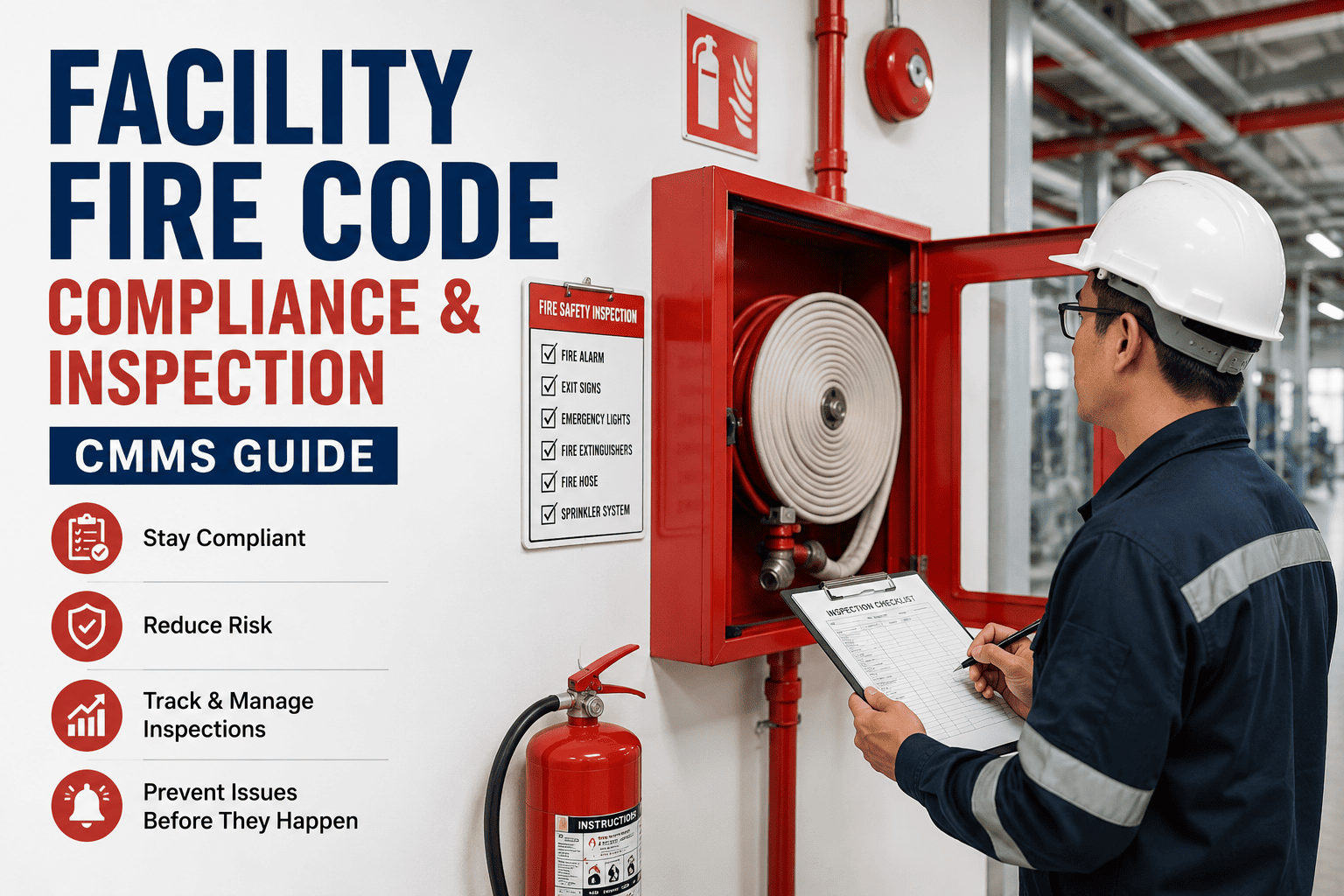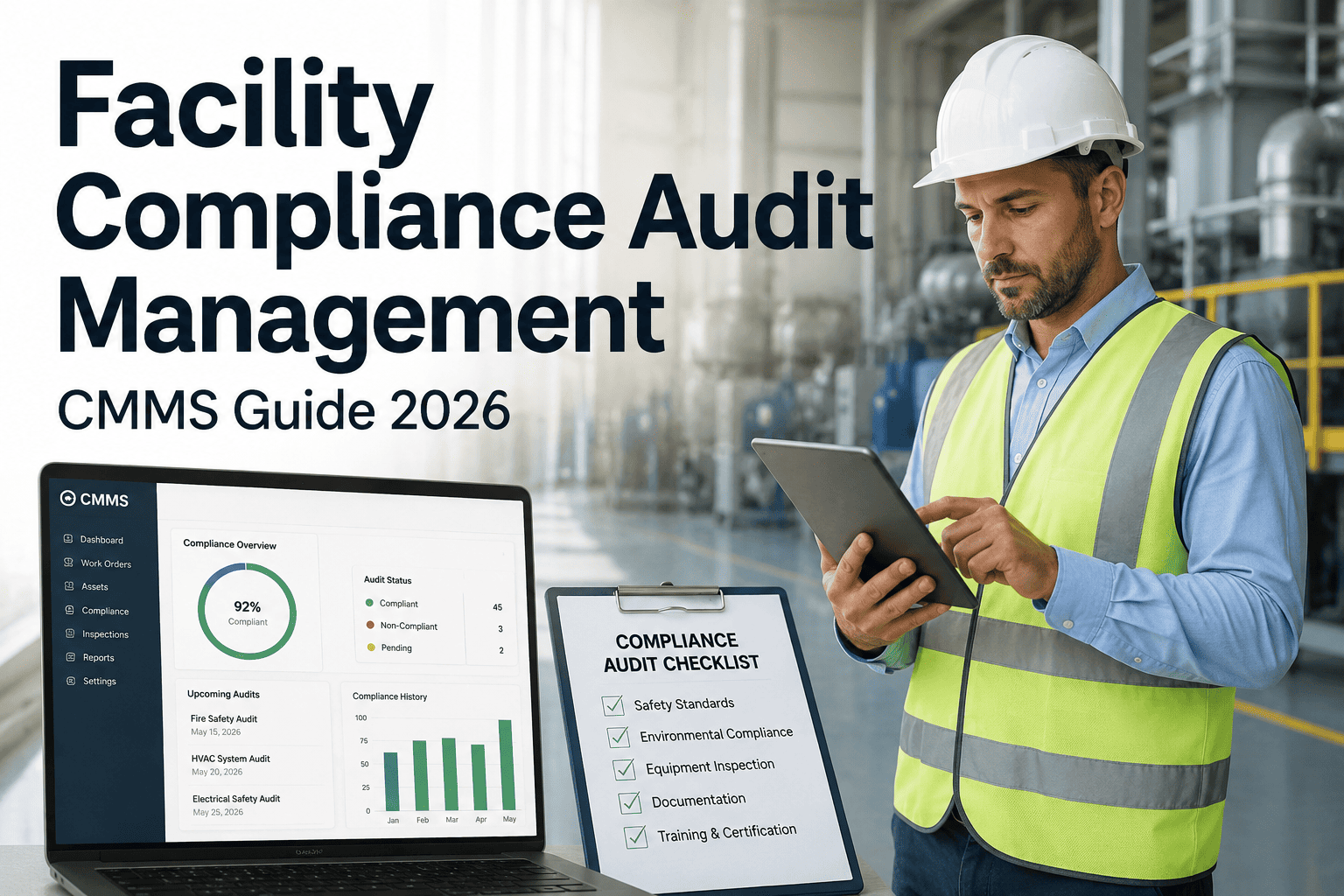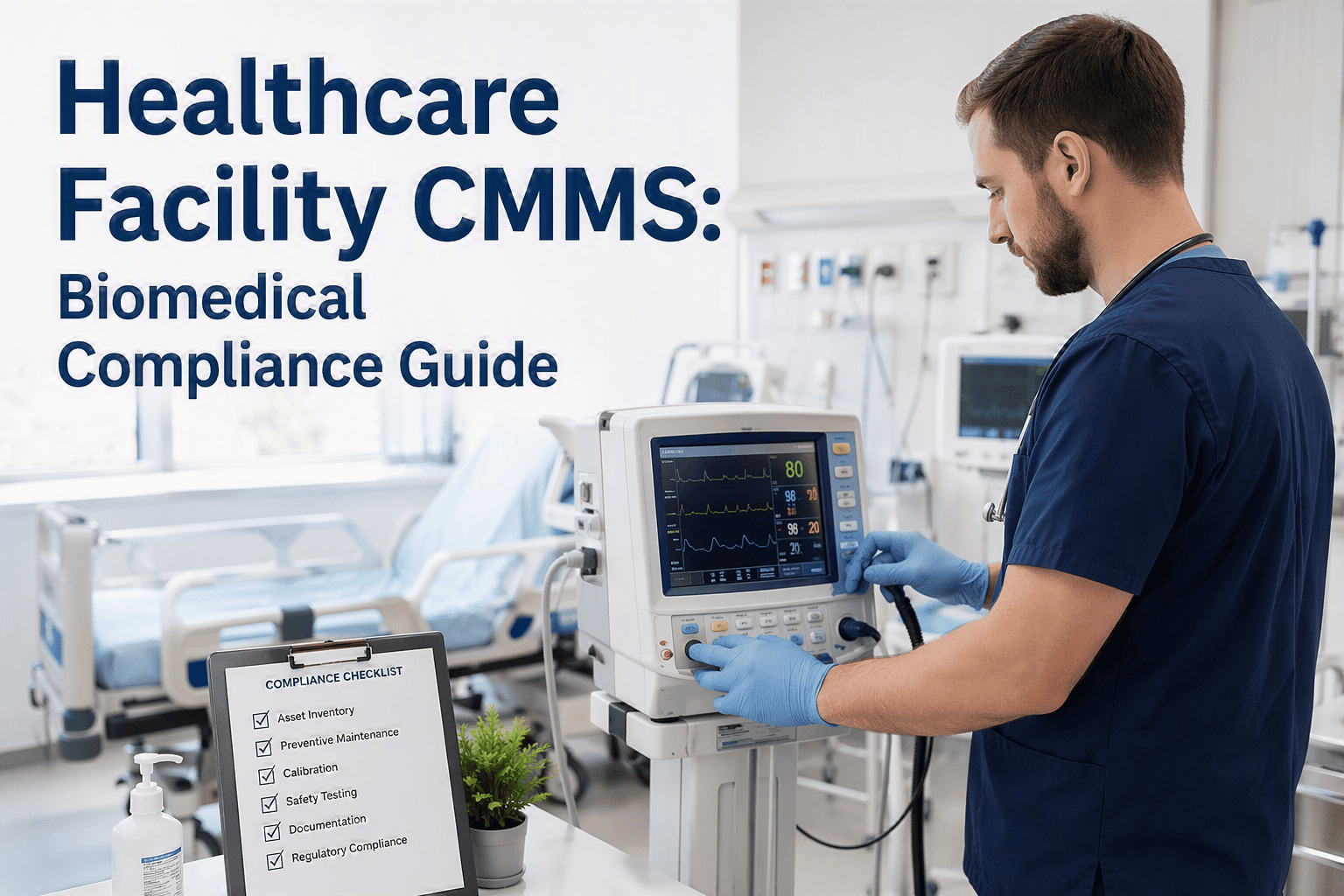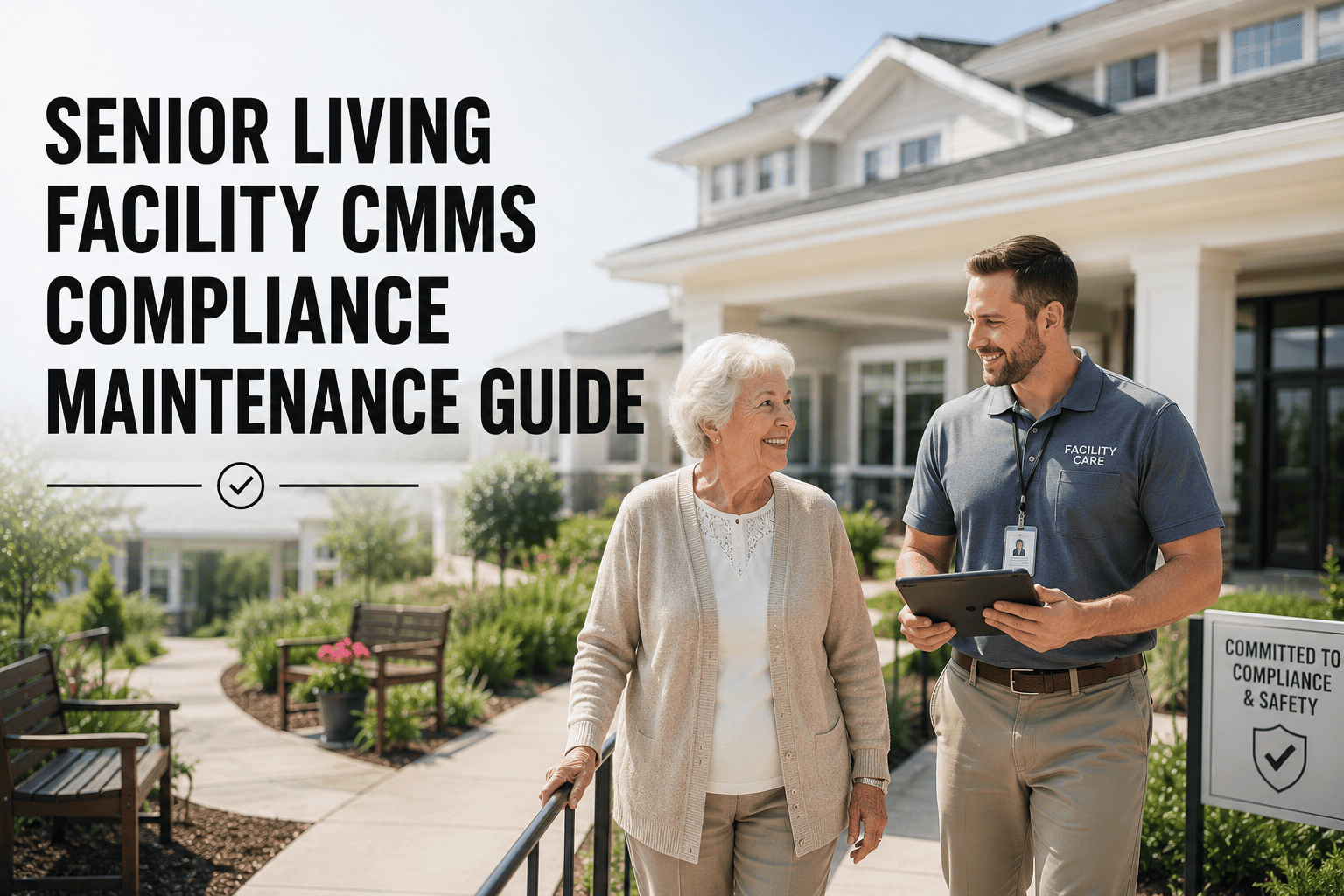
A senior living facility CMMS is the digital backbone that keeps life-safety systems, resident-comfort HVAC, and mobility equipment fully compliant with CMS, state health-department, and Joint Commission standards — while cutting reactive maintenance costs by 25–40%. For assisted living and skilled-nursing operators in 2026, a purpose-built CMMS transforms paper work orders and clipboard inspections into auditable, real-time maintenance records that surveyors accept on day one. This facility senior care guide breaks down the priority systems, compliance timelines, and ROI math you need to select and deploy the right platform. Ready to modernize your maintenance operation? Start Free Trial and see OxMaint on your assets in minutes.
Is your facility audit-ready — or one missed inspection away from a deficiency citation?
A single failed life-safety inspection can trigger CMS penalties of $10K–$100K per instance and put occupancy on hold. OxMaint automates the preventive maintenance, documentation, and work-order trails that surveyors demand — so every generator test, sprinkler check, and HVAC filter change is logged, timestamped, and retrieval-ready in seconds.
What a senior living facility CMMS must track for compliance
CMS, Joint Commission, and state surveyors expect documented evidence that six critical systems are inspected, tested, and maintained on fixed schedules — not when something breaks.
Life-Safety & Emergency Systems
- Emergency generator load tests (NFPA 110 — weekly/monthly/annual)
- Fire sprinkler & standpipe inspections (NFPA 25)
- Fire alarm panel testing & battery replacement
- Smoke detector sensitivity & corridor door latch checks
- Emergency lighting & exit sign illumination (90-min drain test)
Surveyor trigger: Missing any one of these logs can produce an Immediate Jeopardy tag during an annual CMS recertification survey.
HVAC, Plumbing & Resident-Comfort Equipment
- Boiler & water-heater preventive maintenance (ASHRAE 90.1 intervals)
- HVAC filter changes, belt tension, coil cleaning (quarterly minimum)
- Legionella prevention — water-temperature logging & flushing records
- Hot-water scald-mixing valve calibration (max 120°F at fixture)
- Call-light / nurse-call system endpoint testing
Why it matters: Resident comfort complaints (temperature, hot water) are the #2 source of state complaint investigations after falls — and they are 100% preventable with scheduled PM.
Vertical Transport & Door Systems
- Elevator annual certification & monthly entrapment-response drills
- Automatic door operators & ADA push-plate testing
- Corridor fire-door inspection (annual — NFPA 80)
- Wheelchair-lift preventive maintenance & load test
ROI angle: A single out-of-service elevator in a memory-care wing costs an average of $4,200 in resident-camily complaints, staff redirection, and potential move-outs over a 5-day outage.
Annual compliance maintenance calendar for assisted living facilities
The difference between a clean survey and a deficiency citation is rarely equipment failure — it's a missed date. Build these cycles into your CMMS so triggers fire automatically and nothing slips.
Re-verify all asset records, upload current certifications for fire-suppression and medical-gas systems, and confirm Q1 generator load-bank test is scheduled. Surveyors ask for 12 months of continuous evidence — any gap is a deficiency.
Switch from heating to cooling mode, clean condenser coils, calibrate chilled-water setpoints, and flush cooling-tower basins to prevent Legionella. Document water-treatment readings — state health departments increasingly request these during outbreaks.
Test every nurse-call endpoint, check ADA door actuation forces (≤5 lb interior), and run elevator emergency-phone verification. Summer is peak admission season — residents and families notice broken call lights first.
Inspect boilers, replace filters, test carbon-monoxide detectors in mechanical rooms, and confirm generator fuel-polishing and 24-hour runtime capacity before winter storm season. CMS expects evidence of emergency-power readiness during extreme-weather months.
CMMS cost savings for a 120-bed assisted living community
A typical 120-bed community manages 450–600 maintainable assets and runs 2,800–3,500 work orders per year. Here's what happens when that workload moves from spreadsheets to OxMaint.
WORKED EXAMPLE
A 120-bed community in Ohio was spending $86,000/year on maintenance labor and outside contractors with a 60/40 reactive-to-preventive split. After deploying OxMaint's automated PM scheduling and mobile work orders, the ratio flipped to 75/25 preventive within six months. Reactive call-outs dropped 38%, a boiler failure was predicted (and prevented) by a temperature-trend alert, and the community passed its annual state survey with zero maintenance-related deficiencies — the first time in five years. Net first-year savings: $61,400.
How OxMaint powers senior care CMMS compliance and cost control
OxMaint was built for the exact pressures of senior living: tight margins, 24/7 resident needs, and unforgiving regulatory scrutiny. Four capabilities map directly to the outcomes that matter.
Automated PM & compliance scheduling
Configure recurring triggers for every NFPA, ASHRAE, and state-health interval. OxMaint auto-generates work orders, assigns technicians, and escalates overdue tasks — so no inspection date is ever missed. Outcome: 100% on-time PM completion, zero "missed inspection" citations.
Mobile work orders with photo evidence
Technicians close work orders from the corridor with photos, signatures, and meter readings — no paper, no transcription delays. Surveyors get a timestamped PDF for any asset in under 30 seconds. Outcome: eliminate paper work orders and cut audit-prep time by 80%.
AI predictive analytics on critical assets
OxMaint analyzes temperature, vibration, and run-time data from boilers, chillers, and generators to flag failures 2–4 weeks before they happen — the difference between a $300 seal replacement and a $12,000 emergency chiller rebuild. Outcome: cut unplanned downtime 30–50% on Tier-1 equipment.
Audit-ready compliance reporting
One-click reports filter by asset, date range, or regulatory standard (CMS, Joint Commission, state health). Every work order carries a full history trail — who, what, when, and evidence attached. Outcome: turn a 3-day survey prep scramble into a 30-minute export.
Spreadsheets vs. senior living maintenance CMMS: the real cost gap
Most communities still track maintenance on Excel or paper logs — and most of them don't realize the hidden cost until survey day.
| Capability | Spreadsheet / Paper | OxMaint CMMS |
|---|---|---|
| PM scheduling & reminders | Manual calendar alerts — easily ignored, no escalation | Auto-generated work orders with overdue escalation to supervisors |
| Audit documentation | 3–5 days of scrambling to compile binders before each survey | 30-second filtered export with photos, signatures & timestamps |
| Mobile work-order closure | Paper rounds, transcription errors, lost forms | Close on-site with photo evidence; data syncs instantly |
| Predictive failure alerts | Not possible — failures discovered only after a breakdown | AI trend analysis flags failures 2–4 weeks in advance |
| Spare-parts inventory | Stockouts discovered mid-repair; no min/max tracking | Auto-reorder at min levels; tie parts to asset & work order |
| Reactive vs. preventive ratio | Typically 60/40 (reactive-heavy, high cost) | 75/25 preventive within 6 months of deployment |
| Multi-site visibility | Separate spreadsheets per community; no roll-up | Single dashboard across all communities with benchmarking |
See OxMaint on your assets — book a 30-minute demo
We'll load your facility's top 20 assets, build a sample PM schedule, and show you the audit-report export live. No slides, no fluff — just your operation, running on OxMaint.
Senior living facility CMMS — what buyers ask most
What is a CMMS and why do senior living facilities need one?
A CMMS (Computerized Maintenance Management System) is software that schedules, tracks, and documents all preventive and corrective maintenance. Senior living facilities need one because CMS, Joint Commission, and state health surveys require timestamped evidence that life-safety, HVAC, and mobility systems were inspected on schedule — paper logs and spreadsheets routinely fail to produce that evidence, resulting in deficiency citations and fines. A purpose-built CMMS like OxMaint automates the scheduling and generates audit-ready reports in seconds.
How much does a senior care CMMS cost?
Most cloud-based CMMS platforms for senior living range from $35–$75 per user per month, with implementation typically included for communities above 60 beds. For a 120-bed community with 4–6 maintenance users, total annual software cost runs $2,500–$4,500 — against average first-year savings of $40,000–$65,000 in reduced reactive labor, avoided emergency repairs, and eliminated citation risk. You can Start Free Trial to see exact pricing for your team size.
How long does it take to implement a CMMS in an assisted living facility?
A focused implementation for a single 60–150 bed community typically takes 2–4 weeks: week one for asset data load, week two for PM schedule configuration, and weeks three–four for technician training and go-live. Multi-site operators can roll out sequentially at one community per week. OxMaint provides guided onboarding and pre-built PM templates for common senior-living equipment so your team is closing mobile work orders by day one.
Can a CMMS help with Joint Commission and CMS life-safety inspections?
Yes — that is one of its highest-value uses. OxMaint stores every inspection, test, and repair record against the specific asset, with photos, technician signatures, and timestamps. When a surveyor asks for proof that the emergency generator was load-tested last month, you pull a filtered report in under 30 seconds instead of digging through binders. Communities using OxMaint report cutting audit-prep time by 80% and routinely passing surveys with zero maintenance-related deficiencies.
What's the difference between a CMMS and EAM for senior care facilities?
CMMS focuses on work-order management, preventive maintenance scheduling, and maintenance team productivity. EAM (Enterprise Asset Management) extends that to full asset lifecycle costing, capital planning, and multi-site portfolio analytics. OxMaint combines both in one platform — so a single-community facility gets CMMS simplicity, while a multi-site operator gets EAM-level visibility into asset depreciation, replacement planning, and cross-community benchmarking. Book a demo to see both in action.
Make your next survey the easiest one yet
Join senior living operators who cut reactive maintenance 38%, passed surveys deficiency-free, and gave their technicians a tool they actually want to use. Start free or book a personalized demo — your assets, our platform, 30 minutes.
Free 14-day trial · No credit card