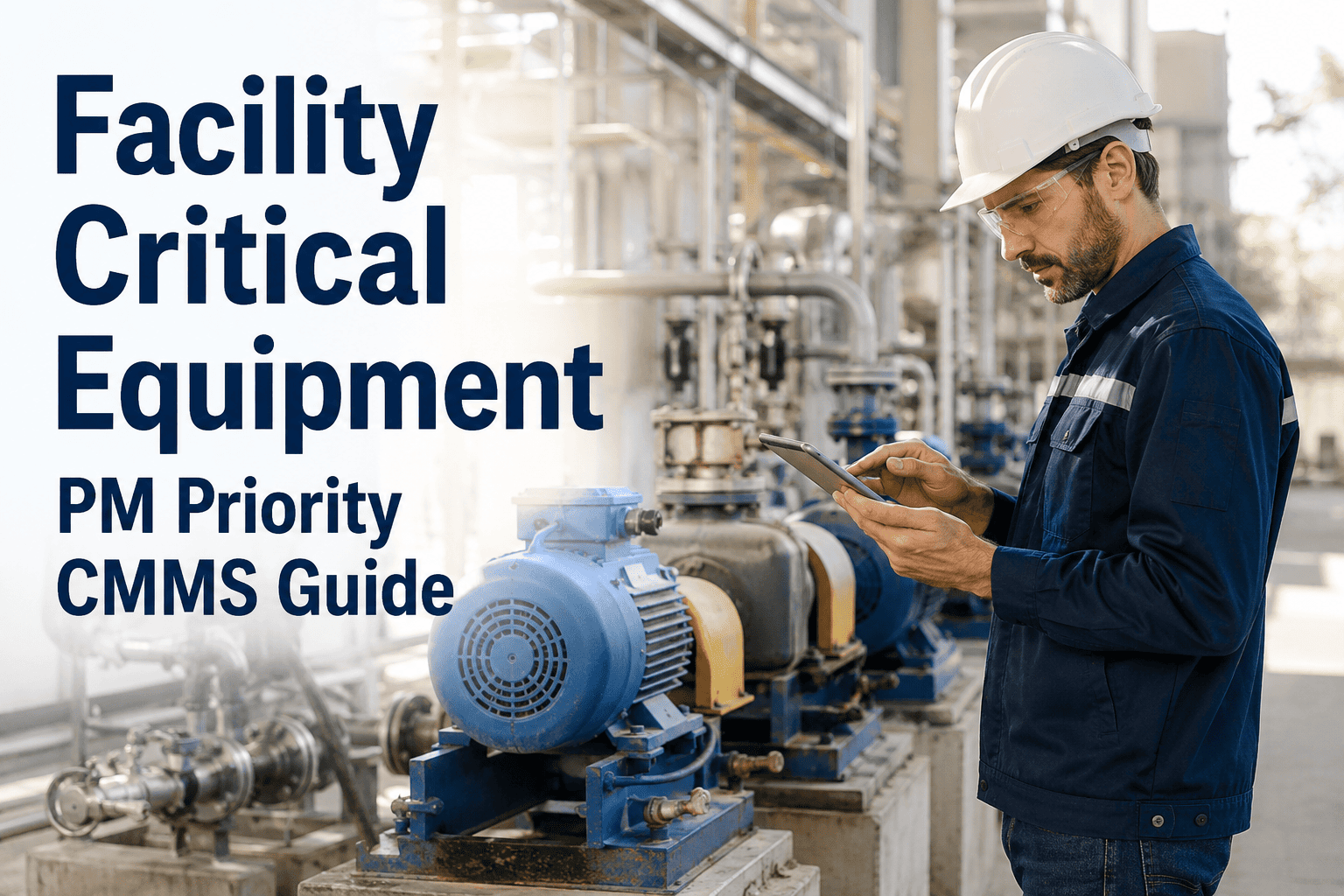
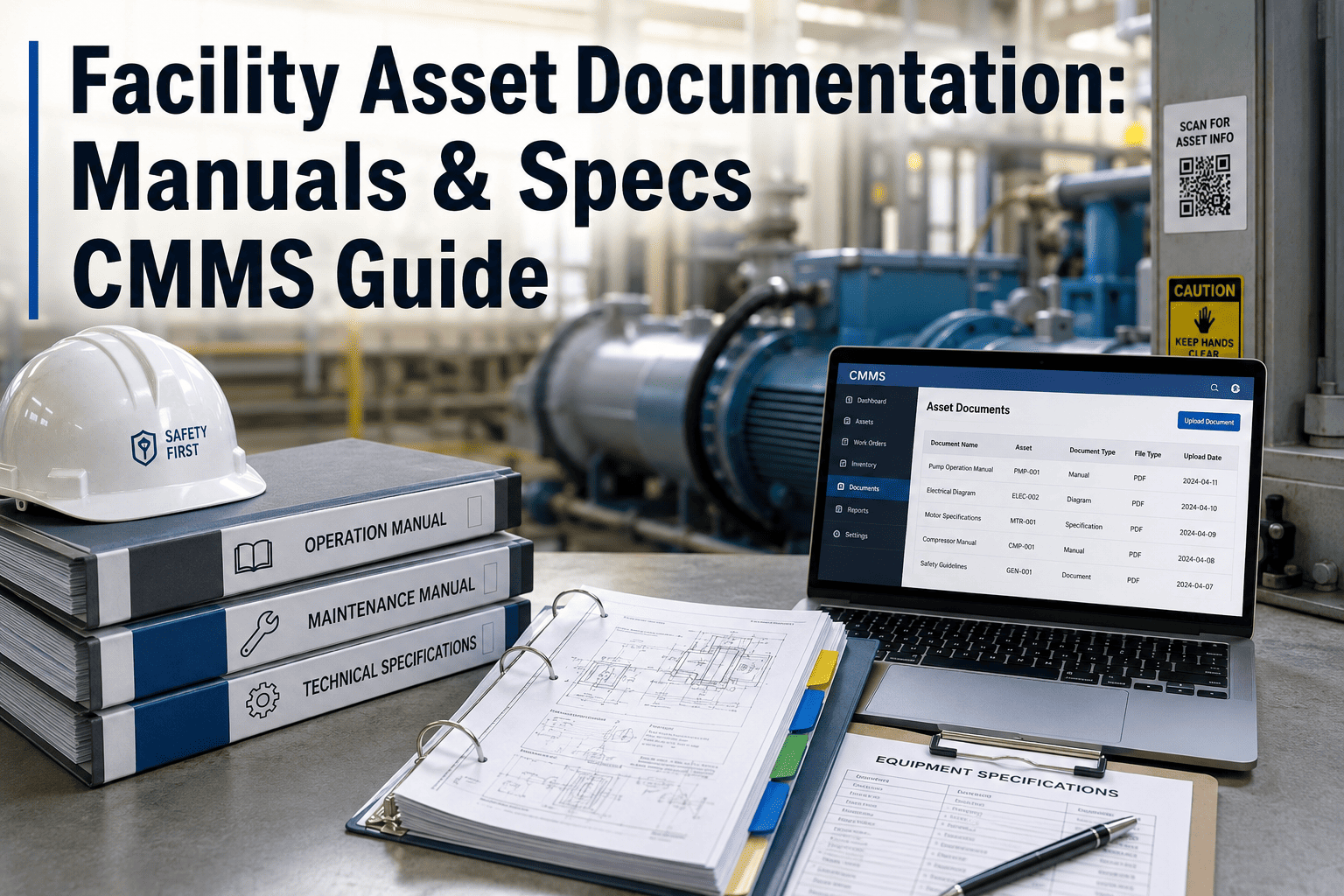
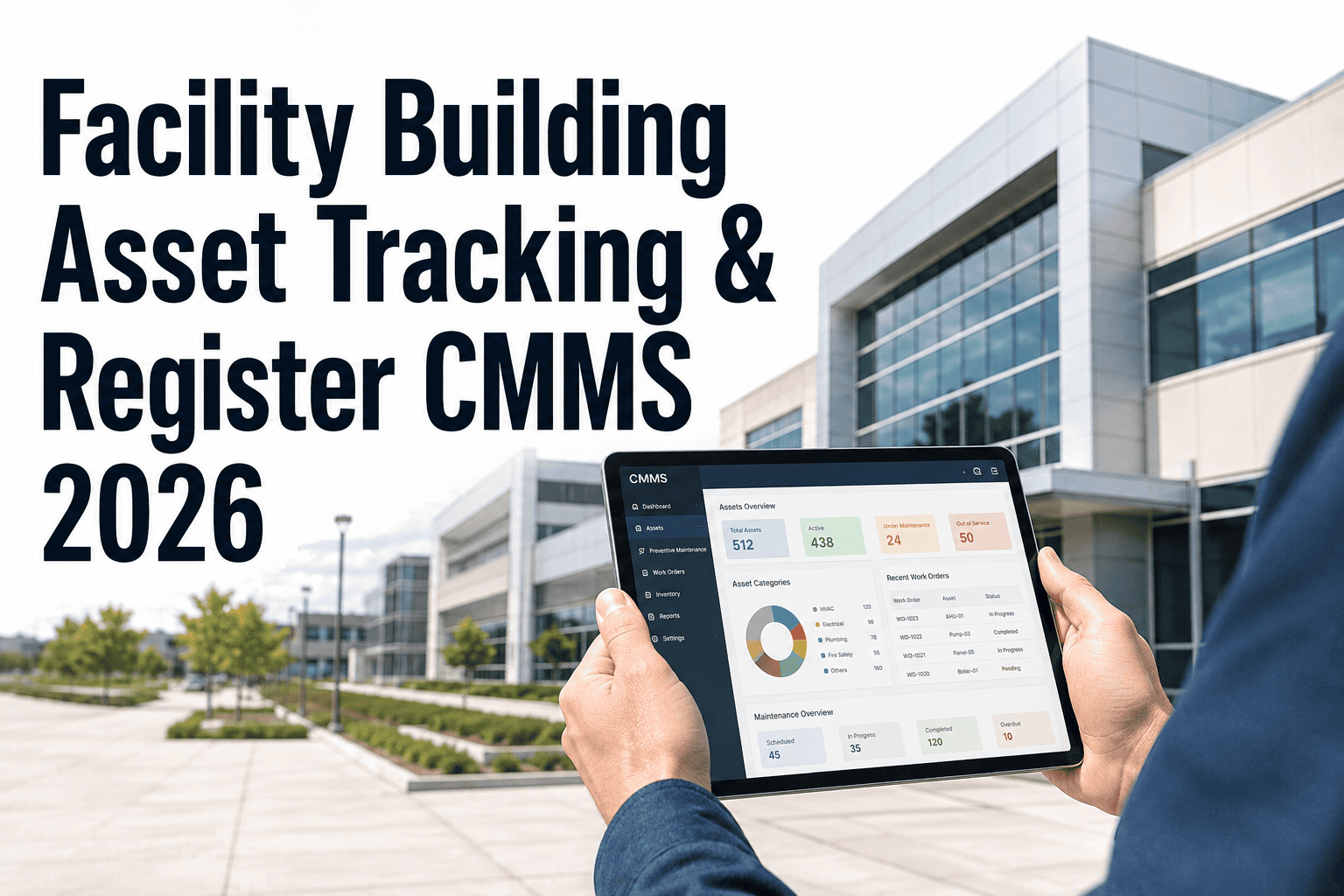
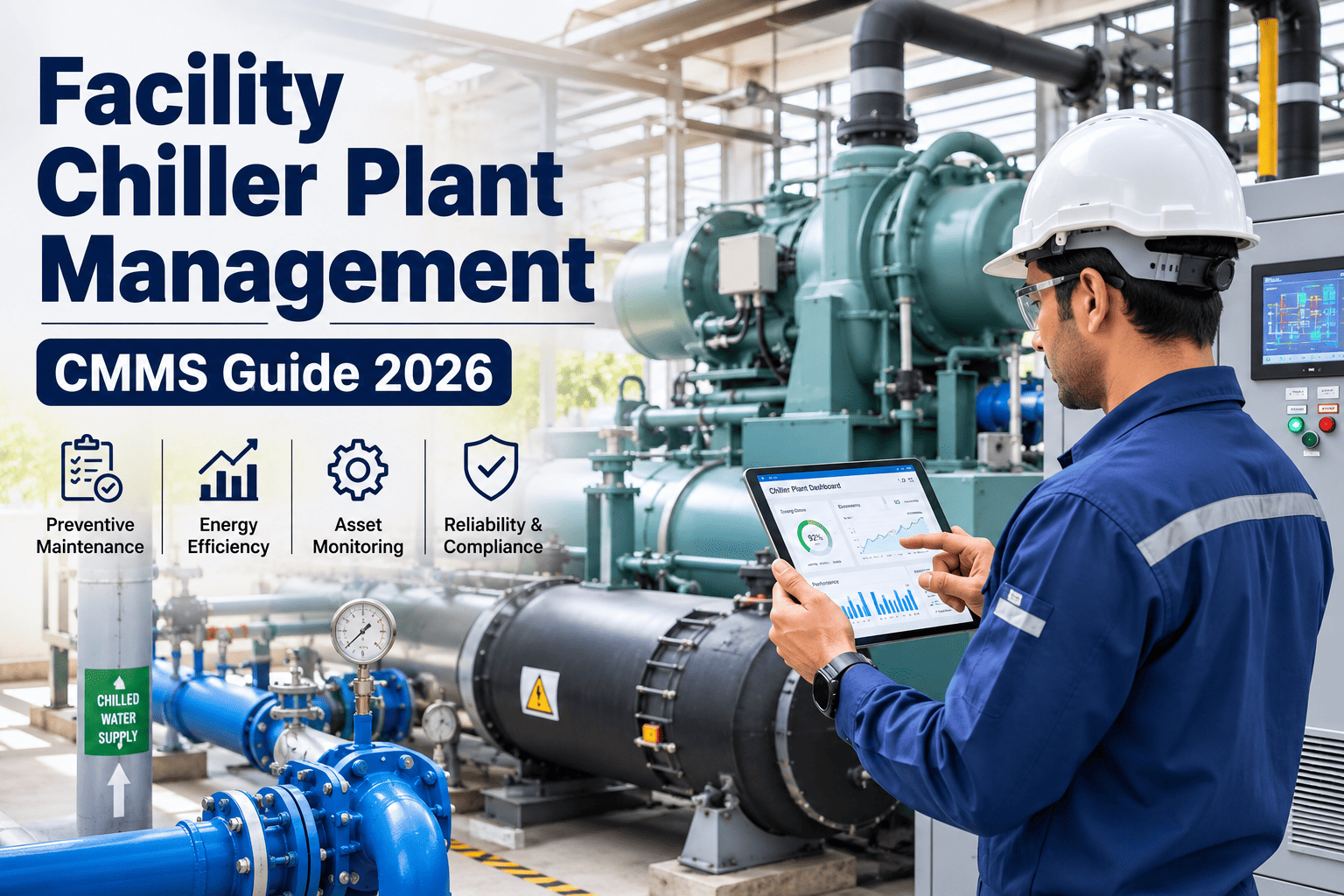
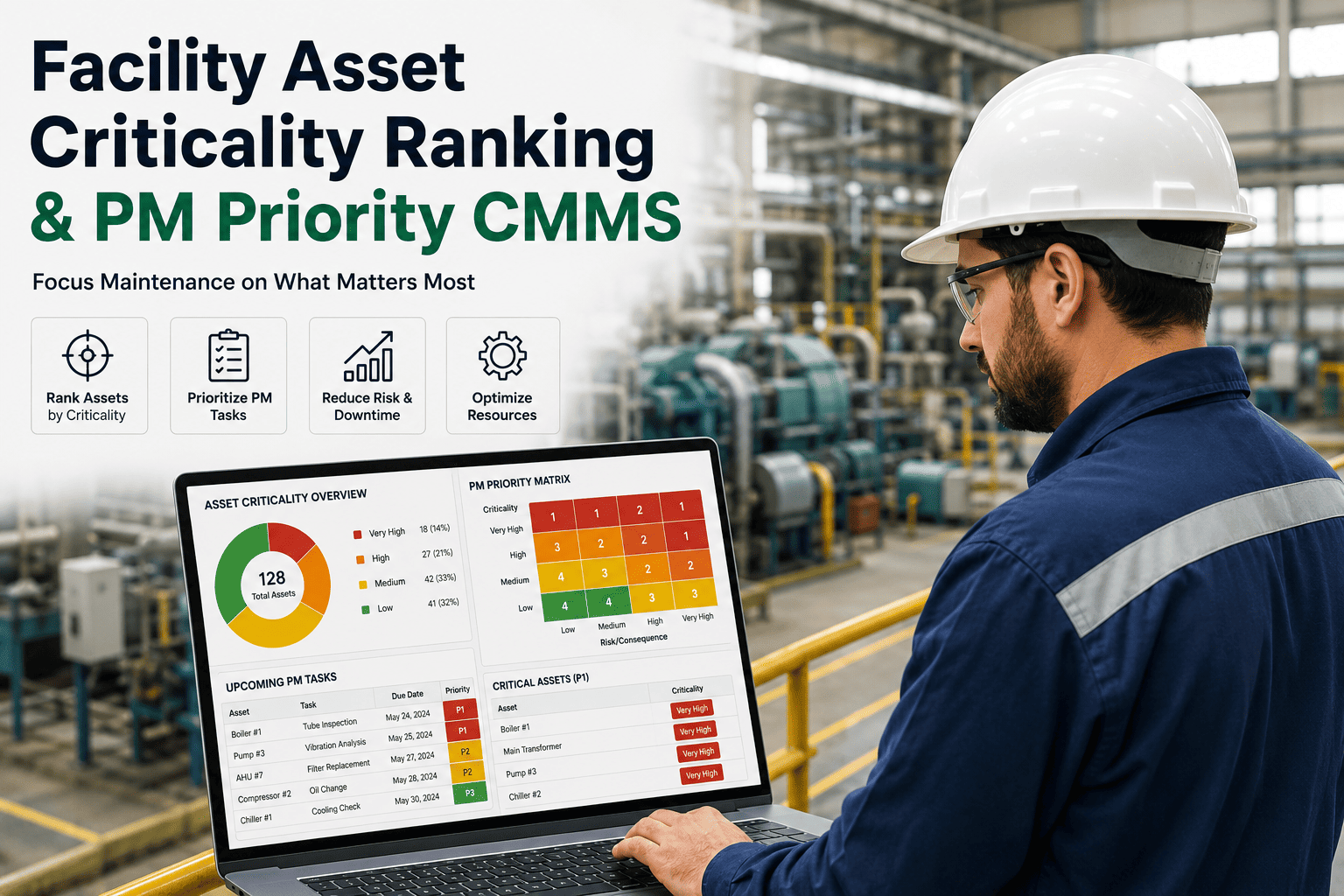
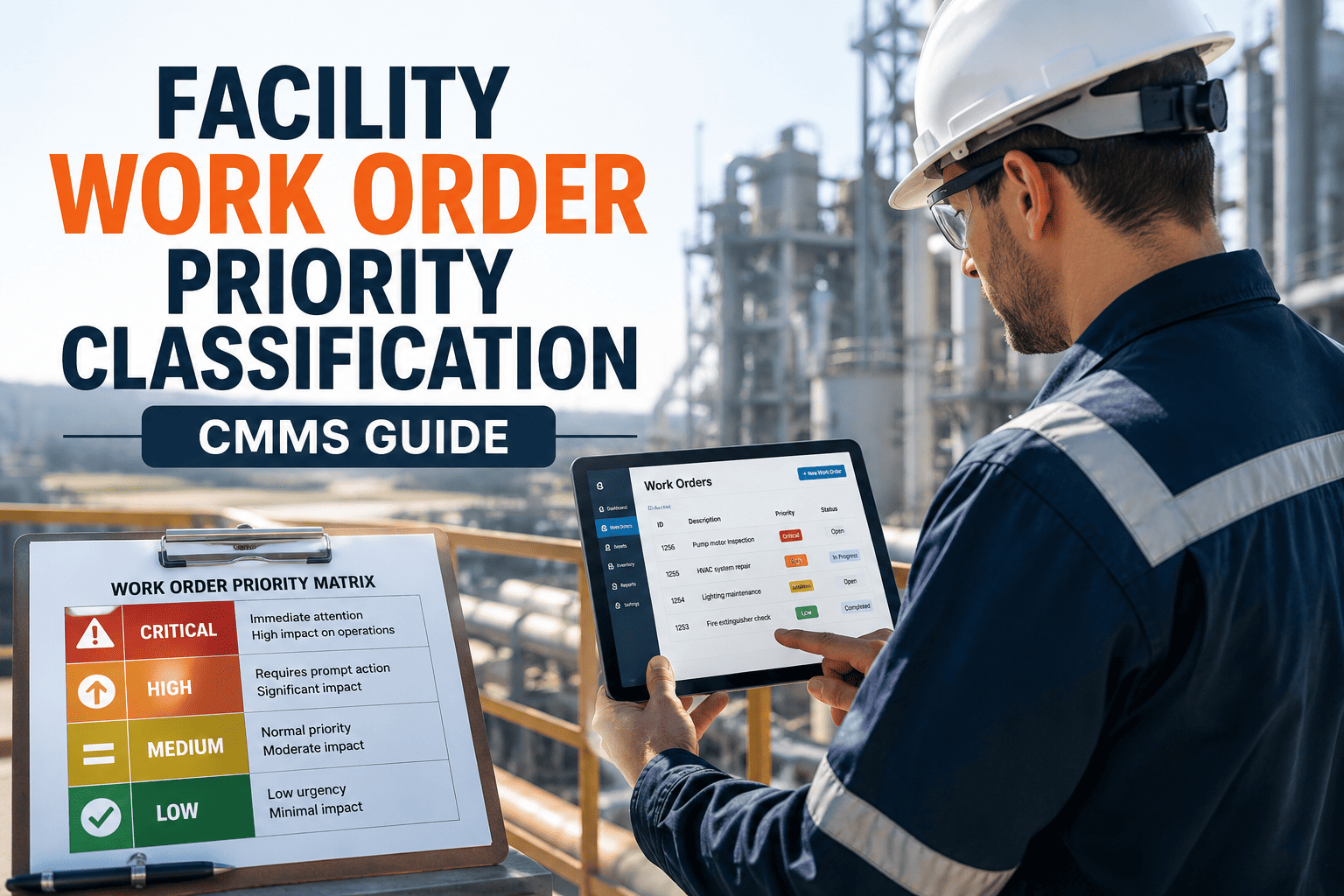
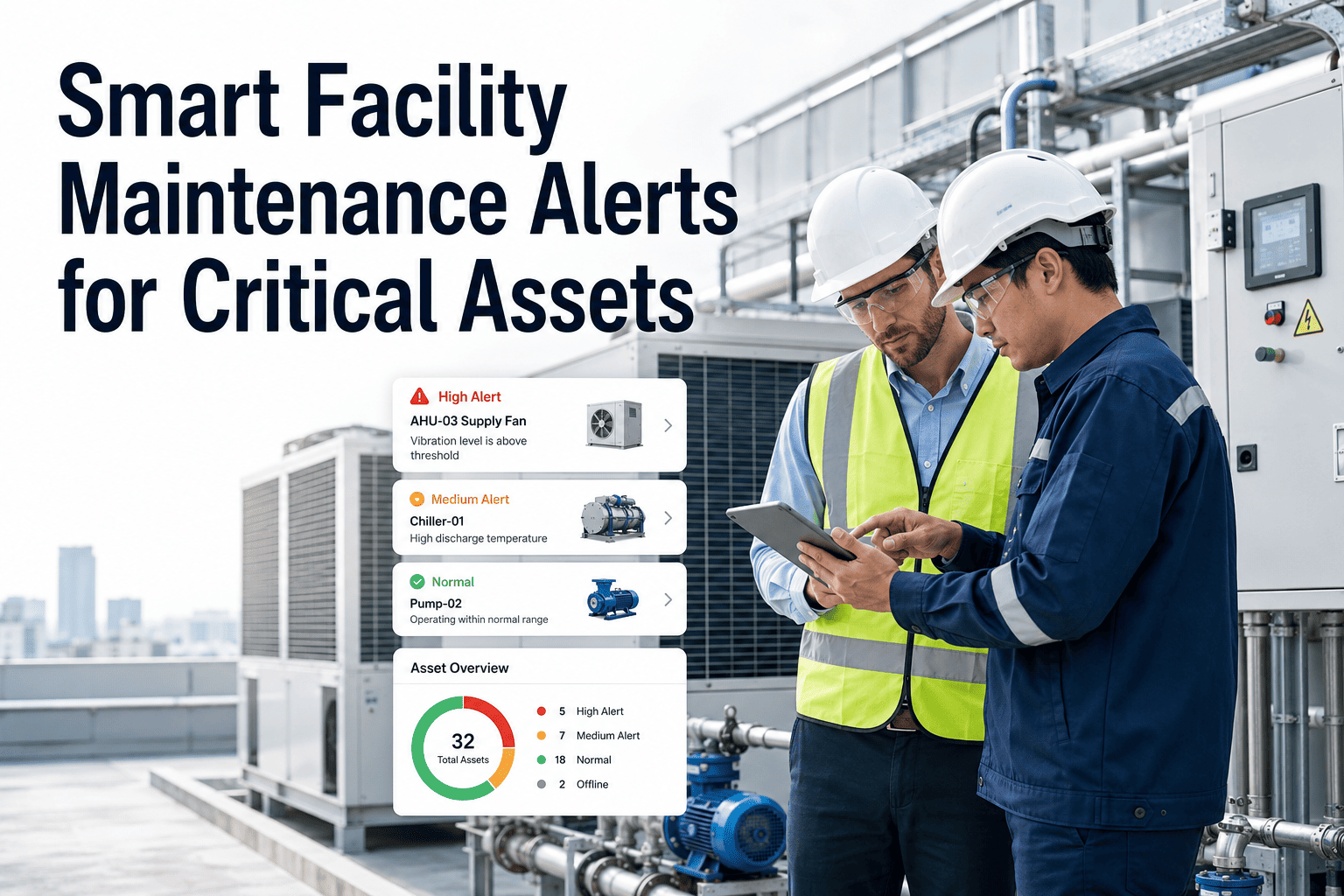
When a rooftop unit alarm and a flickering hallway light hit the work order queue on the same morning, most facility teams still default to whichever ticket arrived first. That default gets expensive fast. A blocked air handler drain pan can flood a ceiling and shut down a floor within hours, while a five-minute light fixture swap sits in front of it simply because it was logged earlier. Hospitals, campuses, and multi-site portfolios lose real safety margin and real budget every time work orders are worked in submission order instead of consequence order — chillers, elevators, air handling units, and emergency generators do not fail politely. This guide breaks down how facility teams classify critical equipment, score incoming requests against a defensible formula, and connect that scoring to a CMMS like OxMaint so the chiller compressor always outranks the light switch.
Facility Management / Critical Equipment Priority
Stop Letting Submission Order Decide What Gets Fixed First
A structured framework for ranking AHUs, chillers, elevators, and emergency generators so the highest-consequence failure always gets worked first — not just the one that was reported first.
8–10
Priority score auto-assigned to mission-critical Class A assets
4
Weighted criteria behind a defensible priority score
48 hrs
Typical compliance window that forces an emergency score
0
Missed compliance deadlines when priority scoring is automated
Criticality Classes
Not Every Asset Deserves the Same Response Time
The first step in any priority framework is separating equipment into classes before a single work order ever arrives. Classification happens once per asset, not once per ticket, so every future request already inherits a baseline urgency the moment it's logged against that asset.
8–10
Class A — Mission-Critical
Chillers, main switchgear, elevators, emergency generators, fire alarm panels
Failure immediately threatens occupant safety or forces full building closure.
5–7
Class B — Operationally Important
Air handling units, domestic hot water, lab ventilation, access control
Failure causes significant discomfort or degraded function, not closure.
1–4
Class C — General Condition
Light fixtures, blinds, landscape equipment, cosmetic repairs
Failure has no safety or operational impact — fills open capacity.
Automatic Priority Scoring
Let the CMMS rank the queue, not the loudest phone call
OxMaint scores every incoming work order against asset criticality, safety impact, and compliance deadlines the moment it's submitted — no manual triage required.
Scoring Formula
The Four Inputs Behind Every Priority Score
Asset class sets the floor, but the final priority number that sends a technician to the AHU instead of the break room comes from four weighted inputs evaluated together on every ticket.
8.0–10.0Emergency
6.0–7.9High · 24–48 hrs
4.0–5.9Medium · 1–2 wks
1.0–3.9Low · fills capacity
Asset Spotlight
Four Assets That Should Never Wait in the Queue
These four asset types account for the overwhelming majority of Class A tickets in commercial and institutional portfolios. Each one fails differently, which is exactly why a generic priority rule falls short.
Air Handling Units
A blocked condensate drain is the leading cause of AHU water damage, and an overflowing pan can soak ceiling tiles and electrical equipment within hours.
Monthly drain and filter inspection · Critical priority on drain findings
Chillers
A single chiller failure during peak cooling season can force emergency rental units and repair costs well into five figures — and a full building shutdown.
Monthly efficiency logging · Quarterly refrigerant and safety checks
Elevators
Door operator, sheave, and brake wear drive the large majority of elevator failures, and most show detectable warning signs weeks before a breakdown.
Daily operational check · Immediate escalation on unusual noise or travel
Emergency Generators
A generator that fails to start during an outage isn't a maintenance miss — it's a life safety event tied directly to fire code and code-required testing.
Weekly fuel and battery check · Monthly load test run
Portfolio-Wide Visibility
See every AHU, chiller, elevator, and generator ranked by risk
OxMaint's asset health scoring turns maintenance history, age, and inspection findings into a single ranked view across every building in your portfolio.
Workflow
From Submitted Ticket to Dispatched Technician
Removing priority selection from the requestor and handing it to the system changes the entire flow of a work order — here's what that looks like end to end.
1
Request submitted
The requestor describes the problem and the asset — no priority dropdown, no guessing.
2
Asset class applied
The CMMS pulls the pre-assigned criticality class tied to that specific asset record.
3
Score calculated
Safety, occupant impact, compliance, and cost of delay combine into one composite score.
4
Technician dispatched
The ticket lands in the queue ranked by consequence, not by submission timestamp.
5
Outcome logged
Response time against SLA, cost, and resolution are recorded for the next audit cycle.
Results
What Structured Priority Scoring Delivers
Facility teams that replace date-ordered queues with scored priority queues see the difference show up in three places: fewer emergencies, cleaner audits, and a defensible answer for why one ticket jumped ahead of another.
Zero
Missed compliance deadlines
Hard-constraint scheduling keeps regulatory deadlines from slipping through a busy queue.
Defensible
Sequencing decisions
Every ranking is backed by a documented score, not by who called the director first.
Fewer
Emergency escalations
Class A findings get worked before they cascade into unplanned downtime.
Faster
Audit preparation
Every scored ticket carries a timestamped record ready for AHJ or insurance review.
FAQ
Frequently Asked Questions
What makes an asset "Class A" critical?
Class A covers equipment whose failure immediately threatens safety or forces a building closure — chillers, main switchgear, elevators, generators, and fire alarm panels.
OxMaint lets you assign and adjust these classes per asset.
Can priority scoring be customized per building type?
Yes. A hospital weights medical gas and generators differently than an office weights elevators, so scoring weights and thresholds are configurable by asset class and site.
Book a demo to see this configured for your portfolio.
Does automated scoring replace human judgment?
No — it removes political influence from sequencing. Facility managers still set the criteria and weights; the system applies them consistently to every ticket without exception.
How does this reduce emergency repair costs?
Class A findings surface and get worked before they cascade into full failures, which is consistently cheaper than an emergency chiller or elevator callback.
Start a free trial to see live scoring on your assets.
What size portfolio is this framework built for?
It scales from a single building with a handful of critical assets to multi-site portfolios with thousands of work orders a month, since the scoring logic doesn't change with volume.
Ready to Rank Your Queue?
Put critical equipment first, every time, automatically
Set your asset classes once in OxMaint and every future work order gets scored, ranked, and routed without another manual triage meeting.