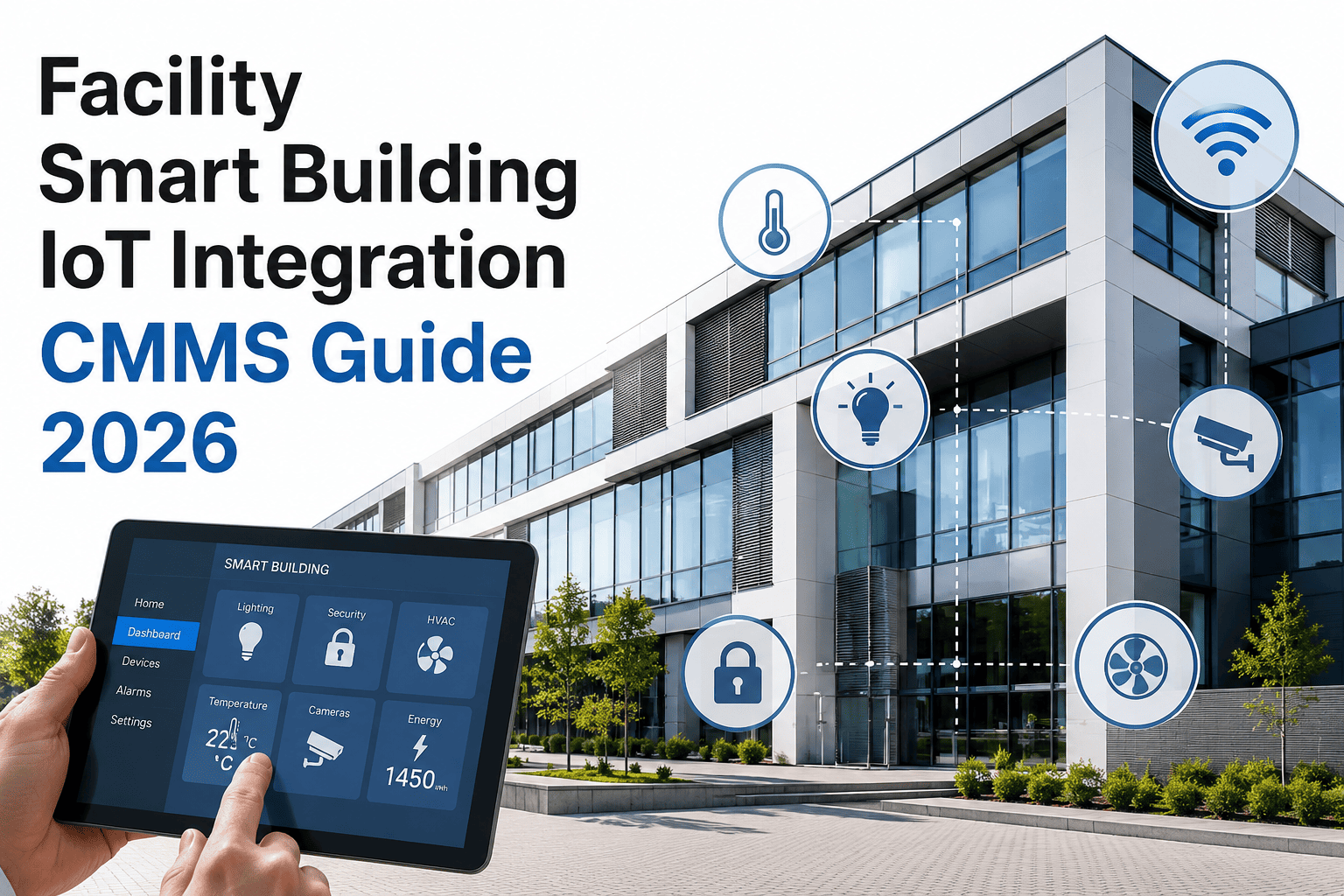
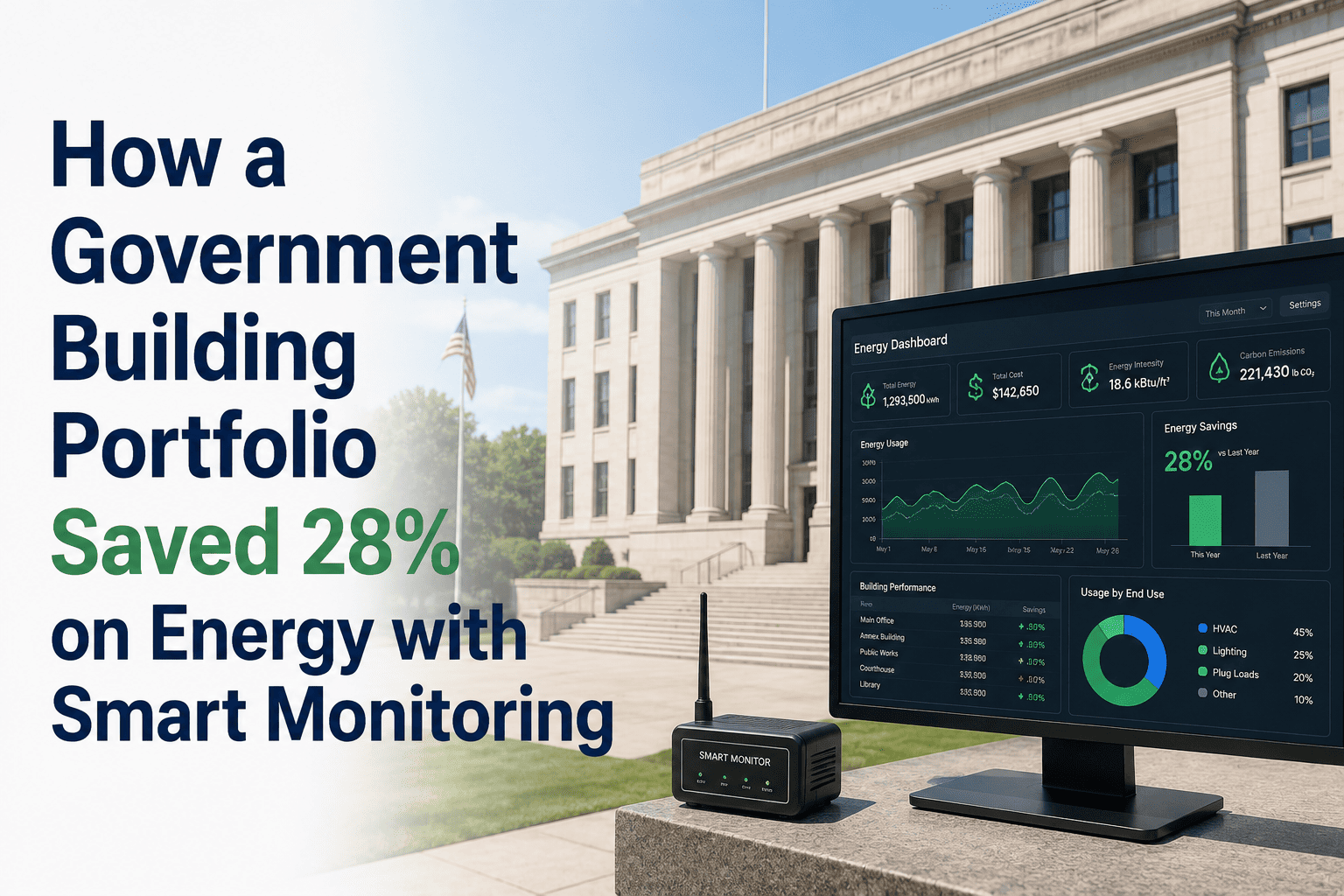
The facility management landscape has transformed dramatically as wireless sensor technology reaches new levels of sophistication in 2026. Building managers now have access to intelligent monitoring systems that predict equipment failures, optimize energy consumption, and create healthier indoor environments—all without manual inspections or reactive maintenance approaches. Schedule a consultation to discover how IoT sensors can revolutionize operations across your facility portfolio.
Why IoT Sensors Matter for Facility Management
Facility managers face escalating pressure from rising energy costs, strict sustainability mandates, and occupant expectations for responsive, comfortable buildings. Traditional walk-through inspections and scheduled maintenance cannot deliver the granular visibility required to optimize modern building operations effectively.
Essential IoT Sensor Categories for 2026
Modern facility management demands a comprehensive sensor ecosystem covering environmental conditions, equipment health, space utilization, and safety parameters. Each sensor category addresses specific optimization and compliance requirements within your building management strategy.
Temperature and Humidity
Monitor HVAC performance, prevent mold growth, and maintain occupant comfort with precision environmental tracking across all building zones.
Occupancy and Motion
Track space utilization patterns, optimize cleaning schedules, and automate lighting and HVAC systems based on real-time presence detection.
Indoor Air Quality
Measure CO2, VOCs, particulates, and contaminants to ensure healthy indoor environments and optimize ventilation system efficiency.
Water Leak Detection
Prevent costly water damage with early leak detection in mechanical rooms, bathrooms, kitchens, and hidden infrastructure areas.
Vibration and Equipment Health
Monitor HVAC systems, pumps, and motors for early fault detection. Predict failures weeks in advance to schedule proactive maintenance.
Energy and Power Monitoring
Track electricity consumption at circuit level to identify waste, optimize peak demand management, and support sustainability reporting.
Sensor Technology Specifications for 2026
Selecting the right sensors requires evaluating connectivity protocols, battery life, accuracy specifications, and integration capabilities. Modern sensor technology offers unprecedented options optimized for different facility types and deployment scenarios.
| Sensor Type | Connectivity | Battery Life | Best Applications |
|---|---|---|---|
| Temperature/Humidity | LoRaWAN, Wi-Fi, BLE | 5-10 years | HVAC optimization, storage monitoring, comfort control |
| Occupancy Sensors | Wi-Fi, LoRaWAN, Zigbee | 3-5 years | Space utilization, lighting control, cleaning schedules |
| IAQ Sensors | Wi-Fi, LoRaWAN | 2-4 years | Ventilation control, health compliance, CO2 monitoring |
| Water Leak Sensors | LoRaWAN, Wi-Fi | 5-8 years | Mechanical rooms, bathrooms, data centers |
| Vibration Sensors | Wi-Fi, Cellular, LoRaWAN | 2-5 years | HVAC equipment, pumps, motors, rotating machinery |
| Energy Monitors | Wi-Fi, Ethernet, Cellular | Powered | Circuit-level tracking, demand response, cost allocation |
Traditional vs. IoT-Enabled Operations
Understanding the operational difference between manual monitoring and sensor-powered intelligence reveals why smart buildings consistently outperform traditionally managed properties in cost efficiency and occupant satisfaction.
- Scheduled inspections miss developing issues
- Reactive maintenance after equipment fails
- Energy waste in unoccupied spaces
- Manual meter readings and spreadsheets
- No visibility into space utilization
- 24/7 continuous monitoring with instant alerts
- Predictive maintenance prevents failures
- Automated HVAC and lighting optimization
- Real-time dashboards and automated reports
- Data-driven space allocation decisions
Transform Facility Operations with IoT Intelligence
Oxmaint connects IoT sensors across your entire portfolio—centralizing environmental data, equipment health metrics, and maintenance workflows while each monitoring point delivers real-time operational intelligence.
Industry Applications by Building Type
Different building types have distinct sensor requirements based on occupancy patterns, compliance needs, and operational priorities. Understanding these differences ensures optimal sensor deployment and maximum return on investment.
| Building Type | Priority Sensors | Key Applications |
|---|---|---|
| Commercial Offices | Occupancy, IAQ, temperature | Space optimization, hybrid work support, energy management |
| Healthcare Facilities | Temperature, humidity, IAQ | Medication storage compliance, infection control, patient comfort |
| Retail Properties | People counters, energy, HVAC | Traffic analysis, display case monitoring, energy optimization |
| Industrial/Warehouse | Vibration, temperature, leak detection | Equipment health, cold chain compliance, safety monitoring |
| Educational Campuses | CO2, occupancy, water leak | Classroom air quality, space scheduling, infrastructure protection |
| Multi-Family Residential | Water leak, temperature, energy | Damage prevention, common area optimization, utility submetering |
ROI of IoT Sensor Deployments
IoT sensor investments deliver returns through multiple value streams including energy savings, reduced maintenance costs, prevented damage, and optimized space utilization. The financial impact compounds as sensor networks expand and analytics capabilities mature.
Sensor-to-Action Integration Workflow
The real power of IoT sensors emerges when data flows directly into maintenance management systems. This integration transforms raw sensor readings into automated work orders, predictive alerts, and actionable maintenance intelligence.
Continuous Monitoring
IoT sensors collect environmental data, equipment metrics, and space utilization around the clock. Wireless protocols transmit readings to edge gateways or cloud platforms.
Real-Time Analysis
AI-powered analytics compare current readings against baselines and historical patterns. Machine learning models detect anomalies and predict developing issues.
Automated Alerting
When sensors detect threshold violations or predictive models identify risks, the system triggers instant notifications via SMS, email, or push alerts.
CMMS Integration
Sensor alerts automatically generate work orders in your maintenance management system. Sign up for Oxmaint to centralize IoT data with maintenance workflows.
Implementation Roadmap
Successful IoT deployments require careful planning across sensor selection, network infrastructure, and organizational change management. A phased approach delivers quick wins while building toward comprehensive facility intelligence.
Assessment and Planning
- Facility audit and priority identification
- Network coverage evaluation
- Sensor selection and procurement
Pilot Deployment
- Gateway and sensor installation
- Platform configuration
- Alert threshold calibration
Integration Setup
- CMMS connection and testing
- Automated work order rules
- Dashboard customization
Scale and Optimize
- Expand to additional locations
- Add sensor types based on ROI
- Refine predictive models
Advanced sensing capabilities for temperature, humidity and noise will be adopted at a higher rate as building systems evolve into integrated ecosystems. Facility managers will further their evolution from operational overseers to strategic, data-driven decision-makers.— Industry Expert, Facilities Management Predictions 2026
Deploy Smart Sensors for Facility Excellence
Your manual inspections cannot detect a water leak behind a wall or predict an HVAC compressor failure three weeks in advance. Oxmaint helps you integrate IoT sensors that monitor every critical system, trigger automated maintenance workflows, and deliver the operational intelligence you need to optimize building performance and reduce costs.