A portfolio manager overseeing 14 commercial properties across three markets pulls his annual CapEx report. The number: $8.7 million. He cannot explain with confidence how $2.3 million of that was allocated. Two emergency chiller replacements at properties where maintenance records showed nothing unusual. A roof failure at a building that received its scheduled annual inspection 11 months prior. An electrical panel replacement triggered by a tenant complaint rather than any monitoring data. Every one of these capital events was preceded by equipment sending signals that nobody was reading. Asset condition scores were declining on systems that looked operational to everyone walking past them. AI asset management for commercial buildings exists to read those signals before they become capital events. Book a demo to see how Oxmaint tracks real-time asset condition across your full portfolio and converts that data into CapEx forecasts, not surprises. 73% of asset management executives say AI is critical to their organisation's future. 85% of institutional investors now expect AI tools to be standard in commercial real estate due diligence and asset management. Only 23% of commercial real estate companies are actively using AI tools today, while 83% of those that have adopted AI report real improvements in operational efficiency. The gap between those who act now and those who defer is widening every year.
Your Building Assets Are Telling You What They Need. Oxmaint AI Is the Only One Listening.
Oxmaint tracks real-time condition scores for every asset across your commercial portfolio, predicts failures before they become capital events, and generates rolling 5 to 10 year CapEx forecasts from live asset data rather than annual budget assumptions.
85%
Of institutional investors now expect AI tools to be standard in commercial real estate asset management and due diligence
40%
Equipment life extension achievable through condition-based AI servicing versus fixed-interval preventive maintenance schedules
25%
Repair cost reduction reported by early CRE AI adopters (McKinsey 2024) with maintenance downtime cut by nearly half
83%
Of CRE organisations that have adopted AI report real improvements in operational efficiency versus non-adopters
WHAT AI ASSET MANAGEMENT IS
AI Asset Management for Commercial Buildings: What It Actually Means in 2026
Asset management has always meant tracking what you own, maintaining it, and planning its replacement. AI asset management means doing all three with real data instead of assumptions. The difference is not cosmetic. It is the difference between discovering a failing chiller on a utility bill and catching it in the sensor data six weeks before the failure.
AI Asset Management — Defined
The application of machine learning, IoT sensor integration, and predictive analytics to the full lifecycle of commercial building assets — from acquisition and installation through maintenance, performance monitoring, remaining useful life estimation, and CapEx-driven replacement planning. In 2026, this capability is available as a cloud platform deploying in days, not months, without IT projects or specialist data teams.
01
Asset Registry
Full asset hierarchy: Portfolio, Property, System, Asset, Component. Every asset tracked with installation date, warranty, manufacturer data, and criticality rating.
→
02
Condition Monitoring
IoT sensors and BMS data feed real-time condition scores per asset. AI detects degradation 30 to 90 days before traditional inspection methods.
→
03
Predictive Maintenance
Condition-triggered work orders replace fixed calendar PMs. Service happens when data demands it, not when the calendar says so. 30% fewer unnecessary PM tasks.
→
04
CapEx Forecasting
Remaining useful life estimates per asset feed rolling 5 to 10 year CapEx models. Capital planning based on data, not age assumptions or reactive replacement history.
THE 6 AI ASSET MANAGEMENT CAPABILITIES
What AI Does Across the Commercial Building Asset Lifecycle
These six capabilities represent the full AI asset management stack. Each one eliminates a specific gap in traditional asset management that generates unnecessary cost, deferred decisions, or capital surprises.
Track
Real-Time Asset Condition Scoring
Every monitored asset carries a condition score updated continuously from IoT sensor readings, maintenance history, and inspection findings. A chiller dropping from 91 to 64 over three weeks is immediately visible to the asset manager without manual analysis. Asset condition scores update automatically when sensor data deviates from baseline.
Predict
Failure Prediction 30 to 90 Days Early
Machine learning models trained on thousands of failure datasets detect anomaly signatures in vibration, temperature, current, and pressure data well before traditional inspection methods. A bearing developing an outer race defect is detectable 6 to 8 weeks before failure. Catching it early converts a 25,000 dollar emergency replacement into a 2,000 dollar planned repair.
Schedule
Condition-Based Maintenance Scheduling
AI triggers maintenance based on actual asset condition rather than calendar intervals. IBM research confirms 30% of fixed-schedule preventive maintenance tasks are unnecessary. Condition-based scheduling eliminates unnecessary service while catching overworked assets before they fail. Service happens at the optimal moment, not the scheduled one.
Forecast
Rolling CapEx Models From Live Data
Remaining useful life estimates per asset feed rolling 5 to 10 year CapEx forecasting models automatically. Directors and investors see which assets approach end of life this year versus next, and what planned replacement costs look like at portfolio scale. Capital planning decisions based on condition data, not annual budget assumptions.
Report
Investor-Grade Portfolio Reporting
Asset condition scores, maintenance performance, energy efficiency trends, and CapEx forecasts across the full portfolio in a single dashboard. Portfolio-level reporting gives investors and ownership groups the real-time asset intelligence that institutional capital expects. 85% of institutional investors expect AI tools as standard in CRE asset management.
Benchmark
Cross-Property Performance Benchmarking
AI surfaces which buildings, systems, and assets perform above or below portfolio norms on condition score, maintenance cost, energy consumption, and reactive-to-planned ratio. The gap between a property running at 180 dollars cost-per-asset-per-month and one running at 340 is visible instantly. Benchmarking converts portfolio-wide data into specific improvement actions.
WHAT TRADITIONAL ASSET MANAGEMENT MISSES
Four Ways Traditional Asset Management Creates Capital Surprises
Problem 01
Age-Based Replacement Decisions Without Condition Data
Replacing a 15-year-old chiller that condition data shows has 6 useful years remaining wastes capital. Deferring replacement on a 12-year-old unit that condition data shows is already in accelerated degradation generates a much larger emergency replacement cost. Traditional asset management uses age as the primary replacement signal. AI uses actual condition data.
Problem 02
Siloed Records Across Properties With No Portfolio View
When each property manages its own spreadsheets, inspection logs, and maintenance records, portfolio-level patterns are invisible. A recurring HVAC failure mode affecting five properties across the portfolio is undetectable if records live in five separate systems. Only 28% of CRE organisations have embedded AI into day-to-day operations. The rest are managing siloed data with no portfolio intelligence.
Problem 03
CapEx Plans Built on Assumptions Rather Than Asset Data
Annual CapEx budgets built on asset age, category life expectancies, and reactive replacement history consistently underestimate near-term capital needs and overestimate long-term needs. The result is emergency capital requests that bypass approval processes and undermine portfolio financial planning. Rolling CapEx forecasting from live condition data replaces the cycle of surprise capital events with a managed, visible investment calendar.
Problem 04
No Visibility Into Total Cost of Ownership Per Asset
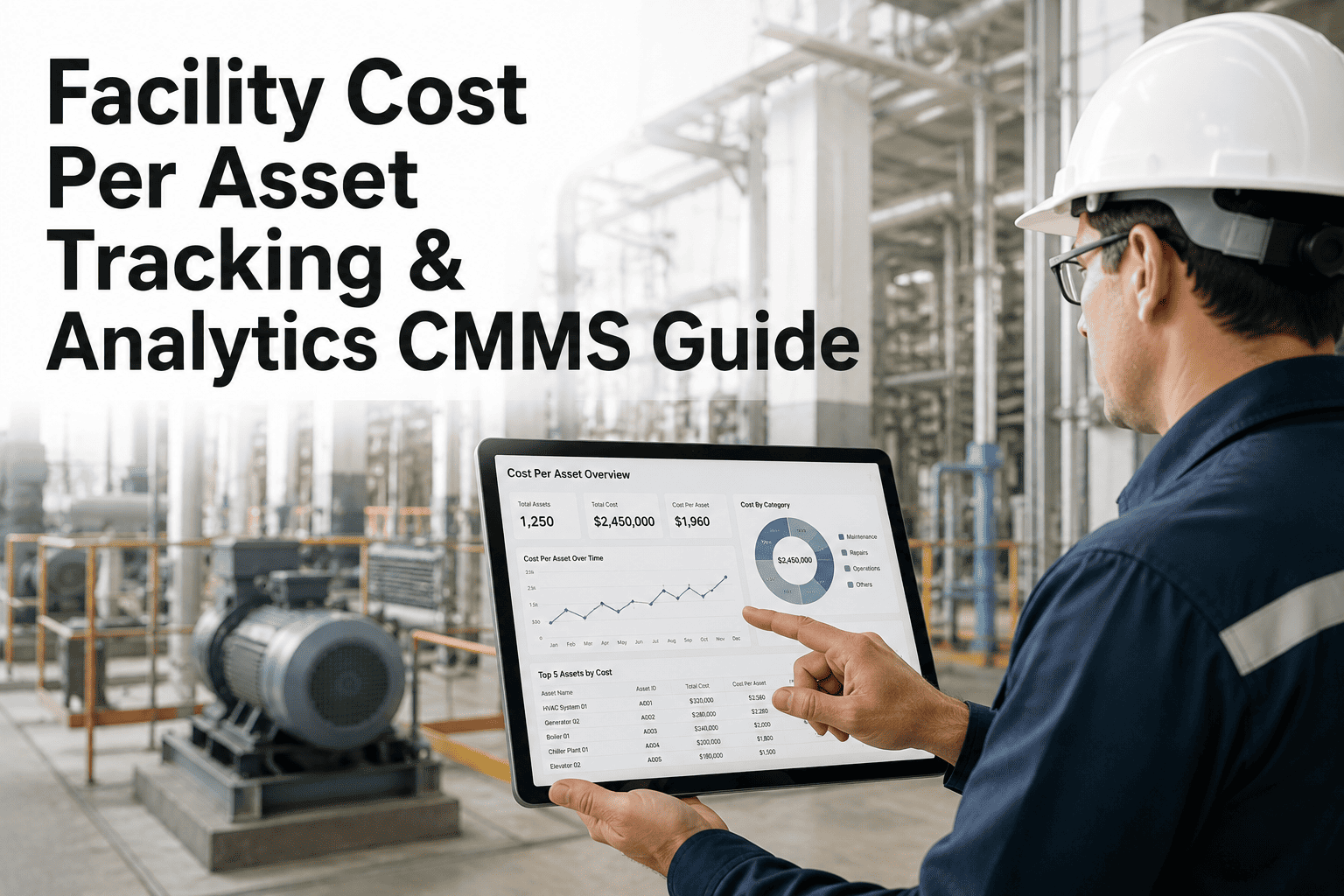
Without asset-level cost tracking in a CMMS, total cost of ownership calculations are impossible. The repair-versus-replace decision on a high-maintenance asset gets made on accumulated frustration rather than data. AI asset management accumulates the cost-per-asset history, energy consumption data, and failure frequency that make TCO calculations precise and repair-versus-replace decisions defensible to ownership groups and investors.
HOW OXMAINT DELIVERS AI ASSET MANAGEMENT
Oxmaint AI Asset Management: Full Lifecycle Visibility From Day One
Oxmaint connects the asset registry, condition monitoring, maintenance scheduling, and CapEx forecasting layers into a single platform. Every asset record is live. Every maintenance event updates the condition score. Every condition score feeds the CapEx model. The result is a portfolio asset management system that thinks forward, not backward.
Full Asset Hierarchy Registry
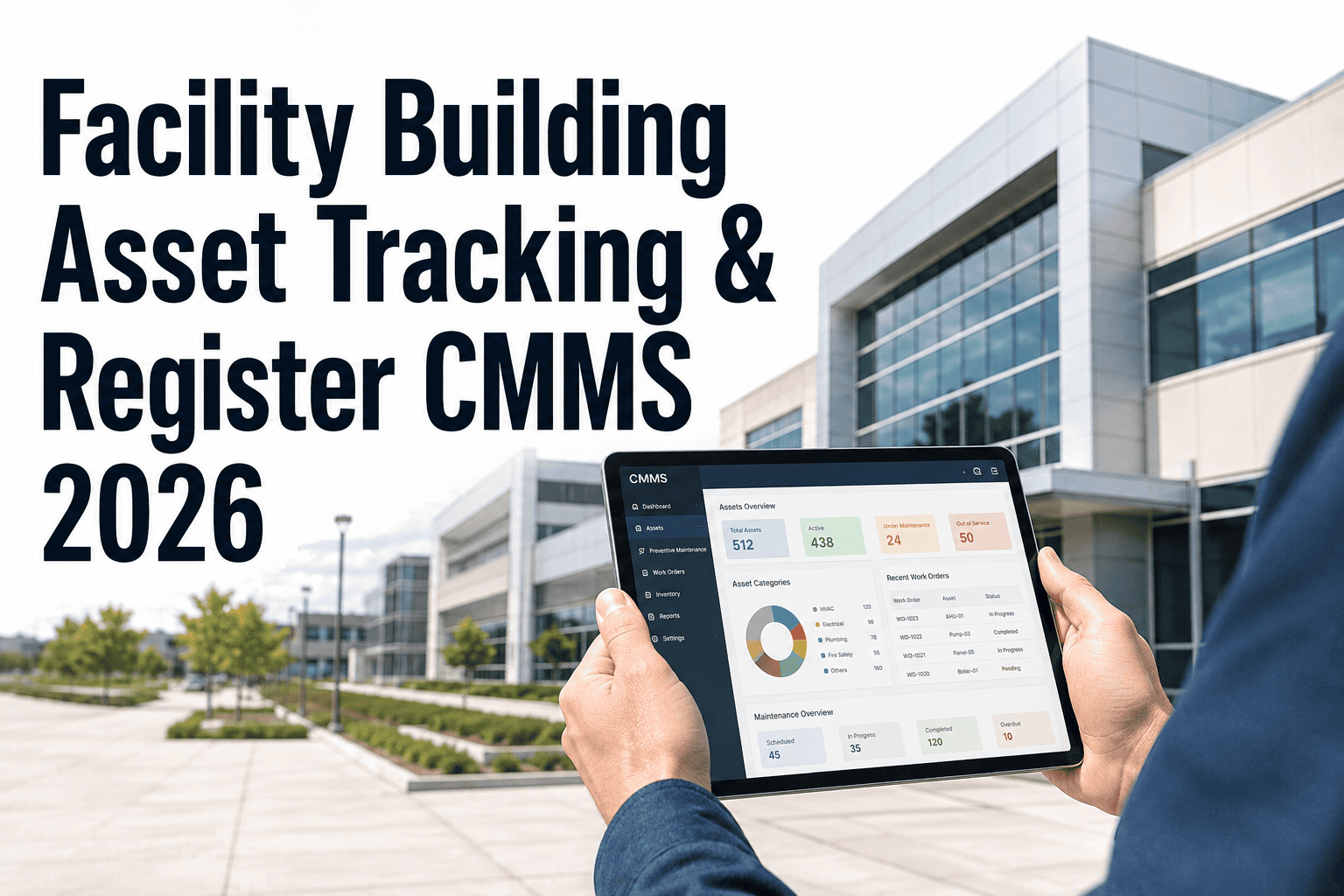
Portfolio, Property, System, Asset, Component. Every asset registered with manufacturer data, installation date, warranty status, criticality rating, and maintenance history. The registry is the foundation that makes every other AI capability accurate. Asset data enters once and becomes the single source of truth across all maintenance, inspection, and CapEx workflows.
IoT and BMS Integration
Oxmaint connects to IoT sensors, BMS platforms, PLCs, and SCADA systems via OPC UA, BACnet, MQTT, and REST API without middleware. Sensor data flows directly into the asset condition score and AI analytics layer. Real-time condition monitoring activates within the first week of sensor connection, with no IT integration project required.
AI Condition Scoring Per Asset
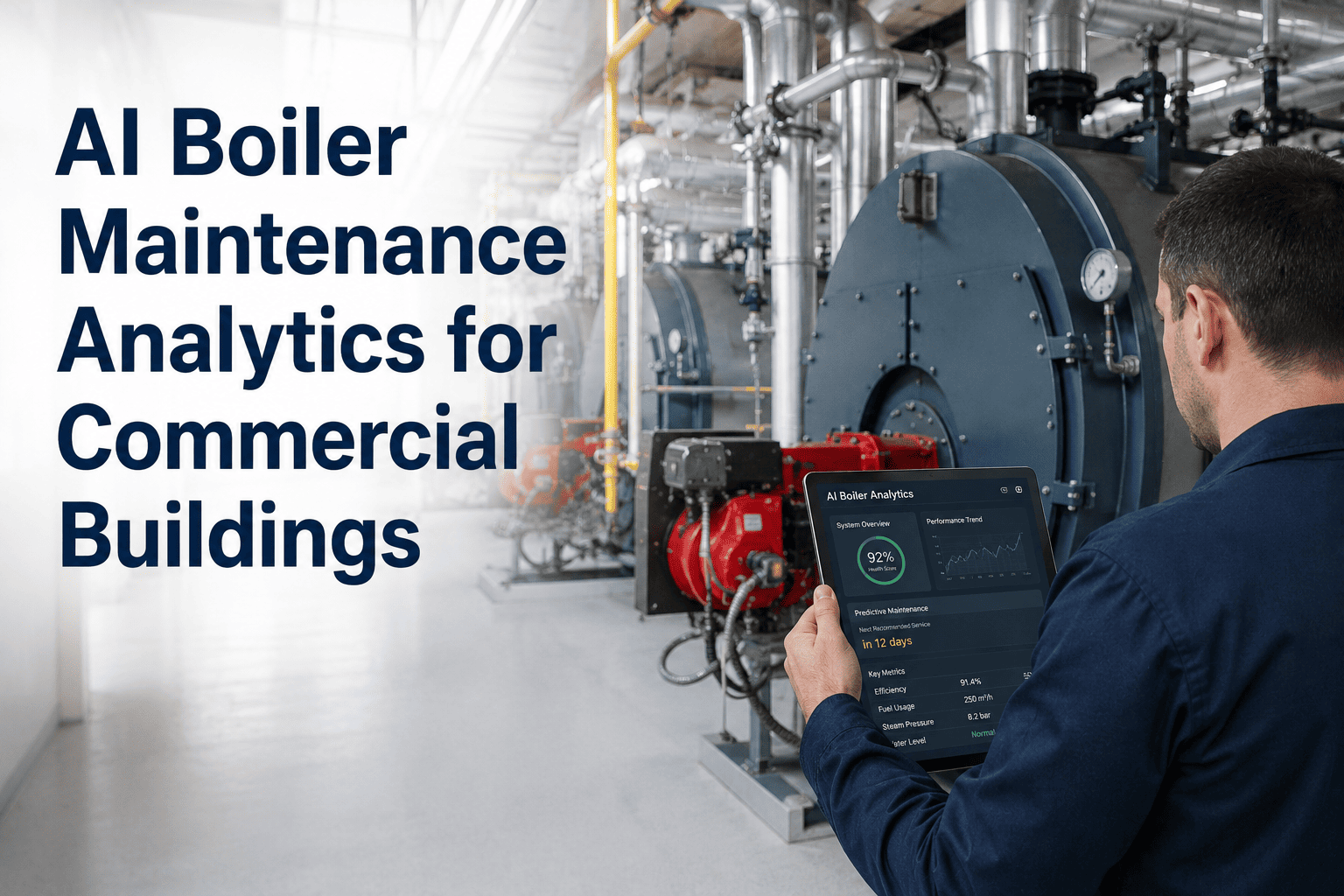
Every monitored asset carries a real-time condition score updated from sensor data, work order history, and inspection findings. A condition score declining faster than expected generates an alert before the asset fails visibly. Maintenance managers see which assets need attention before tenants or operators notice any performance degradation.
Rolling 5 to 10 Year CapEx Forecasting
Oxmaint generates CapEx forecasts automatically from live condition scores and remaining useful life estimates per asset. Directors and investors see which assets approach end of life this year versus next, and what planned replacement costs look like across the full portfolio. Annual budget arguments replaced by a data-driven investment calendar updated in real time.
Portfolio Dashboard for Ownership Groups
Oxmaint consolidates asset condition scores, maintenance performance, energy efficiency trends, and CapEx forecasts across all properties in a single real-time portfolio dashboard. Asset managers and investors see the full portfolio picture without logging into separate systems per property. Cross-property benchmarking surfaces underperforming assets for targeted capital attention.
Mobile-First for On-Site Teams
Every Oxmaint asset management workflow is designed for the facility manager and technician on the building floor. Digital inspections, work order completion, condition observations, and parts records all happen on mobile with offline capability. The data that feeds the AI asset model is captured at the point of work, not re-entered hours later from memory.
BEFORE VS. AFTER
Traditional vs. AI Asset Management: What Changes When You Deploy Oxmaint
Asset Management in Commercial Buildings: Without AI vs. With Oxmaint
DOCUMENTED OUTCOMES
What AI Asset Management Delivers in Commercial Buildings: Real Numbers
40%
Asset Life Extension
Condition-based AI servicing extends commercial building equipment life by up to 40%. For a 250,000 dollar chiller, a 40% lifespan extension represents 100,000 dollars in deferred capital replacement cost at the asset level alone.
25%
Repair Cost Reduction
McKinsey 2024: CRE early adopters of AI asset management report repair cost reductions of up to 25% with maintenance downtime cut by nearly half. Driven by condition-triggered scheduling and early failure detection replacing reactive repair.
83%
Operational Improvement
83% of CRE organisations that have adopted AI report real improvements in operational efficiency. The 23% that are actively using AI tools today are building a competitive gap over the 55% still planning their adoption approach.
60 days
Time to ROI
Facilities deploying Oxmaint across commercial building portfolios typically document measurable asset cost and downtime reduction within 60 days. First prevented capital event typically covers multiple months of platform cost.
FREQUENTLY ASKED QUESTIONS
AI Asset Management for Commercial Buildings — What Portfolio Teams Ask Most
How does Oxmaint AI asset management differ from a standard CMMS or EAM platform?
Standard CMMS platforms manage work orders and PM schedules. EAM platforms add formal financial asset accounting. Oxmaint delivers the maintenance execution depth of a CMMS with the asset lifecycle intelligence that previously required EAM implementation. The differentiators that matter for commercial building asset management: real-time condition scoring per asset from IoT and BMS data, rolling CapEx forecasting from live condition data rather than age assumptions, and investor-grade portfolio reporting built in from day one. The traditional EAM vs CMMS distinction has narrowed significantly in 2026. Modern CMMS platforms like Oxmaint now cover the capability gap at CMMS deployment speed and cost.
Sign up free to explore the full asset management capability, or
book a demo to compare Oxmaint directly against your current platform.
How does AI asset management generate CapEx forecasts that investors and ownership groups can trust?
Oxmaint CapEx forecasting is generated from three data layers: real-time asset condition scores from IoT and BMS monitoring, maintenance cost history per asset accumulated from closed work orders, and remaining useful life estimates calculated from condition degradation rates specific to each asset type and operating environment. The result is a rolling 5 to 10 year CapEx forecast that updates automatically as condition data changes, rather than a static annual estimate built from age tables and assumptions. Investors and ownership groups can see which assets approach end of life this year versus next, what planned replacement costs look like at portfolio scale, and how deferred maintenance decisions affect the forecast timeline. This is the investor-grade asset intelligence that 85% of institutional investors now expect as standard in CRE asset management.
Can Oxmaint manage AI asset management across a mixed commercial portfolio with different property types?
Yes. Oxmaint manages the full asset hierarchy across all property types from a single instance. Portfolio, Property, System, Asset, Component. Office towers, retail centres, industrial facilities, and mixed-use assets each get their own asset registry, sensor configuration, and maintenance workflows, while the portfolio dashboard consolidates condition scores, maintenance performance, and CapEx forecasts across all property types regardless of asset mix. Cross-property benchmarking surfaces which facilities perform above or below portfolio norms. Each property operates independently within its own permission and workflow structure while contributing to the consolidated portfolio intelligence layer. Multi-site consolidation from disconnected systems typically completes in 4 to 8 weeks.
Book a demo to plan your portfolio rollout, or
start free and connect your first property today.
What data does Oxmaint need to begin generating useful AI asset management insights?
Oxmaint begins generating useful asset management insights from day one with asset records and work order history alone, before any IoT sensors are connected. Existing maintenance data imports via CSV or direct API from spreadsheets, existing CMMS platforms, or ERP systems. PM compliance trending, cost-per-asset tracking, reactive-to-planned ratio analysis, and maintenance history visualisation are all available from day one. IoT and BMS sensor integration adds the predictive condition monitoring layer, detecting asset degradation 30 to 90 days before failure. Most deployments activate IoT connections on highest-criticality assets in the first week and expand coverage as ROI is confirmed. There is no minimum data requirement to begin, and no IoT hardware requirement to start generating value.
85% of Institutional Investors Now Expect AI Asset Management as Standard. Does Your Portfolio Deliver It?
Oxmaint delivers the full AI asset management stack for commercial buildings without EAM implementation timelines or enterprise pricing. Real-time condition scoring, predictive failure detection, rolling CapEx forecasting, and investor-grade portfolio reporting. Deploy in days. Document ROI in 60 days.



.jpeg)