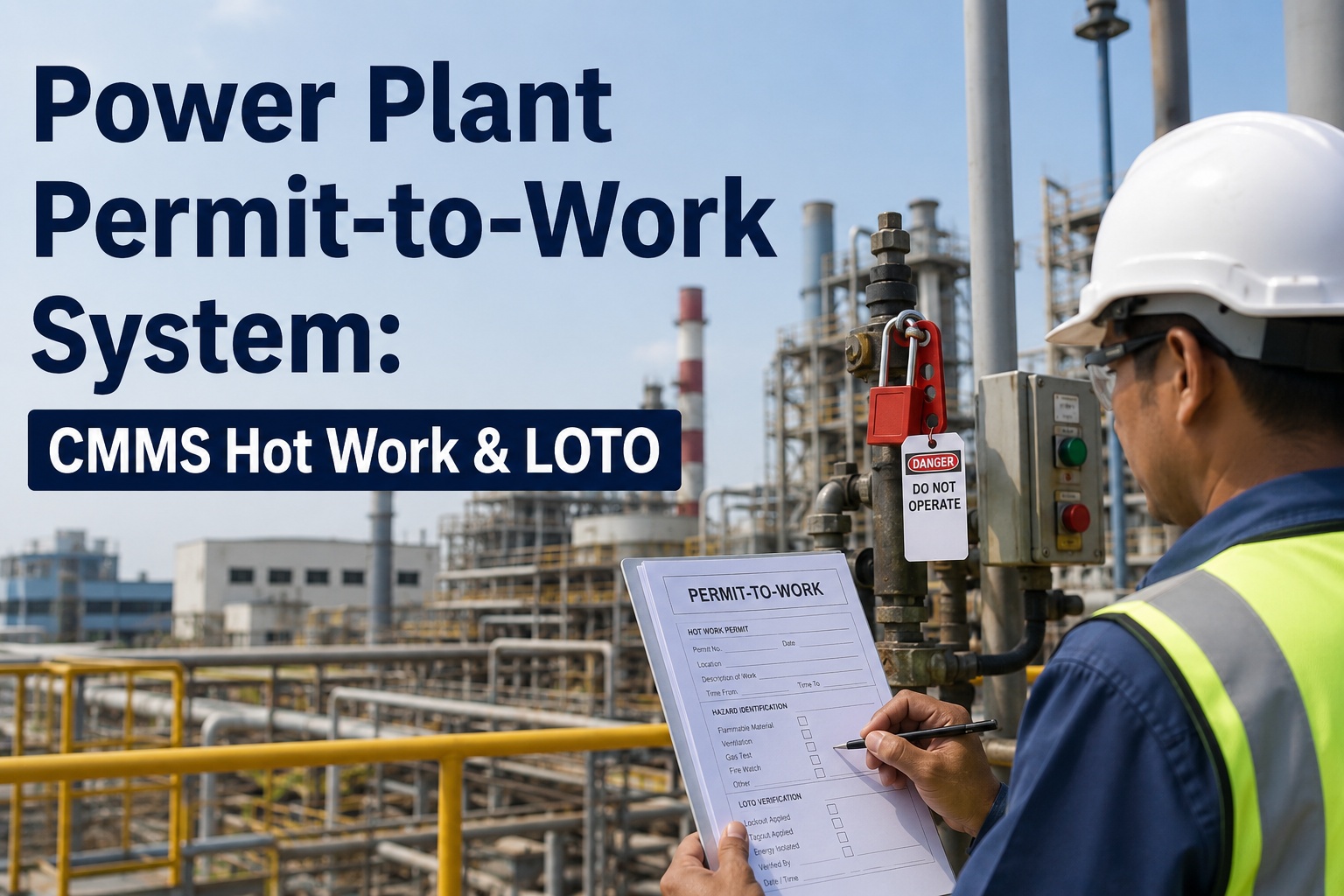
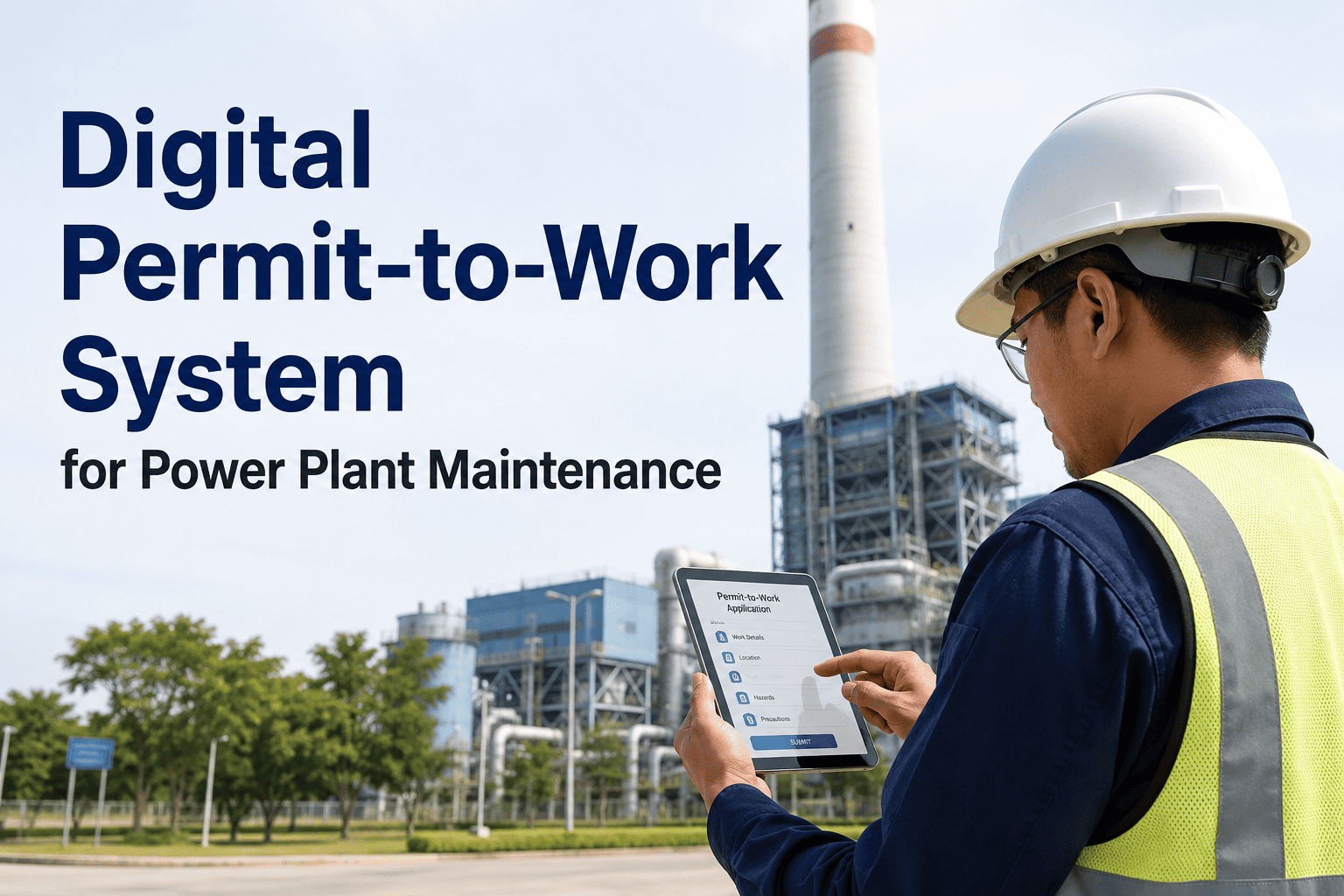
On July 6, 1988, Occidental Petroleum's Piper Alpha platform was destroyed by an explosion that killed 167 workers — the deadliest offshore industrial disaster in history. The root cause was not equipment failure. It was a permit-to-work communication breakdown: a shift reinstated a system left partially disassembled by the previous crew, because permit state was never properly communicated at handover. Thirty-seven years later, shows that PTW system failures remain the root cause in nearly 7% of all major process safety accidents — and that percentage has not improved in 25 years. The pattern is always the same: paper permits that skip steps, incomplete hazard identification, simultaneous operations that conflict with each other, and shift handovers where permit state gets lost. Sign up free on OxMaint and replace paper permit workflows with a digital PTW system that enforces every step, tracks every active permit, and eliminates the communication gaps that turn maintenance tasks into fatality investigations.
PTW Failures Have Not Improved in 25 Years. Paper Is the Problem.
A 25-year study of 600+ process safety accidents found PTW system failures as a root cause in 6.98% of cases — and every single one involved poor hazard communication or missing safe work procedures inside the permit itself. Digital PTW systems close both gaps automatically.
The Five High-Risk Permit Types Every Thermal Plant Must Digitize
Thermal power plants issue permits across five distinct high-risk work categories — each governed by its own OSHA standard, each with different preconditions, hazard controls, and documentation requirements. Managing all five on paper simultaneously across multiple crews and shifts is where the communication breakdowns happen. Talk to an OxMaint specialist about which permit types are generating the most risk at your facility today.
Why Paper Permits Keep Failing — The Same Six Ways
Every major PTW-related incident investigation reaches the same conclusions. The failure modes are not random — they are structural weaknesses of paper-based systems that repeat across industries, continents, and decades. Digital PTW closes each one by design, not by hoping workers follow instructions correctly every time.
Every Paper Permit Is a Liability Waiting to Be Discovered
OxMaint's digital PTW platform enforces every precondition, flags every SIMOPS conflict, requires training verification before authorization, and generates a complete audit trail the moment any permit is issued. Replace the clipboard with a system that works whether your best safety officer is on shift or not.
OSHA & Regulatory Compliance: What Each Permit Type Must Document
A permit-to-work is only as defensible as the documentation it produces. OSHA inspectors and incident investigators look for specific records within each permit type — and the absence of any one element creates a compliance exposure even if the work itself was performed safely.
| Permit Type | OSHA Standard | Minimum Documentation Required | Retention Period | OxMaint Feature |
|---|---|---|---|---|
| Hot Work | 29 CFR 1910.252(a) | Area inspection record, fire watch log, combustible clearance, post-work monitoring duration | Duration of work + 1 year | Digital area check, fire watch timer, auto-archived on closure |
| Electrical Isolation | 29 CFR 1910.147 + NFPA 70E | Written LOTO procedure, energy isolation sequence log, lock application record, voltage absence verification | Duration of employment + 3 years | Equipment-linked isolation sequence, digital lock log, NFPA 70E PPE display |
| Confined Space Entry | 29 CFR 1910.146(e) | Signed entry permit, atmospheric test results, entrant/attendant names, rescue plan, entry/exit log — kept 1 year minimum | 1 year minimum | Mandatory test result fields, attendant designation, GPS-tagged entry log |
| Working at Height | 29 CFR 1910.28 / 1926.502 | Fall protection plan, anchor point inspection, harness inspection record, exclusion zone log | Duration of work | Equipment inspection checklist, exclusion zone map attachment, weather condition capture |
| Excavation | 29 CFR 1926.651–652 | Competent person inspection record daily, underground service clearance, soil classification documentation | Duration of project | Daily competent person check workflow, utility clearance required field, soil class selector |
Frequently Asked Questions
Simultaneous operations conflicts are one of the most dangerous and least-managed risks in power plant maintenance — two work crews operating in adjacent or overlapping areas under permits that were issued independently, without any cross-check for incompatibility. OxMaint addresses this at the permit issuance stage. When a new permit is requested, the system checks the location, work type, and active permit register simultaneously. If the requested work zone overlaps with a zone that has an active conflicting permit — for example, a hot work permit request in a zone where a confined space entry is already authorized — the system flags the conflict before the permit can be issued and routes it to the area authority for review. The live permit dashboard shows every active permit across the entire plant on a single view, giving safety supervisors the situational awareness to identify conflicts that would be completely invisible in a paper system where permits exist as individual documents in separate binders.
Shift handover is one of the most critical and most failure-prone moments in any permit-to-work system. The Piper Alpha disaster is the most documented example of what happens when permit state is not transferred correctly between shifts. OxMaint structures shift handover as a formal workflow step, not an informal communication. When a shift ends, the system generates a handover package for each open permit — showing current permit status, work progress, isolation state, any conditions that changed during the shift, and actions required by the incoming crew. The incoming supervisor must formally acknowledge receipt of each open permit before the outgoing shift is released. Permits that have not been formally handed over generate an escalating alert to facility management. This structured process replaces the verbal briefing or physical logbook that creates gaps in permit state transfer in paper-based systems.
OxMaint links permit authorization directly to worker training records for each permit type and work category. When a permit authorizer attempts to issue a confined space entry permit, the system checks whether each designated entrant and attendant has a current, valid training record for 29 CFR 1910.146 confined space operations — including site-specific training if required. If any worker's training is expired or missing for the specific permit type being issued, the system blocks authorization and notifies the permit issuer and the worker's supervisor with the specific training gap and expiration date. This applies across all permit types: hot work, electrical isolation, working at height, and excavation. The training gate cannot be overridden by the permit requester — only a qualified training administrator can update training records. This directly addresses the finding that 80% of LOTO injuries involve workers who had not received proper site-specific training for the equipment they were working on.
Every action in OxMaint's permit workflow is recorded with an immutable timestamp, the identity of the user who took the action, the device used, and the GPS location at the time of authorization for mobile actions. This audit trail cannot be edited, deleted, or backdated — the system records the actual time of each action, not a time entered by the user. This is directly relevant to one of the most serious PTW failure modes: backdating. In 2019, five people were imprisoned in Singapore after a fatal accident because they backdated a permit that was never issued before excavation began. An OxMaint digital permit cannot be backdated because the timestamp is generated server-side at the moment the action occurs, not entered as a text field. Permit issuance, each precondition confirmation, authorization sign-off, and permit closure all carry this tamper-proof timestamping — producing an evidence trail that holds up to criminal investigation, regulatory enforcement, and civil litigation.
OSHA inspectors typically request completed permits for the past 12 months, training records for workers who performed permitted work, and evidence that permit preconditions were verified before work began — not just that a permit was issued. OxMaint generates filtered permit archives by permit type, date range, work location, issuing authority, or worker in under two minutes. Each permit in the archive includes its complete audit trail: who requested it, who authorized it, every precondition checked and when, who performed the work, and how and when the permit was closed. For electrical isolation permits, the LOTO procedure followed is embedded in the record. For confined space permits, the atmospheric test results are embedded as required fields. For hot work permits, the fire watch completion record is attached at closure. This is the complete documentation package that OSHA inspectors request — assembled automatically, not manually compiled from paper files over several hours with gaps that create apparent violations.
A Paper Permit Could Not Have Saved 167 Lives on Piper Alpha. A Digital System Could Have.
PTW failures have not improved in 25 years because the problem is the medium, not the people. OxMaint's digital permit-to-work platform enforces every precondition, flags every SIMOPS conflict, structures every shift handover, verifies every worker's training, and generates every audit document your team needs — automatically. Stop issuing paper promises. Issue permits that actually protect workers.