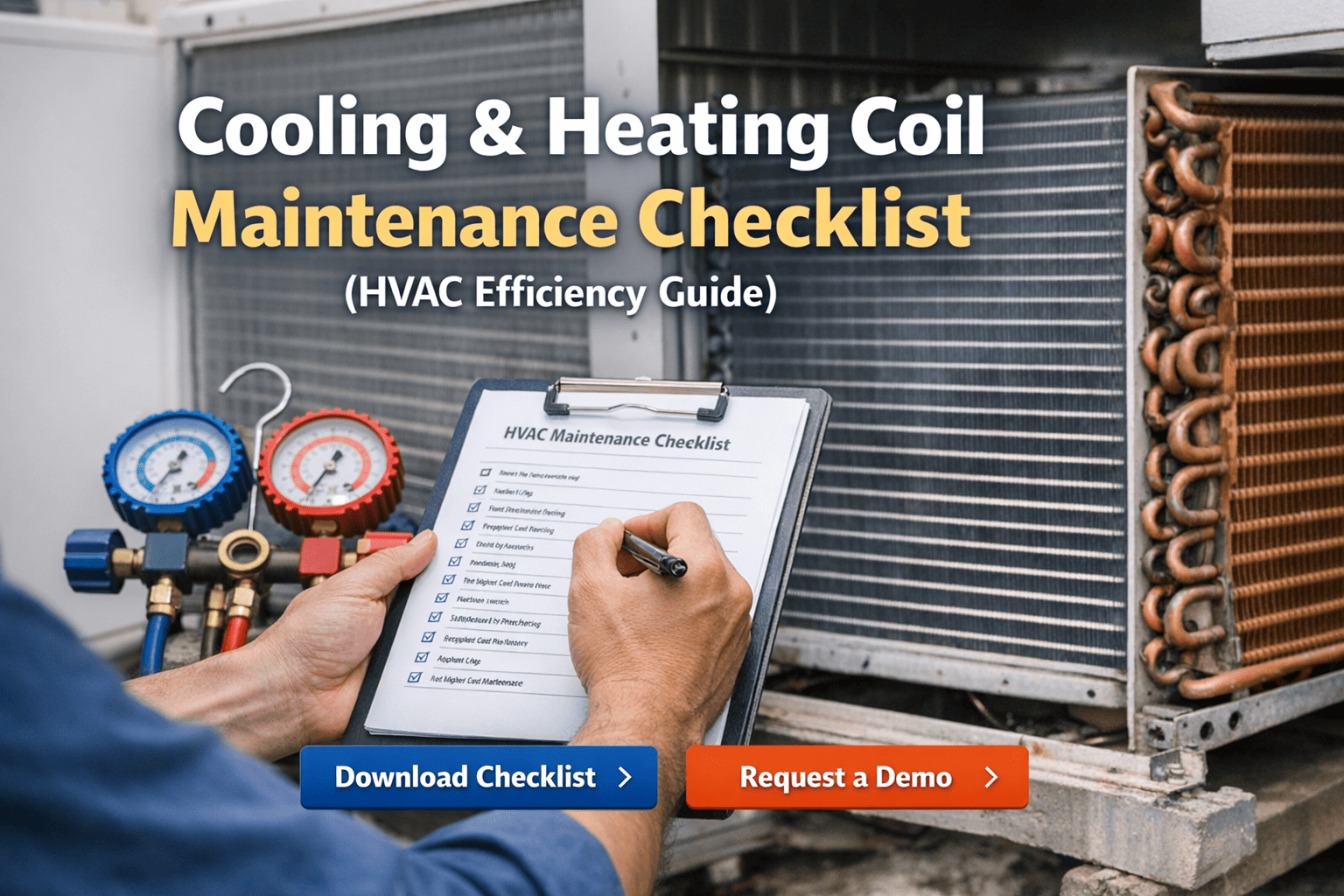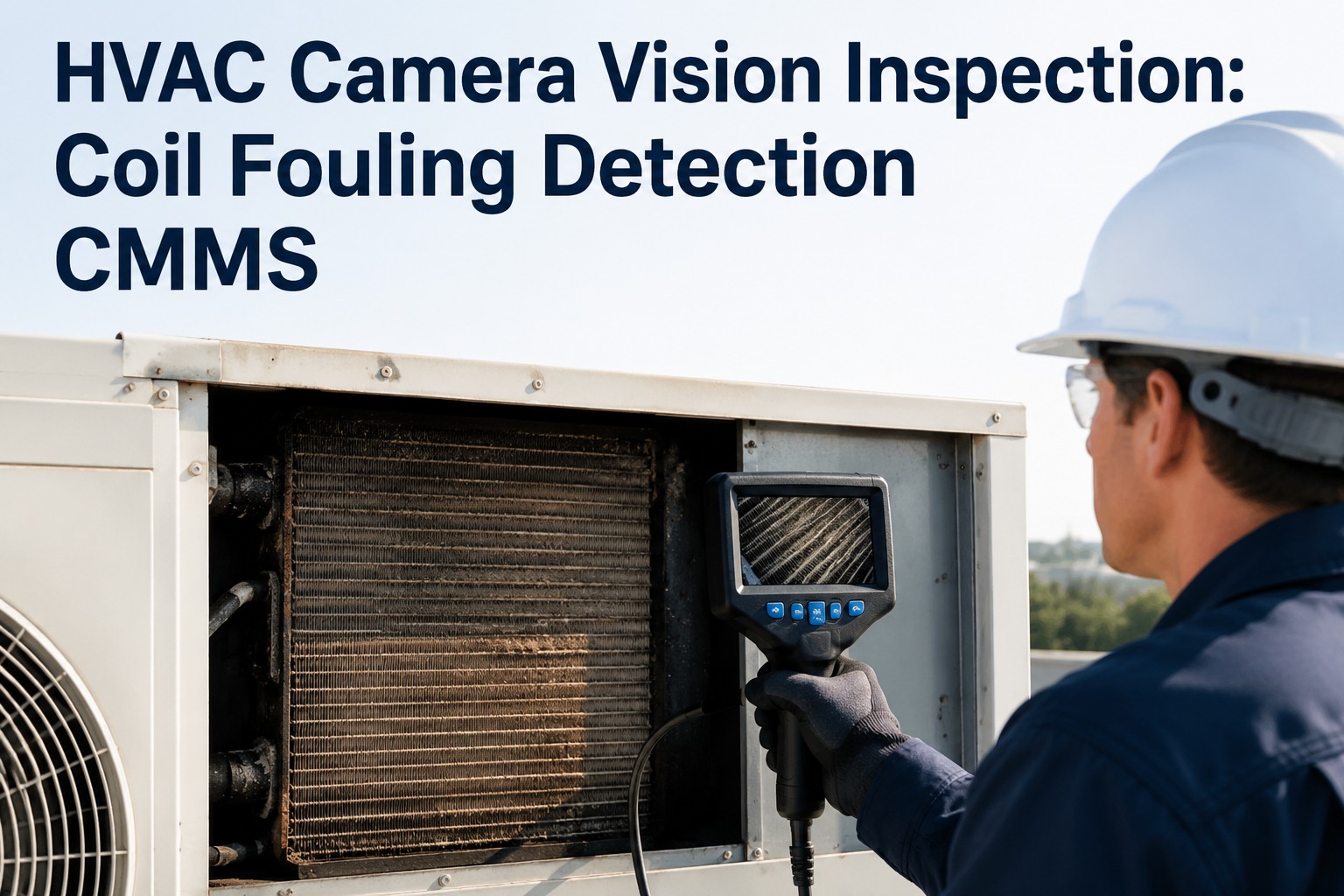
HVAC camera inspection and vision-based condition assessment are transforming how maintenance teams detect coil fouling, biological growth in cooling tower fill, and AHU surface degradation before they trigger energy waste or unplanned downtime. By combining high-resolution coil surface imaging with a camera inspection CMMS, reliability teams can move from reactive cleaning schedules to quantified, predictive cleaning triggers based on actual equipment condition. This guide covers the components of a modern HVAC visual inspection program — from image capture to automated fouling-detection workflows inside a CMMS — and shows how OxMaint turns those images into prioritized, compliant work orders. If you want to put it into practice immediately, you can Start Free Trial and connect your first assets today.
HVAC VISION GUIDE
Can your CMMS actually see coil fouling before it costs you?
Camera and vision inspection for HVAC systems — AHU coil surface imaging, cooling tower fill biological growth detection, and quantified condition assessment — stops the silent efficiency bleed that adds 25–40% to fan energy bills and drives unplanned compressor failures. OxMaint turns every image into a prioritized, traceable work order.
THE HIDDEN COST
Why HVAC fouling detection cameras matter now
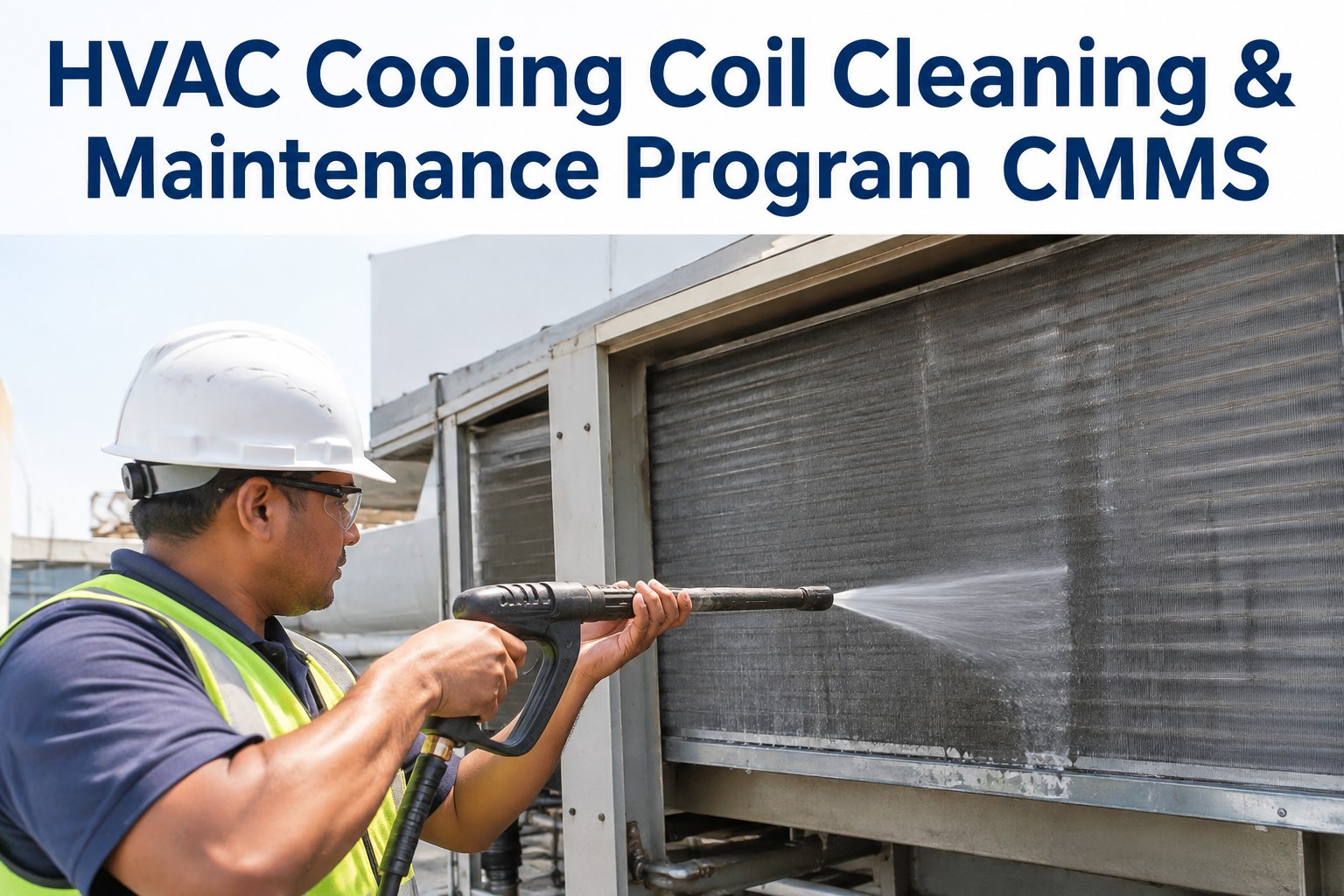
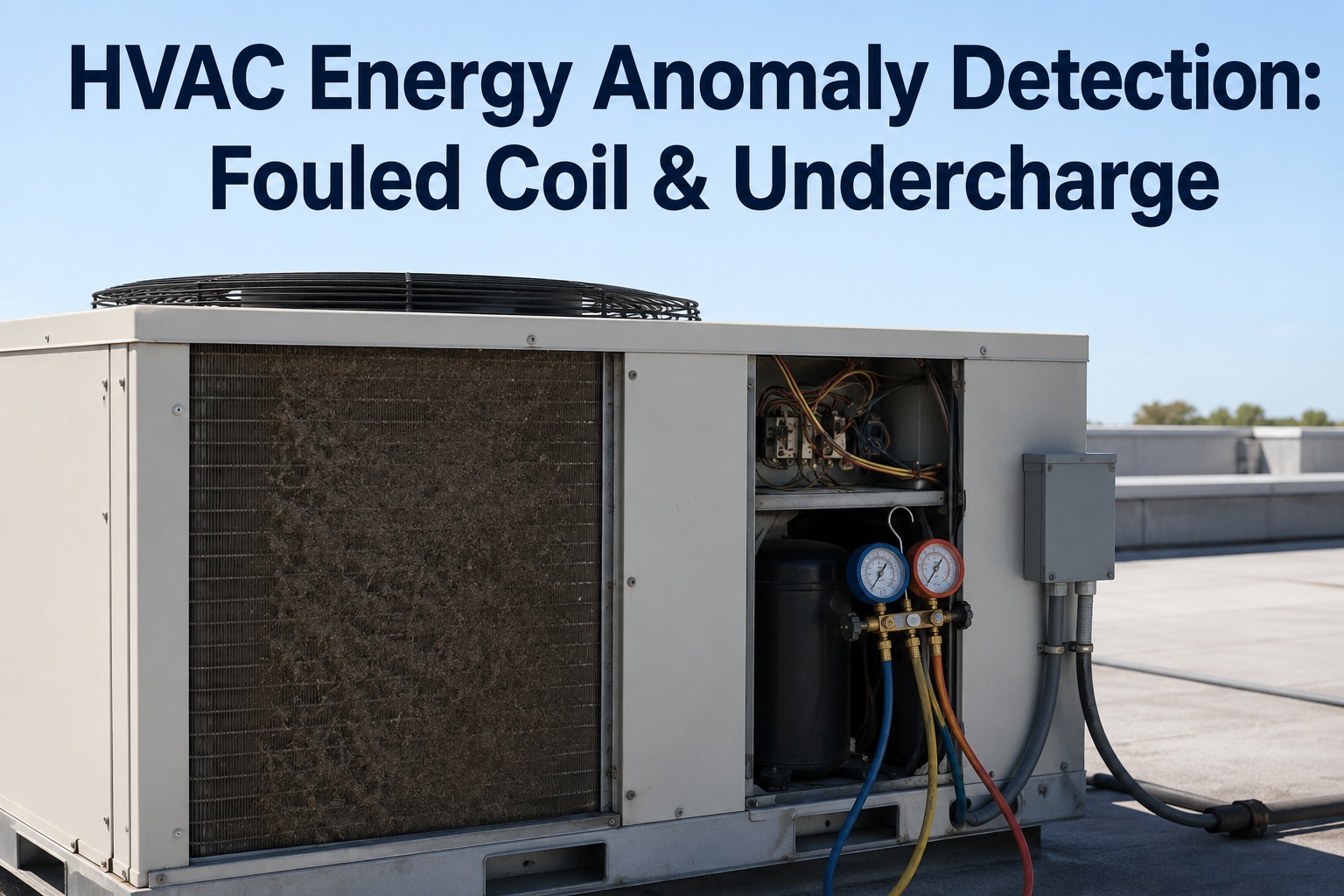
A fouled AHU coil is not a cleanliness problem — it is a thermal-performance and energy problem. ASHRAE research shows that a 0.6 mm biological film on a coil can reduce heat-transfer efficiency by 30%, while particulate loading ramps fan static pressure enough to push VFDs into surge. Yet most plants still clean on a calendar interval (quarterly or semi-annually), which means some coils are over-cleaned and others run fouled for months between walks. HVAC camera inspection replaces guesswork with evidence: each coil surface image is timestamped, geotagged to the asset, and scored for fouling severity so your CMMS can trigger cleaning only when condition data justifies it.
INSPECTION TARGETS
What HVAC vision inspection should capture — and score
A robust HVAC visual inspection program is not a general walk-through. It targets specific high-risk surfaces, captures standardized images, and converts each image into a condition score the CMMS can act on. Below are the four inspection targets that deliver the highest ROI for vision-based condition assessment.
AHU Coil Surface Imaging
Borescope and wide-angle images of finned-tube coil faces, scored for particulate loading, fin damage, and biological discoloration. OxMaint stores images against the asset record and compares them to baseline photos to calculate fouling progression over time.
Cooling Tower Fill Inspection
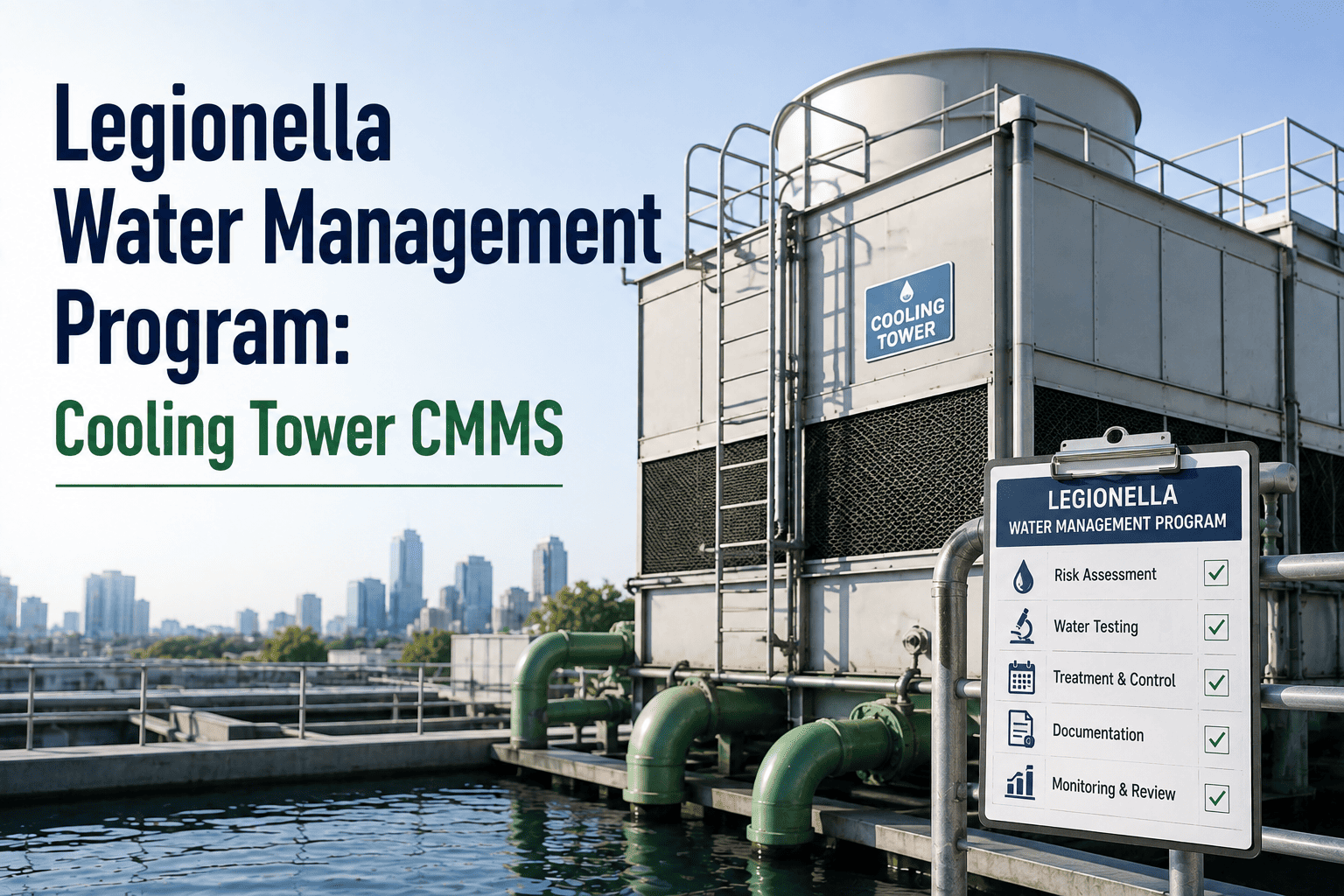
Drop-camera imaging of fill media and drift eliminators to detect scale accumulation, biofilm growth, and structural degradation. Vision inspection catches the early biological growth that Legionella risk assessments and water-treatment logs alone miss.
Filter & Plenum Condition
Camera verification of filter loading depth and plenum surface contamination. Image-diff analysis triggers filter changes at actual pressure-drop-equivalent loading instead of a fixed 90-day interval, cutting filter spend 15–20%.
Duct & Damper Visual
Inspection-camera routing through accessible duct sections to confirm damper positions, seal integrity, and internal debris. Images attach to the asset's preventive maintenance timeline for full audit traceability.
QUANTIFIED ASSESSMENT
How to score fouling from camera images — the condition index
Vision inspection HVAC workflows only deliver value when images are converted into numbers a CMMS can rank and act on. The simplest defensible method is a Fouling Condition Index (FCI) — a 0–100 score derived from three measurable image attributes. When the FCI crosses a threshold, OxMaint auto-generates a cleaning work order with the correct priority, parts, and labor estimate attached.
A 180-asset pharmaceutical plant spending $42K/yr on quarterly coil cleaning deployed $3,800 worth of borescope cameras and routed images into OxMaint. In the first quarter, 41% of coils scored below FCI 40 and were deferred, while 12% scored above 70 and were pulled forward — cutting total cleaning labor 23% and eliminating one near-compressor-failure event. Net first-year savings: $18.6K in labor plus $7.2K in avoided energy waste, against $3.8K in camera hardware and $0 additional software cost inside their existing OxMaint CMMS seat licenses.
STEP-BY-STEP WORKFLOW
HVAC camera inspection workflow — from image to work order
Deploying a camera inspection CMMS workflow takes less than two weeks for a typical facility. The timeline below maps each phase from equipment procurement through the first condition-triggered work order.
Clean all target coils and cooling tower fills, then capture baseline high-resolution images under standardized lighting. Upload to OxMaint and tag each image to the asset ID as the clean-state reference for ΔE color comparison.
Configure FCI scoring rules in OxMaint: set the 55-point cleaning trigger and 75-point critical trigger per asset class. Map each trigger to a pre-built work-order template with labor hours, cleaning chemicals, and spare filter part numbers.
Technicians capture 3–5 images per asset on a biweekly or monthly route using a ruggedized phone or borescope. OxMaint's mobile app uploads images directly to the asset record and auto-calculates FCI against baseline — no manual scoring.
When FCI crosses threshold, OxMaint generates and routes the cleaning work order automatically. Managers see a fouling heatmap across all assets, spot chronic offenders (e.g., one AHU consistently fouling fast — possible filter bypass), and optimize PM intervals quarterly.
CAMERA INSPECTION CMMS
How OxMaint powers HVAC vision inspection at scale
OxMaint is an AI-powered CMMS and EAM platform that turns visual inspection data into automated maintenance action. Instead of images sitting in a shared drive or a paper log, every photo becomes part of the asset's living condition record — scored, trended, and ready to trigger a work order the moment it crosses threshold. Here is how specific OxMaint capabilities map to the HVAC camera inspection workflow.
Image-to-Asset Linking
Every inspection photo auto-attaches to the correct asset record via QR scan or GPS tag. No more orphaned images — technicians and auditors see the full visual history of each coil and fill section in one timeline.
Auto FCI Scoring
OxMaint's AI engine compares each new image against the clean baseline, calculates Surface Coverage, Discoloration Delta, and Fin Occlusion, and assigns a 0–100 Fouling Condition Index — no spreadsheets, no manual estimation.
Condition-Triggered Work Orders
When FCI crosses 55 or 75, OxMaint auto-generates a cleaning work order with priority, labor estimate, parts, and chemicals pre-filled — then routes it to the right technician via the mobile app. No manual triage, no missed triggers.
Fouling Trend Analytics
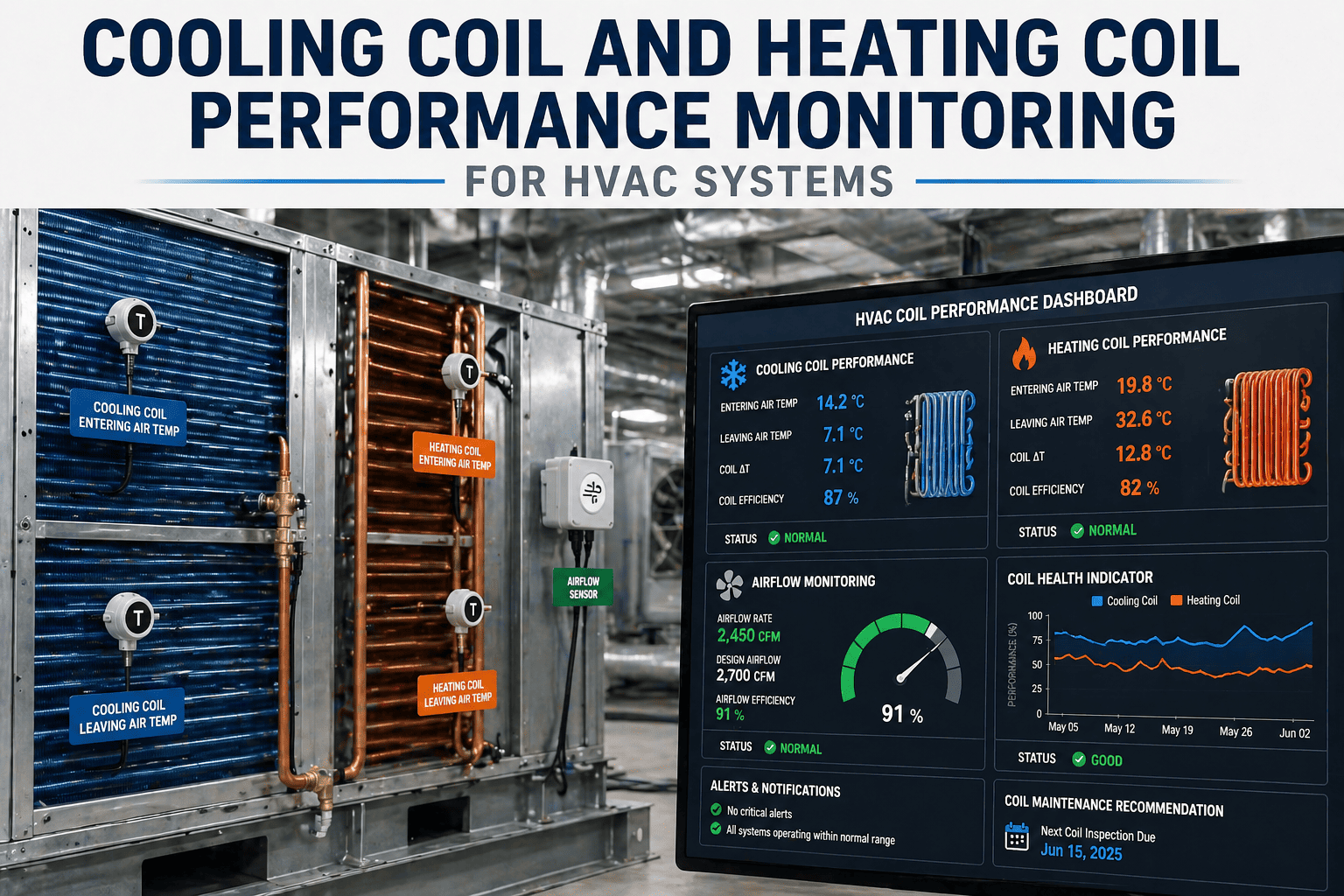
Dashboards show FCI trends per asset, per building, and per coil type — so you can spot chronic foulers, optimize cleaning intervals, and justify maintenance spend to facilities leadership with hard data.
SCANNABLE COMPARISON
Calendar-based cleaning vs. camera inspection CMMS
The fastest way to build the business case for HVAC vision inspection is to compare it side-by-side with the status quo. The table below maps the operational and financial differences across the dimensions that matter to maintenance and reliability leaders.
| Dimension | Calendar-Based Cleaning | Camera Inspection + OxMaint CMMS |
|---|---|---|
| Trigger | Fixed interval (quarterly / semi-annual) | FCI score from image analysis (condition-based) |
| Over-cleaning cost | 20–35% of cleanings unnecessary | Near-zero — defers clean coils automatically |
| Fouling lag | Up to 90 days between fouling onset and action | 1–3 days from image capture to work order |
| Energy waste | $7K–$14K/yr per 100-ton system (undetected fouling) | Recovered within first cleaning cycle after trigger |
| Audit trail | Paper log or spreadsheet — gaps common | Image + FCI + work order timestamped per asset |
| Failure prediction | Reactive — failure detected after complaint | Trended FCI predicts accelerated fouling 30–60 days out |
See OxMaint turn your coil images into work orders — book a 30-min demo
Walk through a live HVAC camera inspection workflow: image capture, FCI scoring, auto-triggered work orders, and fouling trend dashboards — mapped to your assets and your buildings.
FREQUENTLY ASKED
HVAC camera inspection & CMMS — common questions
What equipment is needed for HVAC coil fouling camera inspection?
A ruggedized smartphone with a high-resolution rear camera, a USB or WiFi borescope for internal coil and duct sections, and consistent lighting (a ring light or flash) are sufficient for most AHU and cooling tower inspections. The total hardware cost per technician typically runs $300–$800. Images upload directly into OxMaint's mobile app, which handles asset tagging, FCI scoring, and work-order generation — no separate image-analysis software is required. Start Free Trial to test the capture-and-score workflow on your own assets.
How does a CMMS use camera images for condition assessment?
A camera inspection CMMS like OxMaint links each image to the asset record, compares it against a clean baseline, and calculates a quantitative condition score — the Fouling Condition Index. When that score crosses a pre-set threshold, the CMMS automatically generates a cleaning or inspection work order with priority, labor, and parts attached, turning visual evidence into maintenance action without manual triage.
Can vision inspection detect biological growth in cooling tower fill?
Yes. Drop-camera images of cooling tower fill media and drift eliminators reveal the green, brown, or slimy discoloration that signals biological growth and biofilm formation — often before it shows up in water-treatment logs. OxMaint scores these images for discoloration delta and surface coverage, and the trend data helps teams prove Legionella due-diligence to auditors and health regulators.
How much can I save by switching from calendar-based to condition-based coil cleaning?
Facilities typically cut total cleaning labor 15–25% by deferring coils that are still clean, while recovering $7K–$14K per 100-ton system in avoided fan and compressor energy waste from coils that would have run fouled until the next calendar date. Most sites recover the cost of camera hardware and OxMaint licenses within the first quarter — Book a Demo and we'll build a savings model with your asset count and energy rates.
Does OxMaint support camera inspection for assets besides HVAC coils?
Absolutely. OxMaint's image-to-asset linking, condition scoring, and auto-triggered work orders work for any equipment with a visual degradation pattern — motors, belts, piping insulation, electrical switchgear, and structural surfaces. The FCI methodology can be adapted with custom scoring rules per asset class, so one platform covers your entire visual condition assessment program.
READY TO START?
Stop guessing about coil fouling — start seeing it
Deploy HVAC camera inspection with the CMMS built for condition-based maintenance. Upload your first asset images today, configure FCI thresholds, and let OxMaint auto-generate your cleaning work orders — or let us walk you through it in 30 minutes.
Free 14-day trial · No credit card