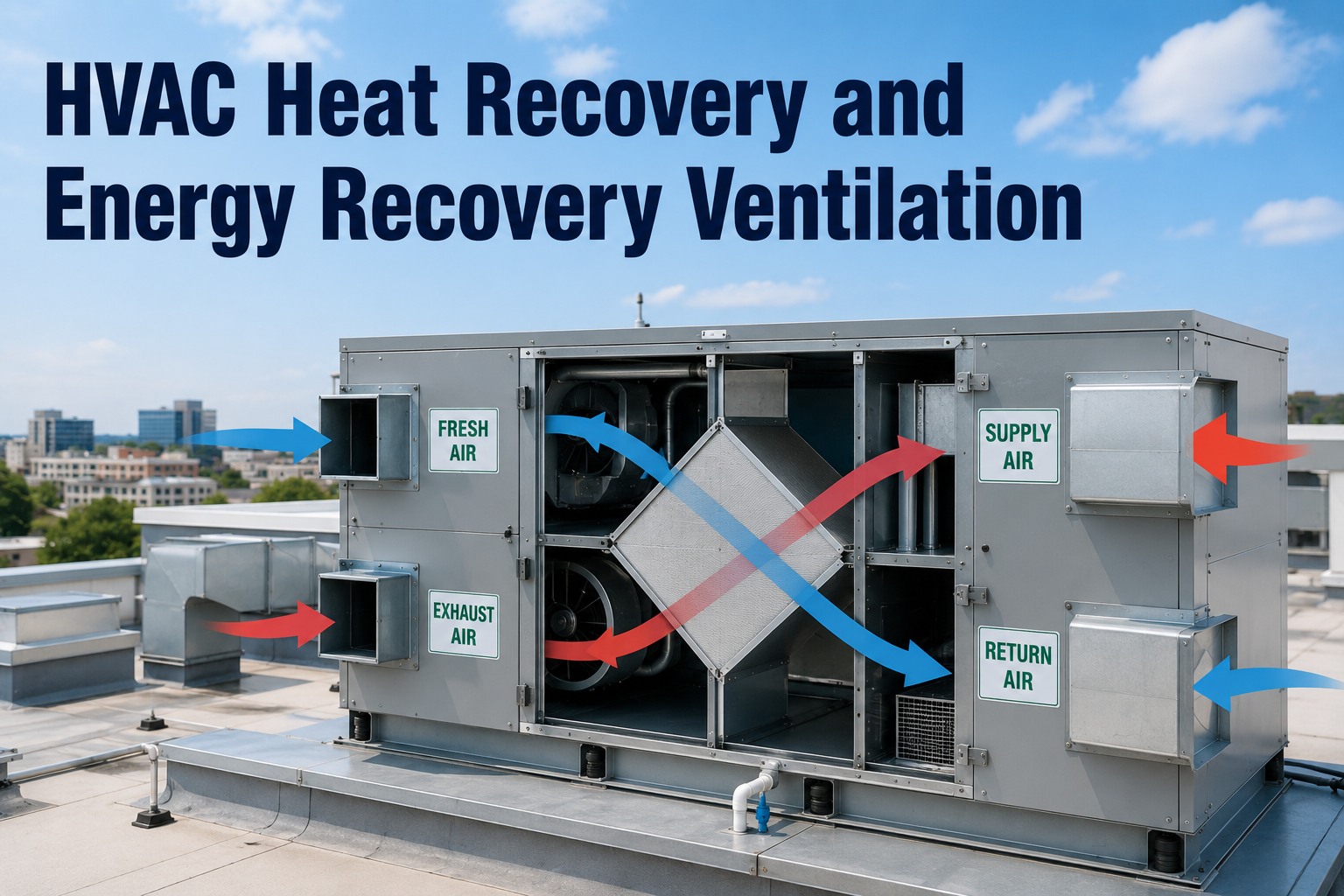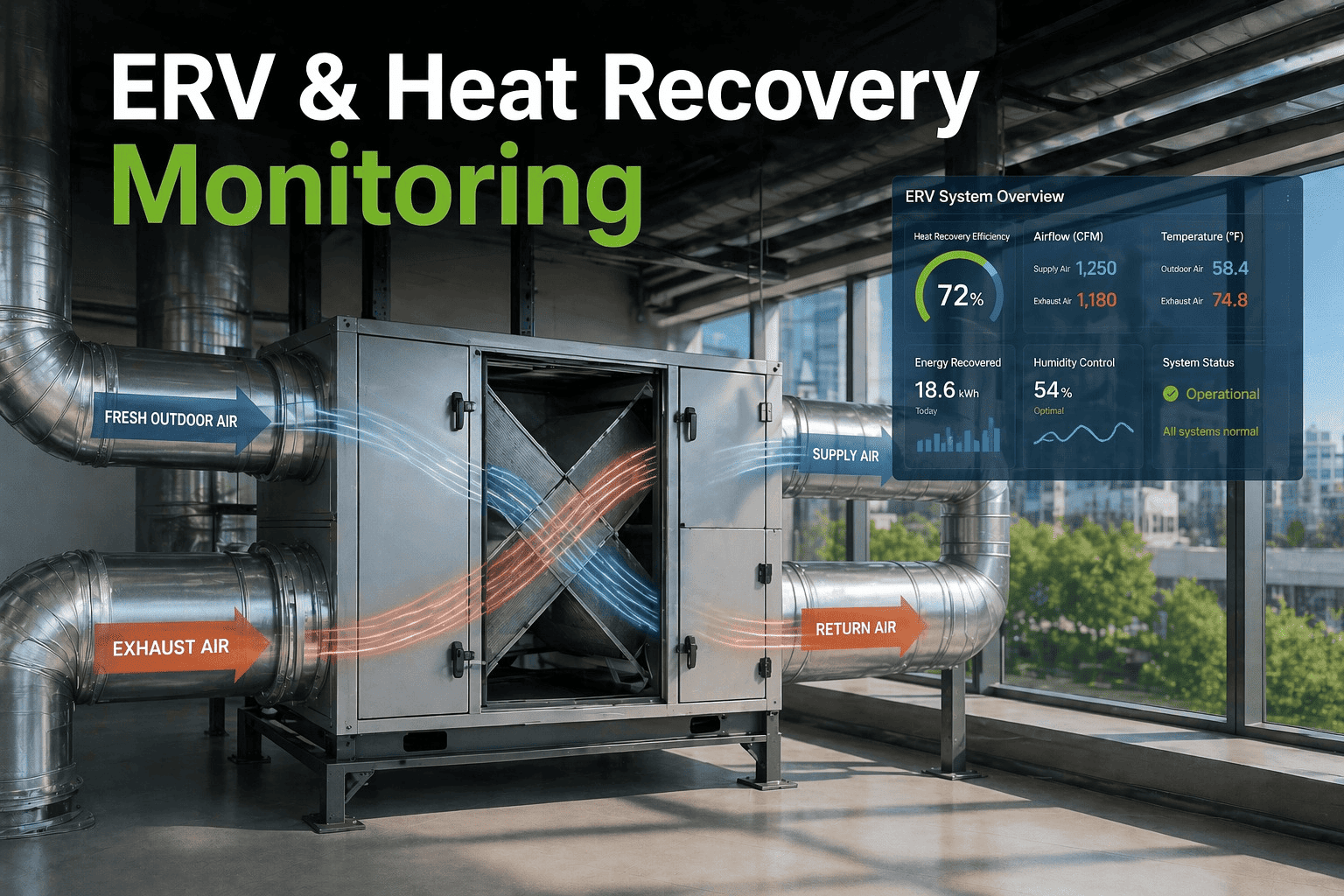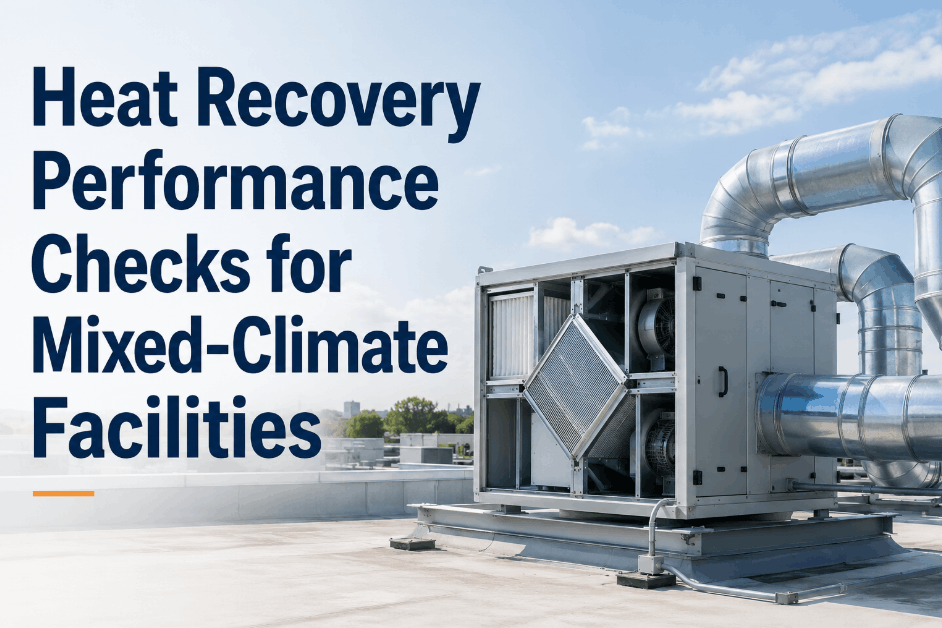
Heat recovery performance is hardest to keep consistent in mixed-climate facilities, where the same energy recovery wheel, bypass damper, or runaround coil has to switch between heating-dominant and cooling-dominant operating modes throughout the year — and transfer efficiency that looked fine in one season can quietly degrade in the next without anyone noticing. Facility teams using Sign Up Free on OxMaint can register heat recovery assets by AHU and zone, log seasonal performance checks as inspections, and catch bypass behavior or transfer efficiency loss before utility bills reveal it. Running regular performance checks across seasons is what keeps heat recovery systems delivering the savings they were designed for.
Why Heat Recovery Performance Degrades Across Seasons
Heat recovery equipment runs in different modes depending on the season, and components that perform well in one mode don't always transition cleanly to the next — bypass dampers, wheel seals, and defrost controls all face different stress at each seasonal switchover. Book a Demo to see how OxMaint links seasonal performance checks to heat recovery asset records so degradation gets caught early.
Five Failure Points That Reduce Heat Recovery Efficiency
Most performance loss in heat recovery systems traces back to a small number of recurring issues tied to seasonal operation. Sign Up Free to start logging these against your heat recovery asset records in OxMaint.
Energy Recovery Wheel Fouling and Belt Wear
Dust and debris buildup on wheel media reduces transfer surface area, while worn drive belts cause inconsistent rotation speed and uneven heat exchange.
Bypass Damper Failure at Seasonal Switchover
Bypass dampers that stick or fail to fully modulate during the transition between heating and cooling modes can leave the system running in the wrong configuration for days.
Seal Leakage and Cross-Contamination Risk
Worn seals on wheels and plate exchangers let exhaust and supply air streams mix, reducing recovery efficiency and raising indoor air quality concerns.
Frost Control Problems in Cold-Season Operation
Inadequate frost control or defrost cycling in cold weather can ice over the recovery media, blocking airflow and forcing the system into bypass mode unexpectedly.
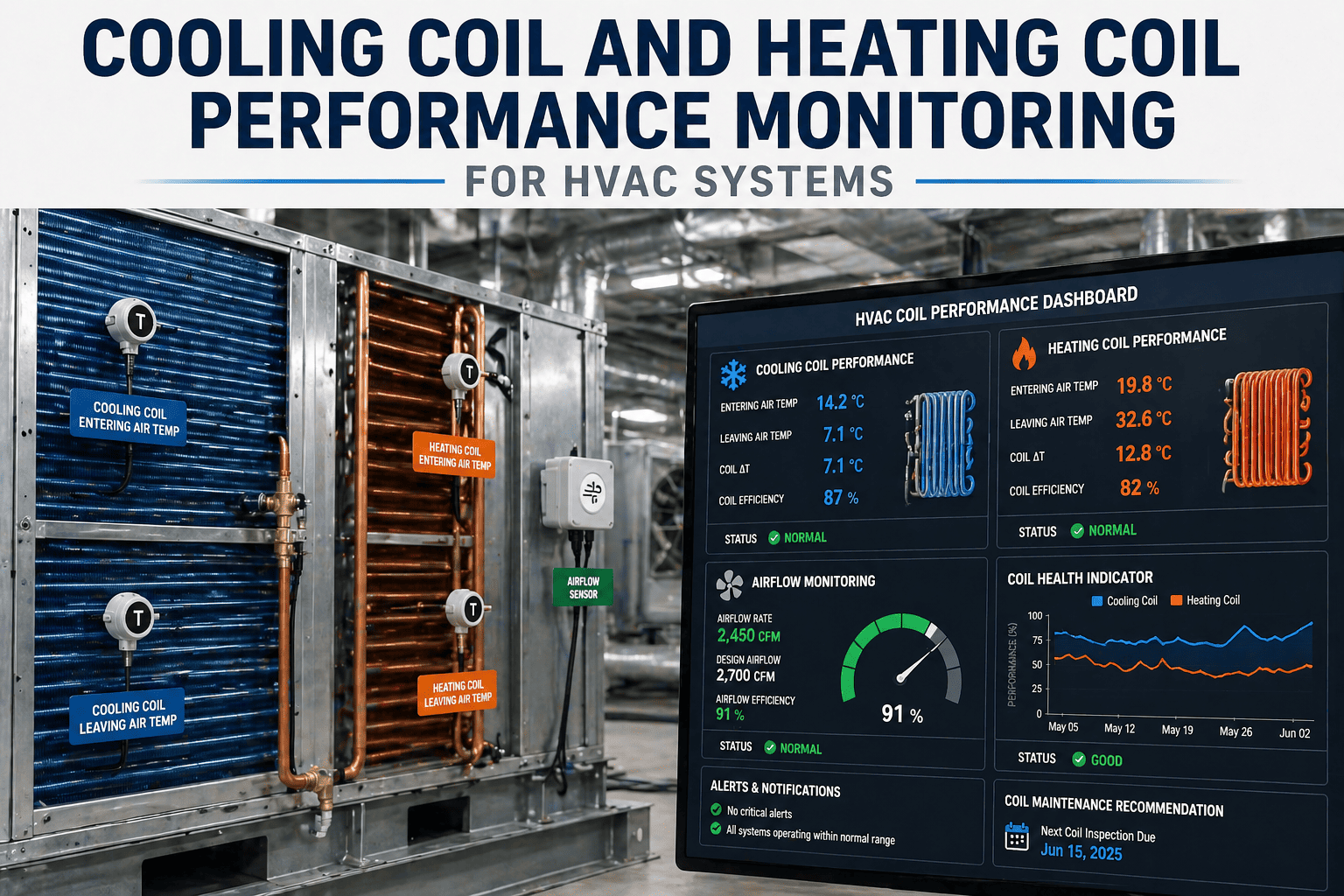
Coil Fouling in Runaround Loop Systems
Runaround coil systems lose transfer efficiency as coil surfaces foul over time, a gradual decline that's easy to miss without scheduled performance checks.
Heat Recovery Risk by Operating Mode
Risk and dominant failure modes shift depending on which seasonal mode the system is running. Book a Demo to see how OxMaint maps heat recovery assets to operating mode for more targeted performance checks.
| Operating Mode | Dominant Issue | Impact | Risk Level | OxMaint PM Lever |
|---|---|---|---|---|
| Winter Heating-Dominant Mode | Frost and defrost control faults | Airflow blockage, energy loss | Critical | Pre-winter defrost inspection |
| Summer Cooling-Dominant Mode | Wheel fouling, seal wear | Reduced transfer efficiency | High | Mid-season performance check |
| Shoulder-Season Mixed Mode | Bypass damper switchover failure | Wrong-mode operation | High | Switchover verification WO |
| Outdoor Air Intake Zones | Debris loading, sensor drift | Inaccurate mode control | Medium | Seasonal intake inspection |
| Exhaust-Heavy Zones (Labs/Kitchens) | Seal leakage, cross-contamination | IAQ and compliance risk | Critical | Continuous seal monitoring |
How Heat Recovery Degradation Drives Facility Costs
Performance loss in heat recovery equipment rarely shows up as a single dramatic failure — it shows up as cost creep across the year. Sign Up Free to connect seasonal performance data to your energy and asset records in OxMaint.
Using OxMaint to Track Heat Recovery Performance at Scale
Tracking performance across seasons is far easier when checks, asset data, and energy records all live in the same system. Book a Demo to see this approach mapped to your facility's climate profile and equipment mix.
Register Heat Recovery Assets by AHU and Zone
Create asset records in OxMaint for every energy recovery wheel, plate exchanger, or runaround loop, linked to the AHU and zone it serves.
Log Seasonal Performance Checks as Inspections
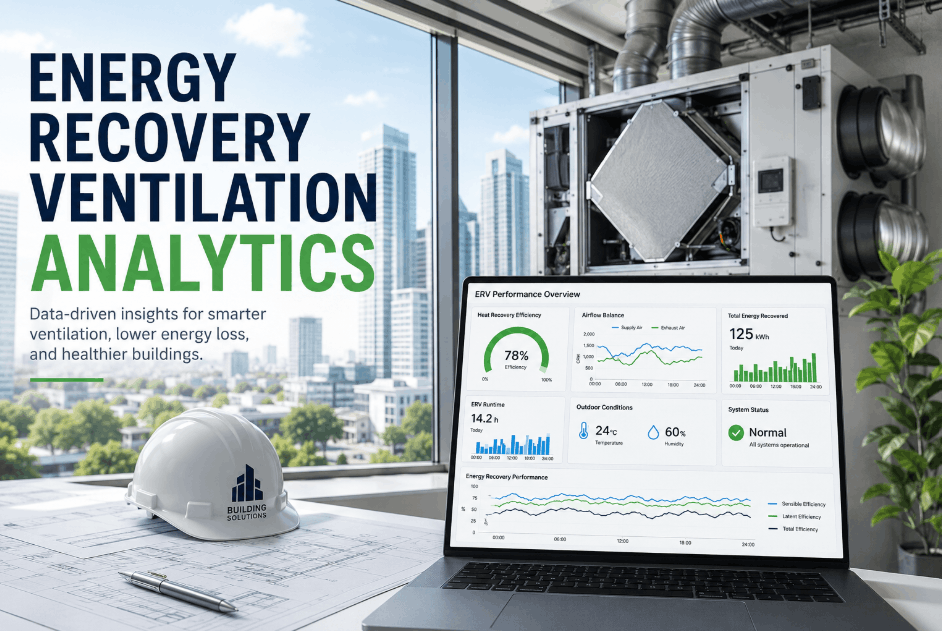
Use digital inspection checklists in OxMaint to record transfer efficiency, bypass behavior, and seal condition at each seasonal check.
Schedule PM Around Seasonal Transition Windows
Set preventive maintenance tasks in OxMaint timed to mode switchover periods, when bypass damper and control issues are most likely to surface.
Link Performance Trends to Energy Data
Connect logged performance checks to energy consumption records in OxMaint to confirm whether degradation is showing up in actual utility costs.
Generate Reports for Capital and Climate Planning
Use OxMaint reporting dashboards to identify which heat recovery assets are approaching end of reliable service life across seasonal cycles.
Frequently Asked Questions: Heat Recovery Performance in Mixed-Climate Facilities
How often should heat recovery systems be checked in mixed climates?
Most facilities benefit from checking performance at least twice a year, timed around the heating-to-cooling and cooling-to-heating switchover periods.
What causes heat recovery efficiency to drop over time?
Wheel fouling, bypass damper failure, seal leakage, frost control issues, and coil fouling are the most common causes of declining transfer efficiency.
How does OxMaint help track heat recovery performance?
OxMaint links heat recovery asset records to seasonal inspection checklists and energy data, giving facility teams one place to track degradation across the year.
Can heat recovery problems affect indoor air quality?
Yes — worn seals that allow exhaust and supply air to mix reduce recovery efficiency and can raise indoor air quality and compliance concerns, especially in exhaust-heavy zones.
Can seasonal performance data support capital planning?
Yes — tracking transfer efficiency trends by season in OxMaint helps identify heat recovery assets approaching the end of reliable service life for replacement planning.