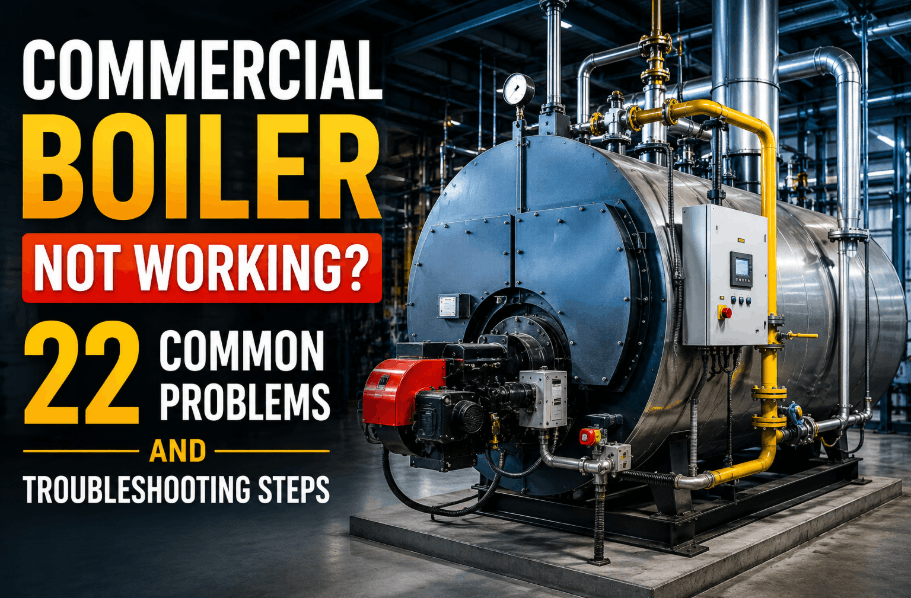
A frozen evaporator coil in commercial HVAC is not just an inconvenience — it signals an underlying system failure that, if ignored, leads to compressor burnout, costly emergency repairs, and prolonged facility downtime. Whether you manage rooftop units, split systems, or air handlers across multiple sites, diagnosing the root cause quickly is critical. Facilities using Sign Up Free with Oxmaint detect coil-freezing precursors through continuous parameter trending — catching airflow drops, refrigerant anomalies, and filter degradation weeks before ice forms. This guide covers the 7 most common causes of frozen evaporator coils in commercial HVAC, safe thaw procedures, and how predictive maintenance eliminates repeat freeze events. Teams ready to move beyond reactive service calls can Book a Demo and see how condition-based HVAC monitoring works in practice.
OXMAINT CMMS FOR COMMERCIAL HVAC TEAMS
Prevent Frozen Coils Before They Shut Down Your System
Oxmaint gives HVAC maintenance teams real-time parameter trending, automated PM scheduling, and fault history tracking — so frozen evaporator coils become a planned prevention item, not a 2 AM emergency call.
Why Evaporator Coils Freeze in Commercial HVAC Systems
Evaporator coil freezing occurs when the coil surface temperature drops below 32°F while moisture is present in the airstream. In commercial systems, this happens when heat transfer to the coil is disrupted — either by restricted airflow, refrigerant imbalance, or control failures — causing refrigerant to absorb insufficient heat and the coil to over-cool. Unlike residential units, commercial HVAC systems operate under variable load profiles, serve large occupied spaces, and run continuously, meaning a frozen coil in a rooftop unit or air handler carries significant operational and financial consequences. Facilities that Book a Demo with Oxmaint and implement condition-based monitoring identify the early performance signatures of coil freeze risk — static pressure rise, leaving air temperature drift, and supply fan amp increases — before ice formation occurs.
Commercial HVAC frozen coil events cost facilities an average of 4–18 hours of cooling downtime per incident — the majority are caused by maintenance gaps detectable weeks in advance through parameter trending.
7 Common Causes of Frozen Evaporator Coils: Fault Patterns & Fixes
The following troubleshooting reference covers the fault patterns responsible for the overwhelming majority of commercial evaporator coil freeze events. Each entry identifies the specific cause, how it manifests, and the corrective action required.
Airflow & Filtration Causes
01
Clogged or Bypassed Air Filters
The Problem: Restricted airflow reduces heat transfer to the coil. The refrigerant absorbs too little heat, coil surface temperature falls below freezing, and moisture in the return air stream begins to accumulate as ice — progressively blocking further airflow.
How to Fix: Shut the unit down. Replace filters immediately. Allow the coil to thaw fully before restarting — forced restart before thaw complete causes secondary compressor stress. Implement filter change intervals based on differential pressure trending, not calendar date.
02
Blocked Supply or Return Grilles
The Problem: Furniture, equipment, or construction materials obstructing supply and return air paths reduce system airflow below minimum design volumes. This produces the same coil-freezing effect as a clogged filter — insufficient heat load reaching the evaporator surface.
How to Fix: Conduct a visual inspection of all supply and return grilles in served zones. Restore unobstructed airflow paths. Verify supply fan is delivering design CFM using a balometer or static pressure measurement at AHU. Document findings in work order history.
03
Supply Fan Failure or Belt Slippage
The Problem: A failing supply fan motor, worn V-belt, or slipping drive results in reduced airflow delivery while the refrigerant circuit continues to operate. The coil cools beyond its design setpoint with insufficient heat absorption, initiating ice buildup within 30–90 minutes.
How to Fix: Check fan motor amperage against nameplate FLA. Inspect belt tension and condition on belt-drive units. Verify VFD output frequency matches control signal. Log fan current trending in CMMS to detect motor degradation before failure.
Refrigerant Circuit Causes
04
Low Refrigerant Charge
The Problem: Refrigerant undercharge lowers evaporator pressure and saturation temperature. The coil operates at sub-freezing temperatures even under normal airflow conditions. Diagnostic signature: high superheat, low suction pressure, and reduced system capacity alongside visible frost accumulation — typically starting at the suction line.
How to Fix: Perform a leak detection sweep on all joints, service valves, and brazed connections before adding refrigerant. Repair confirmed leaks. Recharge to design specifications per manufacturer data and log recharge volume for regulatory compliance. Do not add refrigerant without confirmed leak cause.
05
Malfunctioning Expansion Valve (TXV / EEV)
The Problem: A stuck-open expansion valve floods the evaporator with liquid refrigerant, dramatically over-cooling the coil surface. A stuck-closed or restricted valve starves the evaporator, dropping suction pressure below freeze threshold. Both failure modes produce ice formation but from opposite refrigerant flow conditions.
How to Fix: Map suction pressure, superheat, and subcooling simultaneously to determine valve failure mode. For TXV: check bulb contact and charge. For EEV: verify electronic controller output signal and stepper motor response. Replace valve if modulation is confirmed non-functional.
06
Refrigerant Distributor or Orifice Restriction
The Problem: Moisture contamination or debris in the refrigerant circuit causes ice formation or blockage at the distributor or orifice, creating uneven or severely restricted refrigerant distribution across the coil face. Sections of the evaporator receive insufficient refrigerant while others freeze over.
How to Fix: Inspect filter-drier condition and replace if saturated. Recover refrigerant, replace distributor components if blockage is confirmed, install new filter-drier, pull deep vacuum, and recharge to spec. Verify moisture indicator sight glass color post-service.
Control & Operating Condition Causes
07
Low Return Air Temperature / Low Load Operation
The Problem: Commercial systems running at very low load — during night setback, mild weather, or after-hours operation — supply insufficient heat load to the evaporator. If the unit continues to run at full or partial compressor capacity with low entering air temperatures, the coil surface temperature drops below freezing.
How to Fix: Verify thermostat setback schedules are appropriate for actual occupancy patterns. Implement low-ambient lockout controls to prevent compressor operation below design entering air temperature thresholds. Adjust staging logic to cycle the unit off rather than run at minimal load for extended periods.
Safe Frozen Evaporator Coil Thaw Procedure
Step 01
Shut Down the Compressor Immediately
Switch the unit to fan-only mode at the thermostat or controller. Never attempt to continue cooling operation with a frozen coil — continued compressor operation risks liquid slugging and catastrophic compressor failure.
Step 02
Run the Supply Fan to Accelerate Thaw
Keep the supply fan running in fan-only mode to circulate room-temperature air across the frozen coil surface. Full thaw typically requires 1–4 hours depending on ice accumulation volume. Do not use external heat sources — they risk coil tube damage.
Step 03
Contain and Manage Condensate Drainage
Monitor the condensate drain pan for overflow as the coil thaws. Verify the condensate drain line is clear and draining freely. Blocked condensate lines during thaw cause water damage to ceilings and surrounding equipment.
Step 04
Diagnose Root Cause Before Restart
Once fully thawed, diagnose and correct the root cause before returning the unit to service. Check filters, measure airflow, map refrigerant pressures and superheat, and verify controls. Restarting without root cause correction will reproduce the freeze event within hours.
Step 05
Document the Event in Your CMMS
Log the freeze event, root cause finding, and corrective action taken in your maintenance management system. Repeat freeze events on the same unit flag a systemic issue requiring escalated investigation. Teams using
Sign Up Free with Oxmaint get automatic repeat-defect flagging and fault pattern recognition across their entire equipment fleet.
Reactive vs. Predictive: Frozen Coil Response Comparison
The financial and operational difference between reactive frozen coil response and predictive maintenance is measurable in every service scenario. Teams that Book a Demo and implement Oxmaint's parameter trending consistently eliminate the majority of unplanned freeze-related downtime events.
| Fault Scenario |
Reactive Response |
Predictive Response |
Downtime Impact |
| Clogged filter causing freeze |
Frozen coil discovered; 2–6hr thaw + emergency filter change; occupied space complaints |
Static pressure rise triggers filter change PM before threshold reached; zero freeze event |
−100% unplanned |
| Refrigerant leak / low charge |
Coil freeze trip; leak search; repair; recharge: 8–24hr outage |
Suction pressure trend and superheat rise flag 1–2 weeks ahead; planned repair |
−80% downtime |
| TXV failure causing flooding |
Emergency valve replacement; thaw cycle; compressor inspection: 6–12hrs |
Superheat trend deviation triggers inspection; valve replaced at scheduled PM window |
−75% downtime |
| Supply fan belt slippage |
Freeze event discovered; fan diagnosis + belt replacement + thaw: 4–8hrs |
Fan motor amp drop flags belt wear; replaced at next PM visit before freeze occurs |
−100% unplanned |
| Low-load freeze during setback |
Morning discovery; thaw before occupancy; controls investigation: 3–5hrs delay |
Low-ambient lockout control verified at commissioning; scheduling logic adjusted proactively |
−90% downtime |
HVAC KPIs That Predict Frozen Coil Risk
Supply Air Temperature Leaving Coil
Track leaving air temperature against entering conditions. A sustained drop below design leaving air temperature at equivalent load signals coil over-cooling and early freeze risk.
Filter Differential Static Pressure
Rising differential pressure across the filter bank is the earliest and most reliable predictor of restricted airflow. Trending this value replaces guesswork with data-driven filter change intervals.
Suction Pressure & Superheat
Suction pressure trending below design saturation combined with elevated superheat identifies low refrigerant charge weeks before a freeze event or compressor safety trip occurs.
Supply Fan Motor Amperage
Fan motor current trending below rated FLA at known conditions signals mechanical degradation — belt wear, bearing friction, or motor winding issues — that reduce airflow toward freeze thresholds.
Coil Approach Temperature
Rising difference between evaporating saturation temperature and leaving air temperature indicates coil surface fouling — reducing heat transfer efficiency and increasing freeze susceptibility under normal load.
Condensate Drain Pan Level
Elevated drain pan water levels can indicate the early stages of coil freezing and drain restriction simultaneously. Integrating pan level sensing into CMMS alerts enables intervention before full freeze-over.
OXMAINT FOR HVAC ASSET MANAGEMENT
Track Every KPI That Predicts a Frozen Coil Event
Oxmaint's CMMS connects HVAC parameter trending, PM scheduling, and mobile work order execution in a single platform — giving your team the data infrastructure to eliminate unplanned freeze events across your entire facility portfolio.
Configurable alert thresholds for airflow, suction pressure, and temperature parameters
PM scheduling for filter changes, coil cleaning, and refrigerant checks on data-driven intervals
Fault history and repeat defect flagging across multi-site HVAC fleets
Frequently Asked Questions: Frozen Evaporator Coil in Commercial HVAC
How long does a commercial evaporator coil take to thaw?
Depending on ice accumulation, a commercial coil running in fan-only mode typically thaws fully in 1–4 hours. Heavier freeze events in large AHUs can take longer. Never restart the compressor until thaw is visually confirmed at the coil and drain pan output returns to normal.
Can a frozen evaporator coil damage the compressor?
Yes. If the compressor continues to run during a freeze event, liquid refrigerant can migrate back to the compressor — a condition called liquid slugging — causing immediate mechanical damage. The compressor must be shut down as soon as coil icing is detected.
How do I tell if my commercial HVAC coil is frozen without opening the unit?
Key indicators without unit access: significantly reduced supply airflow from registers, leaving supply air temperature warmer than normal setpoint, frost or ice visible on the suction line at the unit, and condensate overflow at drain pan cleanouts. Any of these warrant immediate investigation.
How often should commercial evaporator coils be cleaned to prevent freeze events?
Annual coil cleaning is the industry baseline for most commercial applications. However, coil approach temperature trending is a more reliable trigger — if approach temperature rises above 2–3°F from post-cleaning baseline, cleaning is overdue regardless of schedule. Oxmaint tracks this automatically.
What role does a CMMS play in preventing frozen evaporator coils?
A CMMS like Oxmaint tracks the parameter trends that precede freeze events — filter differential pressure, fan motor current, suction pressure, and leaving air temperature — and triggers PM tasks before thresholds are crossed. Teams using
Sign Up Free on Oxmaint convert reactive freeze response into proactive prevention across their full HVAC portfolio.
Does low outdoor temperature cause evaporator coil freeze in commercial RTUs?
Yes. Commercial rooftop units operating in cooling mode during low ambient conditions — typically below 55°F entering air — risk coil freeze if low-ambient lockout controls are absent or misconfigured. Verify lockout setpoints match manufacturer specifications and current occupancy schedules.
SMART HVAC MAINTENANCE WITH OXMAINT
Make Frozen Evaporator Coils a Planned Prevention Item, Not an Emergency
Every frozen coil cause in this guide is preceded by observable performance trends that a well-configured CMMS catches weeks before ice forms. Oxmaint puts HVAC parameter trending, automated PM scheduling, and mobile work order execution in one platform — with measurable downtime reduction from day one.

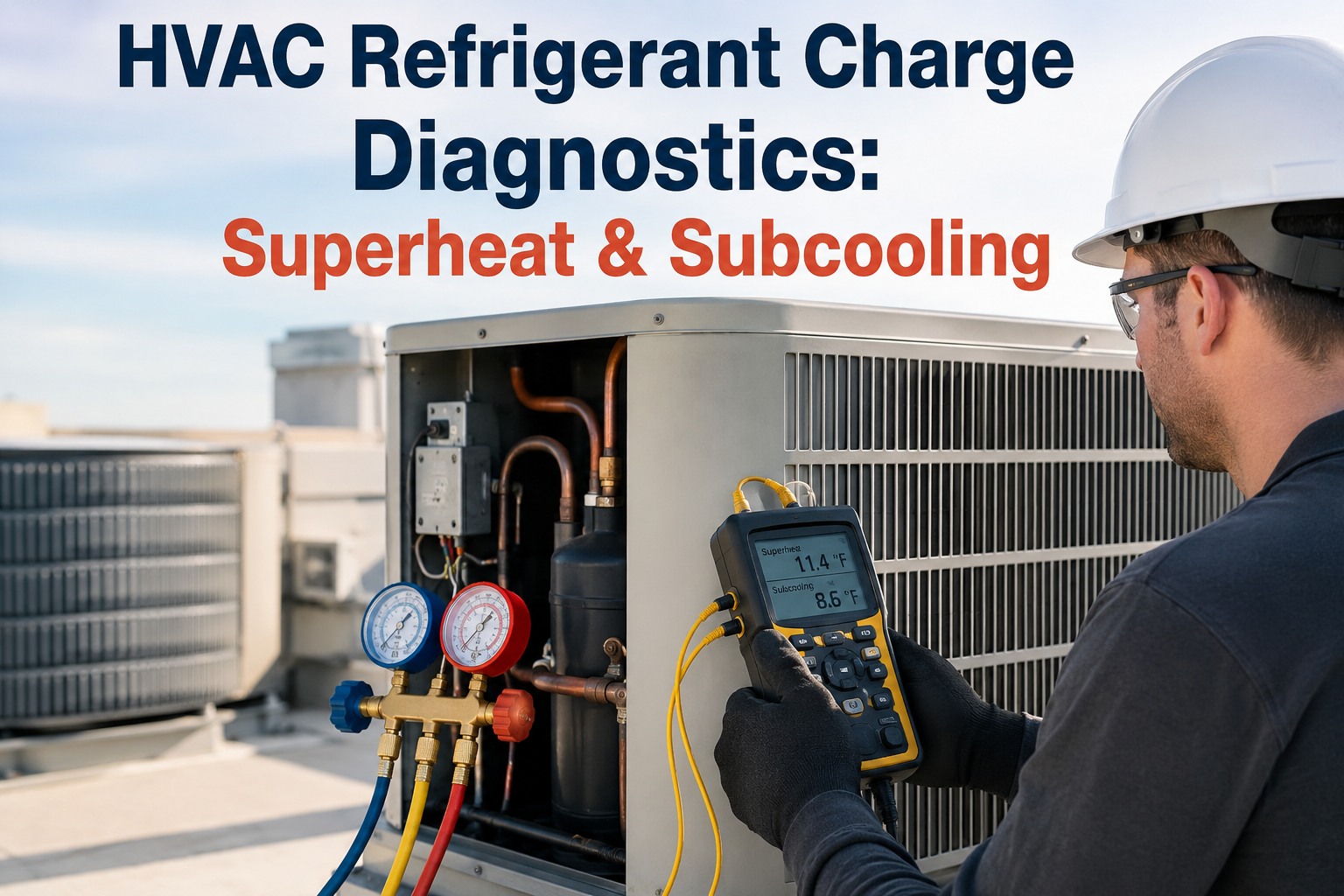

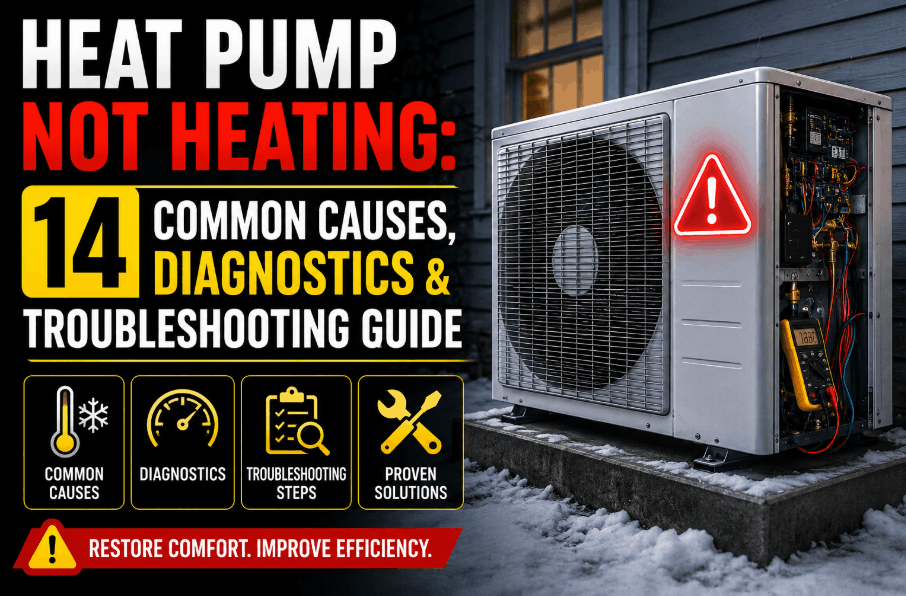
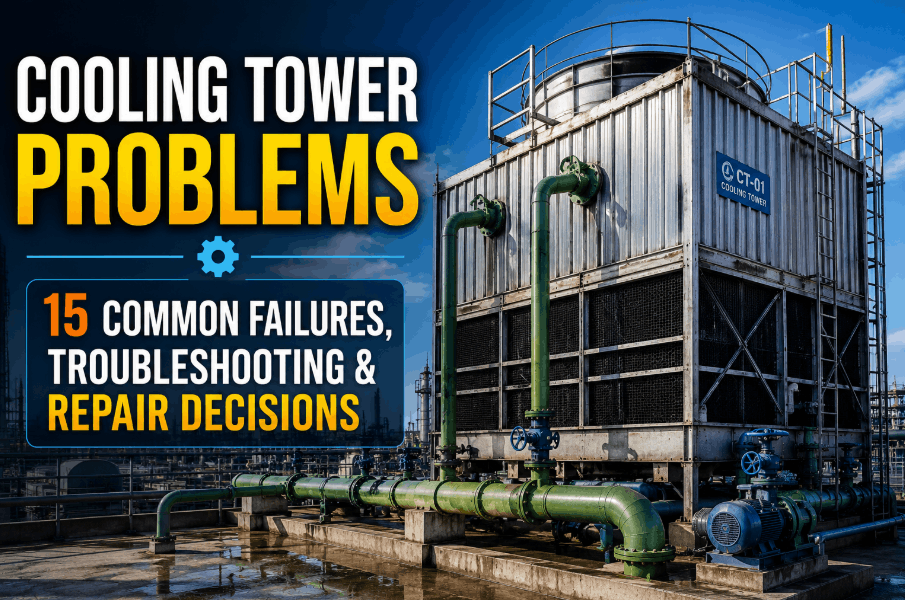
-troubleshooting-low-airflow,-strange-noises-&-coil-issues-guide.png)
-not-cooling-18-common-causes,-diagnostics-&-troubleshooting-guide.png)